

Softboxes
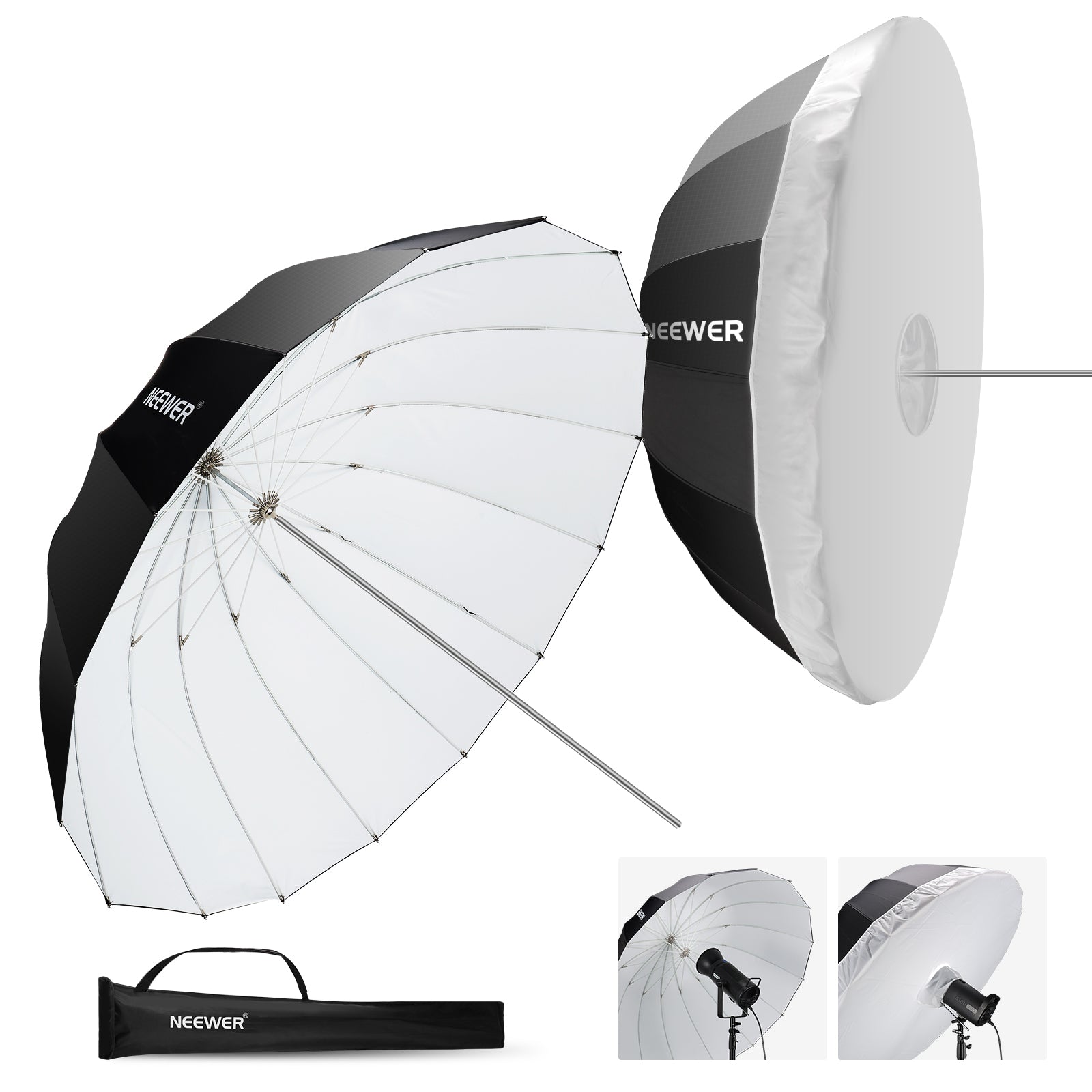
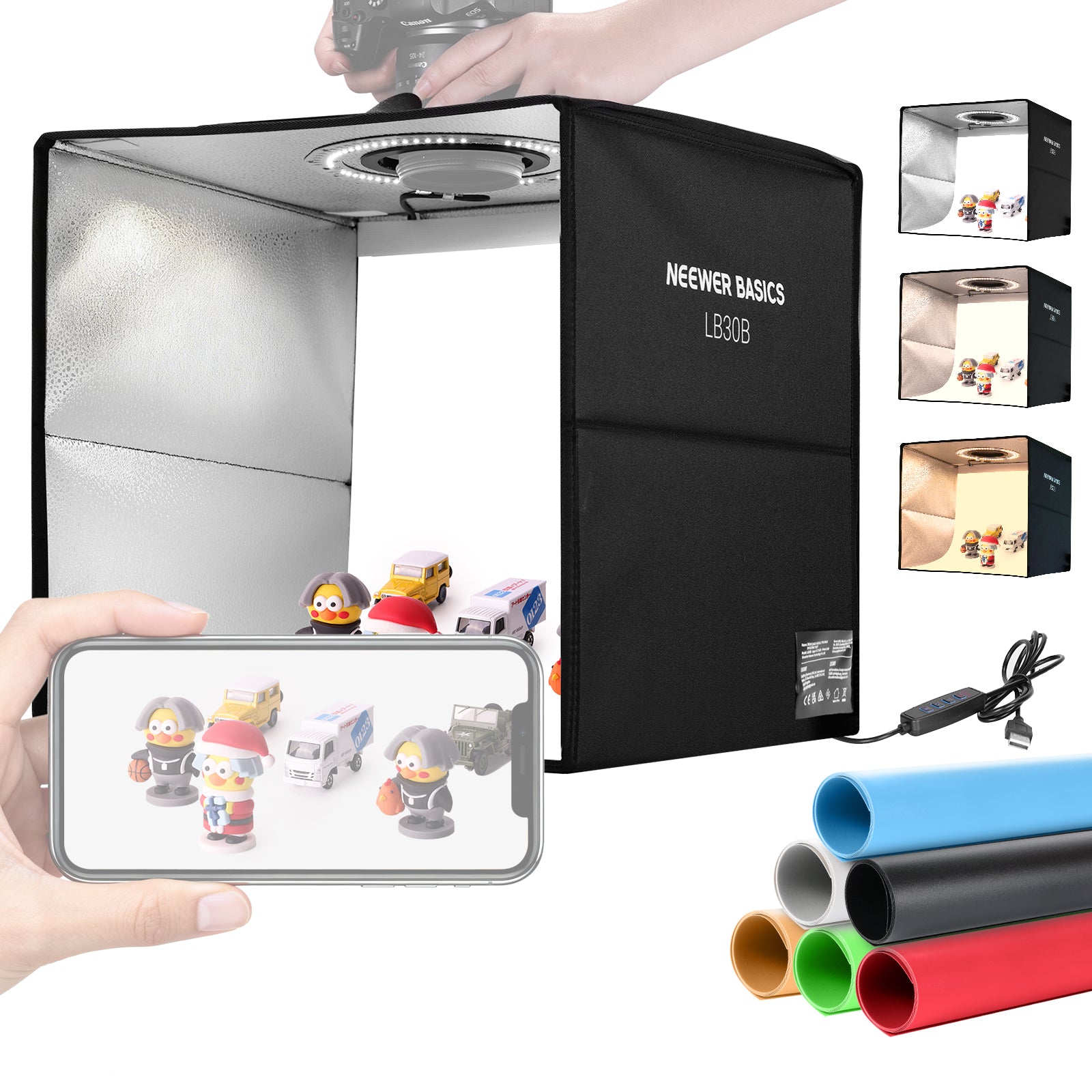
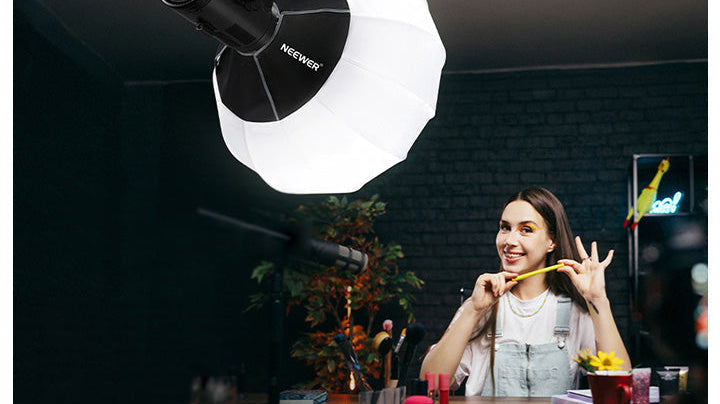
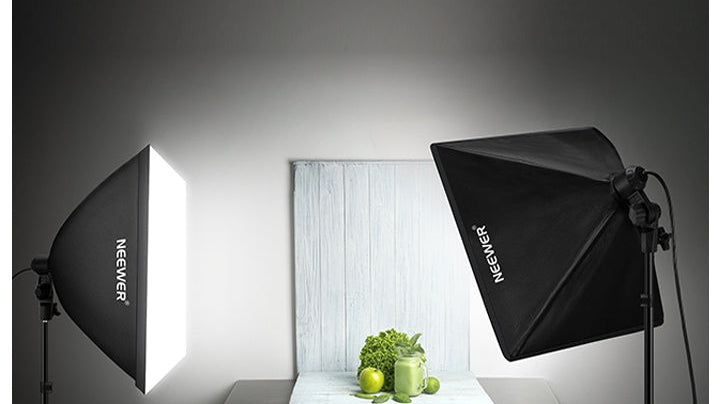
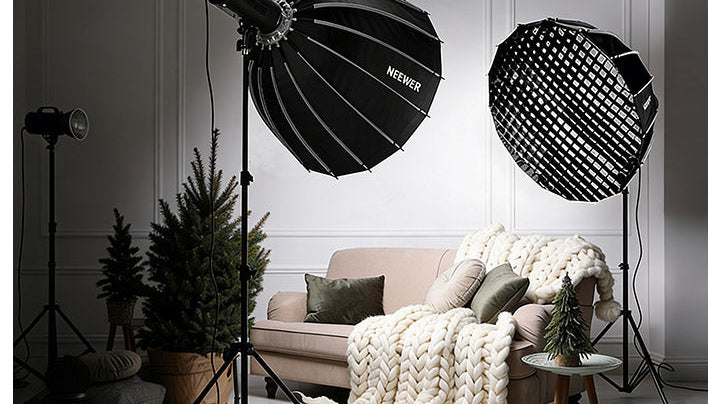
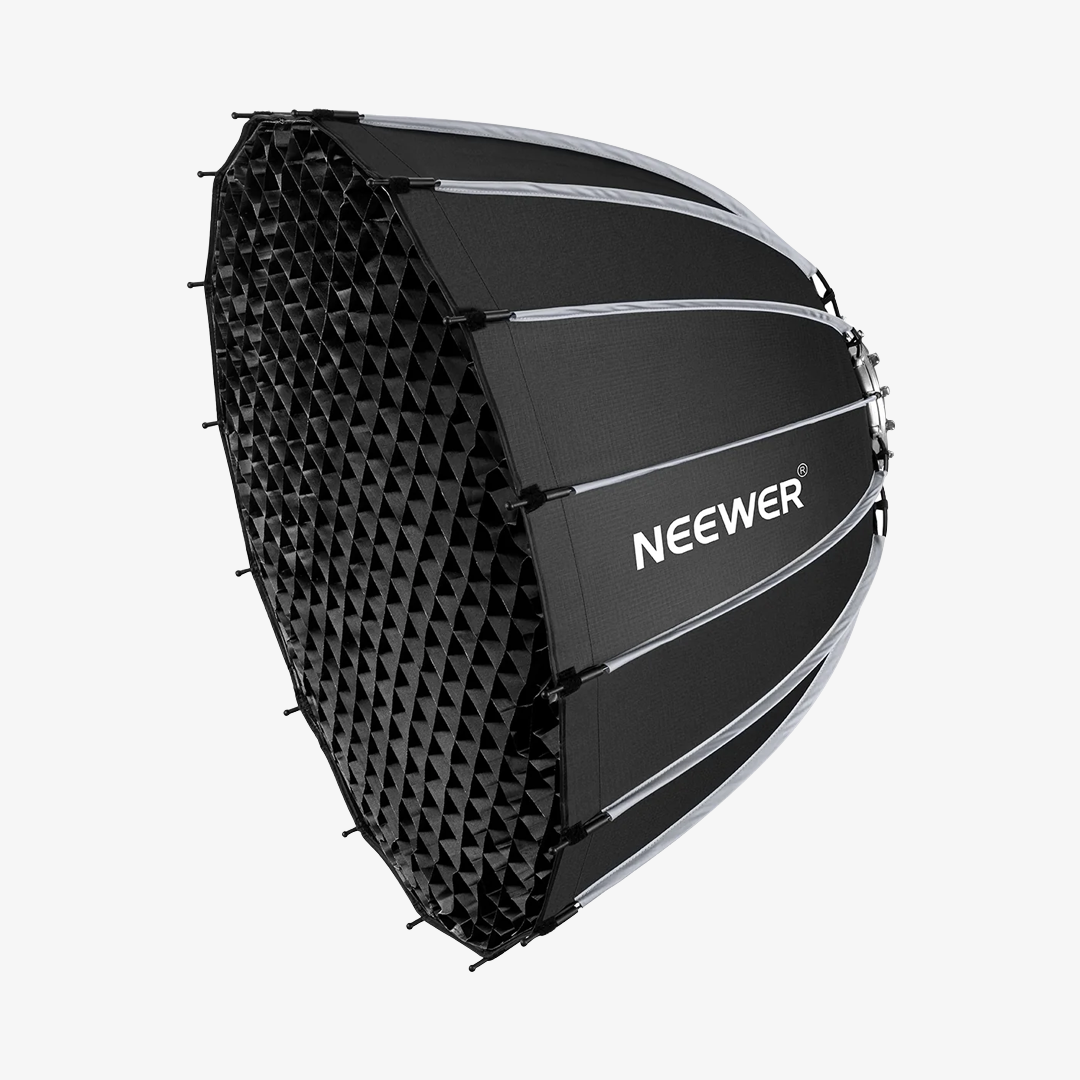
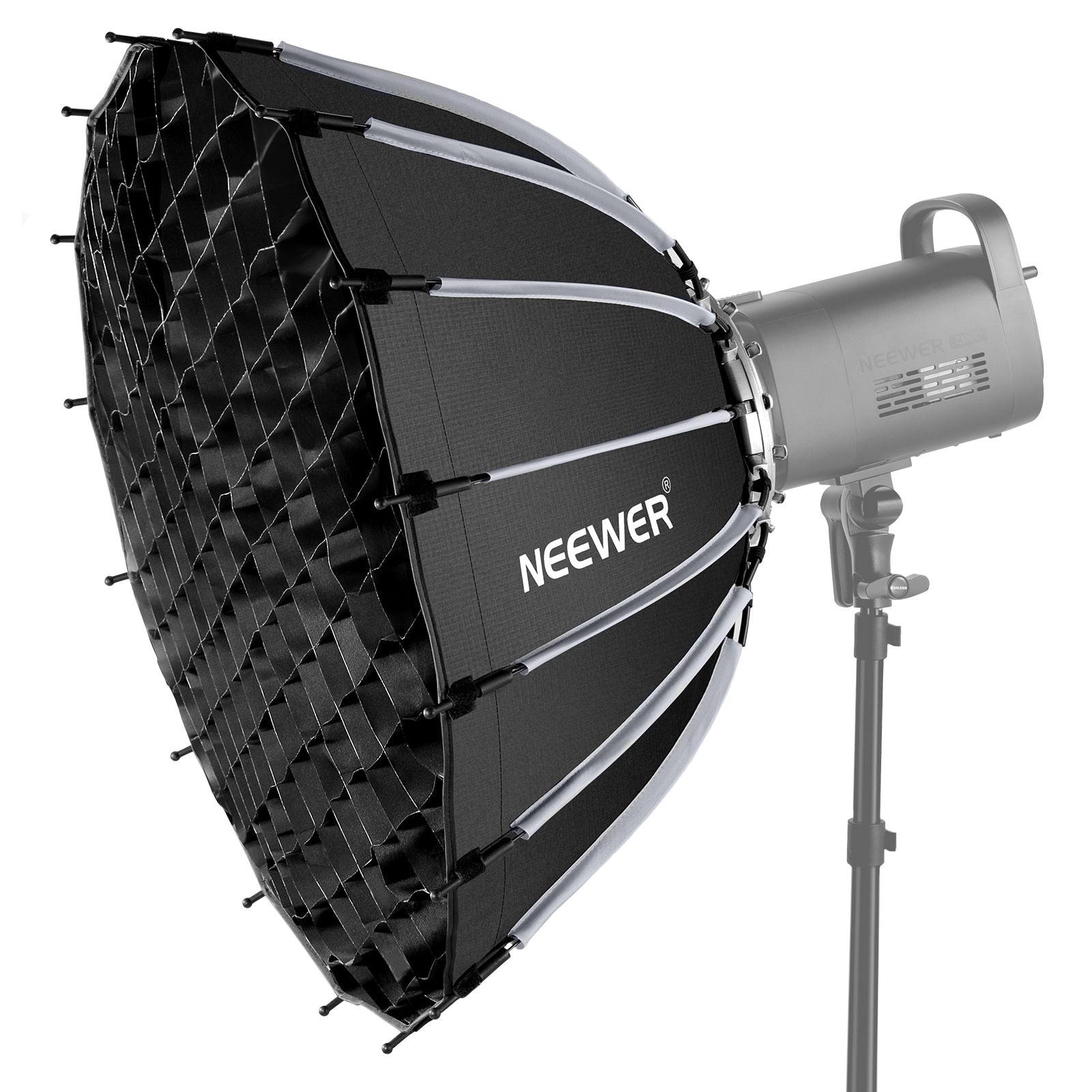
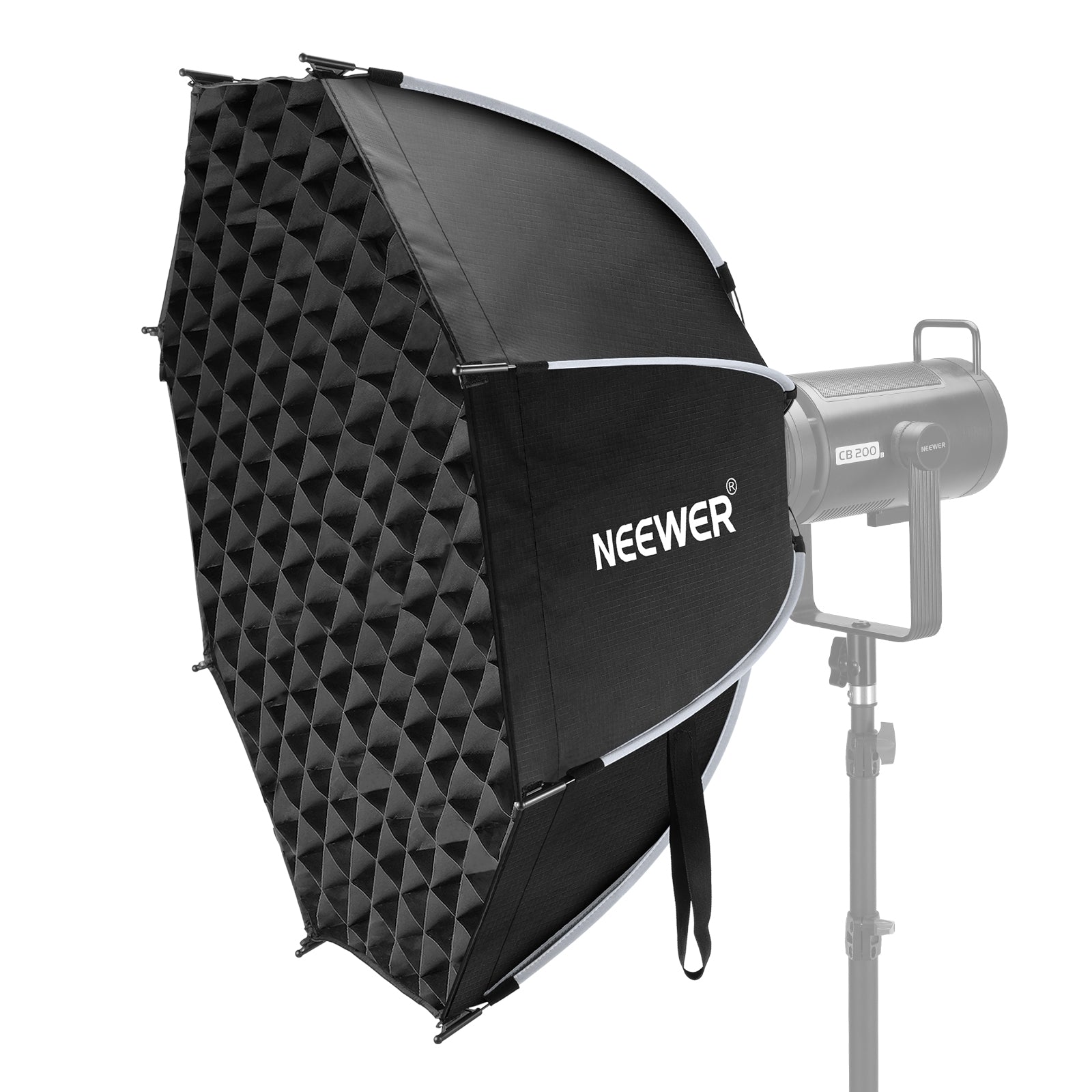
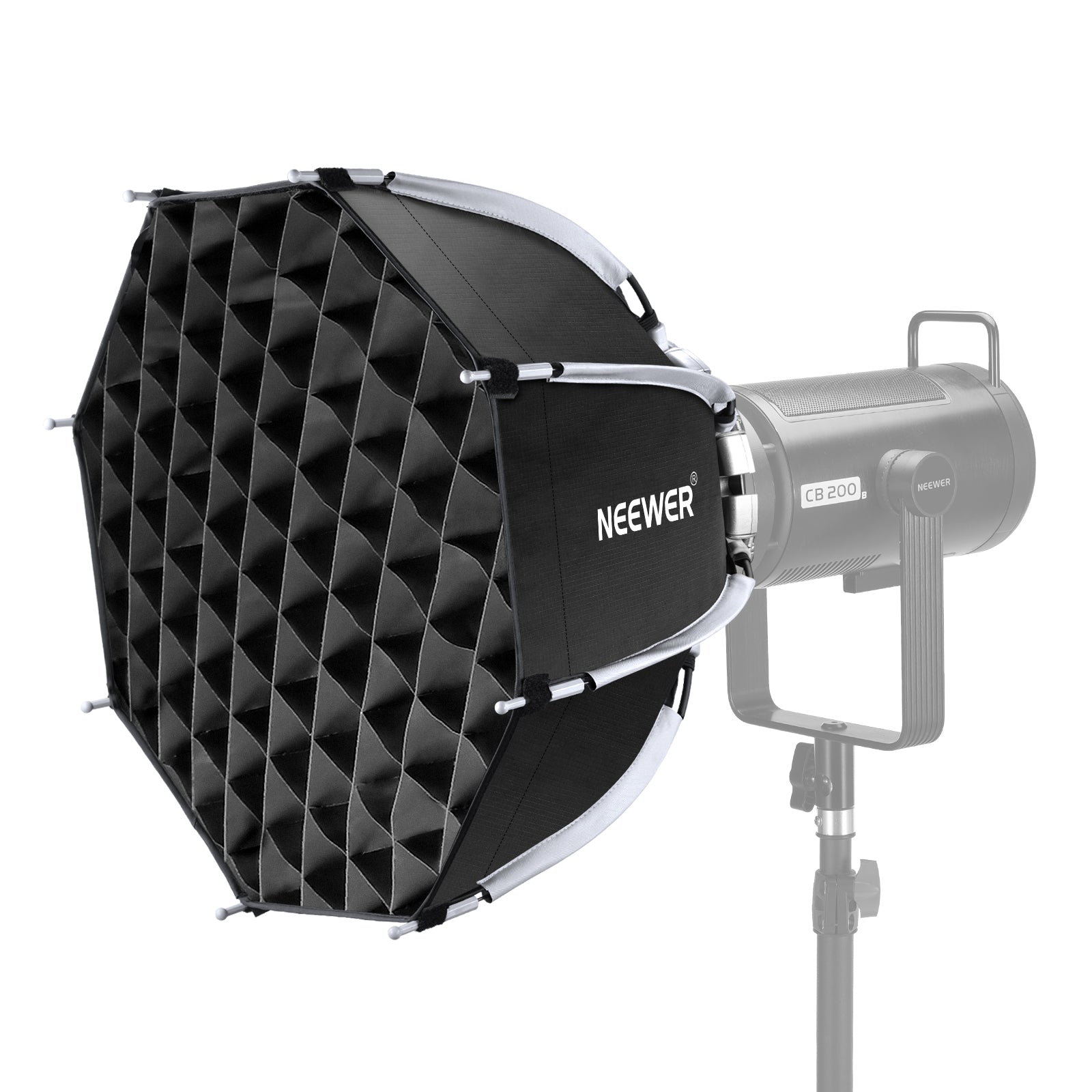
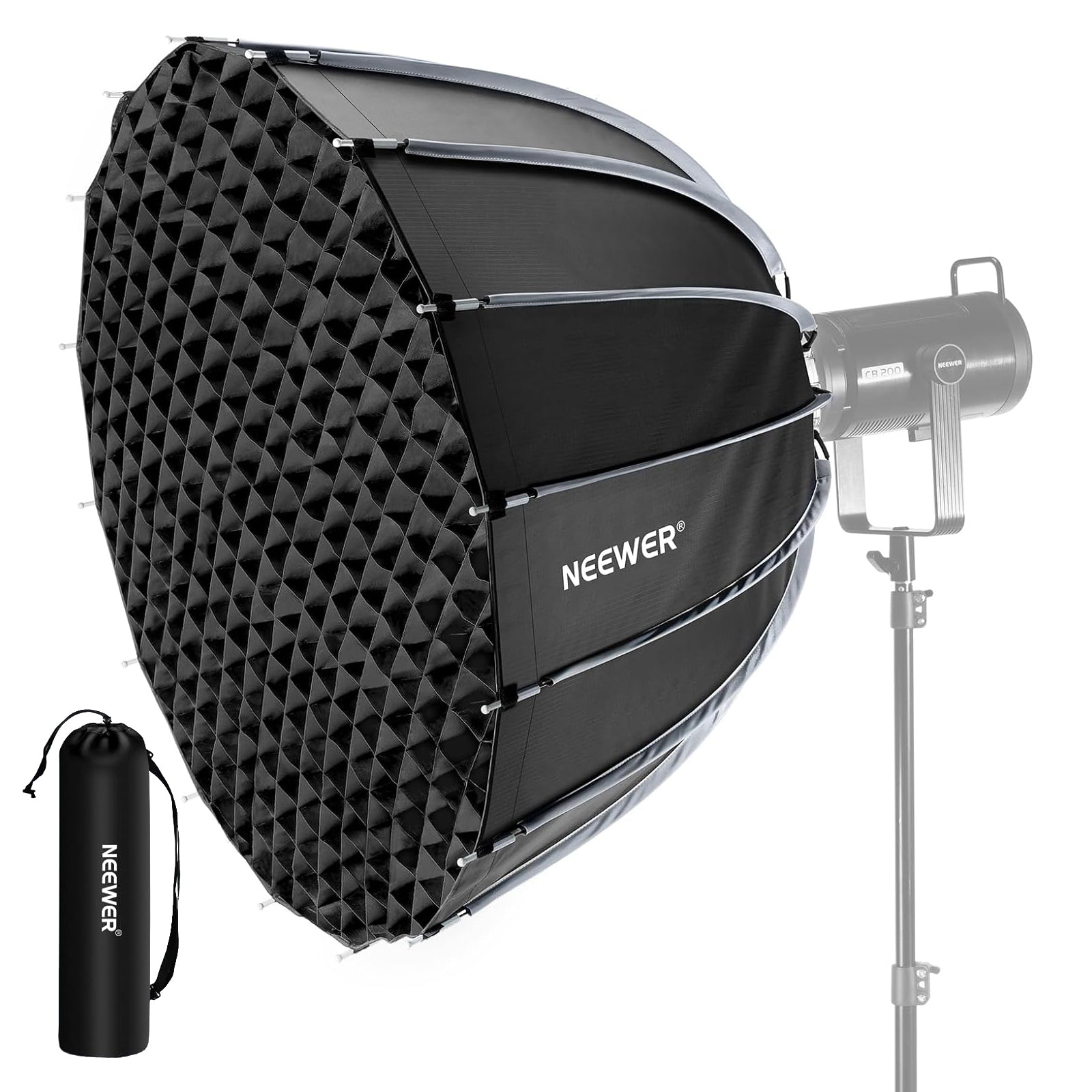
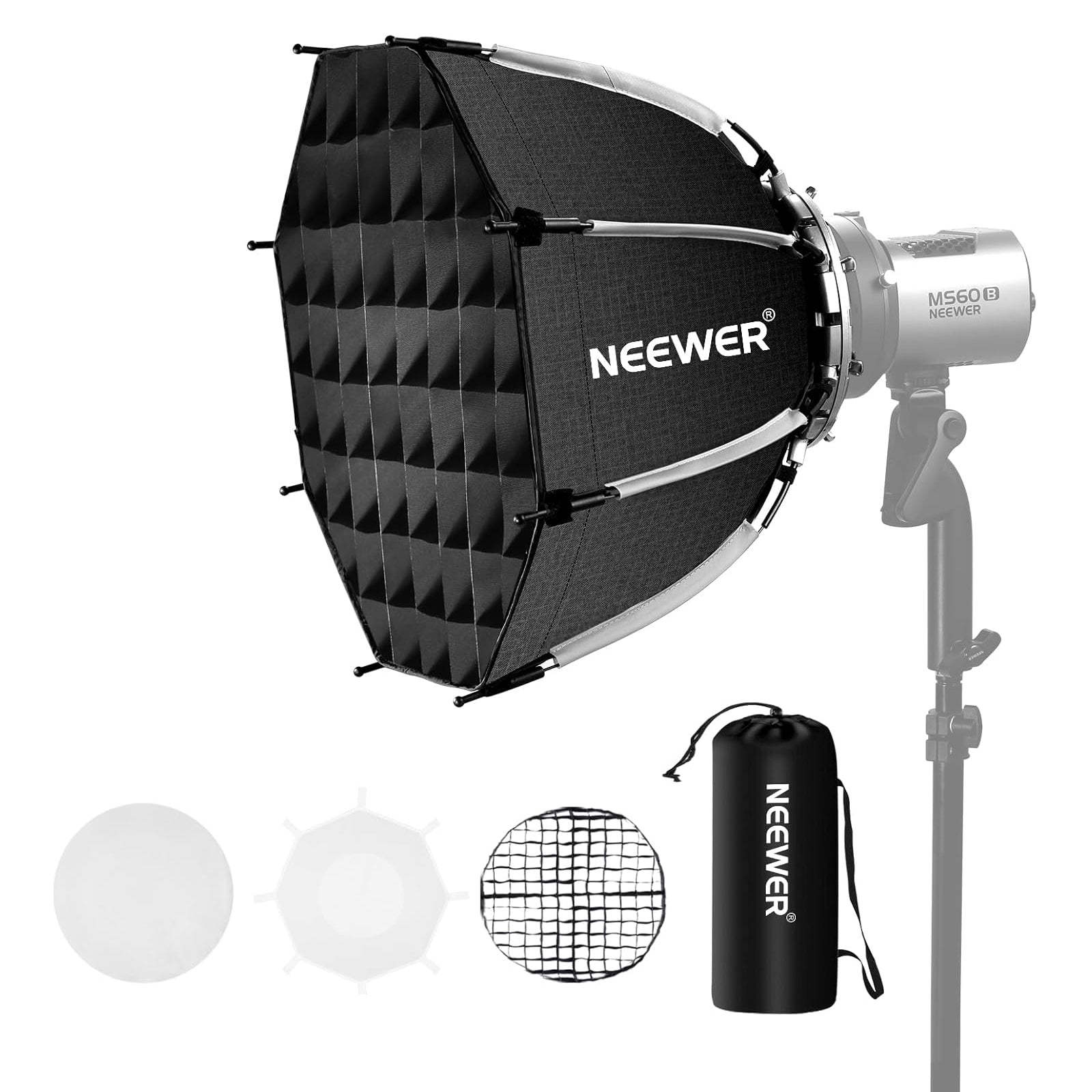
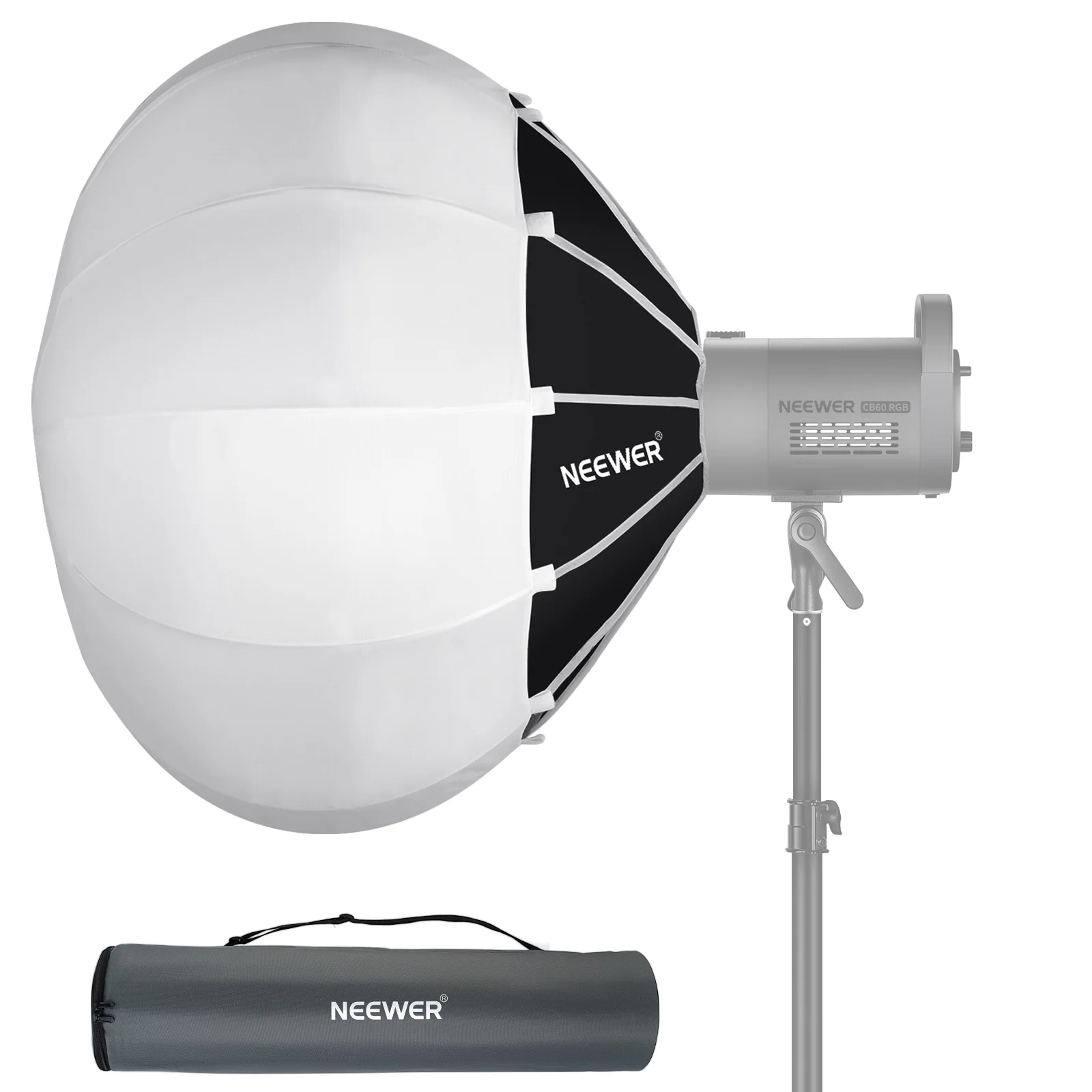
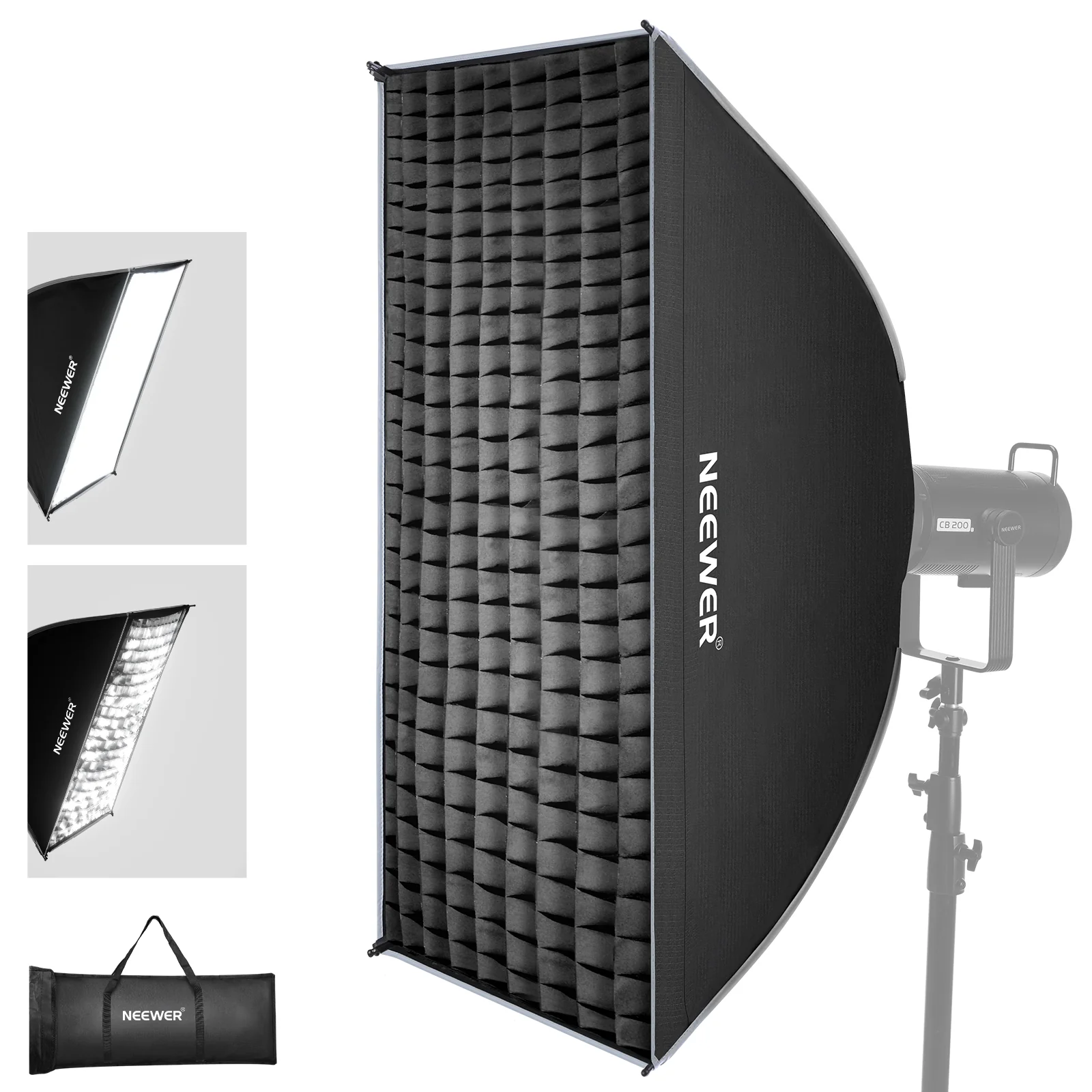
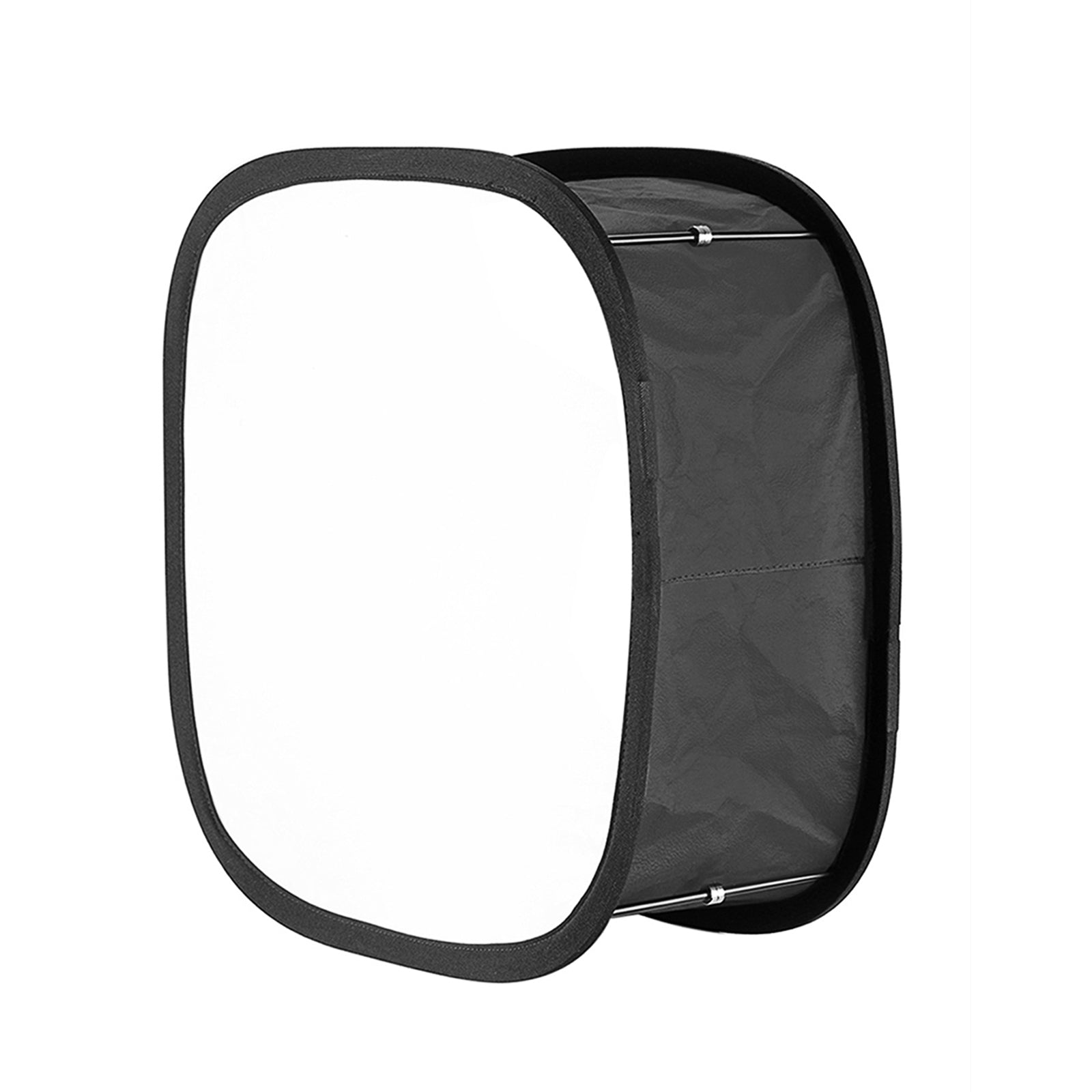
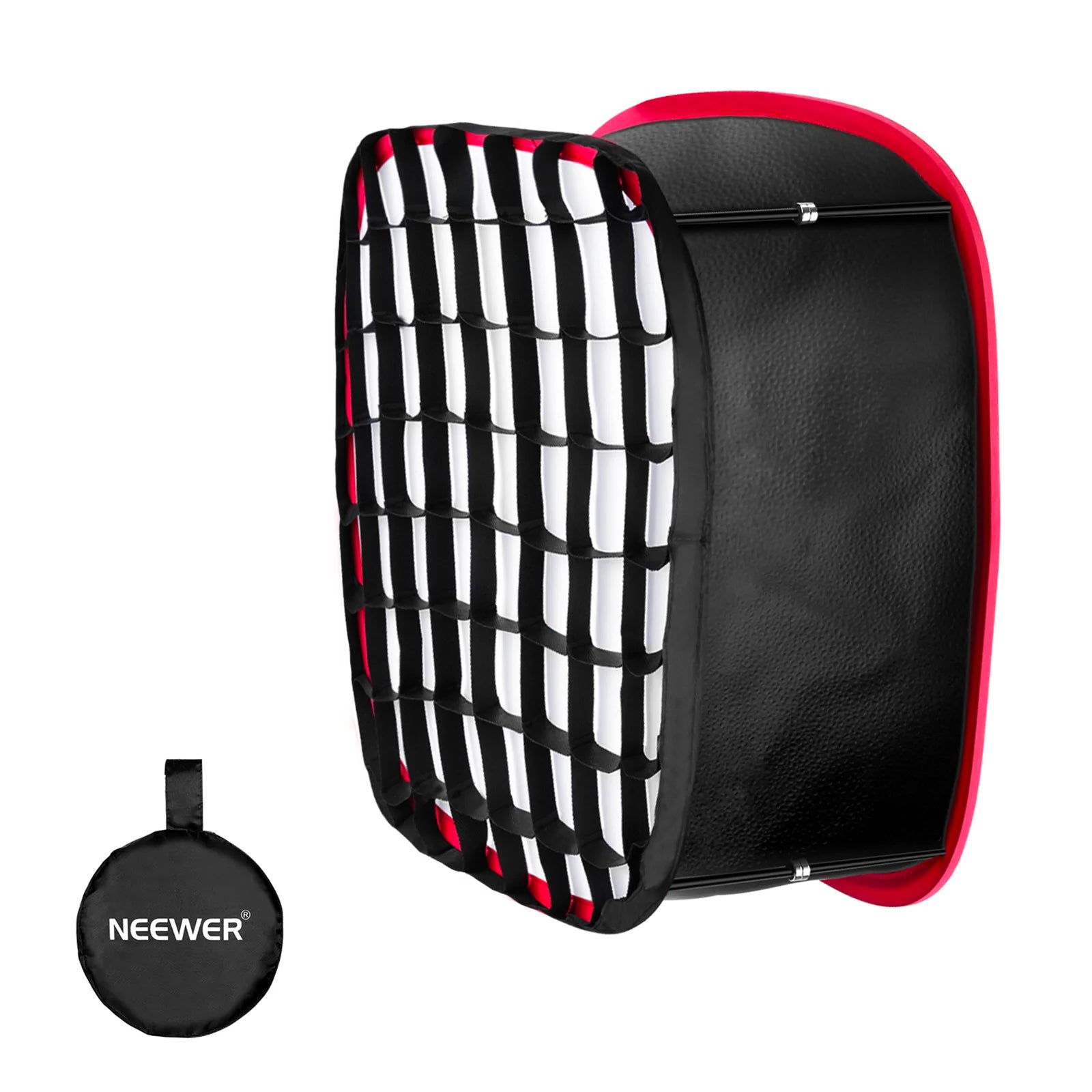
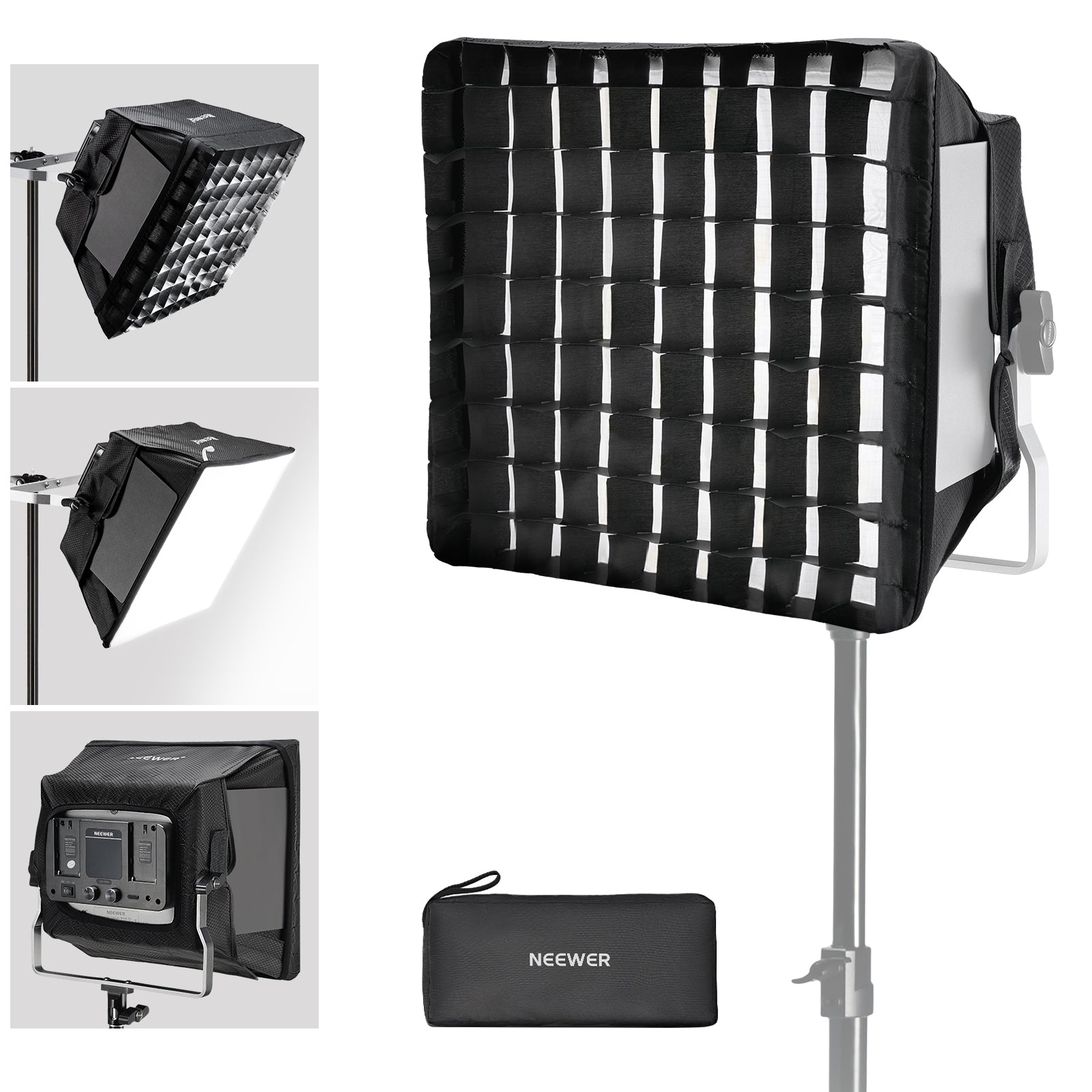
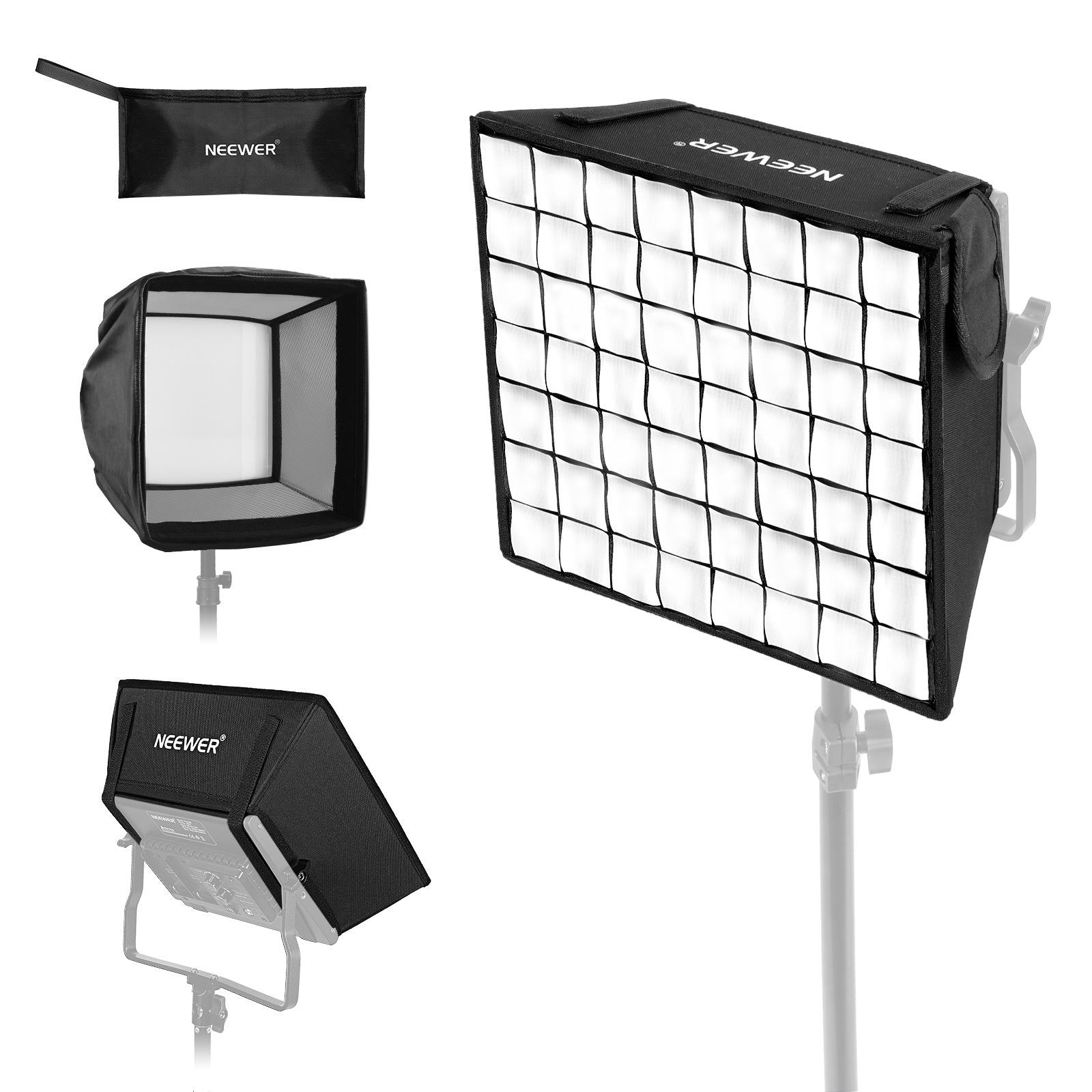
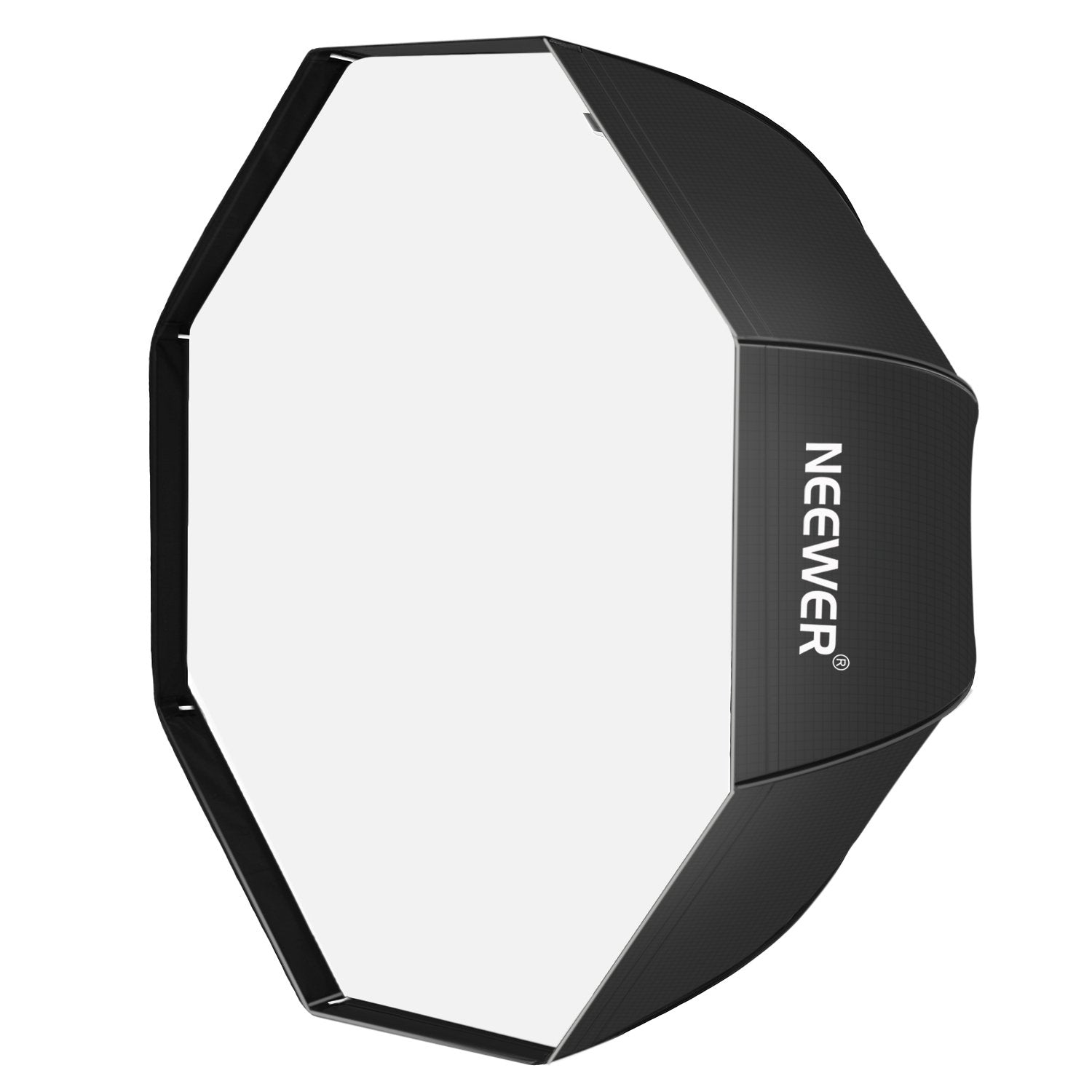
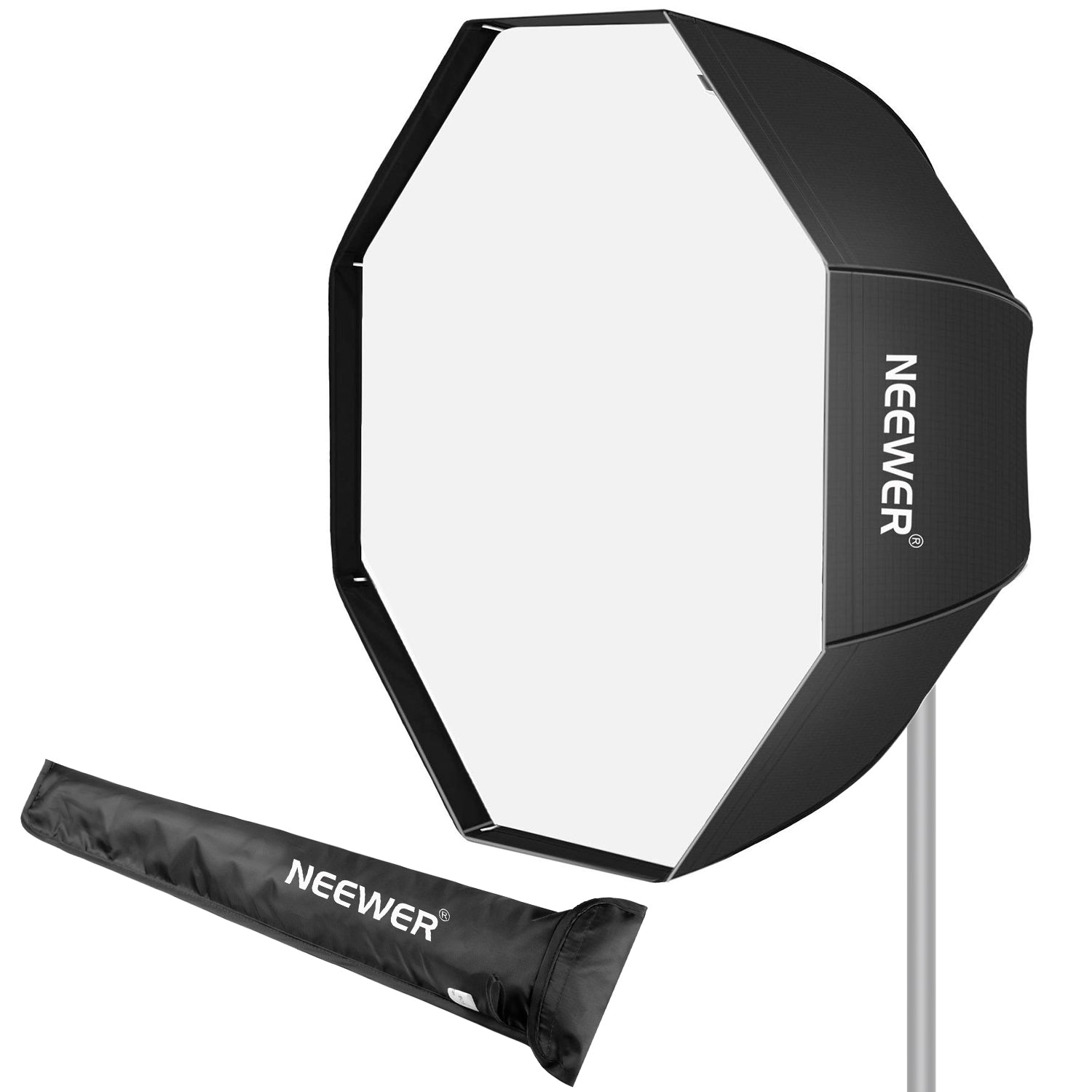
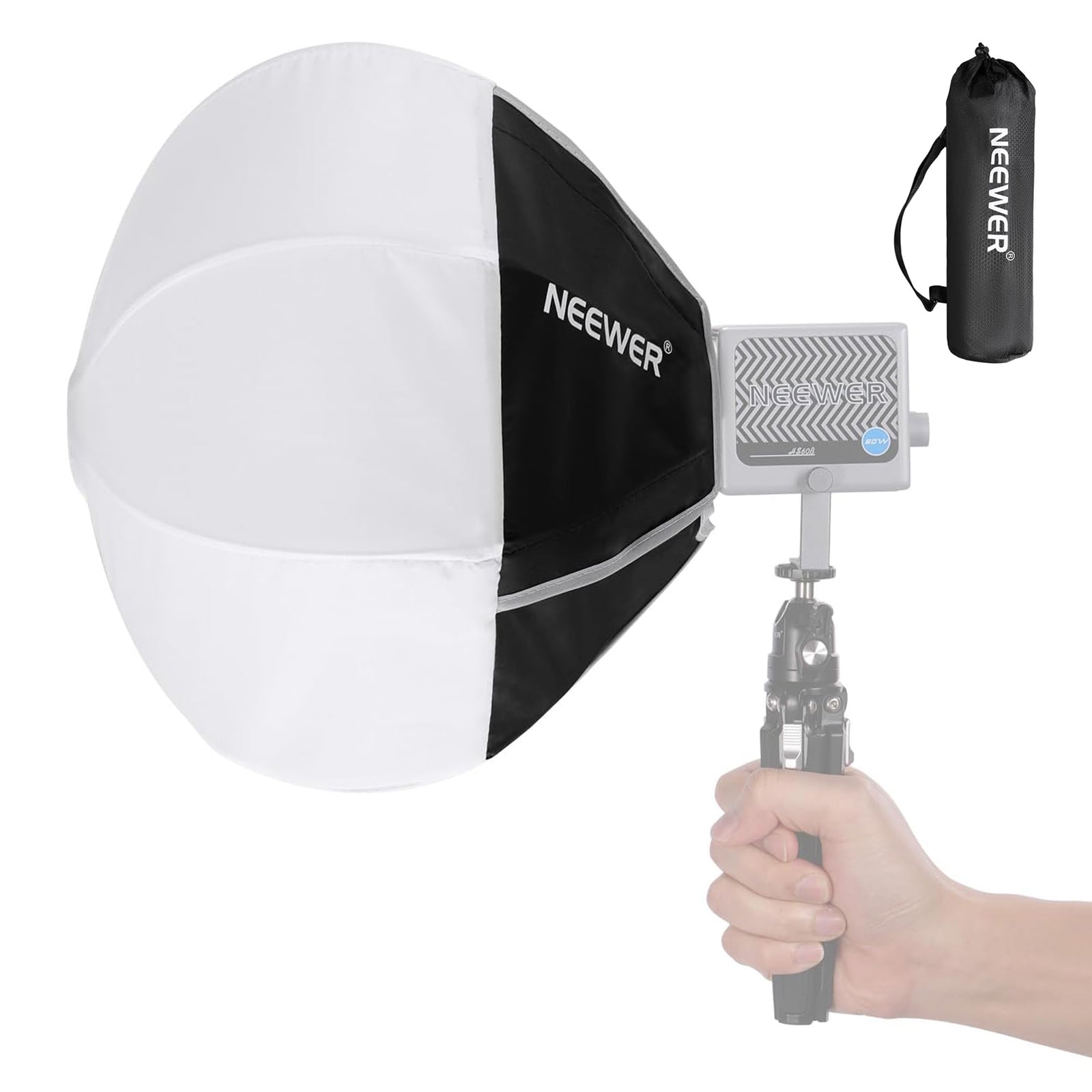
NEEWER offers a variety of softboxes, including parabolic, octagonal, lantern softboxes, and more. Most of these photography softboxes are portable and collapsible. These softboxes can give you better even lighting and are perfect for shooting portraits or events such as weddings, proms, or corporate events on location. Choose a good softbox to elevate your photography to the next level.











FAQ
Why Do You Need a Softbox for Photography and Video?
A softbox attaches to your light source and diffuses harsh light through specialized fabric panels, creating smooth, flattering illumination with gentle light-to-shadow transitions. It reduces skin glare, softens facial imperfections, and eliminates harsh, distracting background shadows, making it essential for portraits, product photos, video interviews, and live streaming.
What Are the Best Applications of Softboxes?
Interviews or cinematic videos – create a mood and subtle contrast for a polished look.
Portraits and headshots – adds gentle shadows to sculpt the face naturally.
Product photography – softens reflections and highlights details on objects.
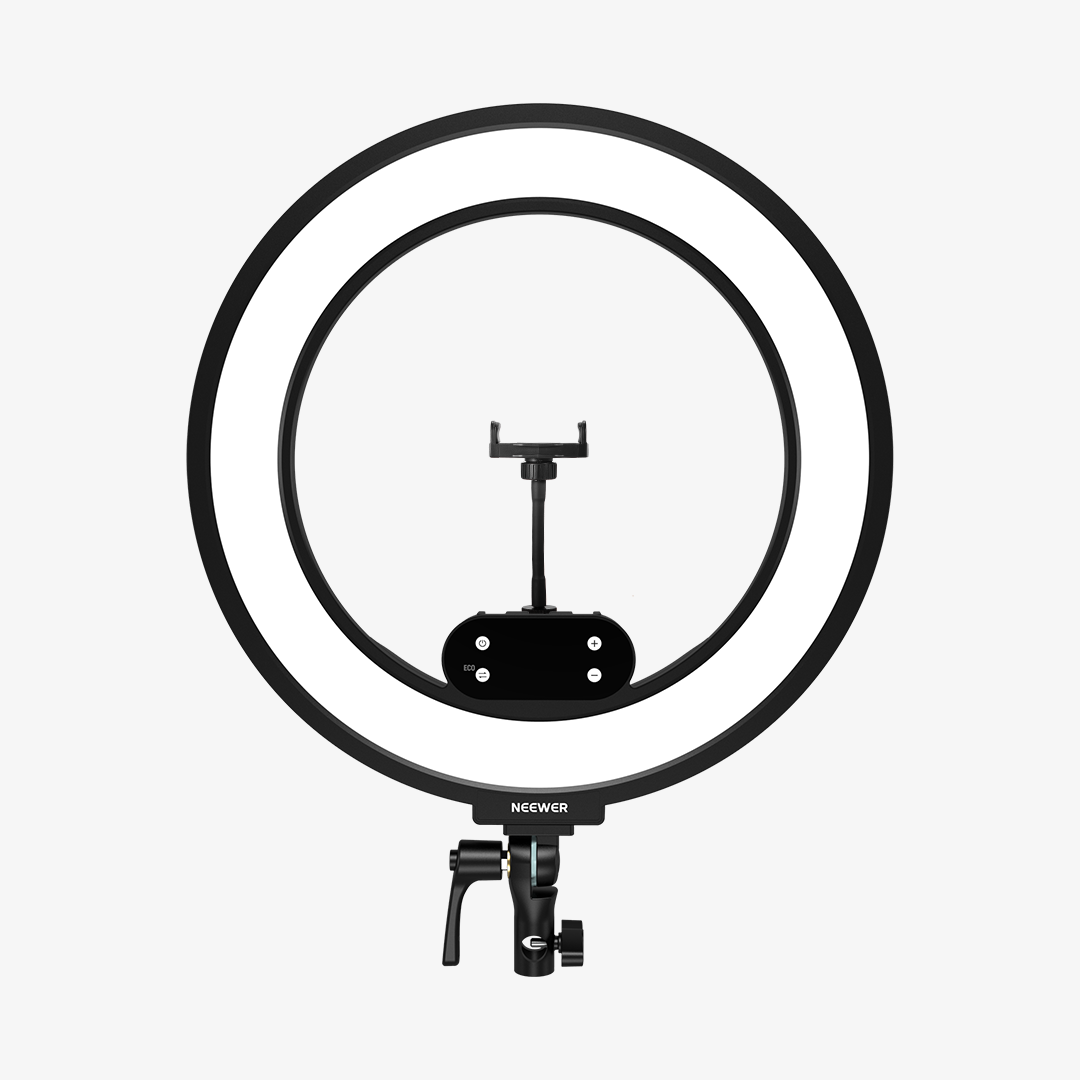
Full-body or larger setups – covers more space than a ring light, keeping subjects properly lit.
Multiple people in frame – spreads light evenly across a wider area.
Octabox vs. Lantern vs. Rectangular: Which Softbox Shape Should You Choose?
Octagonal (Octabox): Produces round, natural catchlights in a subject's eyes—making it the top choice for headshots and fashion portraits.
Lantern (Global Ball): Casts 360-degree omnidirectional soft light, ideal for illuminating entire small rooms, group interviews, and video podcasts.
Rectangular / Stripbox: Offers tight directional light control, perfect for full-body portraits, edge/rim lighting, and product photography.
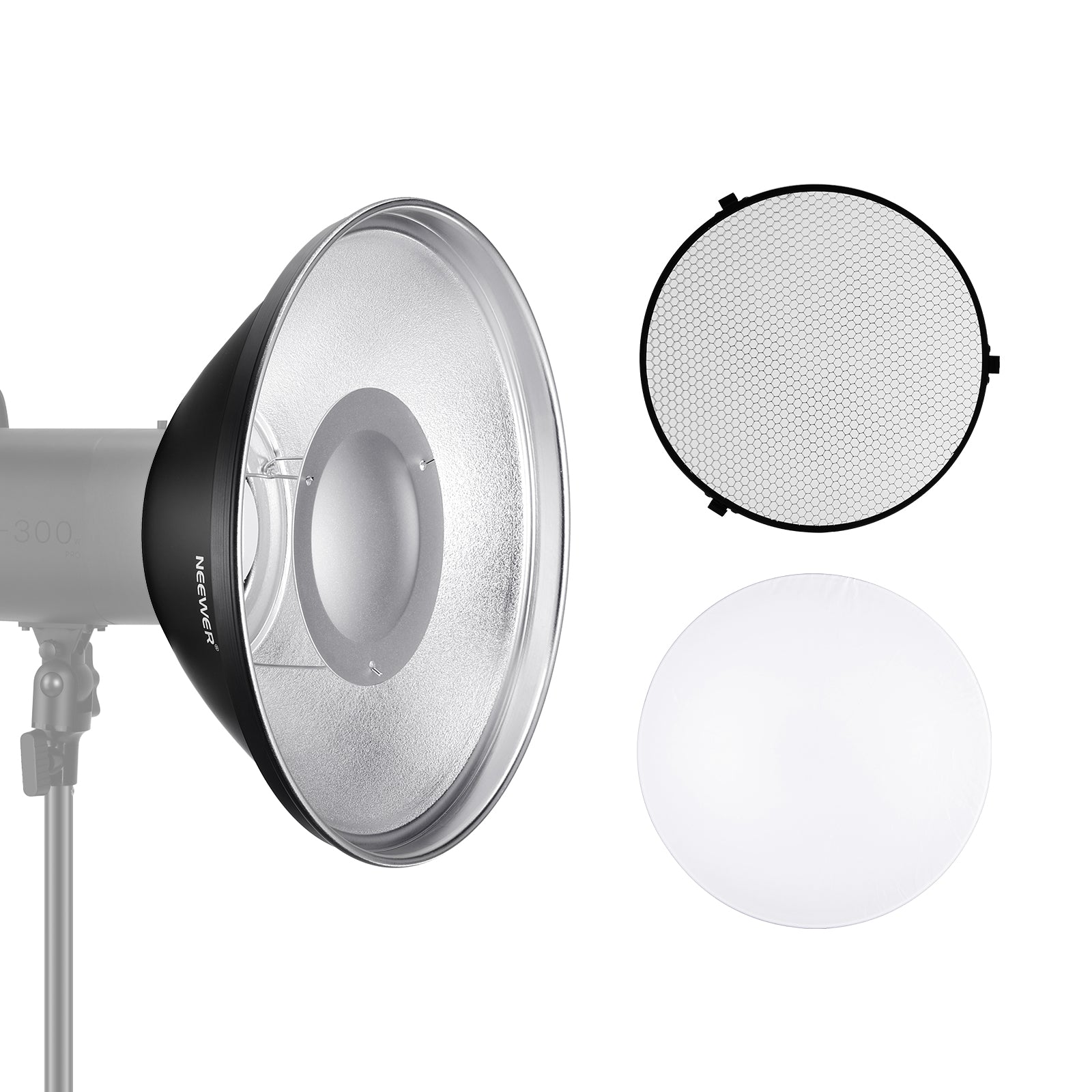
Softbox vs. Beauty Dish: Which is better?
Use a softbox when you want flattering, evenly distributed light. Opt for a beauty dish when you need dramatic, sculpted lighting that enhances details and texture.
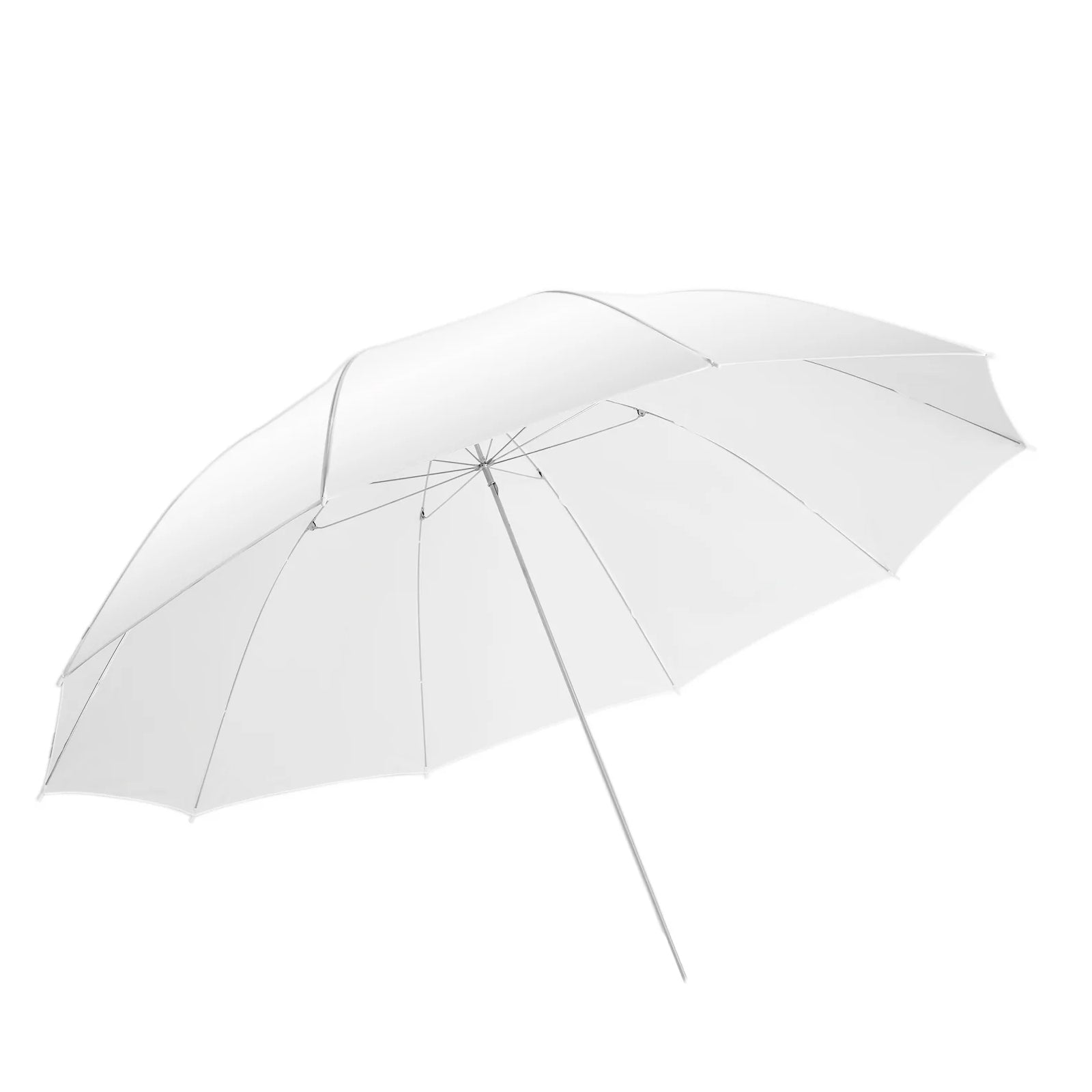
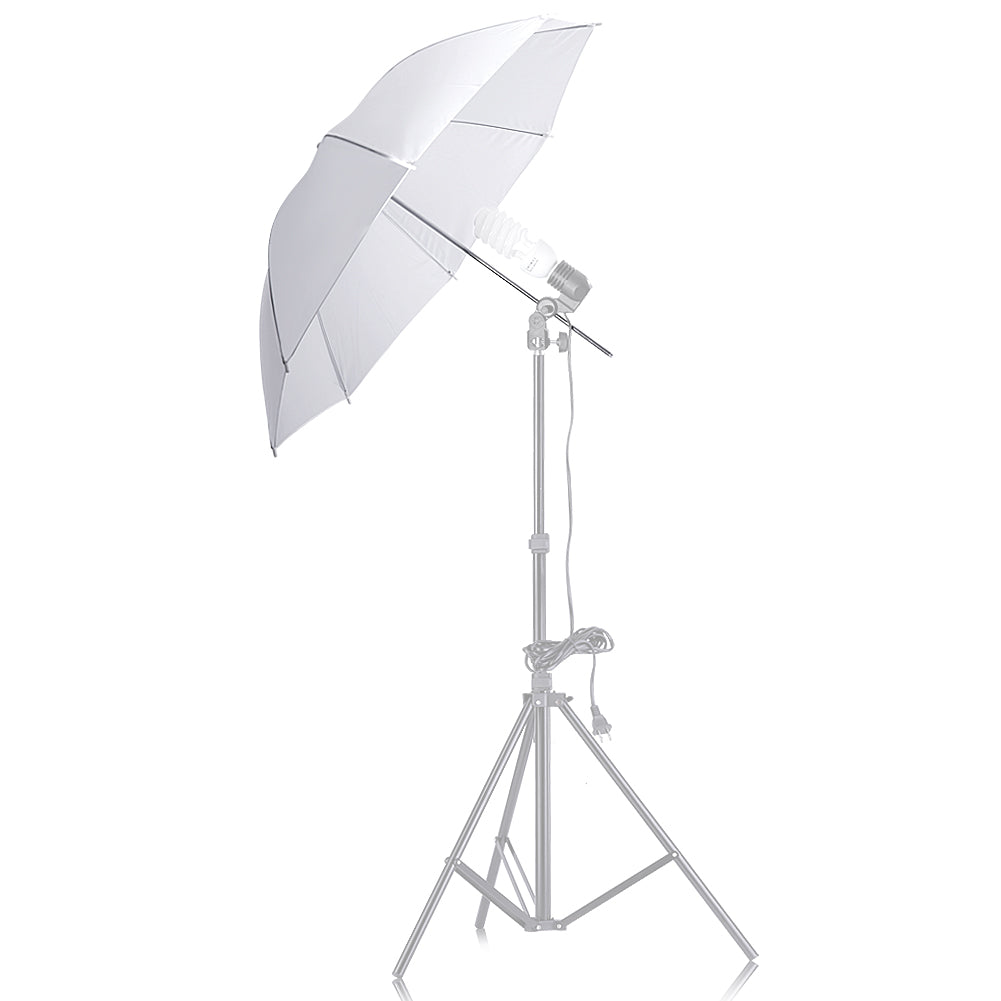
Softbox vs. Umbrella: Which Is Better?
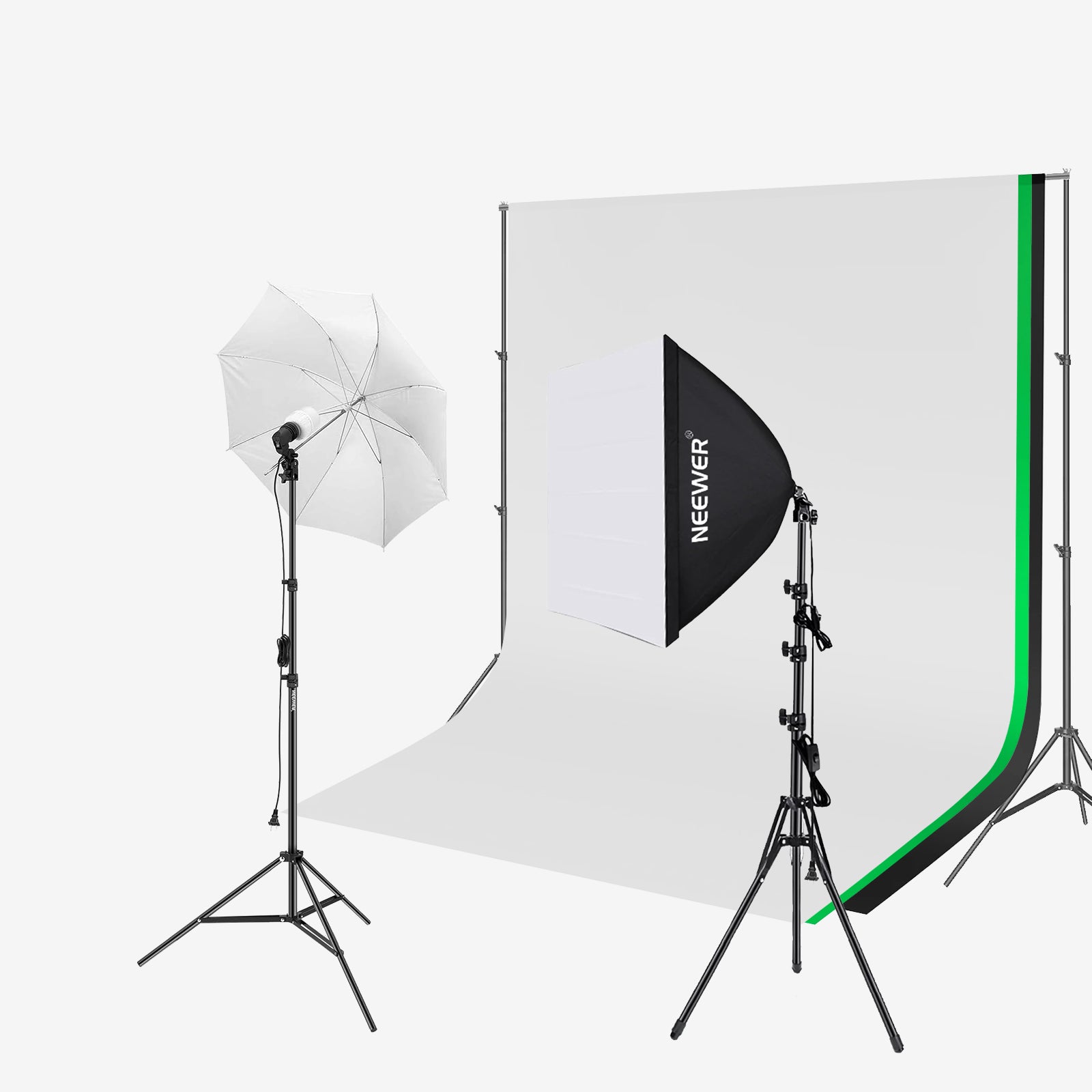
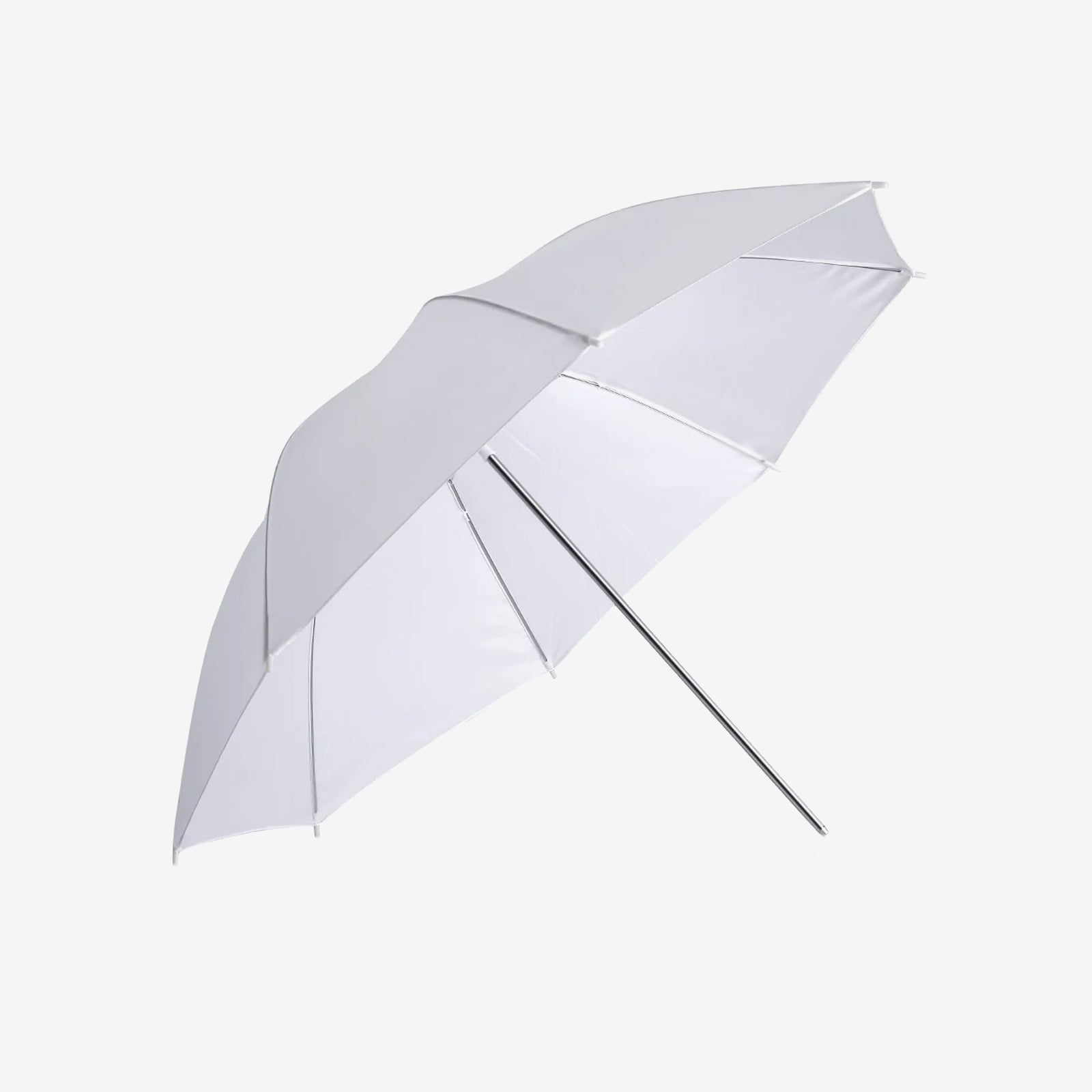
Umbrellas are inexpensive, highly portable, and setup in seconds, making them great for beginners on a budget. However, they spill light everywhere. Softboxes provide precise directional light control, preventing light leak onto unwanted backgrounds and allowing you to sculpt your subject with professional accuracy.
How Do You Choose the Right Softbox Size?
As a general rule, the softbox size should roughly match the size of your subject. Choose 20"–30" (50–70 cm) for close-up headshots and desktop streaming, 36"–48" (90–120 cm) for upper-body portraits and 2–3 person group shots, and 60"+ (150 cm+) for full-body fashion, large groups, or spacious commercial studios.
What Is a Quick-Release (Umbrella-Style) Softbox and Why Is It Better?
Traditional softboxes require inserting individual metal rods manually, which can be time-consuming and frustrating.
Quick-release (umbrella-style) softboxes feature an integrated push-to-lock frame mechanism that allows you to pop the softbox open or fold it down in seconds, making them a game-changer for location shoots and mobile creators.
Can You Mix Different Softbox Light Types Together?
Yes—you absolutely can mix different softbox types, and doing so is very common in professional setups. Each type brings a different quality of light, so combining them lets you sculpt your scene more effectively.
What to Use instead of a Softbox?
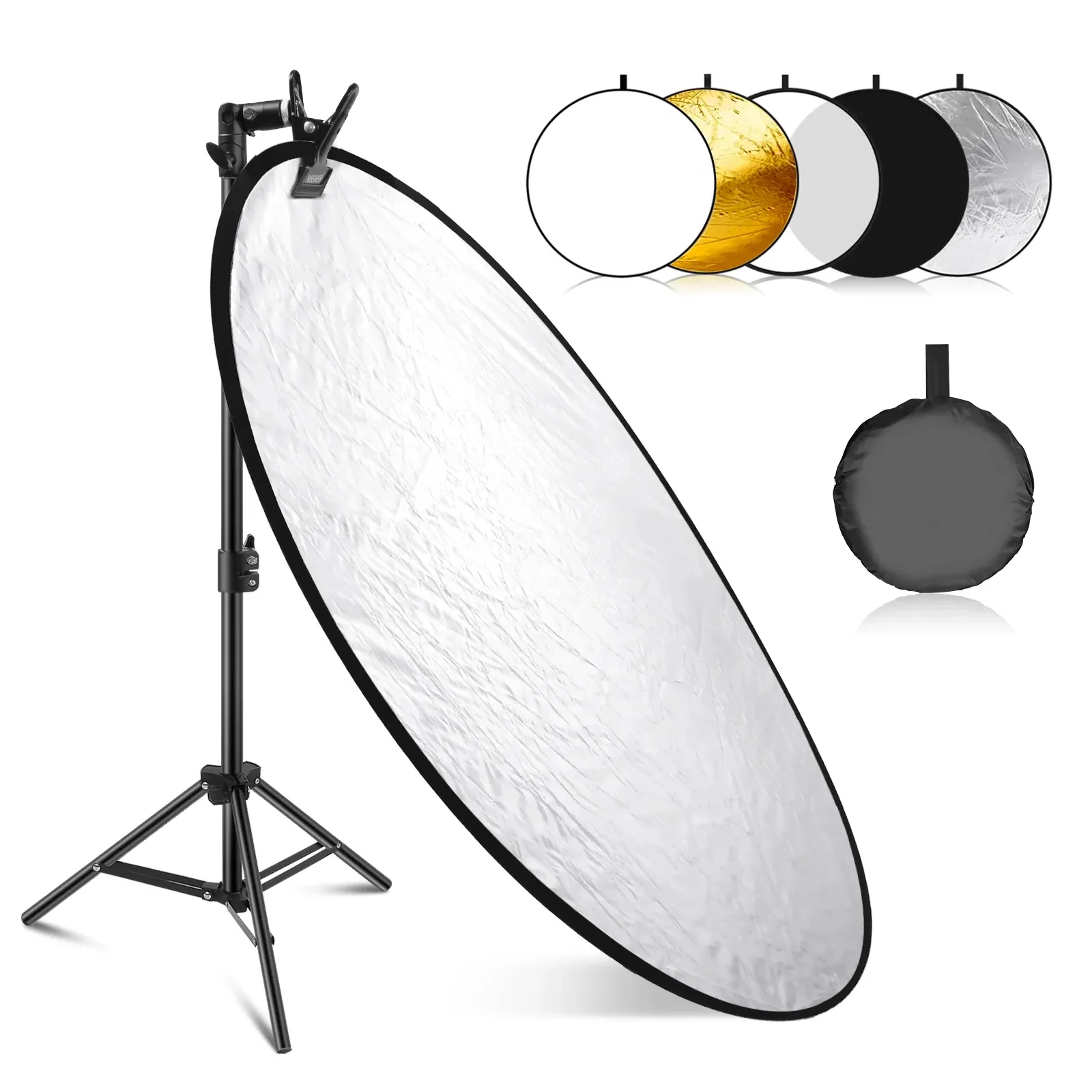
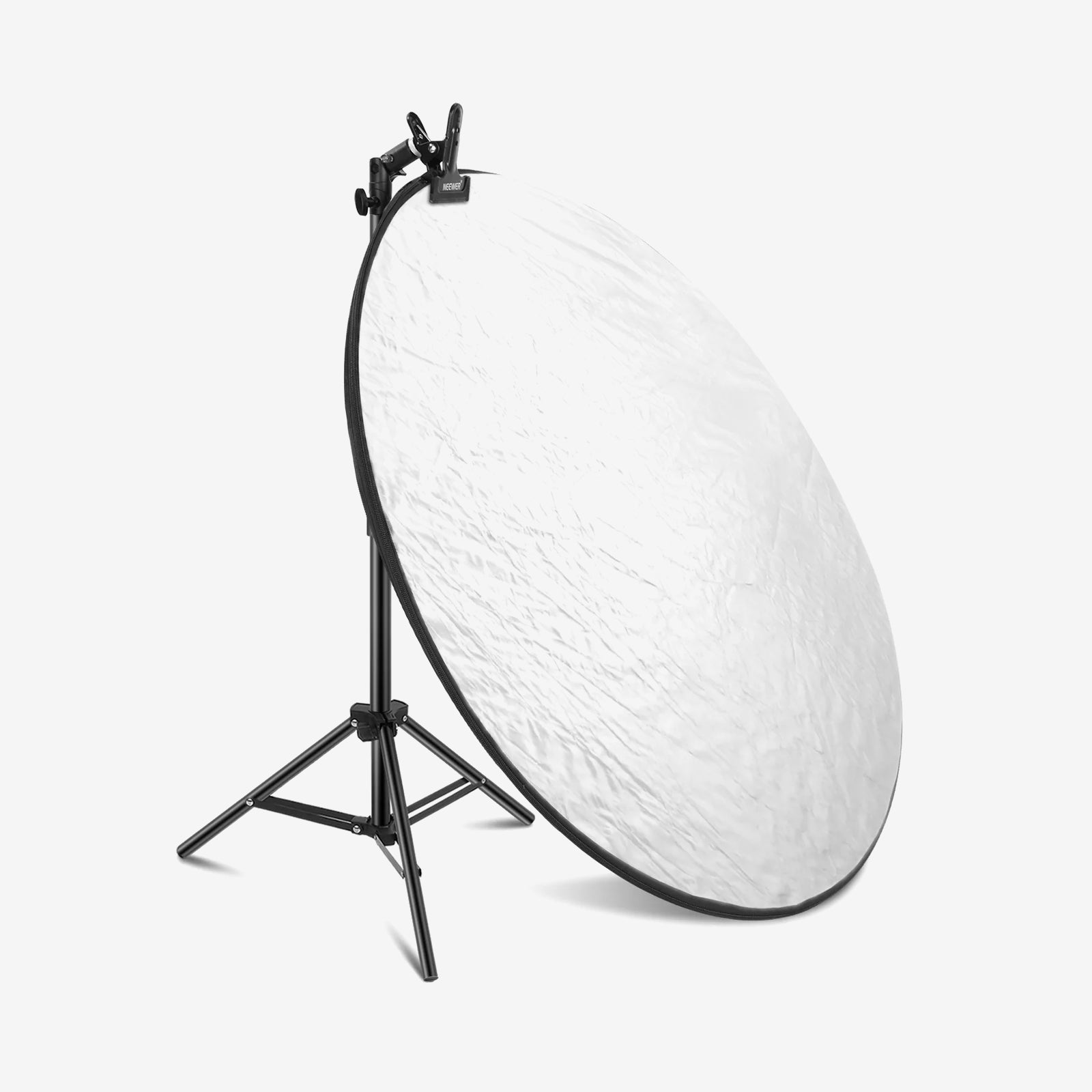
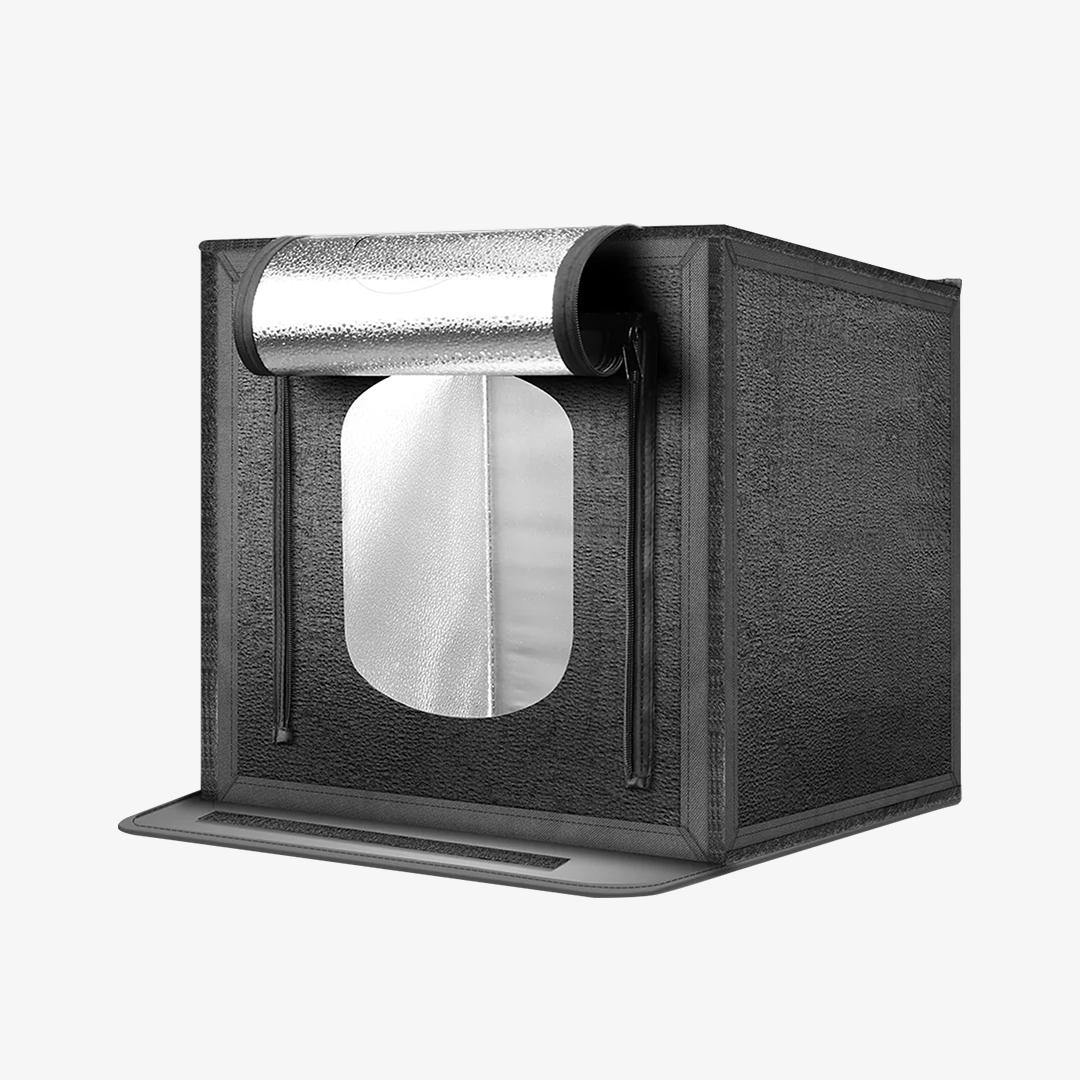
Umbrella lights, LED panels with diffusers, light tents, reflectors, or even DIY solutions like a white sheet or parchment paper can be used instead of softboxes. The key is to diffuse the light and reduce harsh shadows, giving your subjects—whether people or products—a smooth, professional look without needing a full softbox setup.
Will This Softbox Fit My Light? (Bowens Mount vs. Mini Mount)
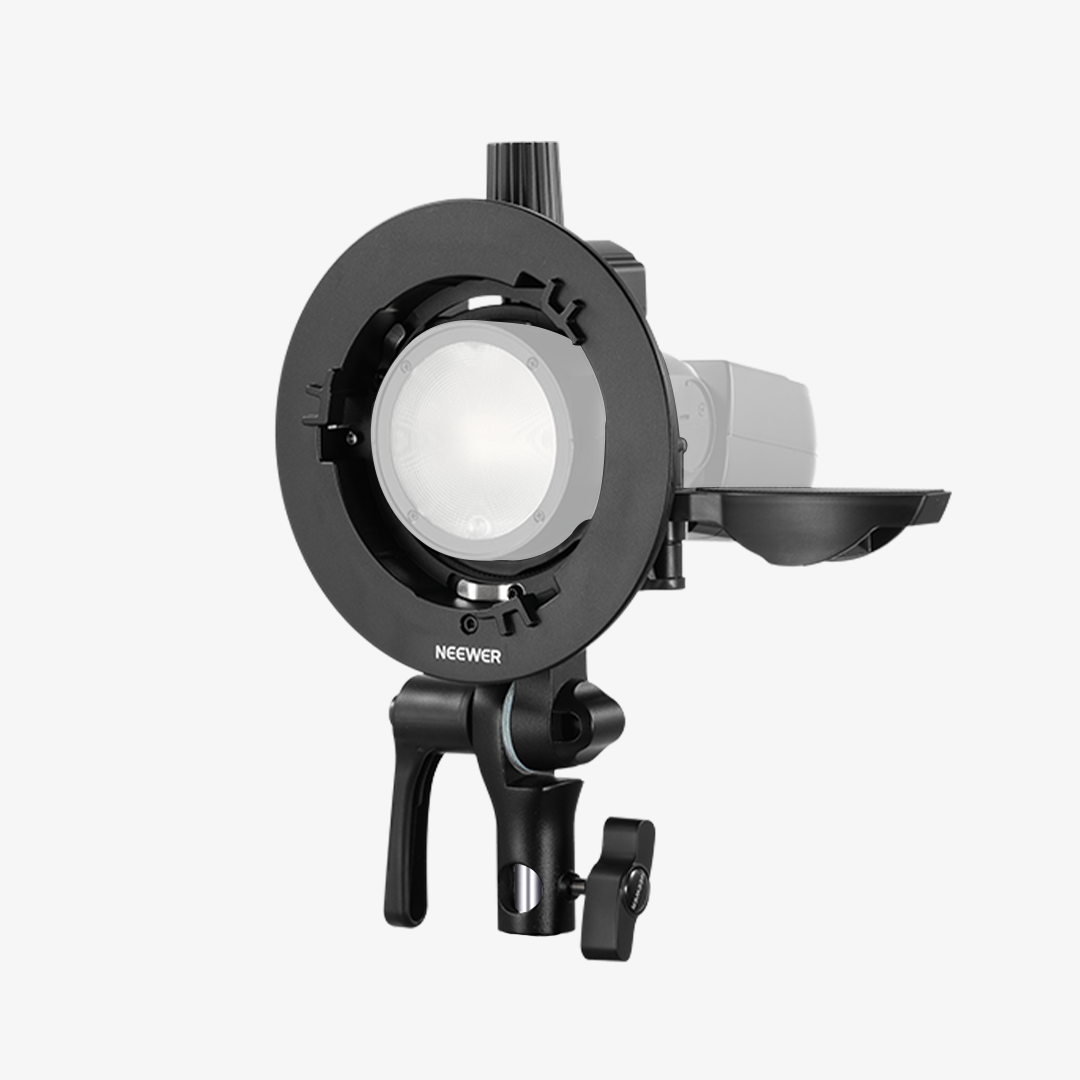
Most modern studio softboxes use a universal Bowens Mount, which attaches seamlessly to standard studio strobes and continuous LED video lights. For smaller speedlites, pocket lights, or mini studio lights, check if you need a specialized adapter ring or speedlite bracket (such as an S2 bracket) to mount the softbox safely.
Elevate Your Gear