




Desk Lamps


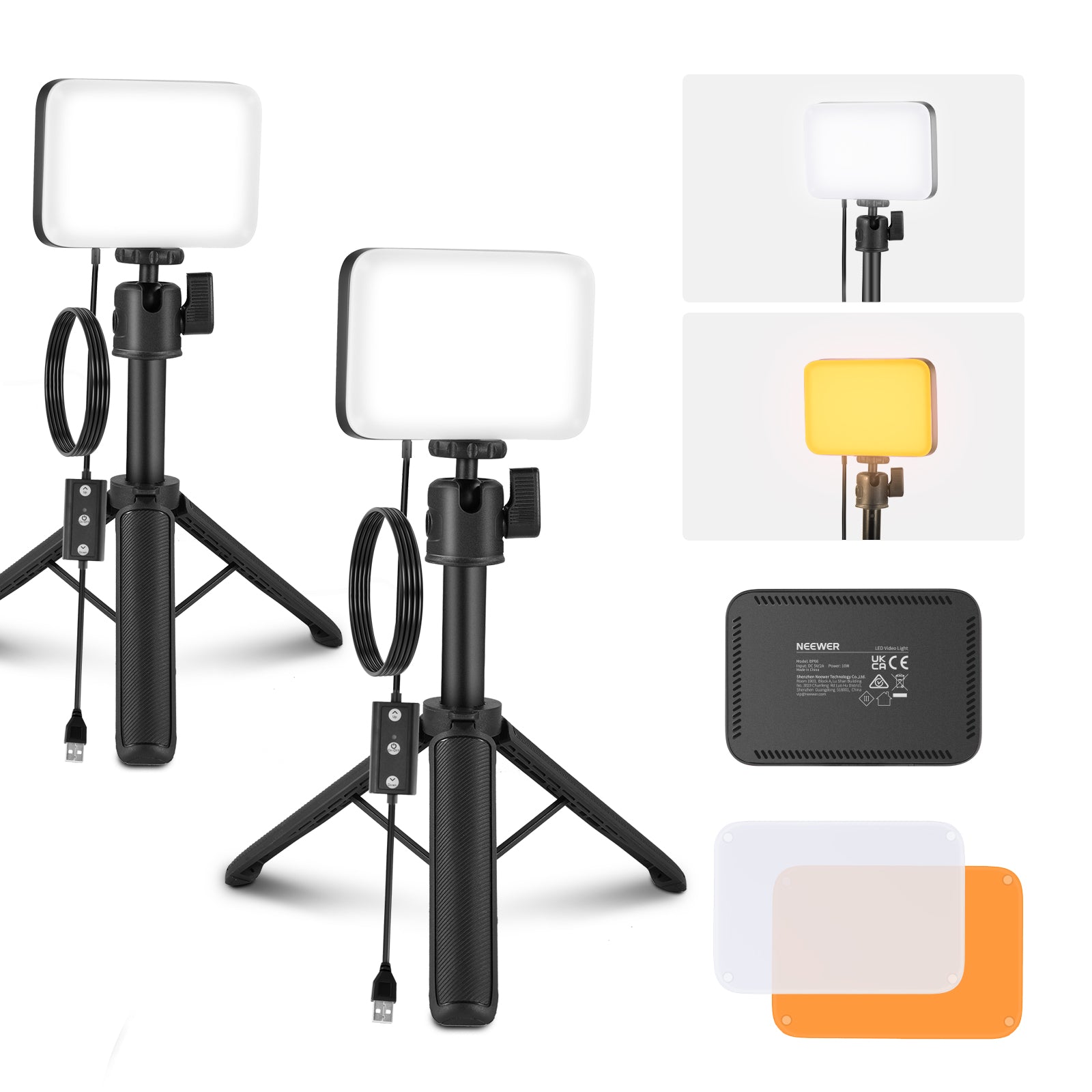
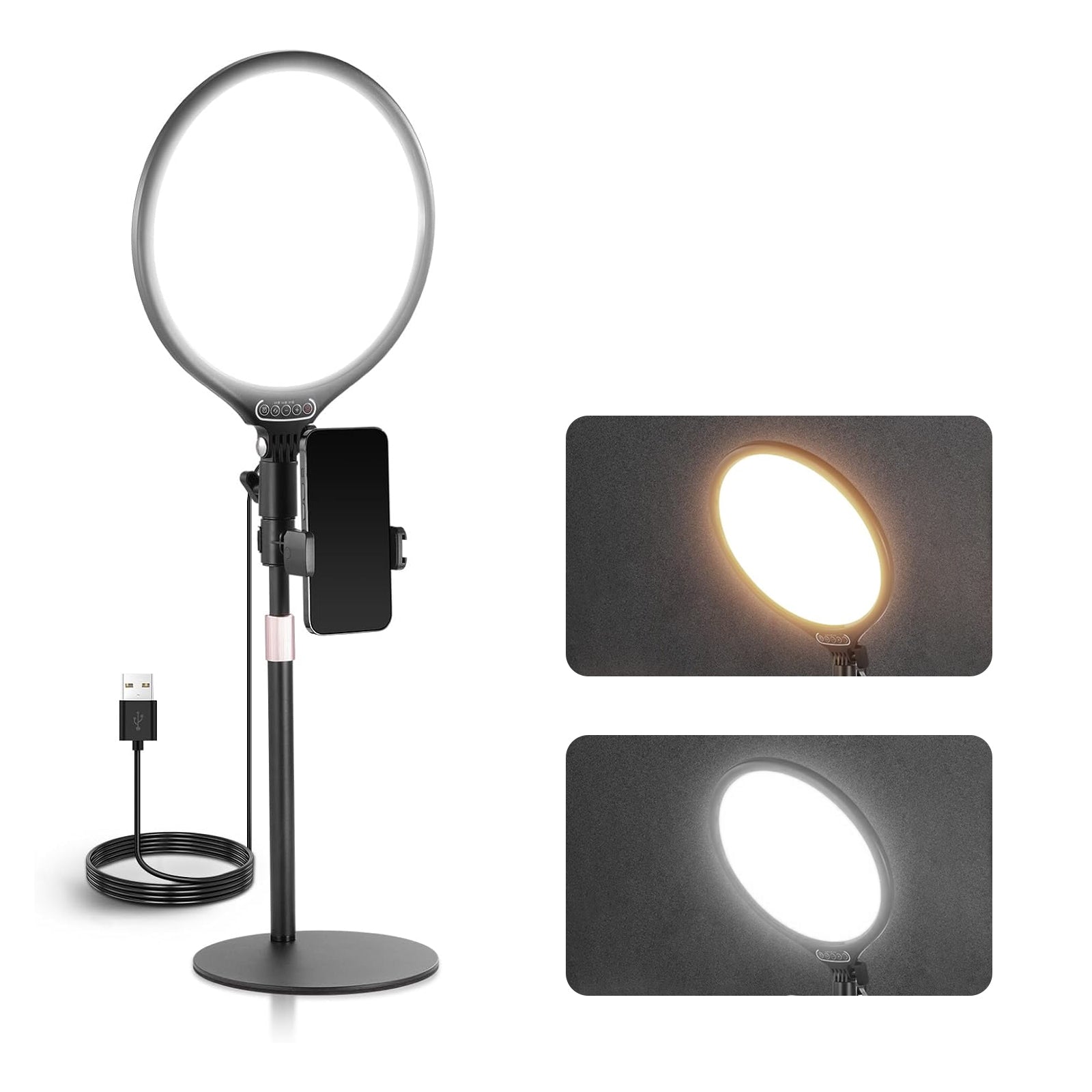

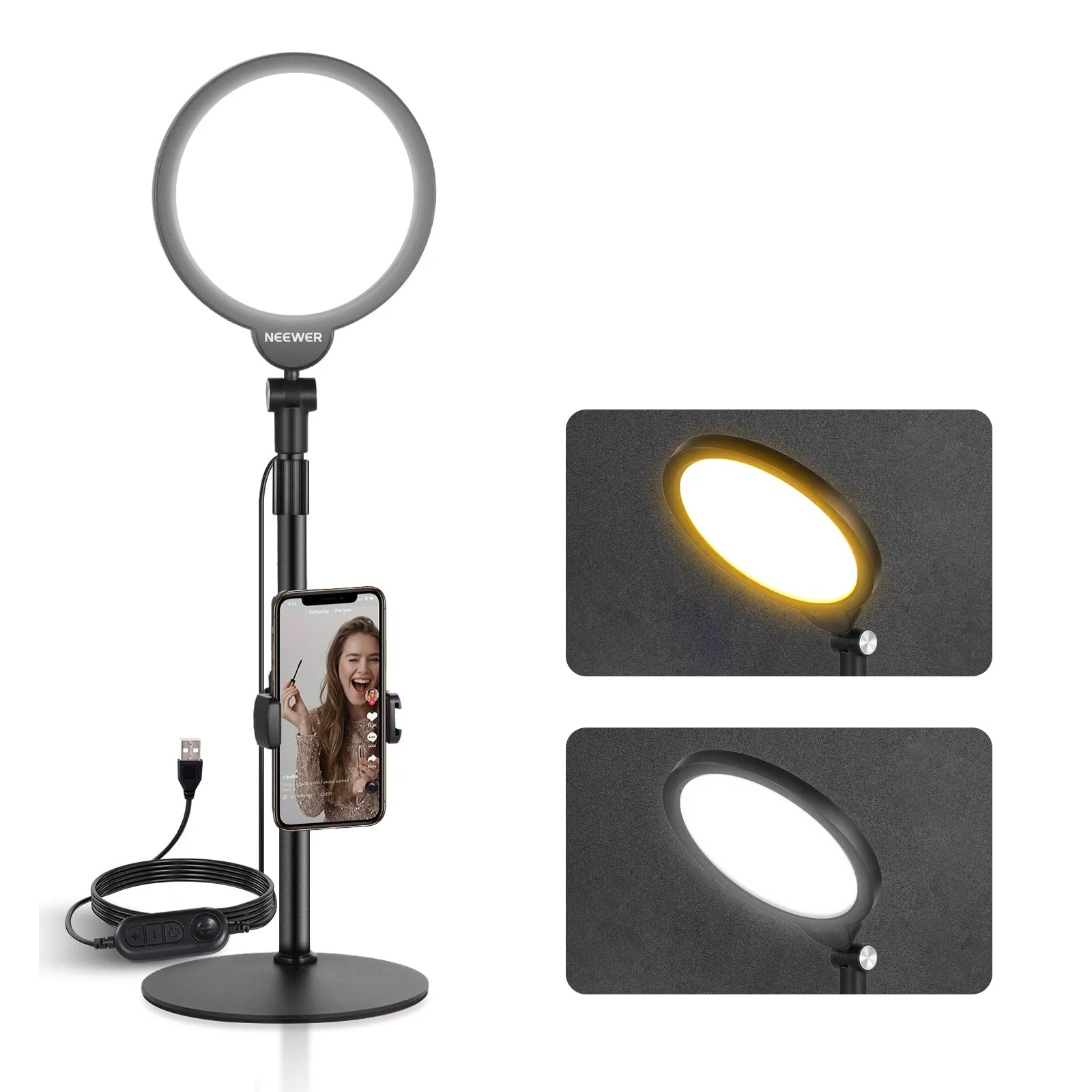


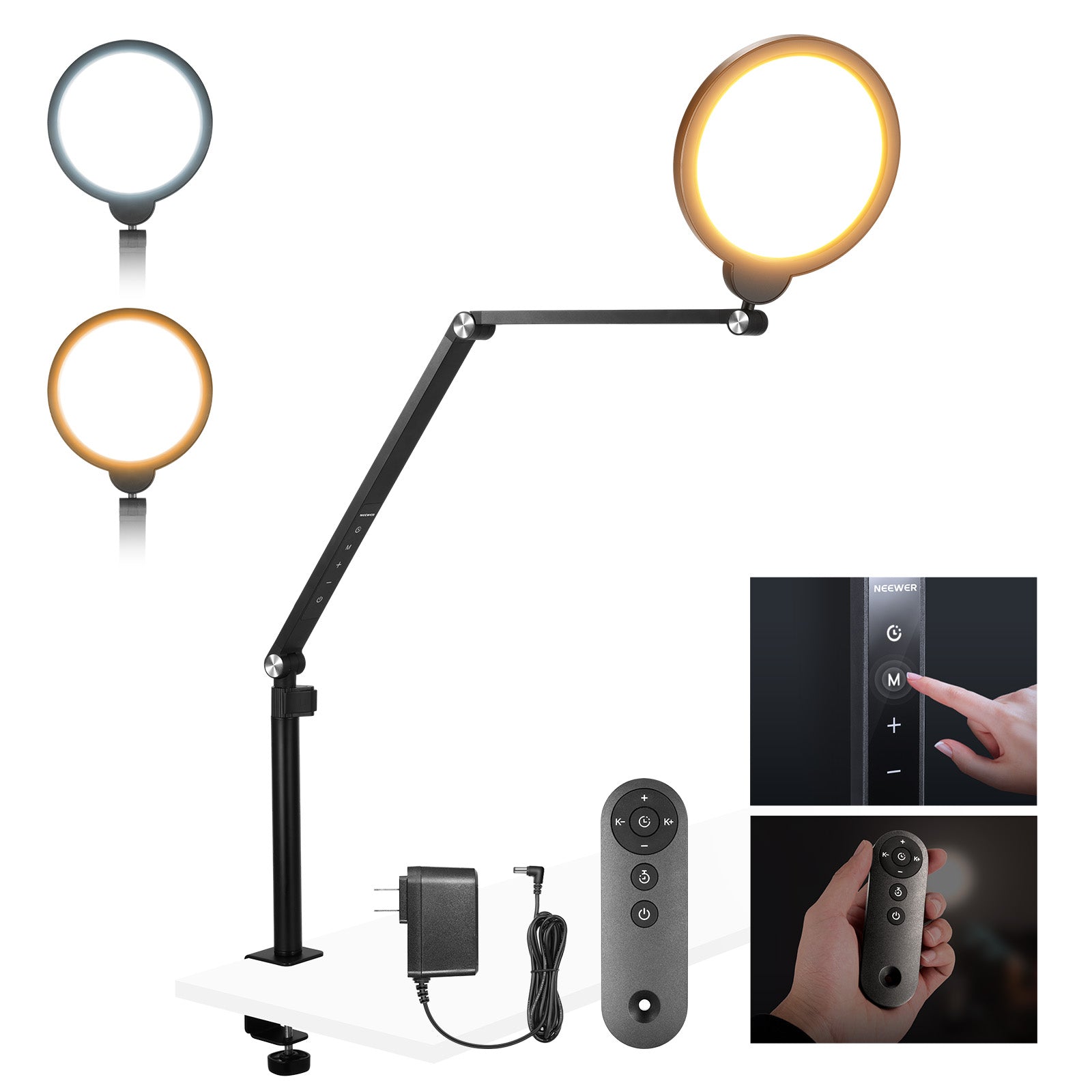

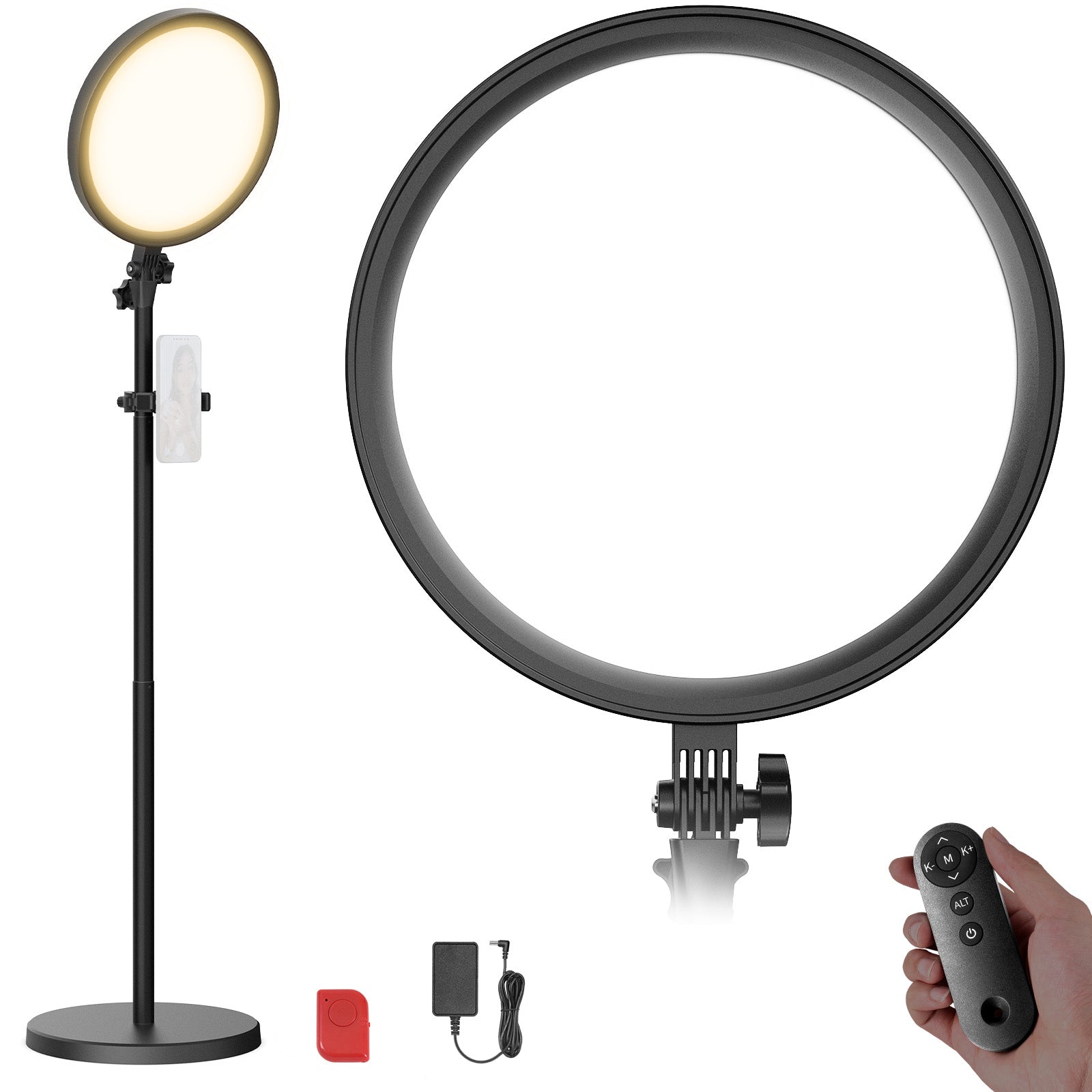

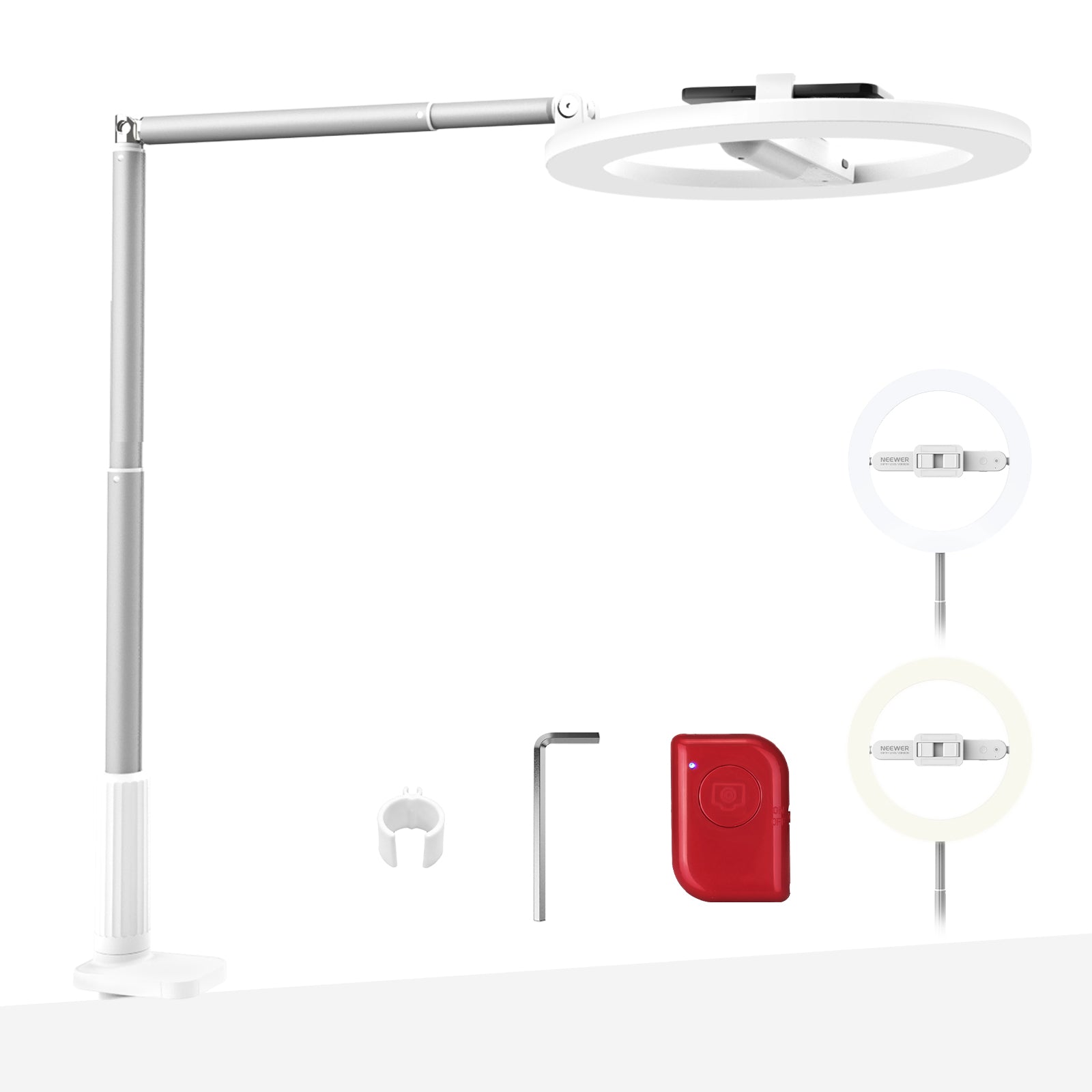
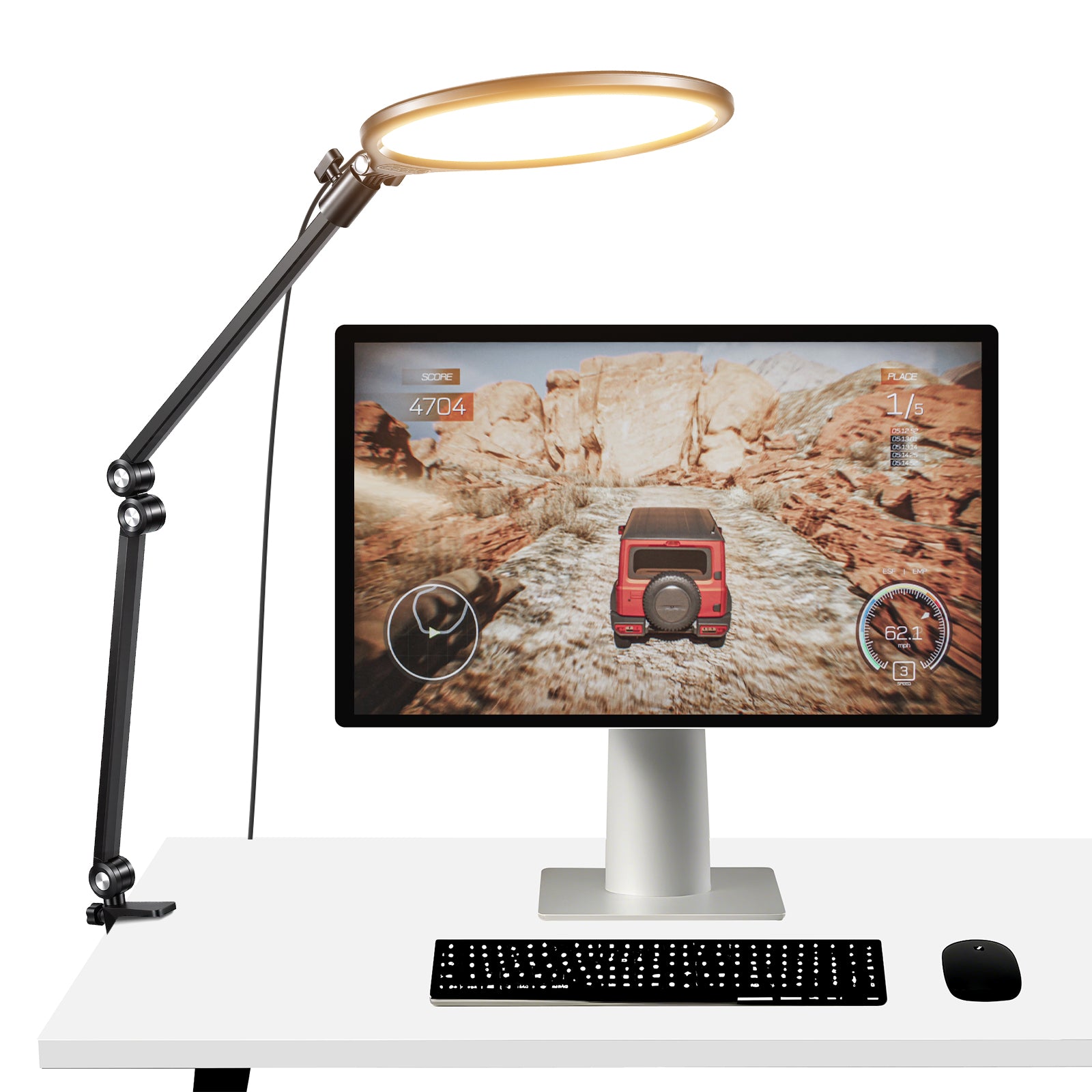
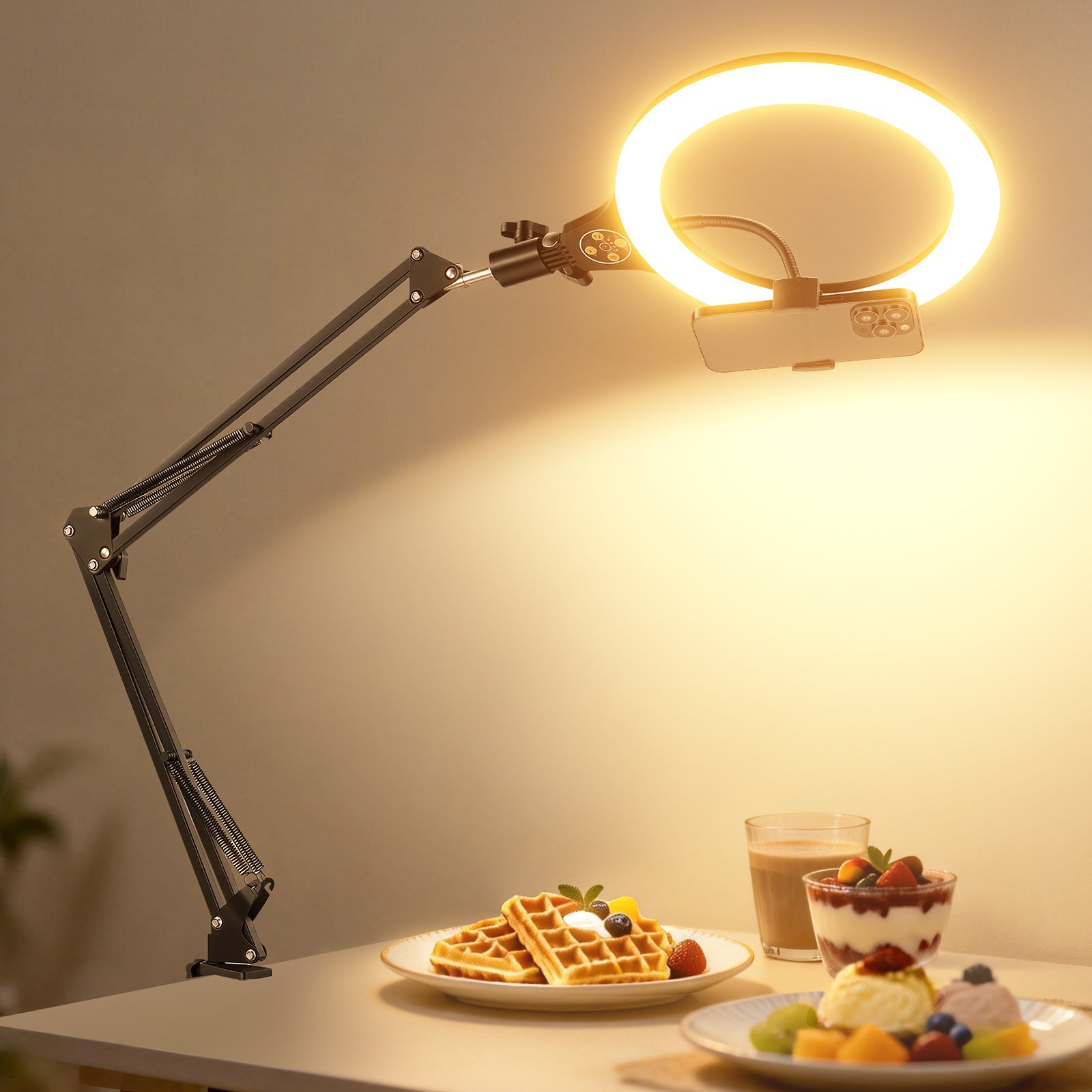
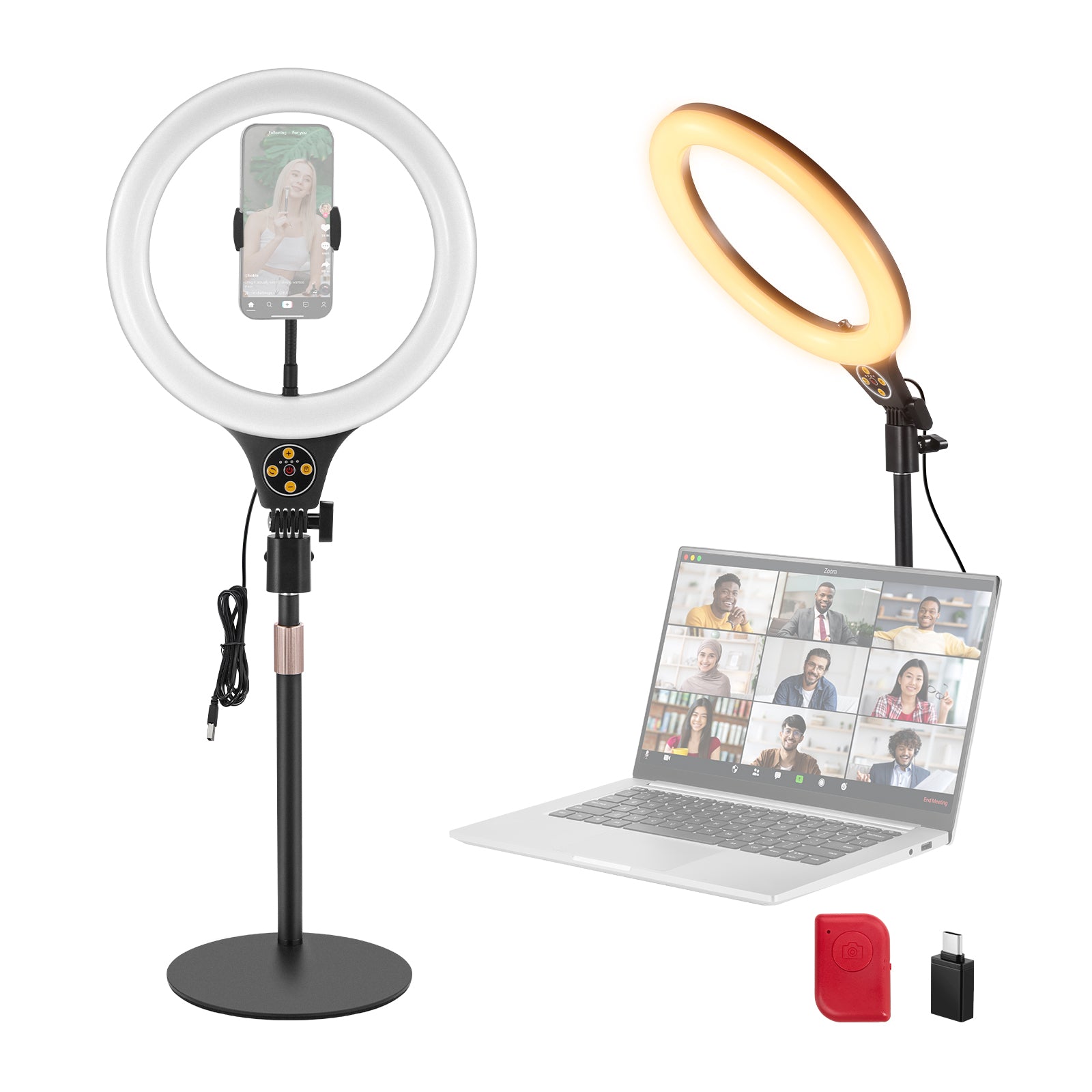
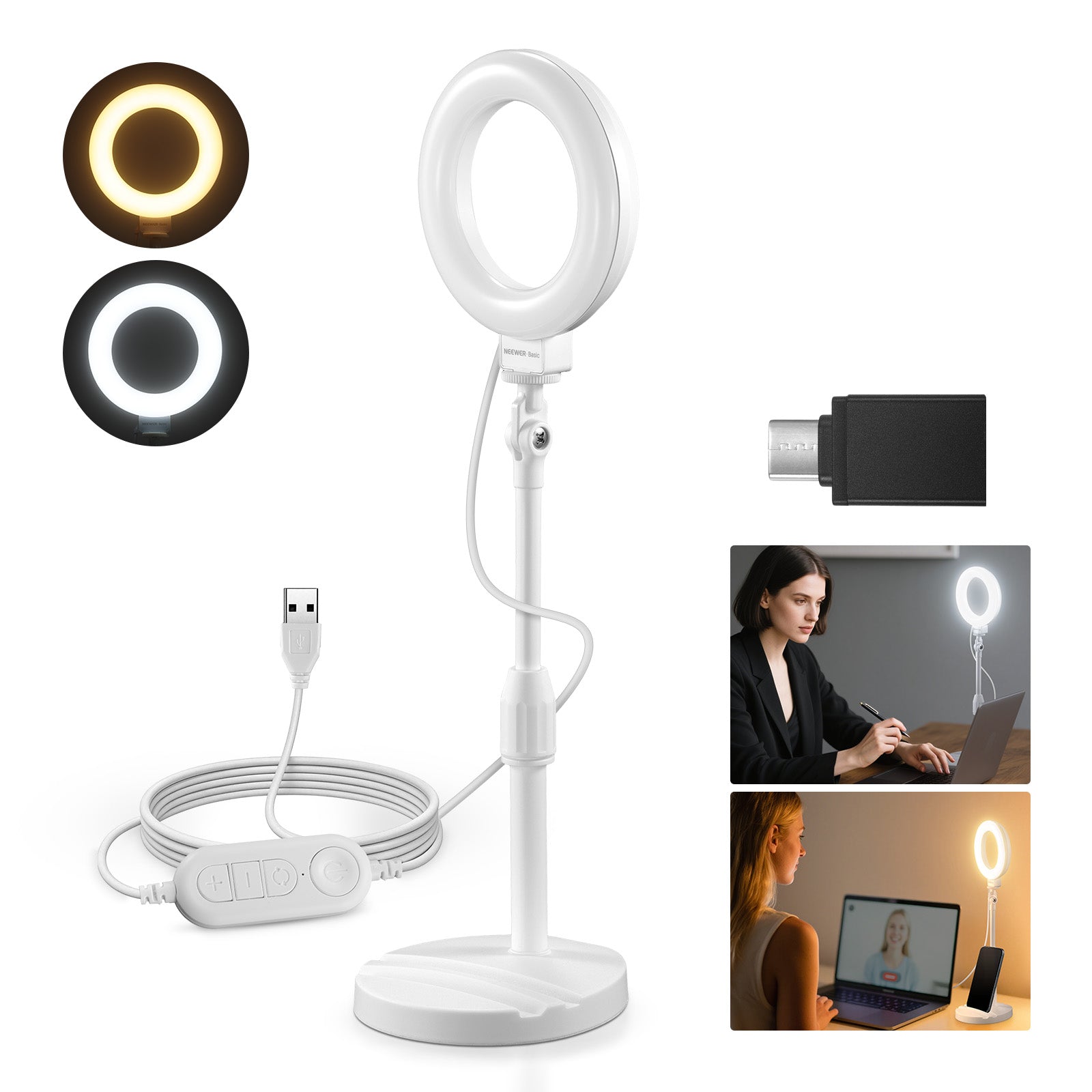

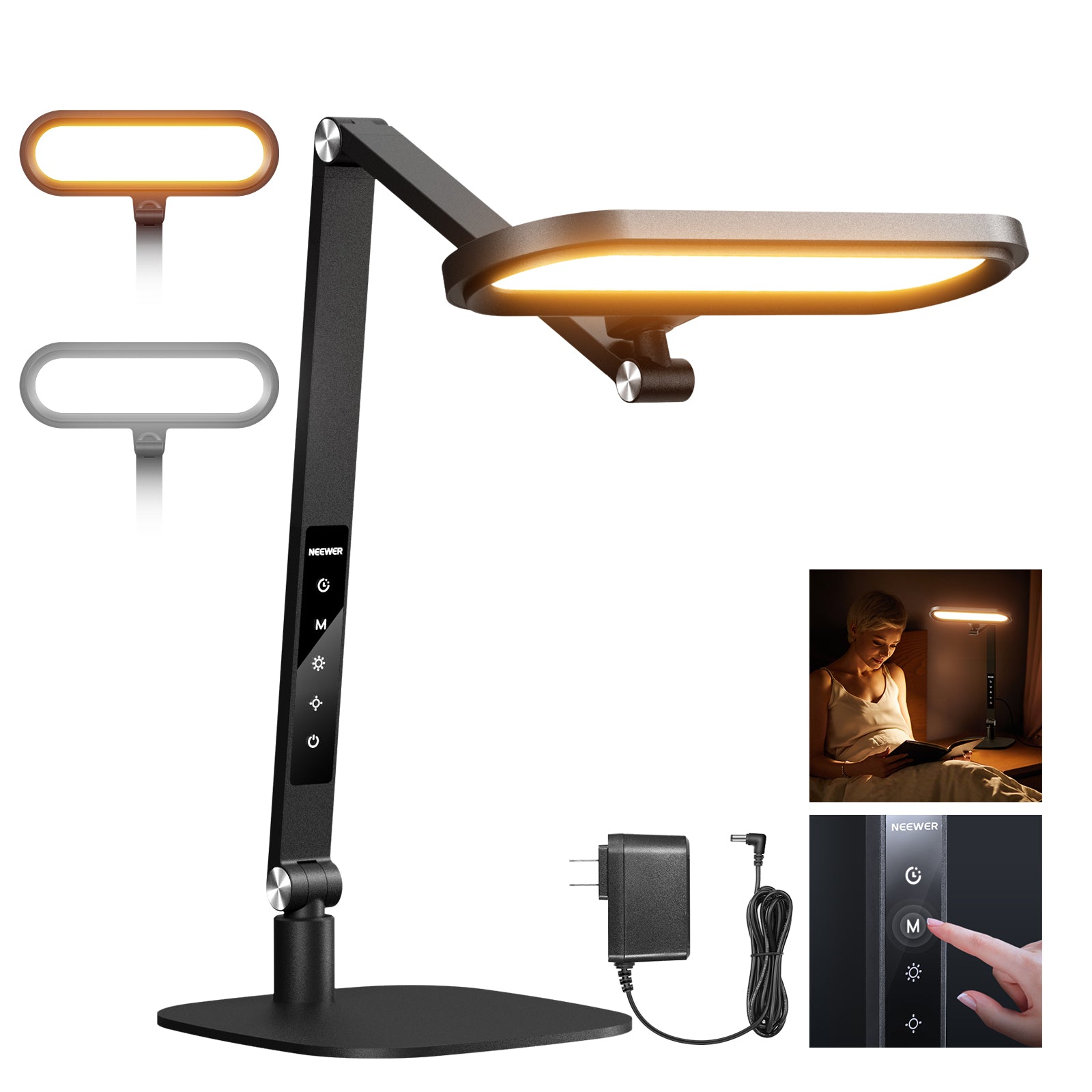
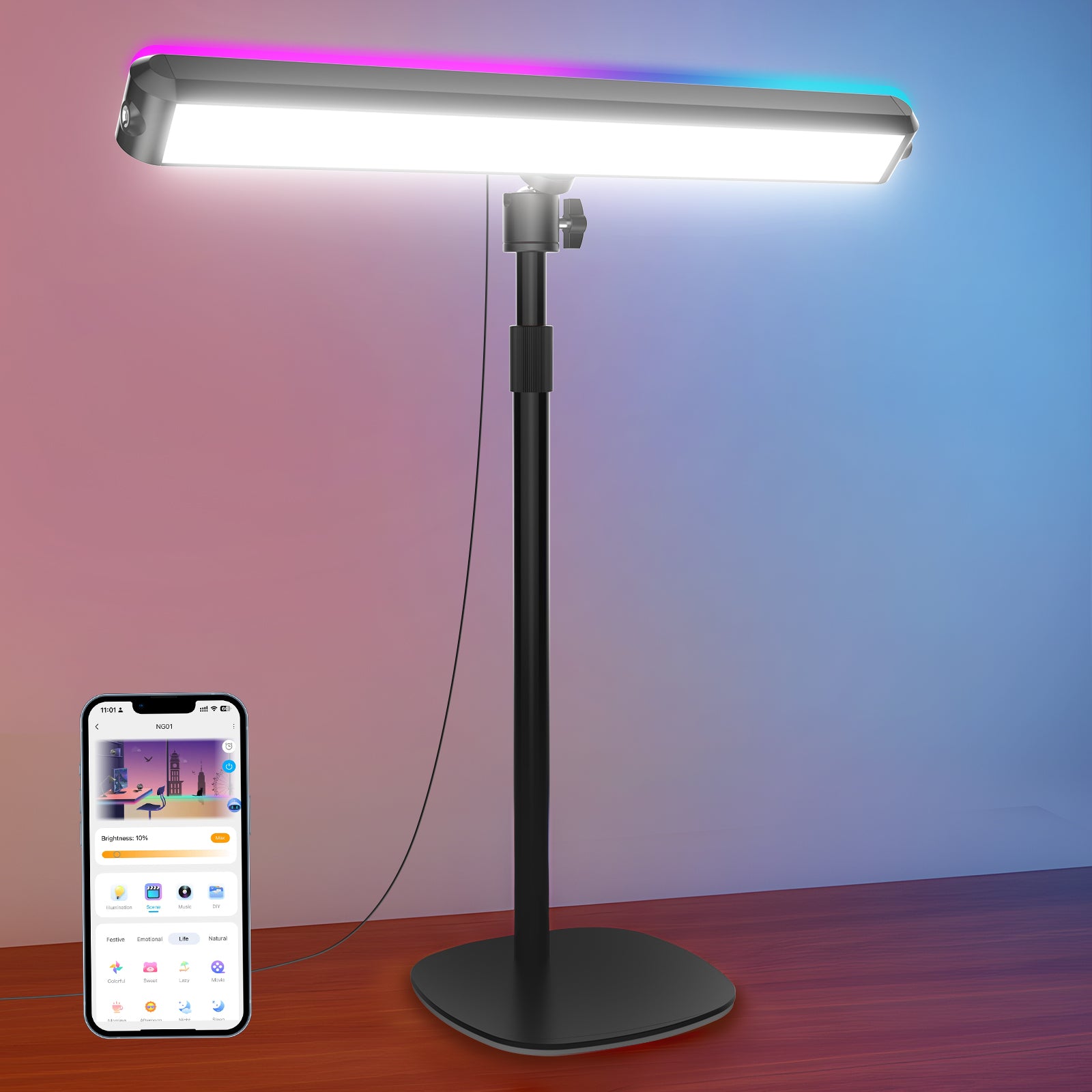


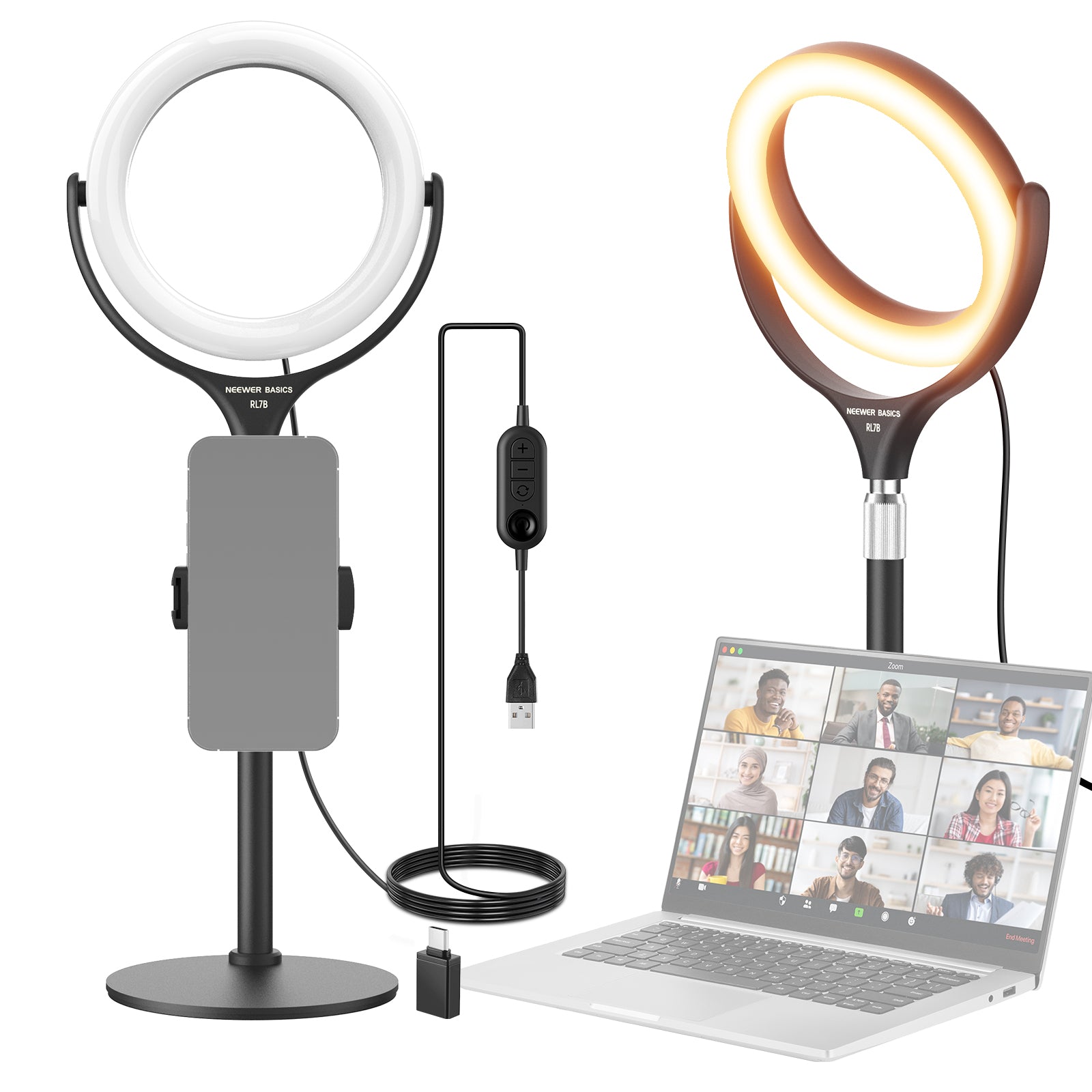
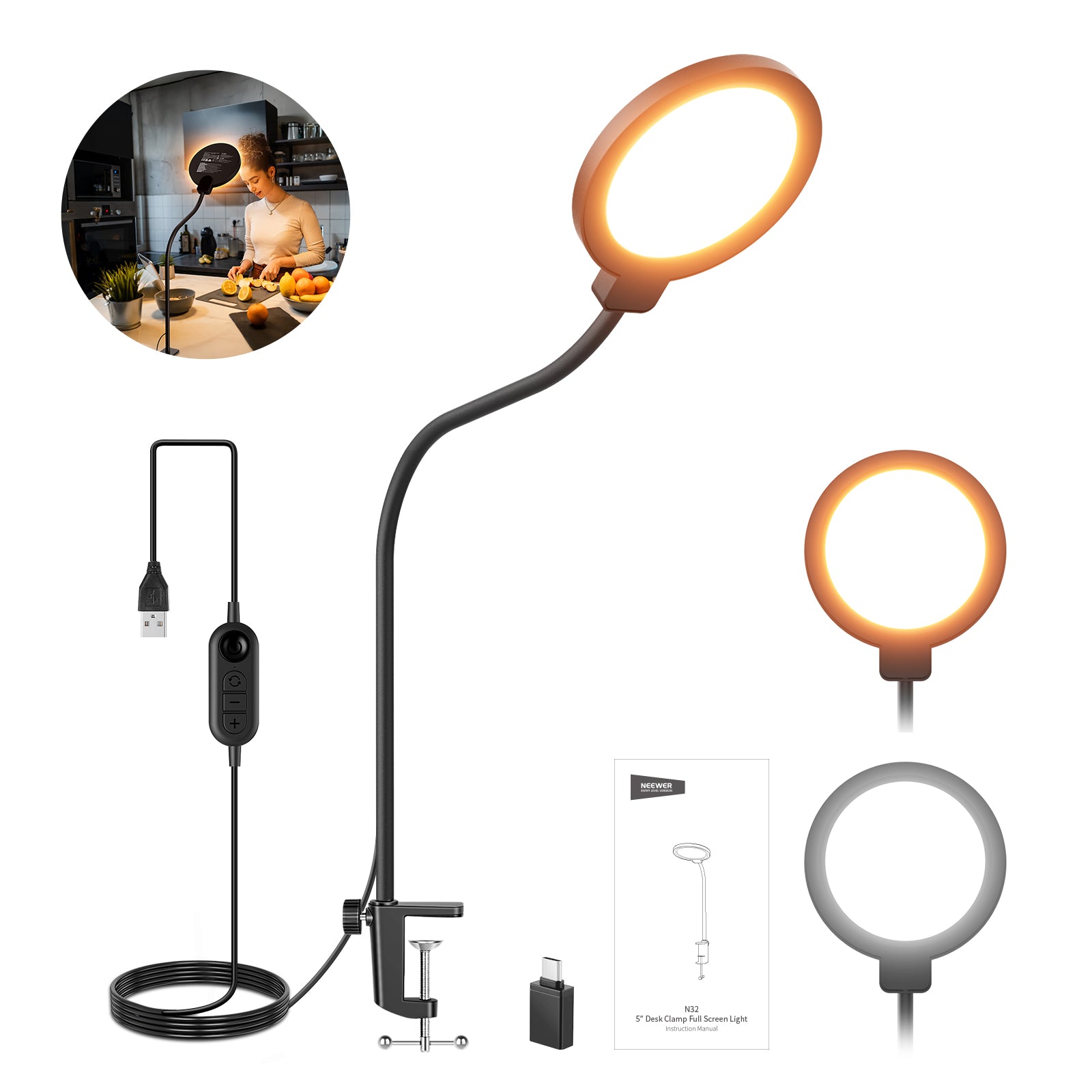
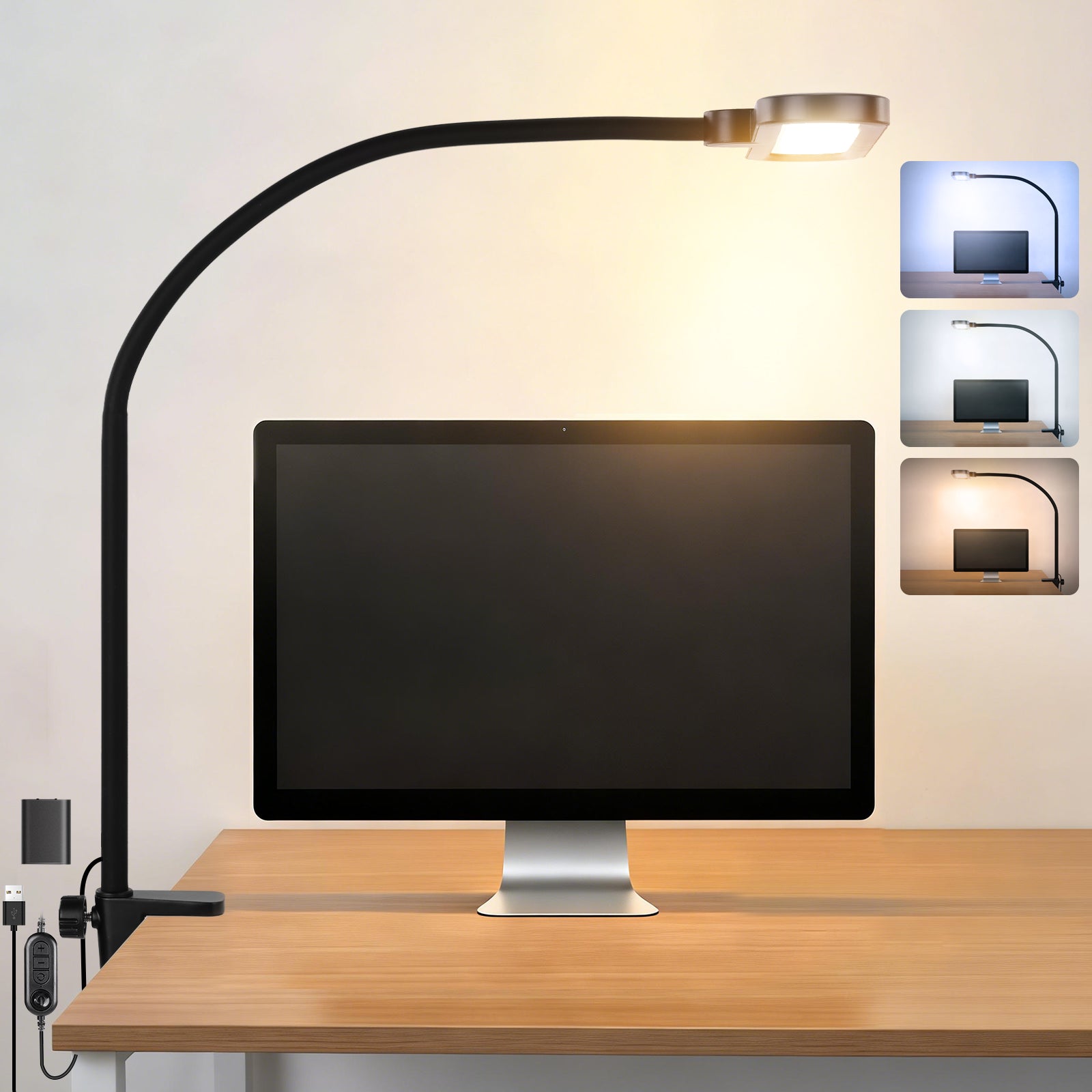
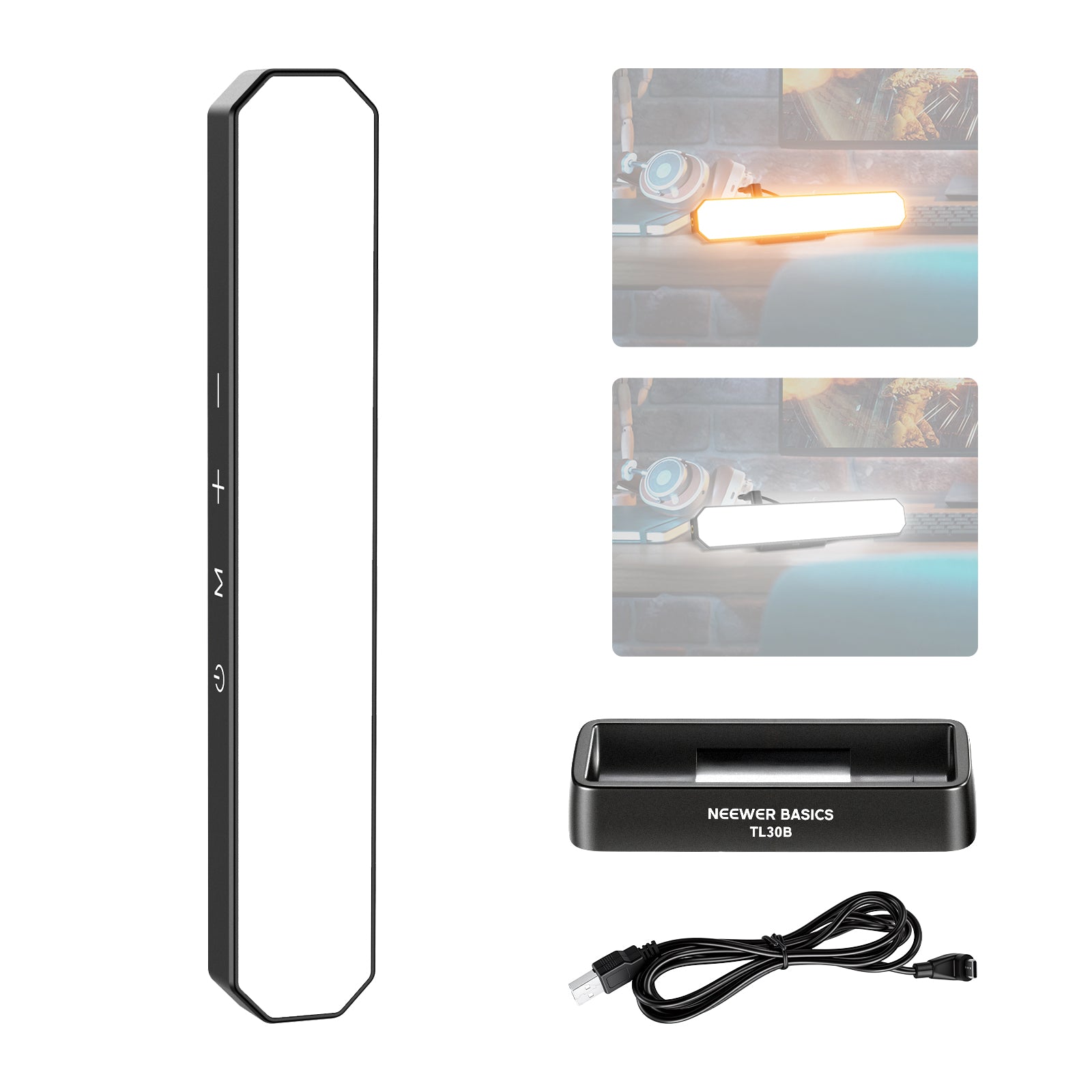
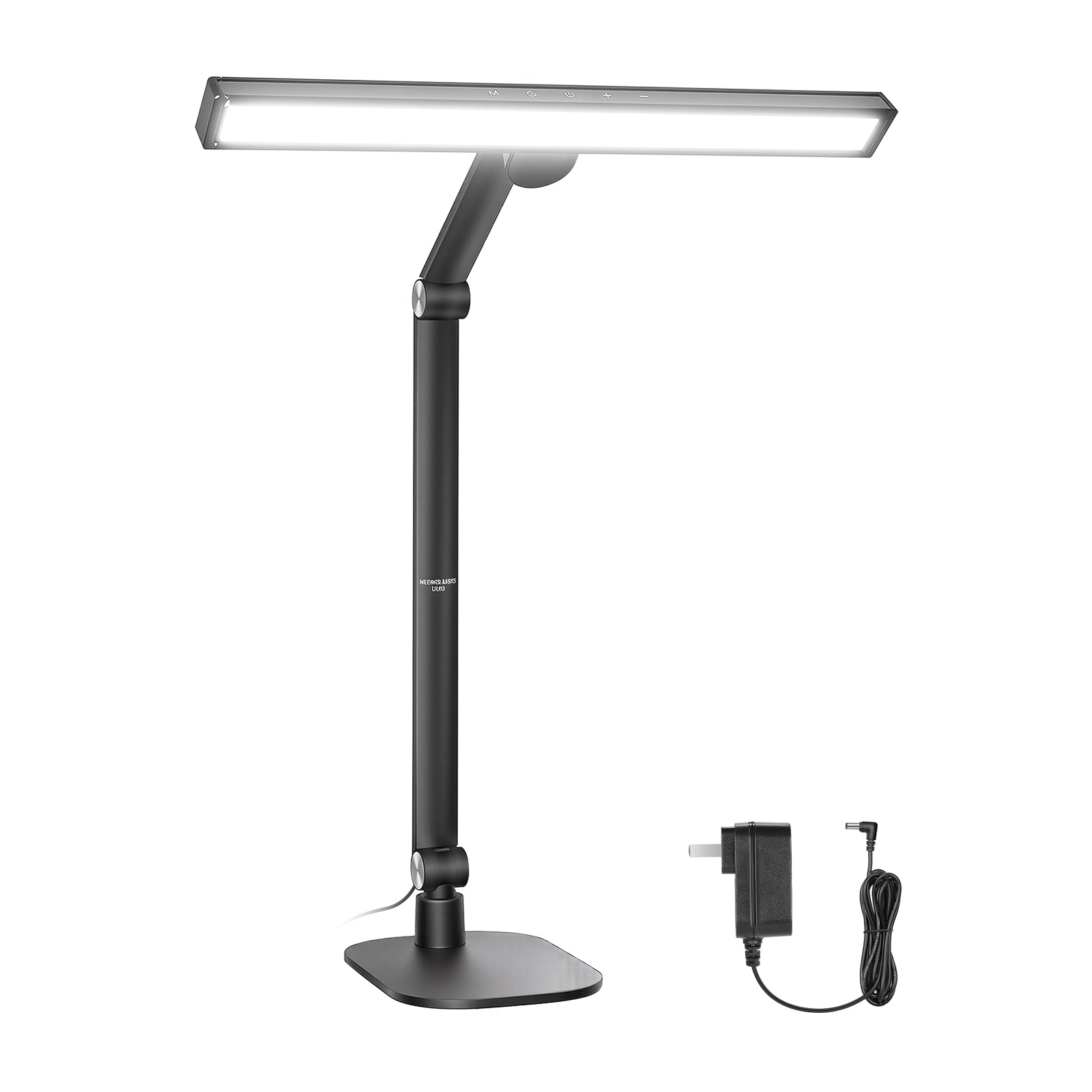
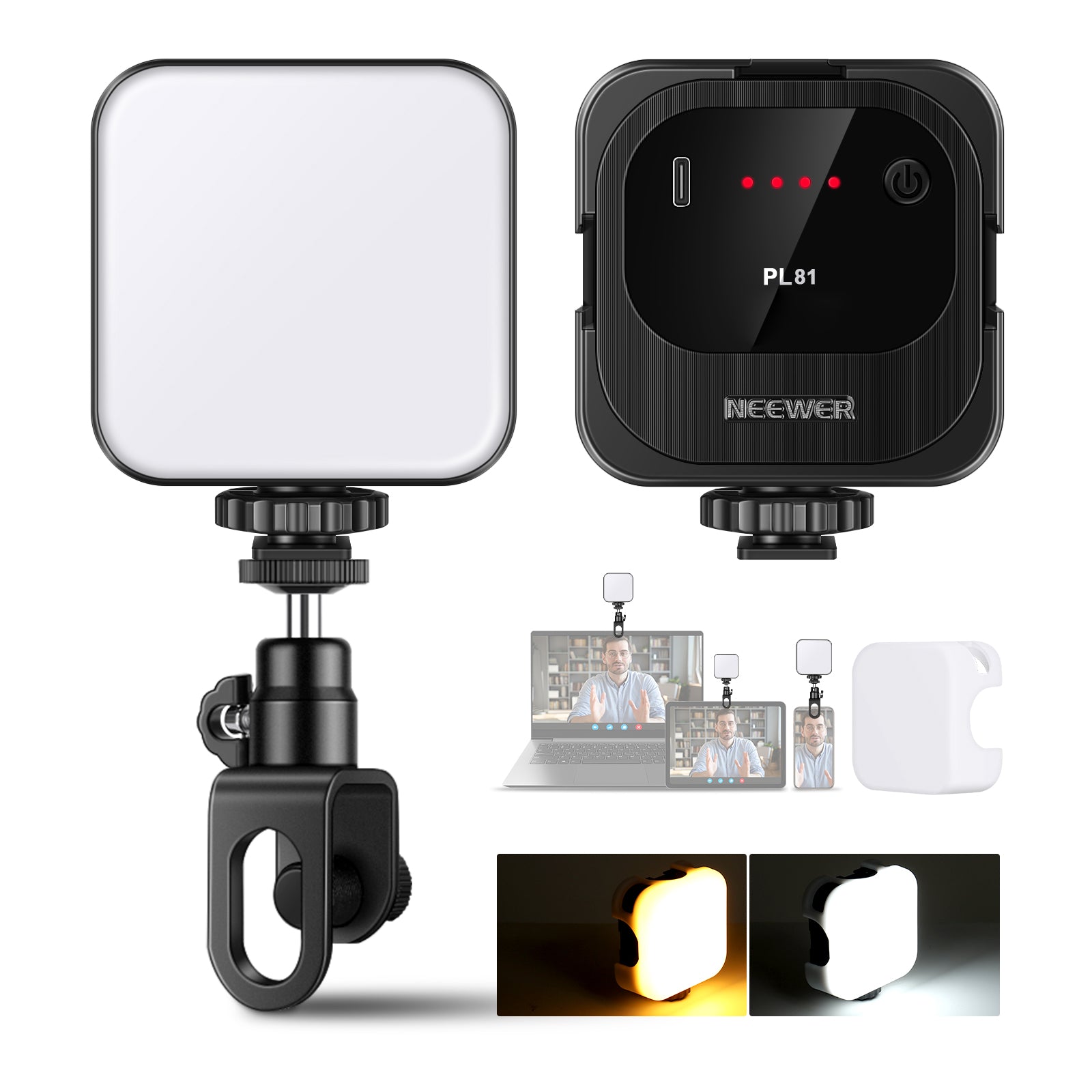
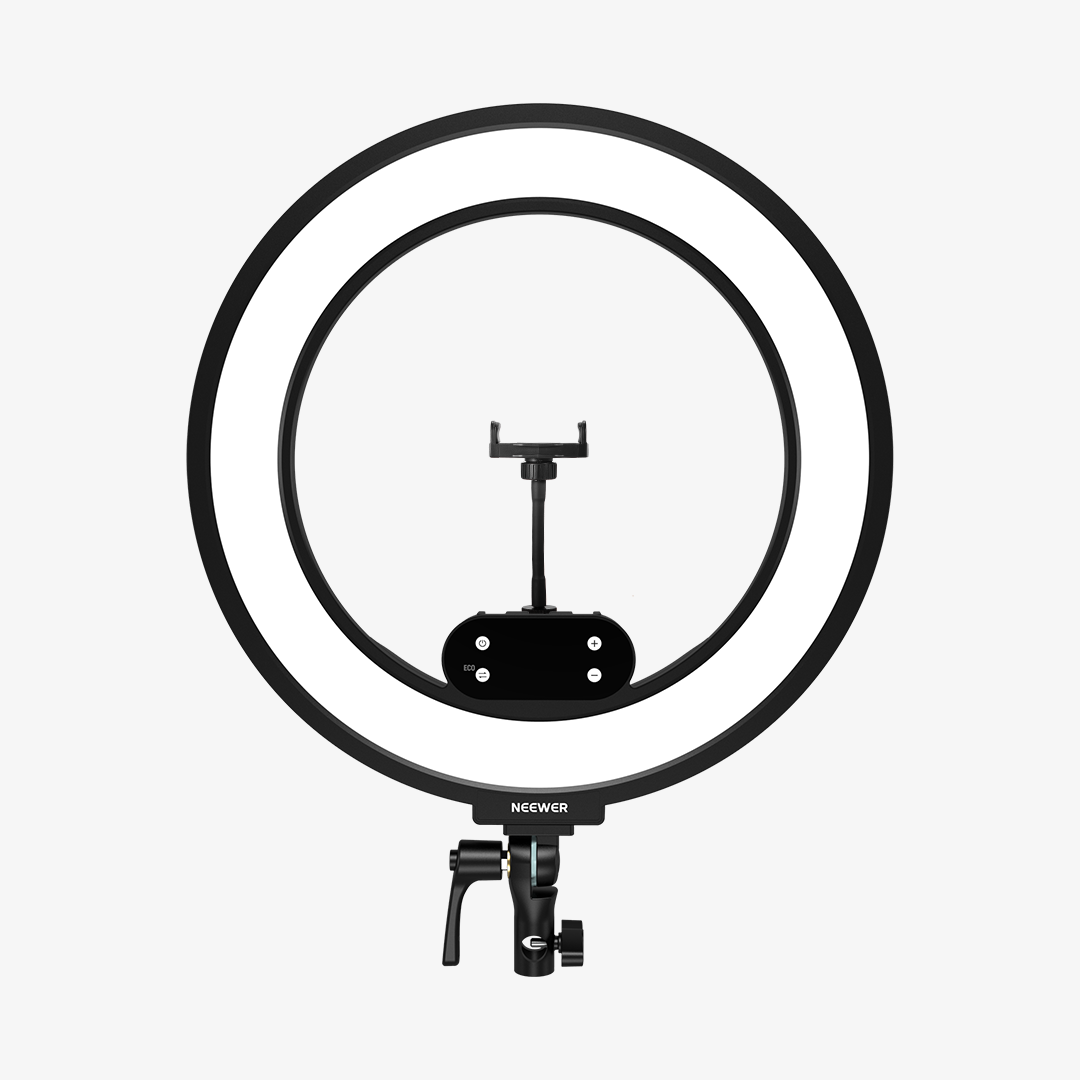
NEEWER LED desk lamps are designed to provide comfortable, eye-care lighting for work, study, and everyday tasks. With flicker-free illumination and adjustable brightness levels, these lamps help reduce eye strain during long hours of reading, writing, computer use, or focused desk work.
Built for home offices, study rooms, and workspaces of all sizes, NEEWER desk lamps deliver balanced, even light that supports visual comfort and productivity. Whether you’re studying late, working remotely, or setting up an efficient desk environment, these lighting solutions offer reliable performance and everyday usability.
FAQ
What Is a Desk Lamp?
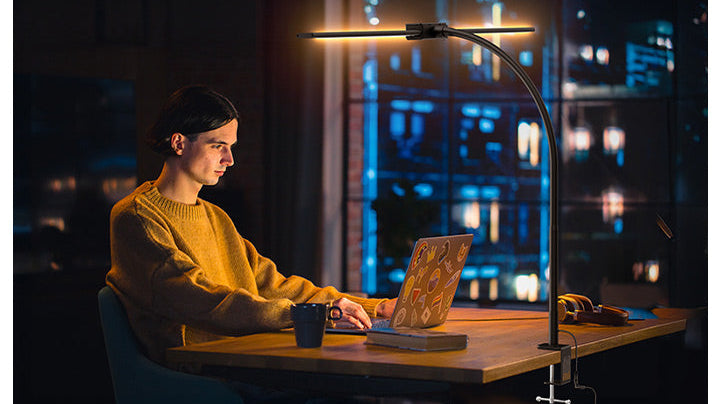
A desk lamp does more than just light up your workspace—it brings your projects into focus. Whether you're reading, sketching, studying, or fine-tuning a model, it delivers bright, concentrated light right where you need it, without flooding the whole room. That means less glare, less eye strain, and more clarity.
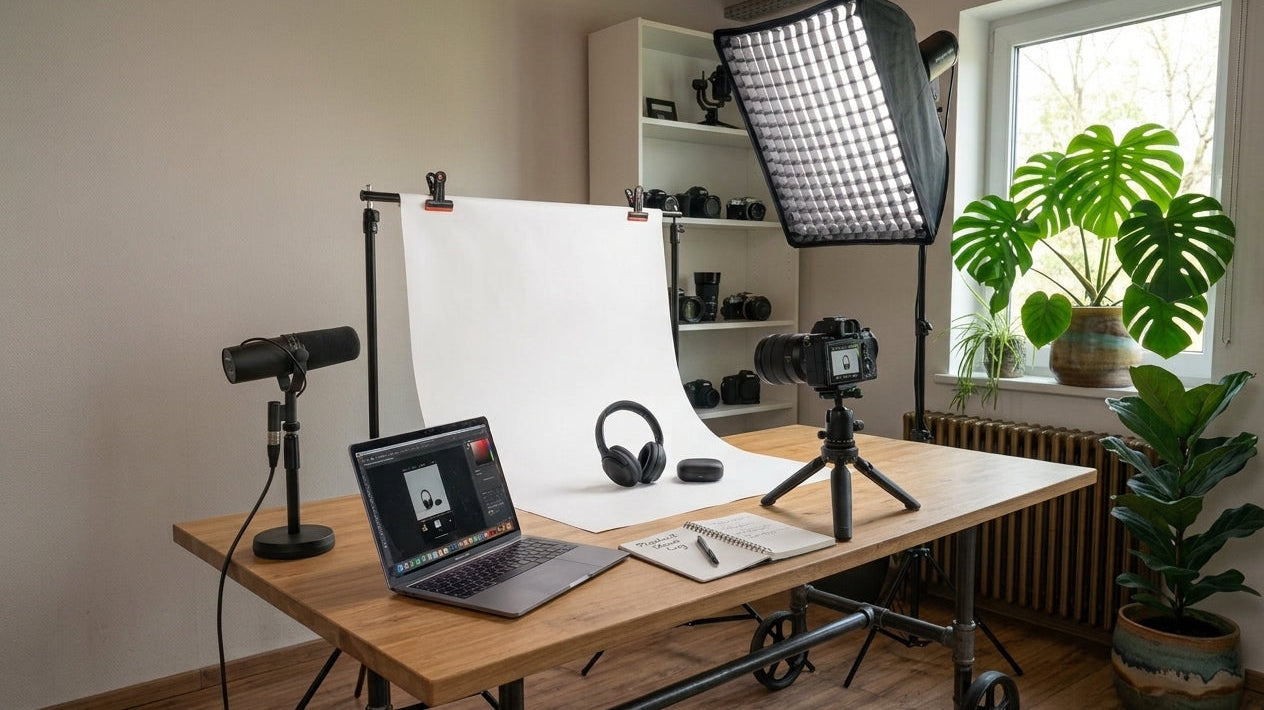
But it’s not just for work. For photographers and creatives, a good desk lamp is a secret weapon. With adjustable brightness and color temperature—common in today’s LED models—it becomes a versatile tool for product shots, mood lighting, or even color-critical tasks like photo editing. It’s the kind of light that helps you see better and create smarter.
Why Do You Need an LED Desk Lamp?
An LED desk lamp is more than just a modern light—it’s a practical upgrade for both daily work and photography. Unlike traditional bulbs, LEDs are energy-efficient and can last tens of thousands of hours, meaning you won’t be constantly replacing them. Most LED desk lamps also let you adjust brightness and color temperature, so you can switch from a warm, cozy glow for evening reading to a cool, daylight tone for editing photos or product shoots.
How Many Lumens for a Desk Lamp?
When choosing a desk lamp, lumens tell you how bright the light will actually feel. For everyday tasks like reading, writing, or working on a laptop, 450–800 lumens is usually enough. If you’re doing detailed work—like drawing, crafting, or retouching photos—you’ll want something brighter, around 800–1,500 lumens, so your eyes don’t strain.
For photography, it depends on your setup. A desk lamp with at least 800 lumens and adjustable brightness is ideal, since you can dim it for mood shots or crank it up for product photography. Pairing lumens with adjustable color temperature (warm to cool light) gives you even more control over how your images look.
How Tall Should a Desk Lamp Be?
A good desk lamp usually sits in that 14–22 inch range. That height gives you a bright, comfortable pool of light without throwing glare into your eyes or casting harsh shadows across your workspace.
Tip: The desk lamp head should sit above your eye line but below your face level when you’re seated.
What Color Light Is Best for Your Home Office?
The best color light for a home office is neutral to cool white, around 4000K to 5000K, because it closely mimics natural daylight and keeps you alert without making your space feel harsh. Cooler tones help reduce eye strain during long hours at a computer, while still rendering colors accurately for reading or design work. You can balance this with small warm accent lights (2700K–3000K) to make the room feel inviting, but for main work areas, a crisp, daylight-like light keeps focus and energy high.
Is LED Lighting Better Than Traditional Lighting for a Home Office?
Yes, LED lighting is generally better than traditional lighting for a home office. LEDs are energy-efficient, so they use far less electricity than incandescent or fluorescent bulbs and run cooler, which is nice if you’re working in a small room. They provide consistent, flicker-free light, which reduces eye strain during long hours at a desk. LEDs also come in a wide range of color temperatures—you can choose daylight-like 5000K for focus or warmer tones for relaxing tasks. Unlike traditional bulbs, LEDs last thousands of hours, meaning fewer replacements and more convenience. For desk lamps or ceiling fixtures, adjustable LED lights with dimmers give the most control over brightness and mood, something traditional bulbs can’t match.
What Is the Best Home Office Lighting for Eyes?
The best lighting for your eyes in a home office is soft, even, and glare-free light. Combine neutral daylight tones (around 4000K–5000K) with multiple light sources instead of relying on a single overhead bulb. Use an adjustable desk lamp for focused work, keep ambient light from ceiling fixtures or wall lamps to fill the room, and add gentle accent lighting to reduce harsh contrasts.