

Table of Contents
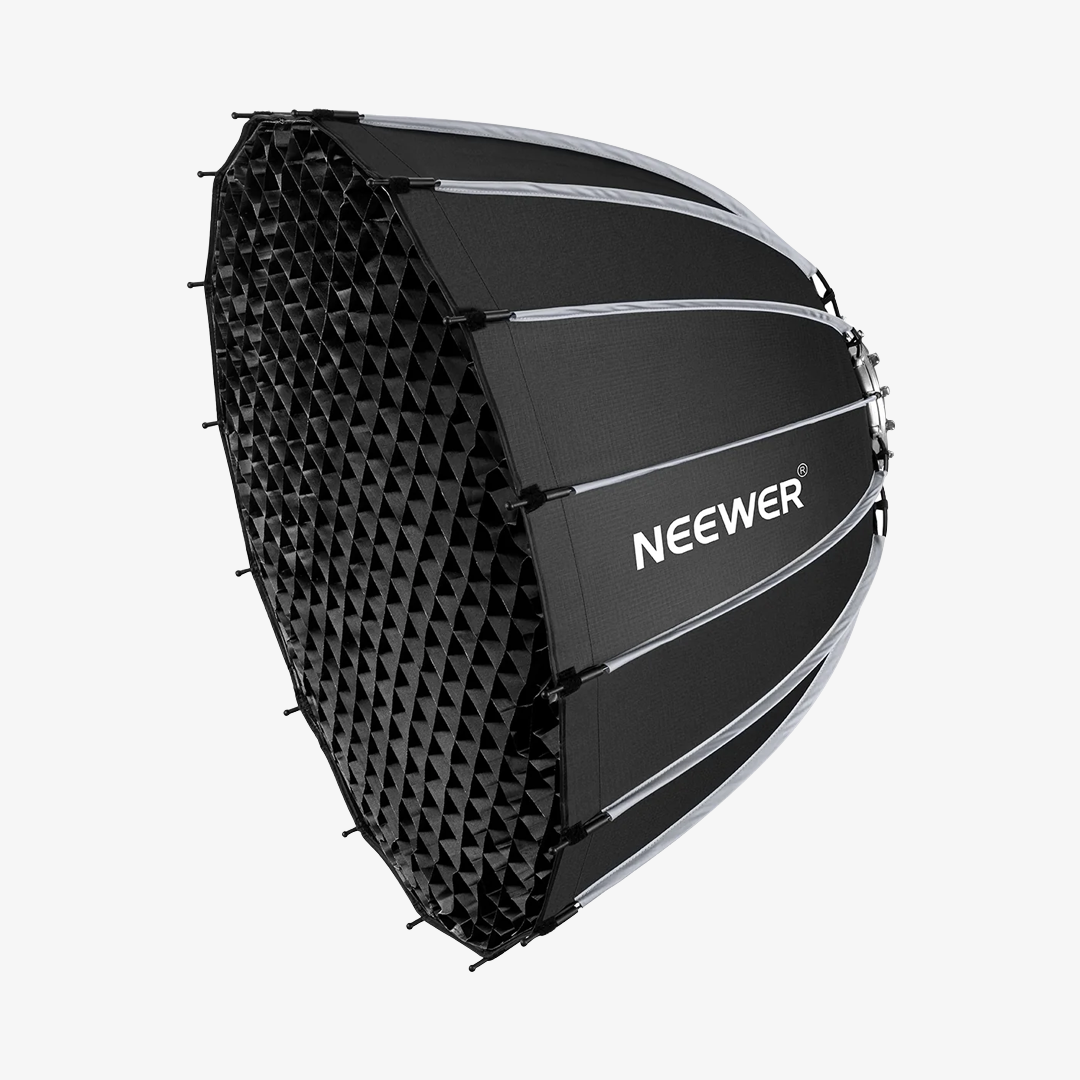
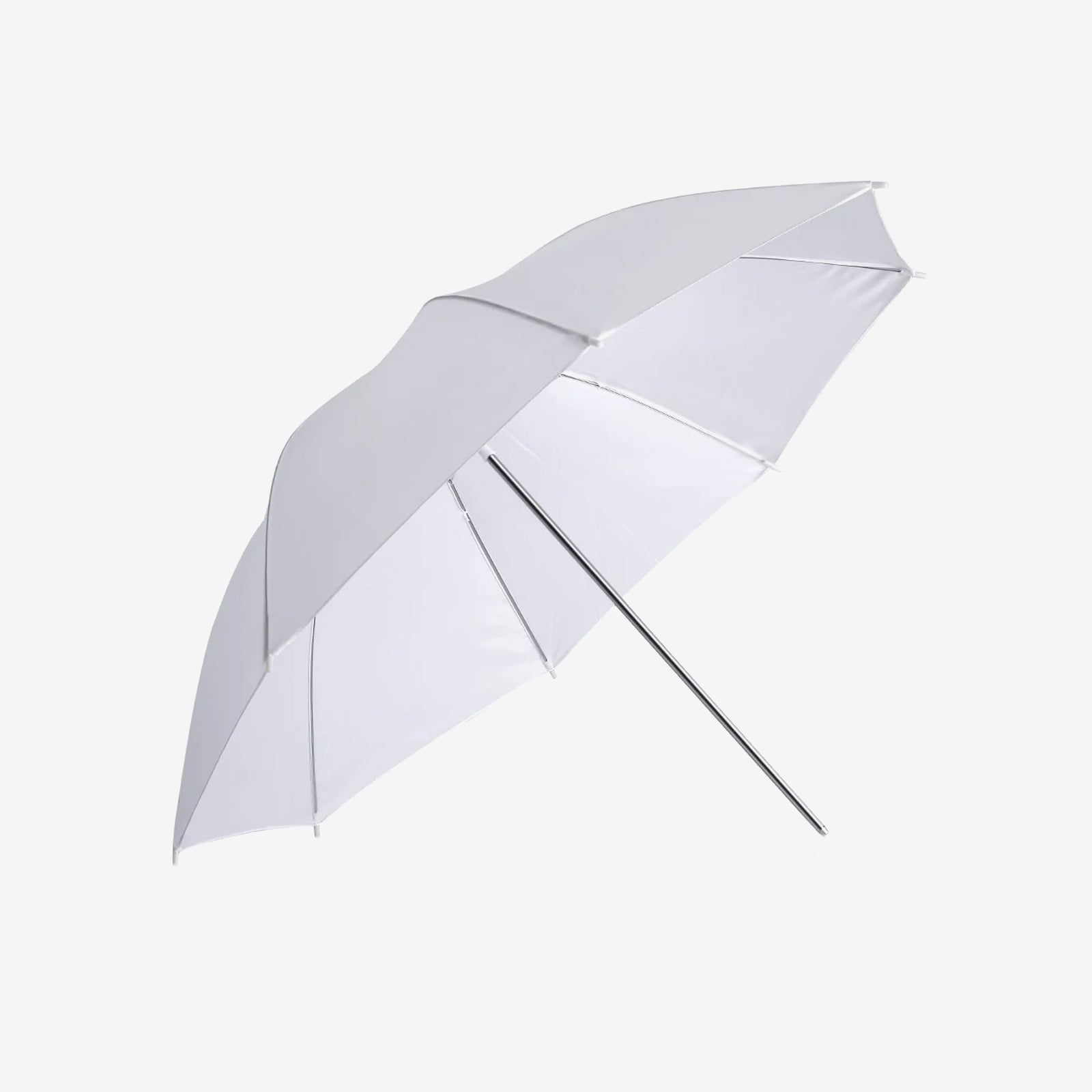
Different shapes of softboxes produce different lighting effects, so the best choice will depend on the specific requirements. Rectangular softboxes offer more controllable light, making them ideal for classic portrait photography. For a professional magazine-cover look, parabolic softboxes are the top choice for fashion photography. Meanwhile, umbrella softboxes are the best option for group photos. Refer to our comprehensive comparison article on shapes to help you find the softboxes that best suit your needs.
Parabolic vs Rectangular vs Lantern Softboxes: Comparison Table
|
Feature / Type |
Rectangular Softbox |
Parabolic Softbox |
Lantern Softbox |
|
Light Direction |
Directional, soft |
Directional, focused |
Omnidirectional, all-around |
|
Softness |
Soft, natural |
Soft but more contrast |
Very soft, minimal shadows |
|
Control |
Moderate |
High |
Low |
|
Wrap / Coverage |
Moderate |
Less wrap, more sculpted |
360° full coverage |
|
Catchlights |
Rectangular |
Slightly rounder than rectangle |
Not defined / diffuse |
|
Distance Flexibility |
Close to medium |
Medium to long |
Close to medium |
|
Setup Complexity |
Easy |
Moderate / larger assembly |
Easy |
|
Best For |
Portraits, interviews, product shots |
Dramatic portraits, fashion, editorial |
Room lighting, group shots, fill light |
How Softbox Shape Affects Lighting
Softbox shape affects the quality of the light, the direction of the spill, and the look of the catchlights in a subject's eyes. It controls how light spreads and wraps around your subject. In other words, when choosing a shape, you are essentially choosing how you want the shadows to fall and how much control you want over the surrounding environment.
Parabolic Softboxes

Parabolic softboxes are deeper than standard ones, which changes how the light behaves. They produce more focused light with stronger direction while still staying soft. You get more contrast and a bit more “punch” compared to a shallow softbox. In practice, this means you can light a subject from farther away and still maintain shape and intensity.
1. Pros
- More focused, controlled light: The deep, parabolic design pushes light forward instead of letting it spill everywhere. You can aim it precisely at your subject and keep the background cleaner.
- Stronger light output: Because the light is directed forward, you get higher effective brightness compared to shallow softboxes. Useful when shooting from a distance or overpowering ambient light.
- Better light shaping and contrast: You can create more defined shadows and depth. Faces look more sculpted instead of flat.
- Works well at longer distances: Unlike standard softboxes that lose softness quickly when moved back, parabolic softboxes maintain quality light even when placed farther away.
2. Cons
- Less forgiving on skin: The added contrast can emphasize texture, pores, or imperfections if not positioned carefully—especially in close-up beauty work.
- Bulkier and deeper design: They take up more space and can feel awkward in small home studios or tight shooting environments.
- Longer setup time: Compared to quick-open softboxes, parabolic designs (especially larger ones) often require more assembly.
- Can be too directional for simple setups: If you just want soft, even lighting (like for casual videos or livestreams), a parabolic softbox can feel overly technical and harder to dial in quickly.
3. When to Use a Parabolic Softbox
- Dramatic portraits with depth: If you want more sculpted faces—defined cheekbones, stronger shadow transitions—a parabolic softbox gives you that extra contrast.
- When shooting from a distance: In larger studios or full-body setups, you can place the light farther away and still keep it effective.
- Fashion and editorial work: When the goal is a polished, high-end look, this type of light adds structure to clothing textures and body shape. It separates the subject from the background more clearly.
Rectangular Softboxes

A rectangular softbox creates soft, directional light that feels similar to window light. When you place it slightly off to the side of your subject, you get natural-looking shadows with gentle contrast.
1. Pros
- Natural-looking light: The shape mimics window light, so it feels familiar and flattering.
- Good balance of softness and direction: You get soft light without losing control.
- Versatile for multiple setups: Works well as a key light, fill light, or even side light.
- Easy to position: The longer side helps you control vertical or horizontal coverage. For example, turn it vertically for full-body shots or horizontally for wider scenes.
- Controlled light spill: Rectangular softboxes keep light more contained, which helps maintain contrast.
2. Cons
- Coverage can be uneven at close distances: If placed too close, you may notice the light is stronger on one side, especially with smaller sizes.
- Requires adjustment for different scenes: You’ll need to reposition or rotate it depending on whether you're shooting portraits, products, or wider compositions.
- Less wrap: Light may not wrap around the subject as smoothly
- Catchlights look less natural: The rectangular reflection in the eyes can feel less organic.
3. When to Use a Rectangular Softbox
- Portraits and talking-head videos: Place it slightly off to the side, and you get soft, natural light with gentle shadows. It shapes the face without making it look flat—great for interviews, YouTube, or client headshots.
- Product photography on a table: Works well for lighting products evenly while still keeping some depth. You can angle it to control reflections on surfaces like metal or plastic.
- Small studio or home setups: It gives you a good balance of softness and control without taking up too much space. Easy to position, whether you’re shooting in a bedroom, office, or a tight corner.
- Full-body or vertical compositions: Turn it vertically, and it covers more of your subject from head to toe. This is especially useful for fashion, standing portraits, or lifestyle shots.
- Beginner-friendly setups: If you’re building your first lighting kit, a rectangular softbox is one of the easiest tools to learn.
Lantern Softboxes

Lantern softboxes are designed to spread light in all directions, almost like a glowing bulb. When you turn one on, the whole area around it fills with light, not just the front. It fills the entire space evenly and creates 360° soft, even illumination.
1. Pros
- True 360° soft light: Fills the entire space evenly. You don’t have to aim it precisely—once it’s on, the whole room gets soft illumination.
- Fast, no-fuss setup: Great for situations where you need usable light quickly.
- Perfect for group and multi-subject scenes: Everyone in the frame receives consistent lighting, saving time compared to adjusting multiple lights.
- Very soft, low-shadow look: Shadows are minimal and gentle, making it ideal for interviews, podcasts, or casual video setups.
- Great as ambient or fill light: Works well to lift overall brightness without creating harsh highlights or strong direction.
2. Cons
- Very limited light control: Light spreads everywhere, including walls, ceilings, and backgrounds. Hard to shape or direct.
- Low contrast, flatter image: The light wraps from all directions, so you lose shadow depth and visual drama.
- Light spill can be a problem: In small spaces, unwanted areas get lit easily, which can reduce separation between subject and background.
- Less suitable as a key light for portraits: If you want sculpted facial features or a professional studio look, it often feels too flat on its own.
- May require accessories for control: Skirts or covers are often needed to block light in certain directions, adding extra setup steps.
3. When to Use a Lantern Softbox
- Group shots or multi-subject setups: Everyone in the frame gets soft, uniform light. Ideal for panels, interviews, or small ensembles.
- Interviews, podcasts, or casual video setups: Creates a gentle, flattering look with minimal shadows. It’s easy to get consistent lighting for talking-head videos.
- Fill light to soften shadows: Works well alongside other lights. It lifts overall brightness without creating harsh highlights.
- Fast setups with minimal adjustments: Great for run-and-gun shoots or quick home setups. Hang it, turn it on, and the space is evenly lit.
Frequently Asked Questions About Softbox Lighting

1. Can You Mix Different Softbox Light Types Together?
Yes—you absolutely can mix different softbox types, and doing so is very common in professional setups. Each type brings a different quality of light, so combining them lets you sculpt your scene more effectively.
2. Can I Use Softboxes With Speedlights?
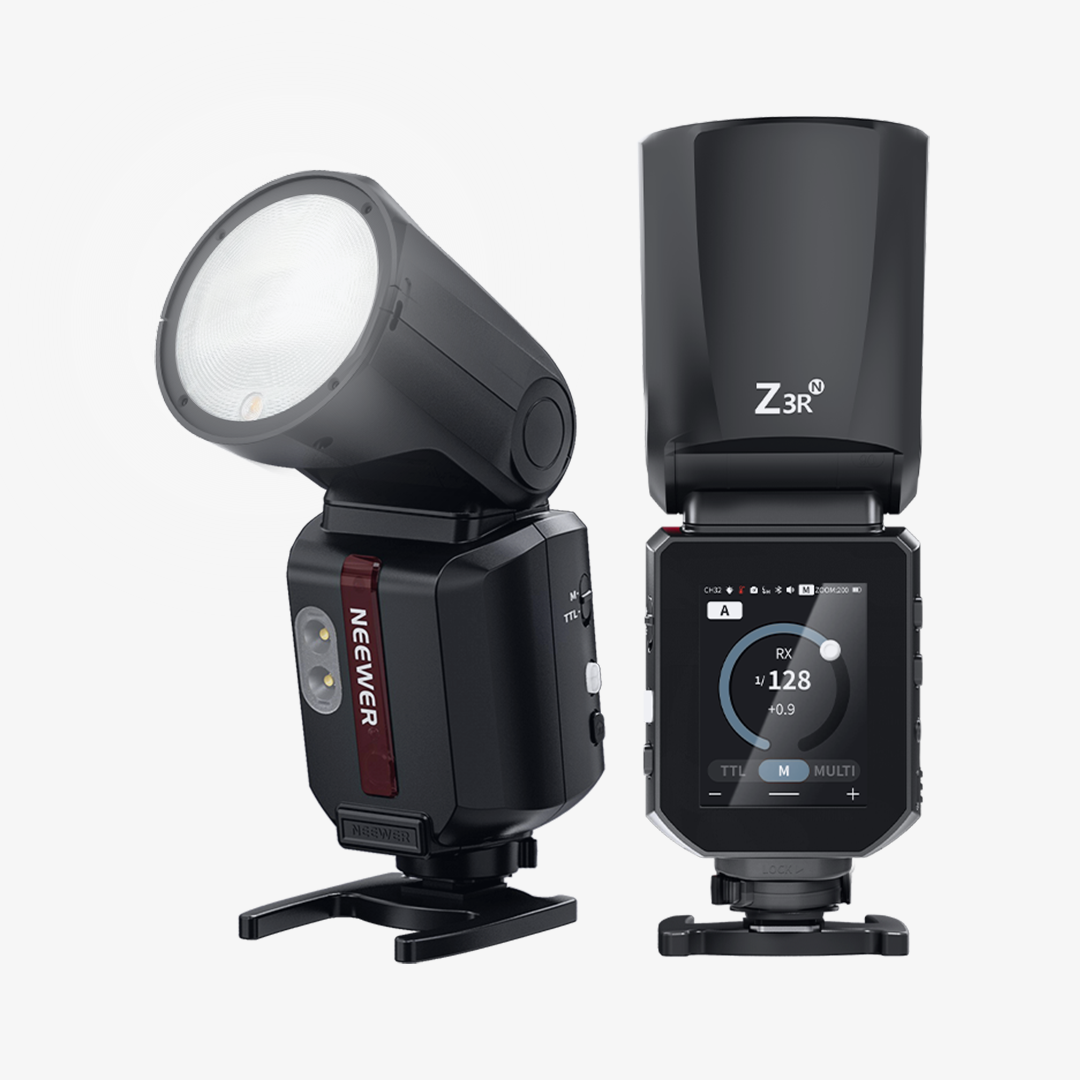
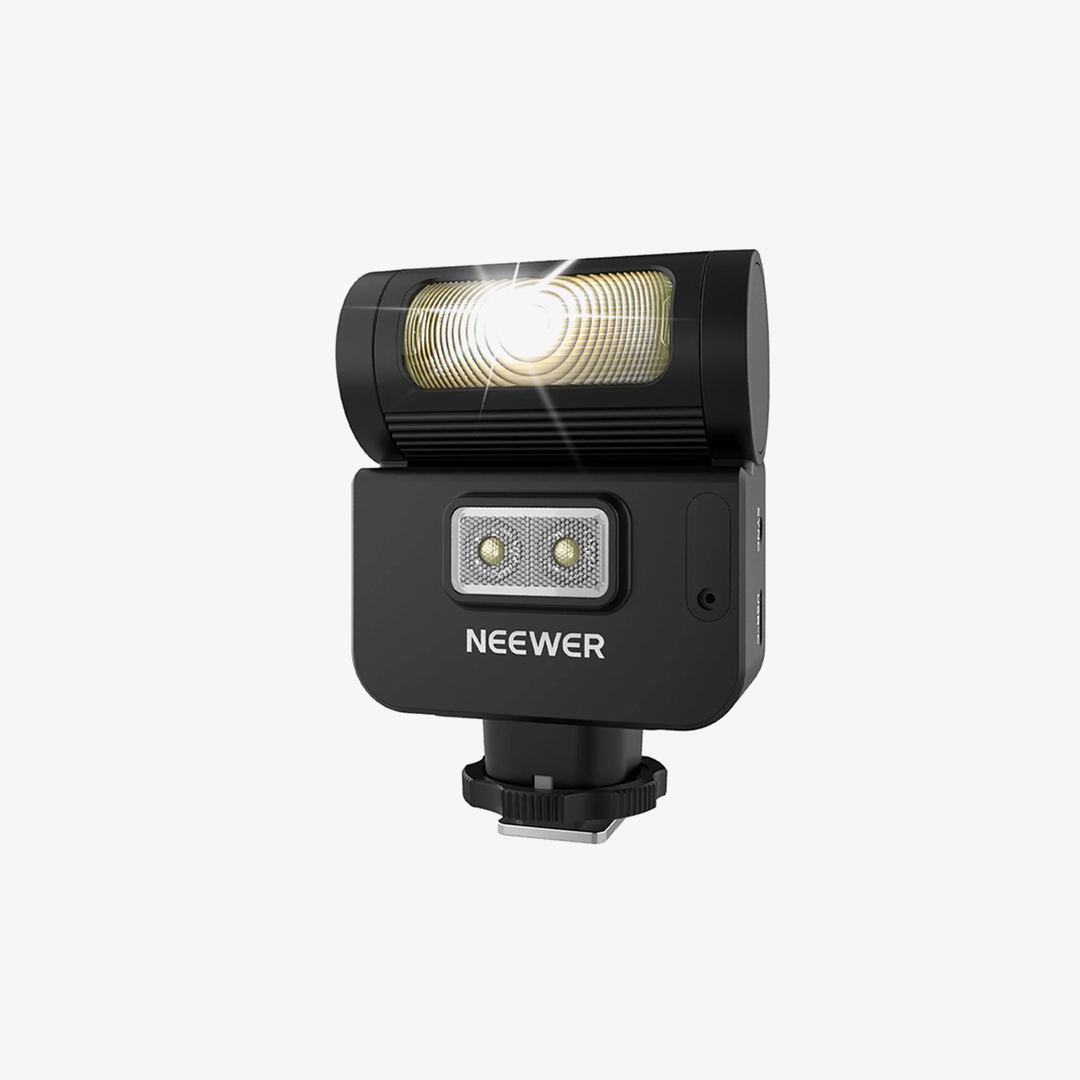
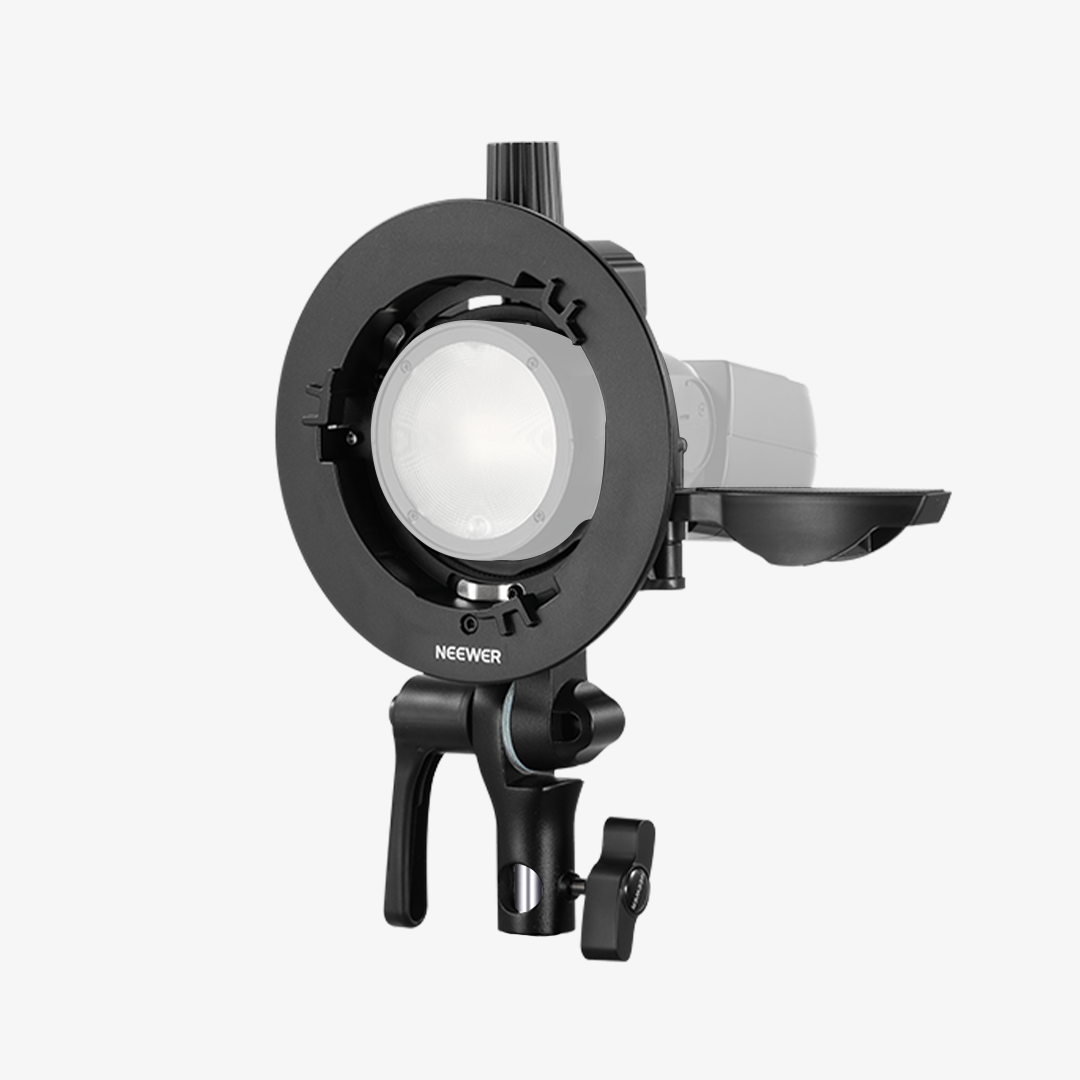
Yes, you can use softboxes with speedlights. Most softboxes are designed to accept studio strobes or continuous lights, but many also have adapters for speedlights. A speedlight fits inside the softbox, usually with a bracket, and the softbox diffuses its light just like a larger studio light would.
3. Which Softbox Is Best for Beginners?
A rectangular softbox is usually best for beginners because it’s easy to use, versatile, and delivers familiar, natural-looking light that works for most situations. It gives soft illumination without being too broad or too directional, so you can learn how light interacts with subjects without overcomplicating your setup.