

Table of Contents
CPL and ND filters are two common tools in photography, but they solve different problems. A CPL filter helps reduce unwanted reflections and improve color contrast, while an ND filter controls how much light enters your camera, giving you more flexibility with shutter speed and aperture.
So, which one should you use? It depends on what you want to achieve in your shot. Whether you're photographing a waterfall, shooting landscapes, or recording outdoor video, understanding the difference between CPL and ND filters will help you choose the right one.
Choosing the Right Filter for Your Needs
Before looking at how these filters work, think about what you want to change in your image. Are reflections distracting from your subject, or is the scene simply too bright for your desired exposure?
Reducing Unwanted Reflections: Use a CPL Filter
If reflections are getting in the way of your shot, a circular polarizing filter (CPL) is usually the better choice.
For example, when photographing a lake, sunlight reflecting off the water can make it difficult to see details beneath the surface. A CPL filter can reduce some of that glare, making the water appear clearer. It can also help control reflections on glass, car windows, and other non-metallic surfaces.
CPL filters are also useful for outdoor photography. By reducing polarized reflections from leaves and other surfaces, they can make foliage look richer and colors appear more saturated.

Controlling Exposure: Use an ND Filter
If the scene is too bright for the exposure you want, an ND filter is the tool to reach for.
An ND filter reduces the amount of light entering the lens without intentionally changing the image's color or contrast. This allows you to use slower shutter speeds or wider apertures even in bright conditions.
Common examples include:
- Waterfall photography: Use a slower shutter speed to create a smooth, flowing effect in the water.
- Bright outdoor portraits: Keep a wide aperture for a blurred background without overexposing the image.
- Video recording: Maintain a suitable shutter speed in bright daylight without having to close down the aperture excessively.

How CPL and ND Filters Work
Although both filters affect the light entering your camera, they work in different ways.
What Is a CPL Filter and What Does It Do?
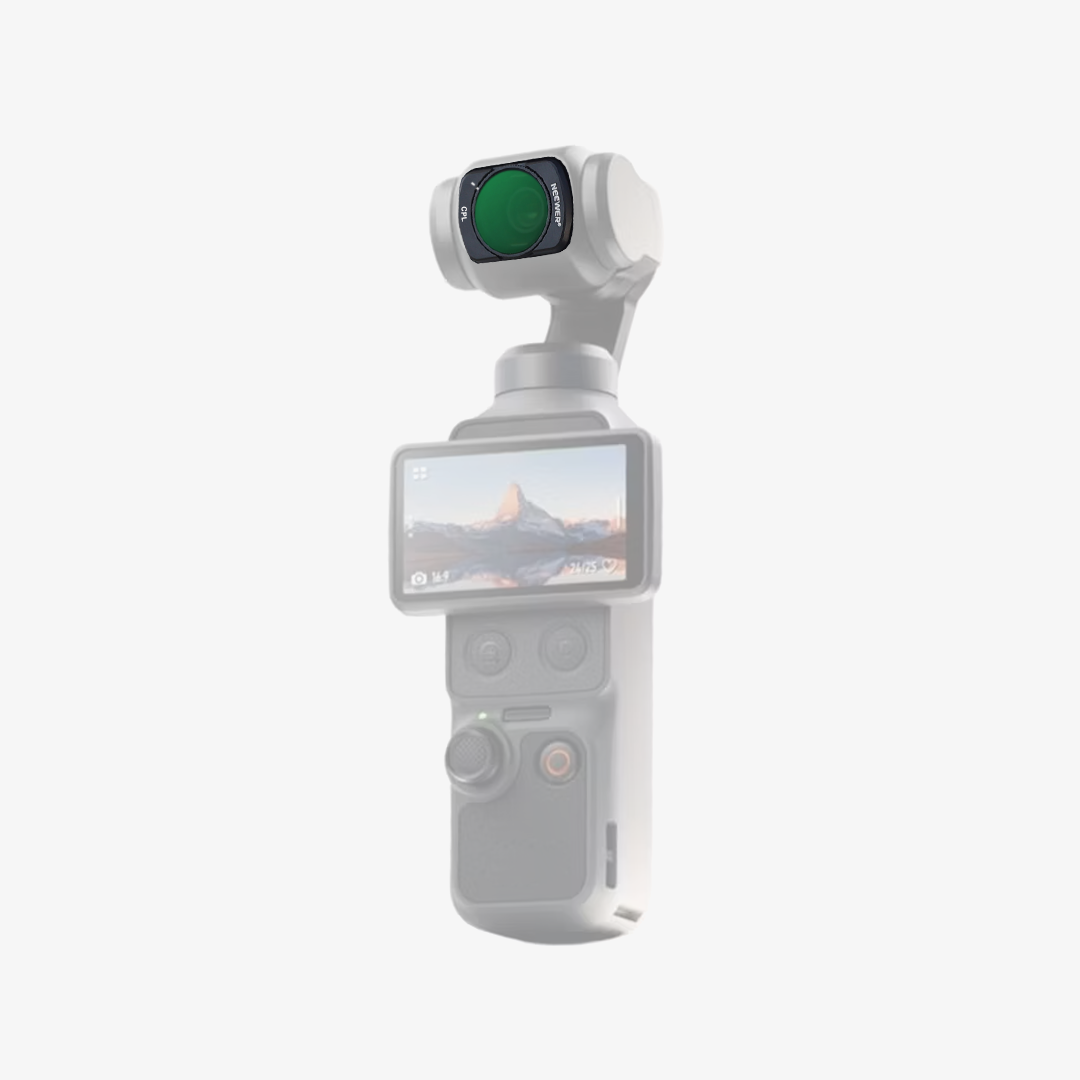
A circular polarizing filter (CPL) is designed to reduce polarized light reflections. It consists of a rotating filter element that allows you to adjust the amount of polarization as you look through the viewfinder or camera screen.
When rotated to the right angle, a CPL can reduce glare from surfaces such as water and glass. It can also improve the appearance of blue skies and foliage by reducing certain reflections.
The effect depends on the direction of the light and the angle of the filter. For example, polarization is often strongest when shooting at roughly 90 degrees from the sun. Rotating the filter lets you find the most useful effect for your composition.
What Is an ND Filter and What Does It Do?
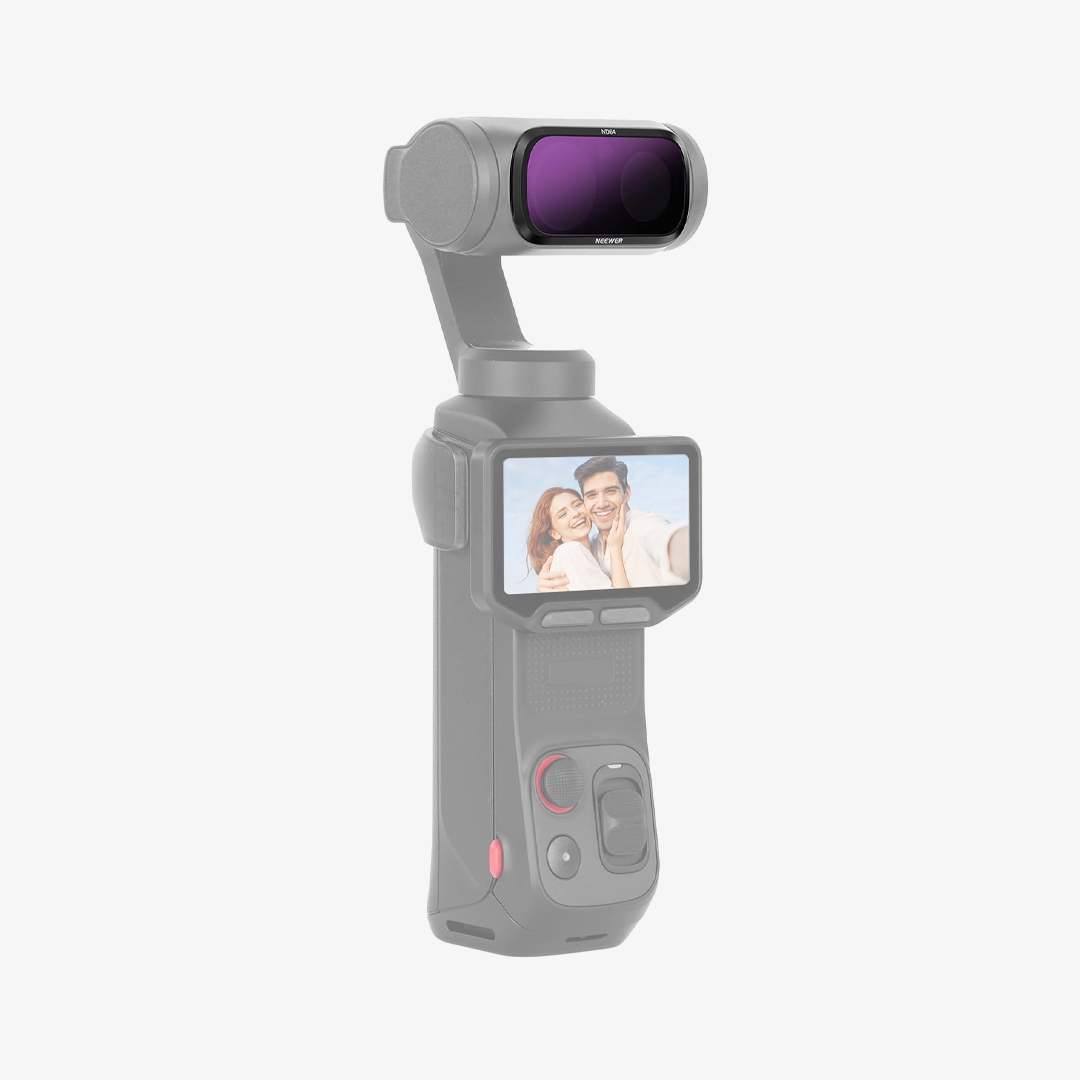
A neutral density (ND) filter reduces the amount of light entering the camera. Think of it as sunglasses for your lens: it darkens the incoming light so you can use exposure settings that would otherwise be difficult in bright conditions.
ND filters are available in two main types:
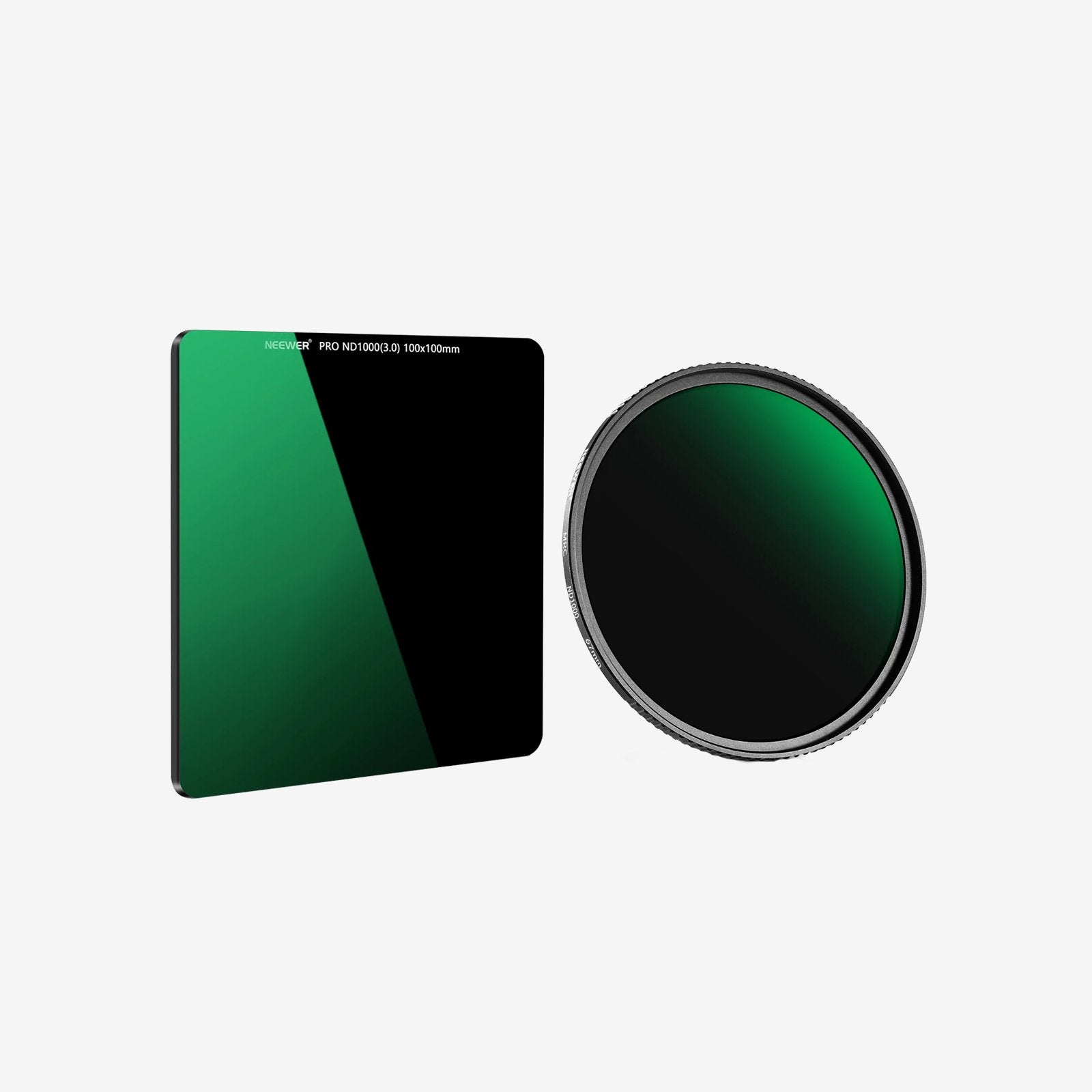
- Fixed ND filters: Provide a specific level of light reduction, such as ND8, ND64, or ND1000. They're useful when you know how much light reduction you need.
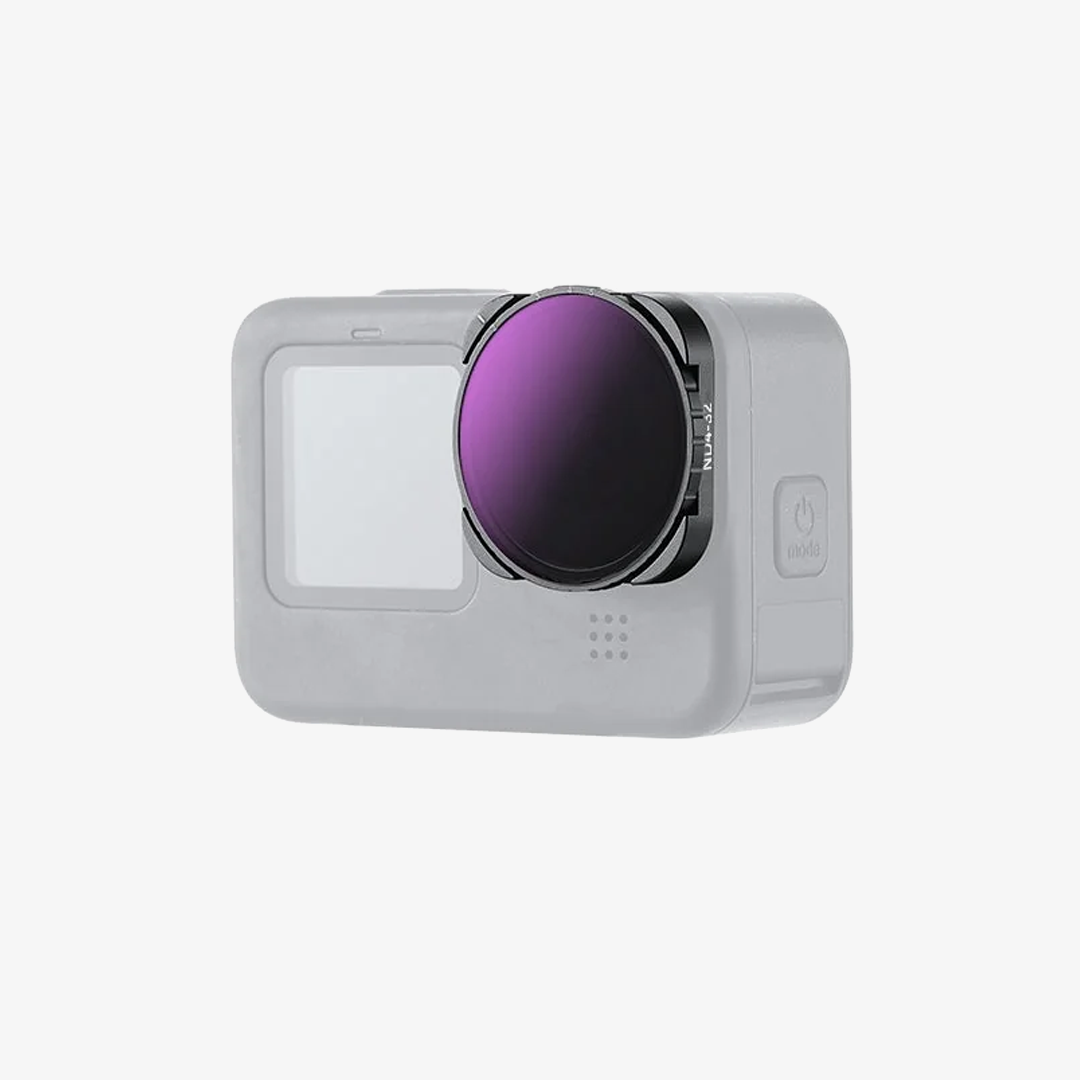
- Variable ND filters: Allow you to adjust the strength by rotating the filter. They're convenient for changing lighting conditions, especially when recording video.
ND filters are commonly described by their ND number, filter factor, or stop reduction. A stronger ND filter blocks more light and allows a longer exposure or wider aperture.
See CPL and ND filters in action in the video below.

CPL Filter vs ND Filter: What's the Difference?
The main difference is their purpose: a CPL filter controls polarized reflections, while an ND filter controls the overall amount of light entering the lens.
|
Feature |
CPL Filter |
ND Filter |
|
Main function |
Reduces polarized reflections |
Reduces incoming light |
|
Light control |
Limited light reduction as a side effect |
Designed for controlled light reduction |
|
Reflection control |
Yes, on suitable surfaces |
No |
|
Exposure control |
Not its primary purpose |
Yes |
|
Common uses |
Landscapes, water, glass, foliage |
Long exposures, bright portraits, video |
Can a CPL Filter Replace an ND Filter?
No. Although a CPL filter typically reduces some light as it passes through the filter, this is not the same as the controlled light reduction provided by an ND filter.
If you want to smooth out moving water or maintain a specific shutter speed in bright daylight, an ND filter is the more suitable choice. If your main concern is glare or reflections, a CPL filter is the better option.
Likewise, an ND filter cannot selectively remove reflections. It darkens the entire image rather than targeting polarized light.
CPL and ND Filters in Photography
The best way to understand the difference is to look at how each filter affects the same type of scene.
Landscape Photography
When photographing mountains, forests, or open landscapes, a CPL filter can help deepen blue skies and reduce reflections from leaves. This can make colors appear more vivid, especially in scenes with strong sunlight.
An ND filter is useful when you want to introduce motion into the landscape, such as blurring clouds or moving water. It allows you to use a longer shutter speed even when the scene is bright.
Keep in mind that a CPL's effect on the sky can become uneven when using wide-angle lenses, particularly when the sky covers a large part of the frame.
Waterfall Photography
Waterfalls are a good example of where both filters can be useful.
A CPL filter reduces glare on the water and can reveal more texture and detail. An ND filter lets you slow down the shutter speed, turning the moving water into a smoother, softer flow.
If you want both effects, you can combine the two filters, provided your setup is compatible.
Outdoor Video and Portrait Photography
For outdoor video, an ND filter is particularly useful because it helps maintain a consistent shutter speed in changing or bright lighting conditions.
For portraits, an ND filter lets you keep a wide aperture in strong sunlight, helping separate your subject from the background.
A CPL filter may also be helpful when shooting near reflective surfaces, such as windows or water, but it is not a replacement for an ND filter when you need more precise exposure control.
Using a CPL Filter and ND Filter Together
A CPL and an ND filter can be stacked when a shot requires both reflection control and exposure reduction.

For example, when photographing a bright waterfall, the CPL can reduce glare while the ND filter allows you to use a slower shutter speed.
However, there are a few things to keep in mind:
- Watch for vignetting: Stacking filters adds thickness in front of the lens. On wide-angle lenses, this can cause dark corners. Slim filter frames can help reduce the risk.
- Check for cross patterns: Some variable ND filters use two polarizing elements to adjust their strength. Adding another polarizing filter may create uneven dark patterns, especially at stronger settings.
- Look out for color shifts: Lower-quality filters or combinations of multiple filters may introduce unwanted color casts. Check the image on your camera screen before shooting.
For the best results, use compatible filters and test the combination before an important shoot. If you're using a variable ND filter, check the manufacturer's guidance before adding a CPL.
FAQs
Does a CPL Filter Reduce Light Like an ND Filter?
A CPL filter does reduce some incoming light, usually by around one to two stops depending on the filter. However, its main purpose is to reduce polarized reflections, not to provide precise exposure control like an ND filter.
Can a CPL Filter Replace an ND Filter?
No. A CPL filter cannot provide the same controlled light reduction as an ND filter. Use a CPL for reflections and an ND filter when you need to manage exposure.
Which Filter Is Better for Landscape Photography?
It depends on the effect you want. A CPL is useful for reducing reflections and enhancing certain colors, while an ND filter is better for long exposures and capturing motion in clouds or water. Many landscape photographers use both for different situations.
Do I Need Both CPL and ND Filters?
Not necessarily. If you mainly photograph reflective surfaces or landscapes in daylight, a CPL may be enough to start with. If you often shoot long exposures or outdoor video, an ND filter will be more useful. Having both gives you more flexibility across different shooting conditions.
Can I Use a CPL Filter with a Variable ND Filter?
Yes, but compatibility matters. Variable ND filters already use polarizing elements, so adding a separate CPL may cause uneven dark patterns, color shifts, or other unwanted effects. Check the filter manufacturer's recommendations and test the combination before shooting.