

Table of Contents
Good lighting can make a big difference in portrait photography. It affects how skin tones look, how much depth a face has, and the overall mood of an image. Whether you're shooting professional studio portraits, casual headshots, or creative portraits at home, the right lighting setup helps you get more consistent results.
But not every portrait requires the same type of light. Softboxes are great for creating flattering, even lighting, while RGB lights give you more room for creative effects. LED panels offer a convenient option for headshots and video, and COB lights provide the flexibility needed for more advanced studio setups.
In this guide, we'll look at four types of portrait lighting kits, what to consider when choosing one, and a few classic lighting techniques worth trying.
What to Look for in a Portrait Lighting Kit
Before choosing a lighting kit, think about the kind of portraits you want to create and the space you're working in. A few key factors can help narrow down your options.
Light Output
Light output determines how much light reaches your subject. A brighter light gives you more flexibility with shooting distance, camera settings, and light modifiers.
However, wattage alone doesn't tell you how bright a light will be. The actual output also depends on the light source, beam angle, distance, and any modifiers attached to it. For example, a softbox spreads and diffuses light, which can reduce its intensity while creating a softer look.
For a small home studio, a compact LED kit may be enough. Larger setups or situations where you need more control over the light may benefit from a higher-output COB light.
Light Quality
The size and type of light source have a major effect on how your portraits look.
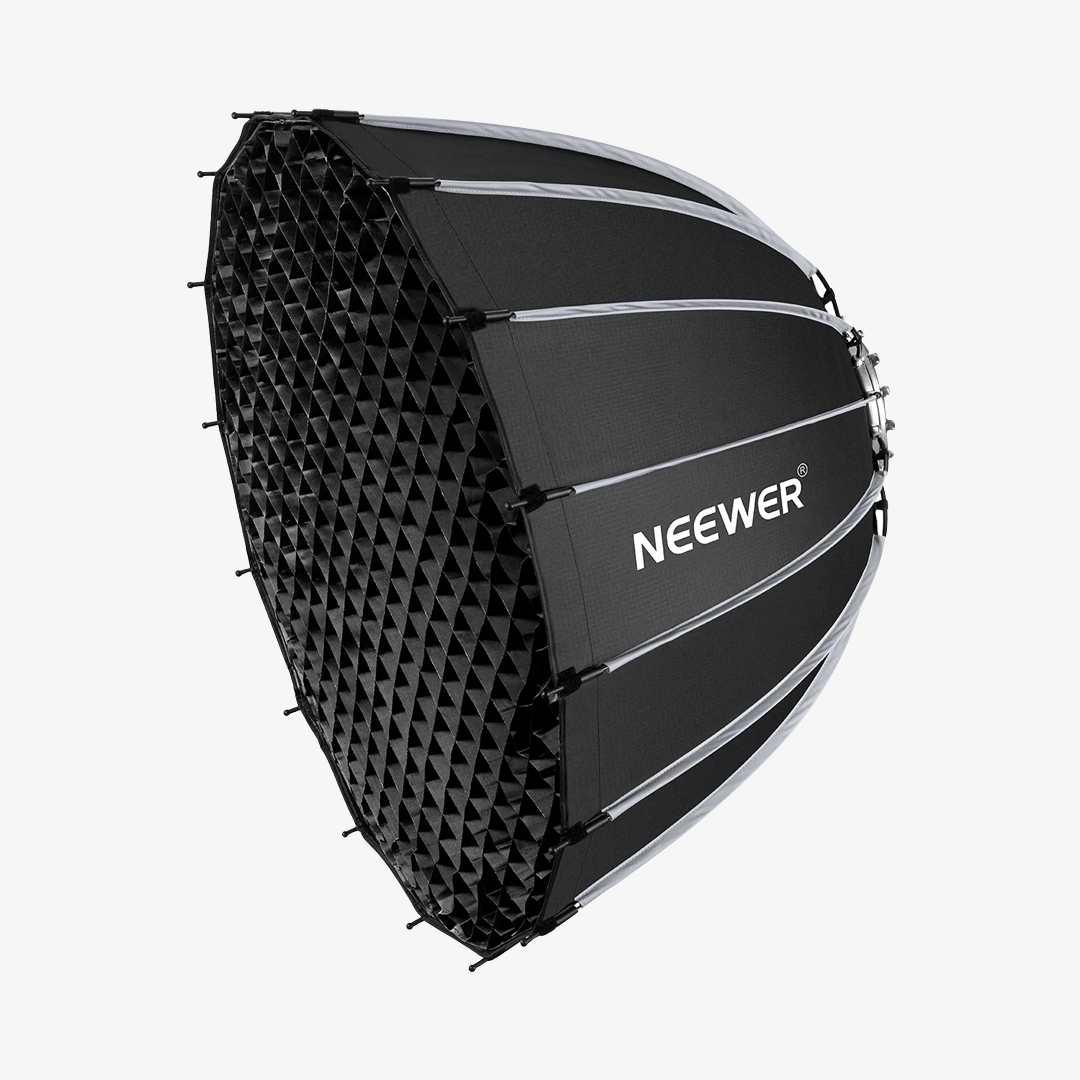
A softbox creates a broad, diffused light source that wraps around the face and produces softer shadows. It's a popular choice for flattering portraits and natural-looking skin tones.
LED panels also provide relatively broad illumination, making them useful for headshots and video. COB lights, on the other hand, produce a more concentrated beam and usually need a softbox or another modifier to achieve softer lighting.
The choice isn't simply about which light is better. It's about whether you want soft, even illumination or more control over the direction and character of the light.
Color Temperature and Color Accuracy
Color temperature affects whether your lighting looks warm or cool. Bi-color lights let you adjust between warmer and cooler tones, making it easier to match ambient lighting or create a particular mood.
If you want more creative options, RGB lights allow you to add colored light to the background or subject. Just be careful not to overpower natural skin tones with saturated colors.
Color accuracy matters too. A high CRI or TLCI rating generally indicates that a light can reproduce colors more accurately, which is especially useful when capturing natural-looking skin tones.
4 Types of Lighting Kits for Portrait Photography
Different lighting setups work better for different portrait styles. Here are four options to consider, from beginner-friendly softbox kits to more flexible studio lighting.
|
Lighting Type |
Key Advantage |
Best For |
|
Softbox Kit |
Soft, even light with gentle shadows |
Beginner Portraits, Home Studios |
|
RGB Softbox Kit |
Soft lighting with creative color effects |
Creative Portraits, Editorial Photography |
|
LED Panel Kit |
Easy positioning and adjustable color temperature |
Headshots, Portrait Videos, Content Creation |
|
COB LED Light |
Flexible light shaping with different modifiers |
Professional Studio Portraits, Dramatic Portraits |
Softbox Lighting Kits for Natural Portraits
Best for: Beginner Portrait Photography, Home Studio Portraits
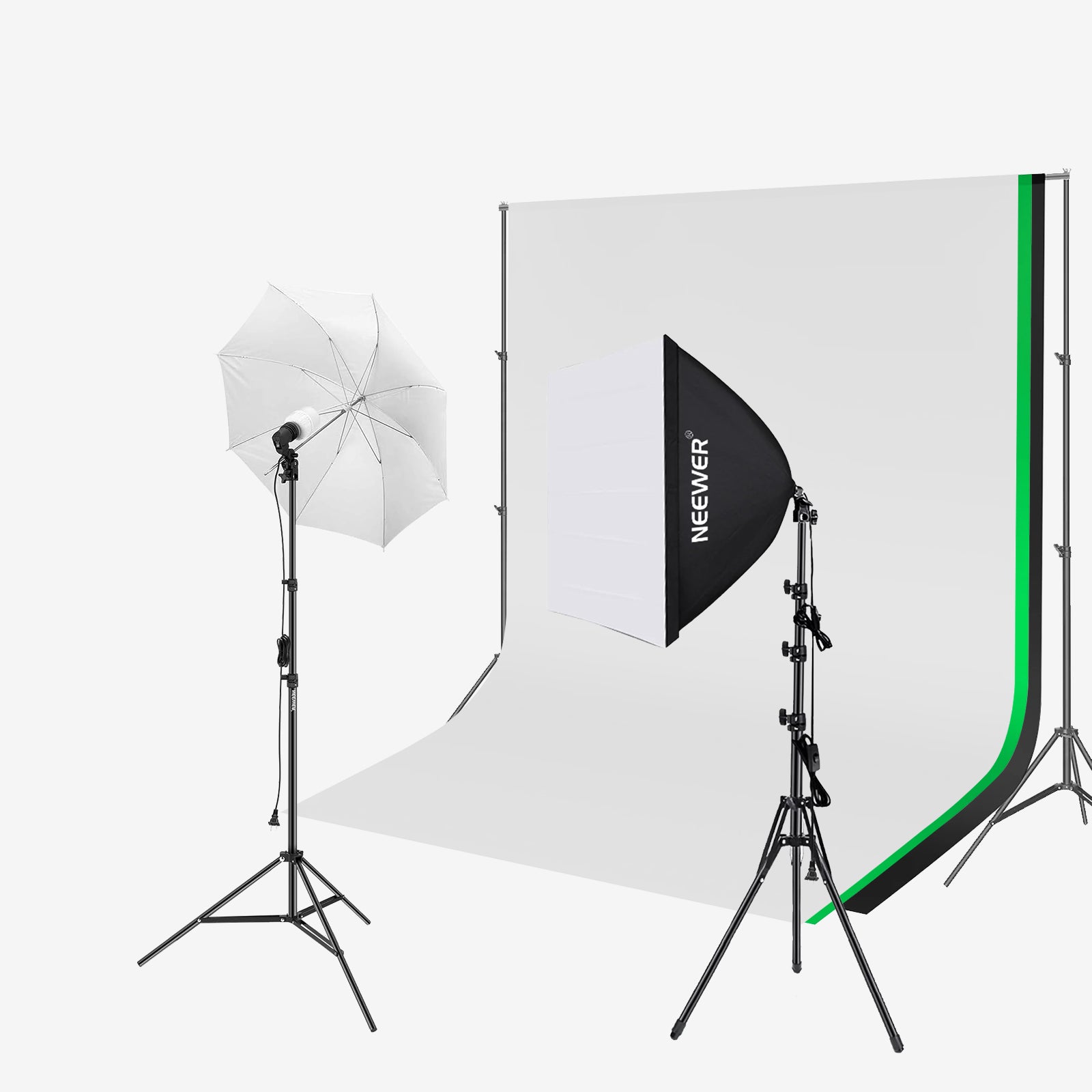
Softboxes create soft, even light that helps reduce harsh shadows and produces flattering results for portraits. They're a popular choice for beginners who want natural-looking lighting without a complicated setup.
A single softbox can serve as the main light, while a second can be used as fill light to soften shadows on the opposite side of the face. You can also start with just one light and add another as your setup grows.
The NEEWER NK200 Softbox Lighting Kit includes two 24" x 24" softboxes, 35W LED bulbs with a 5700K color temperature, and adjustable light stands. It's a straightforward option for building a basic home portrait setup.

RGB Lighting Kits for Creative Portraits
Best for: Creative Portraits, Color Portraits, Editorial Photography
RGB lighting lets you add color to your portraits, whether through a vibrant background or colored accent lighting. It's a good option when you want to move beyond traditional, natural-looking portraits.
For a balanced look, keep your main light neutral and use RGB lights as background or rim lights. This adds color and depth without overpowering the subject's skin tones.
The NEEWER NK800 RGB Softbox Lighting Kit combines softbox diffusion with RGB LED bulbs. It offers 36,000 colors, adjustable color temperature from 2700K to 6500K, and app control, giving you more flexibility to experiment with different color combinations and lighting effects.

LED Panel Kits for Headshots and Portrait Videos
Best for: Headshots, Portrait Videos, Content Creation
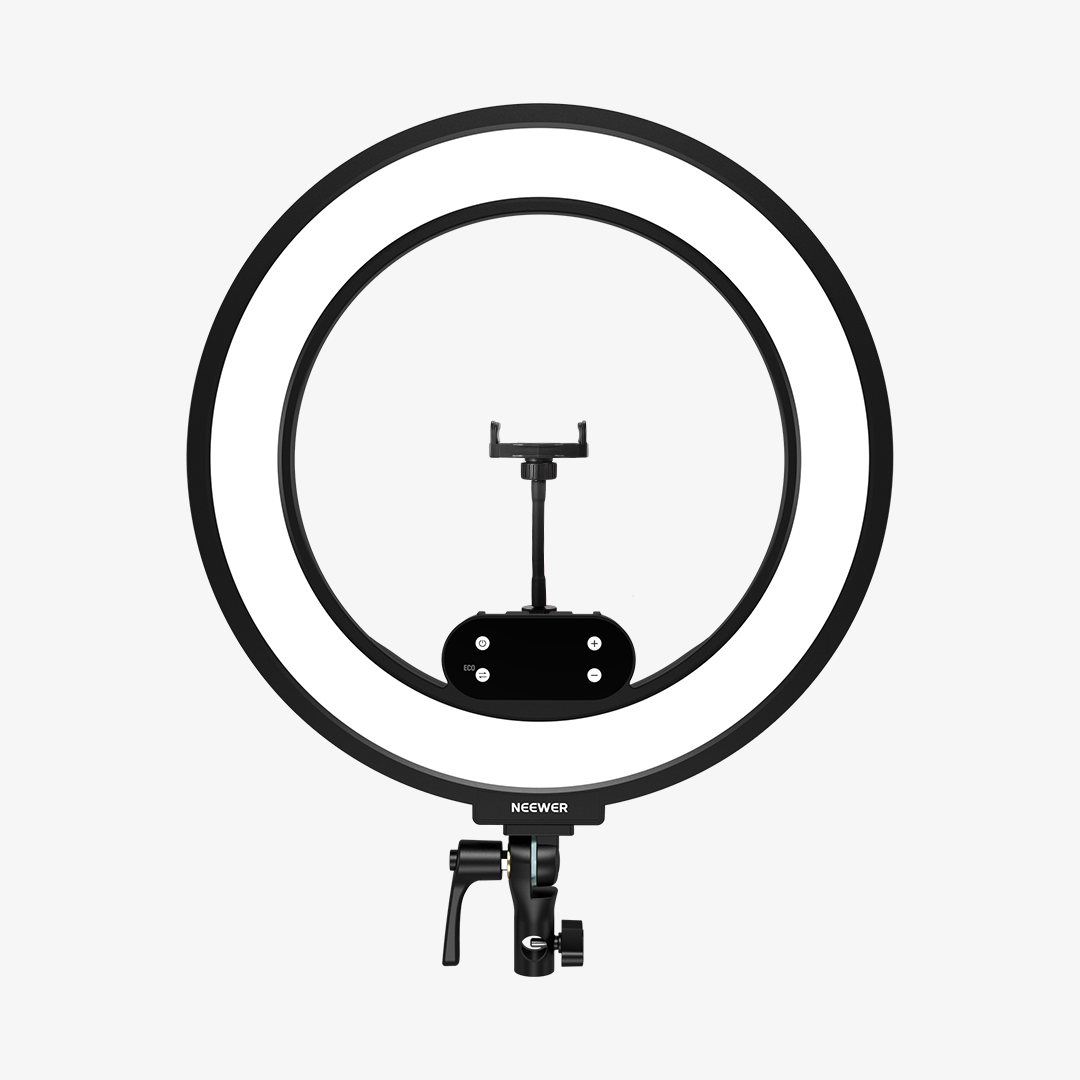
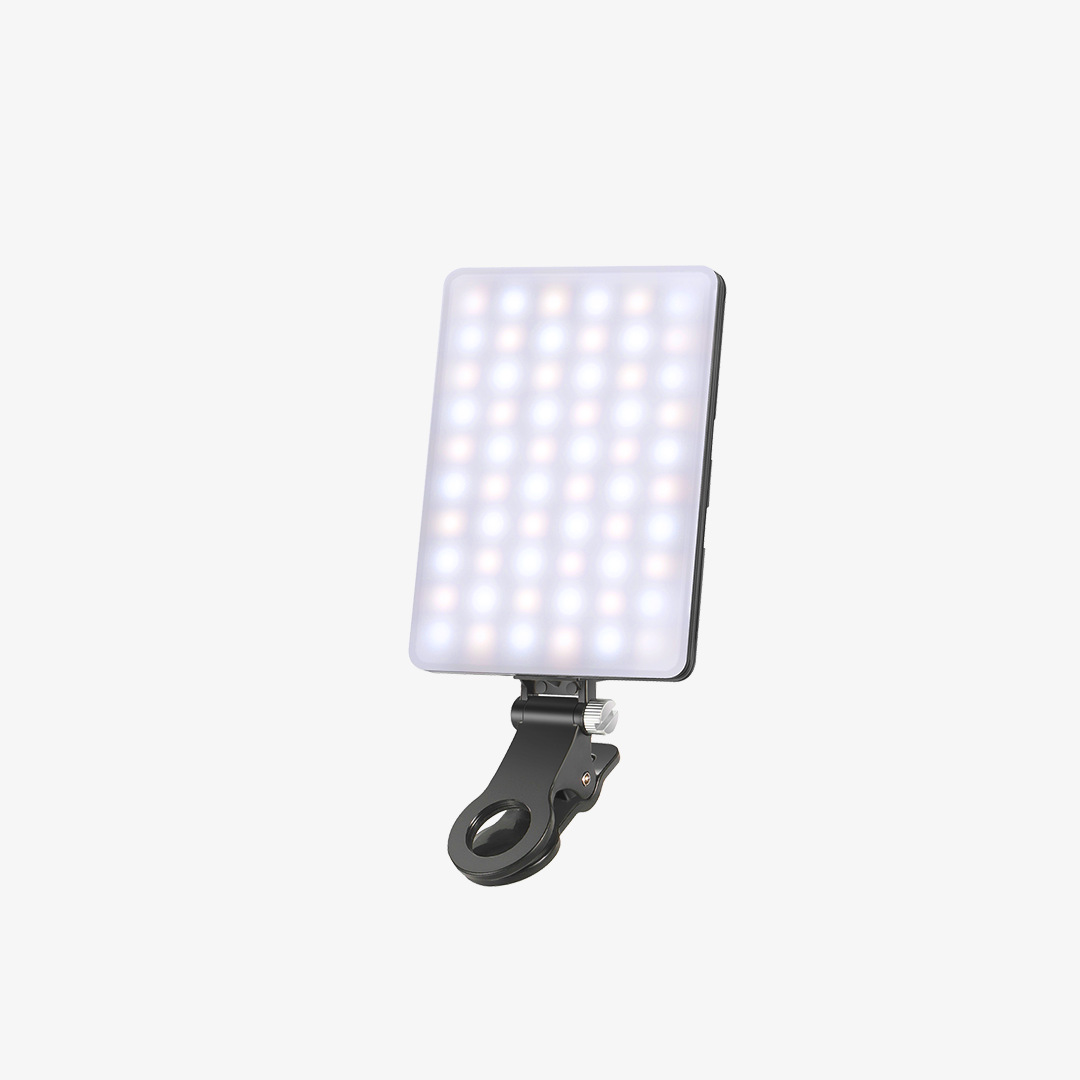
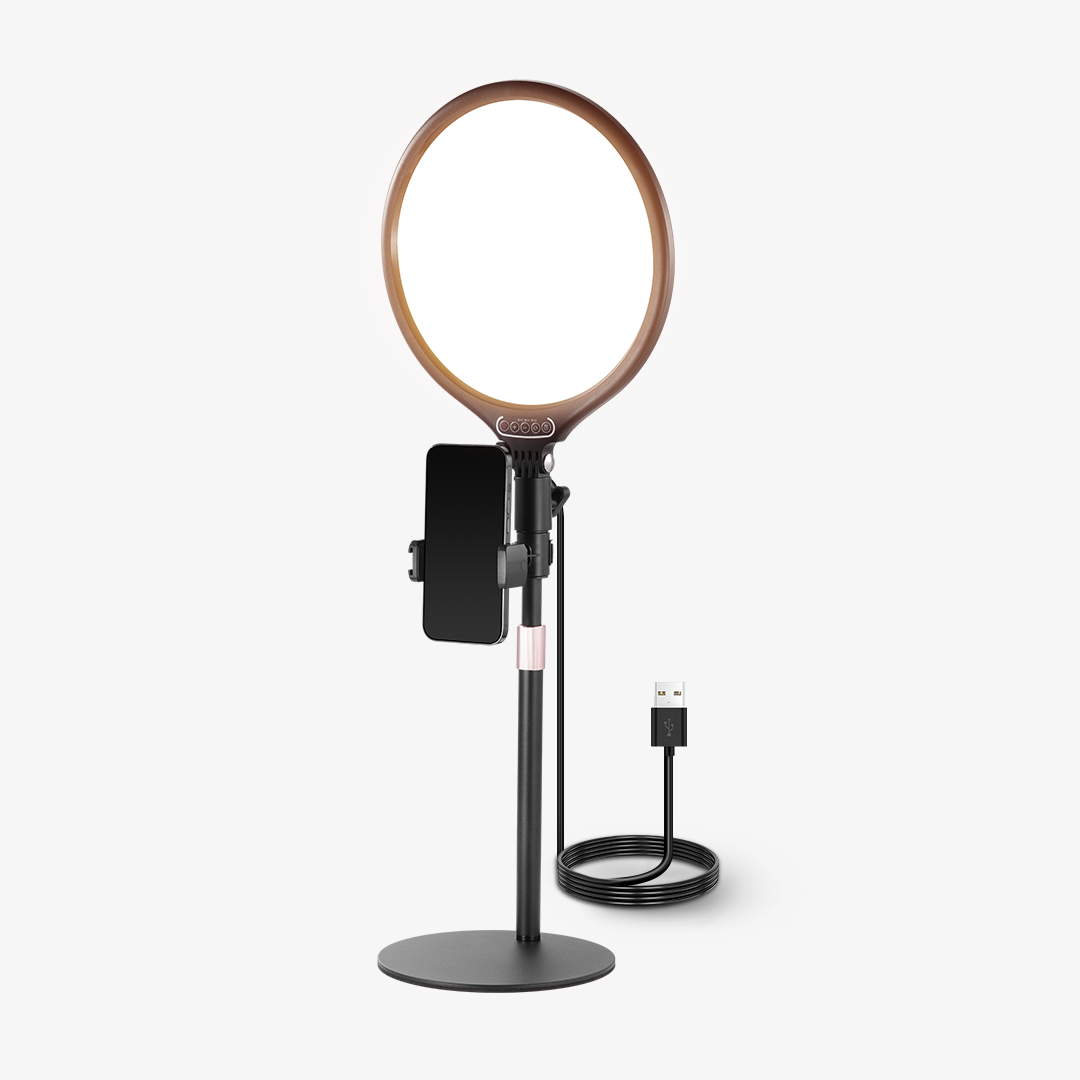
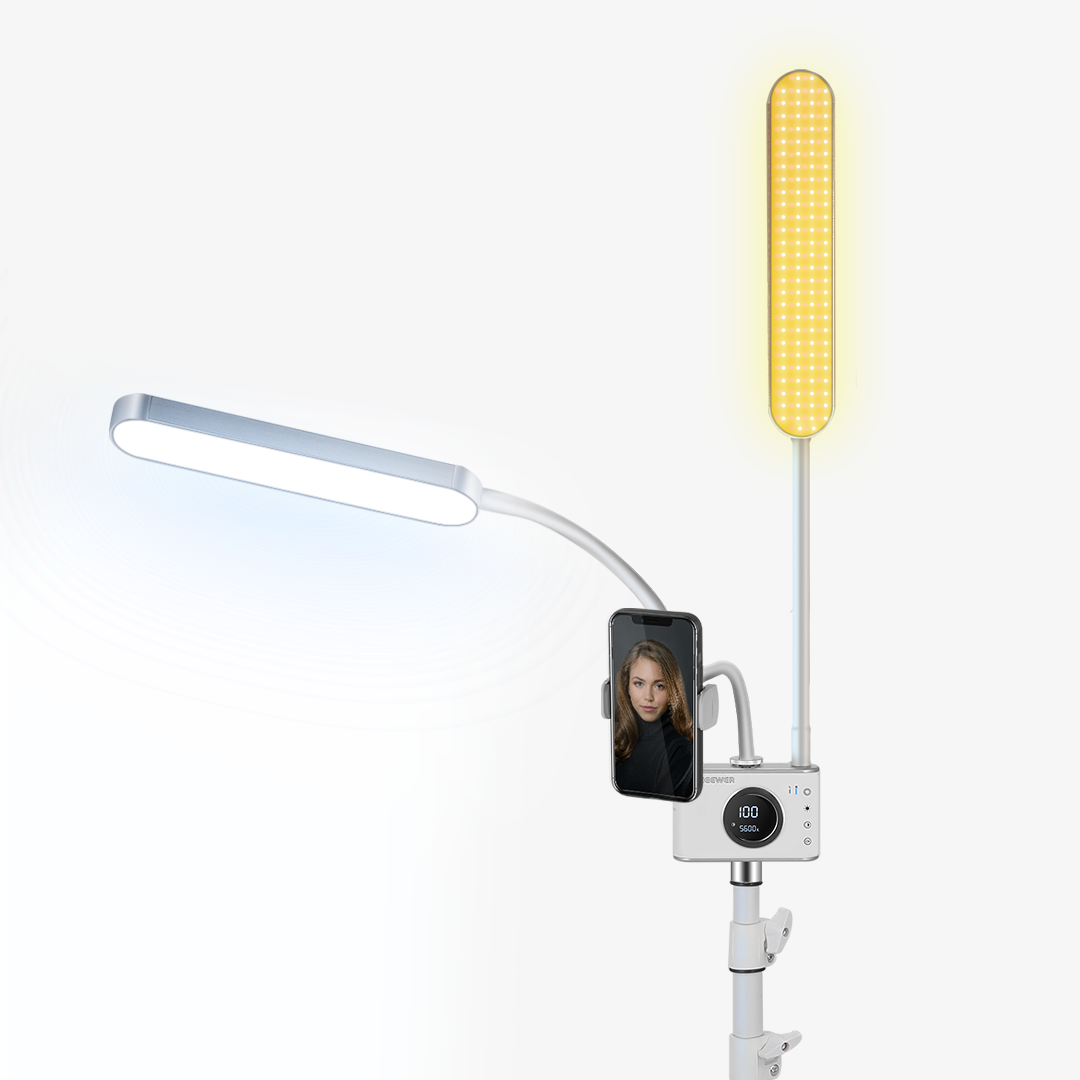
LED panels provide broad, continuous illumination and are easy to position in smaller shooting spaces. Their flat design makes them convenient for quick adjustments, especially when shooting headshots or video.
You can position a panel slightly above eye level and angle it toward your subject for a simple portrait setup. Adjustable color temperature is also useful when you need to match the lighting to your surroundings.
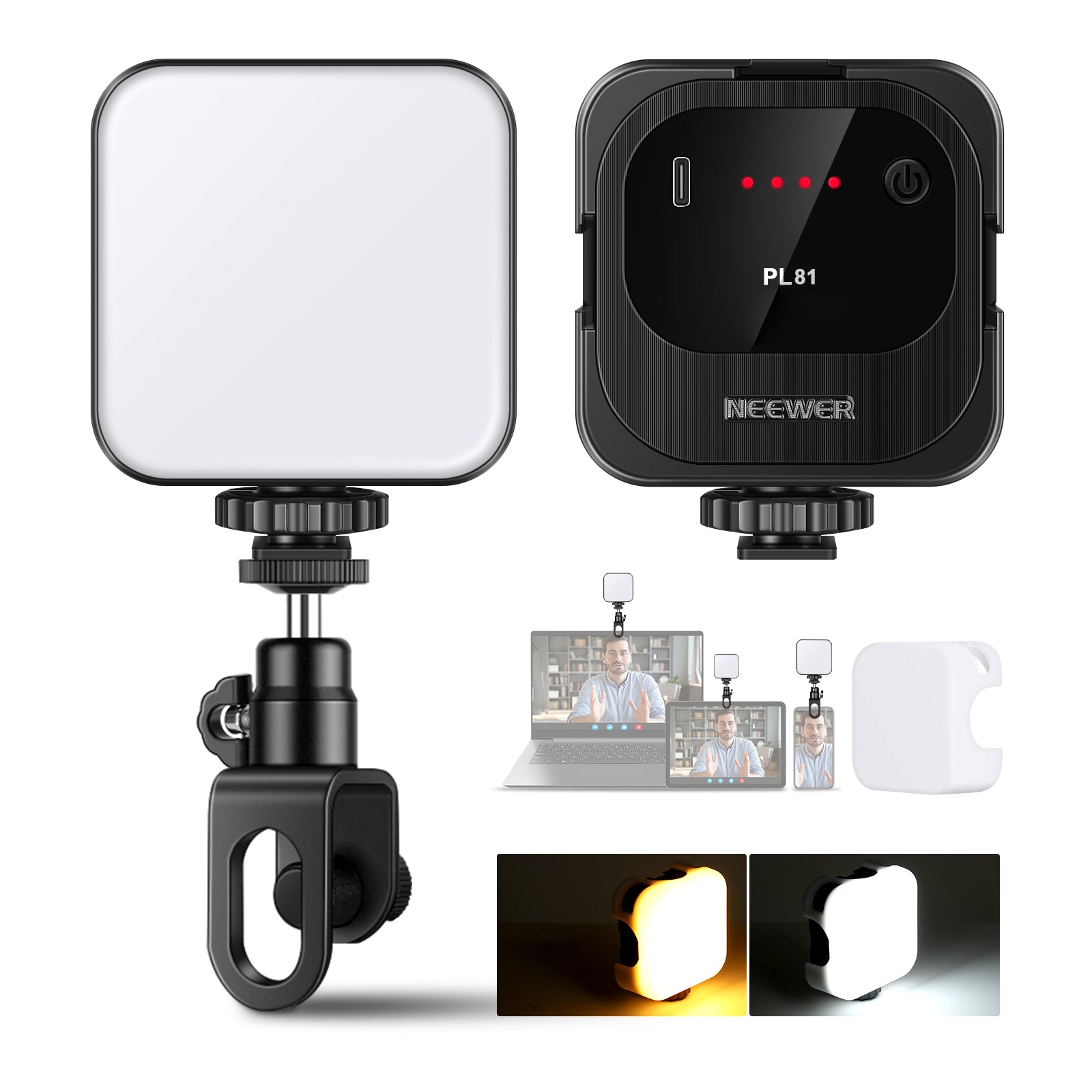
The NEEWER NL480 Bi-Color LED Panel Kit features adjustable color temperature from 3200K to 5600K, brightness control from 0–100%, and a CRI 96+ rating for accurate color reproduction. Its adjustable U-bracket makes it easy to direct the light toward your subject.

COB LED Lights for Professional Studio Portraits
Best for: Professional Studio Portraits, Dramatic Portraits, Portrait Videos
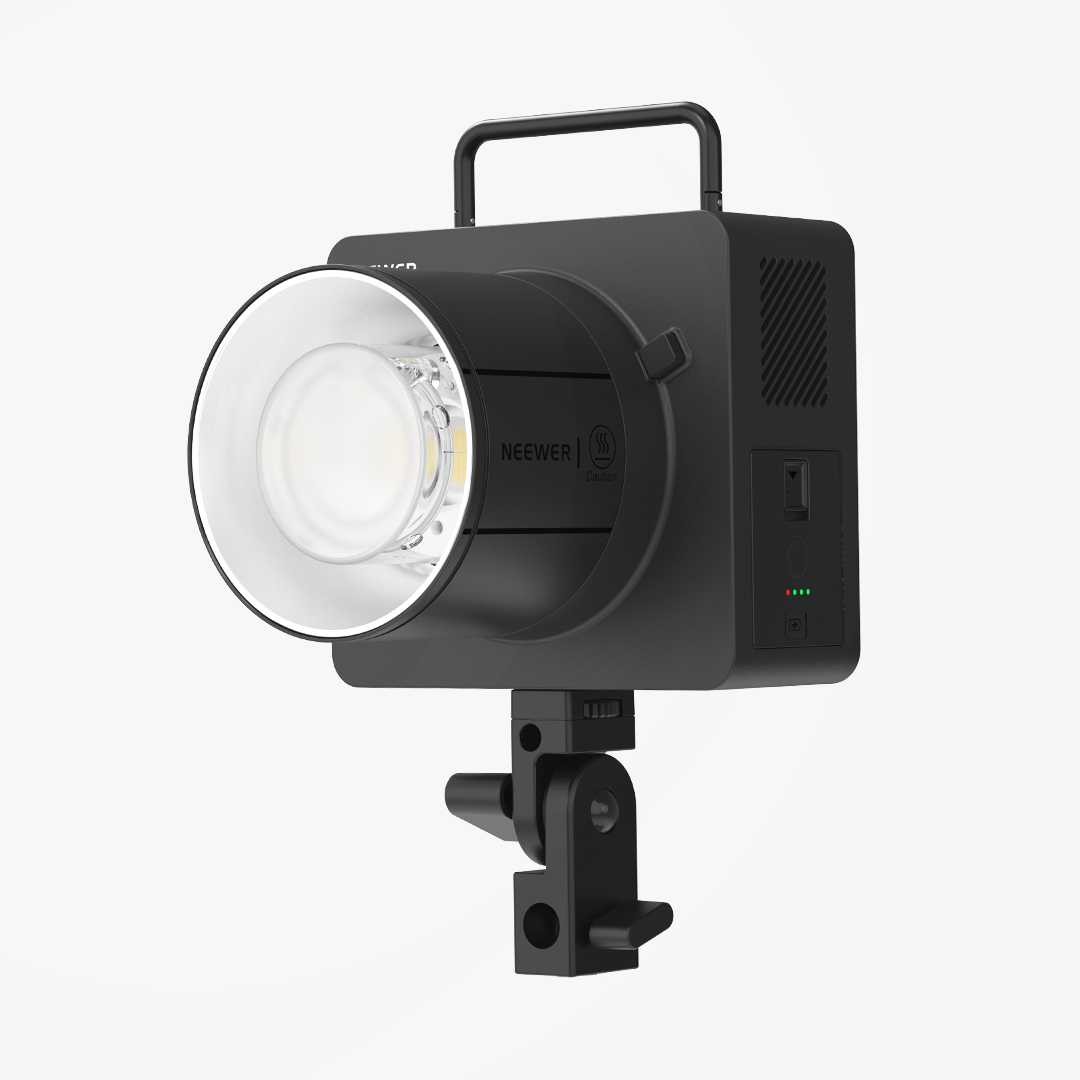
COB LED lights produce a concentrated beam that gives you more control over light direction and intensity. By pairing them with different modifiers, you can create a range of portrait looks. A softbox produces softer, more even light, while a beauty dish adds more definition and contrast.
The NEEWER CB200C 200W RGBWW COB LED Light offers adjustable color temperature from 2500K to 7500K, RGB color control, and a Bowens mount for use with various light modifiers.
You can switch between a softbox, beauty dish, or reflector to experiment with different lighting styles. Since the CB200C is a standalone light rather than a complete kit, you'll also need a compatible light stand and modifier.

3 Classic Portrait Lighting Techniques
Once you have your lighting equipment, the next step is learning how to position it. You don't need a complicated multi-light setup to create different portrait styles. These three classic techniques can all be achieved with a single key light.
Rembrandt Lighting
<Description: A small triangle of light on the shadowed cheek>
Rembrandt lighting creates a recognizable triangle of light on the cheek opposite the main light. Position your key light slightly above the subject and to one side, then adjust its angle until the triangle appears beneath the eye on the shadowed side.
This technique creates a balance of light and shadow, adding depth and dimension to portraits. It's especially useful for dramatic or more traditional portrait styles.
Butterfly Lighting
<Description: A small butterfly-shaped shadow beneath the nose>
Butterfly lighting uses a light positioned directly in front of and slightly above the subject. This creates a small butterfly-shaped shadow beneath the nose.
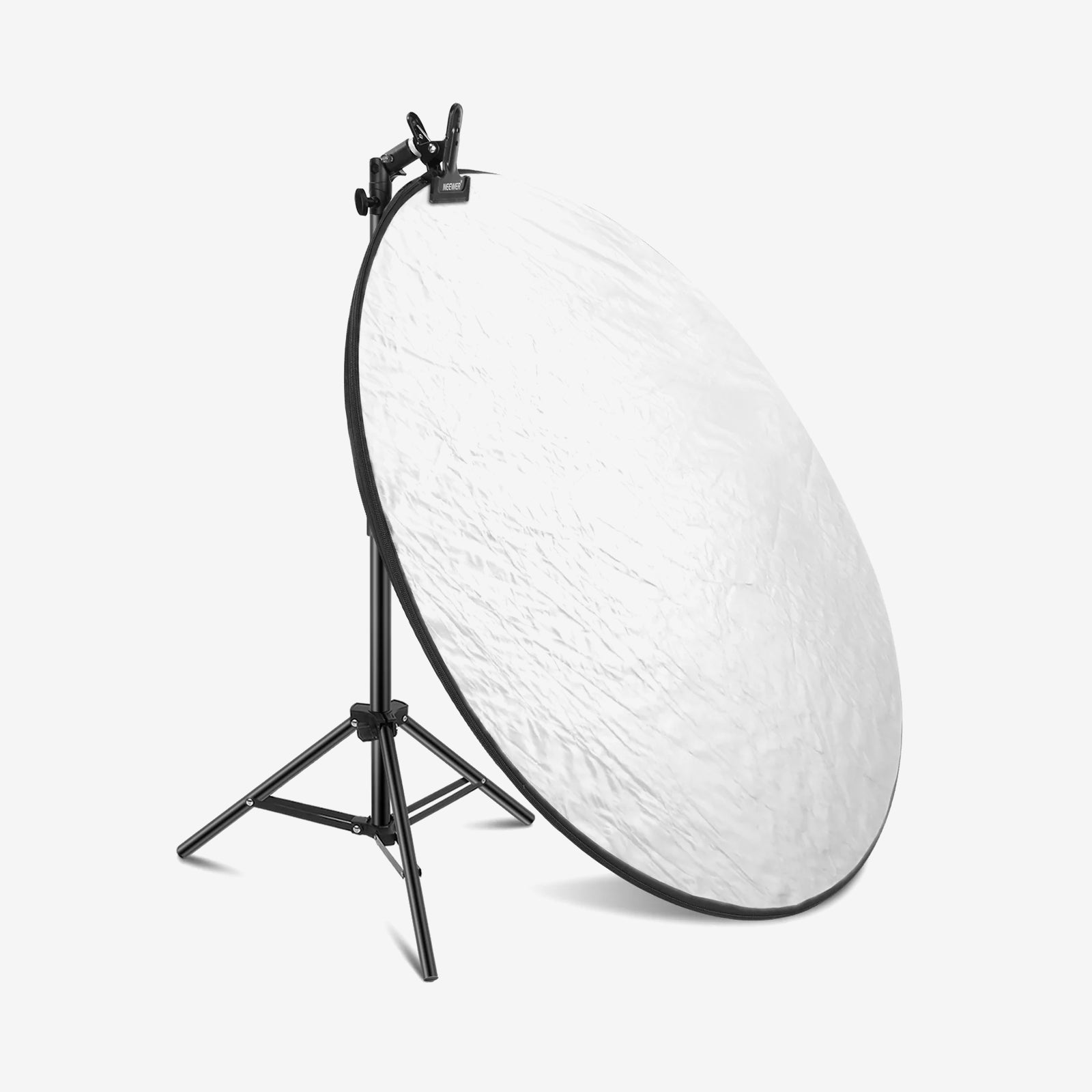
It's often used for beauty portraits and headshots because it illuminates the face relatively evenly while adding subtle definition beneath the cheekbones. A reflector placed below the subject's face can help soften shadows under the chin.
Split Lighting
<Description: One half of the face is illuminated while the other remains in shadow>
Split lighting creates a strong contrast by illuminating one side of the face while leaving the other side in shadow. Position the light approximately 90 degrees to the side of your subject and adjust its height to control the shadow pattern.
It's a simple way to create a dramatic, moody look, especially when you want to emphasize facial features and texture.

FAQs
1. What is the best lighting kit for portrait photography?
It depends on your shooting style and experience. A softbox kit is a good starting point for natural-looking portraits, while RGB kits are better for creative color effects. LED panels work well for headshots and video, and COB lights offer more flexibility for advanced studio setups.
2. Is a one-light or two-light setup better for portraits?
Both can work well. A one-light setup is easier to manage and can create natural-looking shadows. A two-light setup gives you more control, allowing you to use one light as the key light and the other as fill or background lighting. Start with one light and add another when you need more control.
3. Are softboxes or LED panels better for portrait photography?
Softboxes are a great choice when you want soft, diffused light and flattering shadows. LED panels are convenient for quick adjustments and continuous lighting, especially for headshots and video. Neither is universally better; the right choice depends on your shooting needs.
4. How many lights do I need for portrait photography?
You can create plenty of portrait styles with just one light. A second light can help fill shadows or illuminate the background, while a third can be used as a rim or hair light. The number of lights you need depends more on the look you're trying to achieve than on a fixed rule.
5. What color temperature is best for portrait photography?
There isn't one universal setting. Around 5600K is a common starting point for daylight-balanced lighting, while warmer settings can create a cozy or sunset-like atmosphere. The most important thing is to keep your lighting consistent and adjust it to match your environment and creative direction.