

Continuous Lights

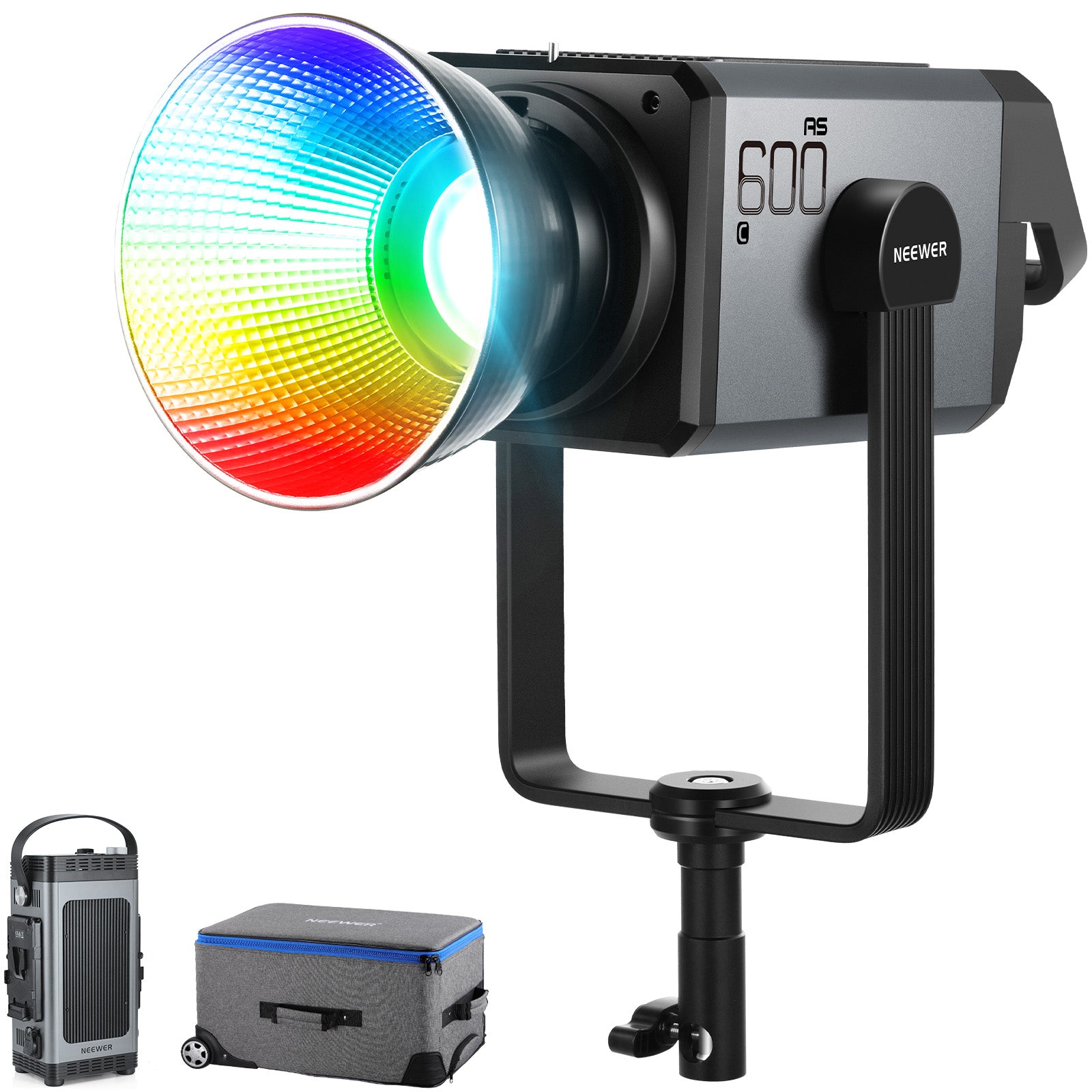


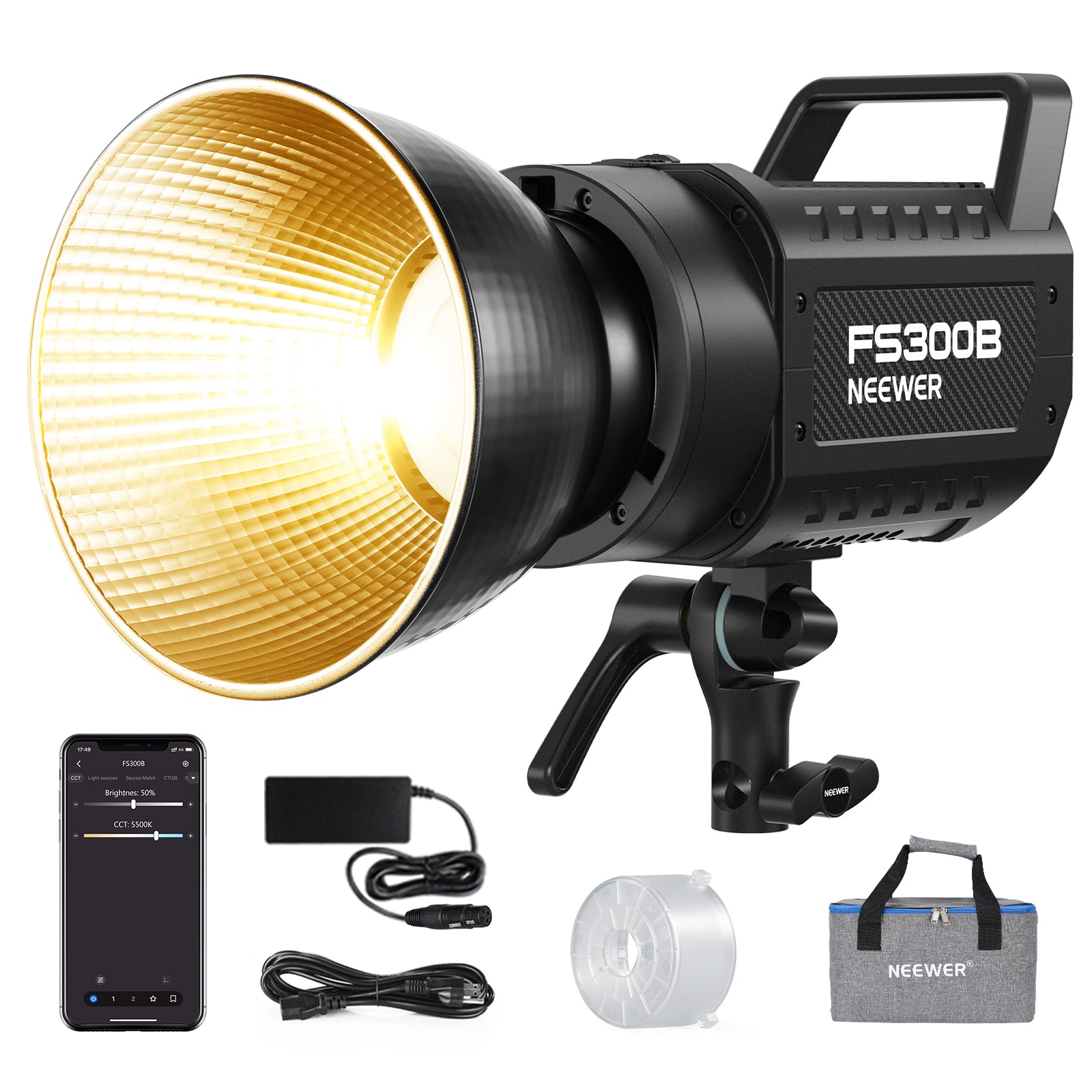


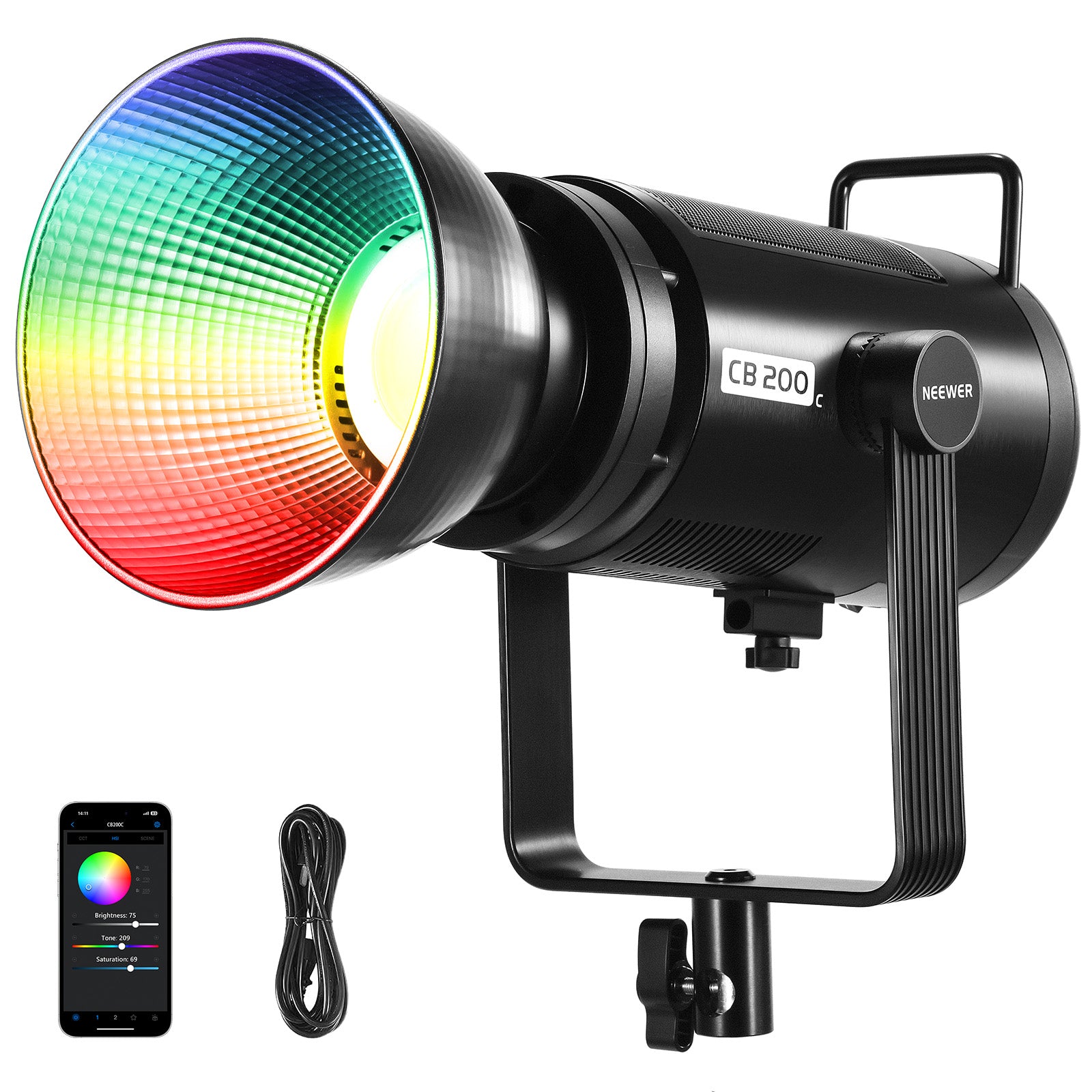

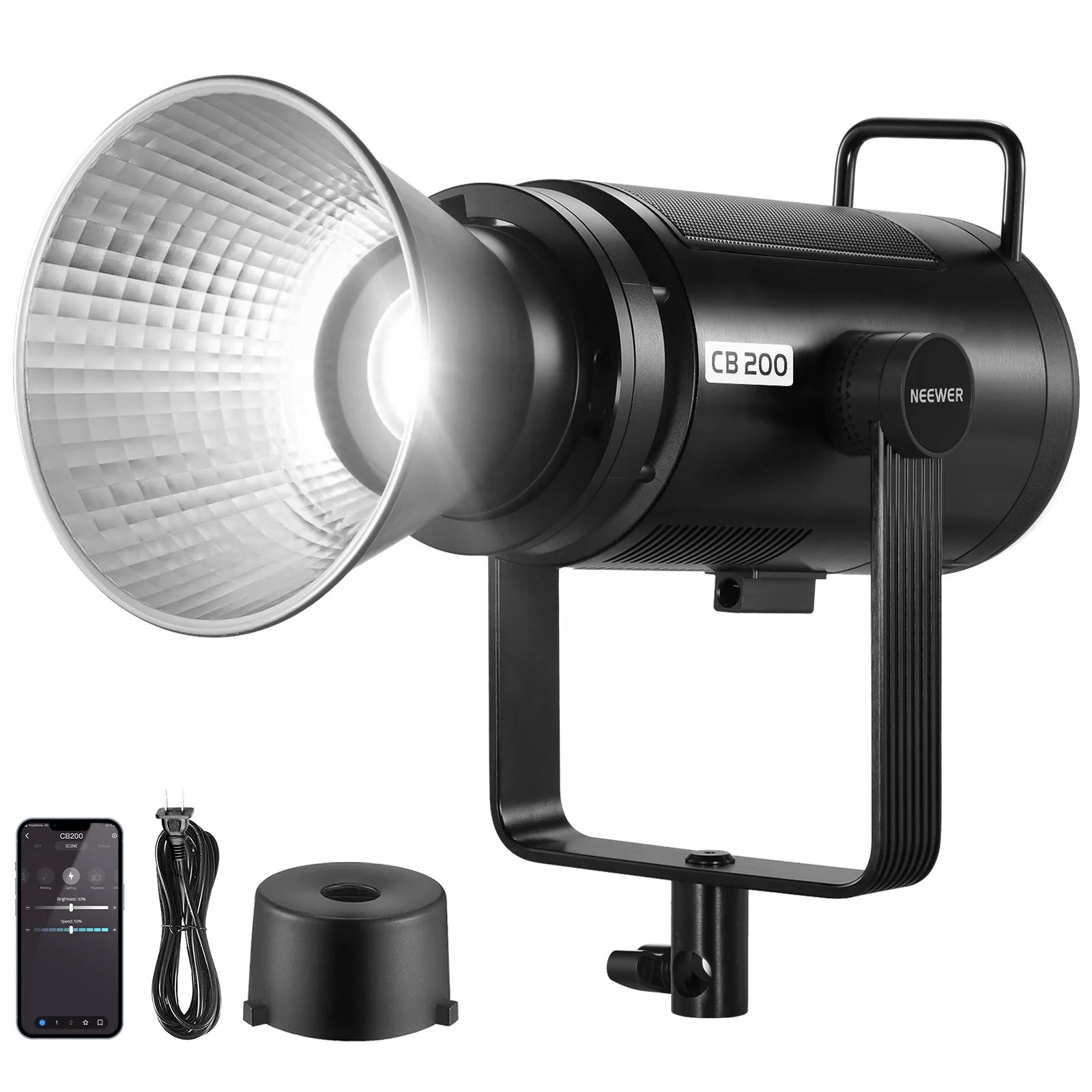
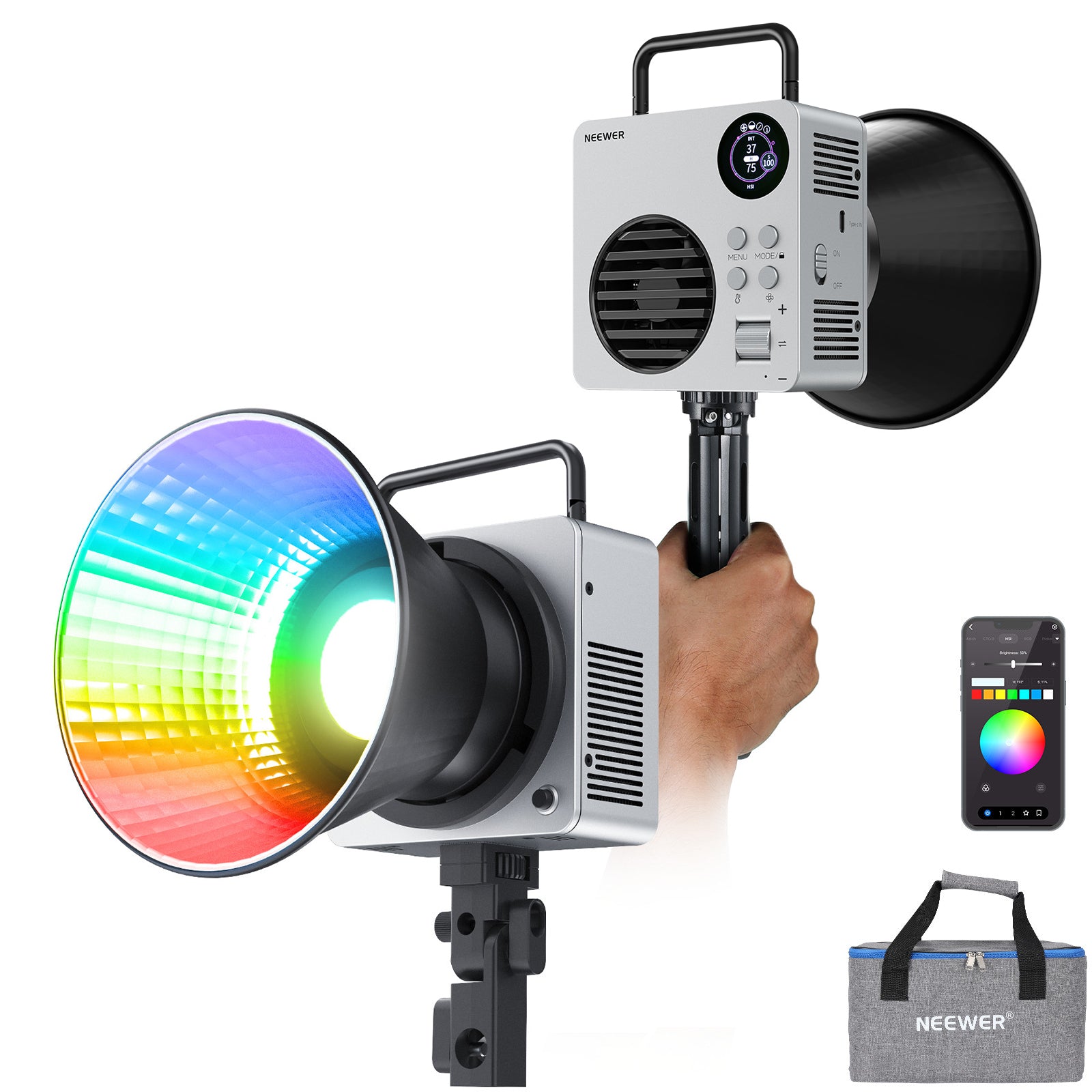

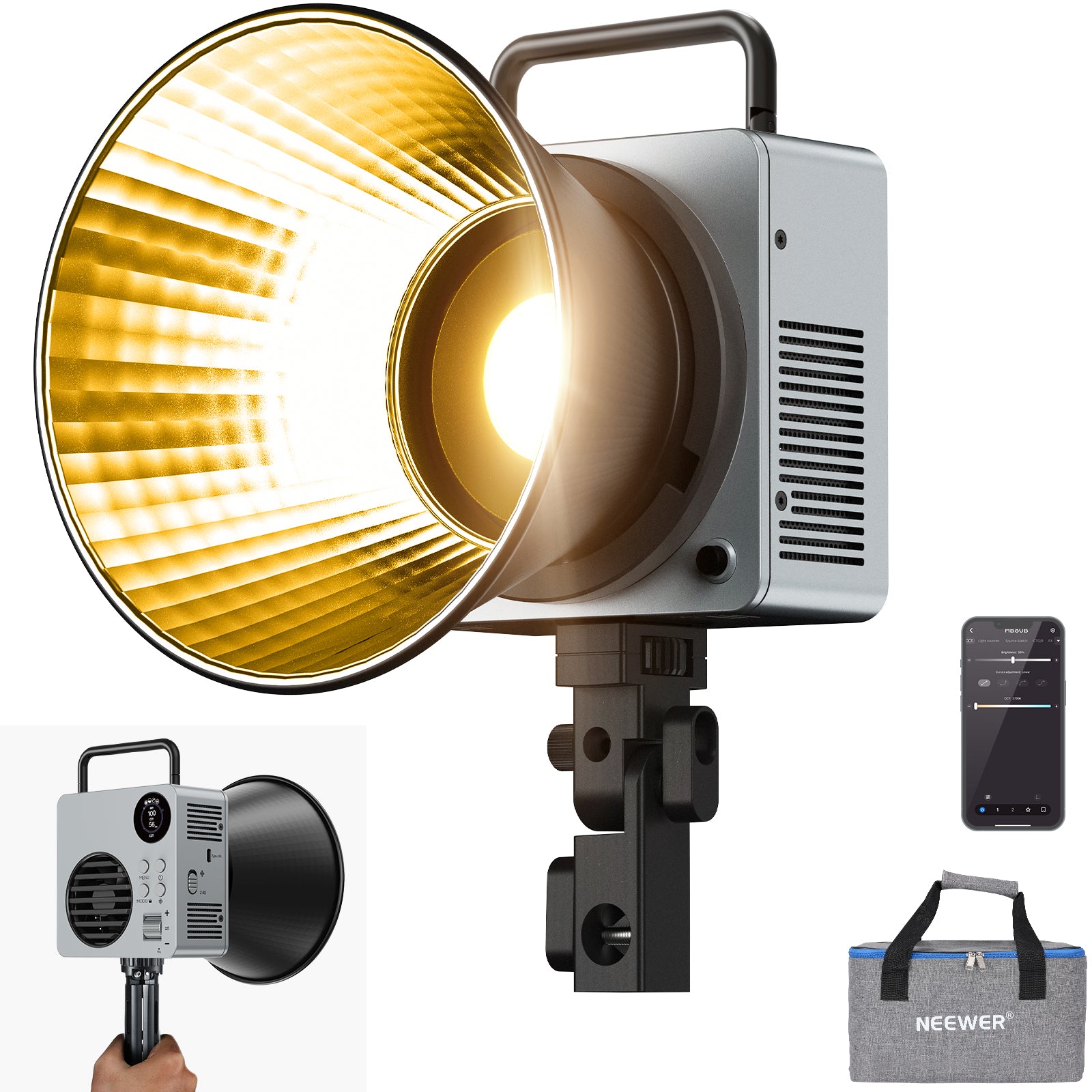
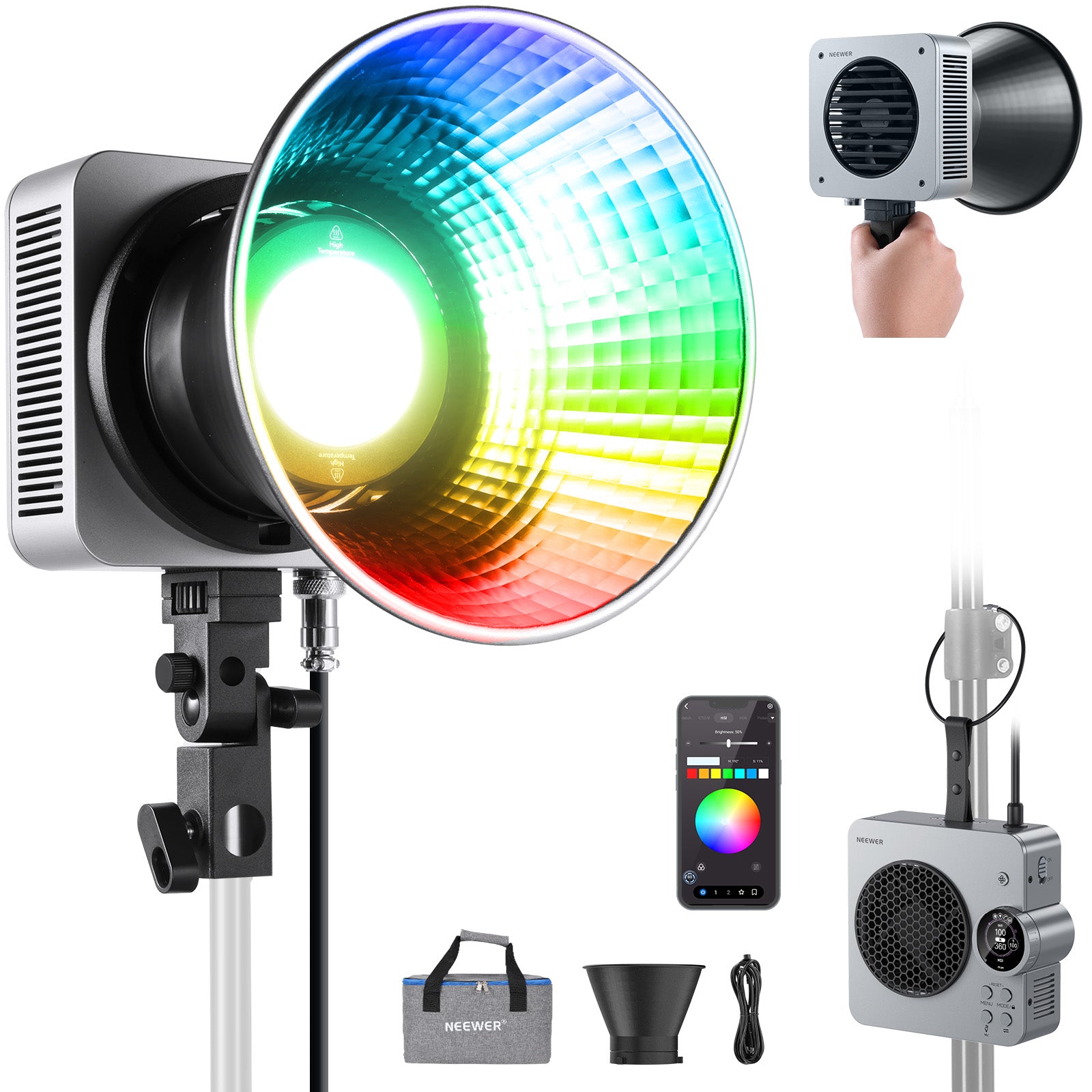
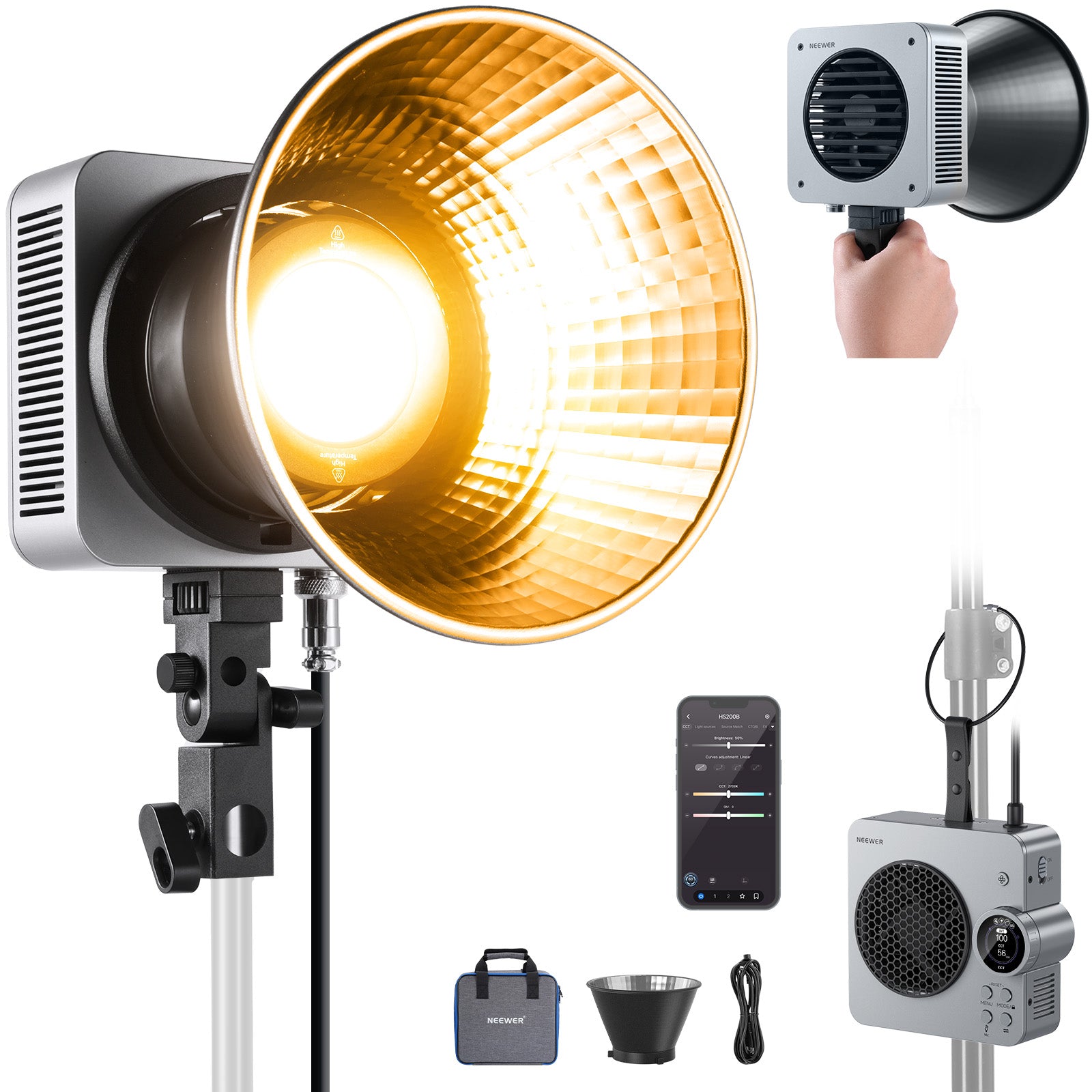
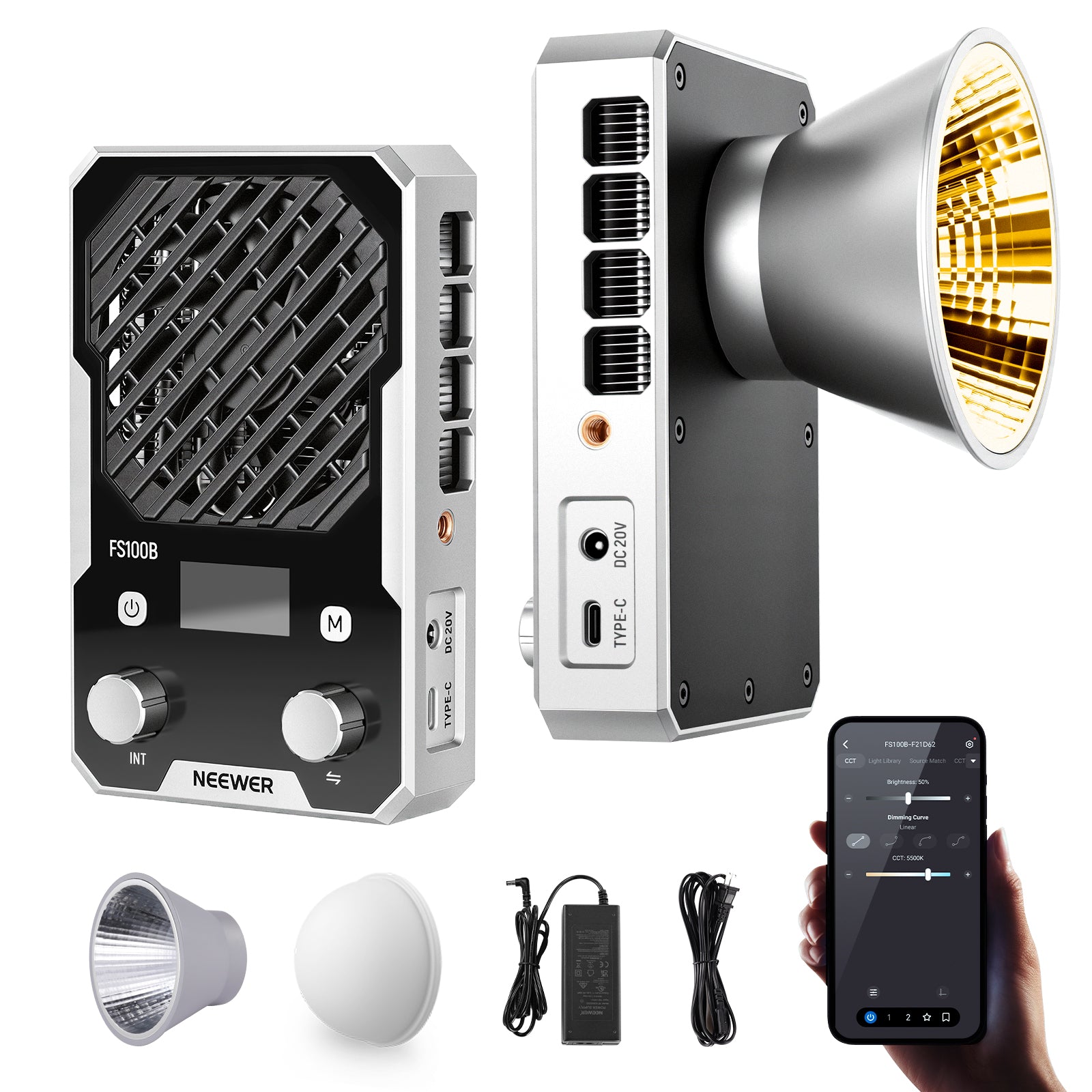
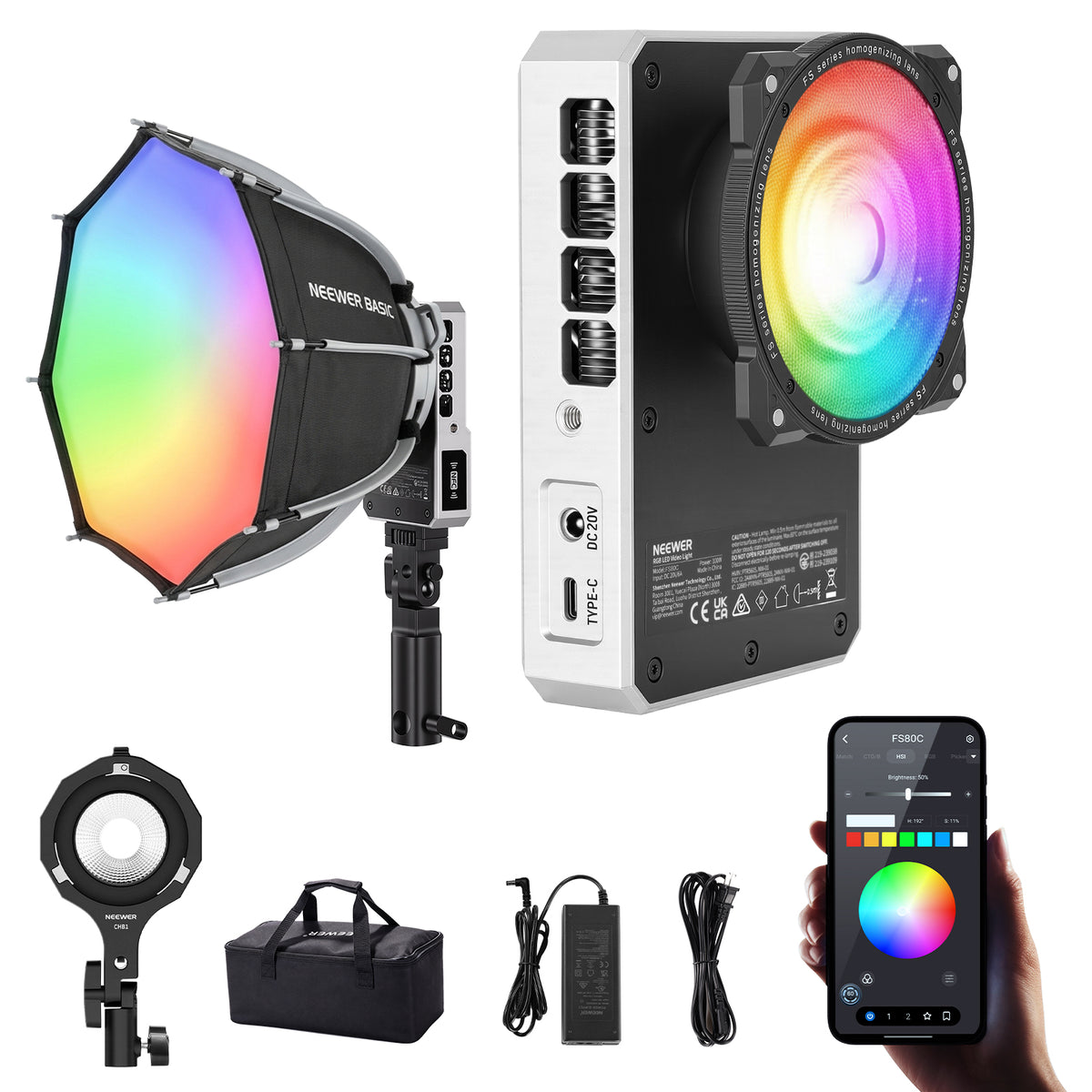


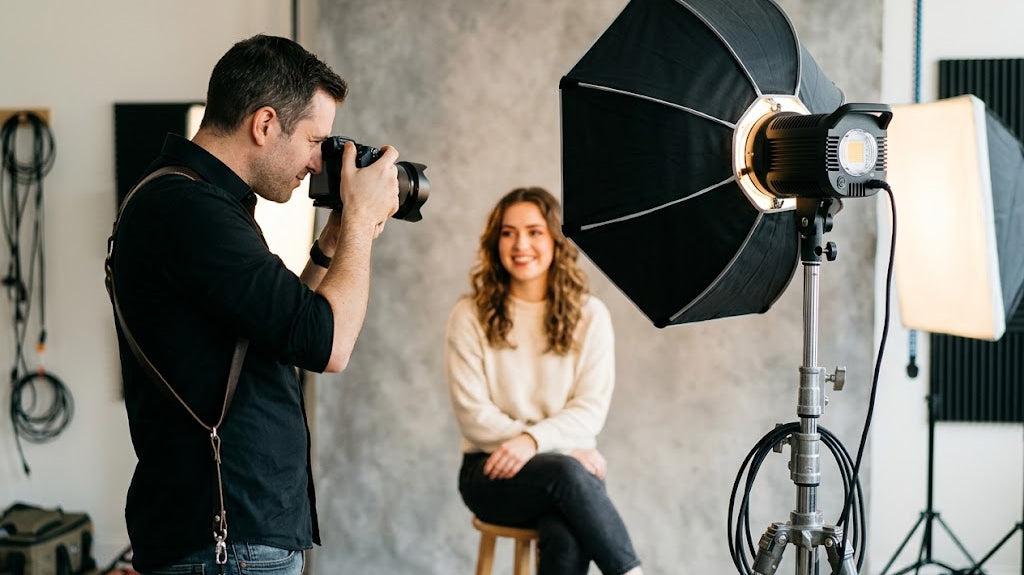
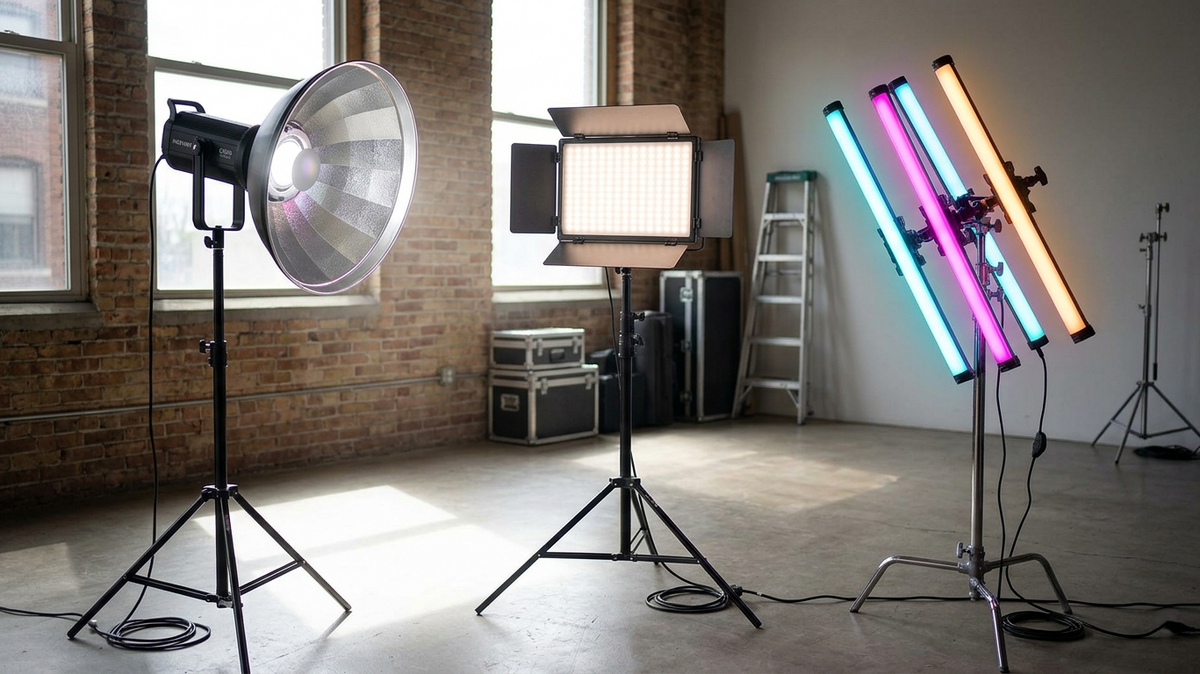
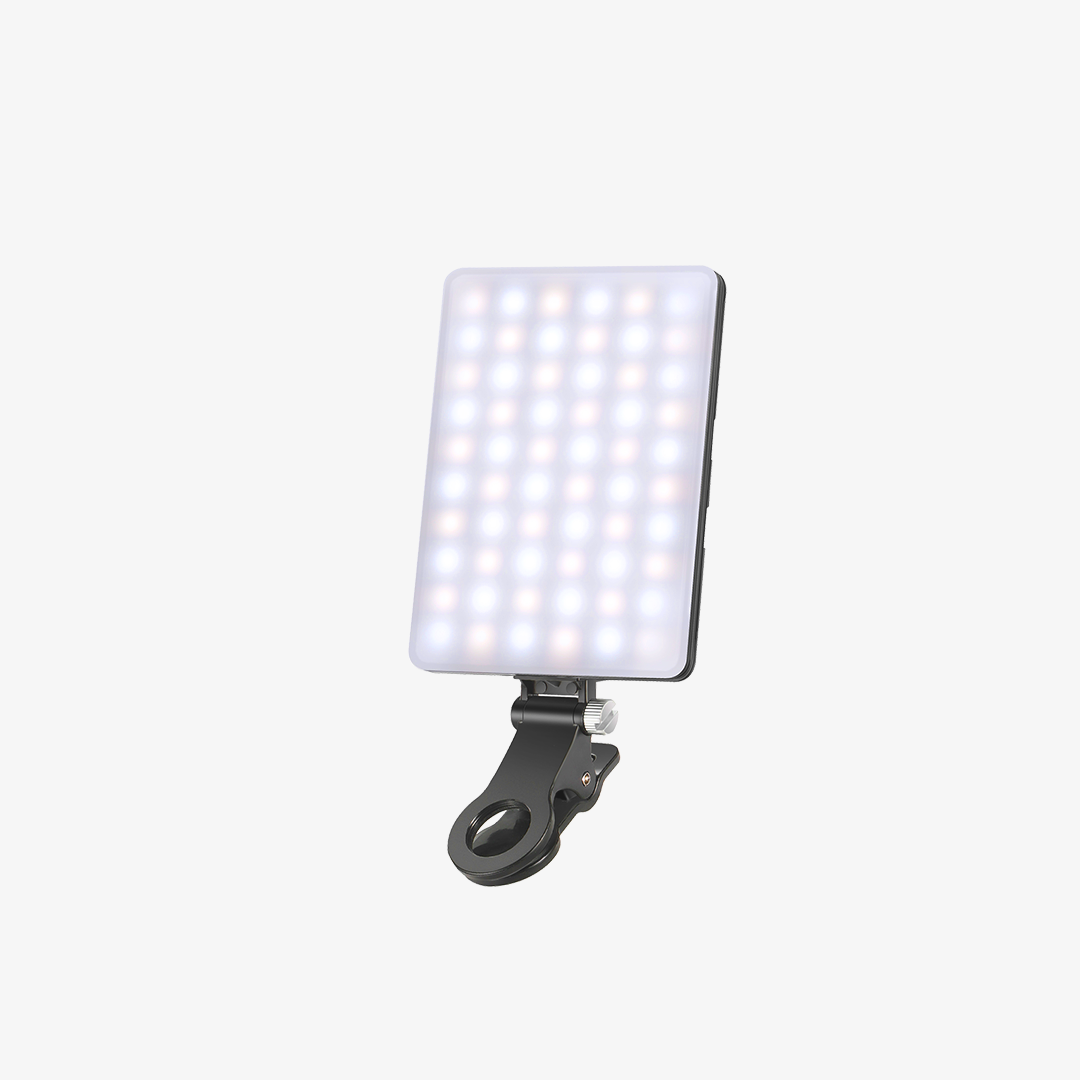
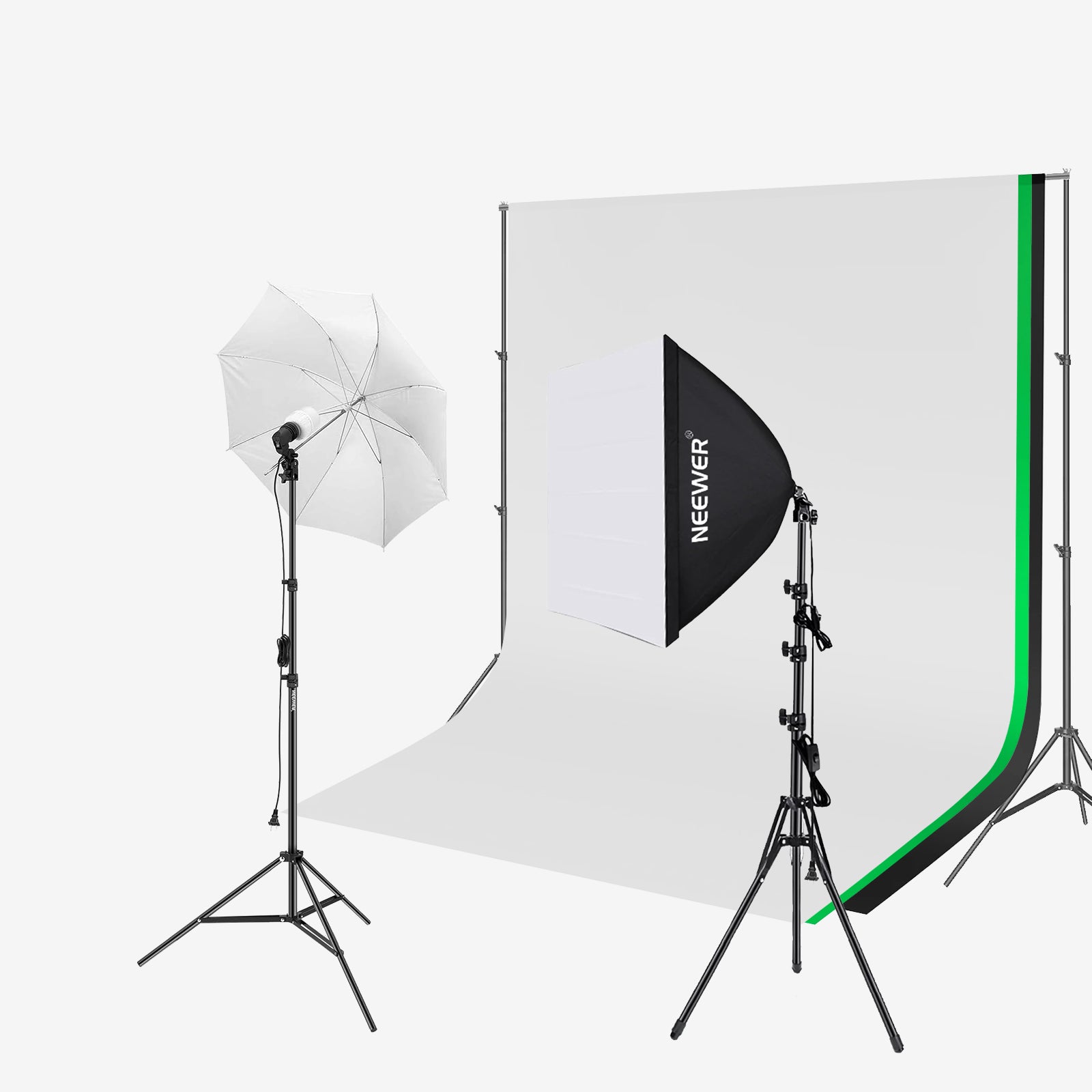
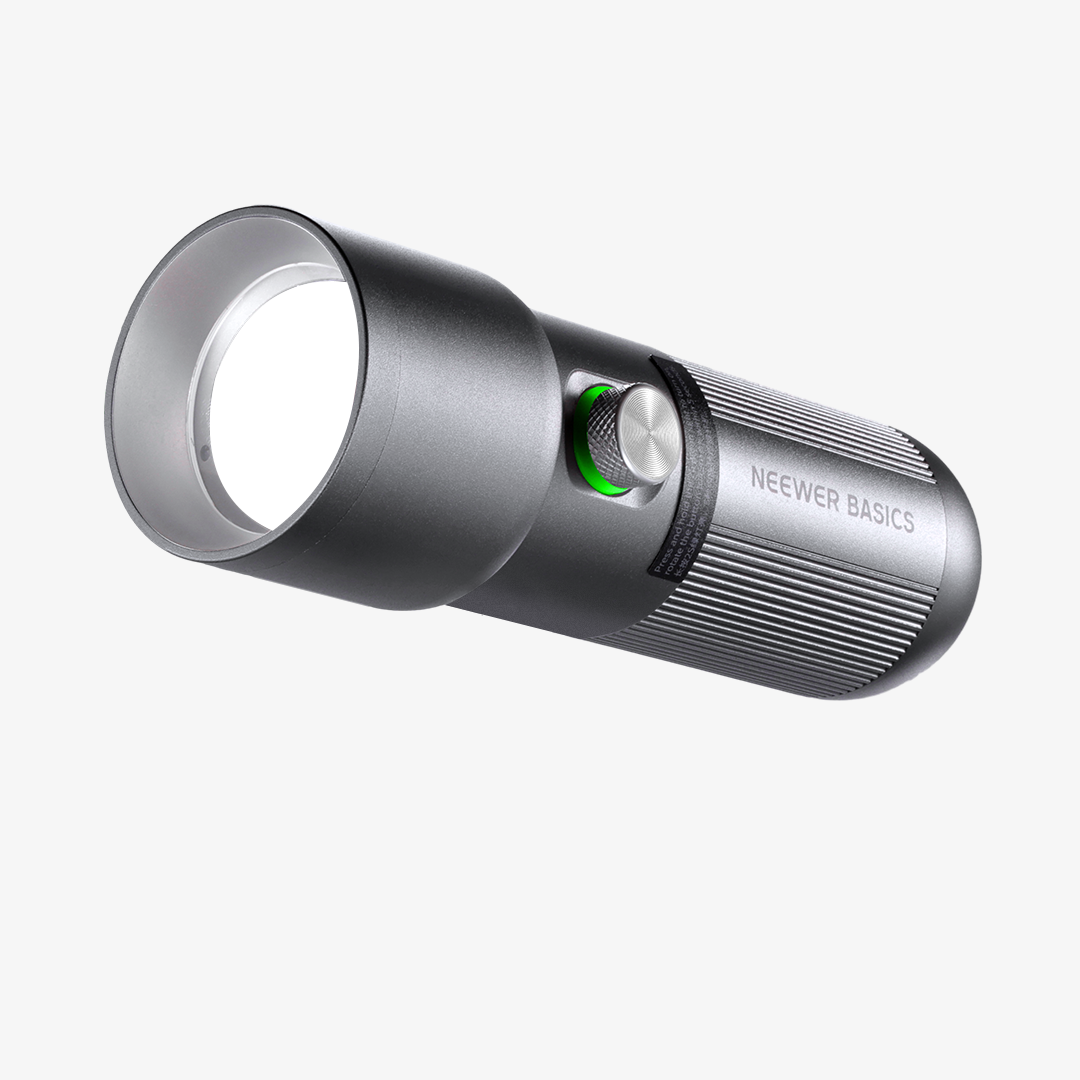
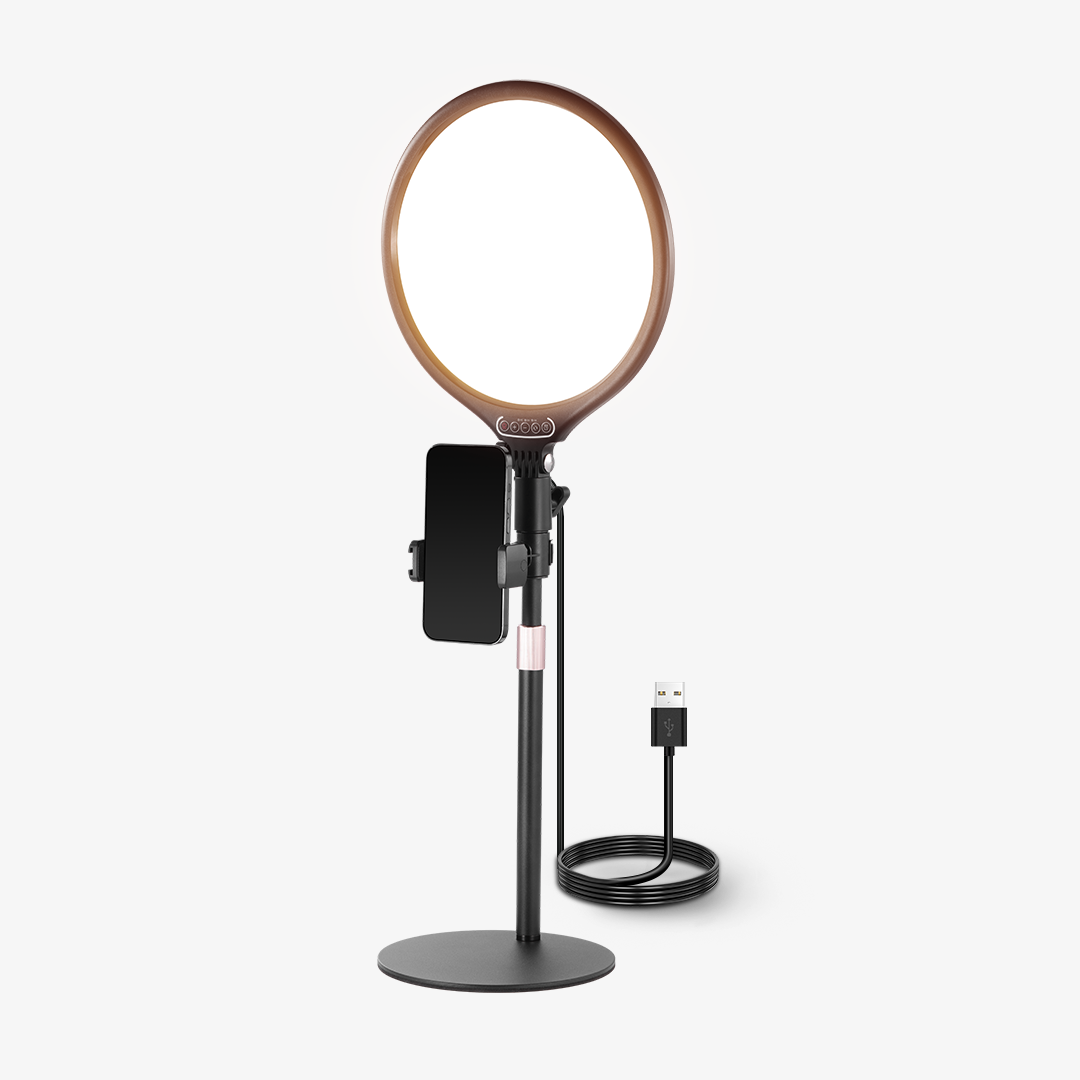
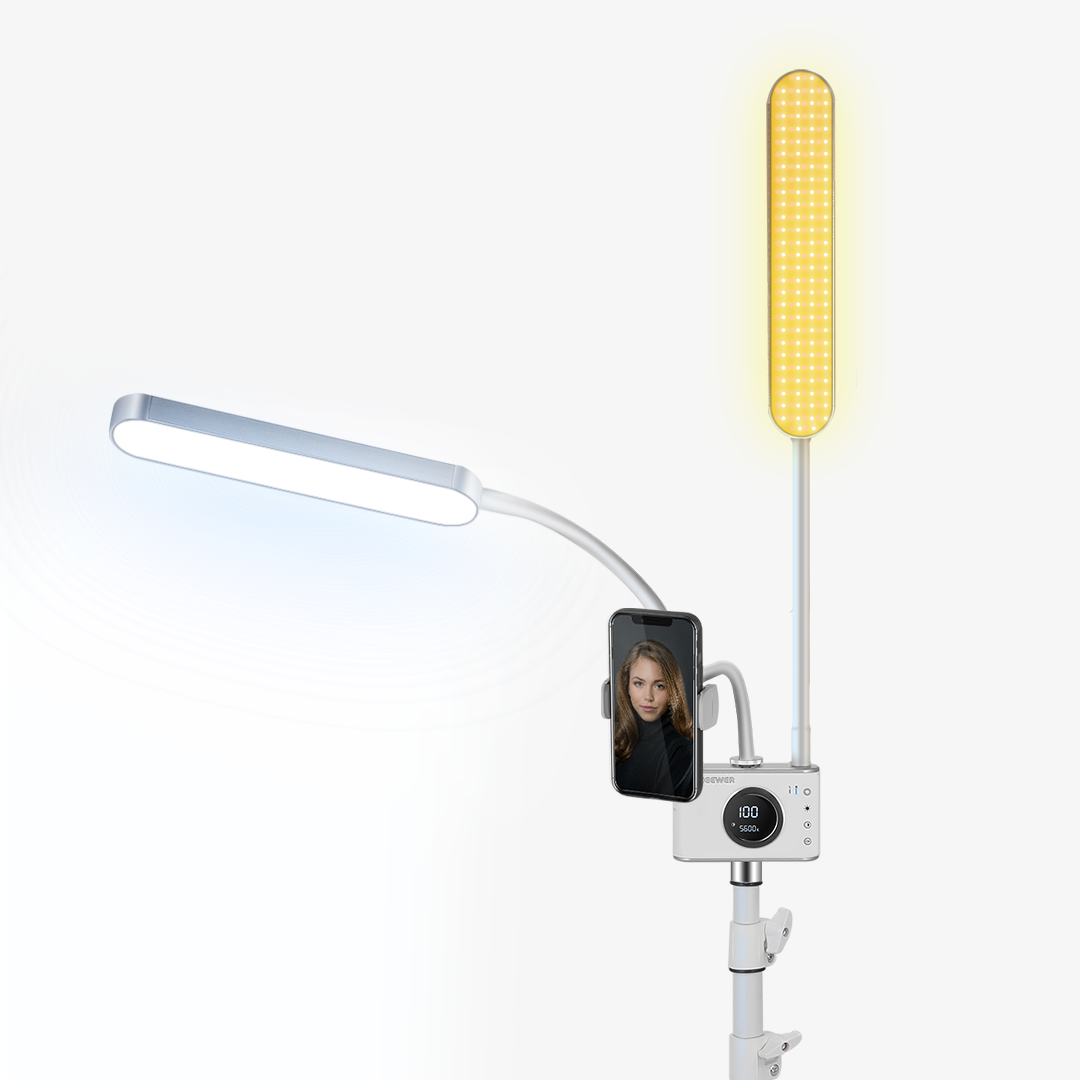
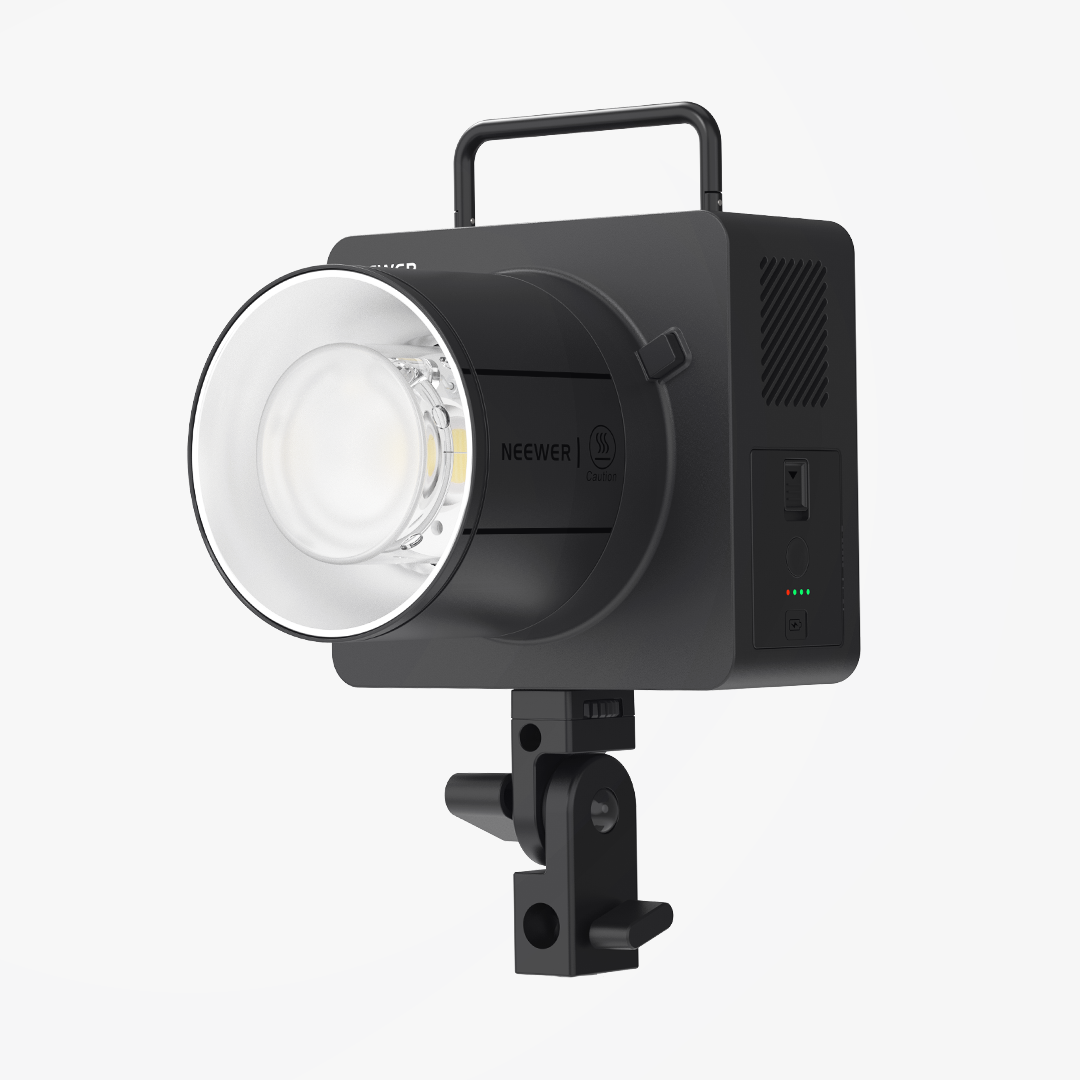
NEEWER continuous lights can be used as key lights or fill lights for photo shoots, enhancing the quality of filming, studio photography, podcast videography, live streaming, product photography, portraits, and other creative projects. NEEWER offers a wide range of continuous lights for both photography and video, including RGB LED lights, bi-color video lights, mini constant lights, and more. Choose a professional continuous light to elevate your photography and videography to the next level.
FAQ
What Is a COB Light?
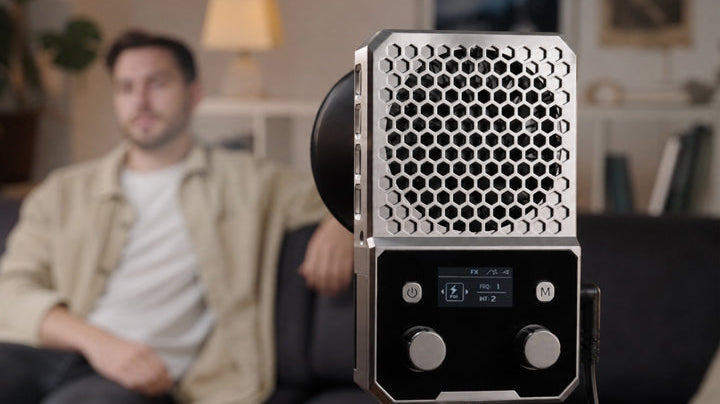
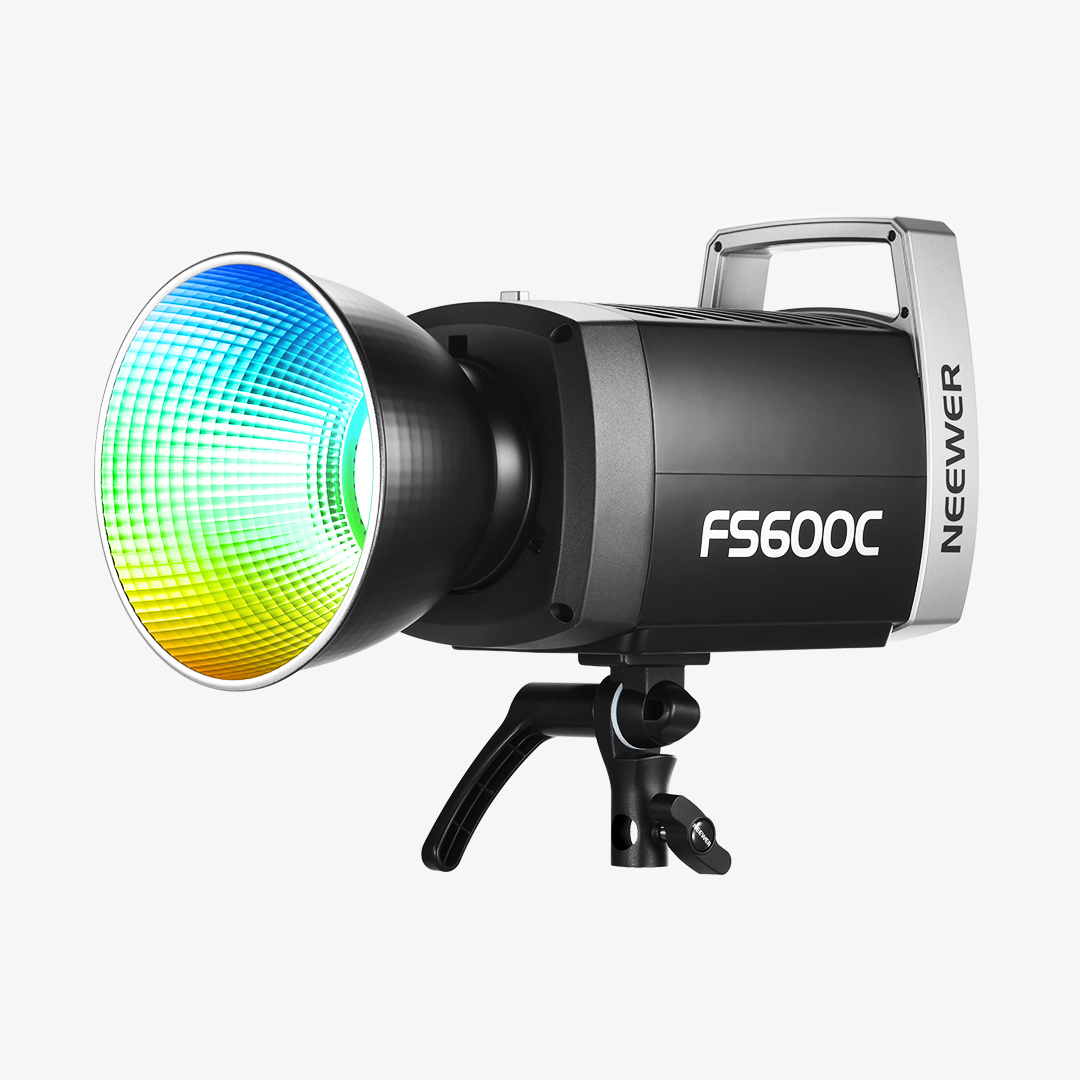
A COB light is a type of LED light commonly used in photography and videography. It’s known for delivering a powerful, consistent, and high-quality light output from a relatively compact source. Unlike traditional LED panels that use many small individual diodes, a COB light features a single chip with dozens or even hundreds of LED elements packed closely together on one board.
What Are COB Lights Used For?
COB lights are incredibly versatile and are used across a wide range of photography and video production scenarios. Their consistent, powerful output and compact design make them a go-to choice for both professionals and content creators. COB lights are used wherever clean, powerful, and controllable continuous light is needed — from cinematic film sets to cozy home studios.
COB Light vs LED Panel Light: Which Is Better?
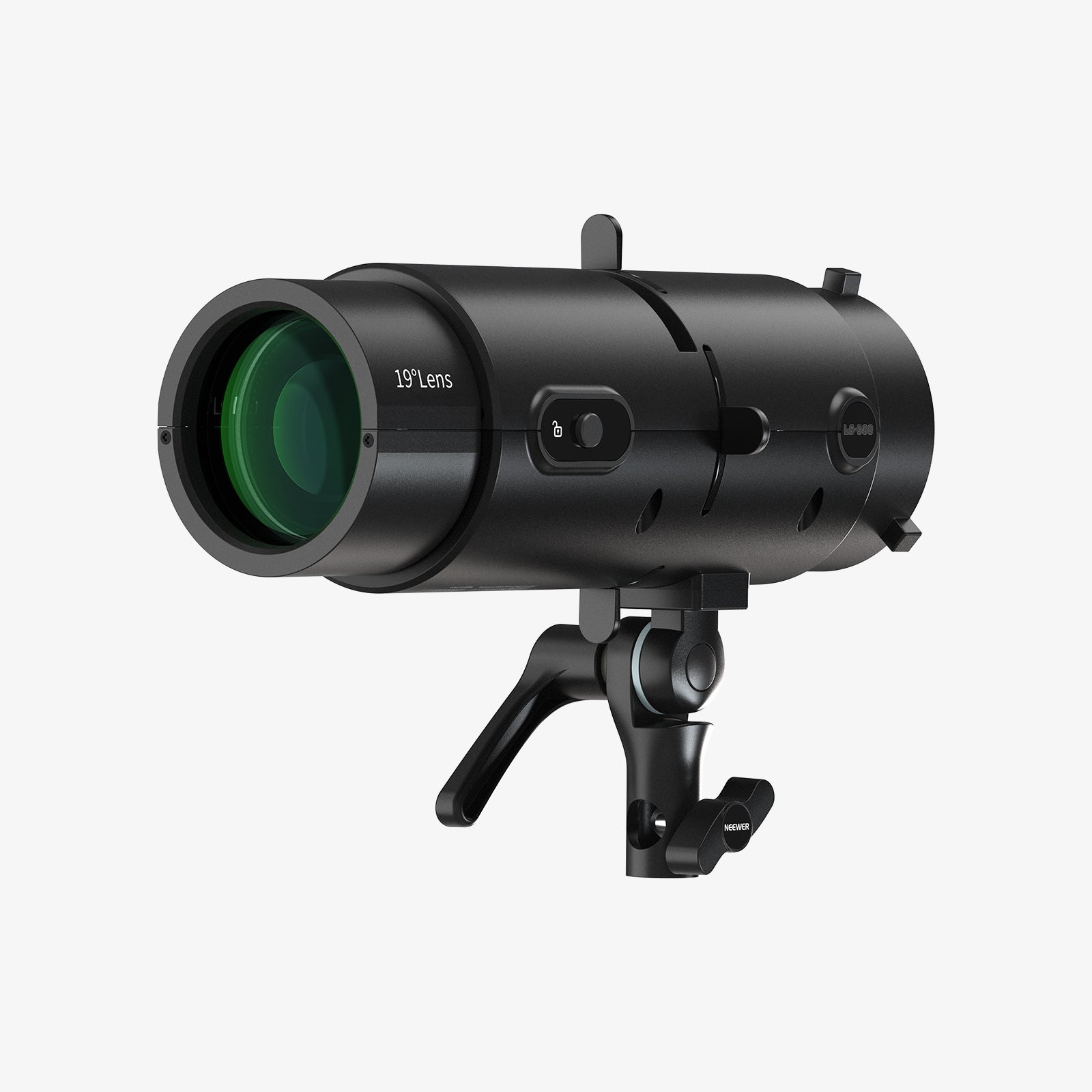
A COB light is a single, powerful LED chip that emits a focused, intense beam of light. It acts like a mini sun, which makes it ideal for modifiers and directional control.
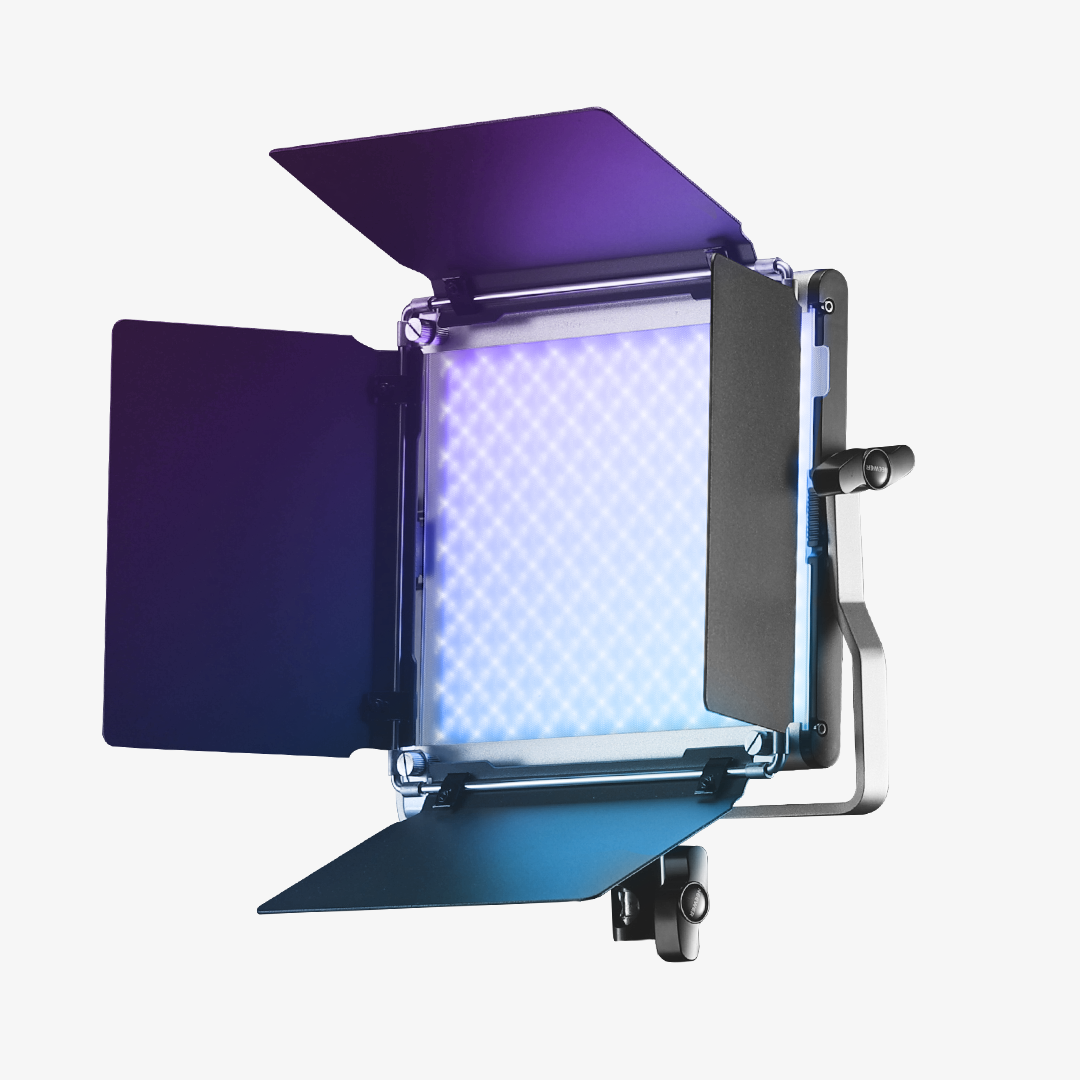
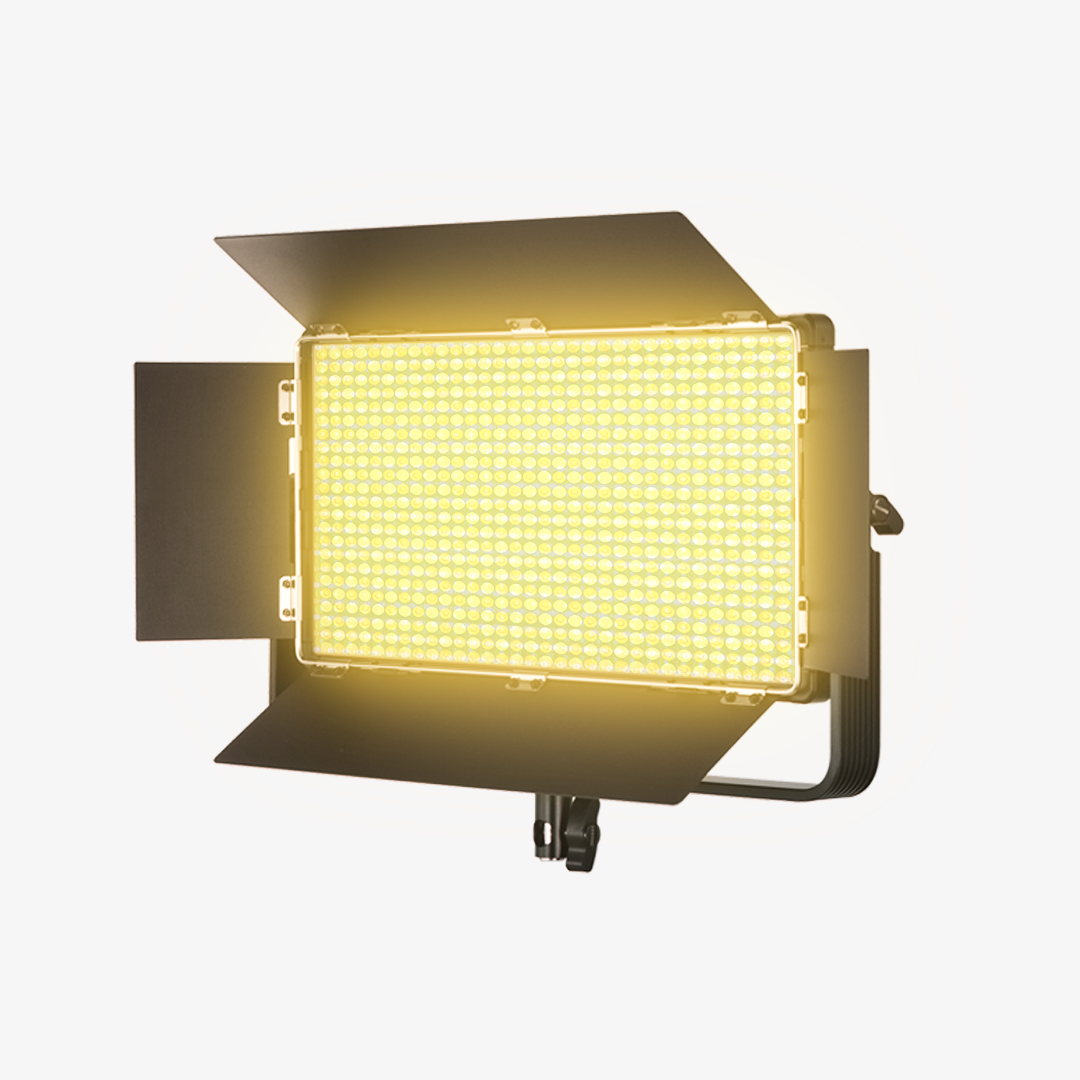
An LED panel contains hundreds of tiny LED bulbs spread across a surface, producing broad, soft, even illumination, which is popular for flat lighting and convenience.
Continuous Light vs. Strobe Flash: Which Should You Choose?
Continuous lights stay on constantly, making them ideal for video recording, live streaming, and beginners who want a "what-you-see-is-what-you-get" lighting preview.
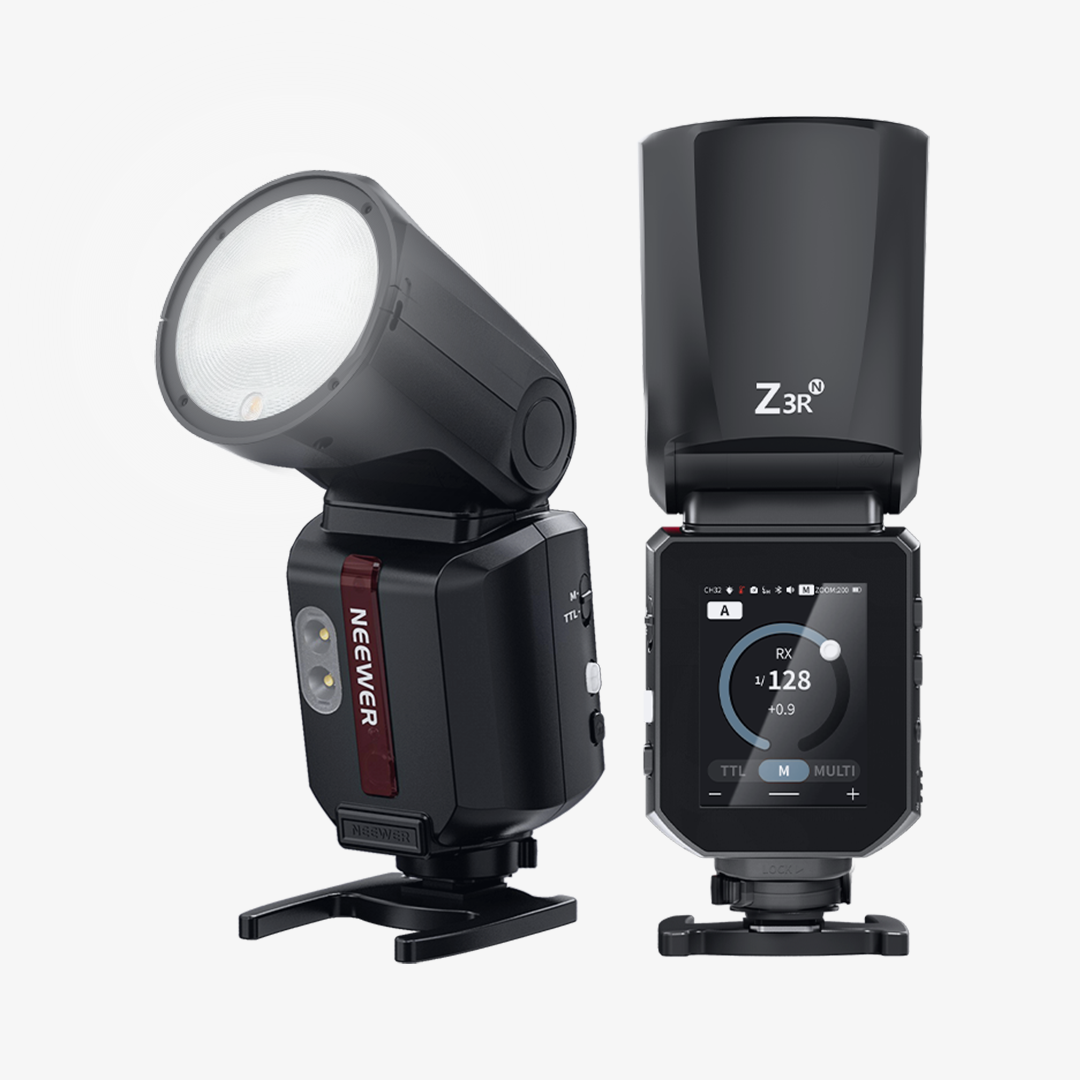
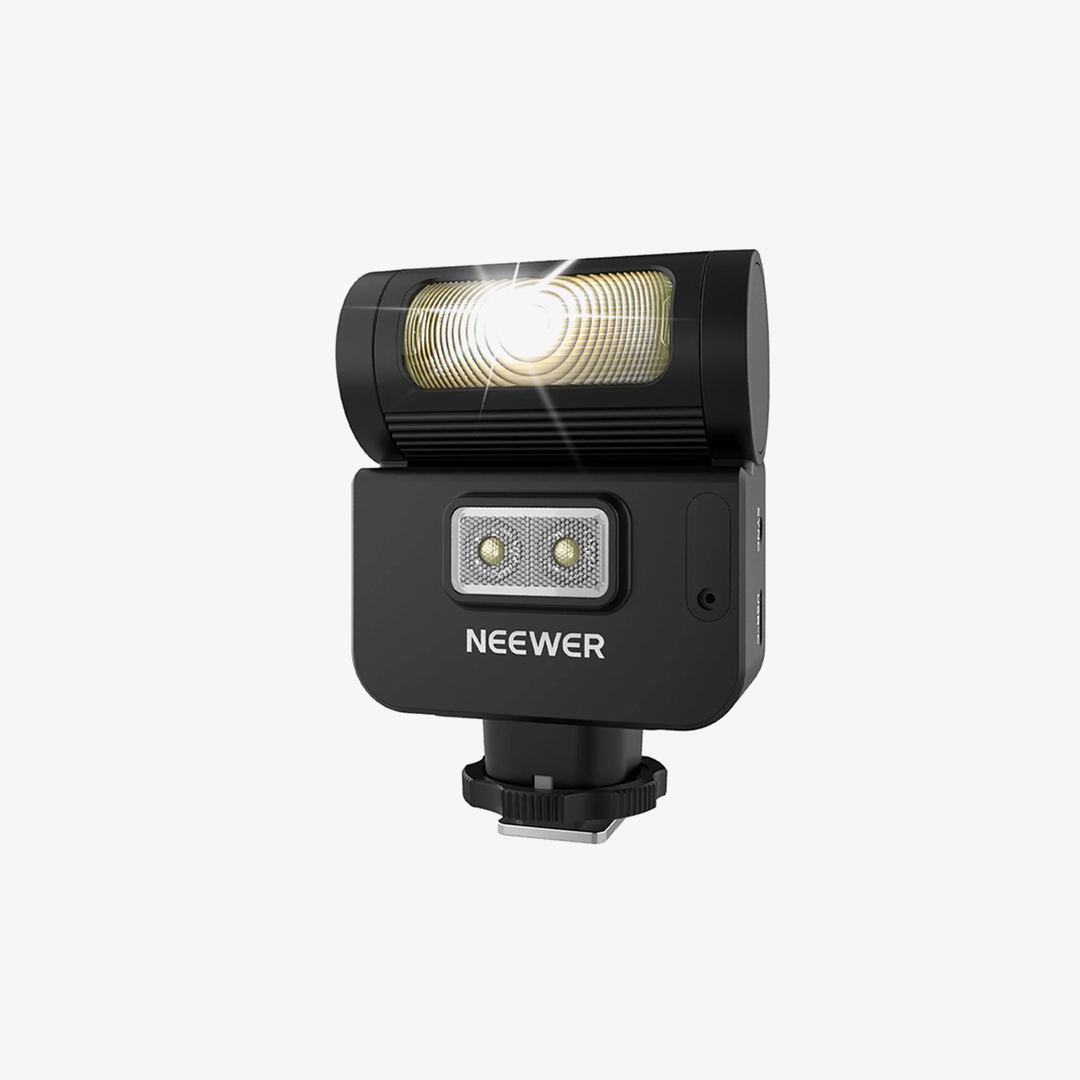
Strobe flashes emit brief, powerful bursts of light, which are better for freezing fast action, overpowering bright sunlight, and capturing high-resolution studio photography. If you create both photo and video content, continuous LED lights offer the most versatile solution.
What Is the Difference Between Daylight, Bi-Color, and RGB Continuous Lights?
Daylight lights output a fixed color temperature (usually around 5600K) to replicate natural afternoon light, offering maximum brightness output.
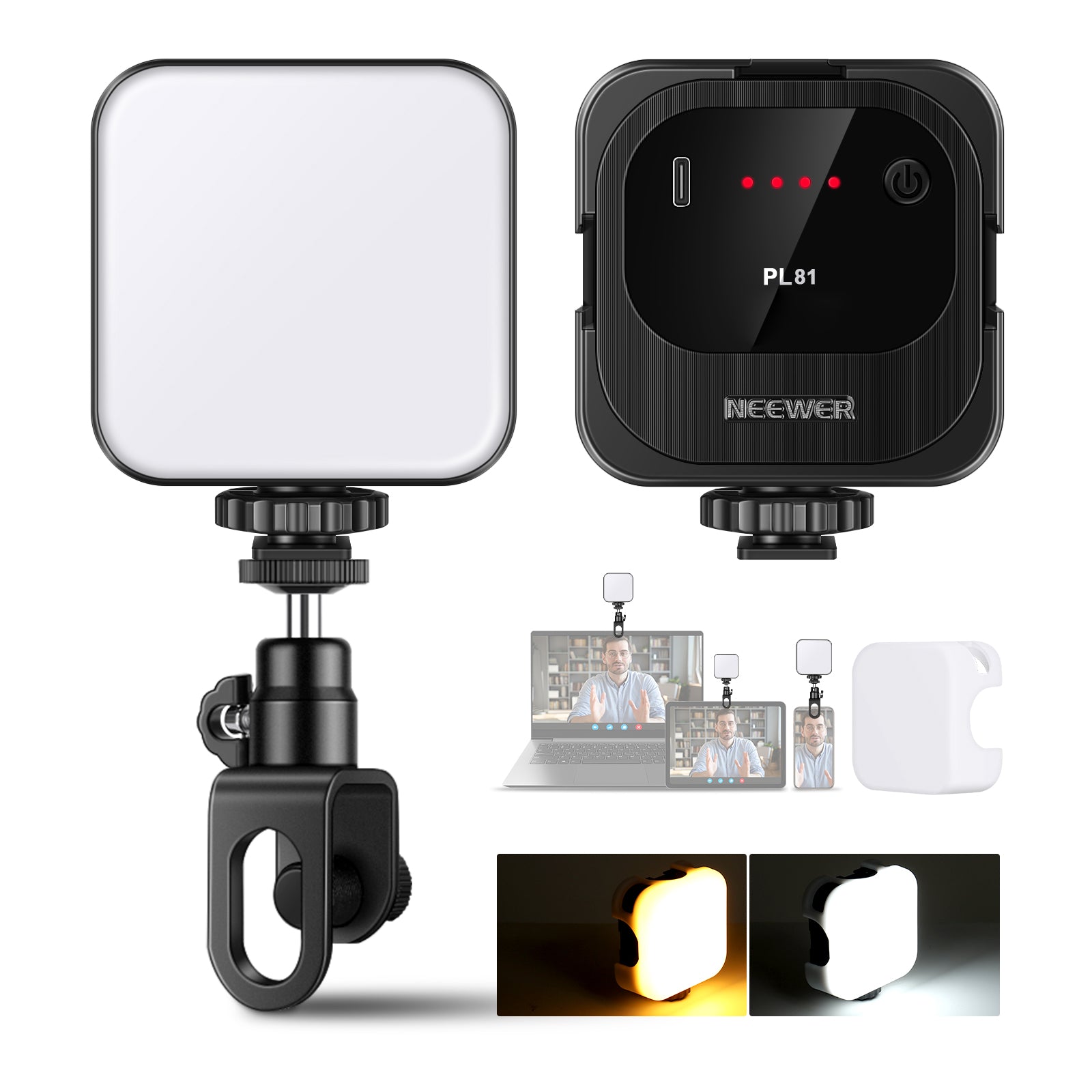
Bi-Color lights allow you to adjust temperature between warm tungsten (around 2700K) and cool daylight (6500K) to match ambient room lighting.
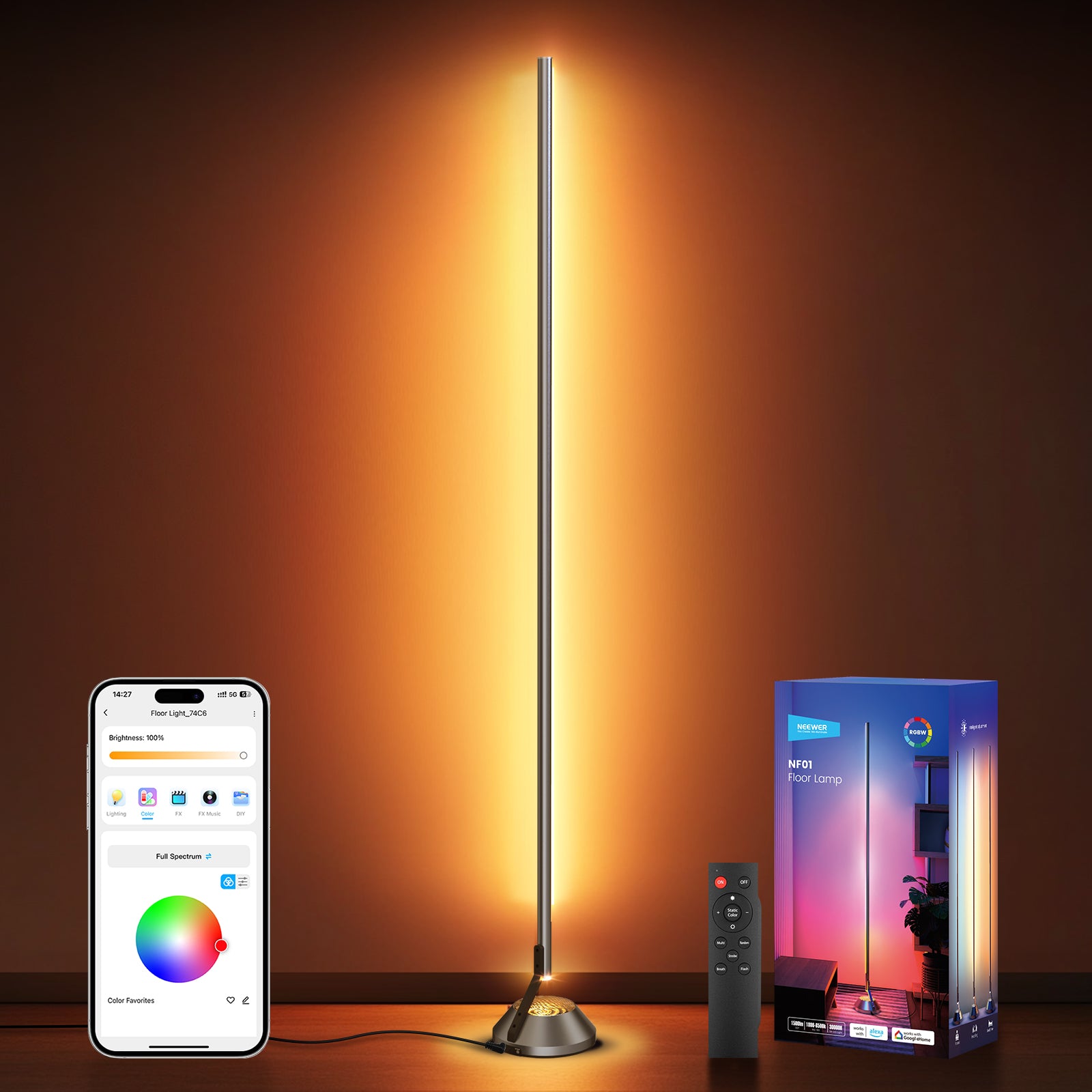
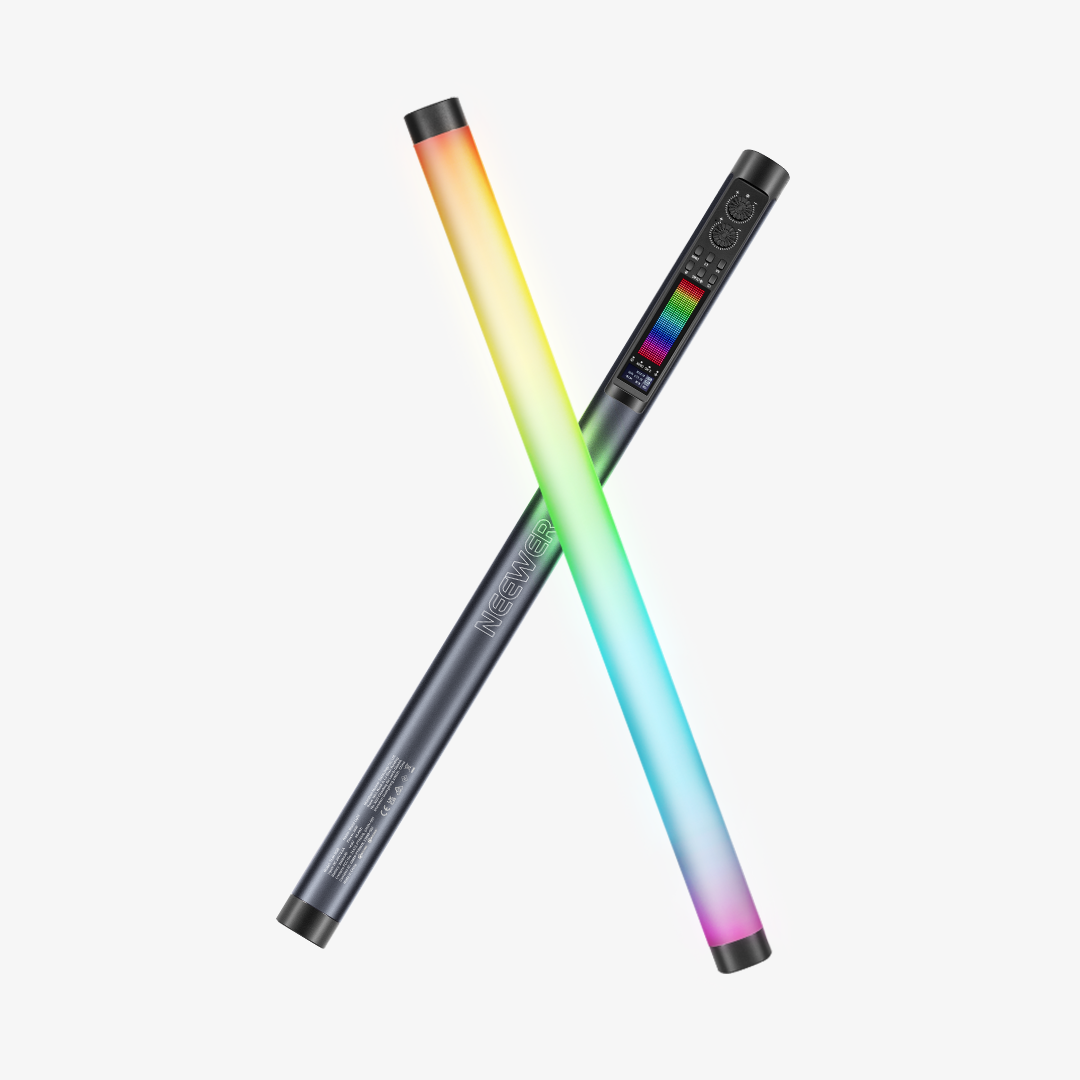
RGB continuous lights offer full 360-degree color control and special lighting effects, perfect for creative background atmospheres and dramatic music video scenes.
How Many Watts of Continuous LED Light Do You Need?
The ideal wattage depends on your shooting environment and modifier setup.
For small home studios, desktop vlogging, and close-up product shots, a 60W to 100W COB light is usually sufficient.
For key lighting in portraiture, full-body shots, or when using large softboxes that absorb light, a 150W to 300W (or higher) continuous light provides the extra output needed for crisp, clean visuals.
How Can You Make a Continuous Light Softer and Less Harsh?
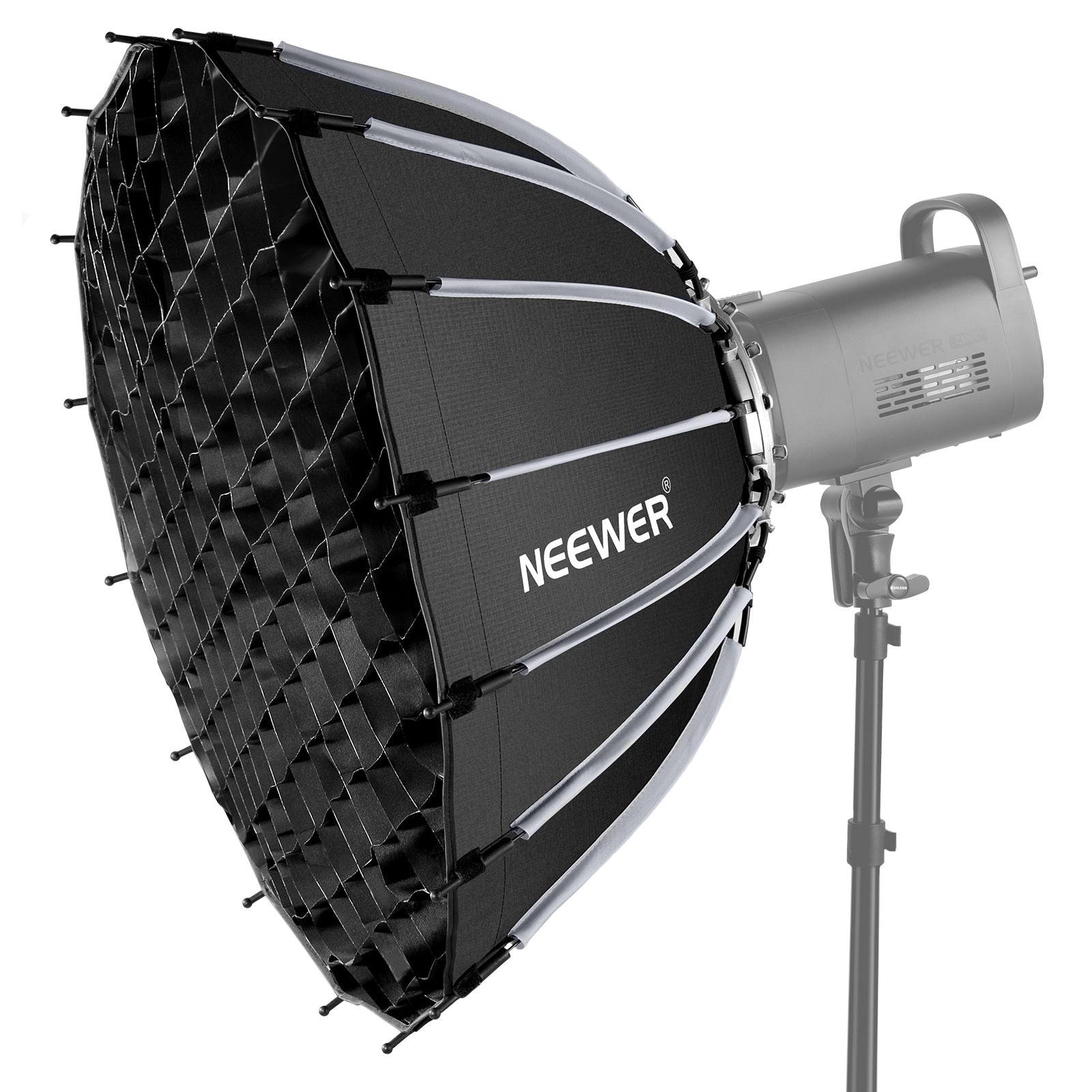
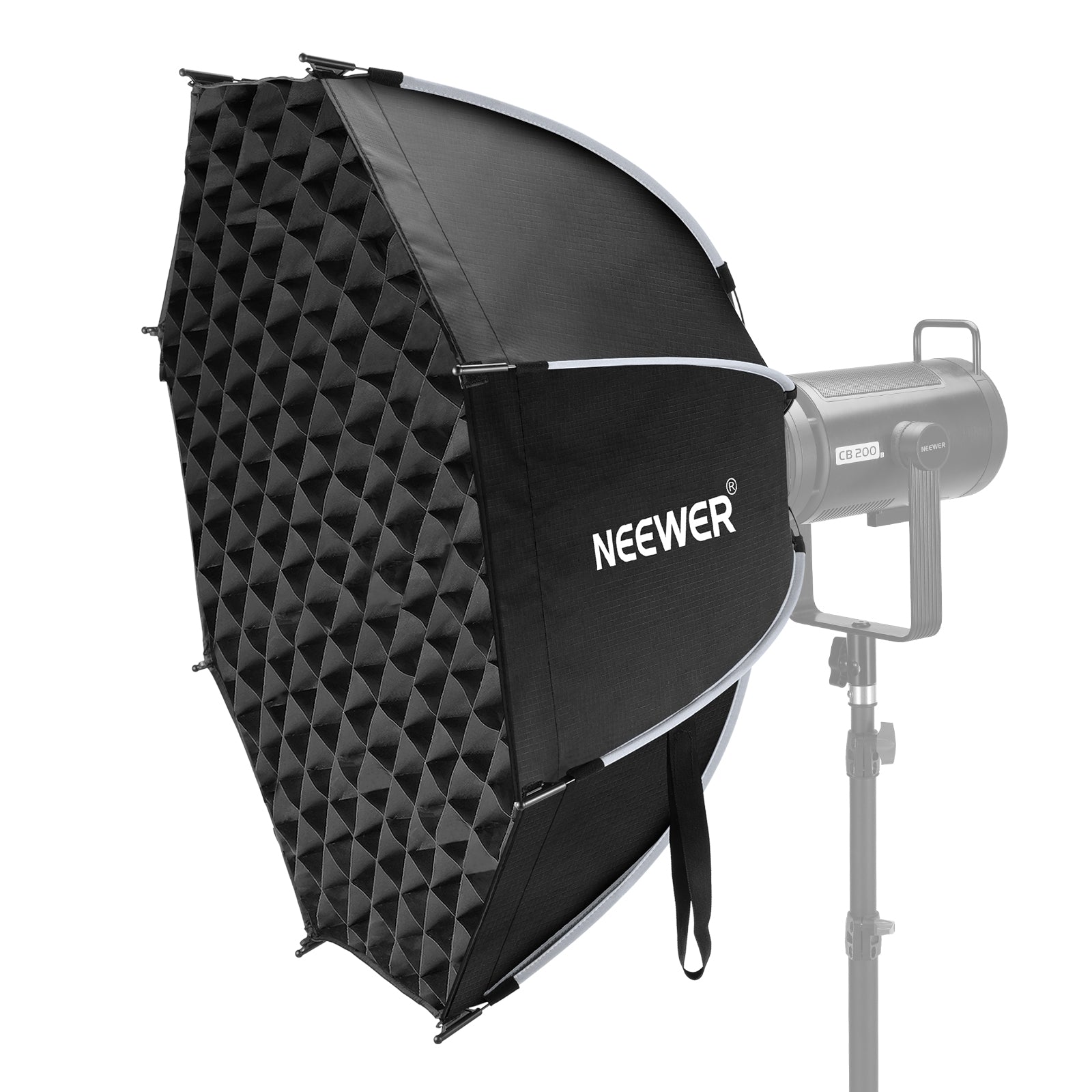
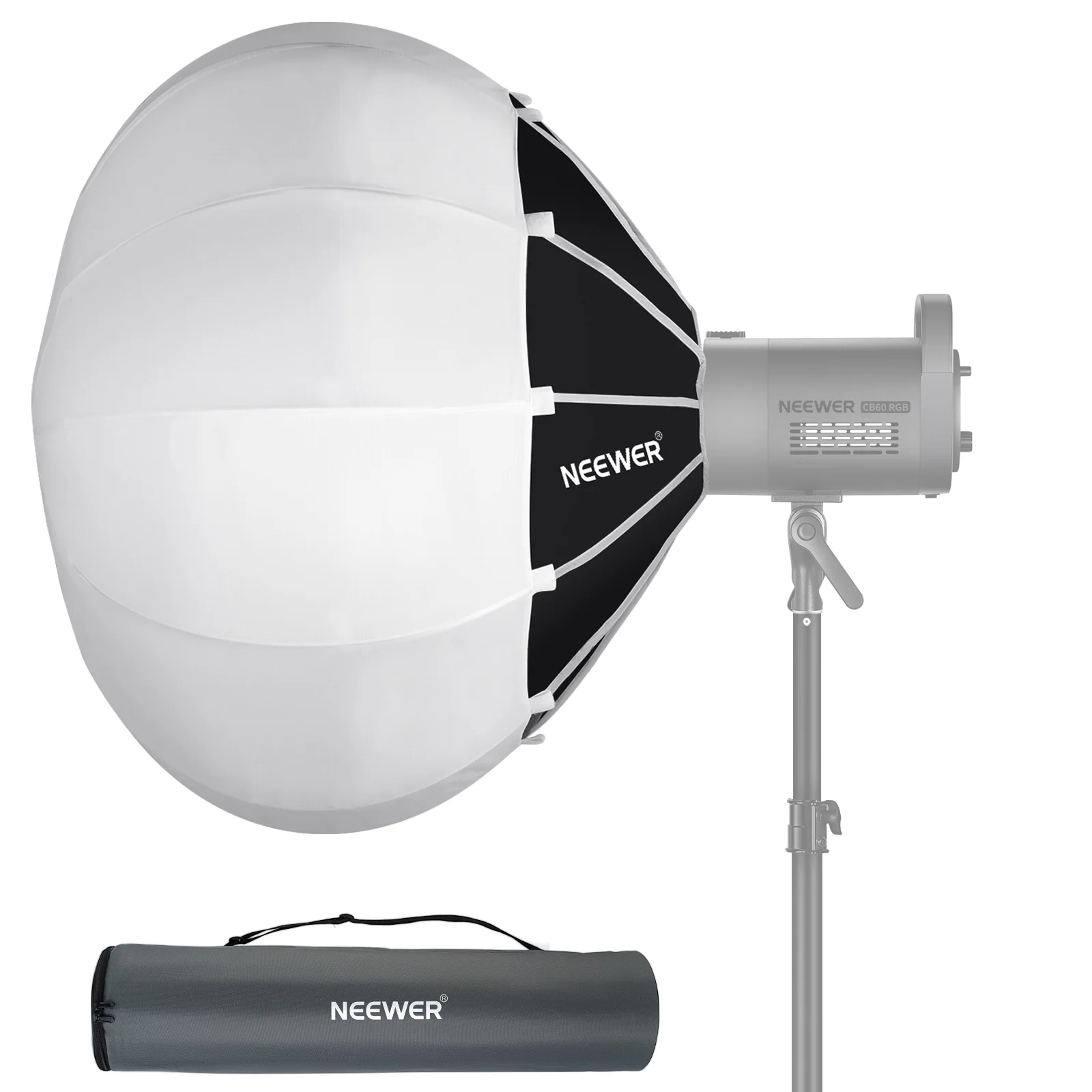
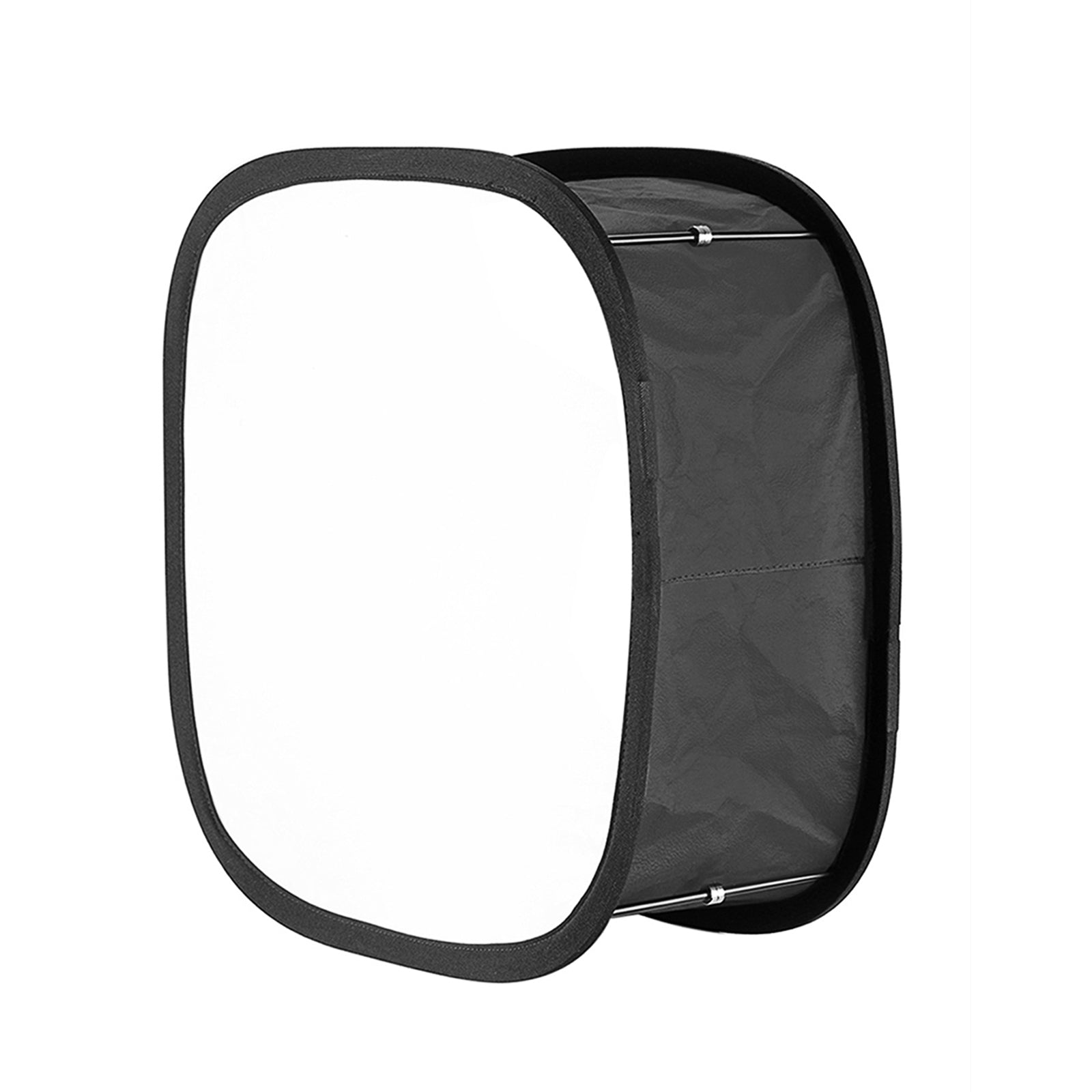
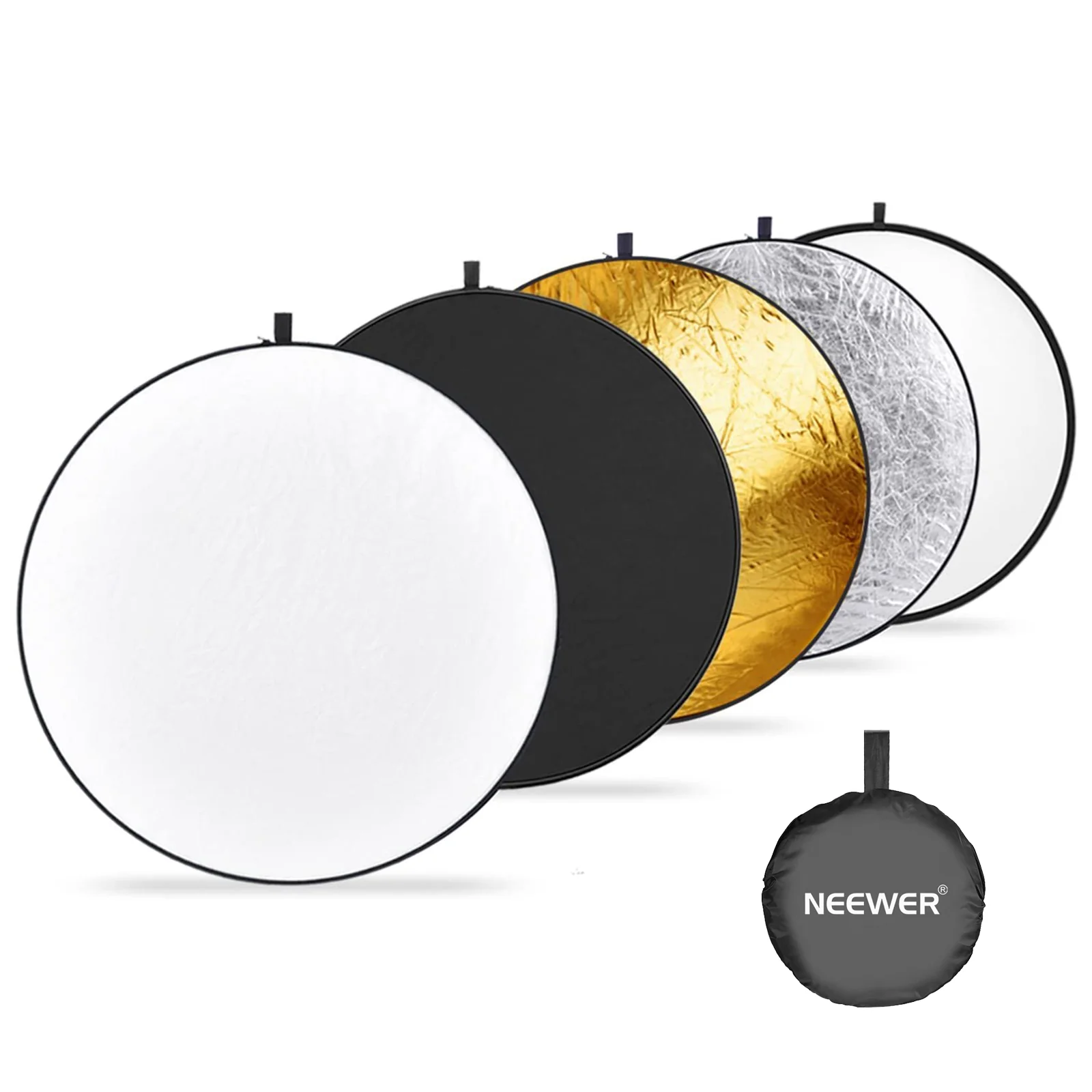
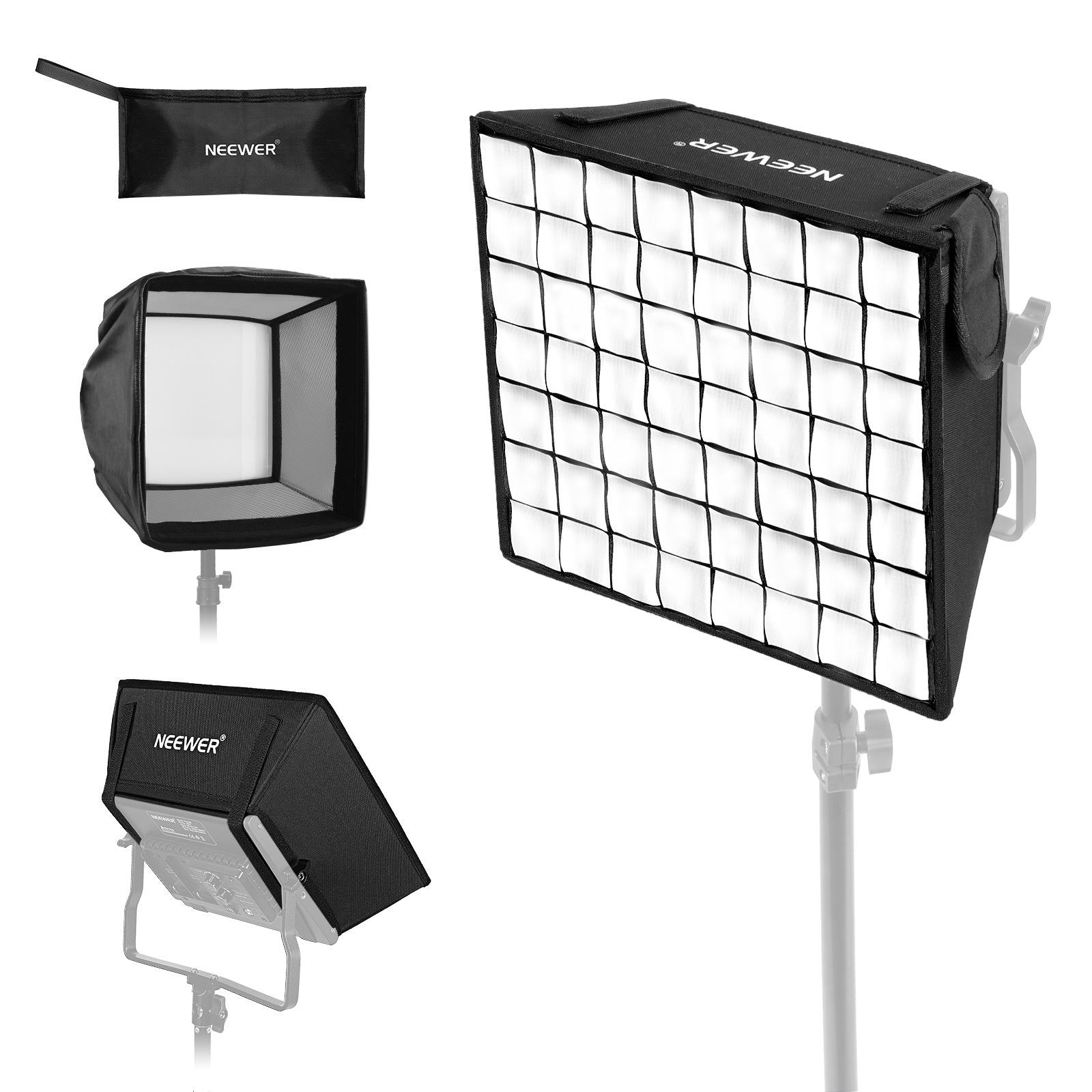
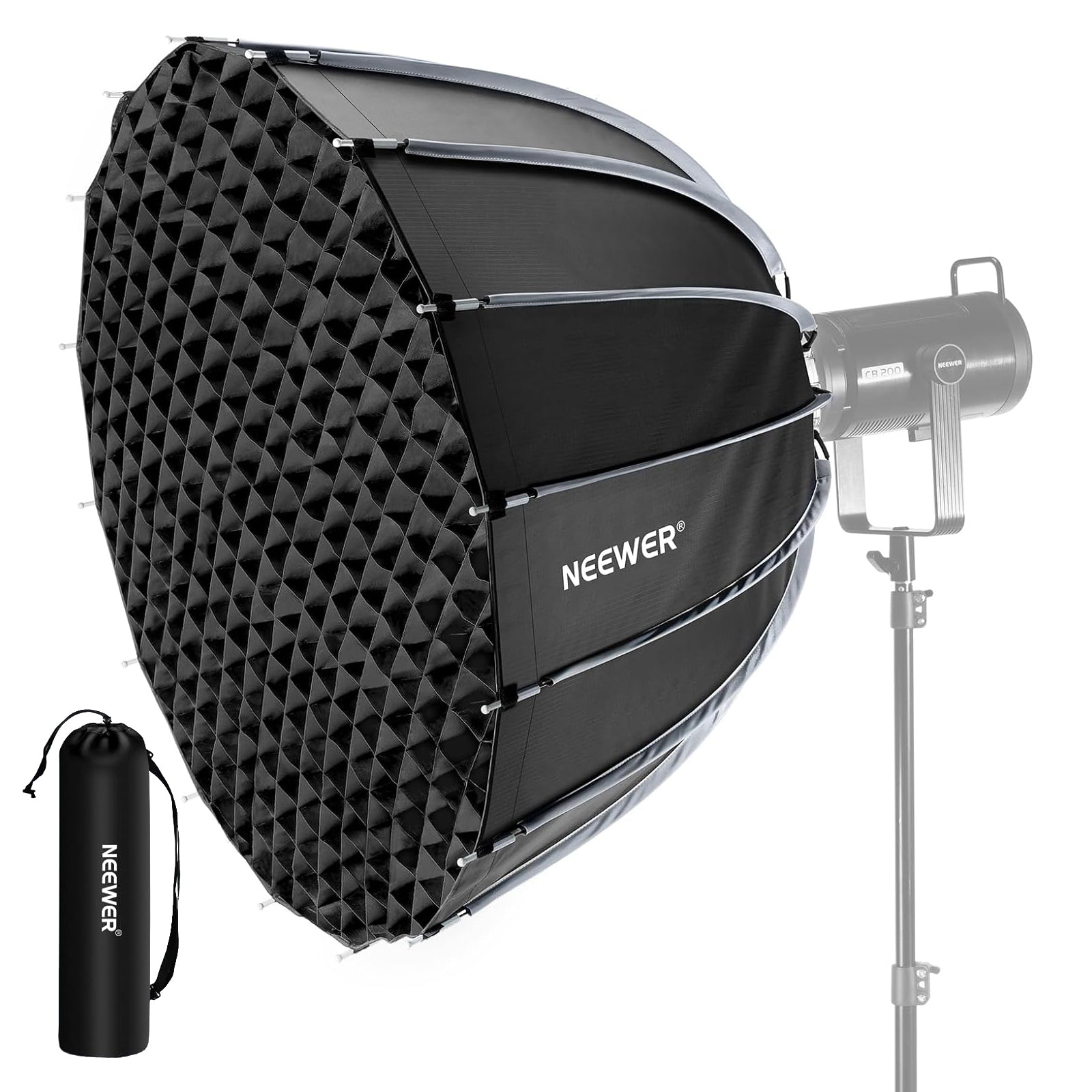
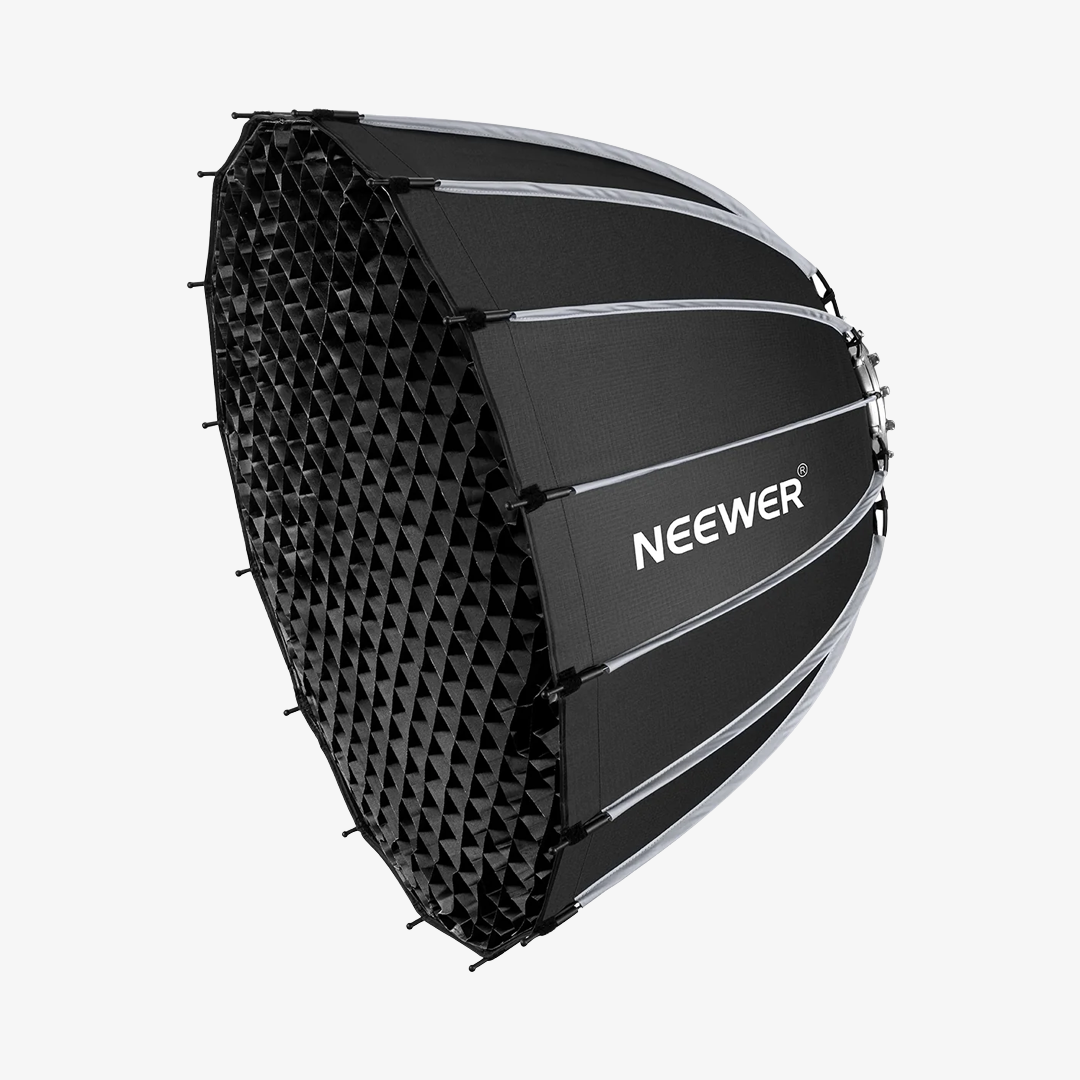
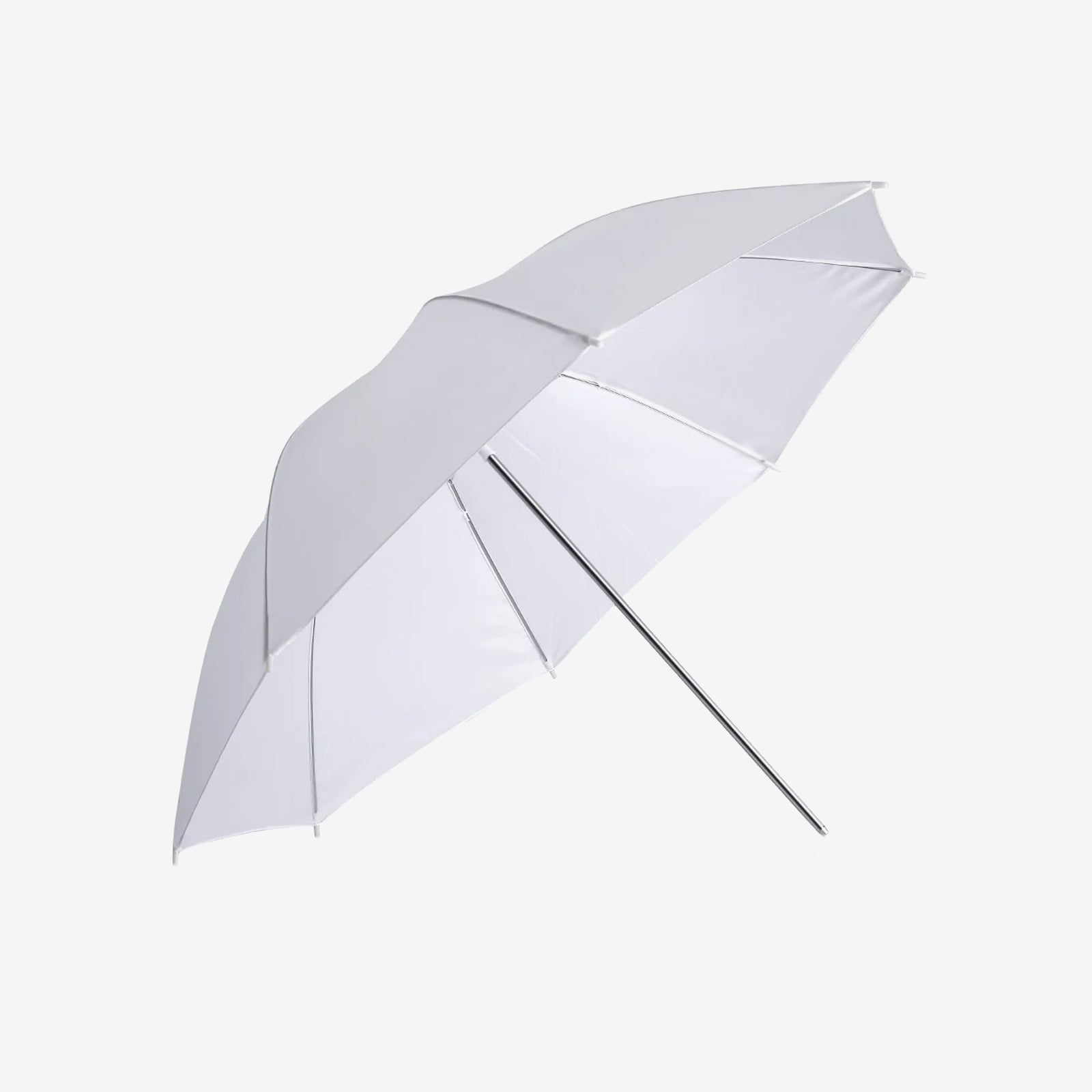
To soften harsh light from a continuous light source, attach a Bowens-mount softbox, umbrella, or diffusion dome. You can also bounce the light off a white wall or ceiling, or use a translucent diffusion panel between the light and your subject to create a wider, flatter, and more flattering light source.
Are Continuous Lights Suitable for Product Photography?
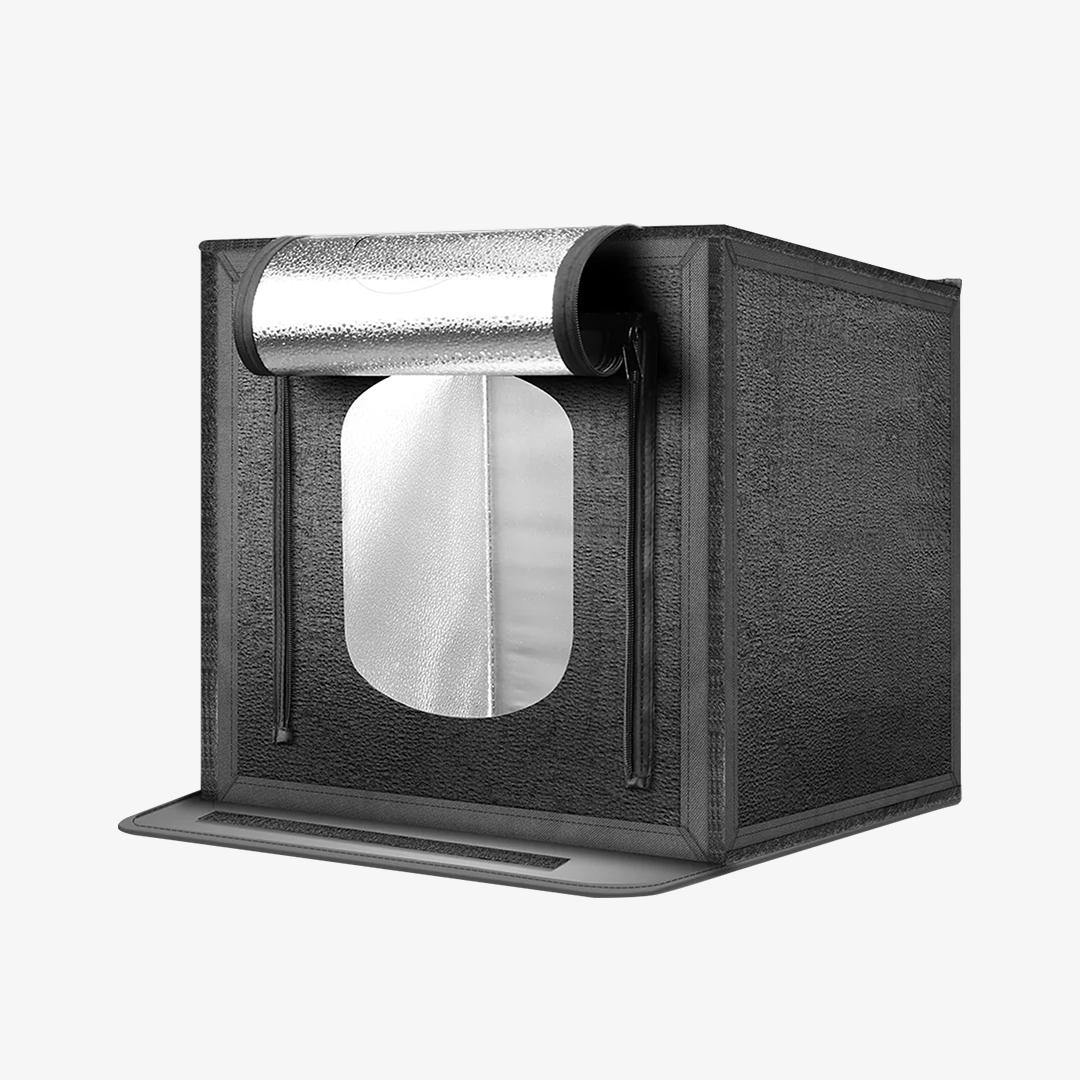
Yes, continuous lights are excellent for product photography—especially for beginners and e-commerce creators. They allow you to see reflections, highlights, and shadows in real time before taking the shot. Pair your continuous light with a softbox to diffuse harsh glare when shooting shiny products like glass, metal, or cosmetics.
Can You Use Continuous LED Lights Outdoors in Daylight?
Yes, but keep in mind that sunlight is extremely powerful. While low-wattage continuous lights work great indoors, you will need a high-output COB light (typically 200W–600W or higher) paired with battery power to effectively fill in shadows or compete with bright natural sunlight outdoors.
Can You Leave Continuous LED Lights On for Long Live Streams?
Yes. Unlike traditional halogen studio lights that generate intense heat, modern LED continuous lights are designed for long running hours with high energy efficiency and active heat dissipation. Integrated heat sinks and intelligent cooling systems allow continuous lights to run safely during multi-hour live streams, podcasts, and video shoots without overheating.
Complete Your Setup