

Table of Contents
Your smartphone is already a capable camera, but the right accessories can help you get more out of it. Whether you're taking portraits, photographing everyday objects, capturing landscapes, or shooting at night, a few additional tools can give you more control over lighting, composition, stability, and image quality.
You don't need to build a complete photography setup all at once. Different accessories serve different purposes, and the ones worth investing in depend on what you enjoy photographing. Here's a closer look at useful phone photography accessories for different shooting scenarios and how to choose the right ones for your setup.
Accessories for Different Shooting Scenarios
The best accessories depend on what you're photographing. Some help you control light, while others expand your phone's shooting capabilities or make it easier to capture stable images.
1. Portrait Photography
Lighting plays a major role in portrait photography. It affects how your subject's face looks, where shadows fall, and the overall mood of the image. Natural light can produce great results, but it isn't always available or easy to control, especially when shooting indoors or after sunset.
When natural light isn't enough, adding an external light source can help you brighten your subject and create more balanced portraits.
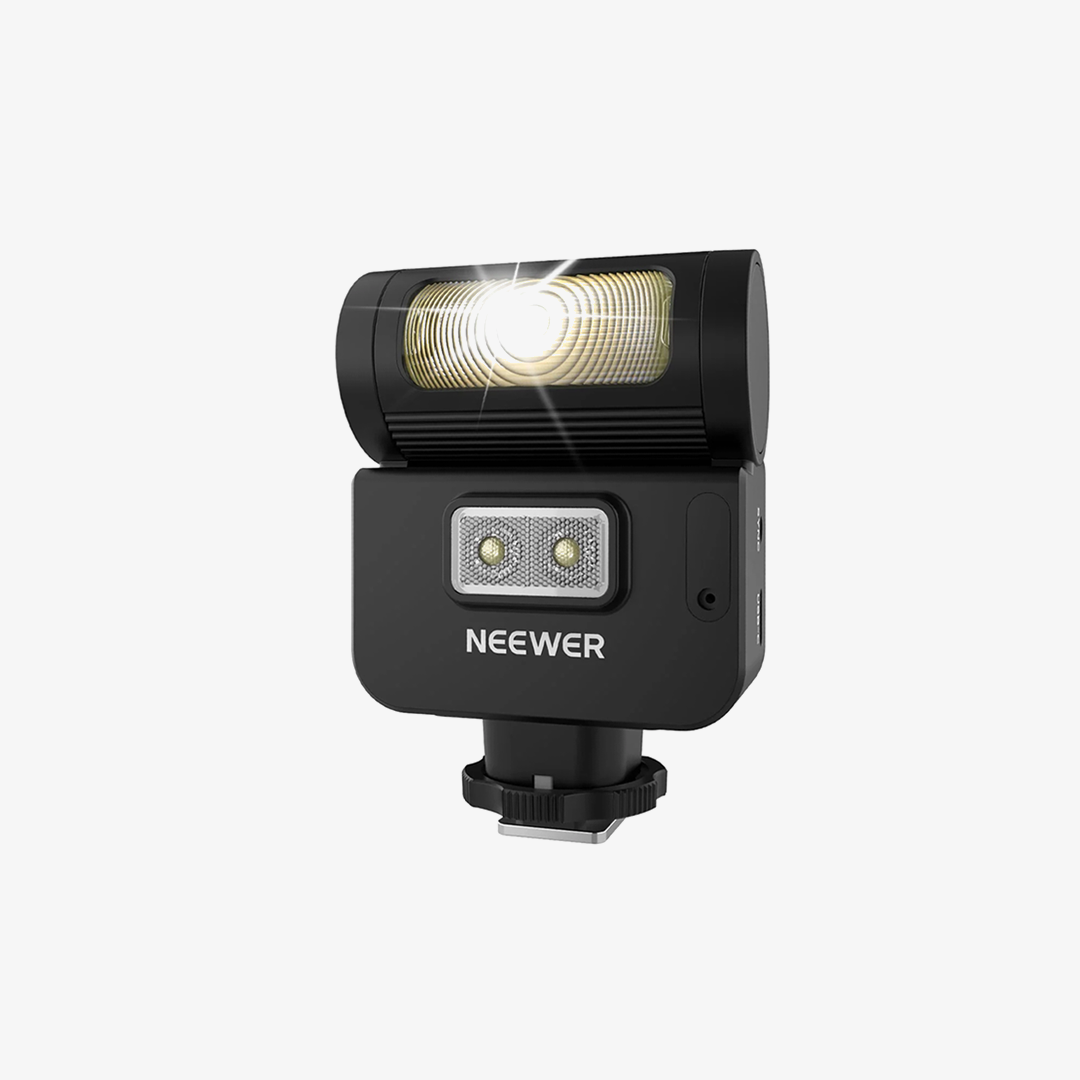
External Phone Flash is useful when you need a stronger burst of light to illuminate your subject. Compared with the small LED flash built into most smartphones, a dedicated external flash can provide more powerful illumination for nearby subjects. It's particularly helpful for indoor portraits, evening photography, and situations where you want to make your subject stand out.
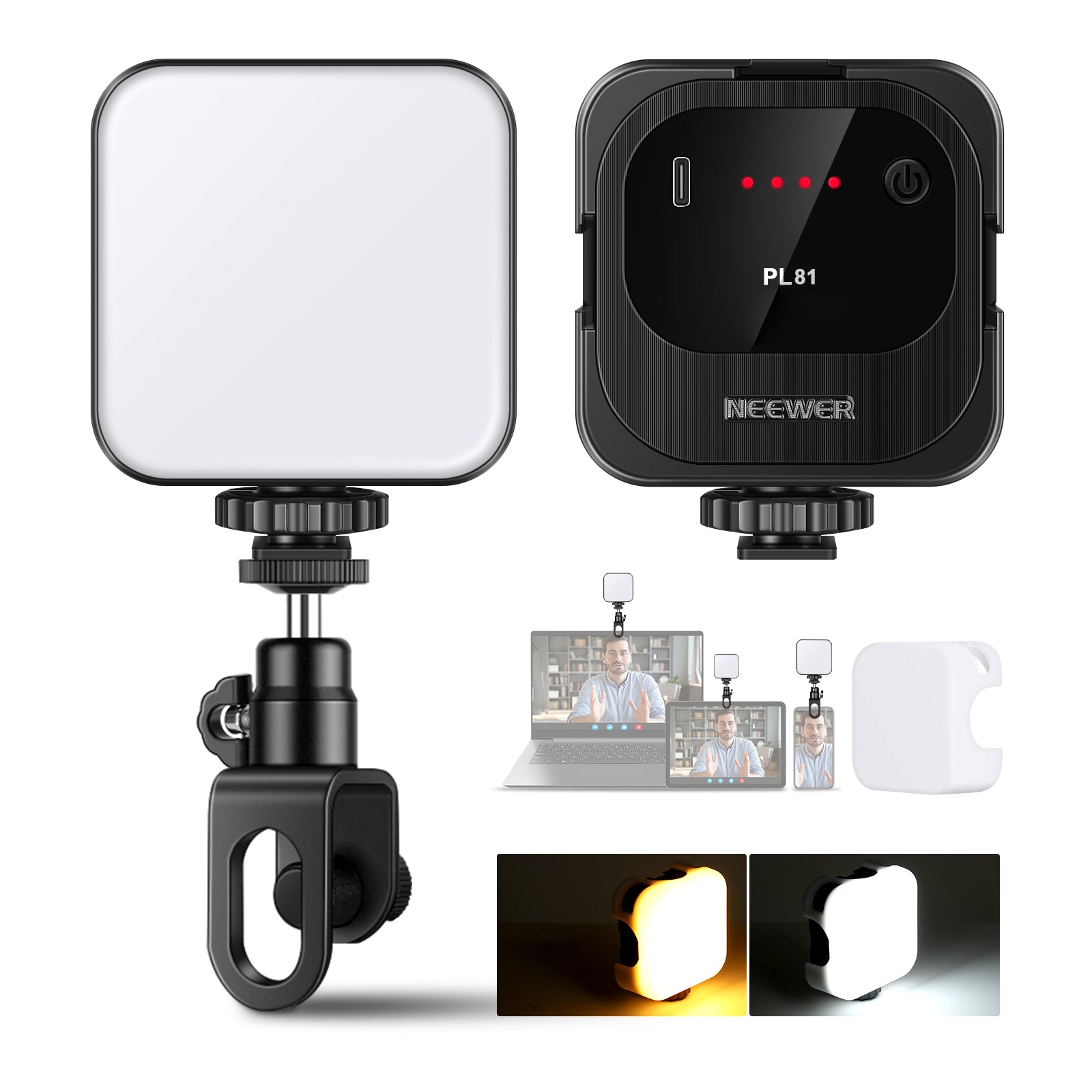
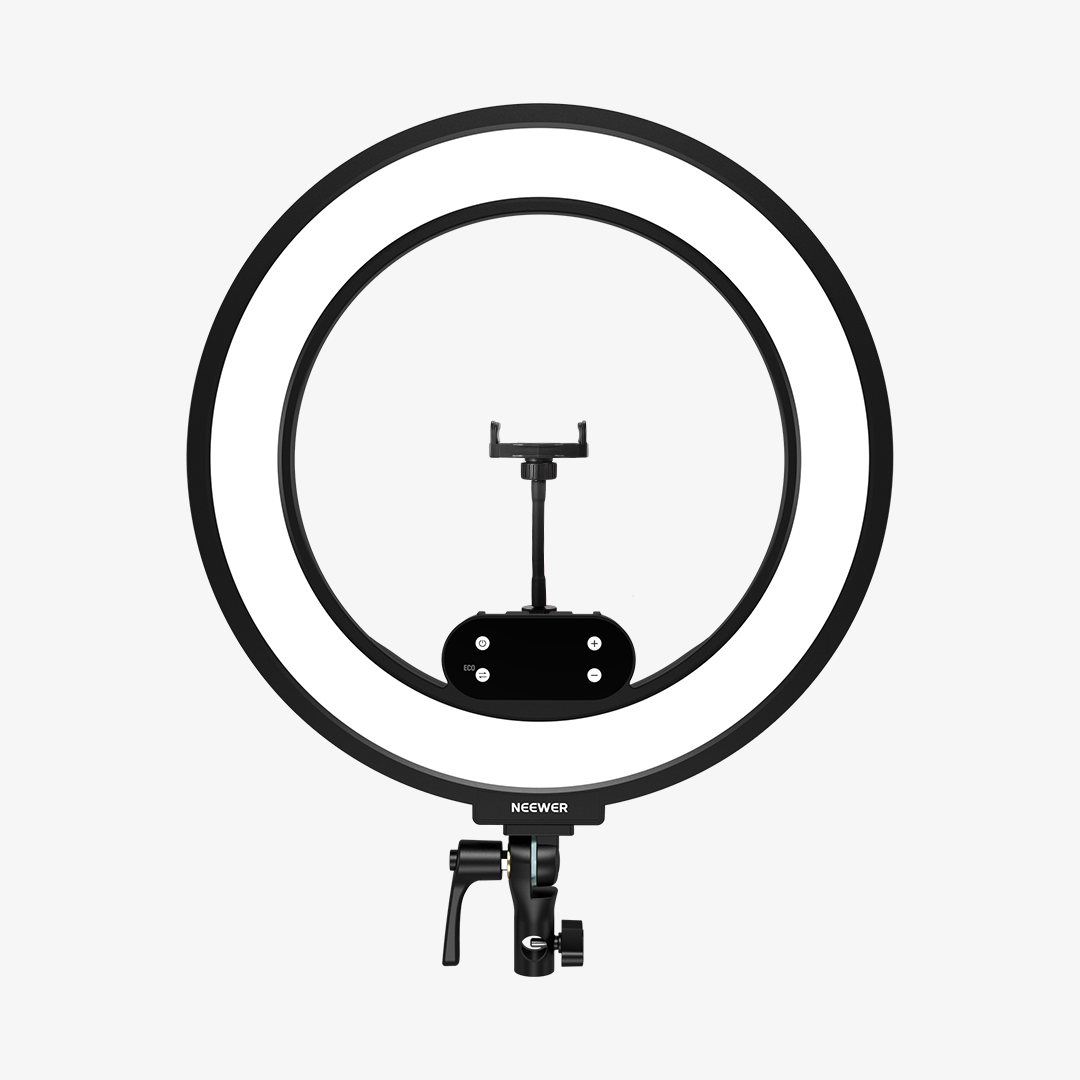
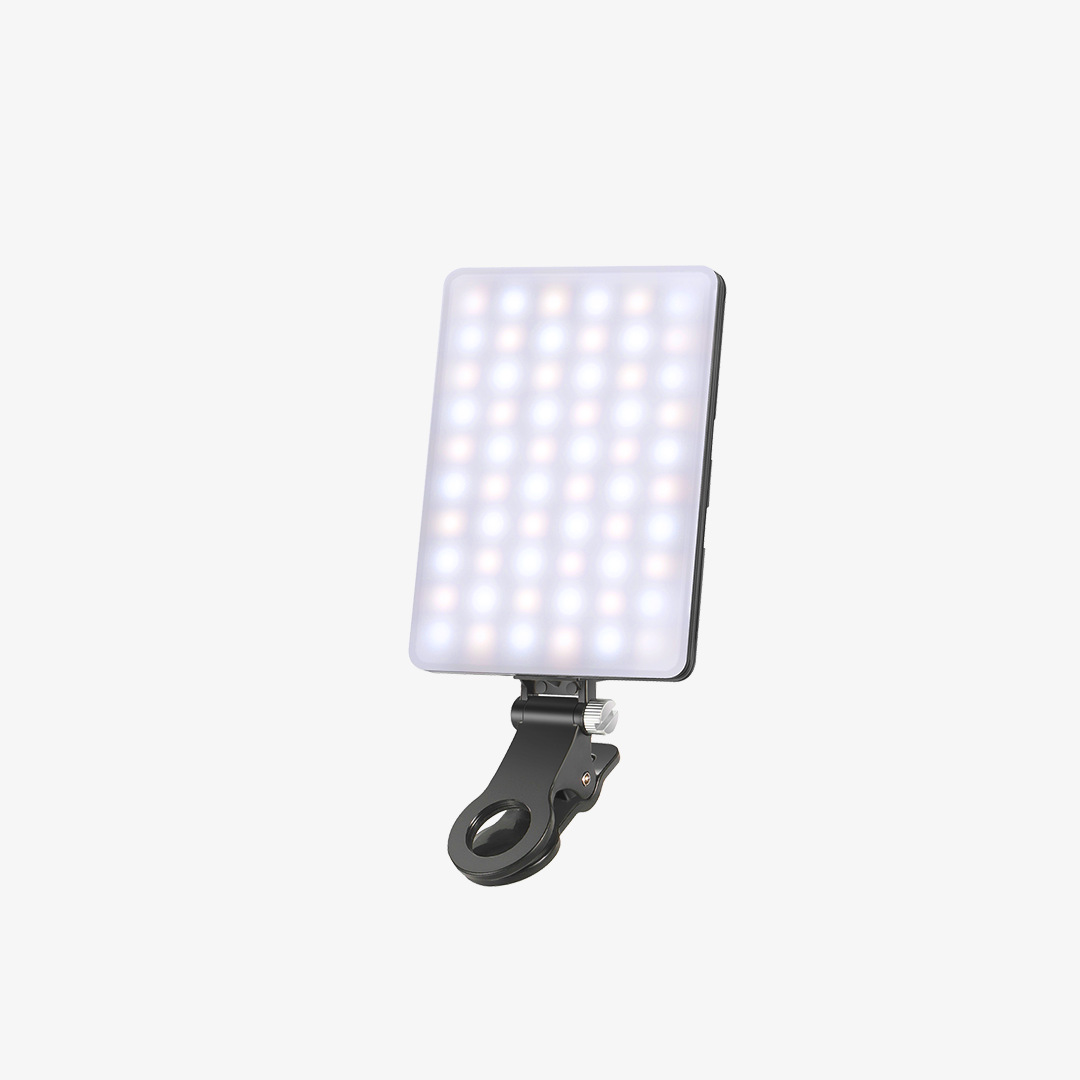
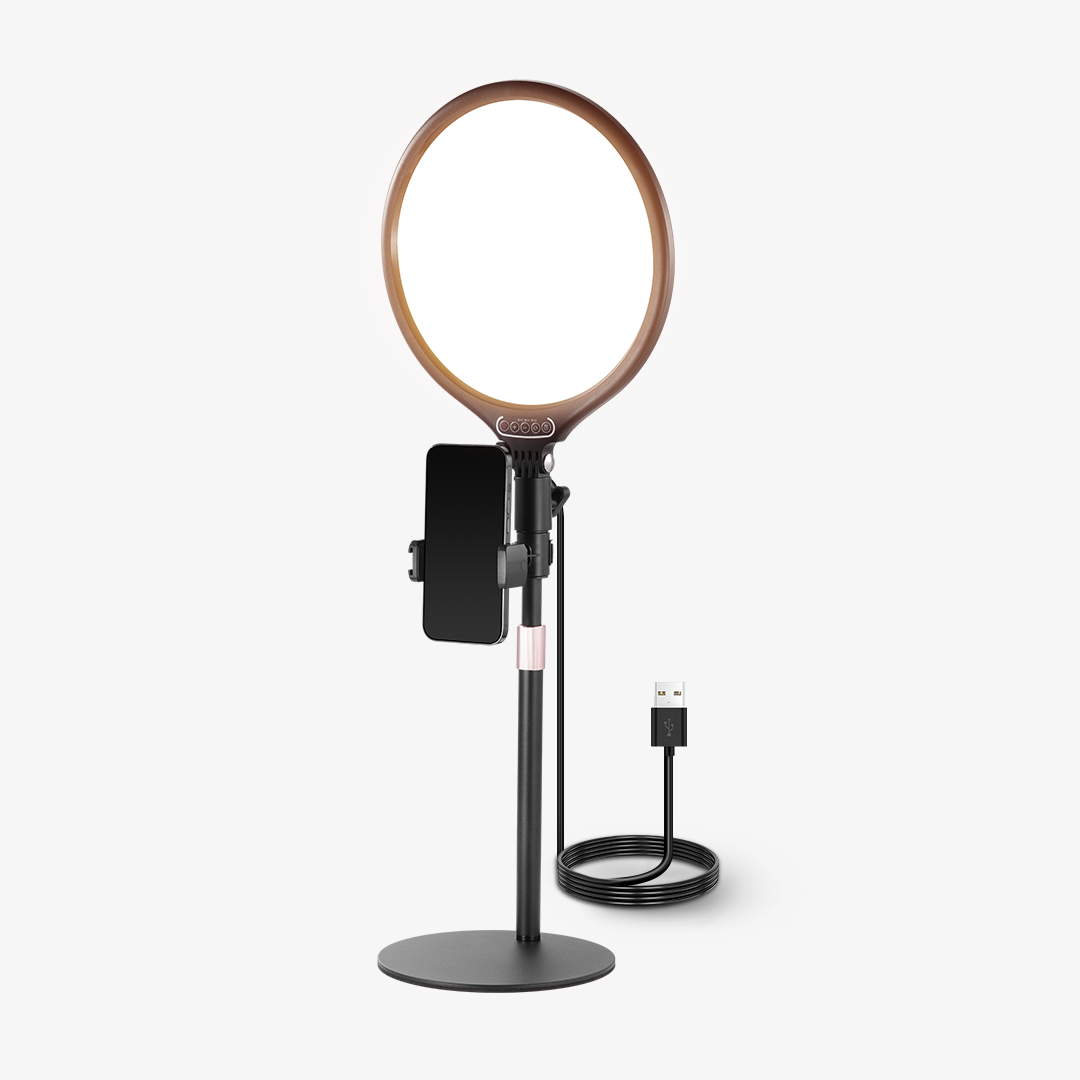
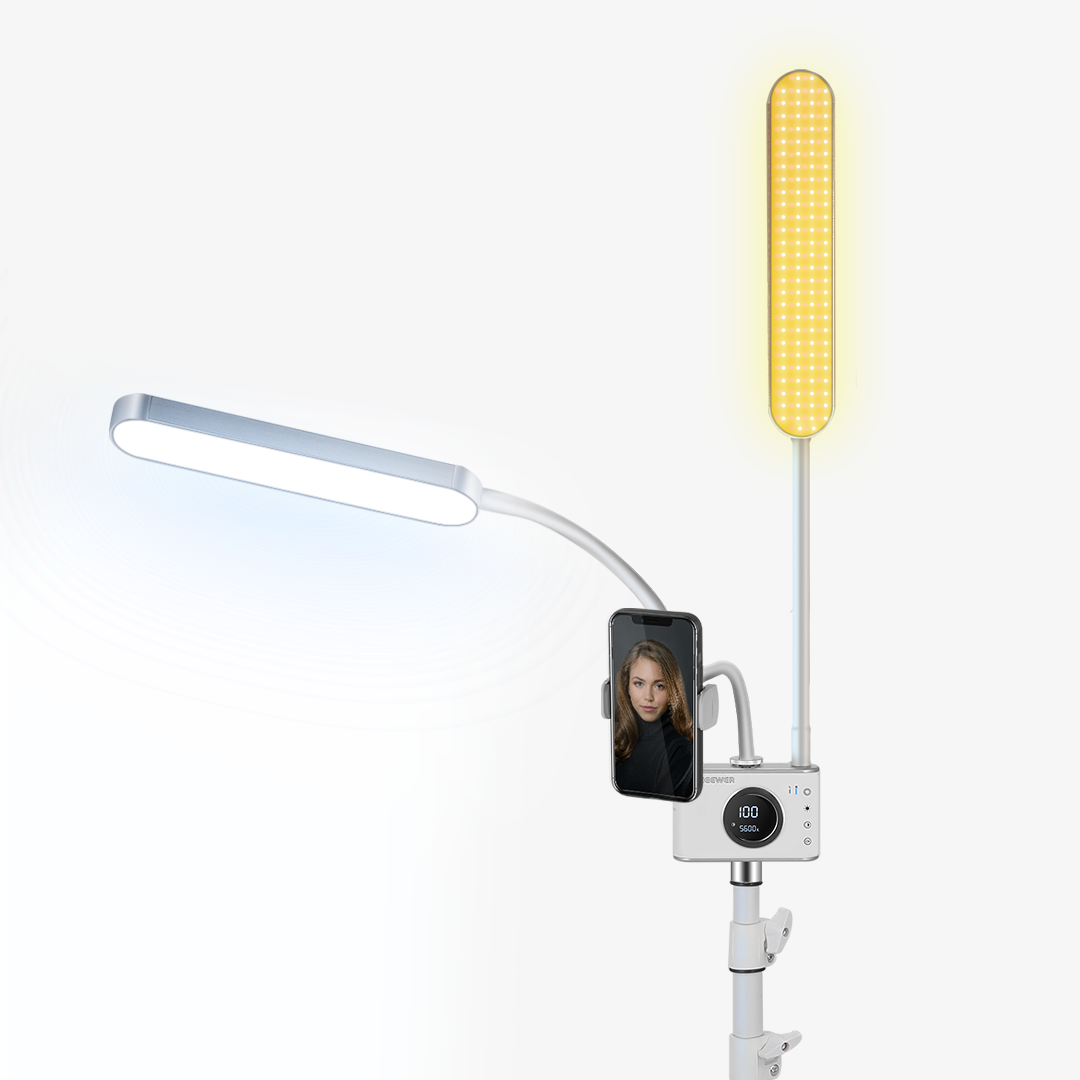
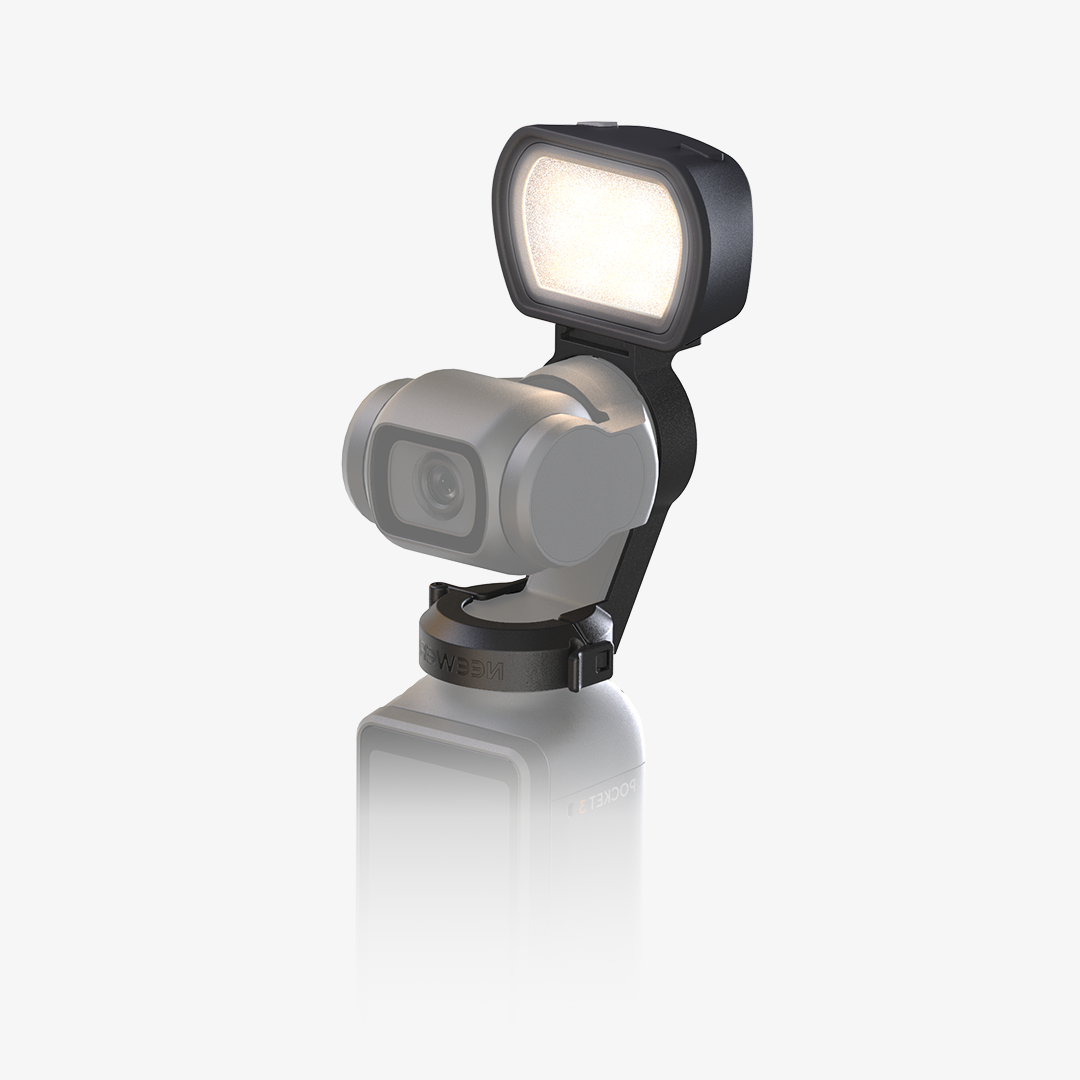
Portable LED Lights provide continuous illumination, so you can see how the light falls on your subject before taking a photo. They're useful for close-range portraits, filling in shadows, and adjusting the lighting as you compose your shot.
The main difference comes down to how you want to work. A flash delivers light at the moment of capture, while an LED light stays on continuously and lets you preview the effect. Both can be useful depending on your shooting style.
For example, the NEEWER PF2 is an external xenon flash designed for smartphone photography, while the NEEWER NL48B offers a compact LED lighting option for close-range illumination.

2. Still Life Photography
Still life photography includes a wide range of subjects, from food and drinks to flowers, cosmetics, and everyday products. Since these subjects usually stay in one place, you have more time to experiment with lighting, composition, and camera angles.
One of the biggest challenges is making the subject look interesting without losing its natural colors and textures. The direction and quality of light can make a noticeable difference. Side lighting, for example, can bring out the texture of food or the surface details of an object, while softer lighting helps reduce harsh shadows and unwanted highlights.
Lighting Accessories give you more control over brightness and shadows. An external flash can add a stronger burst of light when photographing nearby objects, while a continuous LED light makes it easier to adjust the lighting before taking the shot. Try changing the light's direction rather than simply increasing its brightness. This can help create more depth and make your subject stand out.
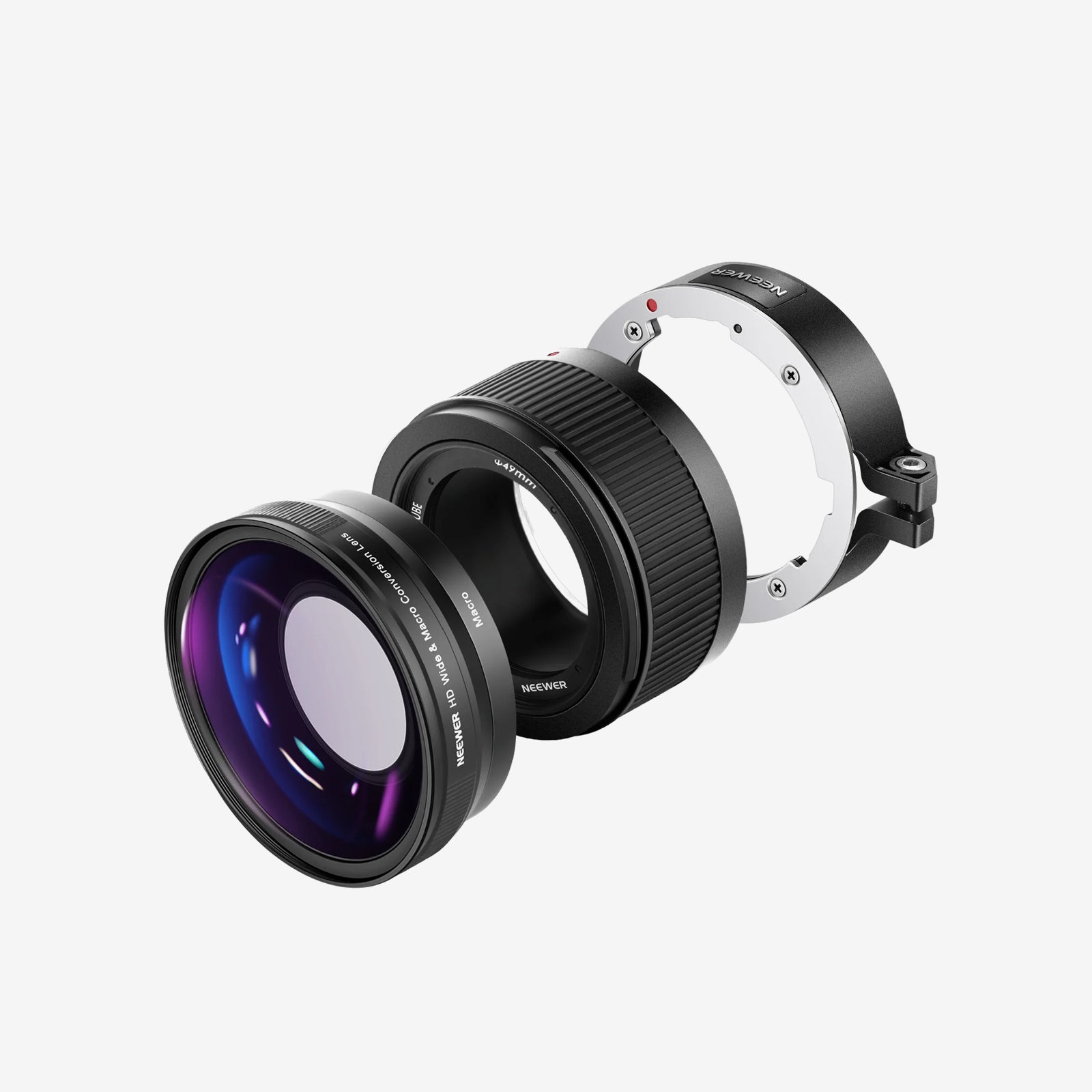
Macro Lenses are useful when you want to capture details that are difficult to see with a standard phone camera. Think of the texture of a flower petal, tiny details on jewelry, or the surface of a small decorative object. A macro lens lets you get much closer to your subject and reveal these details.
For lighting, the NEEWER PF2 can add illumination when photographing nearby objects. If you want to explore extreme close-ups, the NEEWER LS-69 15x macro phone lens is designed for capturing small subjects and intricate details. Its short working distance makes it better suited to tiny details than photographing an entire plate of food or a full-size product.

3. Landscape and Travel Photography
Landscape and travel photography often involve changing light, reflective surfaces, and outdoor environments where you may not have much control over the conditions. You might be photographing a bright beach, a waterfall, a city skyline, or a scenic view during sunset. Different accessories can help you handle these situations.
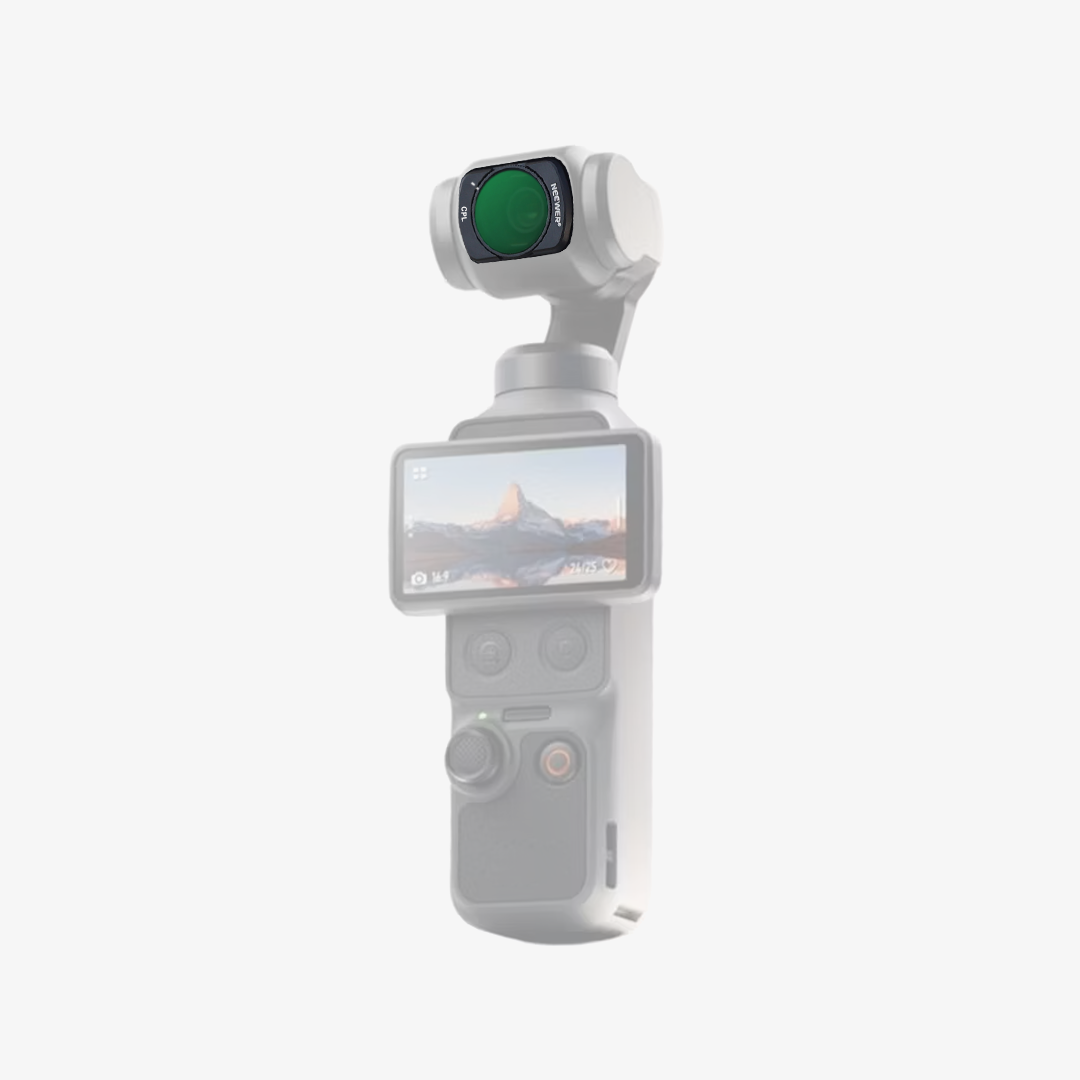
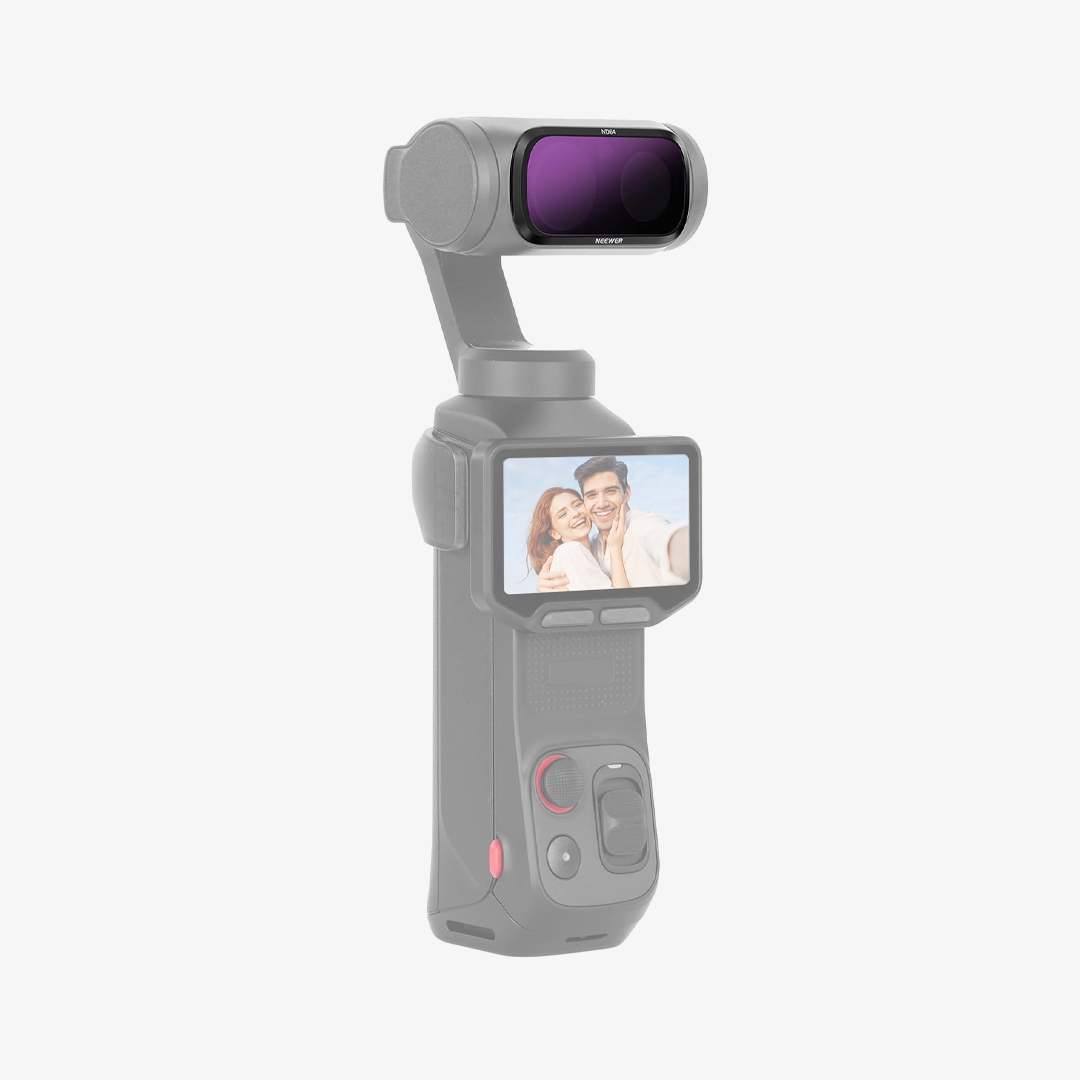
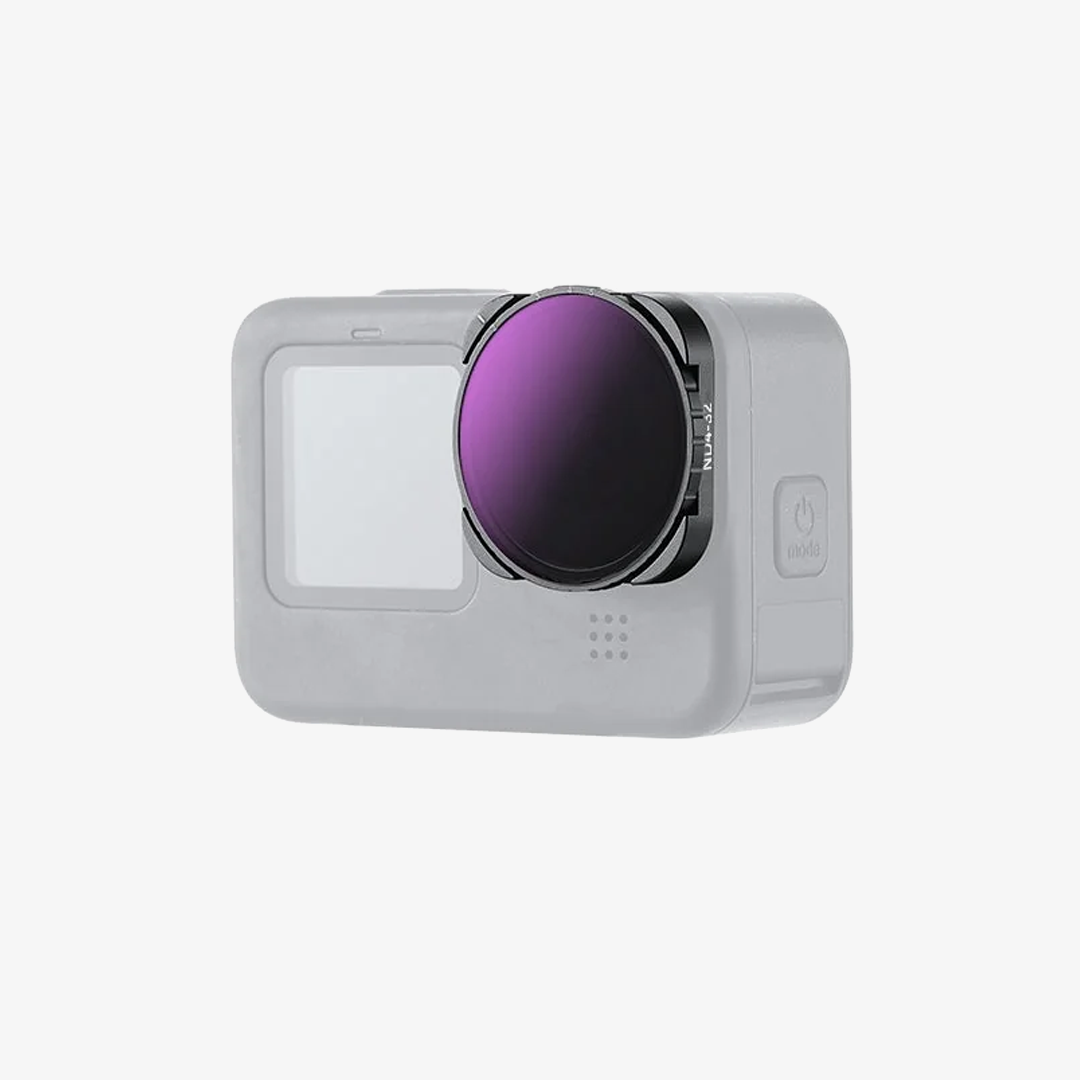
Clip-On Camera Filters give you more control over how light enters your phone's camera.
- CPL Filters: A Circular Polarizing filter helps reduce glare and reflections from surfaces such as water and glass. It can also make colors in outdoor scenes appear more defined, particularly when photographing skies and landscapes under suitable conditions.
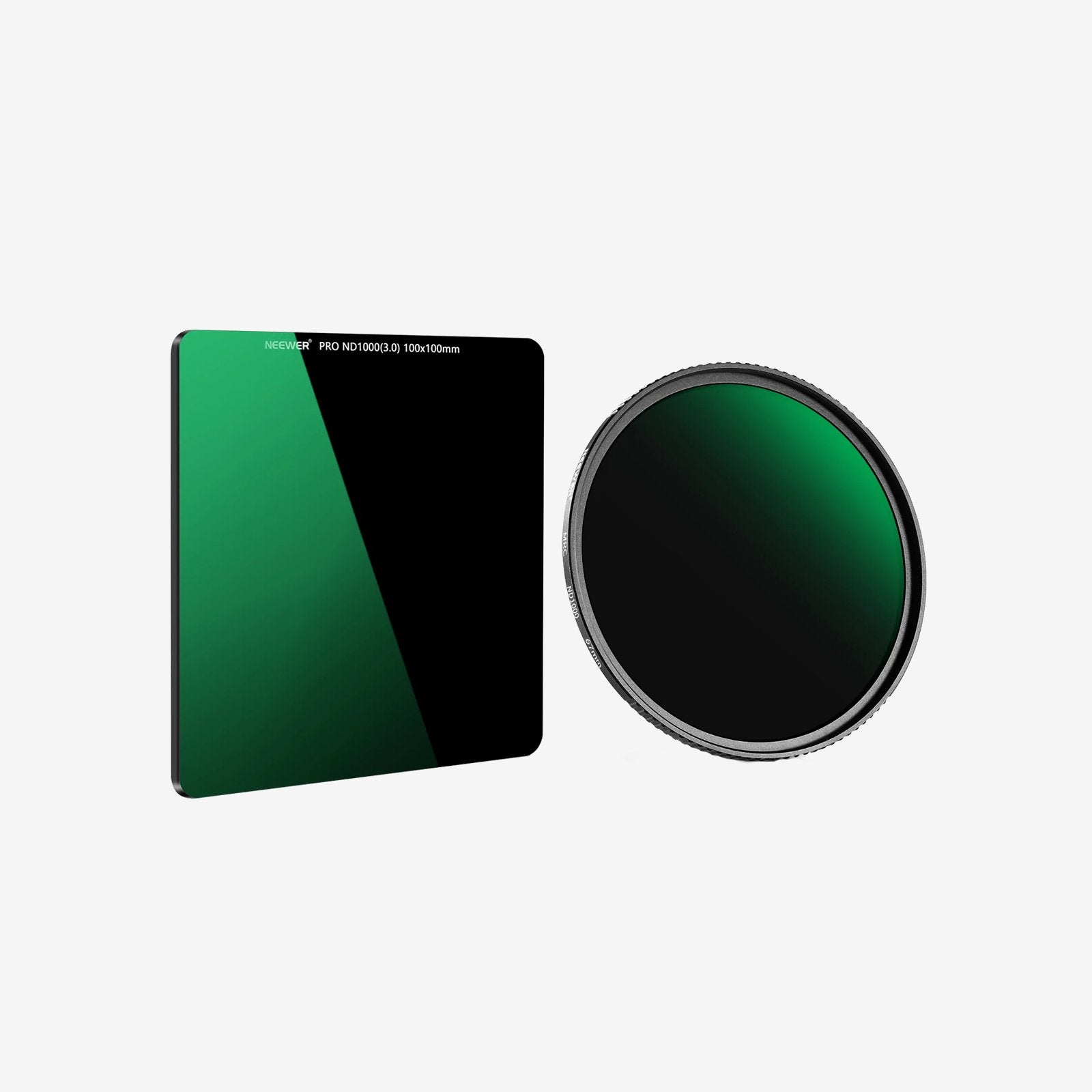
- ND Filters: A Neutral Density filter reduces the amount of light entering the camera. This allows you to use slower shutter speeds in bright conditions, making it useful for long-exposure effects such as smoothing flowing water or capturing movement in clouds.
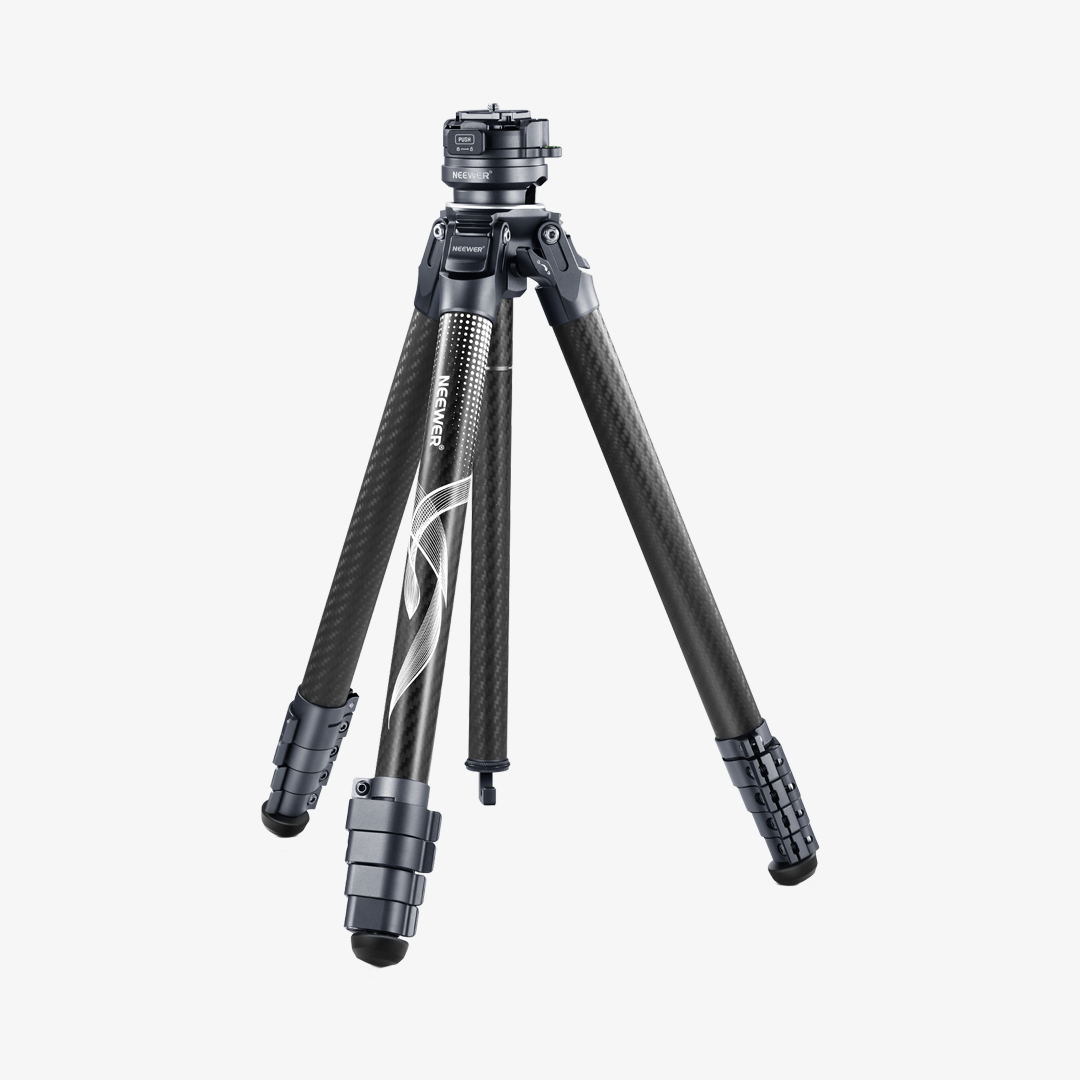
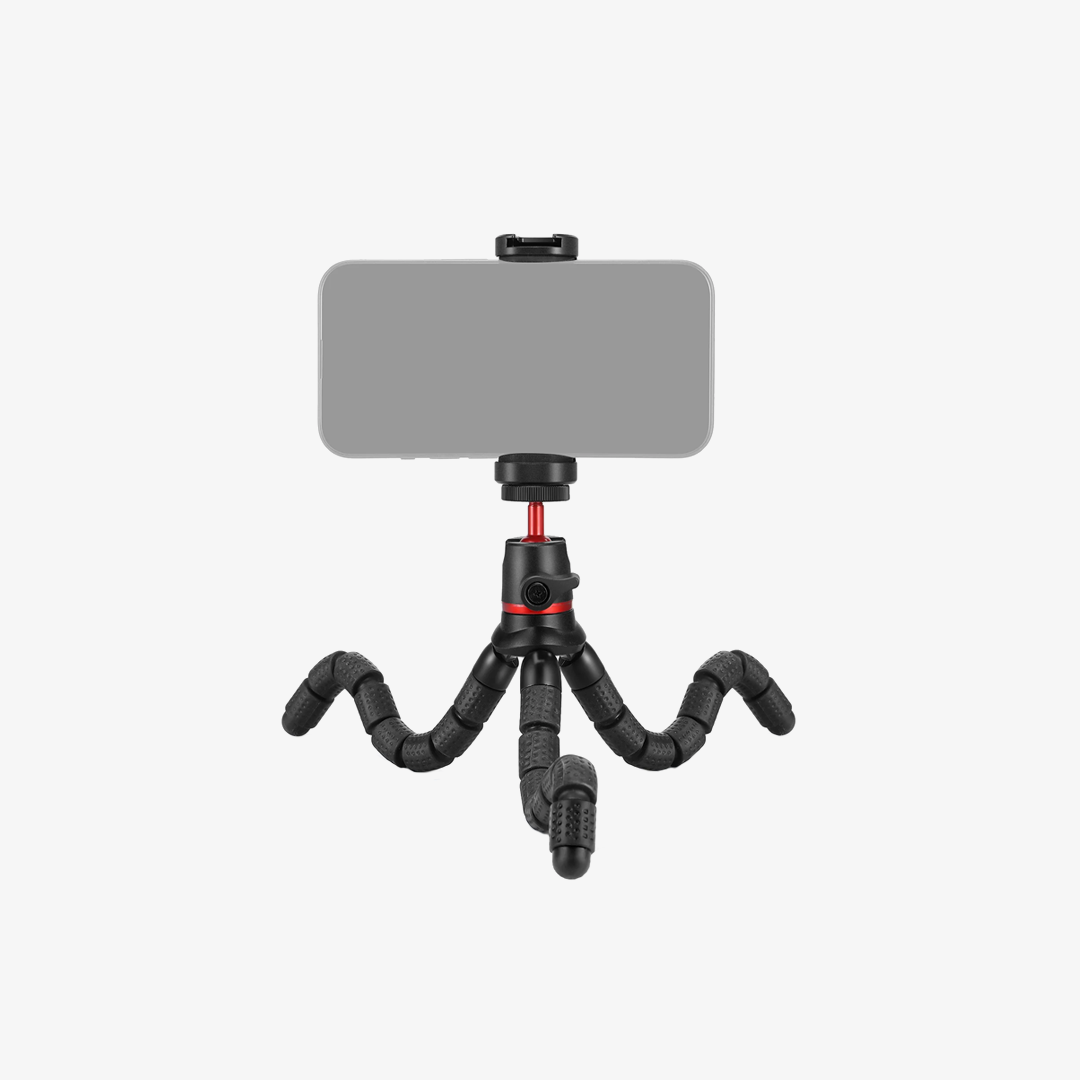
Phone Tripods help keep your phone steady and maintain consistent framing. They're useful for landscape compositions, long exposures, and low-light travel photos. A tripod is also handy for group photos and self-portraits when you don't want to hold your phone.
For outdoor photography, the NEEWER Clip On Filters Kit offers additional filter options for experimenting with different shooting conditions, while the NEEWER TS05 phone tripod provides stable support for landscapes, travel photos, and long exposures.

4. Night and Low-Light Photography
Low-light photography can be challenging because your phone's camera has less available light to work with. Photos may look noisy, subjects can appear too dark, and handheld shots may become blurry when the camera uses slower shutter speeds.
The accessories you need depend largely on what you're photographing.
For nearby subjects and night portraits, additional lighting can make a big difference. An external flash provides a burst of light to brighten people or objects close to the camera. A continuous LED fill light is another option when you want to see the lighting effect before taking the photo.
For distant scenes and night landscapes, a tripod is often more useful than a flash. It keeps your phone steady during longer exposures, helping you capture city lights, illuminated buildings, and other nighttime scenes with less camera shake.
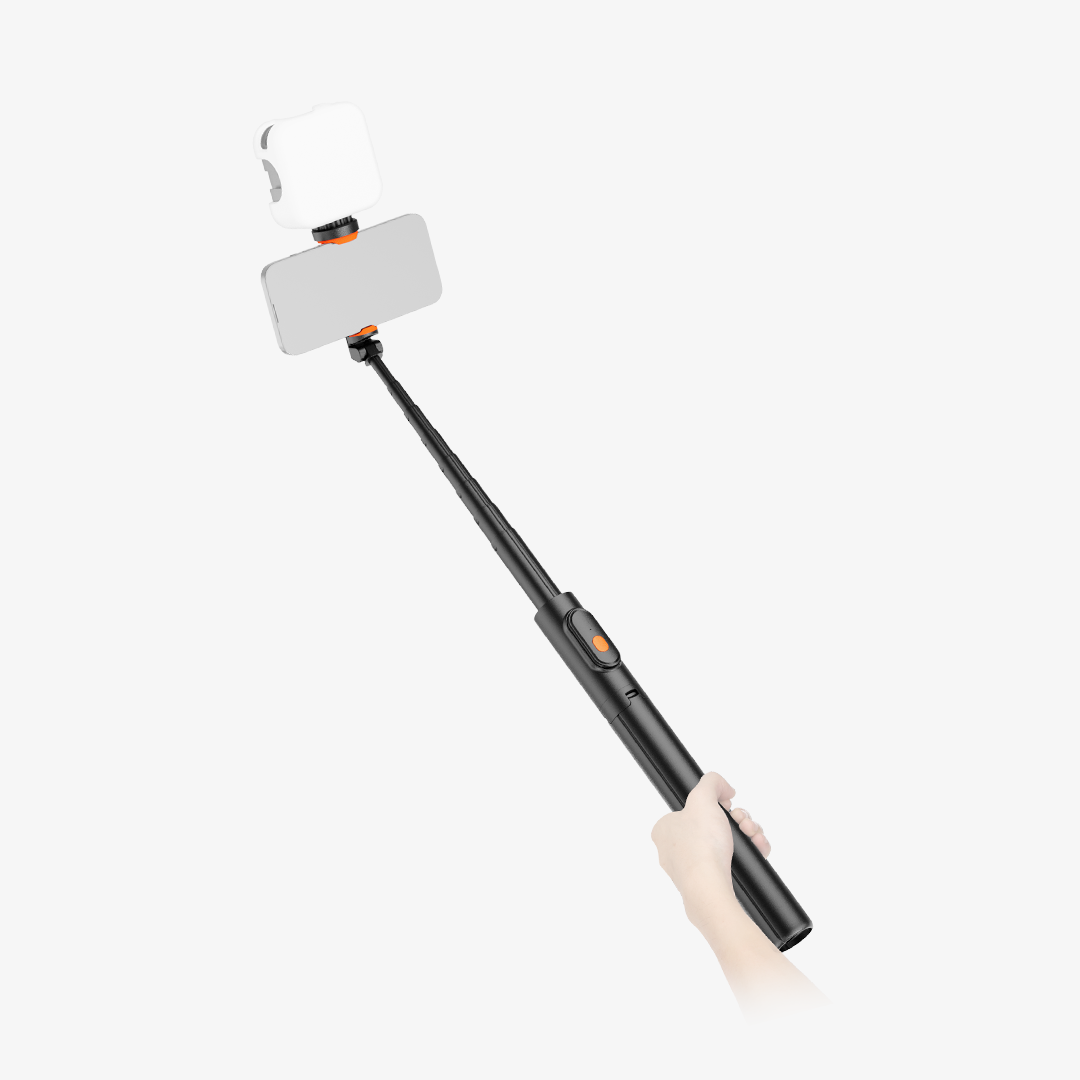
A phone grip can also make handheld shooting more comfortable, especially when you're taking photos for an extended period. Some grips combine a handle with built-in lighting or flash functions, offering a more convenient setup.
The NEEWER PF2 is an option for adding a stronger burst of light to nearby subjects, while the NEEWER HS01 combines a phone grip with built-in LED fill lighting and flash functions in a compact setup.
Keep in mind that a phone flash mainly illuminates nearby subjects rather than an entire night landscape. If you're photographing distant buildings, streets, or the night sky, a tripod and suitable exposure settings are generally more effective.

Phone Photography Accessories at a Glance
Beyond the accessories mentioned above, there are several other tools that can expand what your smartphone camera can do. Here's a quick comparison of common phone photography accessories and the situations they're best suited for.
|
Accessory |
What It Does |
Best For |
|
External Flash |
Adds a burst of light to illuminate nearby subjects |
Portraits, Still Life, Night Photography |
|
LED Light |
Provides continuous lighting that can be adjusted and previewed |
Portraits, Still Life, Video |
|
Macro Lens |
Captures small subjects and fine details at close range |
Close-Up, Still Life, Product Photography |
|
Wide-Angle Lens |
Expands the field of view to fit more into the frame |
Landscapes, Architecture, Travel |
|
Telephoto Lens |
Provides a narrower field of view for distant subjects |
Wildlife, Sports, Travel |
|
CPL Filter |
Reduces reflections and glare from reflective surfaces |
Landscapes, Travel, Outdoor Photography |
|
ND Filter |
Reduces incoming light for more controlled exposures |
Landscapes, Long-Exposure Photography |
|
Phone Tripod |
Keeps the phone steady and maintains consistent framing |
Landscapes, Night Photography, Still Life |
|
Phone Grip / Handle |
Improves handling and makes shooting more comfortable |
Portraits, Travel, Video |
|
Remote Shutter |
Triggers the camera without physically touching the phone |
Self-Portraits, Group Photos, Long Exposures |
|
Gimbal |
Stabilizes the phone during movement |
Travel Videos, Vlogging, Action Shots |
|
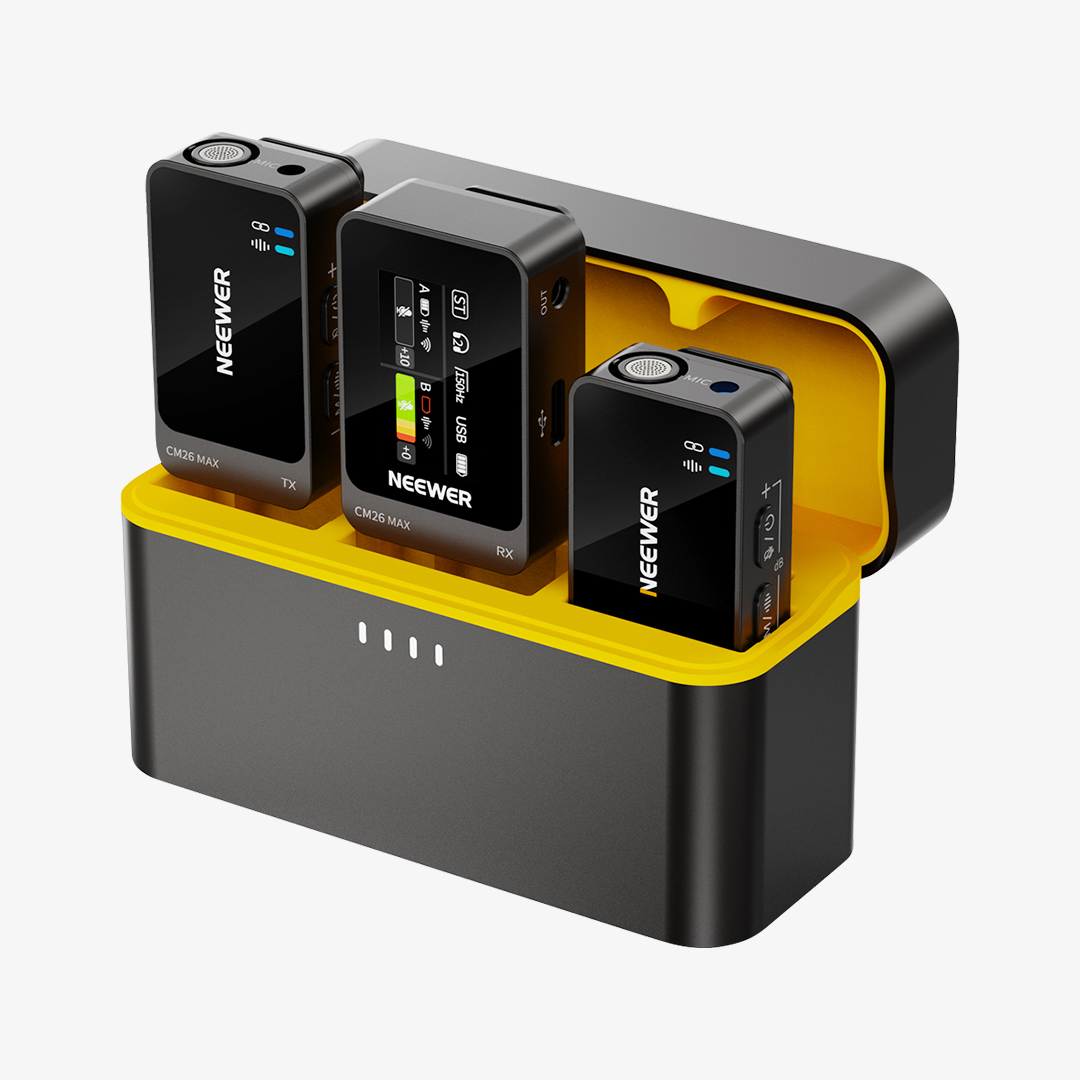
External Microphone |
Improves audio quality when recording video |
Vlogging, Interviews, Video Creation |
Not every accessory is essential for every photographer. For example, a macro lens may be useful if you often photograph small objects, but it won't make much difference if you mainly shoot landscapes. Think about the types of photos you take most often before adding new equipment to your setup.
How to Choose the Right Phone Photography Accessories
With so many accessories available, it's easy to end up buying equipment you rarely use. Instead of choosing accessories based on popularity, start with the limitations you want to overcome.
1. Start with Your Main Photography Style
Think about what you photograph most often. If you mainly take portraits, lighting accessories may be a better investment than external lenses. If you enjoy landscape photography, filters and a tripod are likely to be more useful. For close-up product or nature photography, a macro lens can open up more creative possibilities.
2. Check Compatibility with Your Phone
Not all accessories work with every smartphone. Before purchasing, check the mounting system, phone dimensions, camera position, and lens alignment. Clip-on lenses and filters need to line up correctly with your phone's camera, while wireless accessories may require specific connection methods or app setup.
If you use an iPhone or Android phone, don't assume that an accessory designed for one platform will automatically work with the other. Always check the manufacturer's compatibility information.
3. Consider Portability and Ease of Use
If you frequently take photos while traveling, compact and lightweight accessories are easier to carry. A small LED light or foldable tripod may be more practical than a large setup. For everyday photography, accessories that attach quickly and don't require complicated adjustments are more likely to become part of your regular routine.
4. Avoid Buying Accessories with Overlapping Functions
Some accessories can serve similar purposes. For example, an external flash and an LED light both provide additional illumination, but they work differently. You may not need both if your shooting style only requires one type of lighting.
Likewise, a tripod and a gimbal both help stabilize your phone, but a tripod is better for stationary shots, while a gimbal is designed to stabilize movement. Choose based on how you actually shoot rather than trying to build the biggest possible setup.
FAQs
1. What accessories do I need for phone photography?
The most useful accessories depend on what you shoot. External flashes and LED lights help with lighting, tripods improve stability, clip-on filters offer more control over reflections and exposure, and external lenses expand your close-up or wide-angle shooting options. A remote shutter, grip, or gimbal can also make shooting more convenient.
2. Are external lenses worth it for smartphone photography?
They can be useful if you want to explore specific types of photography, such as macro or wide-angle shooting. However, not every phone needs an external lens. Some smartphones already have multiple built-in camera lenses, so consider whether an external lens offers a capability you actually need. Check the lens quality, mounting system, and compatibility with your phone before buying one.
3. Can I use an external flash with an iPhone or Android phone?
Yes, but compatibility depends on the flash and its connection system. For example, the NEEWER PF2 supports compatible iPhone 15–18 series models through its MFi-certified wireless transmitter and compatible Android phones. Android users need to complete the initial Channel and ID pairing through the NEEWER Flash App before using their phone's native camera to trigger the flash.
4. Do phone camera filters make a difference?
Yes. Different filters can help you achieve effects that are difficult to create through camera settings alone. A CPL filter reduces reflections and glare, while an ND filter reduces incoming light for more controlled exposures and long-exposure effects. The results depend on the filter type, shooting conditions, and how well the filter fits your phone's camera.
5. What is the best accessory for low-light phone photography?
It depends on your subject. An external flash or LED light is useful for illuminating nearby people and objects, while a tripod helps keep your phone steady when photographing night scenes with longer exposures. If you're shooting portraits at night, additional lighting may be more useful. For distant night landscapes, a tripod is usually the better choice.