

Table of Contents
Camera stands provide stable support for your camera, freeing up your hands while keeping your shots steady. Choosing a good stand isn't just about height or price—it requires considering many factors. In this blog, we introduce 4 of the best camera stands and share key points to keep in mind when purchasing, which will help you make an informed decision.
Quick Picks: Camera Stands Comparison Table
|
Model |
Type |
Material |
Max Load Capacity |
Height |
|
TP77 |
2 In 1 Camera Tripod Monopod |
Aluminum Alloy |
34lb/15.4kg |
24-77 inches |
|
M521 |
Mini Tripod |
Aluminum Alloy |
11lb/5kg |
6.7-19.7 inches |
|
NK002 |
Overhead Camera Mount Rig |
Aluminum Alloy |
26.5lb/12kg |
27.2-48 inches(Desktop Stand Height) |
|
ST-200 |
Light Stand |
Metal |
17.5lb/18kg |
28.3-78.7 inches |
Best Camera Stands in 2026
1. NEEWER TP77 2 In 1 Camera Tripod Monopod

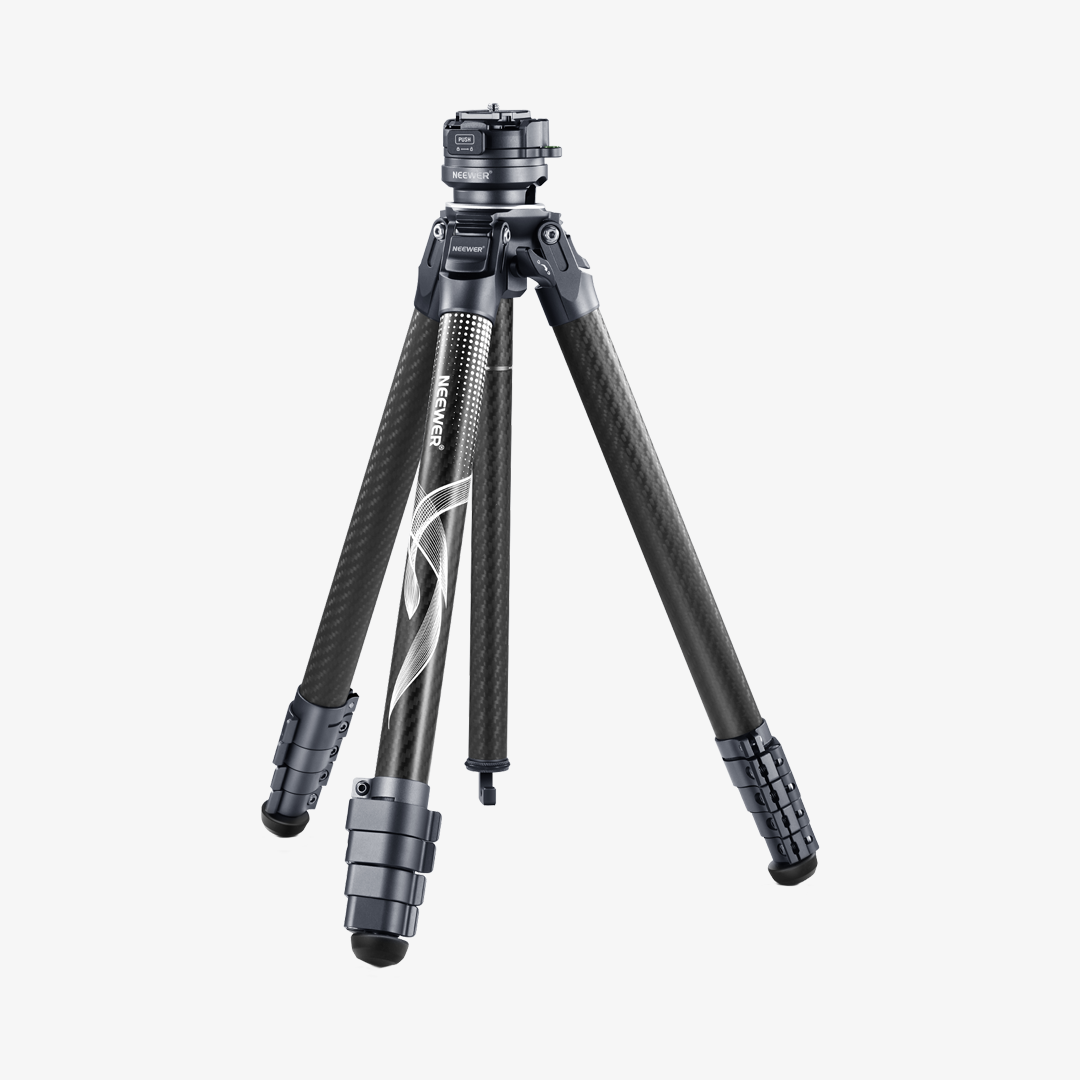
If you frequently shoot outdoors, the NEEWER TP77 is an ideal camera stand for you. Featuring a unique two-section center column design, it offers greater height and can extend from 19 inches to 77 inches in seconds. This tripod provides three adjustable angle settings to accommodate various shooting angles. Plus, weighing only 3.53 pounds, it's incredibly portable.

The NEEWER TP77 2-in-1 Camera Tripod is lightweight yet boasts exceptional stability, with a maximum load capacity of 15.4kg thanks to its precision-engineered aluminum alloy construction. One of the tripod leg tubes can be quickly detached and connected to the center column to transform it into a monopod, offering outstanding versatility.
Pros:
- 360 Degrees Panorama Ball Head
- Transform into a Monopod
- Ultra Stable & Upgraded Design
2. NEEWER M521 Portable Desktop Mini Tripod

The NEEWER M521 is also a camera stand crafted from aluminum alloy, ensuring durability and stability. However, with a net weight of just 700g and a height adjustment range of 6.7 inches to 19.7 inches, this tripod is better suited for macro photography and low-angle shots. If you're seeking a tripod that's more compact, lightweight, and allows for closer shooting distances, it's an ideal choice.

The NEEWER M521 Portable Mini Tripod features a 360-degree rotating ball head equipped with a spirit level and Arca-style quick-release plate, enabling panoramic views. Its non-slip foot pads ensure stability while supporting DSLRs from various brands, including Canon and Nikon.
Pros:
- Solid Construction & Wide Compatibility
- Non-Slip Design
- Panoramic View
3. NEEWER NK002 Overhead Camera Mount Rig

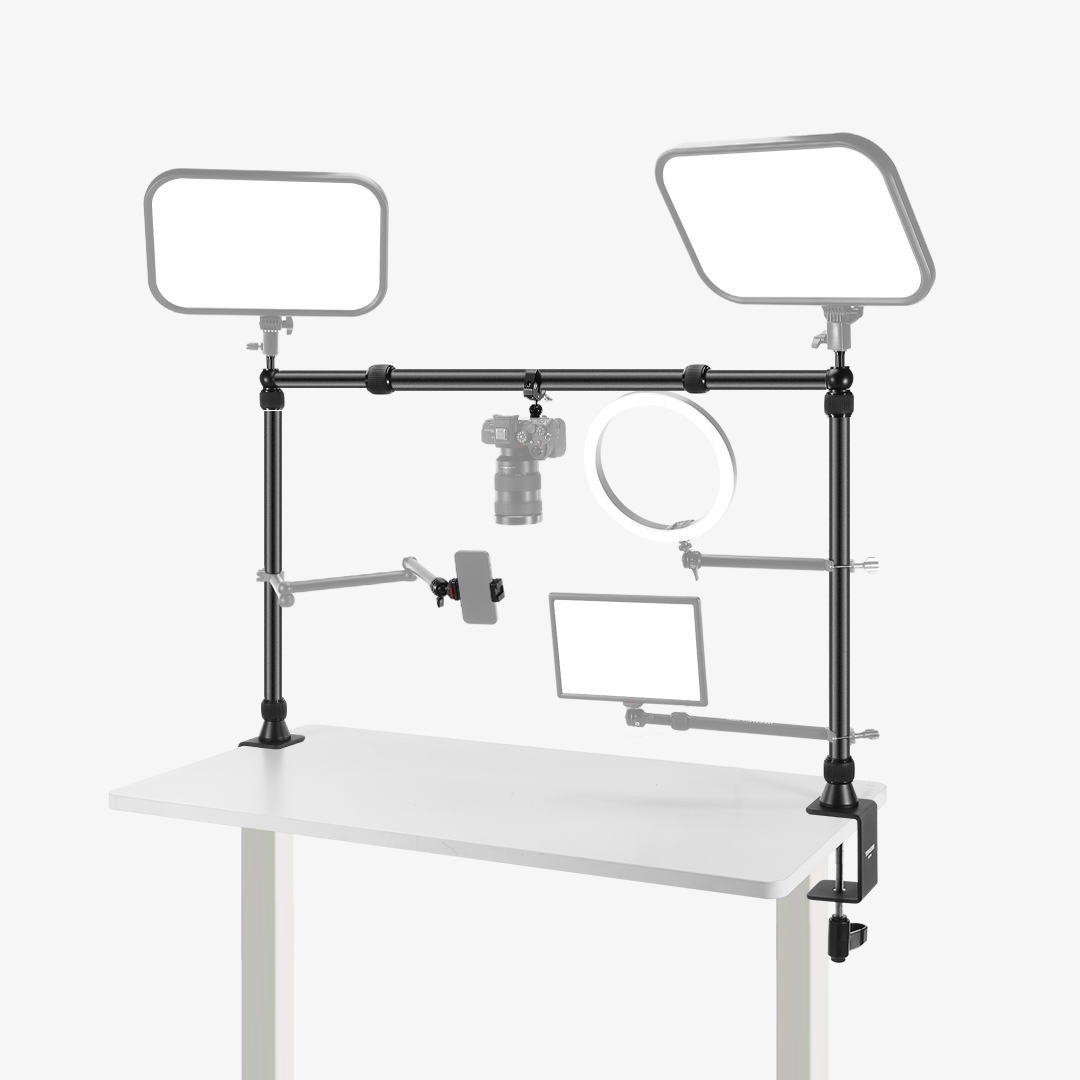
For those who shoot product unboxing reviews, tutorial videos, and live streams on tables, the NEEWER NK002 overhead camera stand rig is a worthwhile investment. Crafted from anodized aluminum alloy, it features tubes up to 28mm in diameter and supports a maximum load of 12 kilograms. It saves valuable desktop space, alleviating the frustration of a limited workspace.

The NEEWER NK002 overhead camera stand rig not only secures your camera but also accommodates accessories like LED lights, microphones, and monitors to elevate the quality of your videos and live streams. You can further expand its functionality by adding optional telescopic arms. Additionally, it features a flexible 360° dual ball head that allows for precise angle adjustments, meeting all your overhead shooting needs.
Pros:
- DIY Overhead Top Down Platform
- Quick & Easy Assembly
- Flexible Dual Ball Head Super Clamp
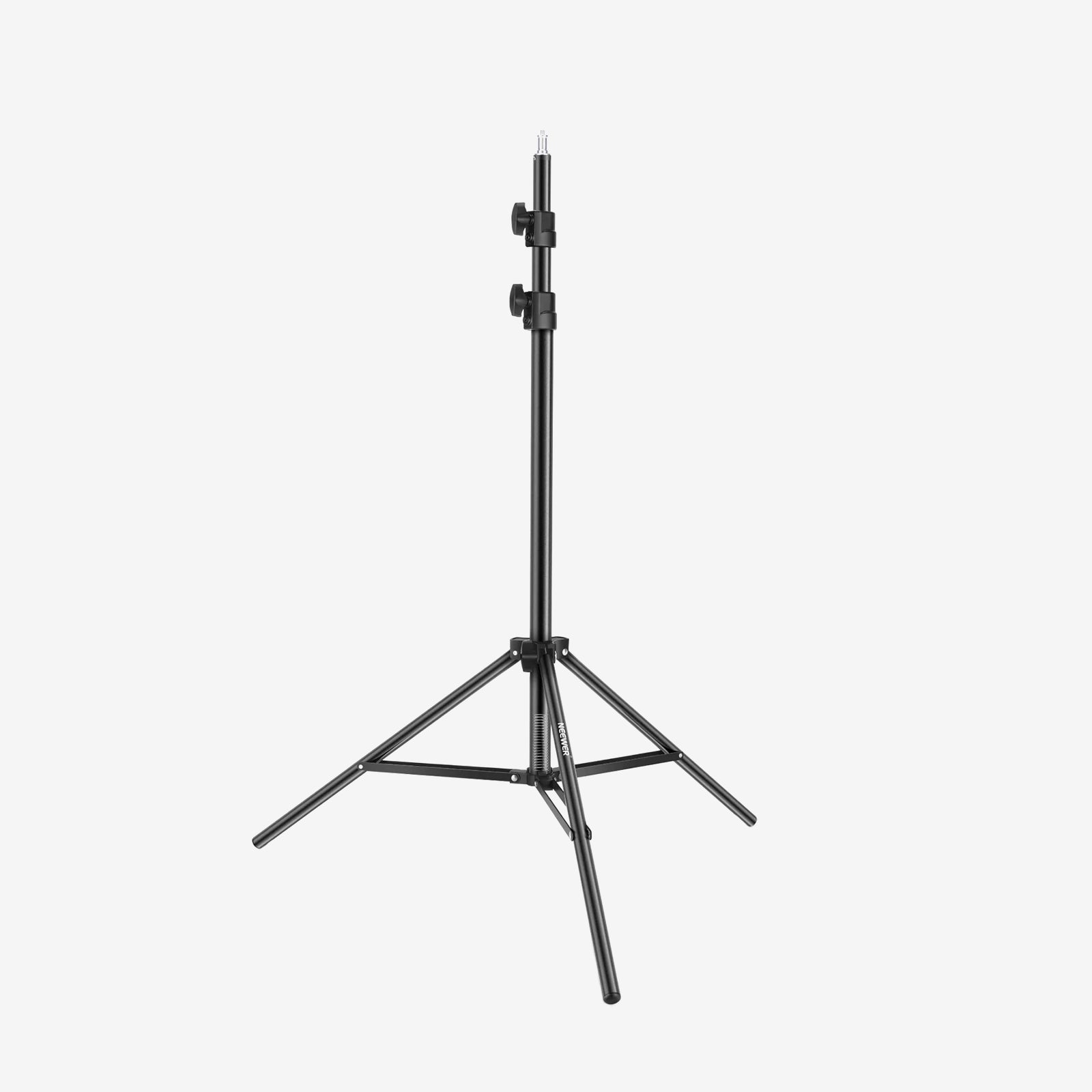
4. NEEWER ST-200 Photography Light Stand

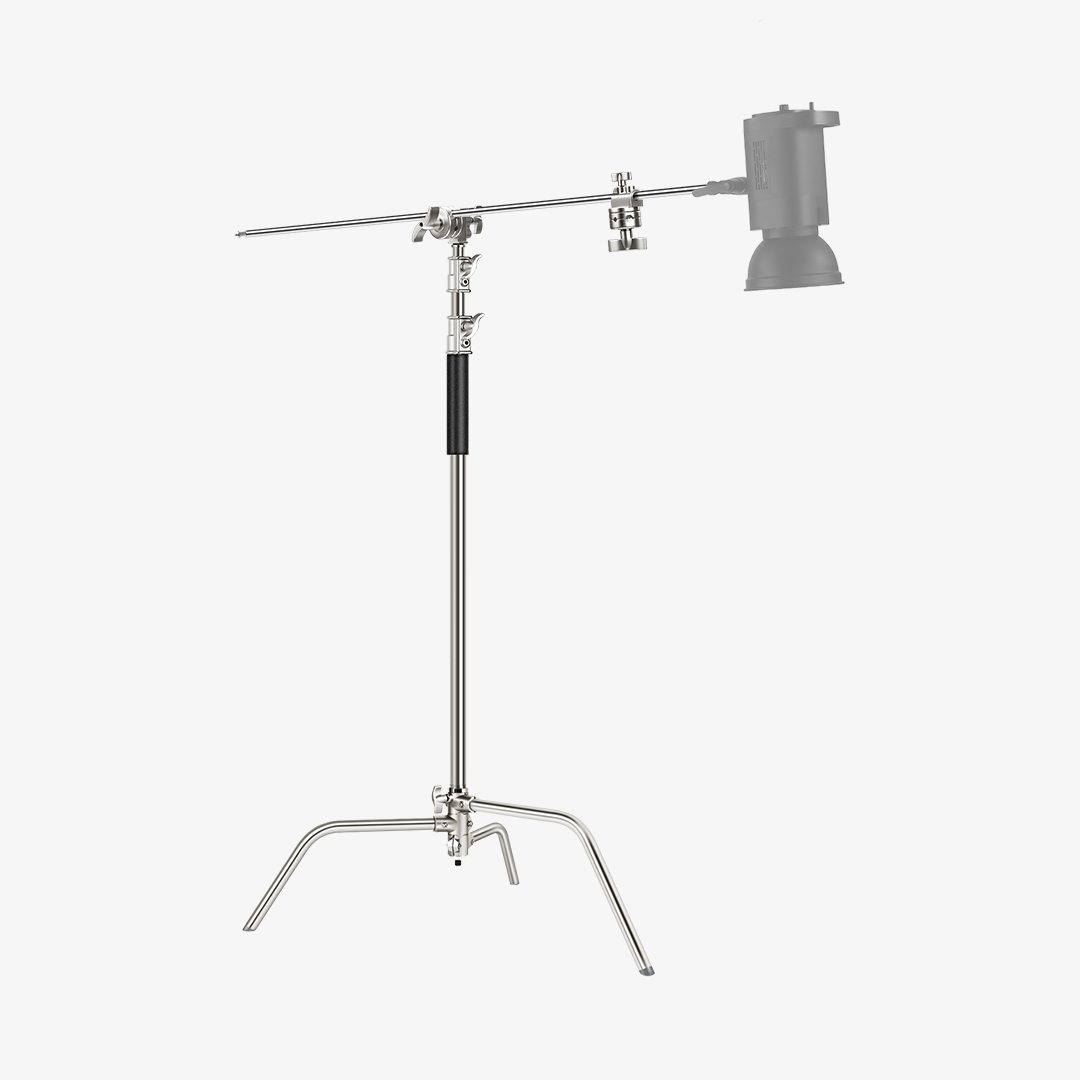
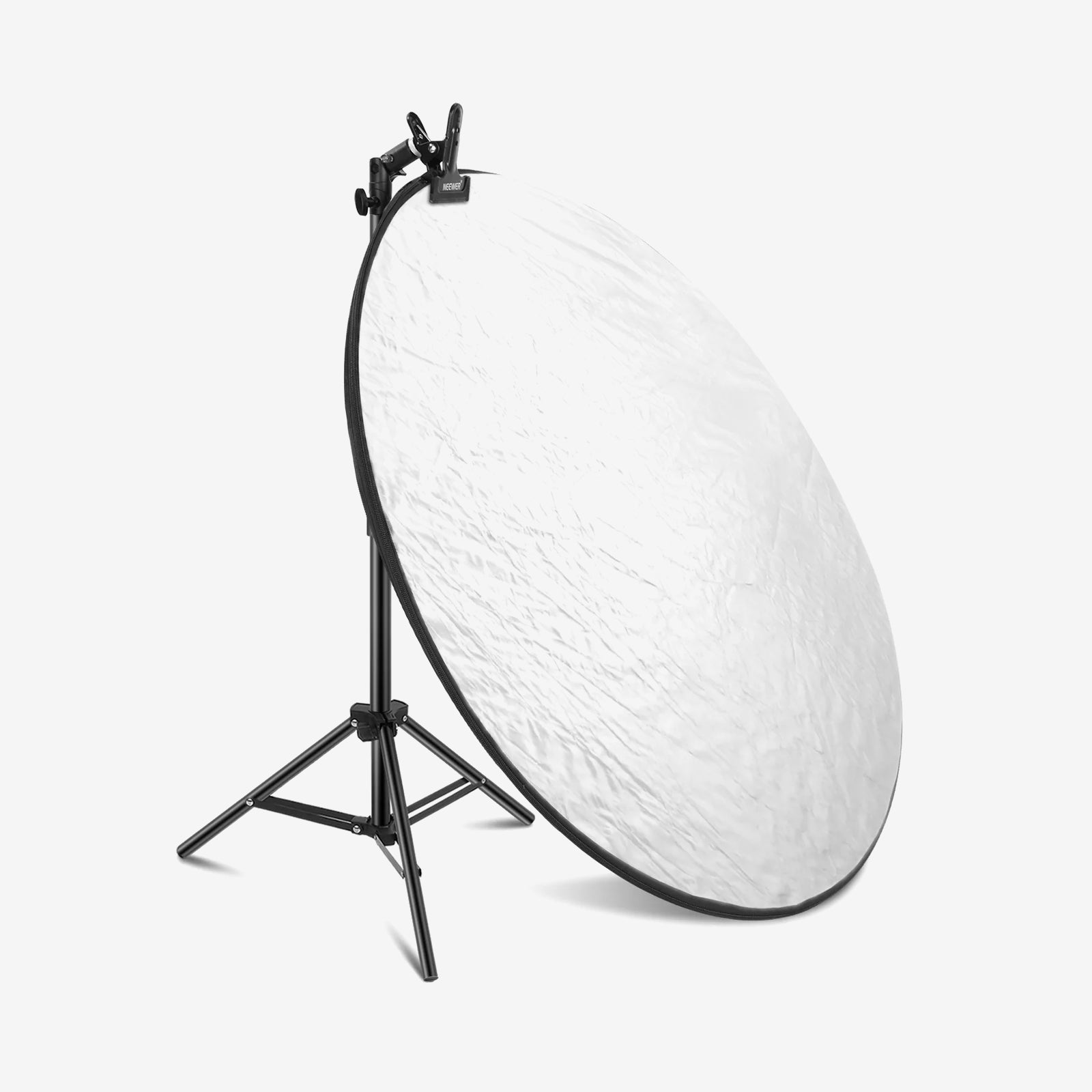
The NEEWER ST-200 is a photography light stand equipped with a 1/4'' screw interface, making it compatible with most studio photography equipment. It can be used to mount flashes, reflectors, and other accessories, while also providing support for cameras, making it a highly practical camera stand.
The NEEWER ST-200 photography light stand features solid metal construction, making it exceptionally sturdy and durable. You can fully trust its stability for heavy-duty tasks. Its locking mechanism is also extremely secure and reliable, ensuring the safety of your camera and other lighting equipment during use. The legs of this camera stand fold up for easy storage when needed.
Pros:
- Built-in Buffer Spring
- Widely Compatible
- Lightweight yet Strong for Heavy Duty Work
Tips for Choosing the Right Camera Stand
1. Match the Camera Stand Type to Your Shooting Style
Choose a stand based on how you actually shoot day-to-day. Different stand types serve different purposes. Pick the style that fits your real workflow.
- Tripod: Best all-around stability for photo and video.
- Monopod: Great for sports, wildlife, and run-and-gun shooting.
- Light Stand: Ideal for mounting lights, microphones, or accessories.
- Overhead Camera Stand: Perfect for flat lays, product shoots, and crafting videos.
2. Look at the Build Materials
Material choice changes how sturdy and portable the camera stand feels. Pick the material that matches how portable or rugged you need your stand to be.
- Aluminum: Affordable, strong, slightly heavier.
- Carbon fiber: Lighter and great for travel, more expensive.
- Steel: Heavier but extremely reliable in studio settings.
3. Check the Weight Capacity
Your camera stand should support far more than the weight of your camera body, lens, and accessories. A good rule is choosing a stand that can handle at least 1.5× your total setup. This keeps the camera from slowly dipping, shifting, or loosening during longer shoots. Higher capacity also means fewer stability issues when you upgrade gear later.
4. Consider the Height Range
A useful camera stand gives you both low-angle and overhead flexibility. Make sure the minimum height works for ground-level shots and the maximum height reaches what you need for portraits, interviews, or flat-lays. Tripods usually offer a wide range, while light stands reach higher but don’t go very low. Knowing your shooting angles helps you pick the right range.
5. Look for Accessory Compatibility
Camera stands become more versatile when they work with more tools. Useful features include:
- 1/4"-20 and 3/8"-16 threaded mounts
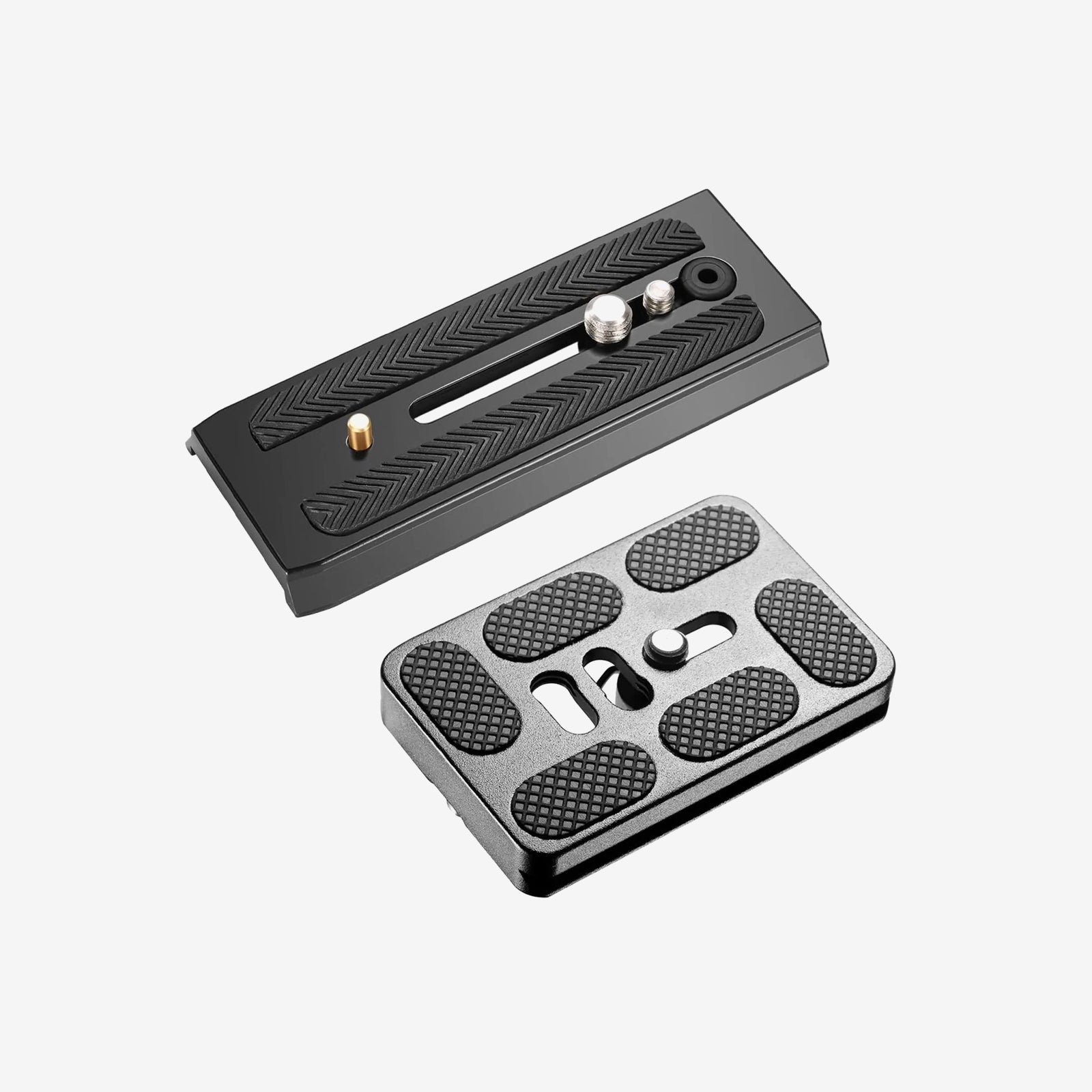
- Quick-release systems
- Cold shoe mounts
- Phone clamps
- Boom arms or extension arms
6. Check Stability Features
Good stability comes from more than just thick legs. Look for:
- Rubber or spiked feet (for outdoor traction)
- Adjustable leg angles
- Weight hooks for added counterbalance
- Center spreader or mid-level spreader (on light stands)
These small touches make a noticeable difference in shot sharpness.
7. Pay Attention to the Head Type
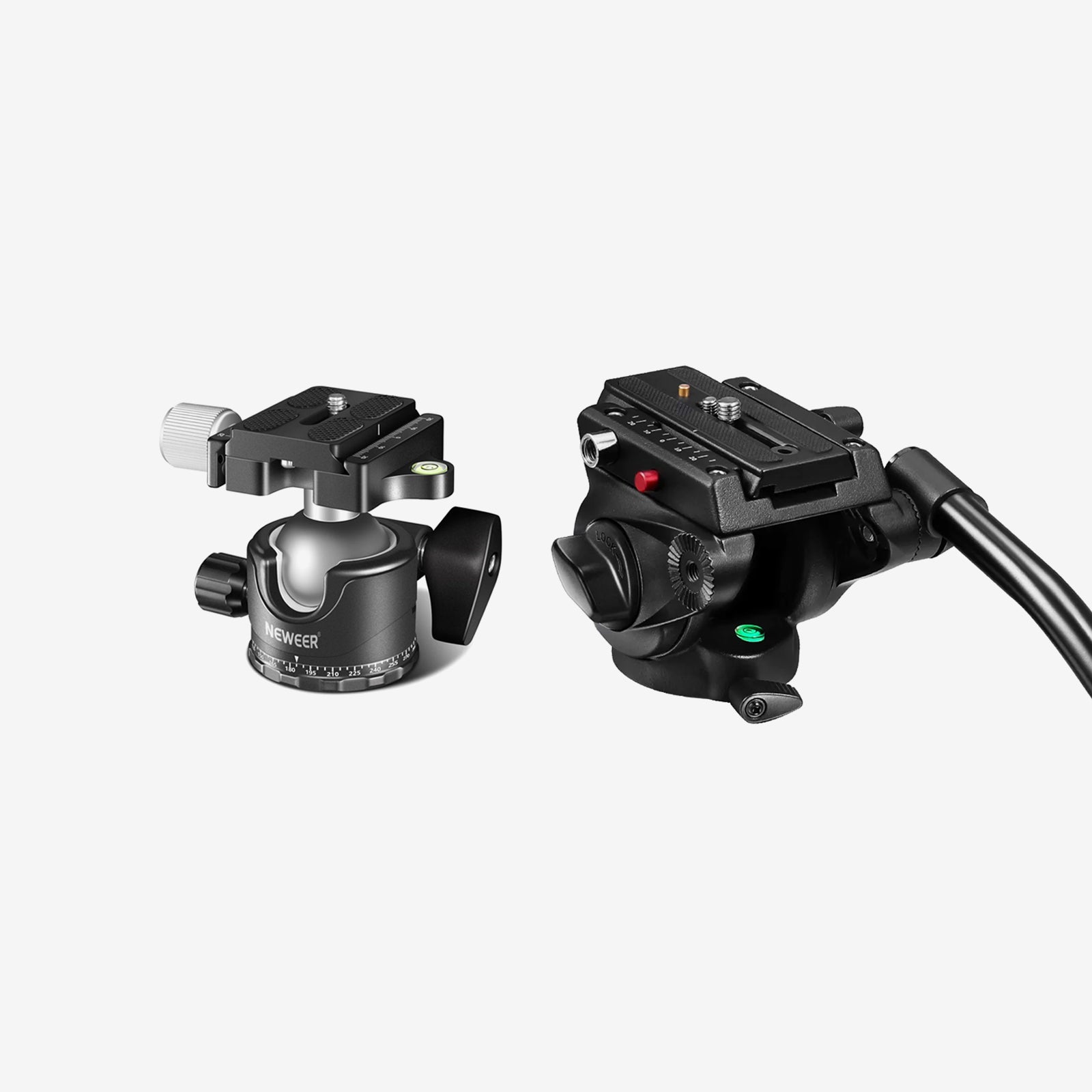
The head affects how smoothly and quickly you can adjust your framing. Ball heads are fast for photography, while three-way pan heads help with precise architectural or product shots. Fluid heads provide the smoothest motion for video. Some Camera stands don’t include a head, so you’ll need to make sure the mounting thread matches what you plan to use.