



Table of Contents
A softbox is a light modifier that softens and diffuses light from a continuous light or flash, creating smoother transitions between highlights and shadows. It's commonly used in portrait photography, product photography, and video production to create more flattering, controlled lighting.
Softboxes come in different shapes and sizes, each suited to different shooting needs. They can be used as a key light, fill light, or rim light, depending on how they're positioned.
In this guide, we'll explain what a softbox is, how it's used, and how it compares with umbrellas and beauty dishes.
What Is A Softbox?

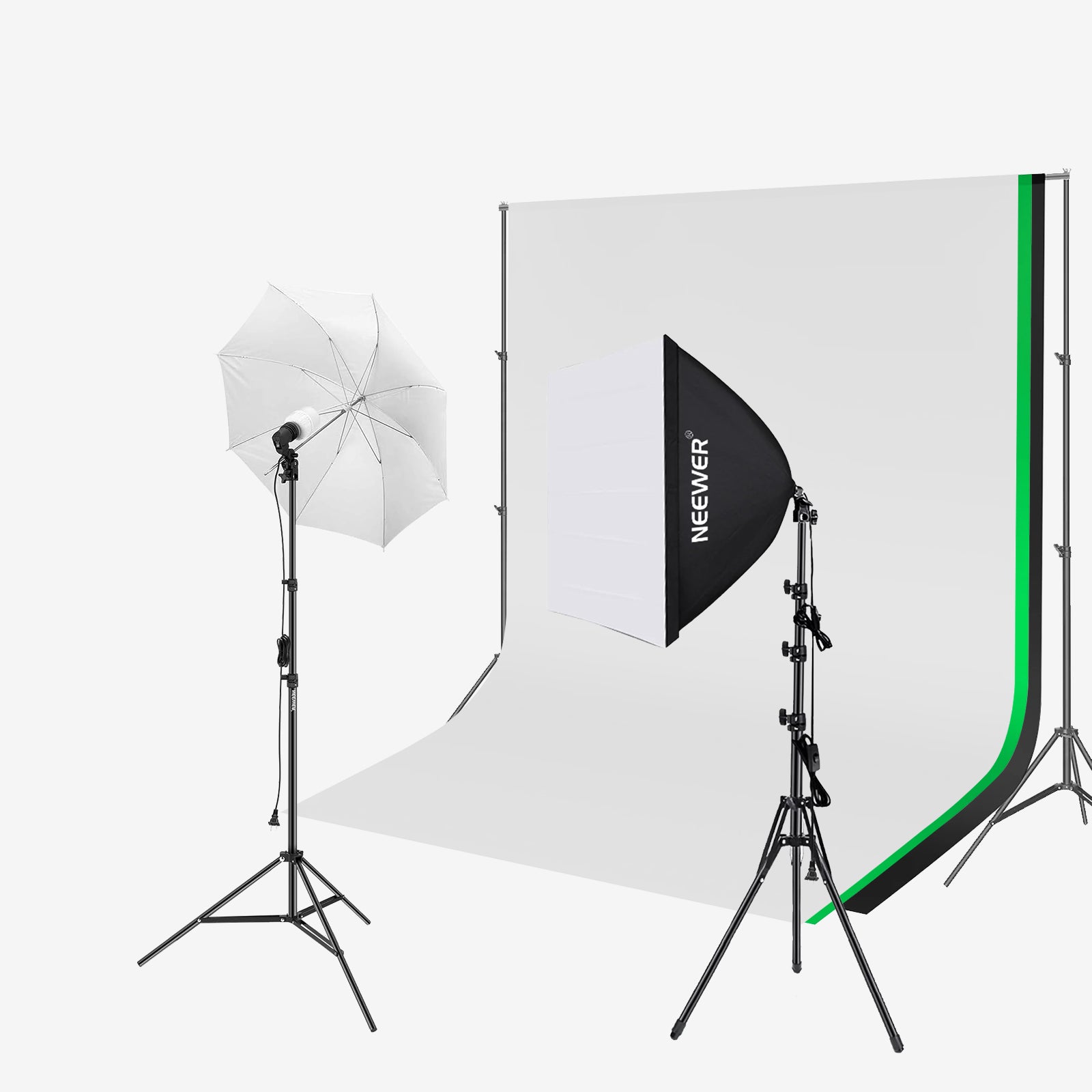
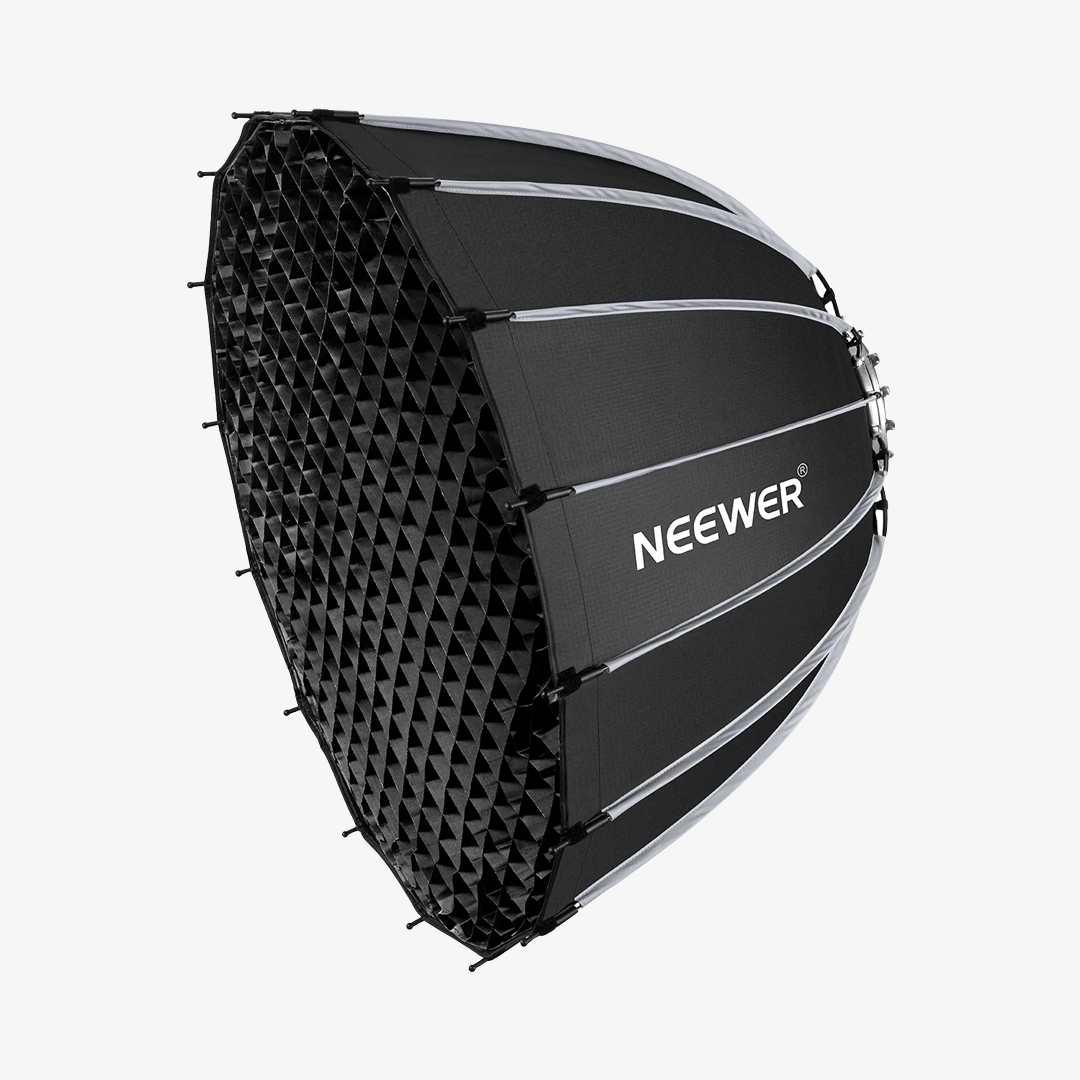
Softboxes are light modifiers used in photography, videography, and filmmaking to create soft, diffused light. They typically feature a reflective interior and a translucent front diffusion panel, with shapes ranging from rectangular and square to octagonal and strip-shaped.
The reflective interior directs light toward the diffusion panel, which spreads it across a larger area. This helps soften shadows and create smoother transitions between light and dark areas. A softbox doesn't produce light on its own; it works with a compatible continuous light or flash.
Softboxes are commonly used for portraits, product photography, interviews, and other setups where controlled, flattering light is important. The size of the softbox and its distance from the subject also affect how soft the light appears.
What Is A Softbox Used For?

1. As a Key Light
A softbox is often used as the main light source for a subject. In portrait photography, placing it slightly to one side of the subject can create natural-looking highlights and shadows while keeping the light flattering. For product photography, it can help illuminate the subject evenly and reveal details without overly harsh reflections.
2. As a Fill Light
A softbox can also serve as a fill light to reduce shadows created by the key light. By placing it on the opposite side of the subject at a lower brightness, you can soften dark areas without removing all the contrast. This is useful for interviews, portraits, and video shoots where you want a balanced but still dimensional look.
3. For Controlling Shadows and Reflections
The size and position of a softbox affect the way light falls on a subject. A larger light source positioned closer to the subject generally creates softer shadows, while adjusting its angle can help control reflections on products, glass, and other reflective surfaces. A grid can further limit light spill when you need more directional control.
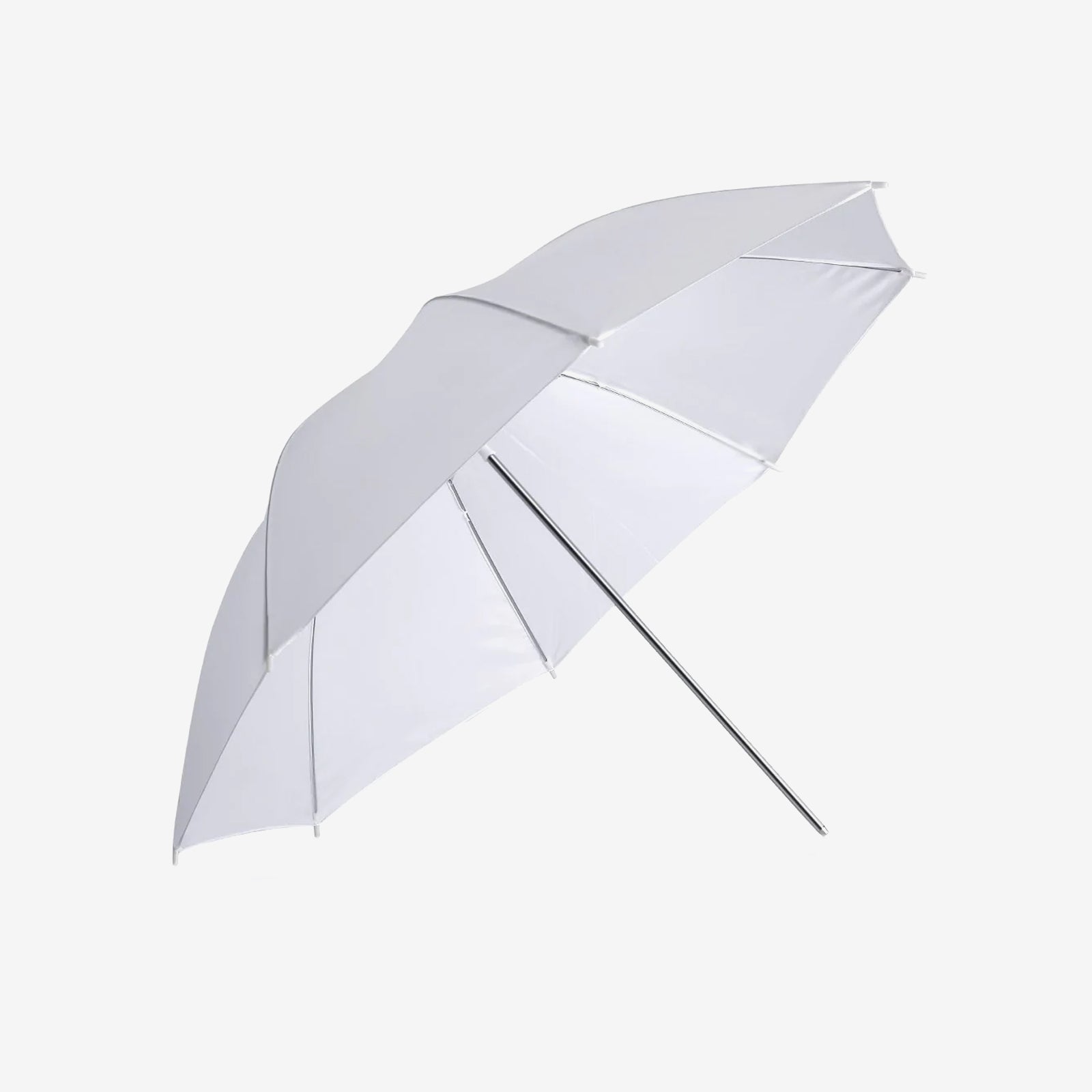
Softbox vs. Umbrella
|
Feature |
Softbox |
|
|
Light Quality |
Soft, even, and directional light with controlled spill |
Wide and less controlled light; can create soft light, but typically offer less control over light spill |
|
Light Control |
Offers excellent control over direction and focus |
Minimal control; light spreads broadly |
|
Setup Time |
Slower to assemble; more components |
Quick and easy setup; beginner-friendly |
|
Portability |
Portability depends on size and design; collapsible models are available |
Lightweight and portable |
|
Cost |
Costs vary by size, construction, and mounting system |
More affordable |
|
Shapes Available |
Rectangular, square, octagonal, strip |
Mostly round |
|
Best Use Cases |
Portraits, product photography, and controlled setups |
Group shots, large areas, and quick setups |
|
Space Requirements |
Works well in small studio spaces |
can spread light more broadly, which may require more control over the surrounding area |
|
Flexibility |
Can be used with grids for enhanced control |
Limited modification options |
Quick Tip: Choose a softbox when you want more control over light direction and spill. An umbrella is a convenient option when you need quick setup and broad, soft illumination.
Softbox vs. Beauty Dish
|
Feature |
Softbox |
|
|
Light Quality |
Soft, diffused light with an even spread |
Semi-soft light with more contrast and defined edges |
|
Light Control |
Can limit spill, especially when used with a grid |
Focused, directional light with dramatic fall-off |
|
Setup Time |
Moderate; requires assembly and placement |
Usually quick to set up once compatible with the light |
|
Portability |
Portability depends on size and design; collapsible models are available |
Compact and easy to transport |
|
Cost |
Varies; affordable options available |
Pricing varies by design and size |
|
Best Use Cases |
Portraits, product photography, group shots |
Beauty, fashion, and headshots |
|
Effect on Catchlights |
Rectangular or octagonal catchlights |
Typically produces circular catchlights |
|
Shadows |
Soft, less pronounced shadows |
More defined, sculpted shadows |
|
Coverage |
Broad and even coverage |
Narrower and more focused coverage |
Quick Tip: Use a softbox for soft, evenly spread light with flexible coverage. Choose a beauty dish when you want more defined shadows and a sculpted look, especially for beauty and fashion portraits.
Types of Softboxes

|
Type |
Shape |
Key Features |
Ideal Uses |
|
Rectangular |
Rectangle |
Mimics natural sunlight; versatile and widely used. |
Portrait photography, product photography, e-commerce shoots. |
|
Octagonal (Octabox) |
Octagon |
Creates soft, wraparound light; produces circular catchlights. |
Portrait photography, fashion photography, beauty photography. |
|
Strip |
Long and narrow |
Provides controlled, directional lighting; highlights specific areas. |
Rim lighting, edge highlights in product photography, separating subjects from the background. |
|
Square |
Square |
Symmetrical light spread; compact and even illumination. |
Food photography, tabletop photography, and small product shoots. |
|
Parabolic |
Deep and round |
Deep design can offer more directional control, depending on the light source position and modifier design; offers precise control and dramatic effects. |
High-fashion photography, editorial shoots, commercial photography. |
|
Portable / Collapsible Design |
Varies (foldable) |
Lightweight and easy to transport; quick setup for outdoor or on-location shoots. |
Travel photography, outdoor photography, and location-based video shoots. |
What Size Softbox Do You Need for Group Photos?

The right softbox size for group photos depends on the number of people, how far the light is from the subjects, and whether you're shooting headshots or full-body portraits. A larger softbox can cover a wider area, while moving it closer generally creates softer light. However, you'll also need to consider how evenly the light reaches everyone in the frame.
- 36-inch (90 cm) Softbox: A practical option for small groups or tighter shooting spaces, depending on the distance and framing.
- 42-inch (105 cm) Softbox: Offers a middle ground between coverage and portability for small group portraits.
- 48-inch (120 cm) Softbox: Can provide broader coverage for larger groups, especially when positioned to illuminate subjects across the frame.
These sizes are starting points rather than fixed rules. For larger groups or full-body shots, you may need a larger modifier, a greater working distance, or more than one light to achieve even coverage.
FAQs
Do All Softboxes Fit All Lights?
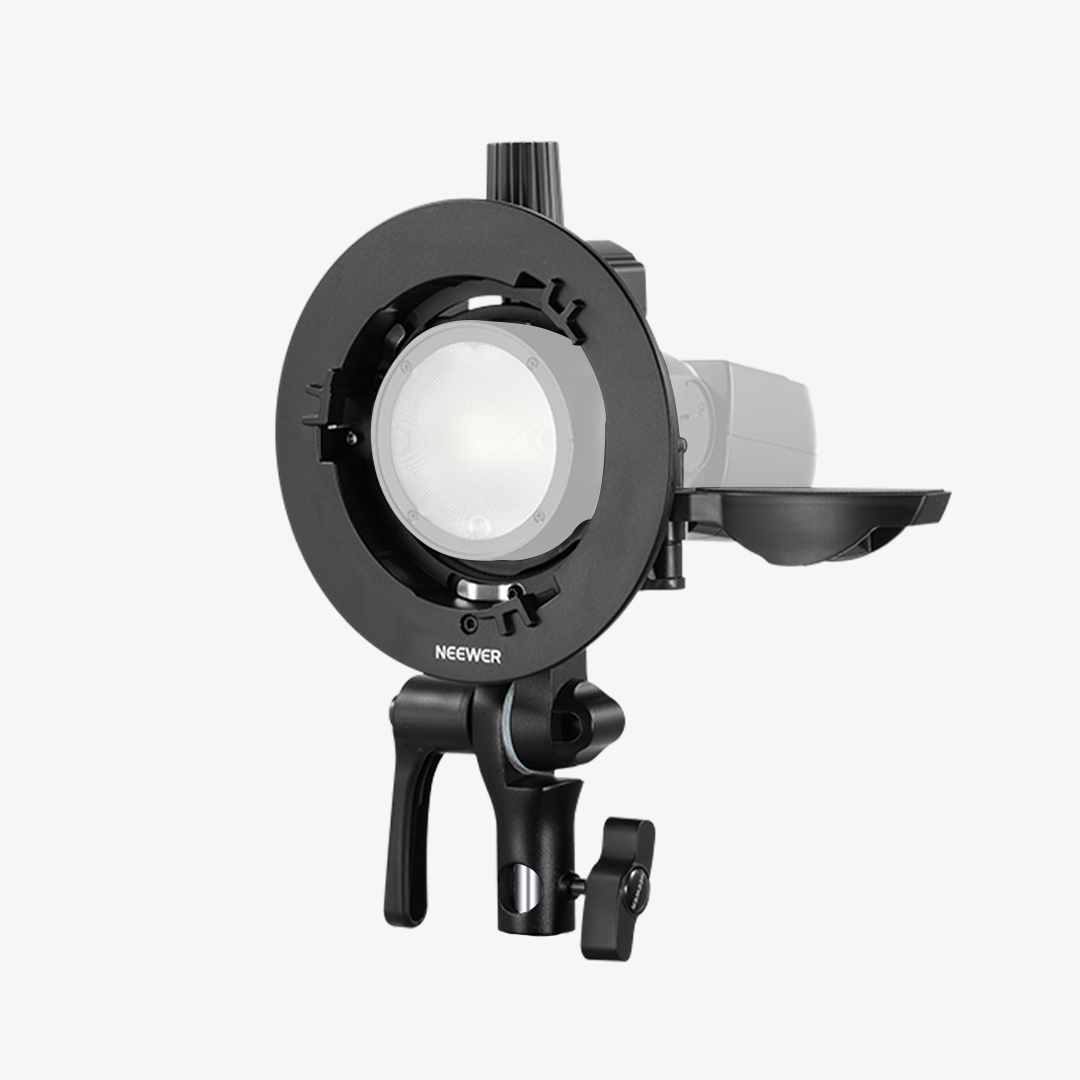
No. Softbox compatibility depends on the mounting system and light design. Check the mount type before purchasing, and use a compatible adapter if needed.
What Light Is Best for a Softbox?
Continuous LED lights are ideal for video and photography setups where you need to see the lighting effect in real time. For still photography, compatible studio flashes and speedlights are also good options.
Do I Need a Softbox for Photography?
Not necessarily, but a softbox is useful for creating soft, controlled lighting, especially in portrait and product photography. Natural light, reflectors, and umbrellas are also alternatives depending on your setup.





Comments
Great blog—your explanation of how softboxes create soft, even lighting and reduce harsh shadows makes it easy for beginners to understand and apply.