

Table of Contents
Macro photography equipment allows you to capture small subjects with a level of detail and helps overcome common challenges such as shallow depth of field, camera shake, and insufficient lighting. In this blog, we cover the 4 best macro photography equipment and share tips for choosing the right one, which hope it can help you improve shooting efficiency.
What Macro Photography Equipment Do You Need?
|
Equipment |
Purpose |
Need Level |
|
Provides true macro magnification and close focusing capability. |
Must-Have |
|
|
Camera |
Captures the image and supports macro photography settings. |
Must-Have |
|
Adds light to reveal fine details and improve image quality. |
Recommended |
|
|
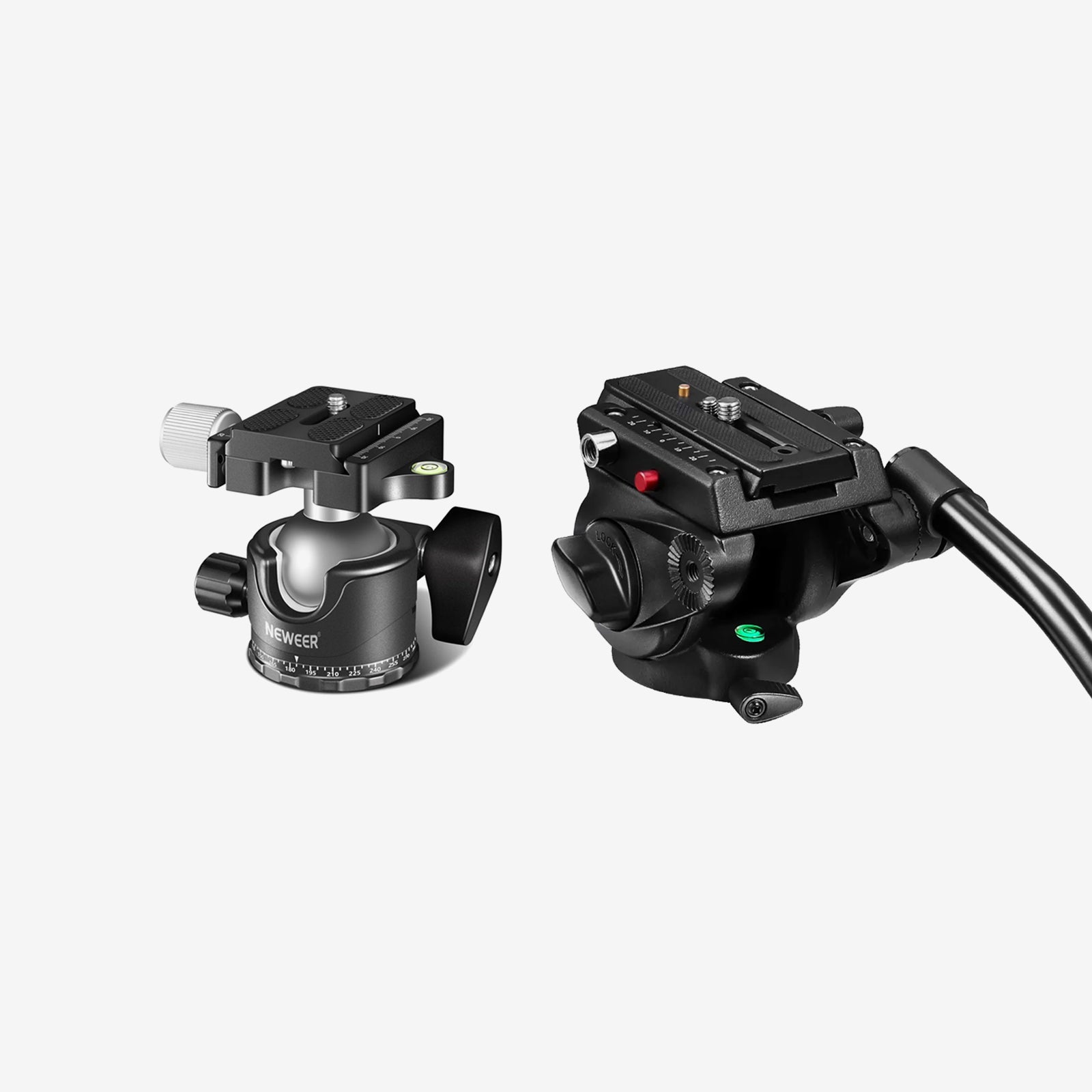
Reduces camera shake and improves sharpness. |
Recommended |
|
|
Extension Tubes |
Increase magnification without purchasing another lens. |
Optional |
|
Close-Up Filters |
Allow standard lenses to focus closer. |
Optional |
|
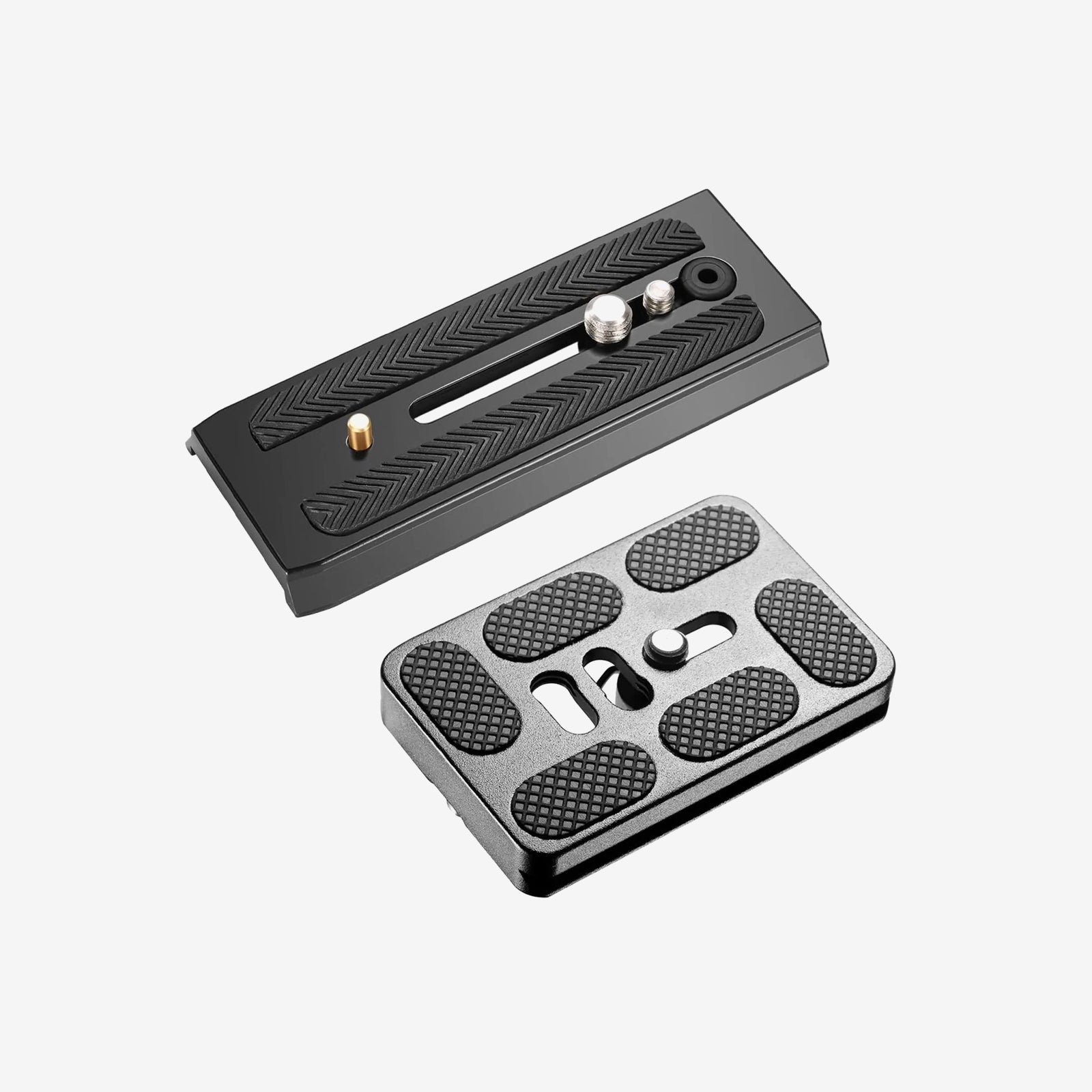
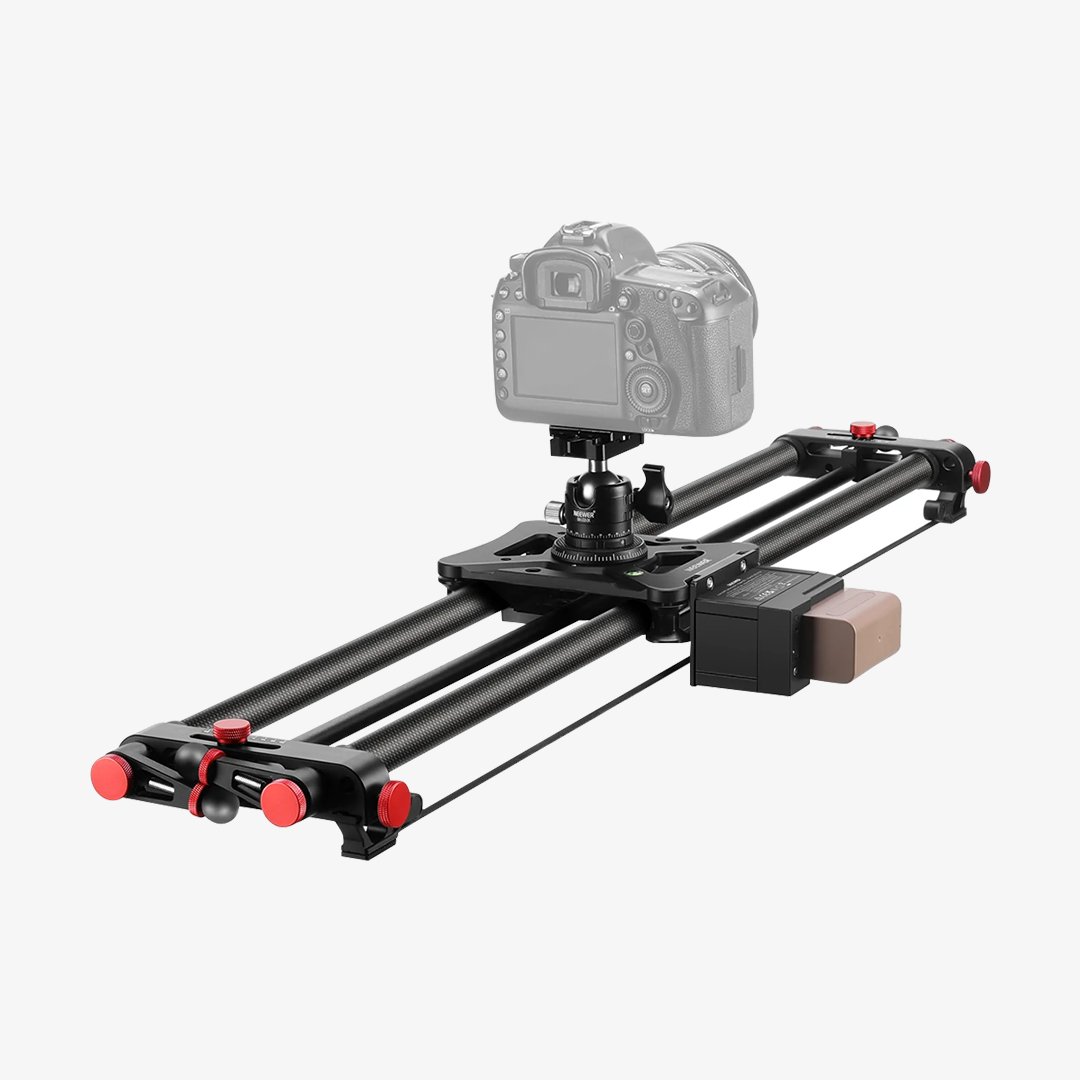
Focusing Rail |
Enables precise focus adjustments for high-magnification work. |
Optional |
Recommended Equipment for Macro Photography
1. Best Macro Photography LED Light: NEEWER BASICS ML01

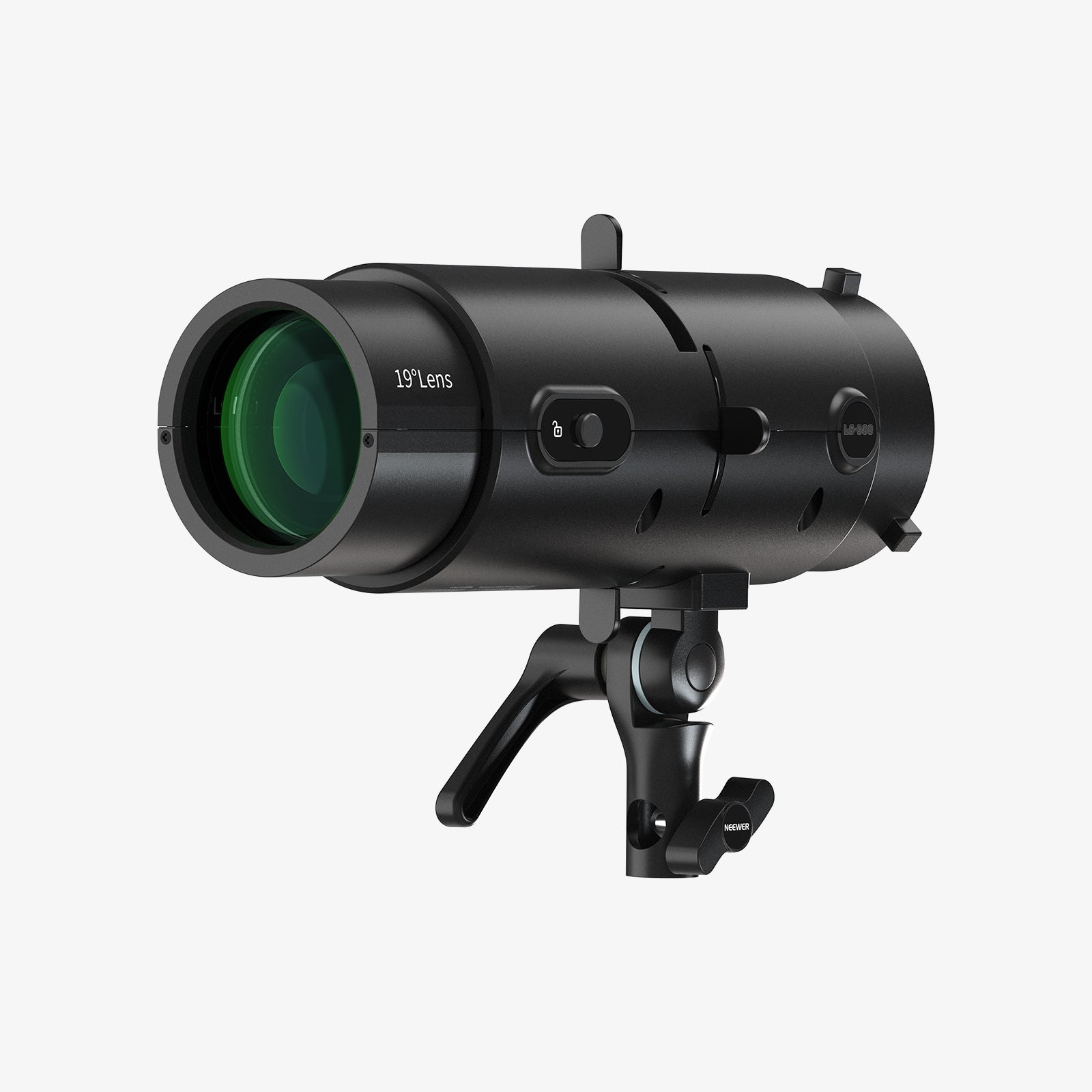
The NEEWER BASICS ML01 is an LED macro light equipped with a 38cm flexible tube, allowing you to easily adjust the angle to capture the details you want. Its IP54 protection rating ensures it’s suitable for outdoor photography. Additionally, the kit includes a projection lens and 12 pattern plates, enabling a variety of lighting effects to enhance your creativity.
The Breakdown
- Light Quality & Color: 4W LED continuous output hits 3100 lux at 0.5m with CRI 95 and TLCI 99 — color accuracy that holds up under tight macro scrutiny. Five dedicated colors (red, green, blue, 2700K warm white, 6500K cool white) and five brightness steps let you paint subjects with precision, whether you're picking up texture on a coin or adding a color rim to a product detail.
- Mounting & Flexibility: A 38cm flexible soft tube bends and holds shape through 360°, putting the light exactly where a traditional panel can't reach. Mount it to a camera cold shoe, clamp it to a table edge with the included super clamp, or spike it into the ground via the 1/4" threaded stake — indoors or out, thanks to the IP54 rating that shrugs off dust and light weather.
- Power & Runtime: Built-in 3.7V 2500mAh battery delivers up to 140 minutes of cord-free shooting. Recharges in 4 hours via 5V 2A USB, and the included USB-C cable lets you run while charging — so you're never dead in the middle of a focus stack.
- Creative Projection & Light Shaping: A snap-on projection lens with a 28°–77° adjustable beam teams with 12 gobo patterns to cast textures, gradients, and spot effects onto backgrounds or subjects. Barn doors and a diffuser are also in the kit, letting you flag spill, narrow the beam, or soften the output for close-up work that needs precise light sculpting.
Pros
- CRI 95 / TLCI 99 keeps colors true when every pixel counts in macro.
- 3100 lux at 0.5m provides ample brightness at close working distances without overpowering the subject.
- IP54 rating and a ground stake make it safe for outdoor macro work in damp or dusty environments.
- 140-minute battery life with pass-through USB-C charging means it won’t quit during an extended session.
Best for: Tabletop product photographers, jewelry and coin shooters, miniature model builders, and content creators who need precise, creative light control for small subjects at close range.
2. Best Macro Ring Flash: NEEWER RF1-C/N/S

If you're looking to purchase a macro flash, the NEEWER RF1-C/N/S is an ideal choice. These models are compatible with Canon, Nikon, and Sony cameras, respectively, and offer an 80° wide-angle flash coverage. When used to photograph plants, insects, and other subjects, it evenly illuminates the subject and effectively reduces shadows.
The Breakdown
- Coverage & Build: 80° wide flash coverage wraps a ring of light evenly around your macro subject — no harsh shadows, no vignette creeping in at the edges. Weighs just 13 oz / 368 g, compact enough for all-day handheld work in tight spaces like flower beds and insect habitats.
- Flash Modes & Tube Control: TTL mode nails exposure on the fly; manual mode gives you 1/1 to 1/128 output control; MULTI mode fires creative stroboscopic bursts. Two flash tubes can run independently or together, with an 8:1 to 1:1 to 1:8 ratio adjustable in 1/2‑stop increments — ideal for sculpting texture and contrast on a coin or petal.
- Power & Recycling: 76 Ws of output with a GN15 guide number (ISO100, 1 m) packs enough punch for hand‑held macro at small apertures. Recycling cycles from 0.1 to 2.7 seconds on four AA batteries, and a CP‑E4 port accepts an external power pack to speed up recycle times when you’re stacking or shooting fast‑moving subjects. Flash durations as short as 1/19,300s freeze motion beyond what ambient light can manage.
- Focusing & Controls: Two built‑in assist focus lights quickly grab focus in dim environments. The simple LCD panel keeps exposure comp, bracketing, flash lock, and front/rear‑curtain sync settings readable at a glance. A PC sync jack is onboard for wired triggering.
Pros
- 80° ring‑shaped coverage eliminates shadows and vignetting around close‑up subjects.
- Independent A/B tube control with adjustable ratio lets you fine‑tune contrast and depth.
- TTL, manual (down to 1/128), and stroboscopic modes cover different macro shooting styles.
- Assist focus lights and a clear LCD keep settings fast and easy in dark conditions.
Best for: Hand‑held macro shooters working with live insects, flowers, and field subjects who need fast recycle times, shadow‑free ring coverage, and TTL exposure automation.
3. Best Macro Probe Lens: NEEWER LS-51

For those who take macro photos with their smartphones, the NEEWER LS-51 Smartphone Macro Probe Lens is an ideal accessory. With a 2x magnification ratio and a 100° wide-angle field of view, it allows you to capture more of your subject in the frame while focusing on fine details. Best of all, its slim 340mm body and 18mm focal length let you reach into tight spaces while maintaining a safe distance from your subject.
The Breakdown
- Barrel & Access: A 340mm slender probe barrel with an 18mm focal length lets you push the lens into tight, hard‑to‑reach places — animal burrows, pipe interiors, machinery, or product details — while keeping the phone at a safe distance. The slim profile eliminates the bulk that would otherwise spook wildlife or block ambient light.
- Magnification & Field of View: 2x optical magnification pulls out fine textures that phone macro modes miss, while the 100° wide‑angle field of view frames more context around your subject — ideal for miniature models, food close‑ups, and insect work where you want both detail and environment.
- Lighting & Water Resistance: A built‑in LED ring light at the lens tip provides focused fill for dark cavities and focus assist in low light. The front of the lens is water‑repellent and can be submerged up to 200mm underwater for aquatic shots. The LED recharges via USB‑C, so you aren’t left swapping batteries in the field.
- Optics & Build: 16 elements in 12 groups of multi‑coated HD optical glass deliver sharp, high‑contrast images with controlled flare. The aluminum alloy barrel resists rust, scratches, and bumps — rugged enough for outdoor macro work and repeated rigging.
Pros
- 340mm probe barrel reaches deep into narrow spaces while maintaining shooting distance.
- 2x magnification and 100° FOV capture macro detail with environmental context.
- Built‑in LED ring light illuminates dark interiors and assists focus without external gear.
- Water‑repellent tip operates underwater to 200mm for aquatic macro photography.
Best for: Mobile creators and phone‑first photographers who need to reach inside tight spaces, shoot underwater close‑ups, or capture wide‑angle macro video without investing in a dedicated camera system.

How to Choose the Best Macro Photography Equipment
1. Match Your Gear to Your Photography Style
Different subjects require different equipment. Insect photographers often prioritize longer macro lenses and flashes, while photographers who focus on flowers, products, or collectibles may benefit more from LED lighting, tripods, and focus stacking tools. Therefore, you need to confirm the subject you want to photograph in order to decide which equipment to purchase.
2. Start with a Macro Lens
A true macro lens should offer at least 1:1 magnification, allowing you to capture subjects at life-size on the camera sensor. For most photographers, focal lengths between 90mm and 105mm provide a good balance of magnification, working distance, and versatility.
3. Choose Lighting Based on Your Subjects
Good lighting is essential in macro photography because high magnifications often require smaller apertures and slower shutter speeds.
- LED lights are ideal for beginners and stationary subjects;
- Macro flashes are often better for photographing insects and other moving subjects.
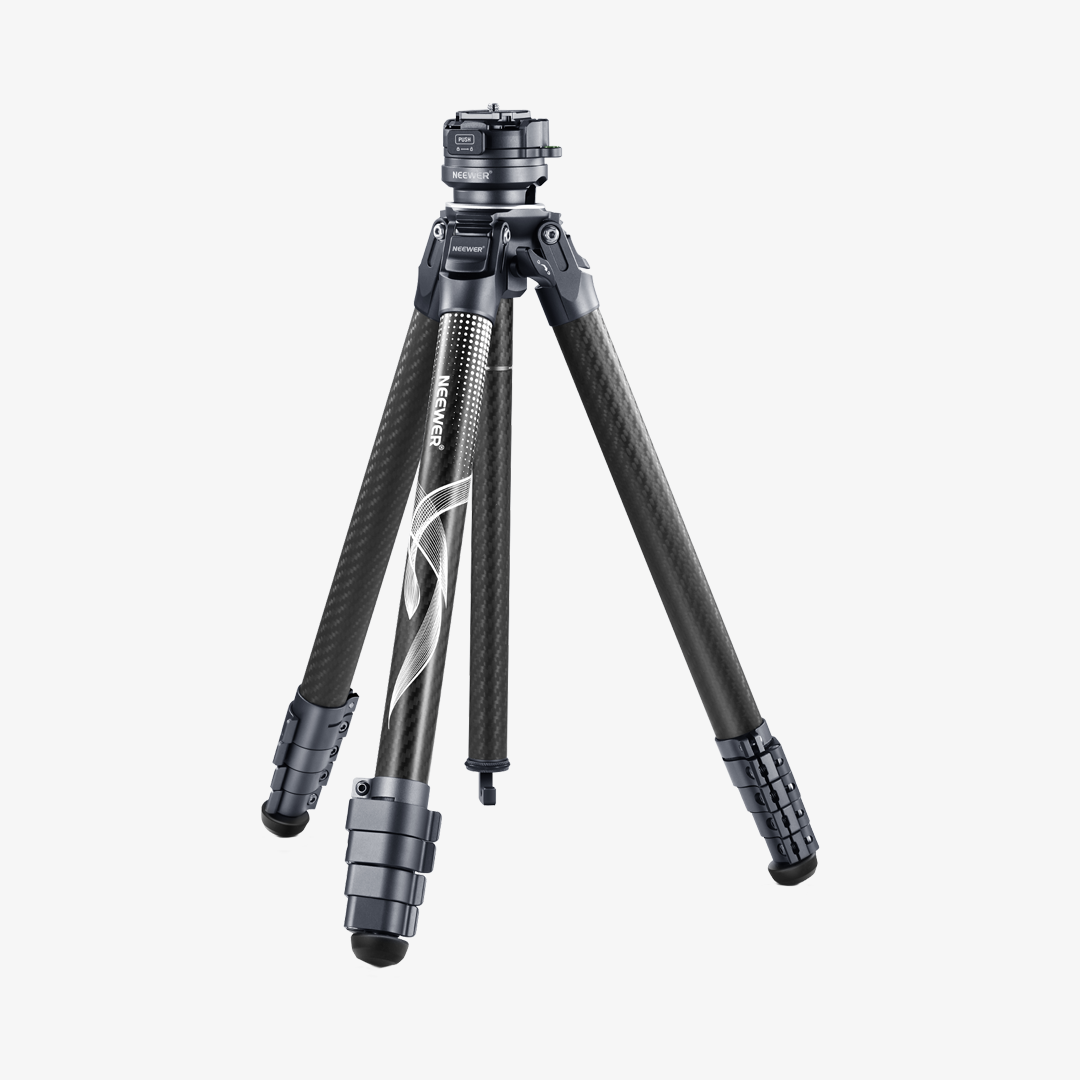
4. Use a Stable Tripod for Maximum Sharpness
Even slight camera movement can affect image sharpness at close focusing distances. A sturdy tripod helps keep the camera stable and is especially useful for photographing flowers, products, and focus-stacked images.
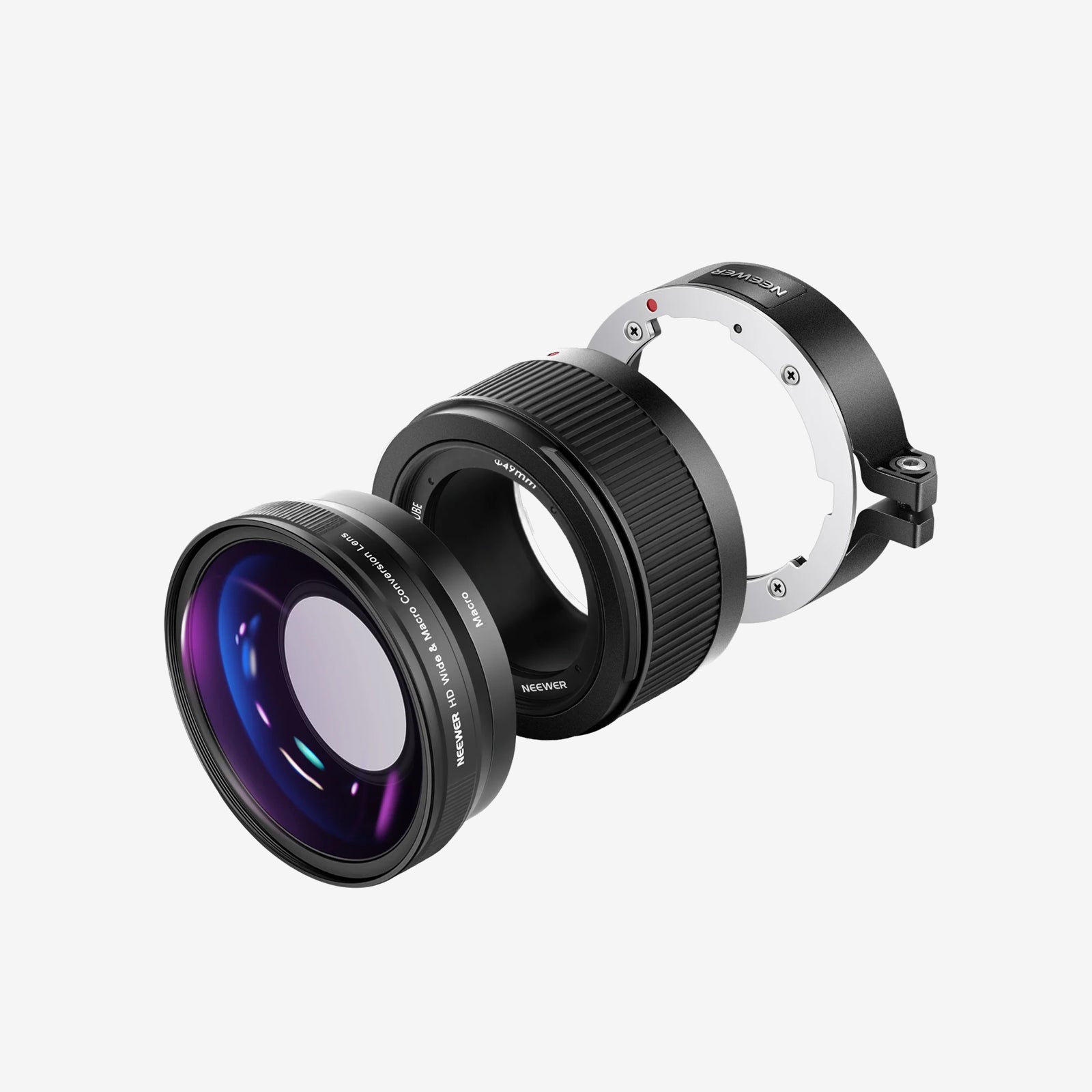
5. Consider Extension Tubes for More Magnification
If you need greater magnification without purchasing another lens, extension tubes can be a cost-effective solution. They allow your lens to focus closer to the subject and are commonly used for extreme macro photography.
6. Add a Focusing Rail for Precise Adjustments
A focusing rail allows you to move the camera forward and backward in very small increments without repositioning the tripod. This makes precise focusing easier and is particularly helpful for high-magnification work and focus stacking.