

Table of Contents
Shooting outdoors means working with changing light conditions, whether you're photographing portraits in bright sunlight, shooting on location, or moving between different setups. A battery-powered strobe gives you the flash output you need without relying on a wall outlet.
But not every portable strobe is built for the same job. Some offer higher flash power for overpowering ambient light, while others prioritize battery life, portability, or wireless control. In this guide, we'll compare four battery-powered strobes and explain what to look for when choosing one for your photography setup.
Quick Picks: Compare Battery-Powered Strobes
|
Model |
Max power |
Full-Power Flashes |
Recycle Time |
Weight |
Best For |
|
NEEWER Q4 |
400Ws |
400 |
0.01-1.2s |
5lb/2.25kg |
All-round outdoor photography |
|
NEEWER Q6 |
600Ws |
400 |
0.01-0.9s |
6.6lb/3kg |
High-power outdoor shoots |
|
NEEWER Q300 |
300Ws |
1,000 |
0.4-2.5s |
4.85 lb/2.2kg |
Extended shooting sessions |
|
NEEWER Q3 |
200Ws |
500 |
0.01-1.8s |
1.38 pounds/626g |
Lightweight travel setups |
Best Battery-Powered Strobes in 2026
1. NEEWER Q4 – Best Overall Battery-Powered Strobe

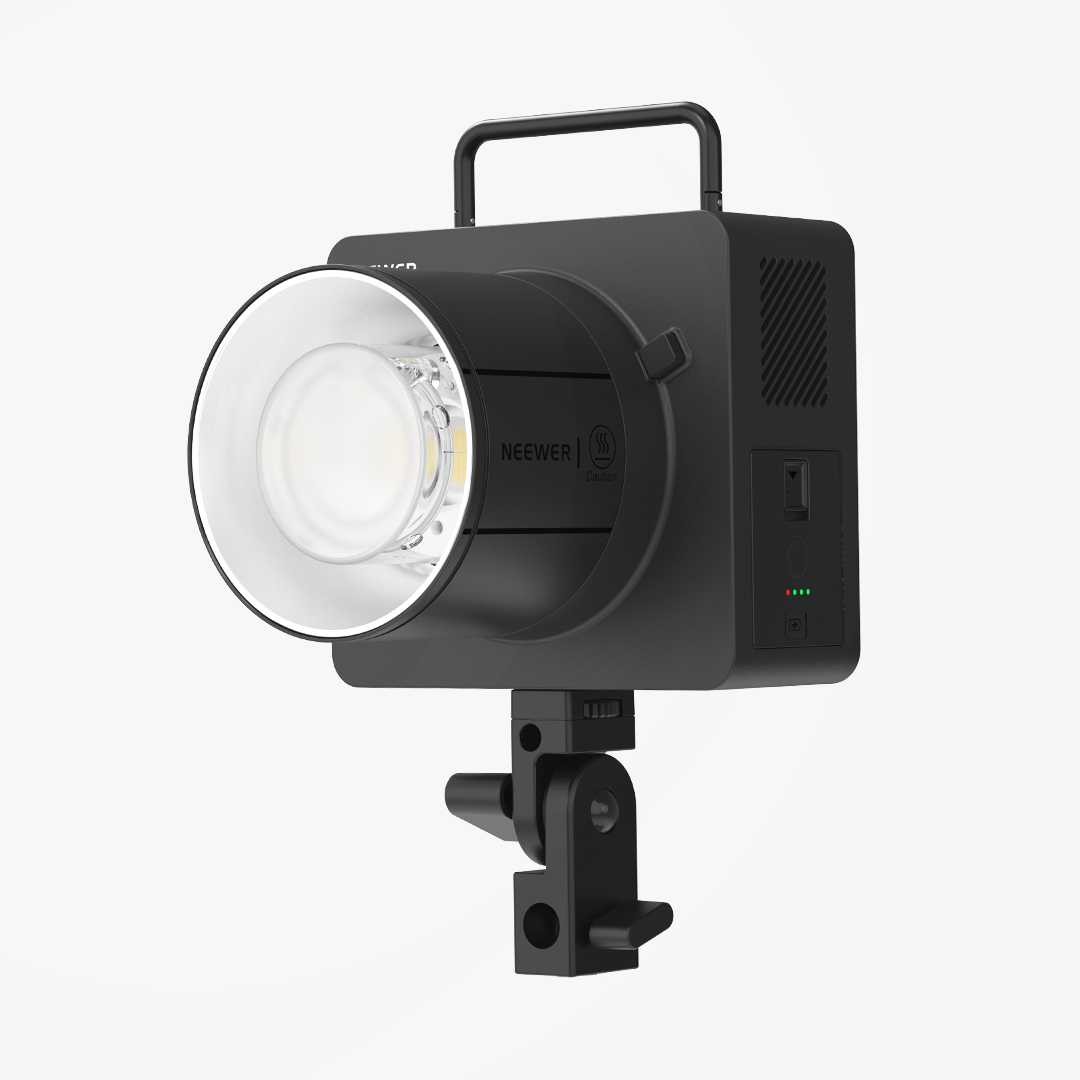
The NEEWER Q4 is an iF Design awarded battery-powered strobe featuring a unique, compact rectangular design that delivers outstanding and impressive aesthetics. Compatible with Canon E-TTL II, Nikon i-TTL, and Sony TTL auto flash systems, the Q4 features three flash modes: TTL, manual, and multi-flash (stroboscopic). With a Guide Number of 72 (requires a high-performance diffuser), a 30W modeling light, and a convenient top handle, it meets diverse shooting needs.

The built-in 21.6V 2800mAh battery delivers up to 400 full-power flashes, while the recycling time ranges from 0.01 to 1.2 seconds. A 30W modeling light helps preview lighting direction and shadows before taking the shot. With a Bowens mount, the Q4 also works with a wide range of light modifiers.
Why choose the Q4?
-
400Ws output for a variety of outdoor photography setups -
TTL and HSS support for flexible exposure control -
Bowens mount for compatibility with different light modifiers
Key Parameters
|
Category |
Specification |
|
Flash Power |
400Ws |
|
Color Temperature |
~5600K ±200K |
|
HSS |
Up to 1/8000s |
|
Flash Duration |
1/209s to 1/10989s |
|
Recycle Time |
0.01–1.2s |
|
Battery |
21.6V 2800mAh Lithium |
|
Guide Number |
GN72 (with High Performance Reflector, 1m, ISO 100) |
|
Wireless |
2.4G (5 groups / 32 channels) |
|
Mount |
Bowens |
|
Modeling Lamp |
30W LED |
Here’s a trusted creator showing how it performs in real use:

2. NEEWER Q6 – Best High-Power Battery-Powered Strobe

If you're looking to purchase a higher-powered battery-operated flash, the NEEWER Q6 battery-powered strobe meets your needs. It delivers 600Ws of power while maintaining a stable color temperature of 5700K, with fluctuations within its power range limited to ±100K. This reduces the need for post-processing, making it ideal for color-sensitive photography.

The NEEWER Q6 Outdoor Studio Flash features a new UI design, 2 TFT color screens, color groupings, and precise management. Even when shooting from a distance or setting up lighting for multiple scenes, it delivers a clear visual experience, making it easier to manage each group of lights. This battery-powered strobe features a recycle time of just 0.01 to 0.9 seconds and incorporates a freeze mode, delivering exceptionally fast and reliable performance.
Why choose the Q6?
- Constant Color Temp & Precise Flash Power Control
-
Bluetooth app control and flexible wireless triggering -
Fine 0.1-stop power adjustments for precise exposure control
Key Parameters
|
Parameter |
NEEWER Q6 |
|
Light Type |
2.4G TTL HSS outdoor studio flash strobe |
|
Max Power / Output |
600Ws |
|
Brightness / Performance |
Flash duration up to 1/7633s, recycle 0.01-0.9s, HSS 1/8000s |
|
Color Temperature |
5700K (constant color control, +/-100K across range) |
|
Color Accuracy |
Stable color temp for color-sensitive shooting |
|
Dimming / Control |
1/512 to 1/1 in 0.1 increments, TTL/Manual/Multi/Burst, app + trigger control |
|
Power Options |
Dedicated lithium battery or AC dummy battery solution |
|
Battery / Runtime |
28.8V 3000mAh, up to 400 full-power flashes |
|
Size / Weight |
195x185x170mm (without handle); 3kg (without handle) |
|
Mount / Compatibility |
Bowens mount, 2.4G wireless Q system, Godox X-system slave compatibility |
Here’s a trusted creator showing how it performs in real use:

3. NEEWER Q300 – Best for Extended Outdoor Shoots

If you're seeking an outdoor flash with higher battery capacity, the NEEWER Q300 battery-powered strobe is an excellent choice. It features a 10.8V 7800mAh lithium battery, supporting 1000 full-power flashes. Furthermore, it incorporates enhanced multi-level battery protection mechanisms, including overheating and overvoltage protection, ensuring long-term safe operation.

The NEEWER Q300 Outdoor Strobe Flash supports multiple modes, including Manual, Multi-Frequency (Stroboscopic), and Optical Triggering (S1/S2). In Mult mode, you can control the strobe frequency within 20 times (20 Hz). In Quick mode, it offers flash durations ranging from 1/1000s to 1/10000s. Additionally, this battery-powered strobe features a standard Bowens mount and an adjustable handle, facilitating expansion of your photography gear and enabling comfortable handheld use.
Why choose the Q300?
-
Up to 1,000 full-power flashes for longer shooting sessions -
Quick mode with adjustable flash duration for freezing motion -
Adjustable handle for handheld or light-stand use
Key Parameters
|
Category |
Specification |
|
Flash Power |
300Ws |
|
Power Range |
1/64 – 1/1 |
|
Color Temperature |
5600K ±200K |
|
Recycle Time |
0.4–2.5s |
|
Battery |
10.8V 7800mAh Lithium |
|
Guide Number |
GN60 |
|
Wireless |
2.4G |
|
Mount |
Bowens |
|
Flash Modes |
Manual / Multi |
4. NEEWER Q3 – Best Compact Battery-Powered Strobe

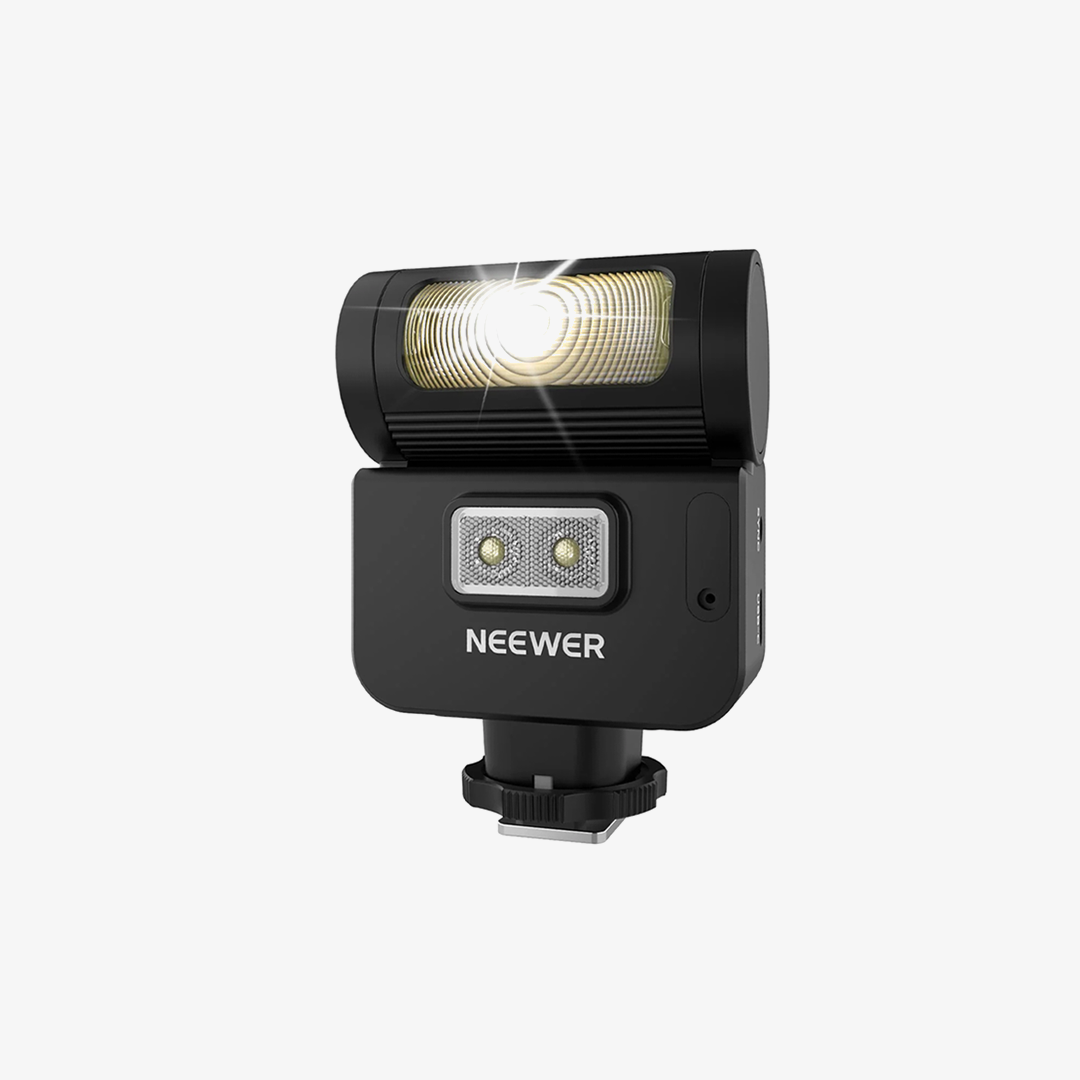
For photographers who prioritize portability, the NEEWER Q3 packs 200Ws of flash power into a compact body weighing just 626g without the battery. Its pocket-size design makes it easier to carry when traveling, shooting on location, or working with a lightweight photography setup.

The NEEWER Q3 Pocket Size Battery Powered Strobe features three flash modes: TTL, Manual, and Multi ( Stroboscopic ). It incorporates the NEEWER 2.4GQ system, enabling compatibility with triggers and transmitters for full TTL functionality and remote control. Within its power range, it delivers a stable color temperature of 5600K ±200K. The included softbox diffuser further enhances light quality, producing soft, even illumination that makes capturing satisfying portrait shots effortless.
Why choose the Q3?
-
Compact body weighing 626g without the battery -
Short flash duration for capturing fast-moving subjects -
200Ws output with TTL and HSS support
Key Parameters
|
Category |
Specification |
|
Flash Power |
200Ws |
|
Delay Flash |
0.01~30 seconds |
|
Color Temperature |
5600K ±200K |
|
Recycle Time |
0.01–1.8s |
|
Battery |
14.4V 3200mAh Lithium |
|
Guide Number |
GN58 (ISO100, 35mm) |
|
Wireless |
2.4G |
|
Flash Modes |
TTL / Manual / Multi |
|
Net Weight (without battery) |
626 grams/ 1.38 pounds |
Which NEEWER Battery-Powered Strobe Should You Choose?
The right strobe depends on what matters most in your photography setup. Consider your typical shooting environment, how much flash output you need, and how often you work away from a power outlet.
| Your Photography Needs | Recommended Model | Why |
|---|---|---|
| Versatile outdoor portraits and general location photography | Q4 | 400Ws output, TTL, HSS, and Bowens mount |
| High-power lighting for commercial shoots and multi-light setups | Q6 | 600Ws output and precise power control |
| Long outdoor sessions with fewer battery changes | Q300 | Up to 1,000 full-power flashes |
| Travel and lightweight photography setups | Q3 | Compact design with TTL and HSS |
If you regularly shoot in bright sunlight or need to use larger light modifiers, a higher-powered strobe like the Q6 may give you more flexibility. If you're more concerned about battery life during long sessions, the Q300 is worth considering. For photographers who move frequently between locations, the Q3 offers a much more compact option.
How to Choose the Right Battery-Powered Strobe?
Here are tips for choosing the right battery-powered strobe, which focus on real, actionable steps you can follow when comparing models.
1. Match the Strobe’s Power Output to Your Shooting Conditions
Think about where you actually shoot when you choose a battery-powered strobe. If you spend most of your time photographing portraits indoors or inside small studios, a 200–300Ws battery strobe delivers plenty of light. When shooting outdoors under bright sun, especially with softboxes, jump to 400–600 Ws so you can shape light without fighting the sun. Product photographers working with larger modifiers sometimes need even more punch.
2. Prioritize Battery Life That Matches Your Longest Shooting Day
Some photographers underestimate battery life and end up swapping packs at the worst moments. Check how many full-power pops the battery-powered strobe delivers. For outdoor portraits or travel shoots, a battery offering 250–350 full-power flashes is ideal. Event shooters often prefer 500+ flashes. In addition, it’s also smart to choose a strobe with hot-swappable batteries, so if one dies, you don’t shut down the entire setup.
3. Check Modifier Compatibility Before Buying
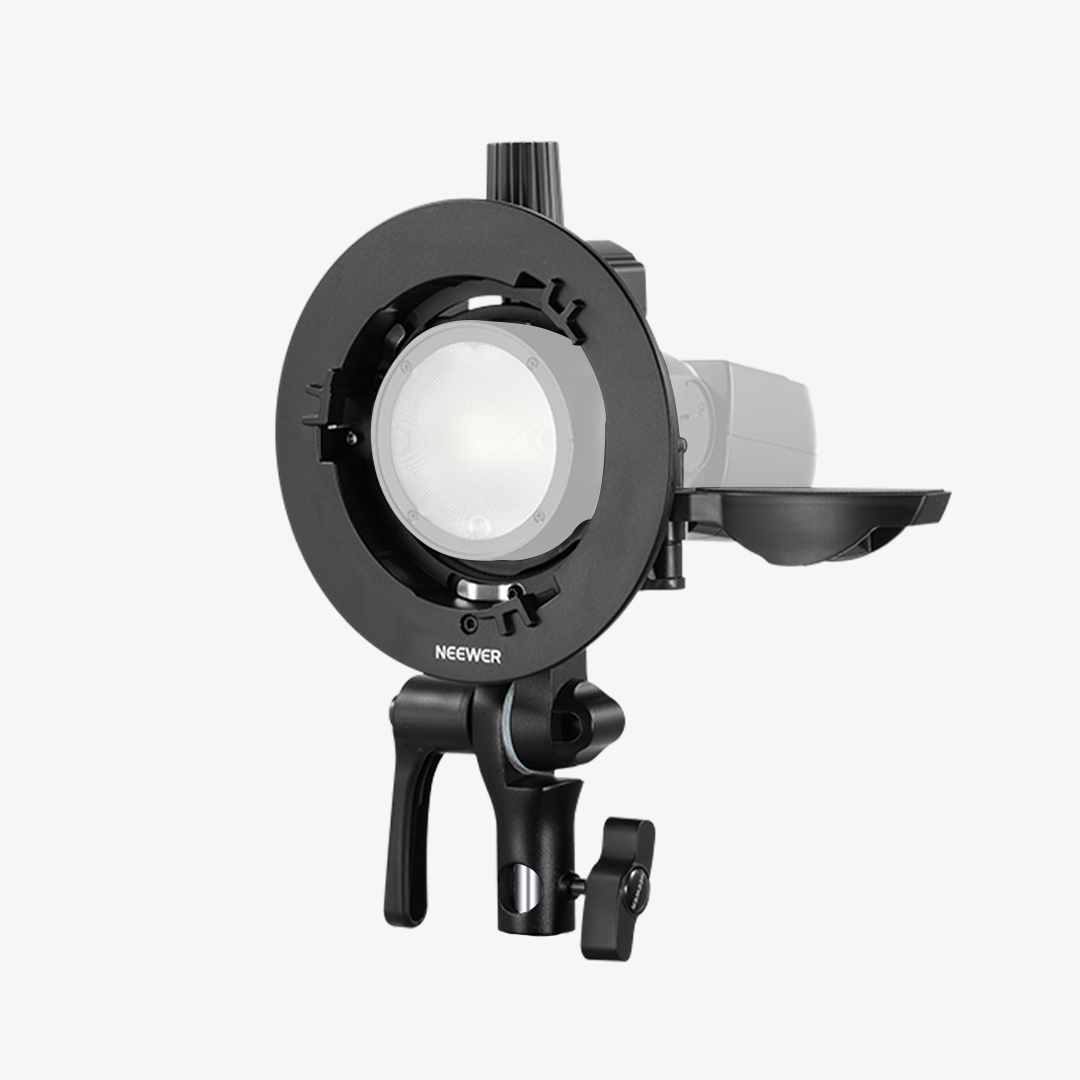
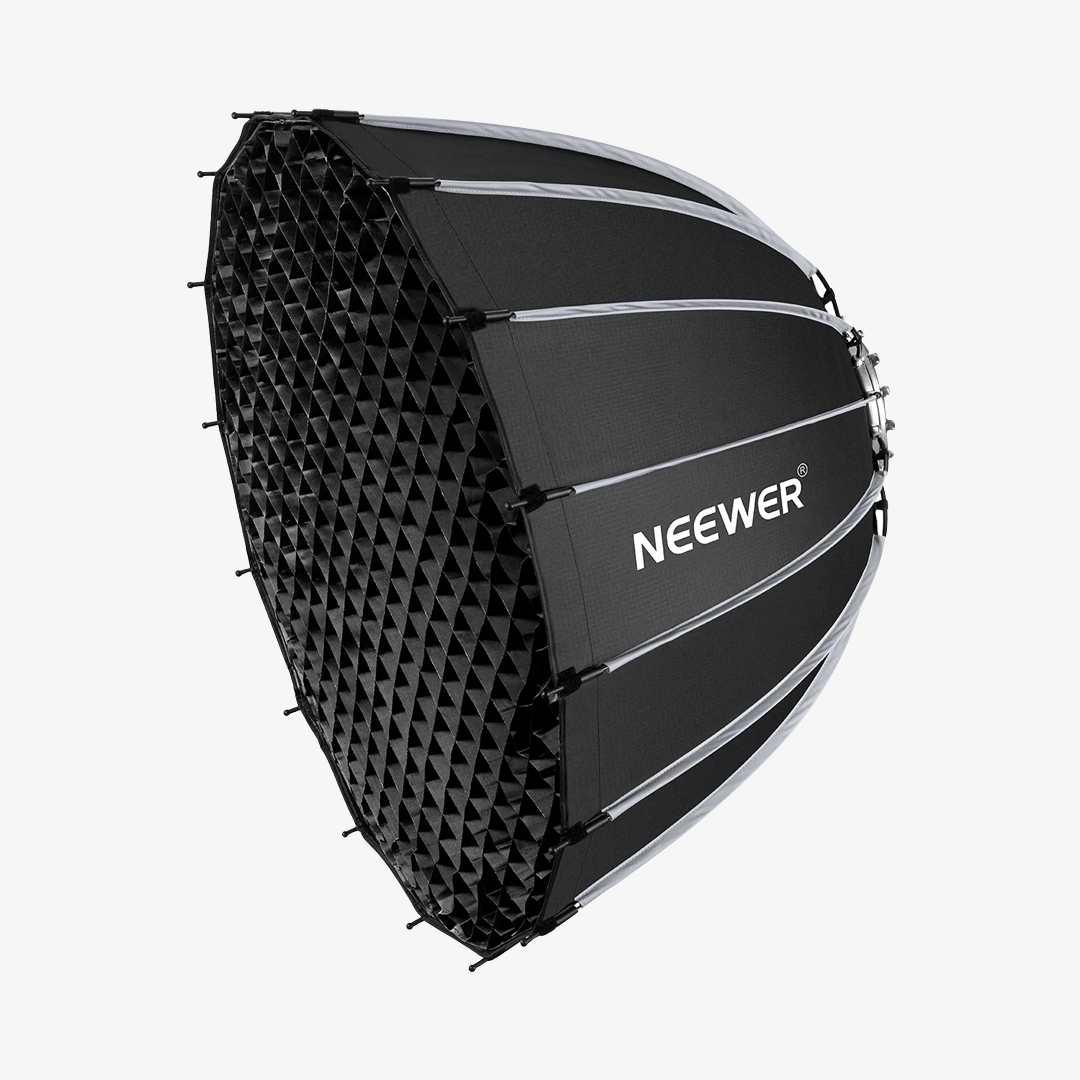
Battery-powered strobes become dramatically more versatile when you can mount the modifiers you already own. Most photographers prefer Bowens mounts, since the ecosystem is huge and inexpensive. If you use parabolic softboxes or beauty dishes, make sure the mount supports the weight at a tilted angle. Bring your favorite modifier to test how the mount holds up when you swing the strobe overhead or at low angles. If a strobe’s mount can’t handle your softbox, you’ll feel it immediately during real shoots.
4. Inspect the User Interface and Controls for Speed
A battery-powered strobe needs to be intuitive because you’ll adjust settings while looking at your subject, not the screen. Test the power dial: can you operate it with one hand while holding your softbox? Are buttons spaced enough to hit with cold fingers on winter shoots? If you can’t do it smoothly, the interface will slow you down in the field.
5. Don’t Ignore Cooling and Build Quality
Battery-powered strobes heat up fast when shooting outdoors in summer or firing bursts. A good cooling system prevents thermal shutdown. Feel the housing: metal disperses heat better and survives more wear than plastic. If you use large softboxes or booms, check whether the tilt mechanism feels solid. Lean the light forward and backward with a modifier attached; if it droops, it’ll fail on a real set.
6. Choose a Reliable Wireless Remote System
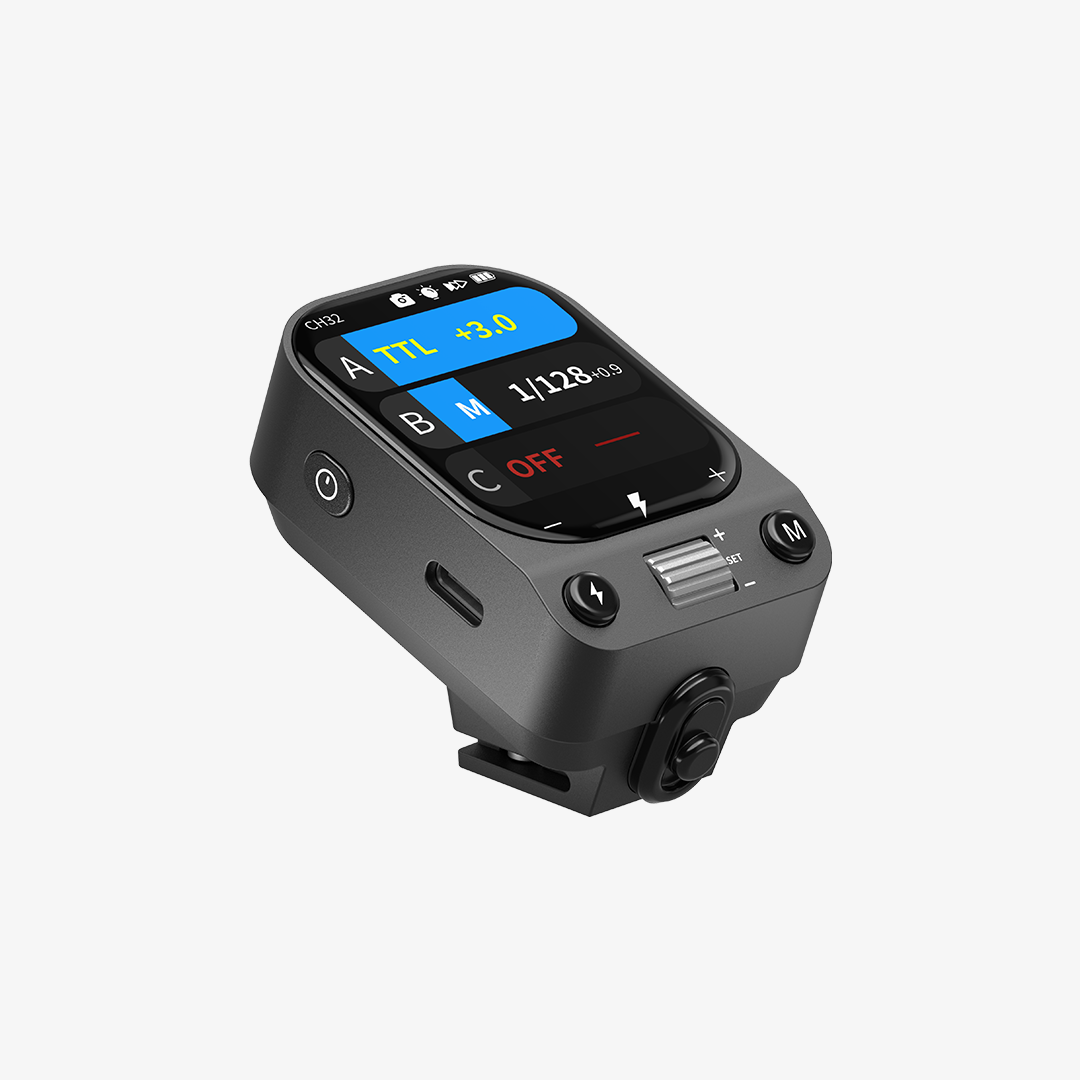
The triggering system is important for battery-powered strobes. Look for 2.4GHz remotes with long range and minimal misfires. If you shoot multiple lights, confirm that the system supports group control so you can adjust each light from one remote. Stand 30–40 feet away and test if the strobe fires behind obstacles or around corners—this tells you how dependable it will be during events or complex setups.
7. Evaluate Portability Based on How You Actually Work
If you hike, shoot lifestyle content, or move between locations a lot, weight matters. A battery-powered strobe around 3–4 lbs carries easily in a shoulder bag. Studio shooters may tolerate heavier strobes with bigger bulbs and better cooling. Think in terms of scenes from your real workflow: climbing stairs in an apartment complex, shooting in narrow alleys, carrying gear across a beach. If the strobe feels heavy in your hand after ten minutes of walking, it’ll feel even heavier during a five-hour shoot.
FAQs
1. What is a battery-powered strobe light?
A battery-powered strobe light is a photography flash that runs on a rechargeable battery instead of relying on a continuous AC power connection. It delivers short, powerful bursts of light to illuminate subjects, making it useful for outdoor portraits, location photography, and off-camera flash setups.
2. How many watt-seconds do I need for outdoor photography?
It depends on your shooting conditions. A 200–300Ws strobe may work well for close-range portraits and less demanding lighting setups, while 400Ws offers more flexibility for general outdoor photography. For bright sunlight, larger modifiers, or greater shooting distances, a 600Ws strobe can provide additional output.
3. What is the difference between a battery-powered strobe and a speedlight?
A speedlight is typically a compact camera flash designed to mount on a camera hot shoe or operate off-camera. A battery-powered strobe generally offers higher flash power and is often designed to work with larger light modifiers, making it more suitable for studio-style lighting setups on location.
The best choice depends on your shooting style, required output, and how much equipment you want to carry.
4. Can I use a battery-powered strobe with a softbox?
Yes, provided the strobe has a compatible modifier mount. Models with a Bowens mount can work with a wide range of Bowens-compatible softboxes, reflectors, umbrellas, and other lighting accessories. Always check the mount type and any required adapter before purchasing a modifier.
5. Is a higher-watt-second strobe always better?
Not necessarily. Higher watt-seconds provide more potential flash output, but that doesn't automatically make a strobe the best choice for every photographer. Battery life, recycling speed, flash duration, modifier compatibility, portability, and wireless features all affect real-world performance.
A compact 200Ws strobe may be more practical for travel portraits, while a 600Ws model may be more suitable for demanding outdoor lighting setups.