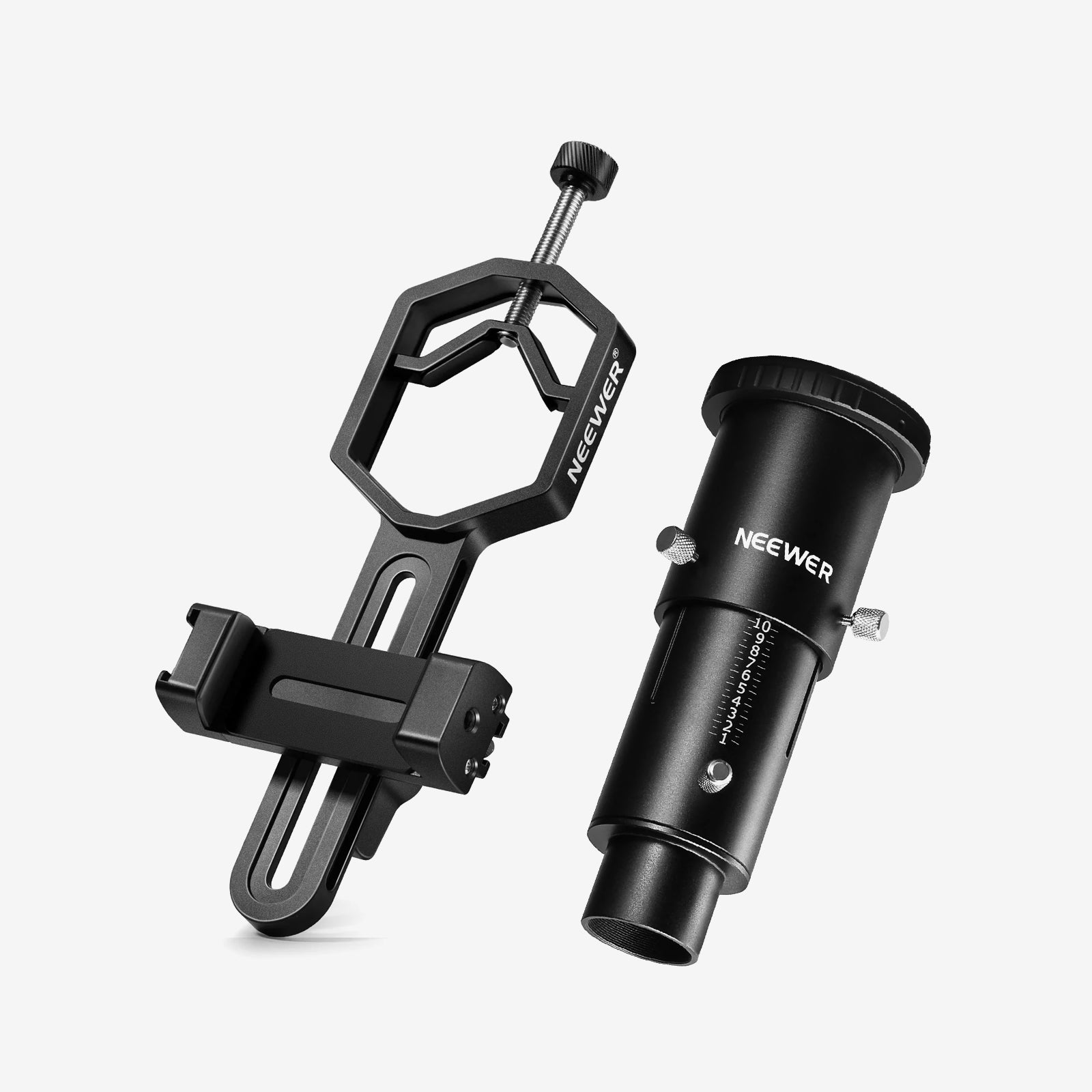


Camera Lens Filters
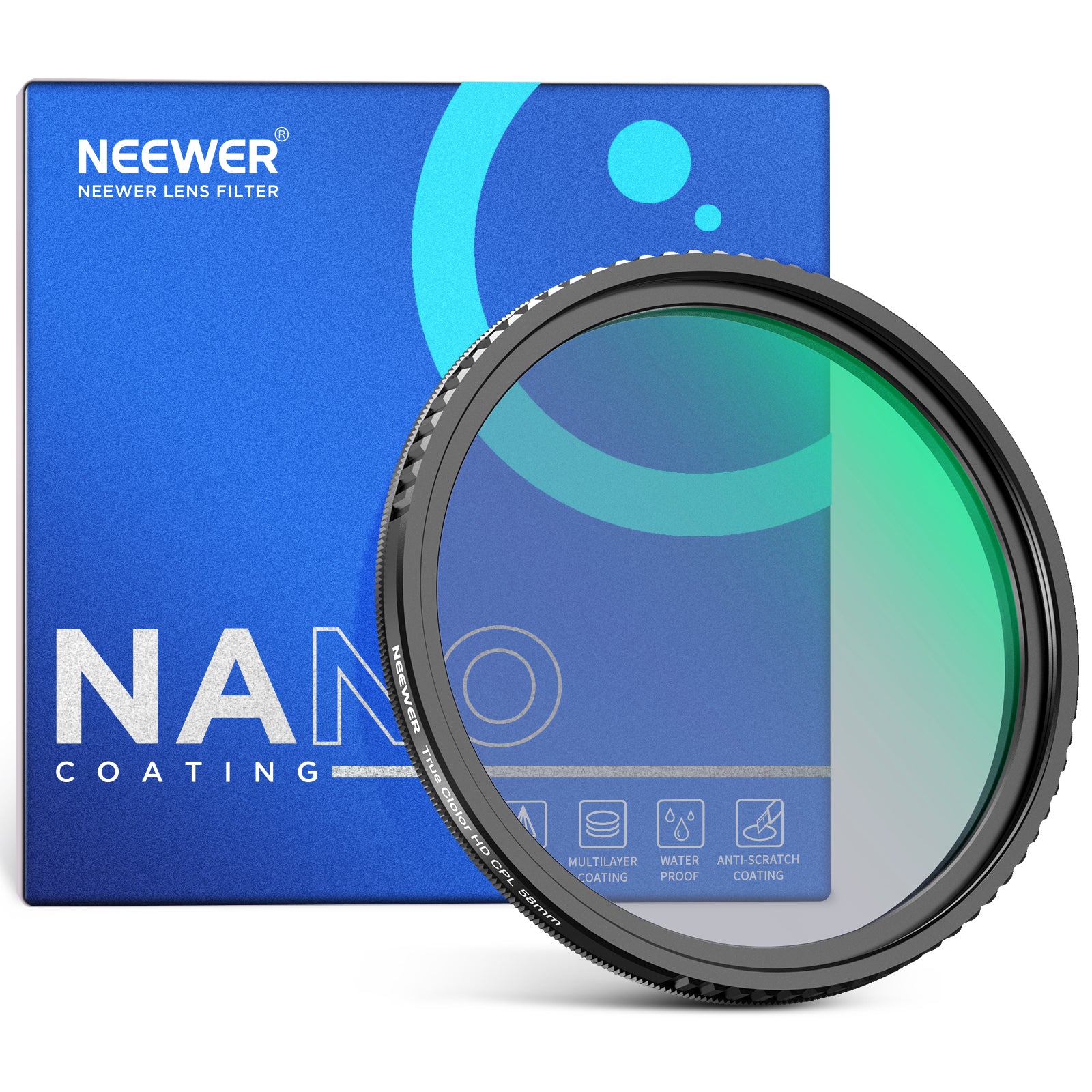

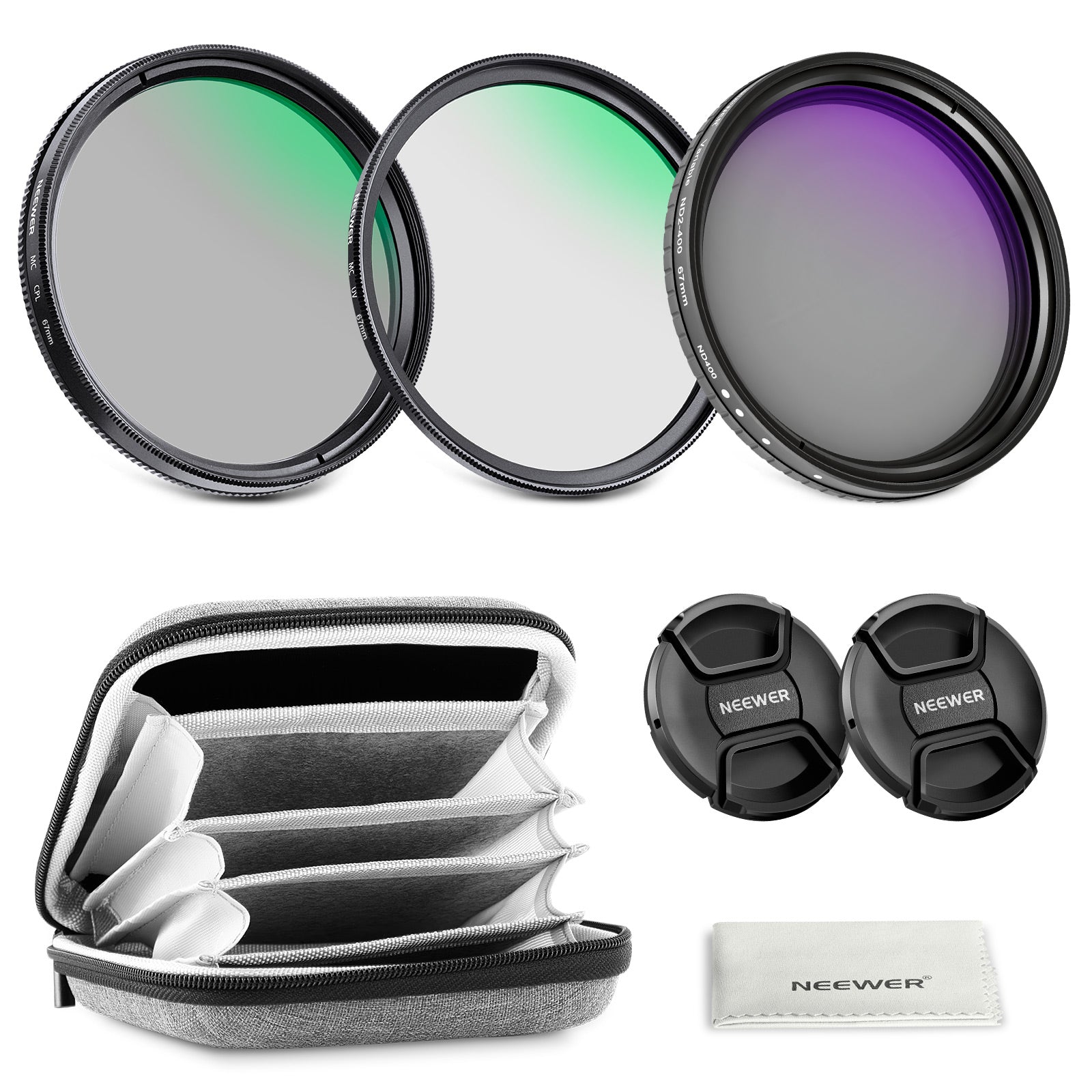
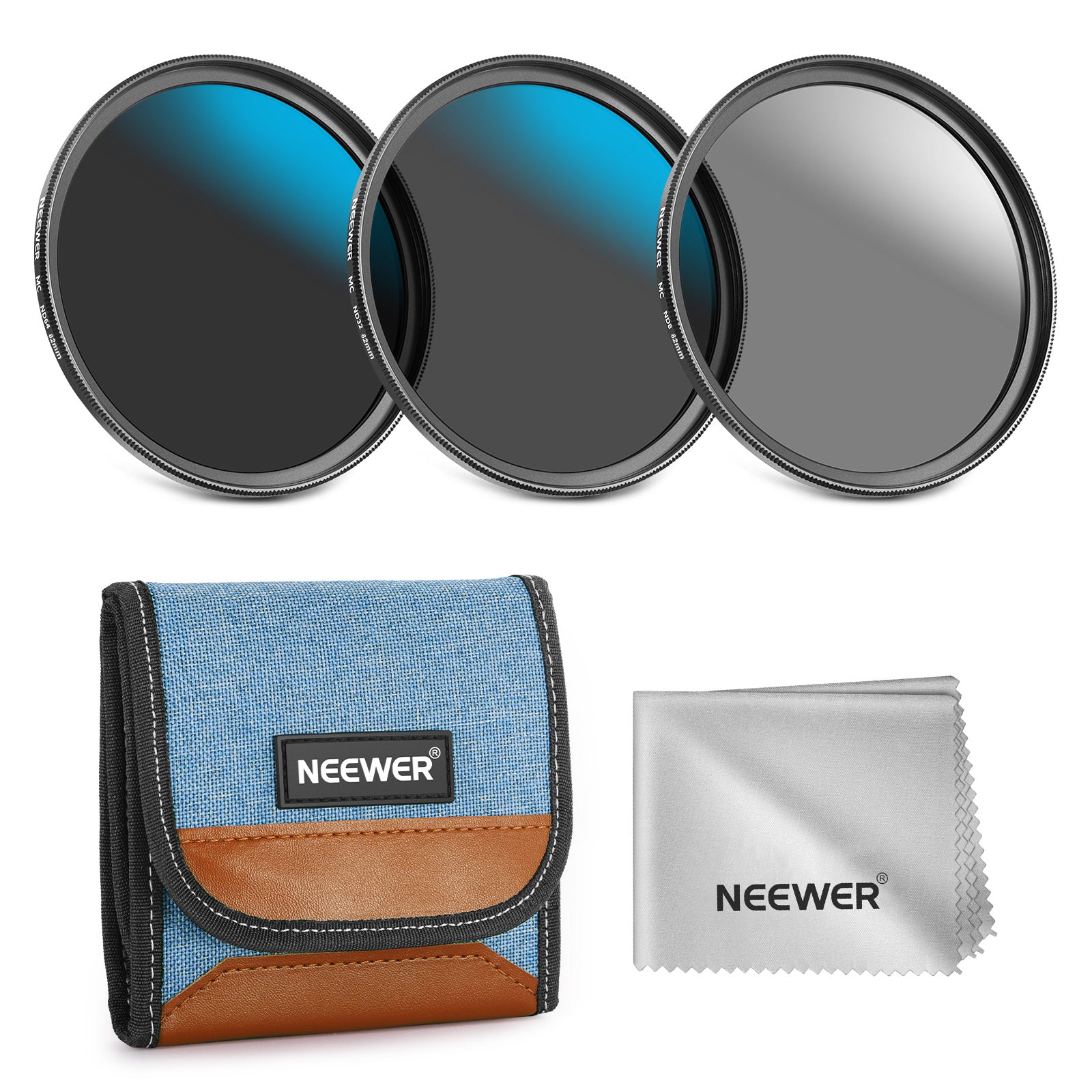

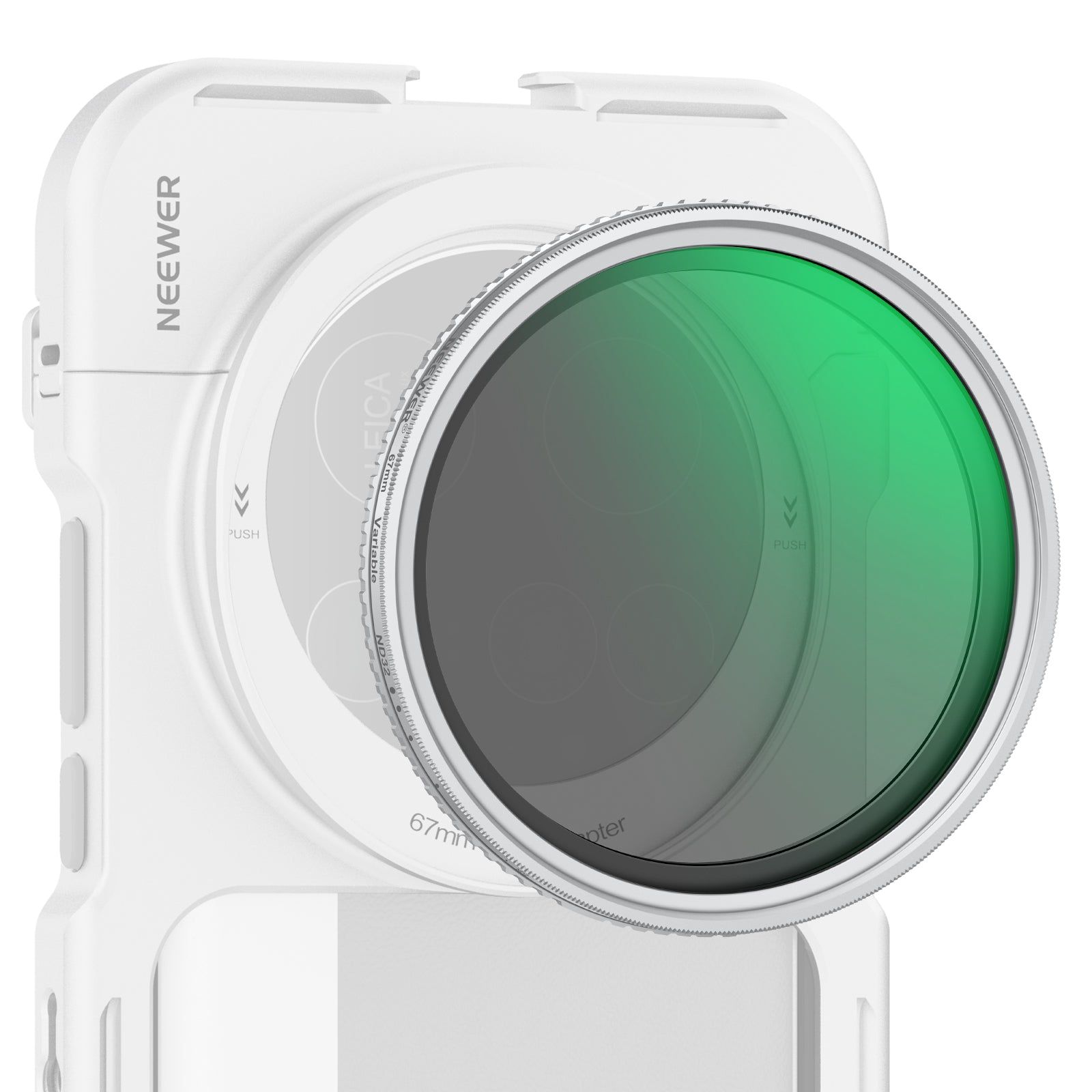


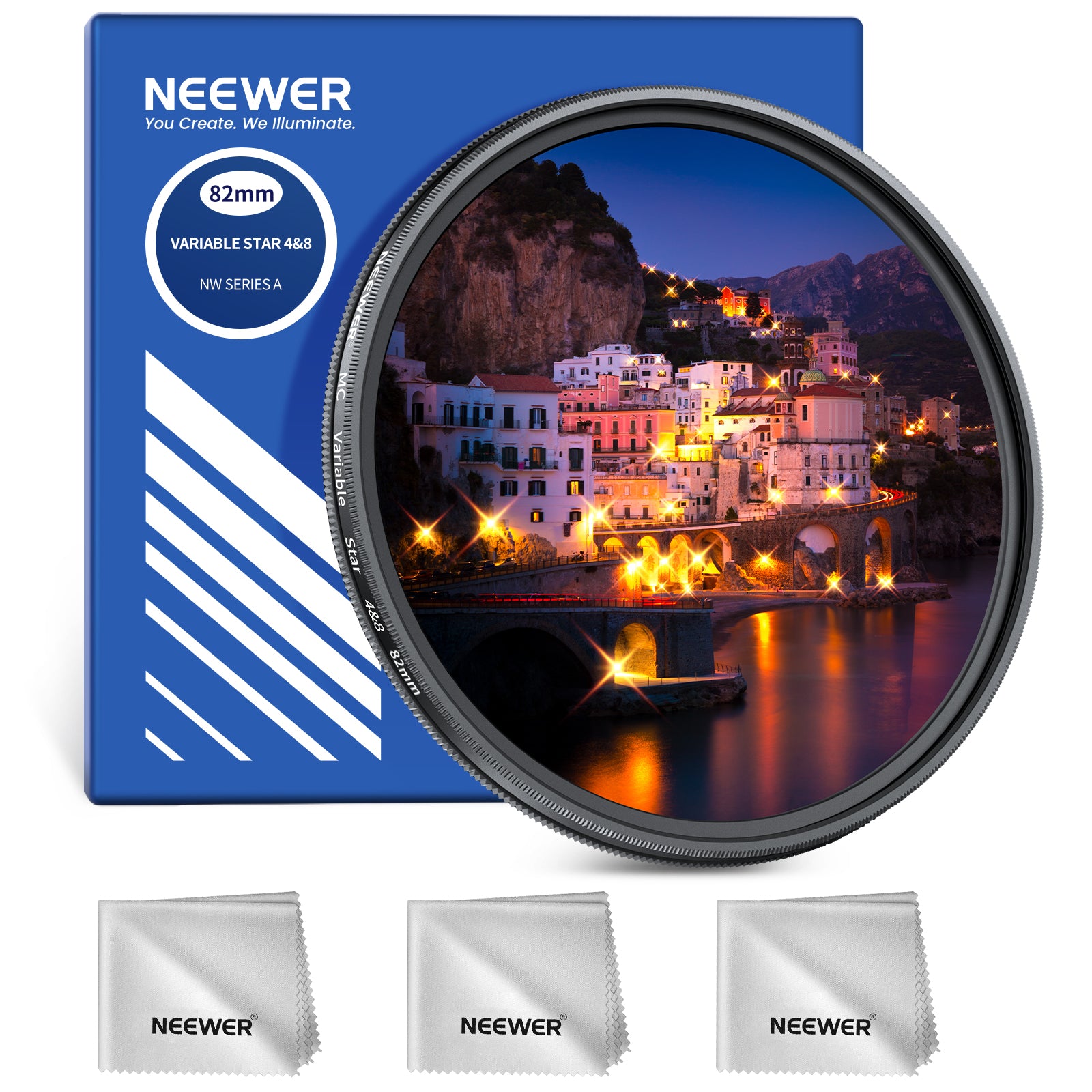


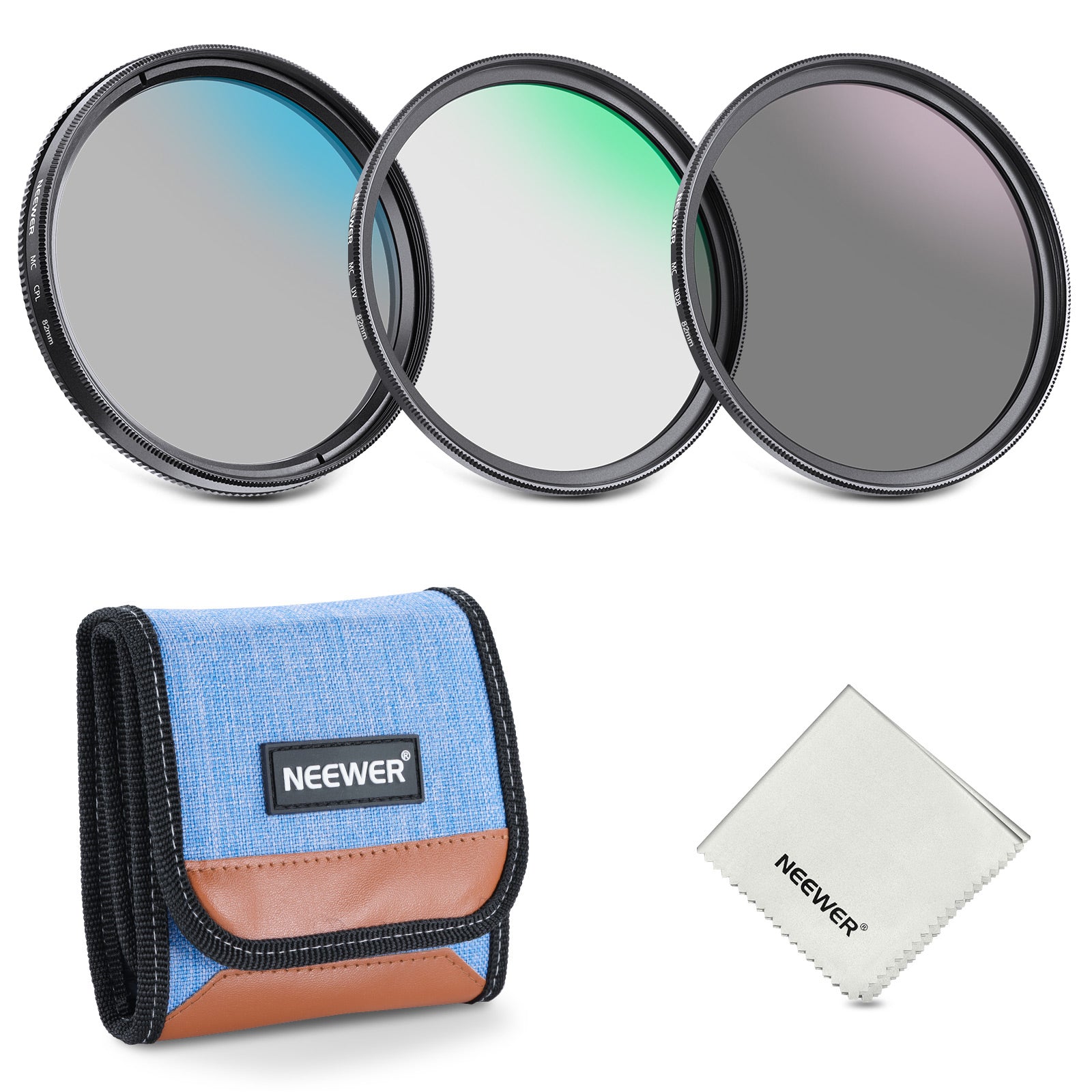


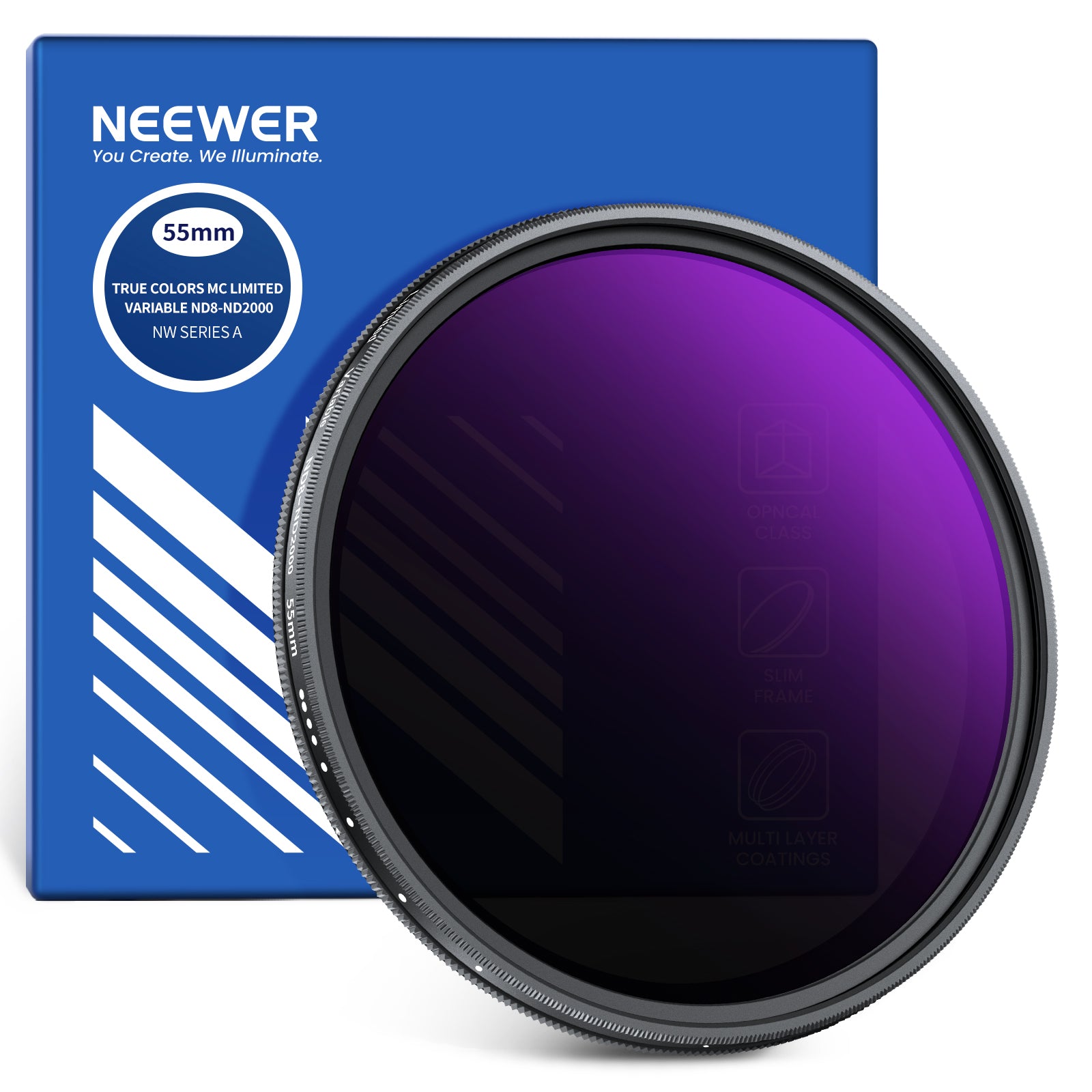


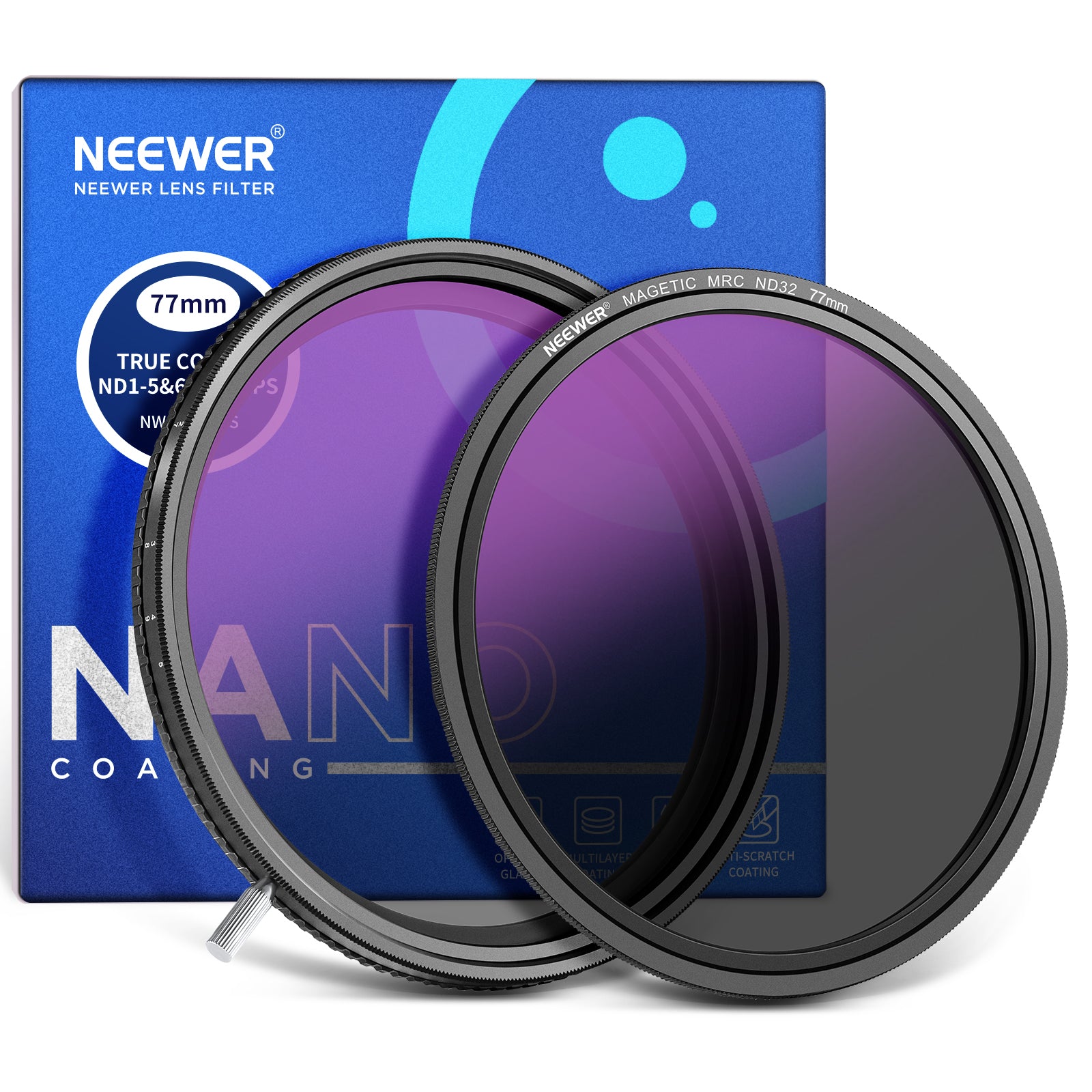
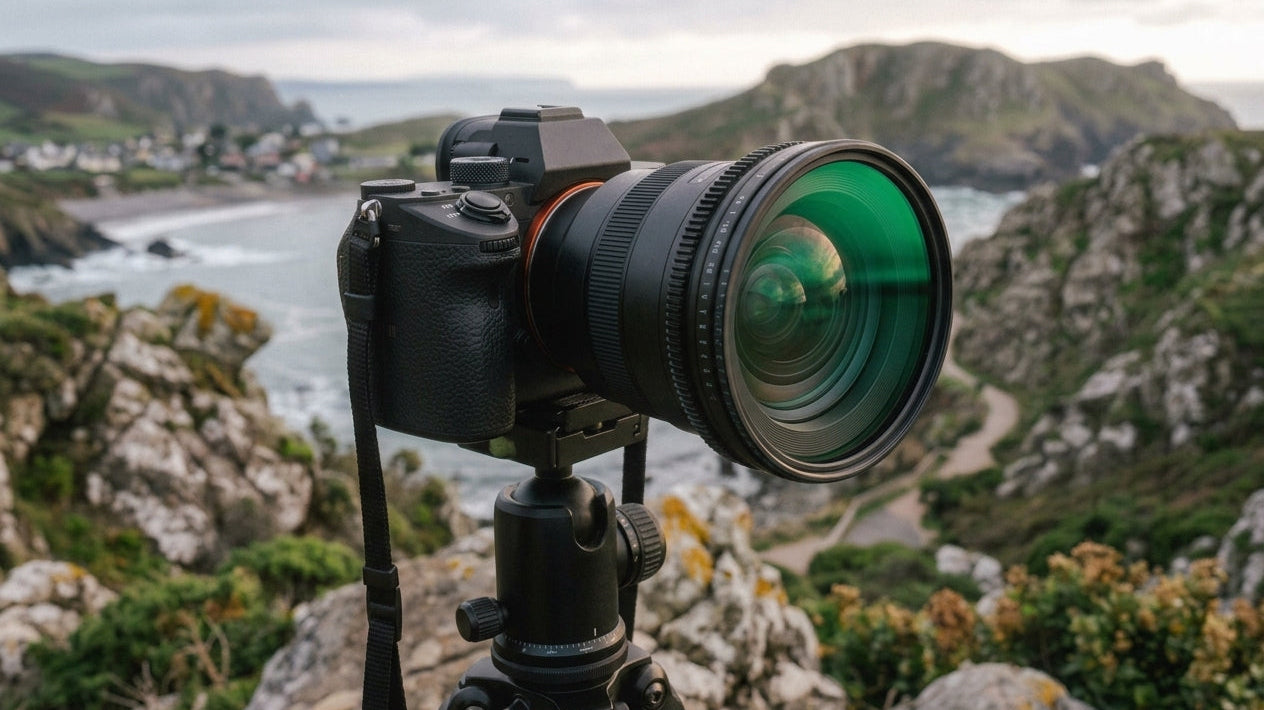
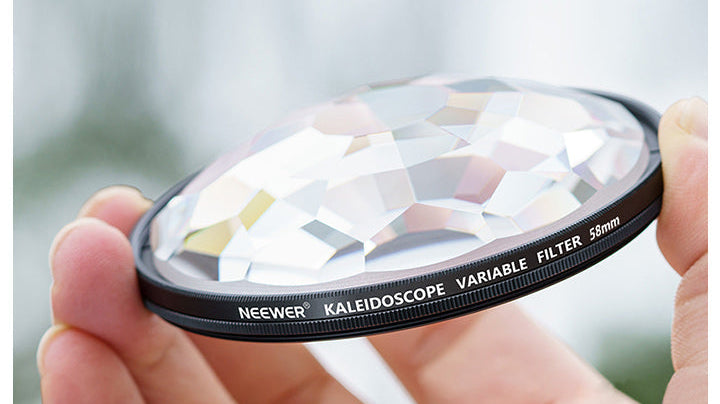
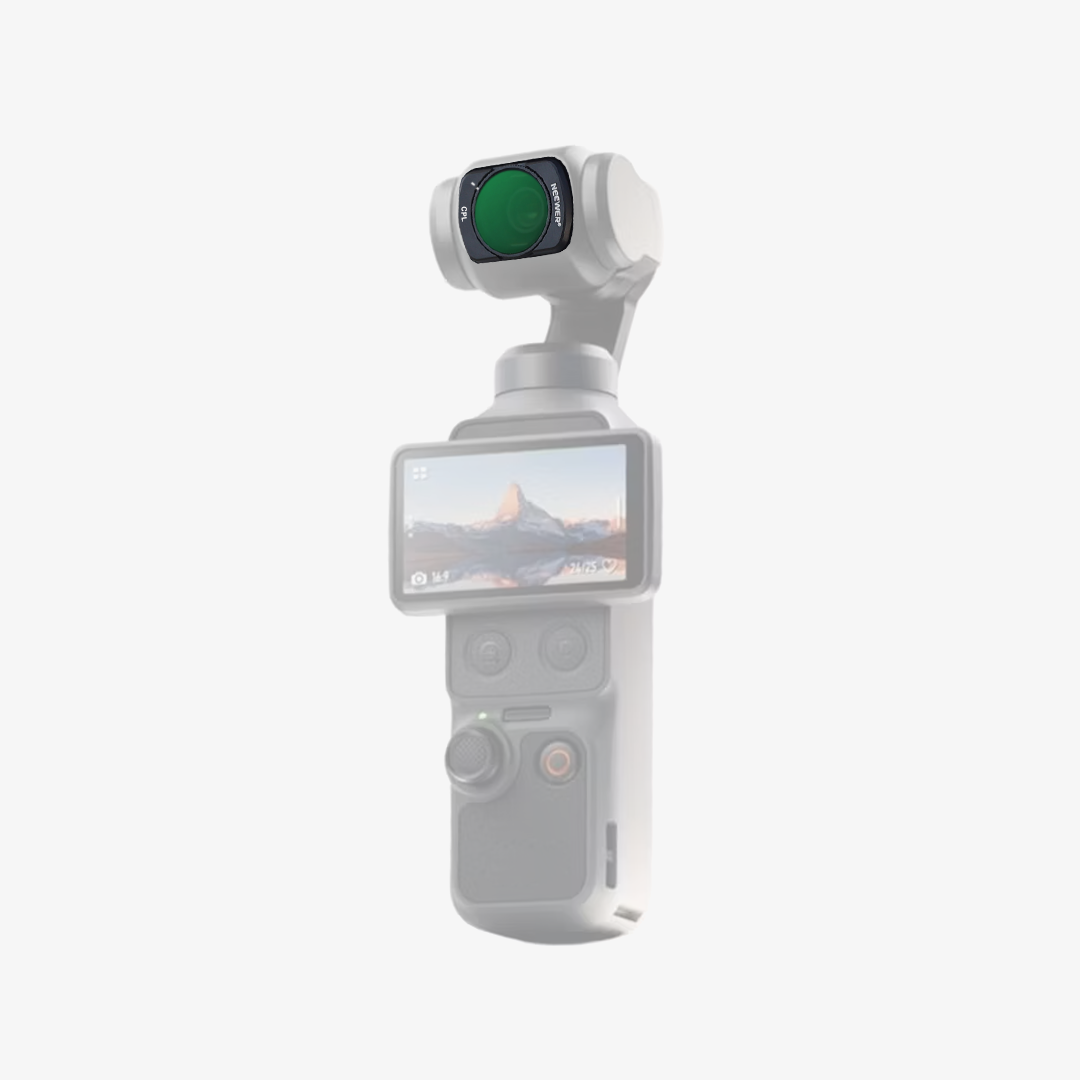
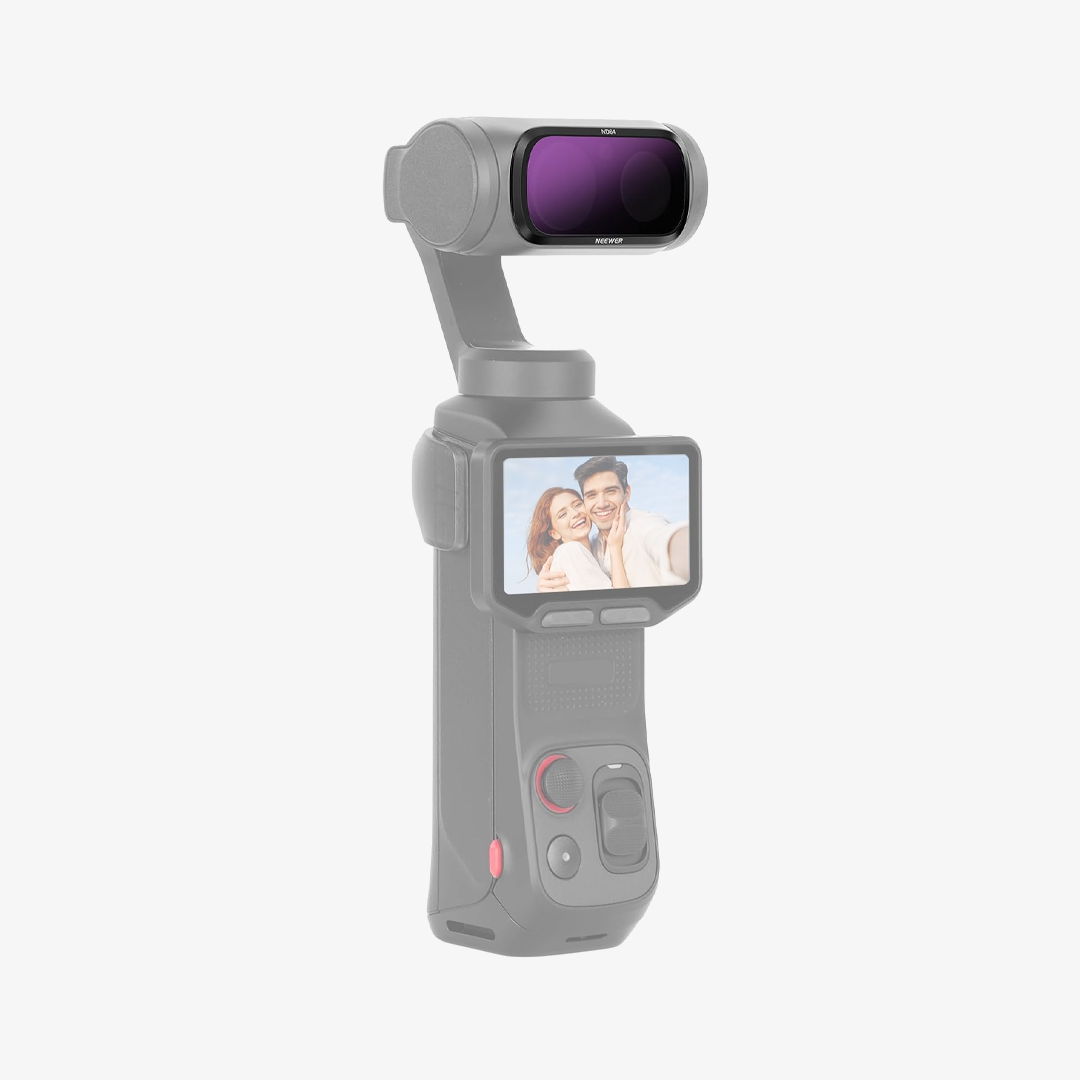
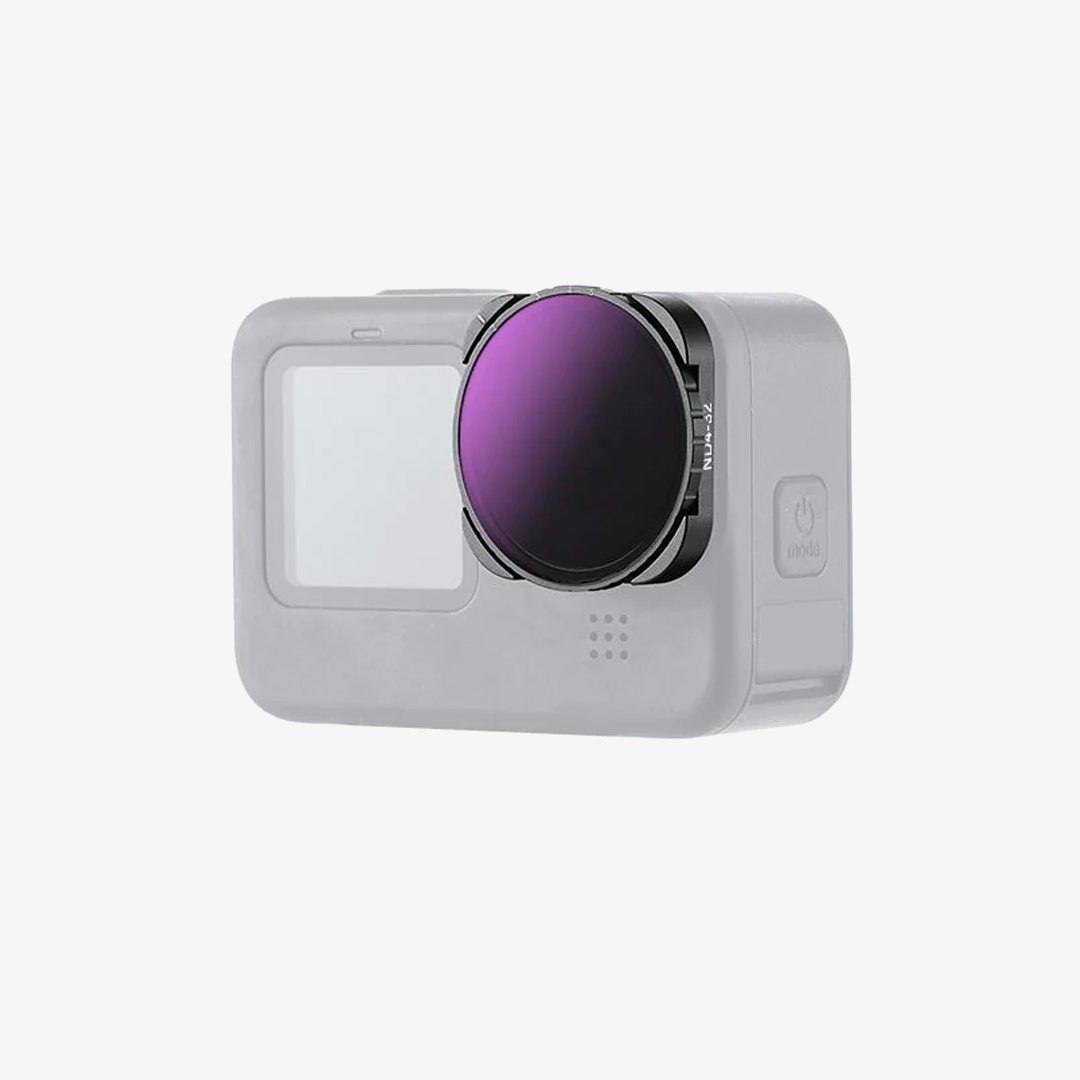
NEEWER camera filters offer a range of options, including ND, CPL, UV protection filters, and more. These lens filters enable you to capture breathtaking images and videos with precise lighting control and accurate color reproduction. Additionally, UV protection filters help protect your lens from damage. Choose a high-quality camera lens filter to elevate your photography.
FAQ
What Is a UV (Ultraviolet) Filter and Do You Still Need One?
A UV (Ultraviolet) filter is a clear glass cover that blocks atmospheric UV haze. Modern digital camera sensors already filter out UV light internally, so today's UV filters are primarily used as permanent front-element glass protectors against scratches, dust, moisture, and impact drops.
What Is a CPL (Circular Polarizer) Filter Used For?
A CPL filter cuts glare and light reflections from non-metallic surfaces like water, glass, and wet foliage. By rotating the front ring of the filter, you can see through water surfaces, reduce window reflections, and boost sky blue contrast and color saturation in landscape photos.
What Is an ND (Neutral Density) Filter Used For?
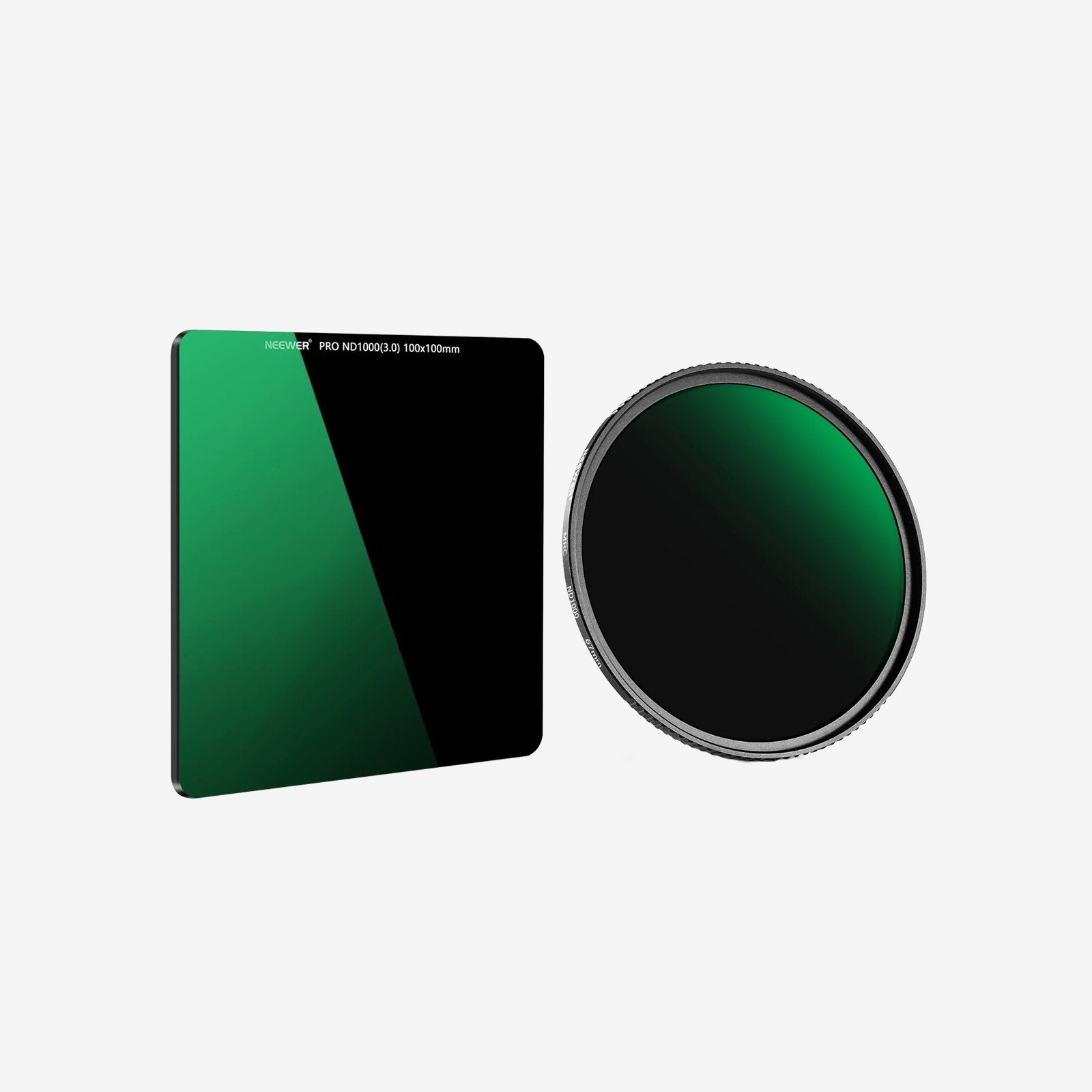
An ND filter acts like dark sunglasses for your lens, blocking a set amount of light without changing color temperature. It allows you to use wide apertures (f/1.4 or f/2.8) in harsh sunlight or slow down your shutter speed to create smooth long-exposure motion blur on waterfalls, clouds, and ocean waves.
What Is a Black Mist Filter Used For?
A Black Mist (or Diffusion) filter softens harsh digital sharpness, reduces skin blemishes, and adds a subtle, warm halo bloom around specular highlights. It gives digital video and portraits a filmic, cinematic glow.
What Is a Telephoto Lens Used For?
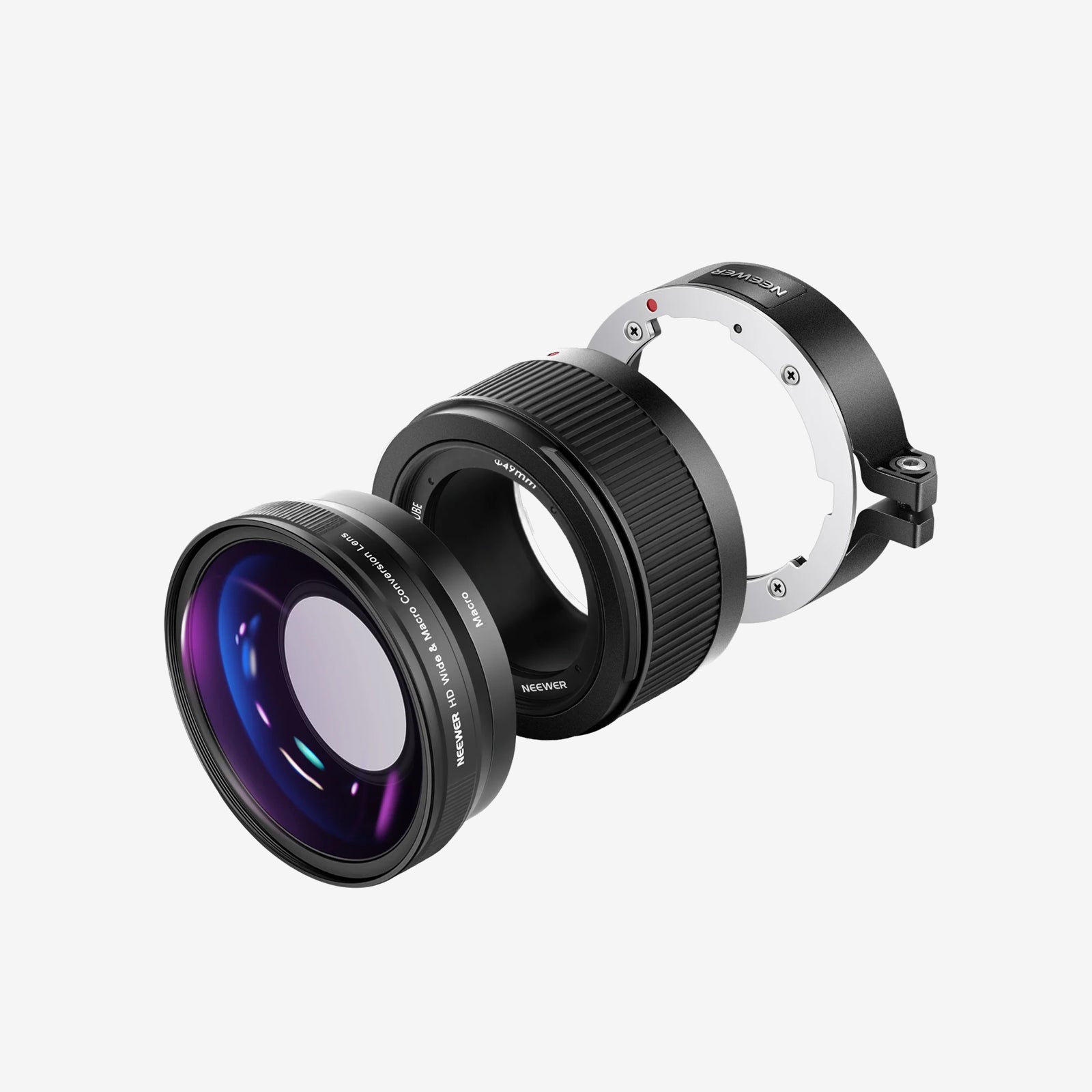
A telephoto lens features a long focal length (typically 85mm to 600mm+) that magnifies distant subjects. It brings far-away action closer for wildlife, sports, concert, and portrait photography while producing a shallow depth of field with creamy background blur (bokeh).
Fixed ND vs. Variable ND Filters: Which Is Better?
Fixed ND Filters: Use a single density glass element (e.g., ND8, ND64, ND1000). They offer the highest optical clarity with zero cross-polarization artifacts or color shifts.
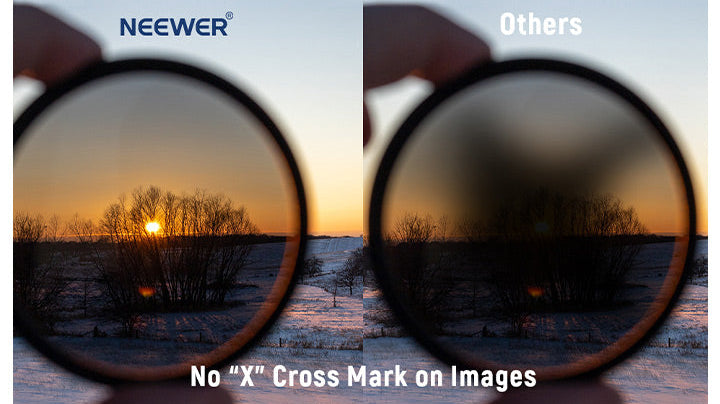
Variable ND (VND) Filters: Twist to adjust light reduction across a range (e.g., ND2–ND32). They are ideal for videographers who need rapid exposure adjustments without swapping glass on set.
Can You Stack Multiple Lens Filters Together?
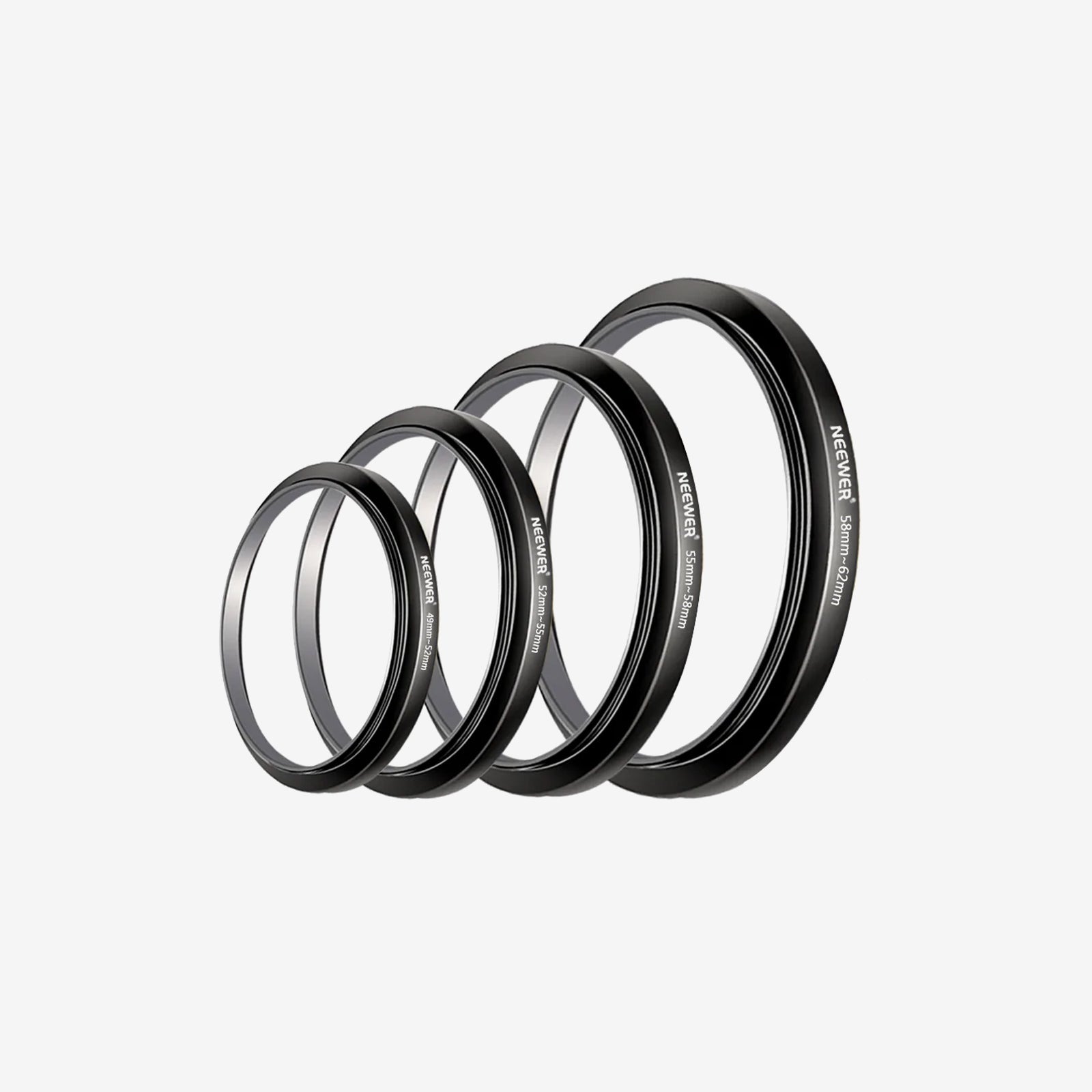
Yes, but stack sparingly. While you can screw a CPL on top of an ND filter, stacking multiple thick filter rings can cause mechanical vignetting (dark corner shadows) on wide-angle lenses and increase lens flare artifacts.