

Light Stands
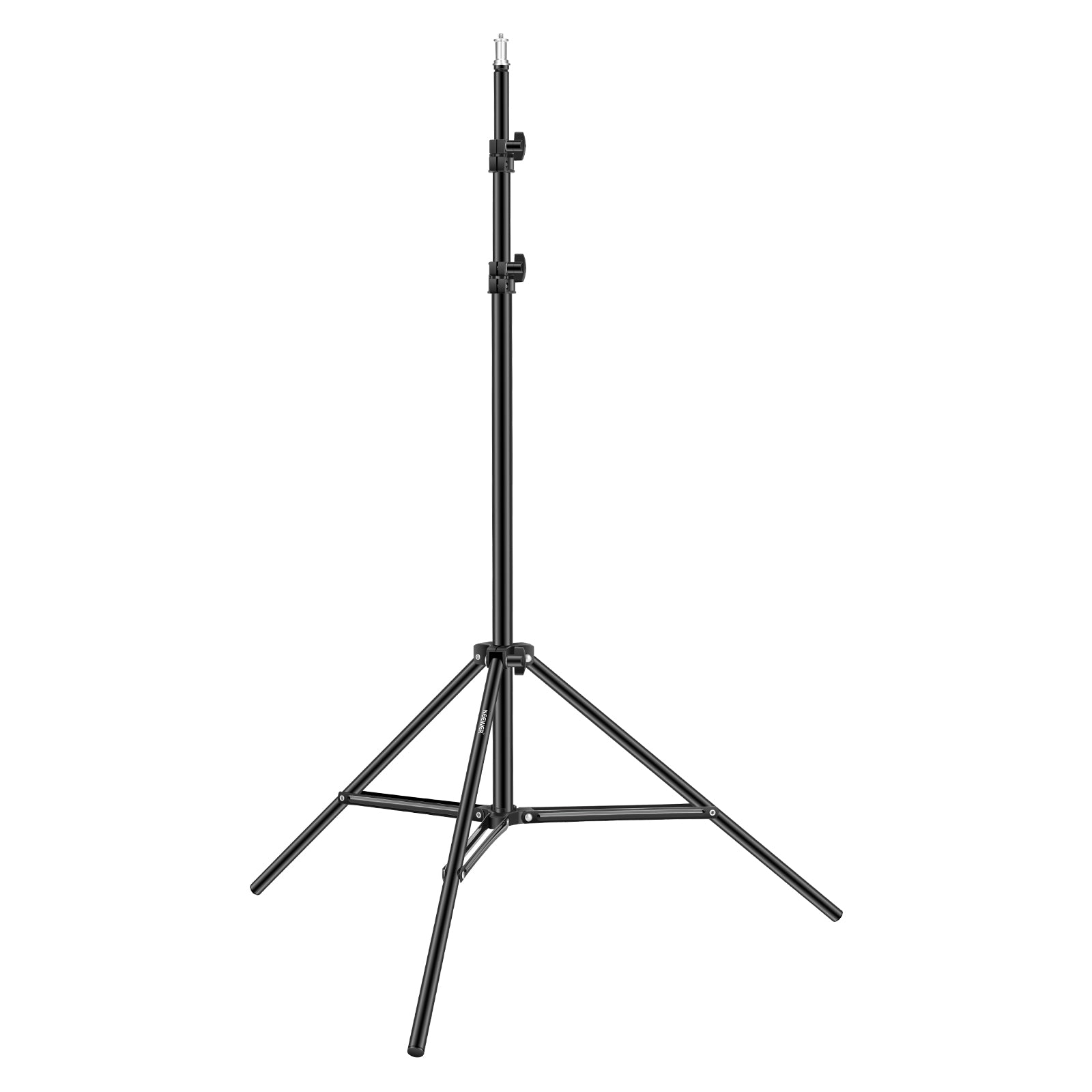

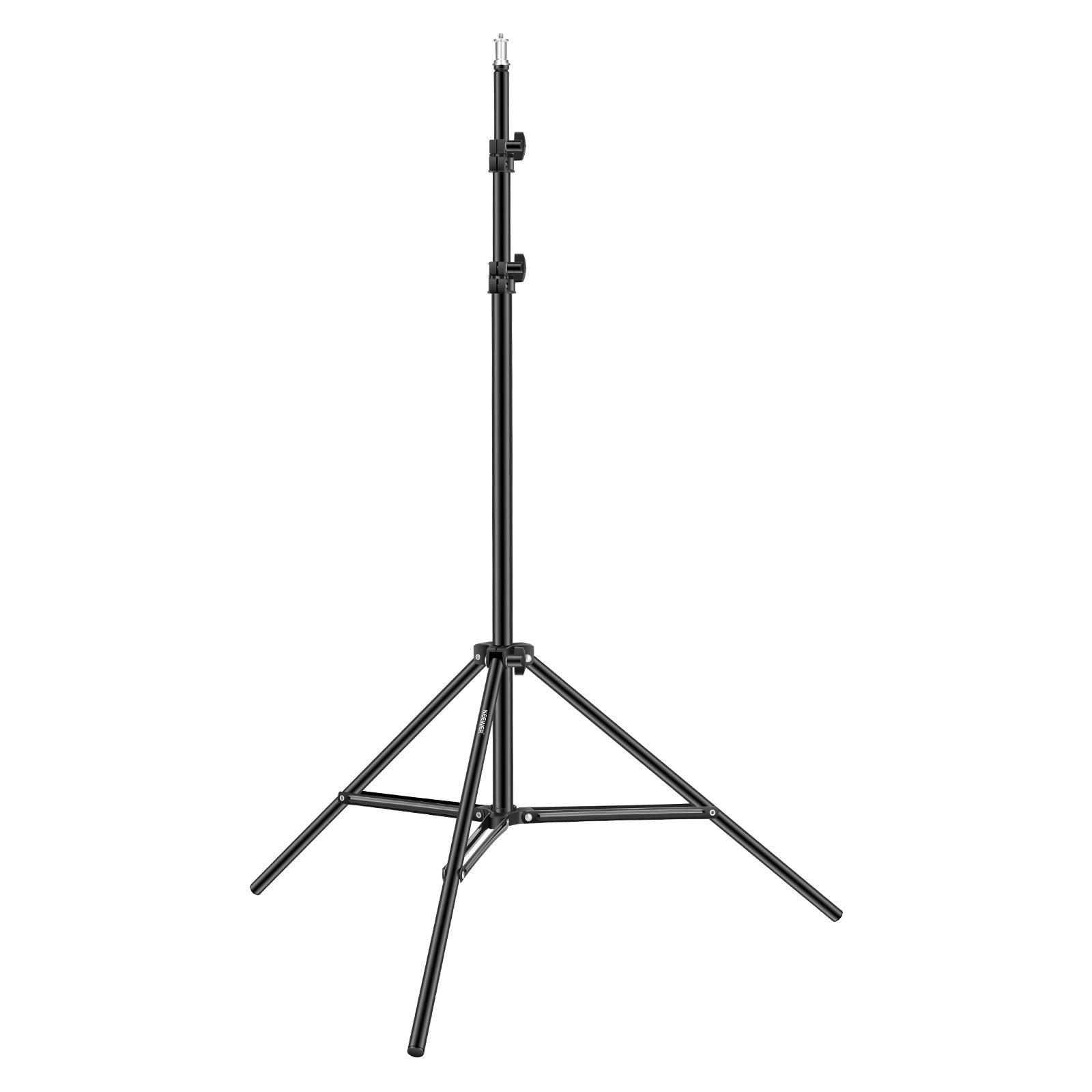

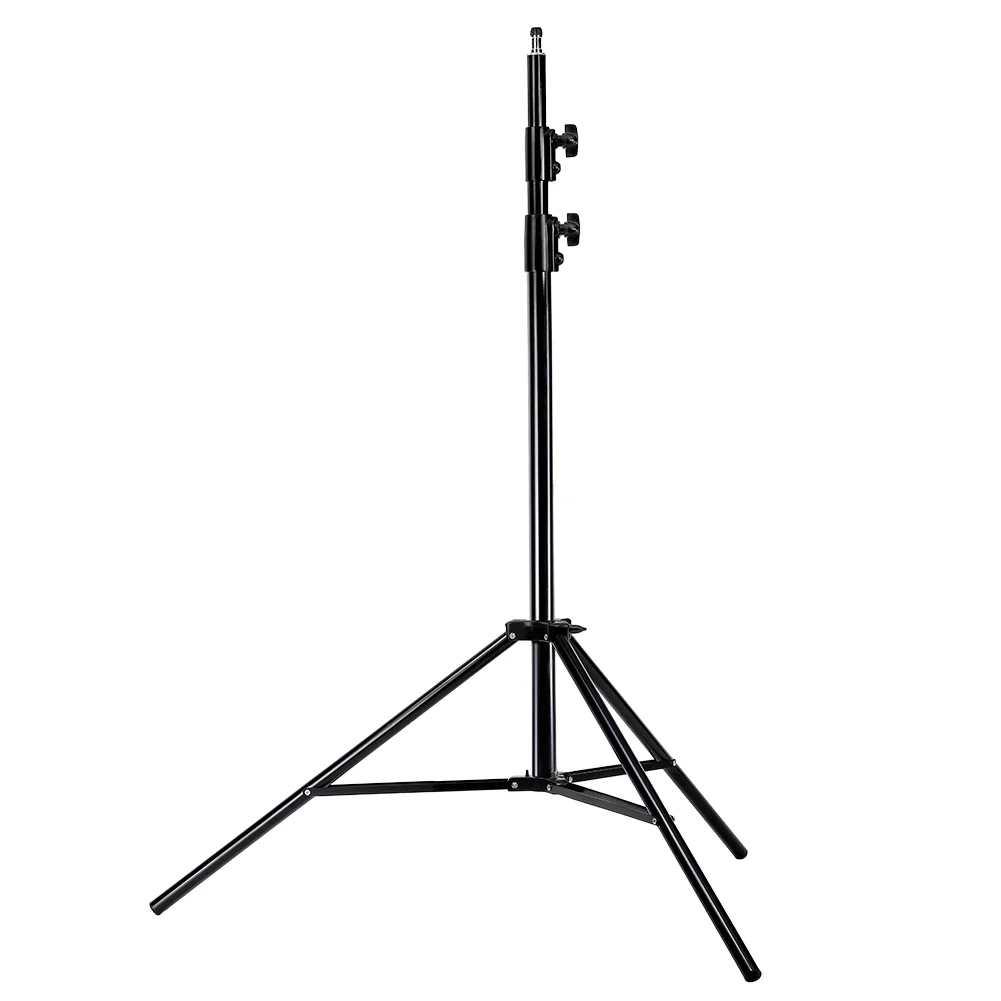


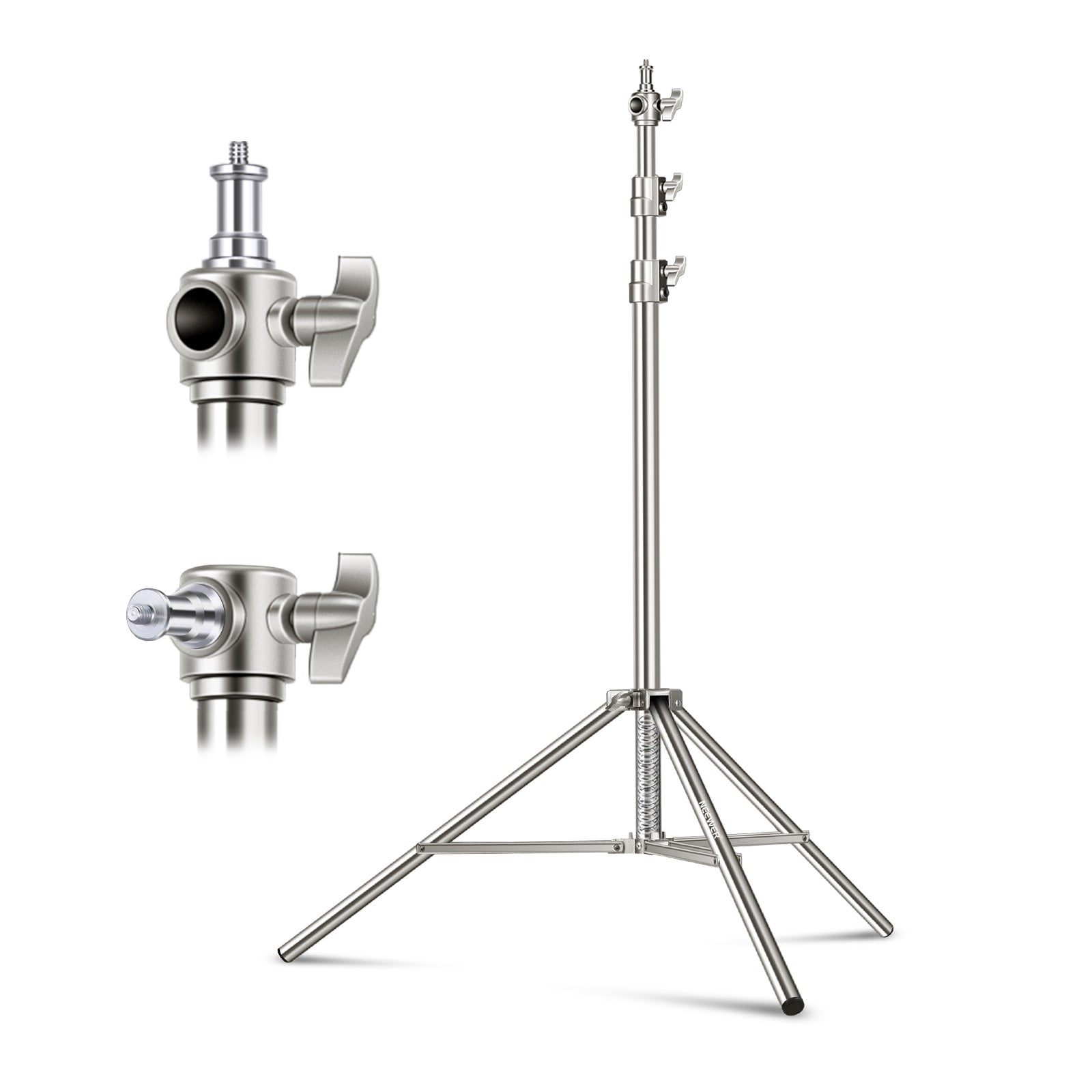
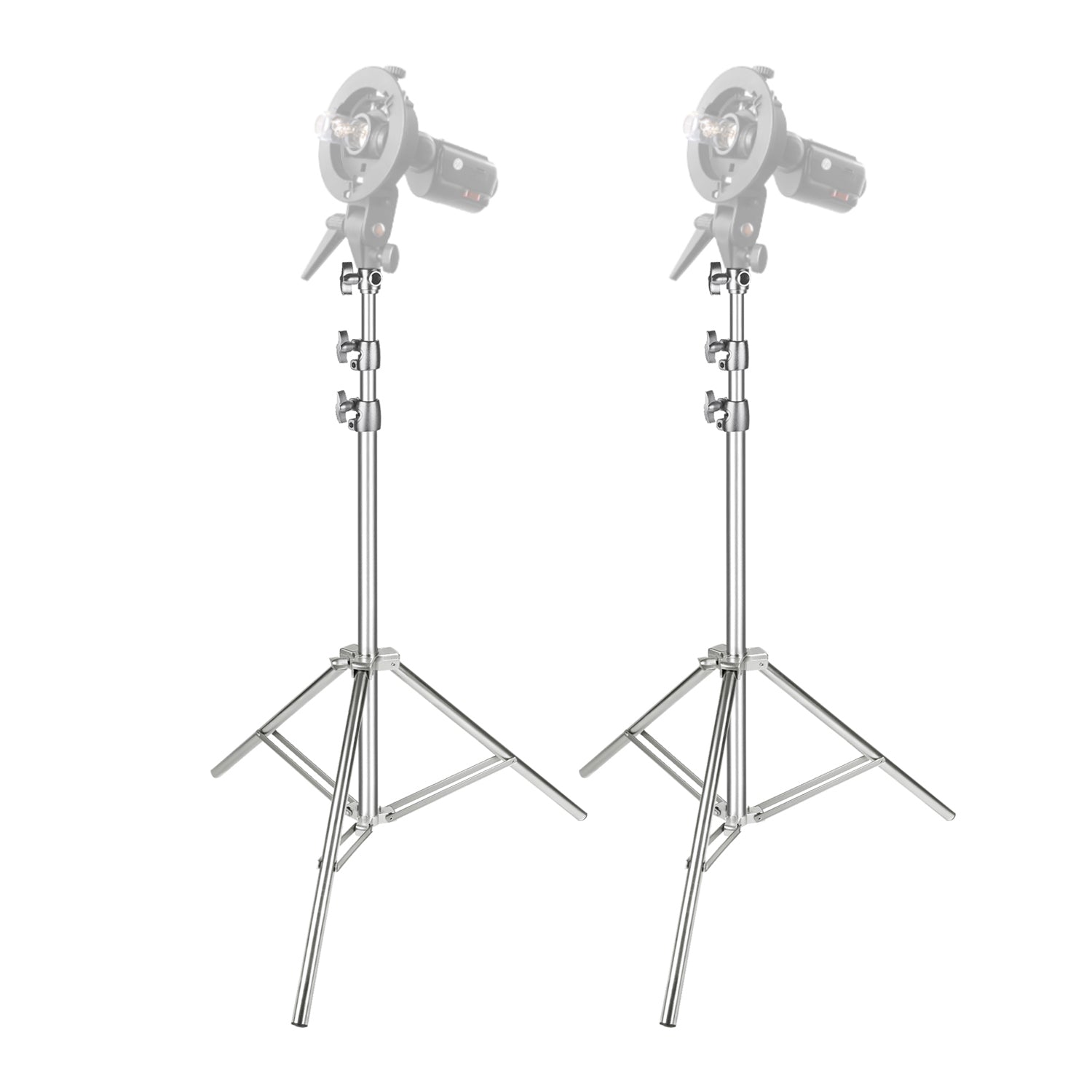
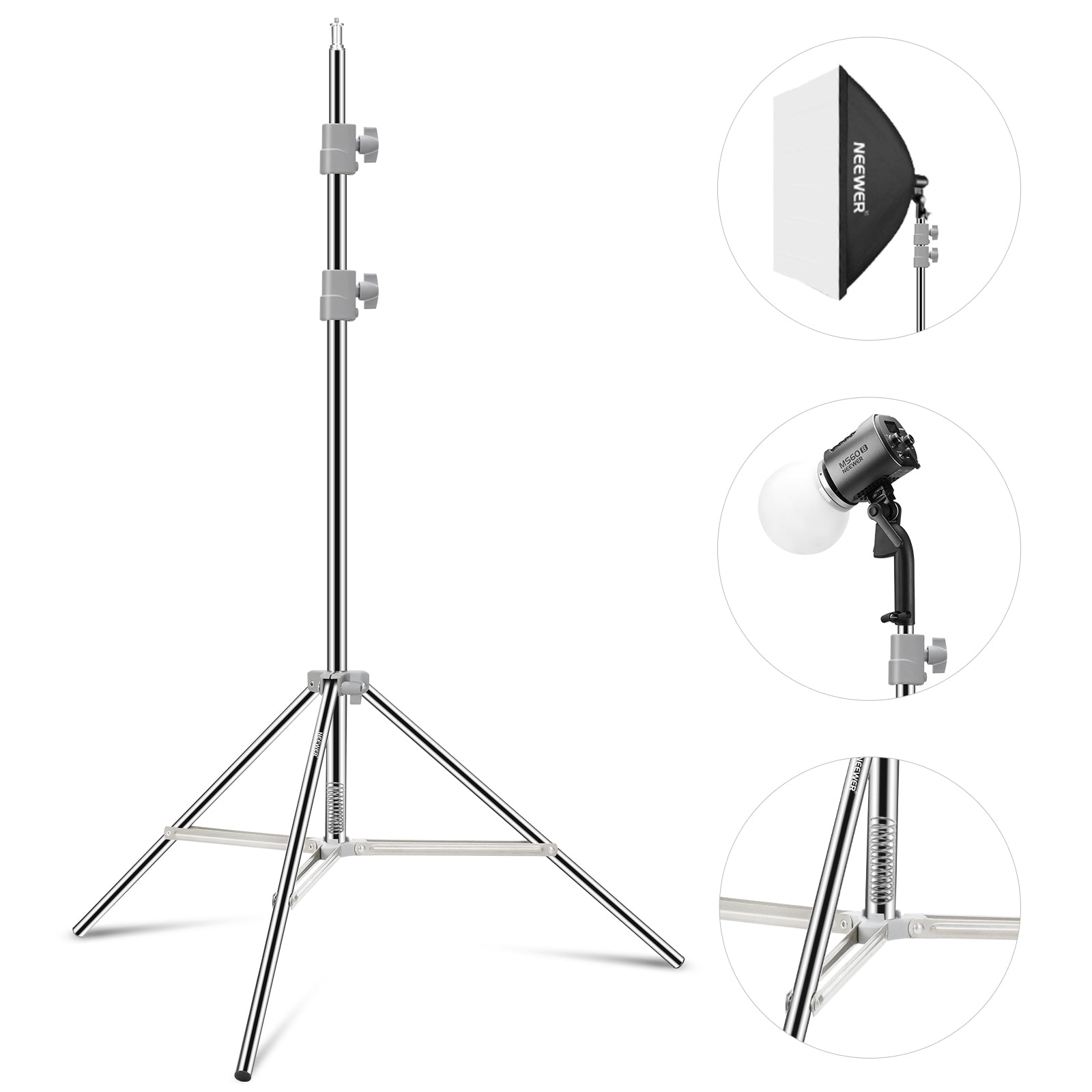
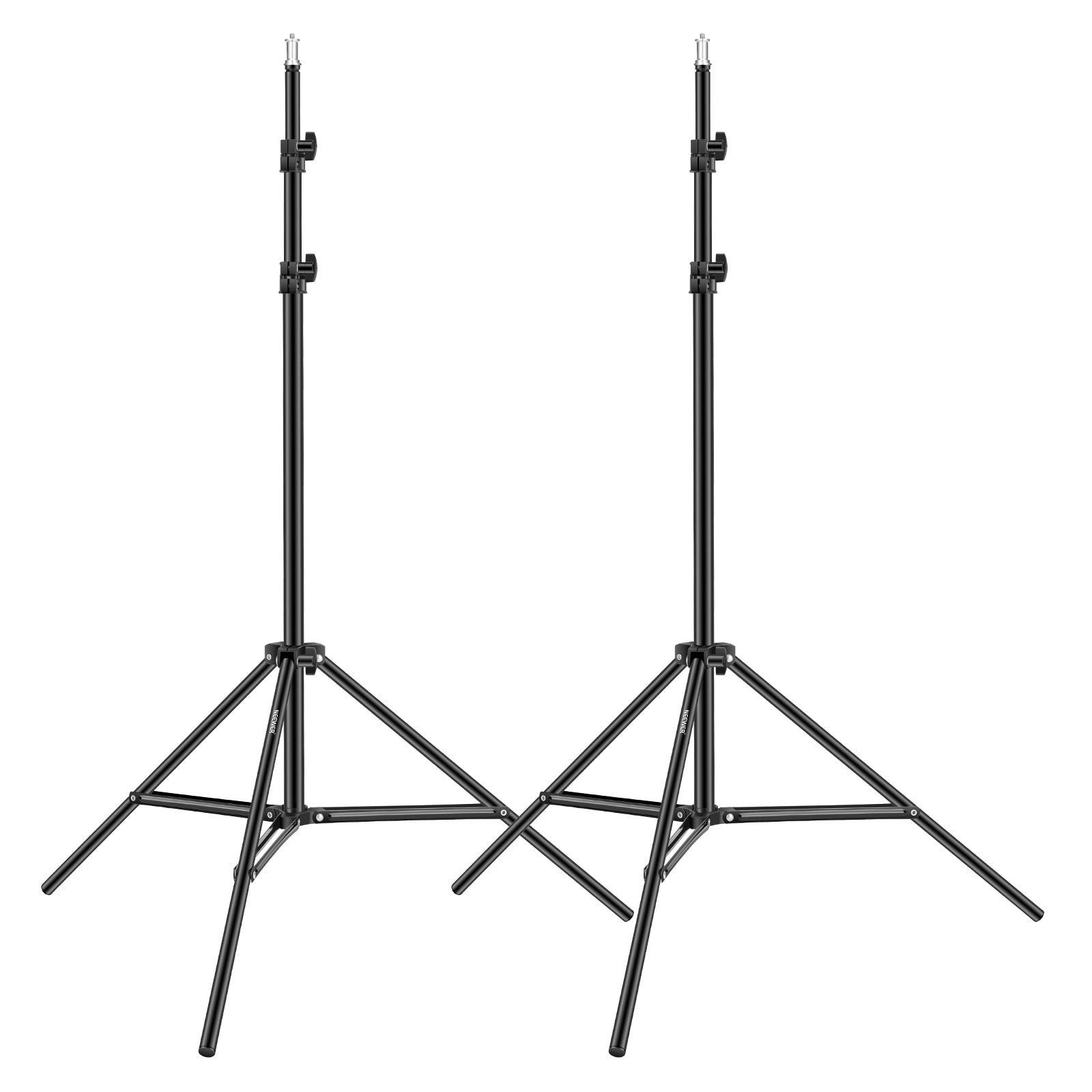


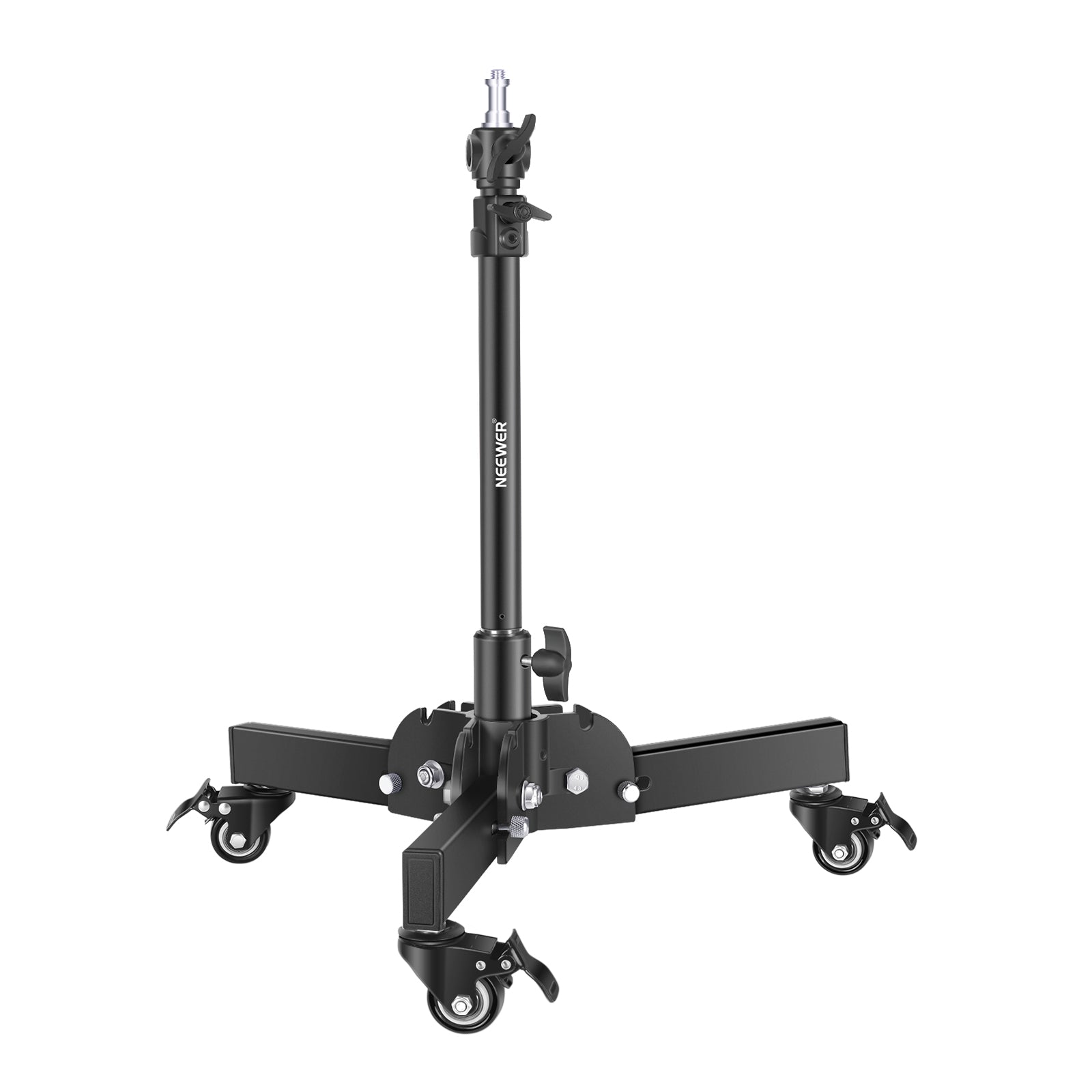
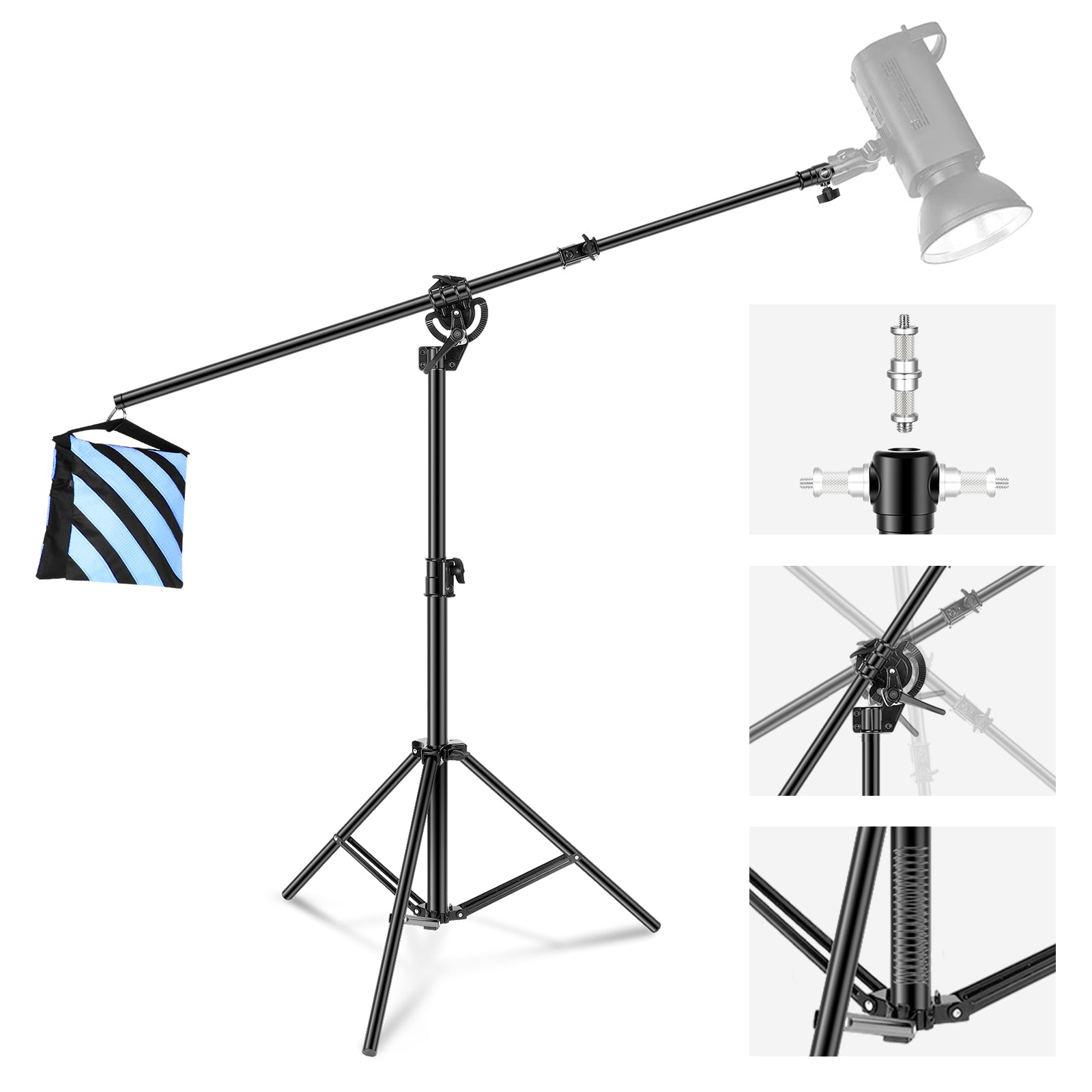


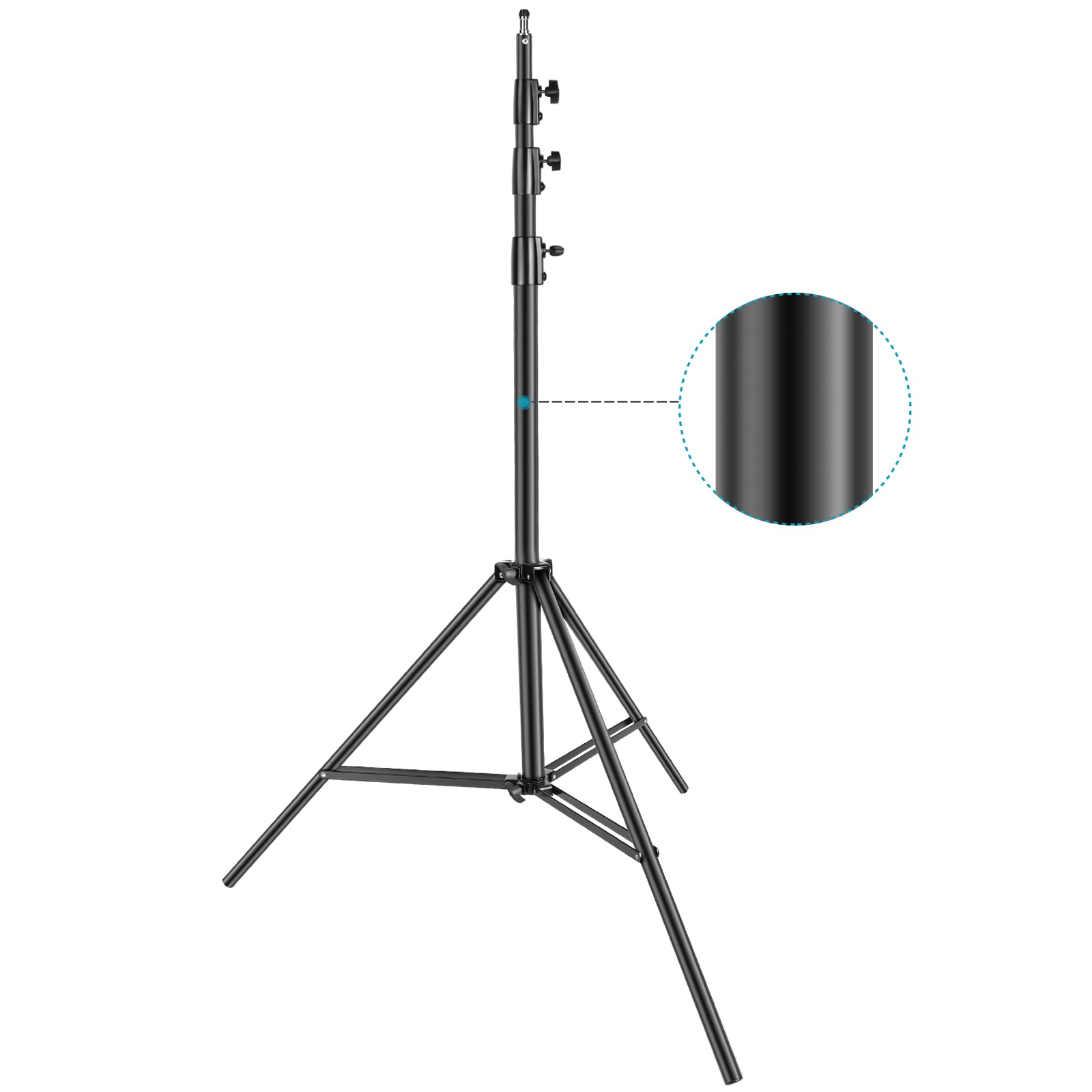


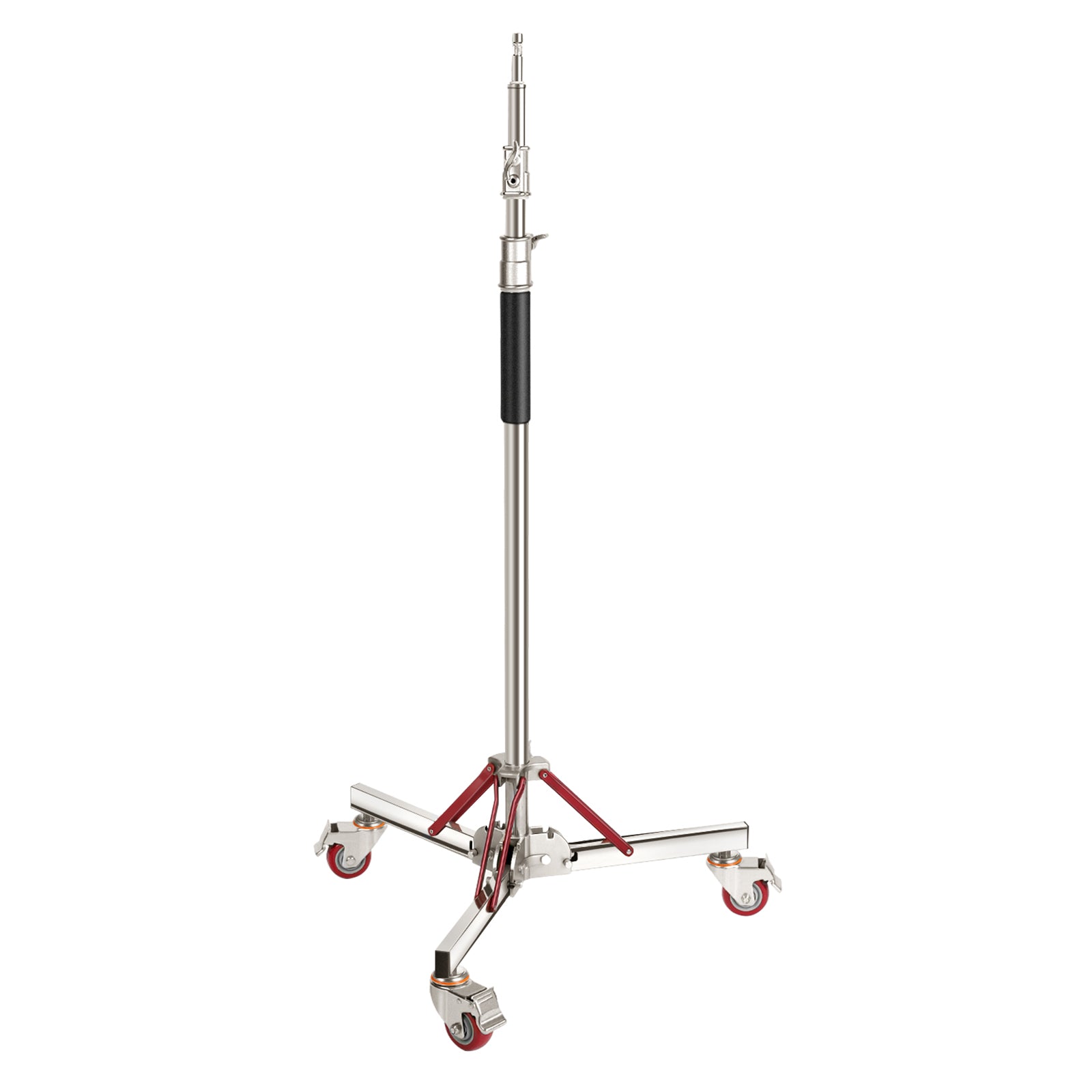
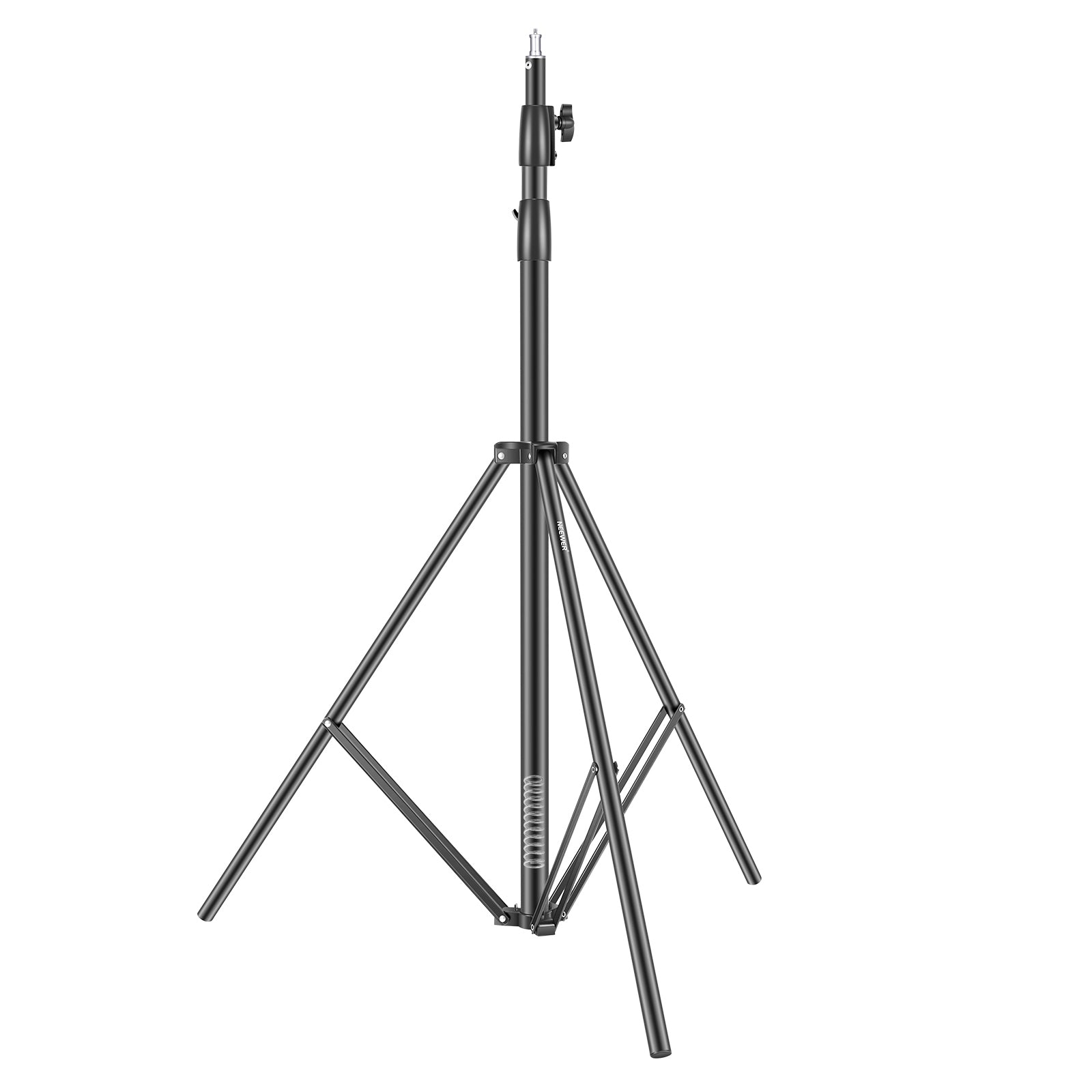
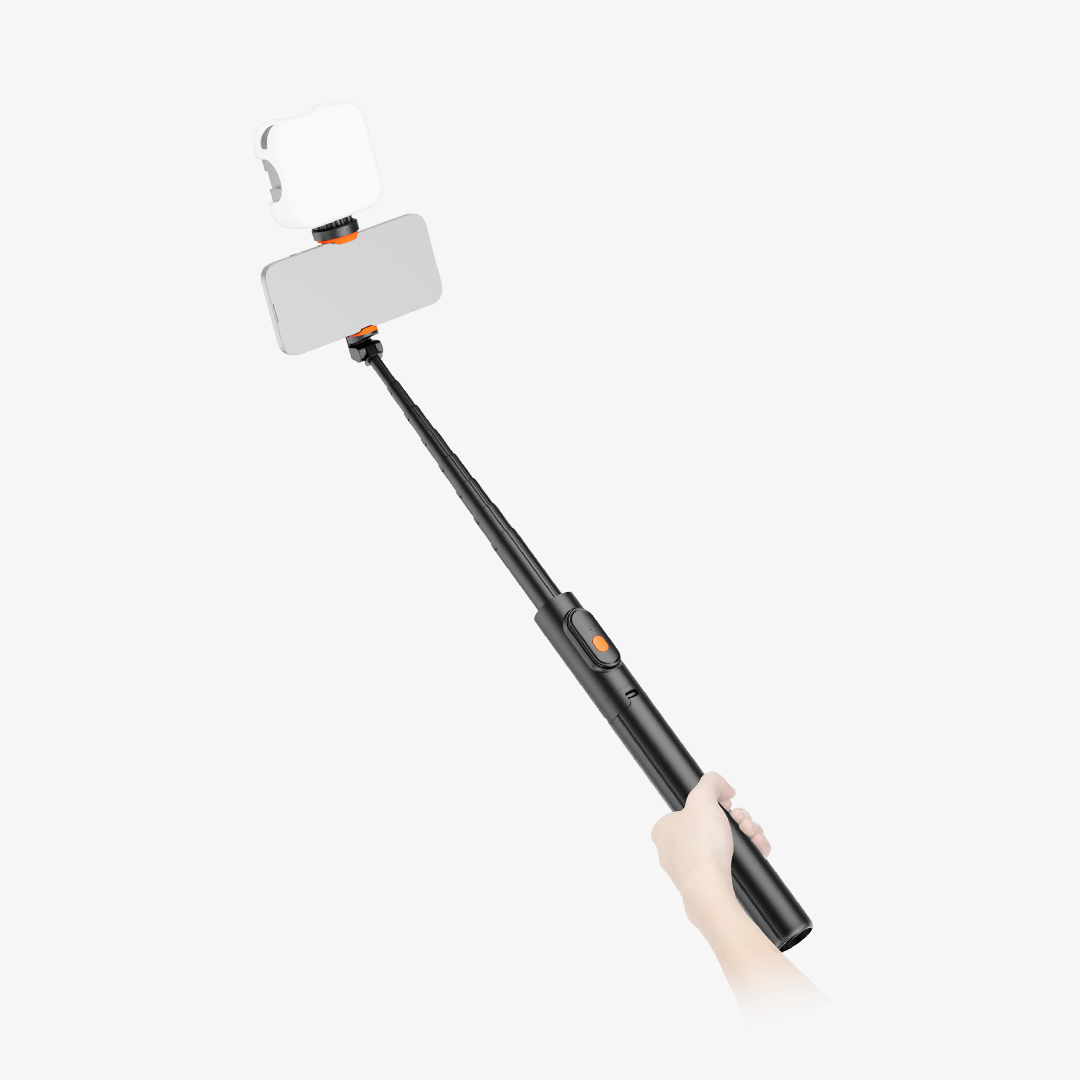
NEEWER offers a wide range of photography light stands designed for ring lights, flashlights, LED panel lights, RGB lights, and other photography equipment. Our collection includes selfie stands, outdoor light stands, and more. These photography stands provide sturdy and adjustable support, making them perfect for outdoor shoots and professional photography. Choose a high-quality light stand to take your creative work to the next level.
FAQ
What Is a Light Stand and What Is It Best Used For?
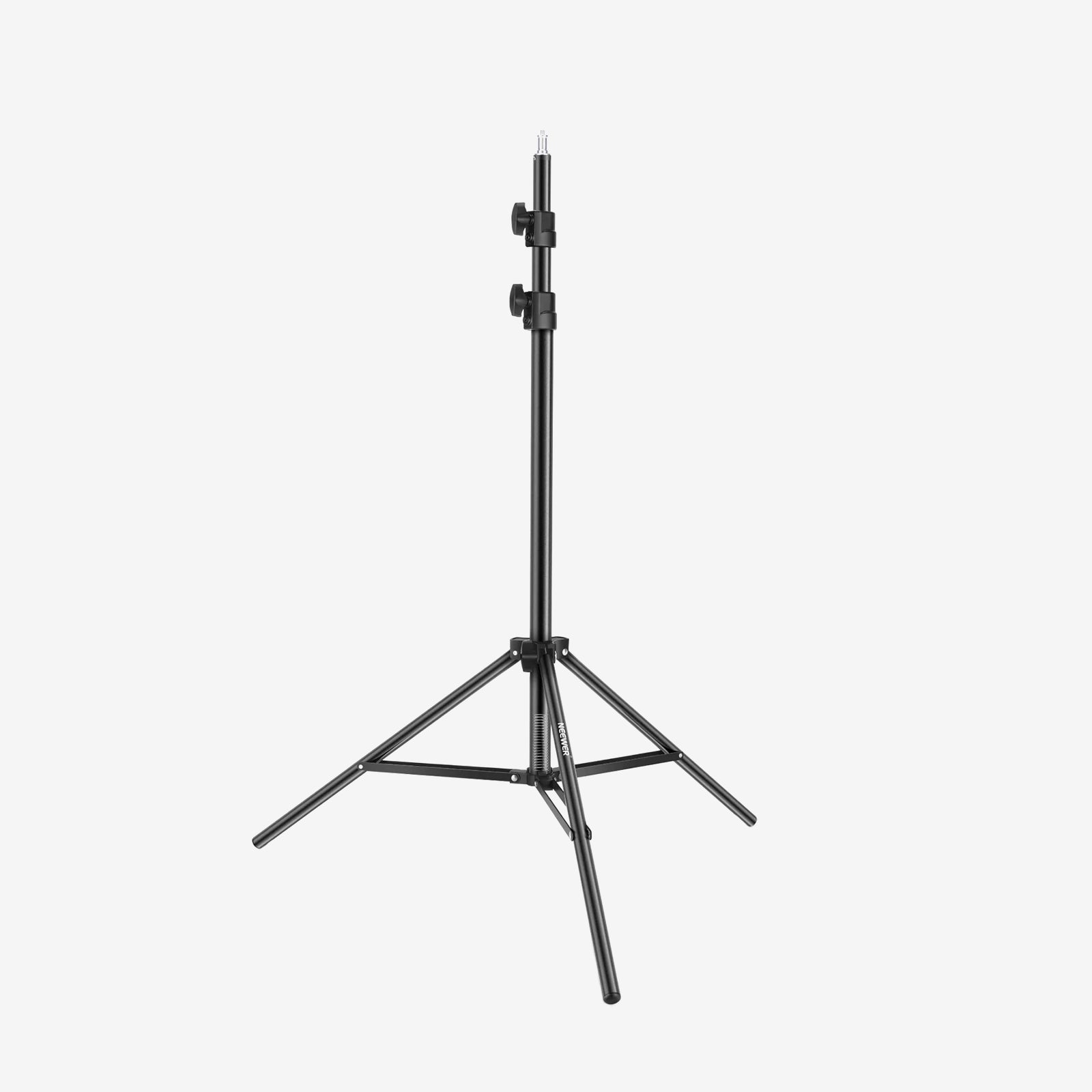
A standard light stand is a portable, height-adjustable mounting support made from lightweight aluminum or air-cushioned steel. It is designed to hold small-to-medium lighting gear—such as speedlites, LED video panels, ring lights, and compact softboxes—making it ideal for mobile portrait sessions, home studios, live streaming, and budget-conscious creators.
What Does "Air-Cushioned" Mean in a Light Stand?
An air-cushioned light stand features internal pneumatic dampening inside its telescoping riser poles. When you unscrew a section lock knob, the center column glides down smoothly on a cushion of air rather than slamming down instantly—preventing sudden impact damage to your expensive lights, softboxes, or fingers.
How Do You Choose the Right Height and Weight Capacity for a Light Stand?
Consider the size of your space and the gear you are mounting:
Compact / Travel Stands (6' / 1.8m, Max Load 3–5 lbs): Best for speedlites, small LED panels, and light travel kits.
Medium Studio Stands (8'–10' / 2.4–3m, Max Load 6–10 lbs): The most versatile standard size for holding mid-sized softboxes, studio strobes, and ring lights.
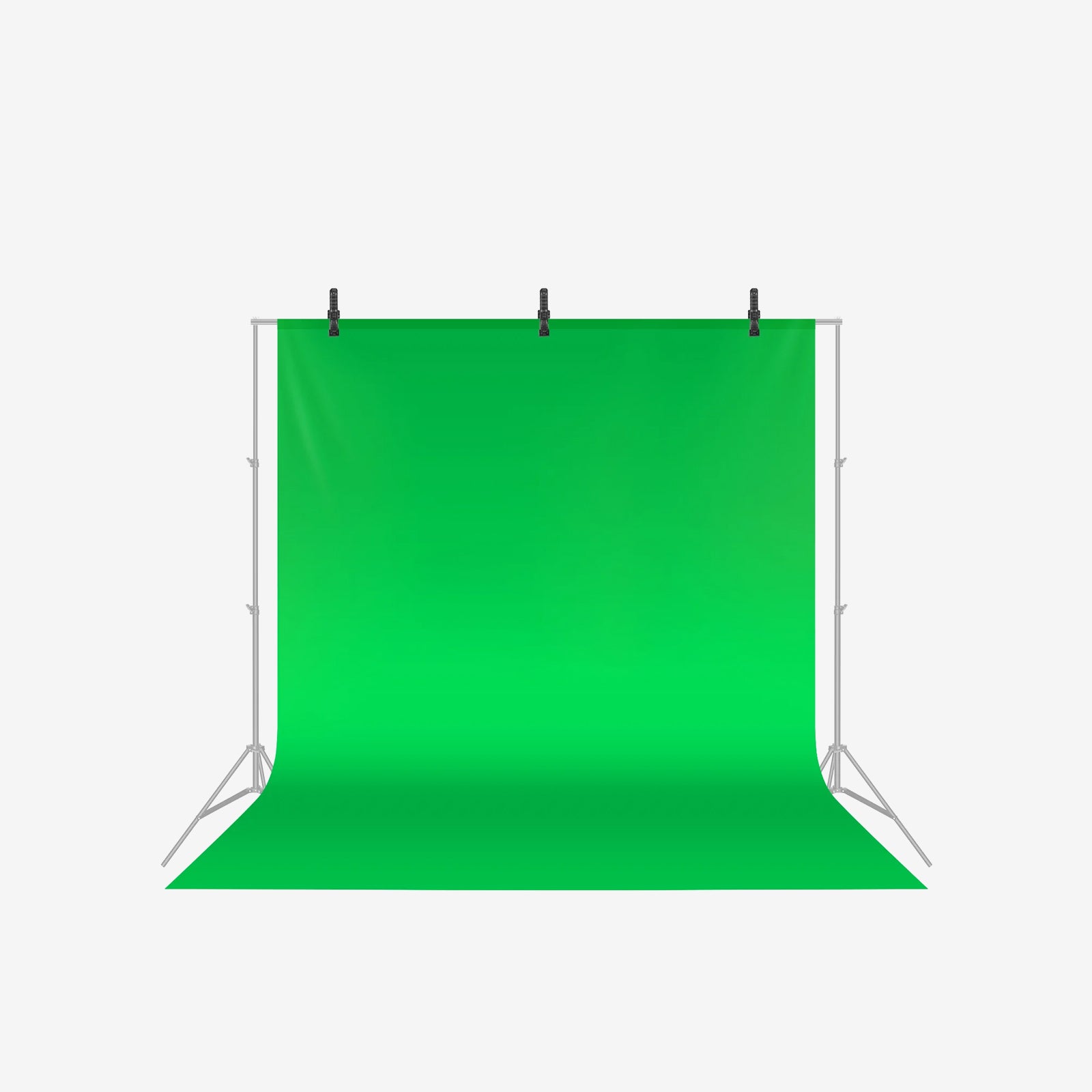
Heavy-Duty / High Stands (12'+ / 3.6m+, Max Load 15+ lbs): Essential for elevated overhead lighting, background crossbars, or large continuous video lights.
Standard Light Stand vs. C-Stand: What Is the Difference?
Standard Light Stands: Built for mobility, quick setup, and light-to-medium gear. They fold up small, are easy to transport in a gear bag, and cost significantly less.
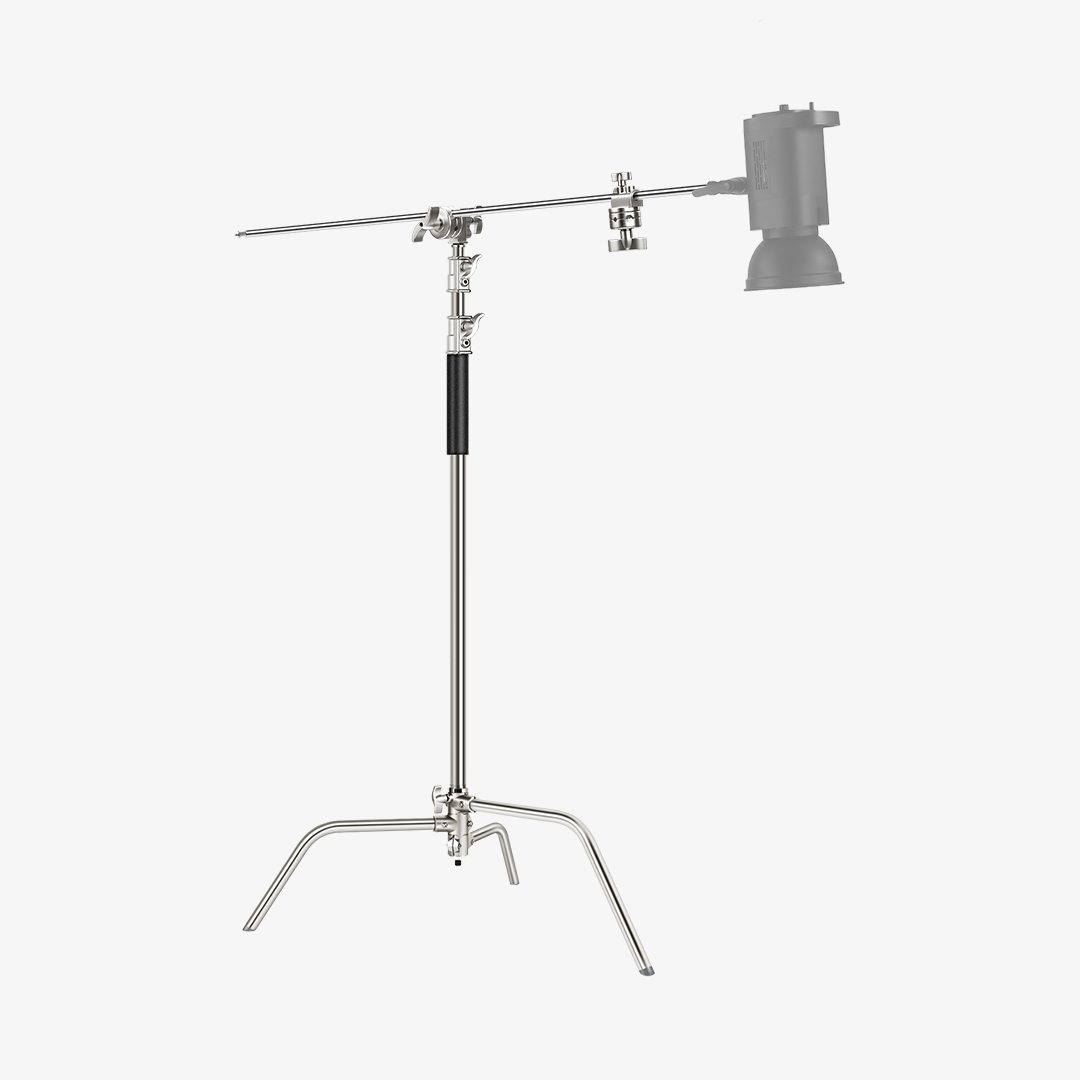
C-Stands: Heavy-duty steel industrial workhorses designed for heavy studio lights, booms, and modifiers. They offer far superior stability, wind resistance, and payload capacity, but are considerably heavier and larger to transport.
Light Stand vs. Tripod: Which one is better?
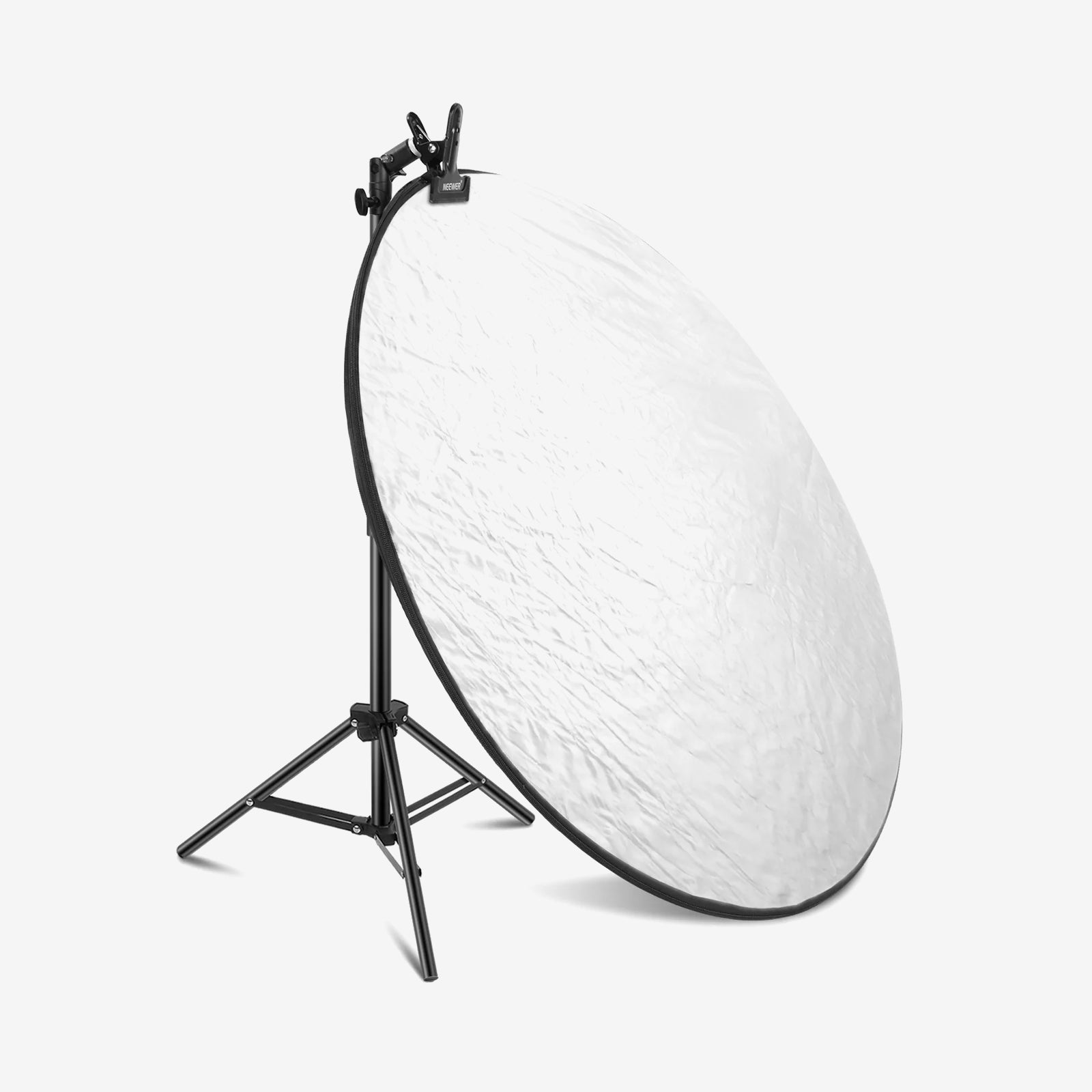
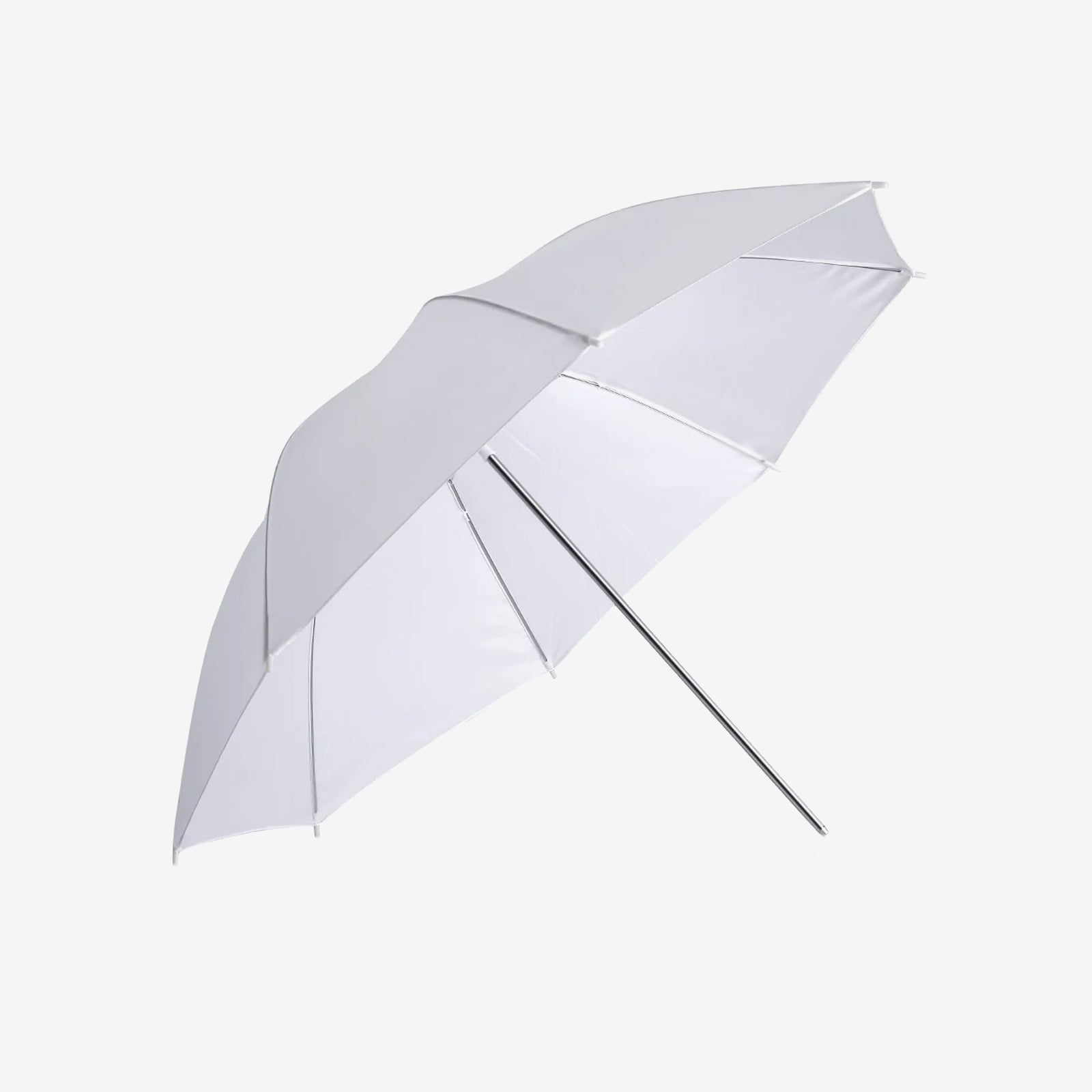
Choose a Light Stand if you need to support lighting equipment for studio or outdoor photography and videography. Light stands are designed for controlling illumination rather than stabilizing a camera, and they’re ideal for mounting lighting modifiers like reflectors, softboxes, or umbrellas.
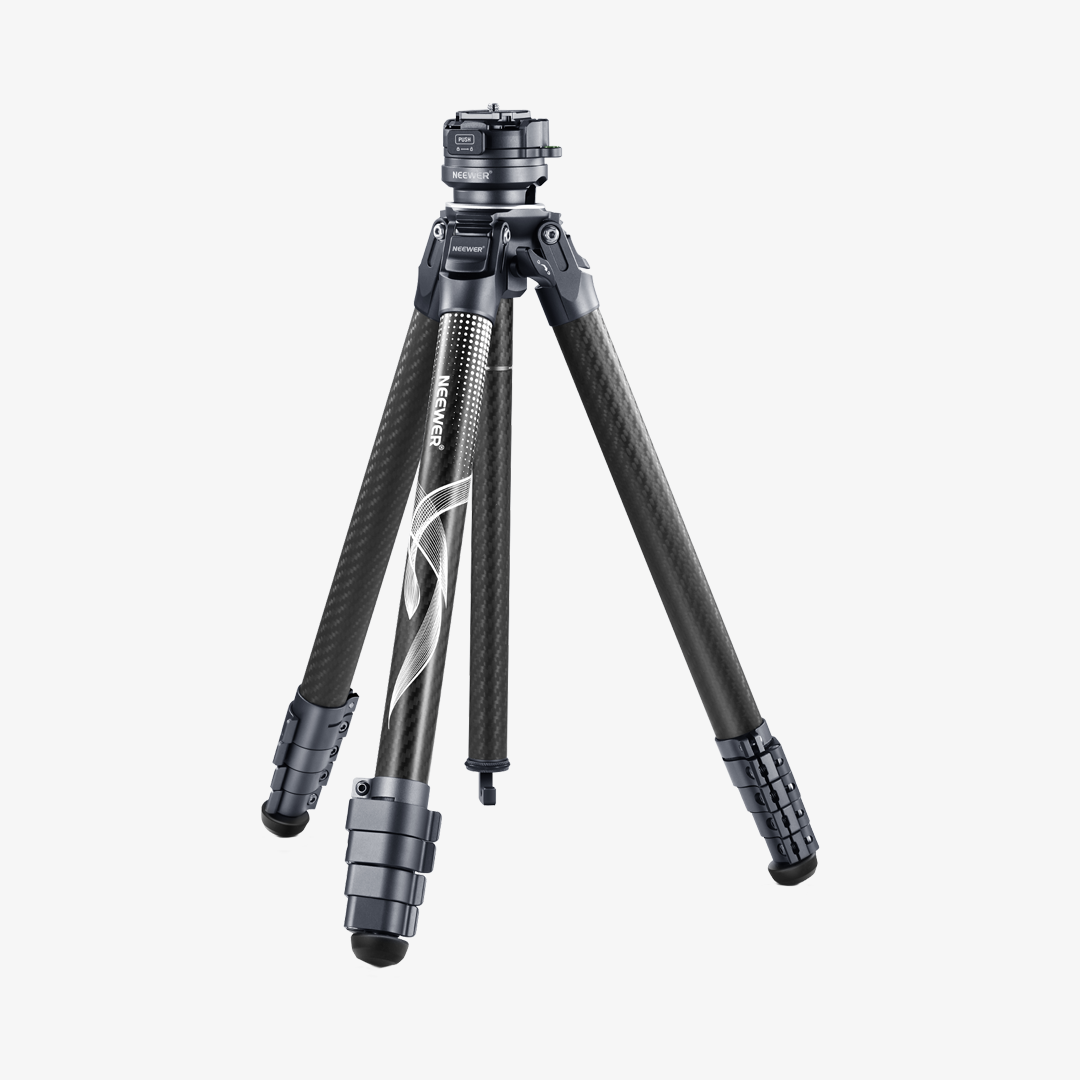
Choose a Tripod if your priority is stabilizing a camera for steady shots or long exposures. Tripods offer precise control for panning, tilting, and adjusting angles, making them essential for composition and framing. They’re also a great choice when portability and compactness are important to your shooting style.
Do Light Stands Require Sandbags Outdoors?
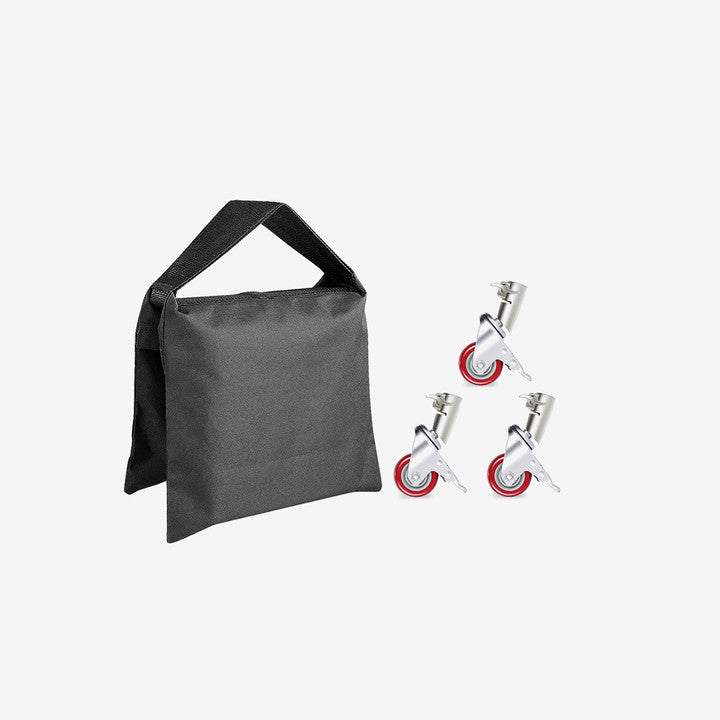
Yes. Standard aluminum light stands are very lightweight, which makes them easy to transport but susceptible to tipping over in wind gusts—especially when equipped with large softboxes or umbrellas that act like sails. Always drape a sandbag or weight bag over the leg base when shooting outdoors or in busy event spaces.