

Table of Contents
A tripod mounting plate is a small attachment that connects your camera to the tripod head securely. In addition, it can save your time and energy, protect the camera base, and reduce camera shake. In this blog, we cover everything about tripod mounting plates, including uses, types, and more.
What Is a Quick Release Plate?
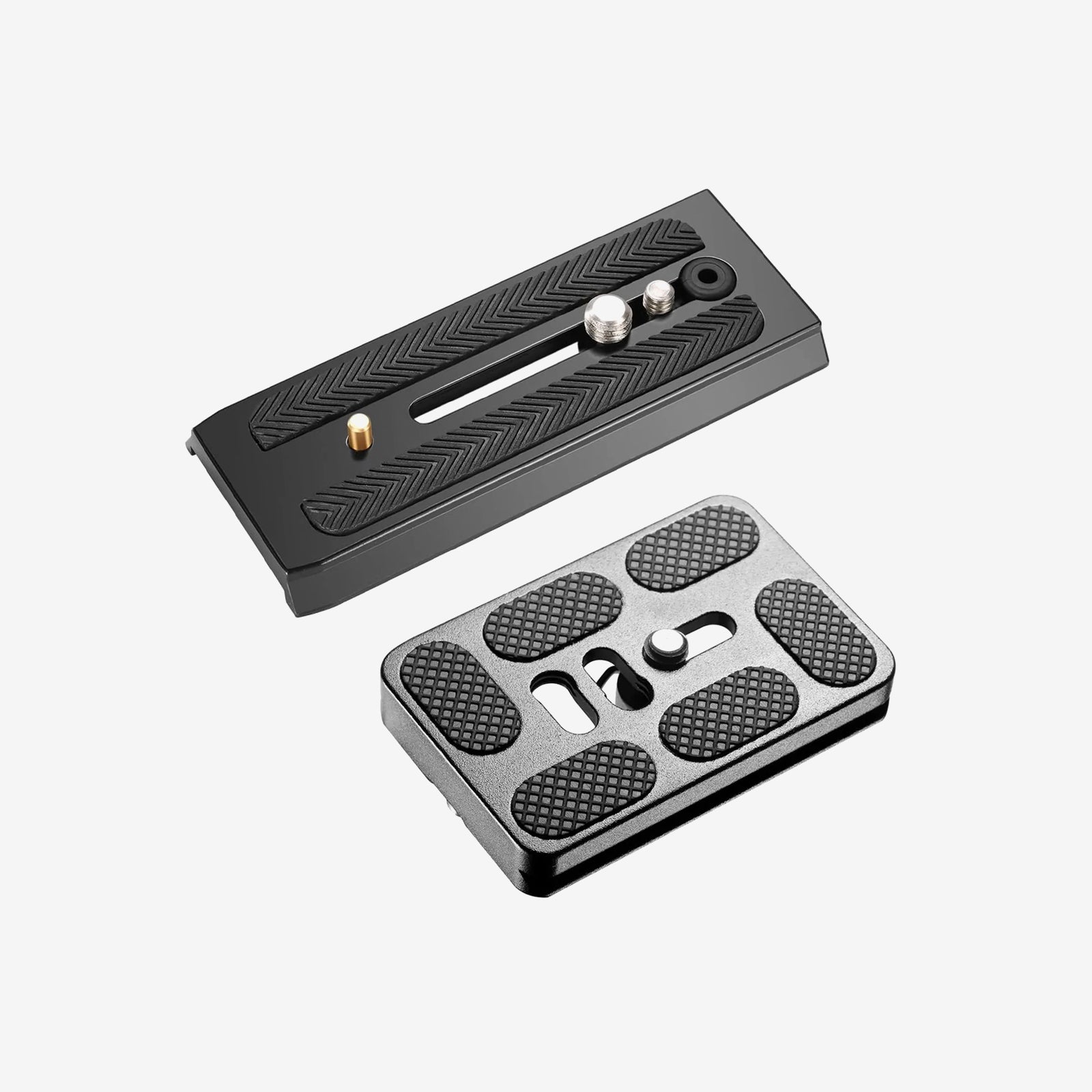
A tripod mounting plate is a small but essential piece of gear. It connects your camera to the tripod head. Think of it as the bridge between your camera and tripod—it saves you from twisting your camera onto the tripod every time. It’s usually made of metal, often aluminum alloy, and has a screw that attaches directly to your camera’s tripod socket.
Once it’s secured, the plate slides or snaps into the tripod head’s quick-release clamp, locking your camera in place. With a plate, mounting and removing your camera takes only seconds. Many photographers leave the plate attached permanently so they can move quickly between handheld and tripod shooting without losing time or balance.
What Does a Tripod Mounting Plate Do?
- Speeds Up Mounting and Removal: Keeping the tripod mounting plate attached to your camera at all times. When it’s time to shoot, you simply click it into the tripod head and lock it in place. This saves setup time and makes switching between handheld and tripod use effortless.
- Provides a Secure Connection: The tripod mounting plate firmly attaches your camera to the tripod head using a 1/4-inch screw. It ensures your camera won’t slip or twist, giving you solid stability for both photo and video work.
- Reduces Camera Shake: By creating a tight fit between the camera and tripod, the tripod mounting plate minimizes unwanted vibrations.
- Protects the Camera Base: A well-designed tripod mounting plate spreads out the contact pressure evenly across the camera base, preventing scratches or damage around the mounting screw area.
Types of Tripod Mounting Plates
Tripod mounting plates come in different designs depending on how they attach to the tripod head and the type of camera setup they support. Here are the main types you'll encounter.
| Type | Design | Compatibility | Best For |
|---|---|---|---|
| Standard Mounting Plates | Flat plate secured with a mounting screw | Depends on the tripod head and mounting design | Basic camera mounting |
| Arca-Swiss Type Plates | Dovetail-style edges that slide into compatible clamps | Arca-Swiss-style clamps | Photographers using compatible tripod heads and accessories |
| Proprietary Quick Release Plates | Brand-specific shapes or locking mechanisms | Matching tripod head systems | Users of specific tripod brands or models |
| Custom Camera Plates and L-Brackets | Camera-shaped plates or brackets with additional mounting surfaces | Specific camera models or compatible mounting systems | Professional setups, portrait and landscape orientation changes |
 1. Standard Universal Mount Plates
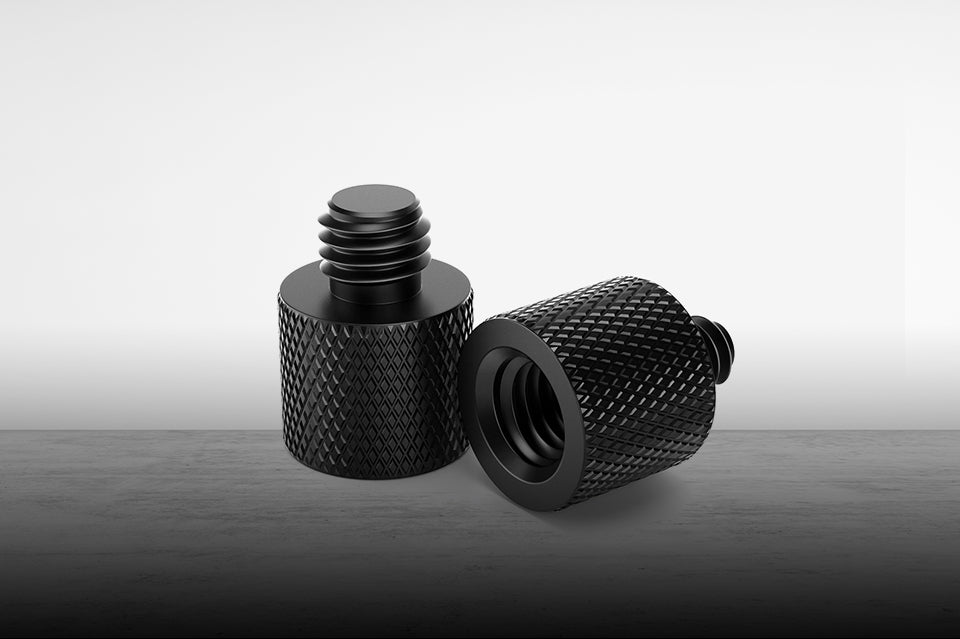
These are the most basic and widely used plates. They attach to your camera with a 1/4-inch screw and fit most tripods. Ideal for casual photographers who need a simple, reliable setup. You twist the screw by hand or with a coin, and it stays firmly in place.
2. Arca-Swiss Type Plates
These plates let you attach or remove your camera in seconds. They slide or snap into a matching quick-release clamp on the tripod head. Perfect for photographers who switch between handheld and tripod shooting often, such as wedding or event shooters.
3. Proprietary Quick Release Plates
Some tripod brands use their own quick-release plate designs with specific shapes, grooves, or locking mechanisms. These plates are generally designed to work with matching tripod heads or particular product series.
They can provide a secure fit within their intended system, but they're not necessarily interchangeable with plates from other brands. Always check the tripod head model before buying a replacement.
4. Custom Camera Plates and L-Brackets
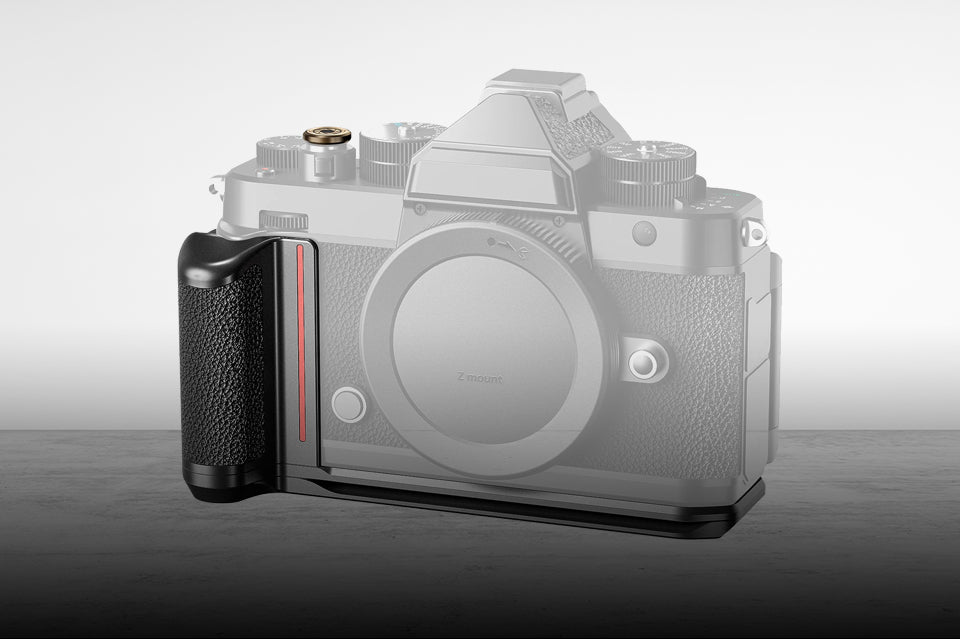
Custom camera plates are designed to fit specific camera bodies or shooting setups. They often feature a shaped base that matches the camera's contours, helping improve the fit and reduce unwanted rotation.
L-brackets are a popular example. They wrap around the bottom and side of a camera, allowing photographers to switch between horizontal and vertical shooting while keeping the camera centered over the tripod.
These plates are particularly useful for landscape photography, studio work, and setups with heavier camera and lens combinations.
Are Tripod Mounting Plates Universal?
Not all tripod mounting plates are universal. While many plates use the standard 1/4"-20 screw that fits most cameras, the real difference comes from the plate design and quick-release system. If you want maximum flexibility, choose a plate that follows the Arca-Swiss standard or ensure all your equipment uses the same system.
How to Choose a Tripod Mounting Plate for Stable Shots?
1. Match the Plate to Your Tripod Head System
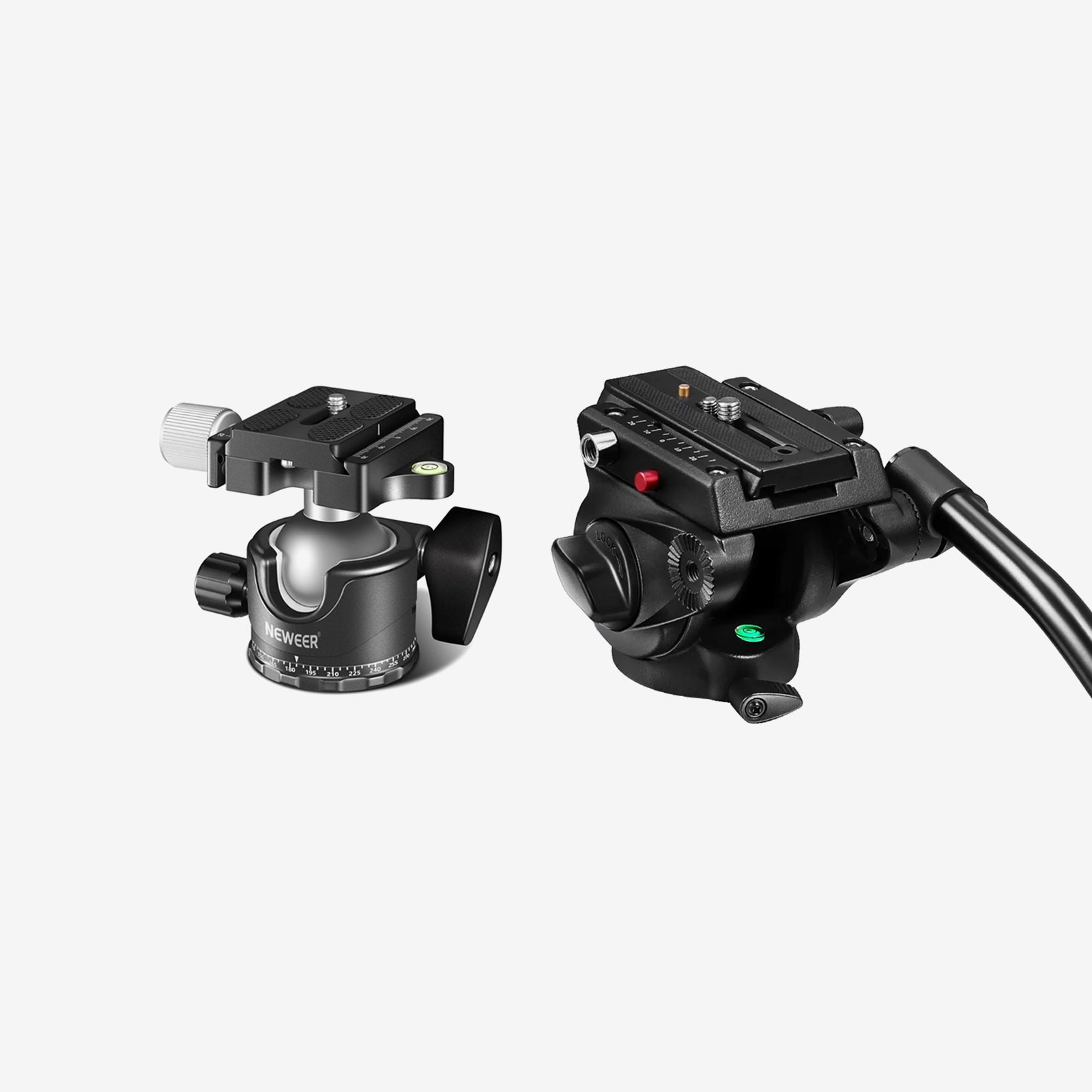
Start by checking what system your tripod head uses — not all tripod mounting plates fit all heads. Arca-Swiss is the most common standard and works across many brands, while others use proprietary quick-release systems. Before buying, check if your head has a clamp style or a dovetail groove. Using the wrong type can cause your camera to wobble or even slip during shooting.
2. Consider Size and Balance for Your Setup
Different cameras need different tripod mounting plate sizes. A compact mirrorless camera feels balanced on a small plate, but a DSLR or rig with a long lens needs an extended or dual-screw plate to spread the weight evenly. If your setup includes a cage, microphone, or monitor, choose a longer plate that supports the full rig. The right size helps maintain center balance and keeps your footage steady.
3. Choose the Right Material for Durability
Aluminum alloy tripod mounting plates are the go-to for most photographers because they balance strength and weight. Carbon fiber is lighter but pricier, while plastic plates suit small cameras or travel kits. A solid metal plate holds tight under heavy gear and resists flexing when you tilt your camera for low or high angles. If you shoot outdoors often, pick one with anodized coating to avoid corrosion.
4. Prioritize Grip and Anti-Twist Design
A good tripod mounting plate should hold your camera firmly, without shifting under pressure. Look for anti-slip rubber pads or anti-twist pins that prevent rotation when adjusting angles. This detail matters most for long exposures, macro, or telephoto shots, where even tiny movements can blur your image. When mounting, tighten it fully but avoid over-torquing — balance is key to long-term stability.

FAQs
Are Quick Release Plates Universal?
No. Quick release plates use different designs and compatibility standards. Arca-Swiss-style plates work with compatible dovetail clamps, while proprietary plates are designed for specific tripod heads or product series. Always check the mounting system before purchasing.
Are Arca-Swiss Plates Compatible With All Tripods?
No. An Arca-Swiss plate only fits tripod heads equipped with a compatible Arca-Swiss-style clamp. Some manufacturers may use slightly different dimensions or locking mechanisms, so it's best to check compatibility rather than assume every plate will fit.
What Size Screw Does a Tripod Mounting Plate Use?
Most camera mounting plates use a 1/4"-20 screw, which fits the standard tripod socket found on many cameras. Some larger professional camera setups and accessories may use different mounting configurations, so check your equipment's specifications before purchasing.
Can I Leave a Quick Release Plate on Camera?
Yes. Many photographers leave a quick release plate attached to their camera for convenience. This makes it easier to switch between handheld shooting and tripod use without repeatedly attaching and removing the plate. Just make sure it's securely tightened and doesn't interfere with your camera's normal operation.