

Table of Contents
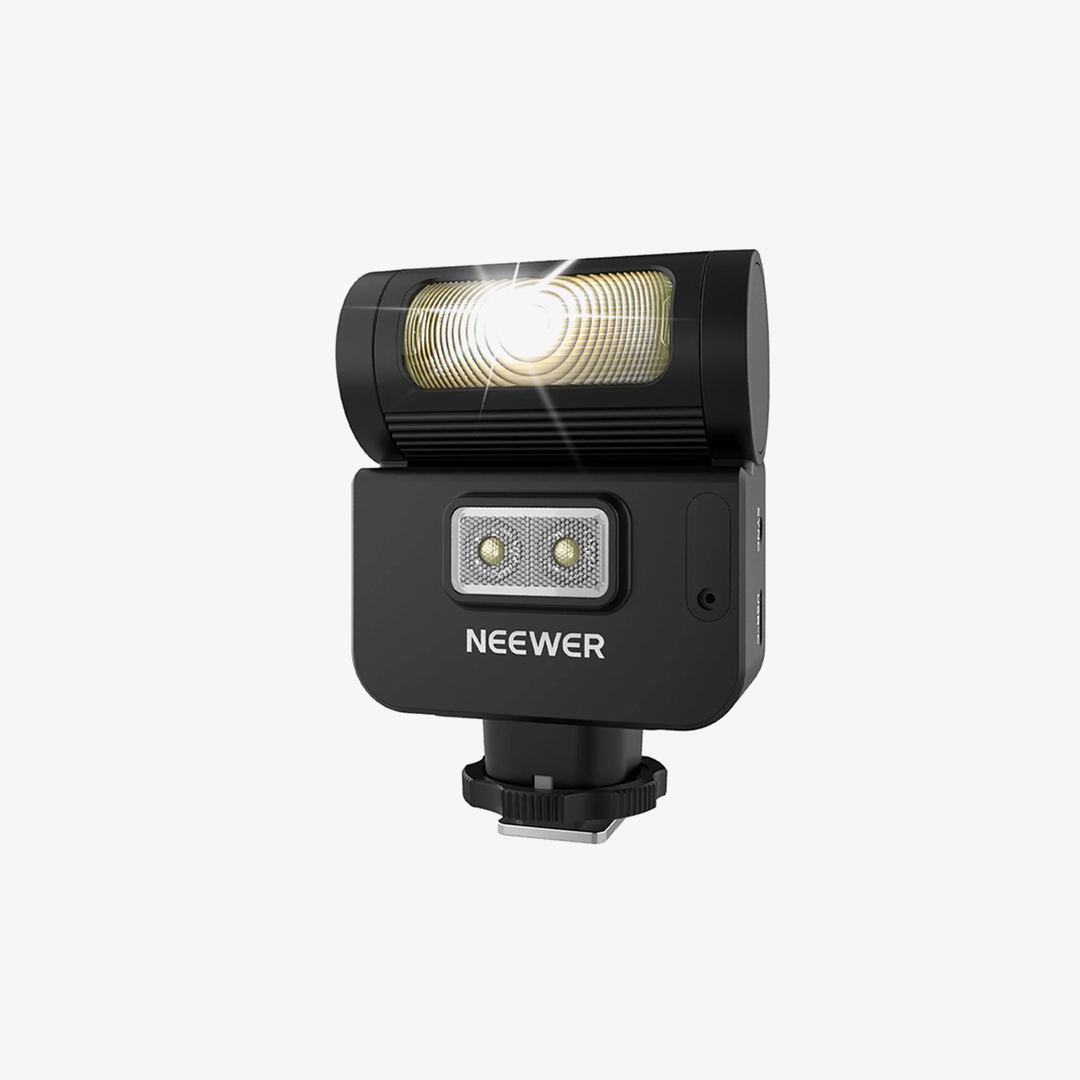
A mini flash is a compact, lightweight flash designed to give photographers more control over lighting without the size and weight of a full-size speedlight.
When available light isn’t enough, a mini flash can add fill light, reduce harsh shadows, or provide more balanced exposure. It’s especially useful for indoor portraits, events, travel, street photography, and everyday shooting where portability matters.
The key is understanding what a mini flash can do, when to use one, and how to get the best results from its limited output.
What Is a Mini Flash?
A mini flash is a smaller alternative to a traditional speedlight. It is designed for photographers who want additional lighting without carrying a larger flash unit.
Compared with a built-in camera flash, a mini flash can offer more control over flash output and, depending on the model, additional shooting modes such as manual, Auto, or TTL.
A compact flash can be useful when you want to:
· Add light in darker environments
· Reduce unwanted shadows
· Bounce light from a nearby wall or ceiling
· Carry a flash without adding much weight
· Quickly switch between ambient light and flash
· Keep a lightweight setup for travel and everyday photography
The advantage of a mini flash isn’t maximum power. It’s having useful light available when you need it without carrying a bulky lighting setup.

When Does a Mini Flash Make the Biggest Difference?
A mini flash works best when you need some additional light but don’t want to carry a full-size lighting kit.
Indoor lighting can leave faces unevenly exposed or create unwanted shadows. A mini flash can provide additional fill light and, when the flash and room allow it, can be bounced from a suitable surface for softer illumination.
For close-to-medium-distance portraits, this can be an easy way to improve the quality and direction of your light.
Restaurants, parties, and small events often have low or mixed lighting. A compact flash is easy to keep in your camera bag and quick to use when you’re moving between subjects.
If the shooting environment changes frequently, a flash with Auto or TTL can also reduce the need to manually adjust flash power for every shot.
When traveling, every piece of equipment adds weight and takes up space. A mini flash can fit into a smaller camera bag while providing an additional lighting option when natural light isn’t enough.
Family gatherings, indoor snapshots, and other everyday situations don’t always justify carrying a full-size speedlight.
A compact flash can be a practical middle ground between relying entirely on ambient light and carrying a larger lighting setup.
Direct Flash vs. Bounce Flash
How you use a flash can have as much impact on the final image as the flash itself.
With direct flash, the light points toward the subject. It’s quick and straightforward, especially when there isn’t a suitable surface to bounce light from.
However, the relatively small light source can create harder shadows and a more obvious on-camera flash look.
Direct flash can still be useful when you need quick, consistent illumination or when the shooting environment doesn’t provide a suitable bounce surface.
When shooting indoors, try bouncing the flash off a white or light-colored ceiling or wall.
Bouncing changes the direction of the light and effectively creates a larger light source, which can produce softer and more natural-looking illumination.
However, bounce flash has limitations. A dark or colored ceiling can absorb light or introduce a color cast, while a very high ceiling may require more power than a compact flash can provide.
Tip: If the bounced light looks too weak, try using a lower bounce angle or a closer wall instead of simply increasing the flash output.

How to Avoid Harsh Flash and Dark Backgrounds
Two common problems with on-camera flash are harsh-looking subjects and dark backgrounds.
Try:
· Using bounce flash when a suitable surface is available
· Lowering the flash output
· Changing the direction or position of the light
· Keeping the flash reasonably close to the subject
· Using TTL when you want the camera and flash to automatically adjust flash exposure
The goal isn’t always to make the flash as bright as possible. Often, using less flash and allowing more ambient light into the exposure produces a more natural result.
If the Background Looks Too Dark
Flash exposure and ambient exposure work differently.
The flash mainly affects the subject, while your camera settings determine how much of the surrounding environment is captured. If the subject looks bright but the background is almost black, the solution isn’t necessarily to increase flash power.
Instead, try adjusting:
· ISO
· Aperture
· Shutter speed
· Flash output
A useful approach is to first establish a reasonable ambient exposure, then adjust the flash to add the amount of light needed on the subject.
TTL or Manual: Which Mini Flash Is Right for You?
The best mini flash depends on how much control you want and how quickly you need to adjust your lighting.
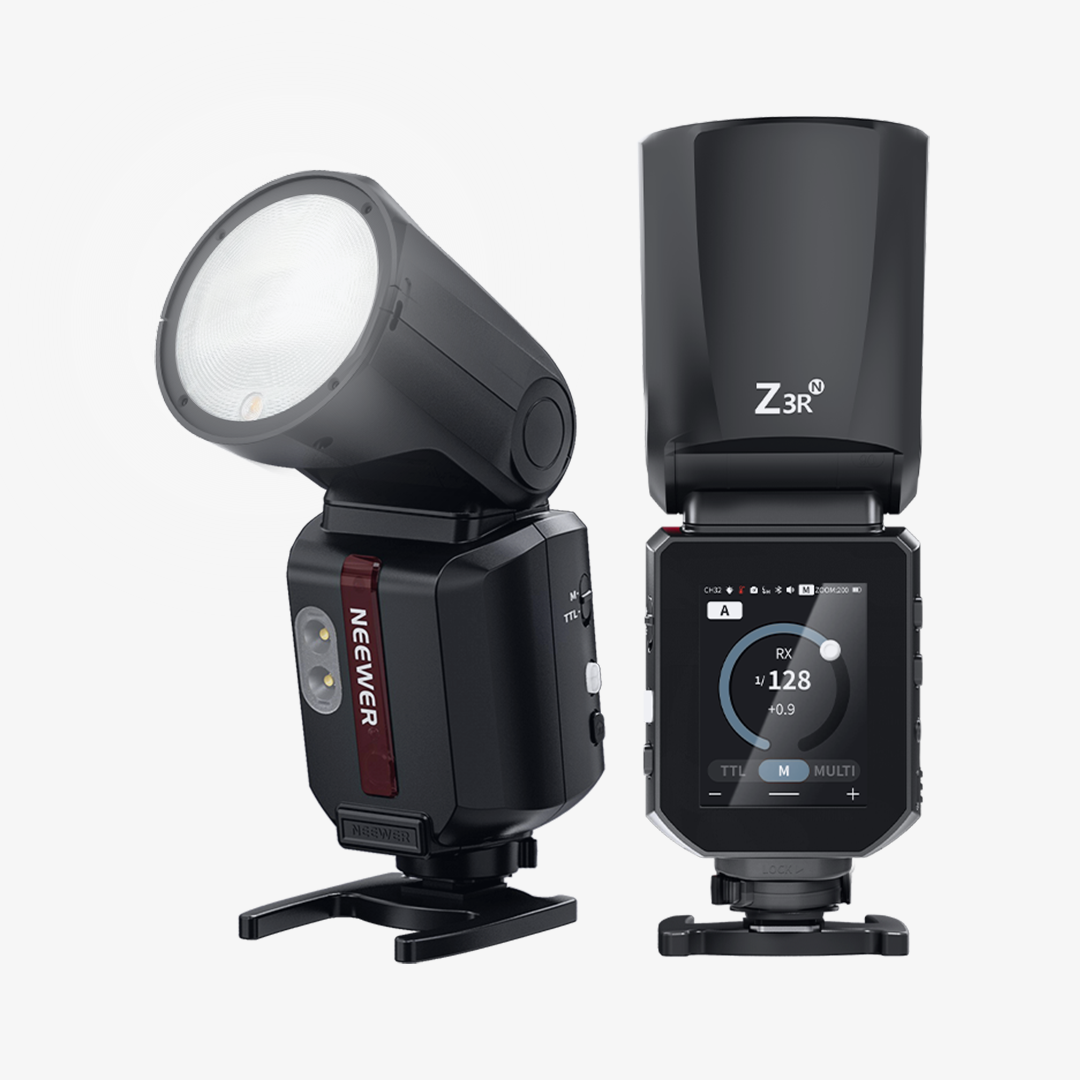
NEEWER’s Z150, Z160, and Z160U are aimed at different shooting preferences, from lightweight manual operation to more automated flash exposure.
1. NEEWER Z150: Prioritize Portability

The NEEWER Z150 is designed for photographers who want to keep their setup as light as possible. At around 103g, it is easy to carry for travel, street photography, and everyday shooting.
With 20Ws output, GN15, M, S1, and S2 modes, it provides straightforward manual control in a compact form.
Best for: lightweight everyday setups, travel, and photographers who prefer simple manual flash control.
2. NEEWER Z160: Auto or Manual Control

The NEEWER Z160 gives photographers the option of Auto or Manual mode, making it a flexible choice when you want more convenience while still having manual control when needed.
Auto mode can be useful for quick everyday shooting, while manual mode gives you more direct control when you want consistent flash output.
Best for: photographers who want a balance between simple operation and manual control.
3. NEEWER Z160U: TTL for Changing Shooting Conditions

The NEEWER Z160U adds TTL support, which can be useful when subject distance and shooting conditions change frequently.
This can be particularly convenient for events, portraits, and fast-moving everyday situations where the distance between the camera and subject isn’t always consistent.
Best for: photographers who want faster, more convenient flash exposure with TTL.
Mini Flash vs. Full-Size Speedlight
A mini flash isn’t designed to replace a full-size speedlight in every situation. The right choice depends on how much power and flexibility you need.
|
|
Mini Flash |
Full-Size Speedlight |
|
Portability |
Lightweight and compact |
Larger and heavier |
|
Output |
Best for close-to-medium distances |
Higher output for more demanding situations |
|
Everyday use |
Excellent |
More than you may need |
|
Travel |
Easy to carry |
Takes up more space |
|
Indoor photography |
Useful for close subjects and bounce |
Better for larger spaces |
|
Strong daylight |
Limited ability to overpower ambient light |
Better suited to bright conditions |
|
Accessories |
Usually more limited |
More modifier and accessory options |
If you need to overpower strong daylight, illuminate distant subjects, or use large modifiers, a more powerful speedlight will generally be the better choice.
For everyday photography where portability matters, however, a mini flash can be easier to keep with you.
And that’s an important advantage: the best flash is often the one you have with you when you need it.
Practical Tips for Better Mini Flash Photos
A few simple techniques can help you get more from a compact flash:
1. Keep the flash reasonably close to your subject. Mini flashes have limited output, so light intensity drops quickly as distance increases.
2. Bounce when you have a suitable surface. A nearby white ceiling or wall can create softer, more natural-looking light.
3. Start with lower flash power indoors. Increase the output gradually instead of starting at maximum power.
4. Use TTL when your shooting conditions change quickly. It can save time when subject distance isn’t consistent.
5. Balance flash with ambient light. Don’t rely on the flash to illuminate the entire scene.
6. Watch your bounce surface. Colored or very dark surfaces can reduce light and affect color.
7. Know the limits of compact flash. For large spaces, distant subjects, or strong daylight, a higher-powered flash may be more appropriate.

FAQs
1. Is a mini flash powerful enough for indoor photography?
For many close-to-medium-distance indoor situations, a mini flash can provide useful additional light. Its effectiveness depends on subject distance, flash output, bounce conditions, and the amount of ambient light in the scene.
2.Can you bounce a mini flash?
Yes, if the flash supports the required tilt or swivel movement and there is a suitable reflective surface. White or light-colored ceilings and walls generally work best.
3. What is the difference between TTL and manual flash?
TTL automatically calculates flash exposure based on the camera’s metering, while manual flash requires you to set the flash output yourself.
TTL is convenient when subject distance or lighting conditions change frequently. Manual flash provides more direct and consistent control when the shooting setup stays relatively stable.
4. Can a mini flash be used outdoors?
Yes, but its usefulness depends heavily on the lighting conditions.
A mini flash can work outdoors for fill light, close-range subjects, and lower-light situations. However, it may not have enough power to overpower strong sunlight. For bright outdoor scenes where you need the flash to compete with ambient light, a more powerful flash is usually a better choice.
5. Is a mini flash good for travel photography?
Yes. Portability is one of the main advantages of a mini flash. It can provide an additional lighting option without taking up as much space or adding as much weight as a full-size speedlight.
Final Takeaway
A mini flash isn’t about replacing every lighting setup. Its biggest advantage is giving you more lighting flexibility without adding much size or weight.
The NEEWER Z150, Z160, and Z160U offer different approaches depending on your priorities:
· Z150 — lightweight manual flash for photographers who prioritize portability
· Z160 — Auto and Manual modes for a balance of convenience and control
· Z160U — TTL support for faster flash exposure in changing conditions
Choose the flash that matches how you actually shoot—and how much gear you’re willing to carry.