

Table of Contents
COB lights behave like a bright point source that takes modifiers well; LED panels give you even, instant fill without any extra gear; softboxes deliver the softest, most controlled lighting for portraits and product work. If you want maximum flexibility and the ability to shape your light with Fresnels, snoots, or softboxes, a COB is your best starting point. If you need clean, even coverage for a talking-head setup or a livestream background in under five minutes, a panel gets you there fastest. If soft shadow edges and flattering light are your only priority, a dedicated softbox kit solves that in one purchase.
COB vs LED Panel vs Softbox Comparison Table
Choosing between these three light forms comes down to how much control and softness your shooting style actually requires.
|
|
Softbox |
||
|
Light source type |
Single-point — focused, punchy |
Area source — wide and even |
Diffused area source — broadest apparent size |
|
Default output quality |
Hard by default; |
Moderately soft, |
Soft by default; |
|
Beam control |
Highly directional; |
Wide spread; |
Better spill control than a bare panel, though less precise than a gridded COB |
|
Modifier compatibility |
Excellent — Bowens or proprietary mount opens the full modifier range |
Limited — diffusion panel or grid attachments only |
Self-contained; |
|
RGB / color options |
Available on RGBWW models (e.g., MS150C) |
Available on select RGB panel models; |
Not a light type; |
|
Portability |
Compact heads; |
Flat panels pack down easily |
Bulky when assembled; |
|
Best primary role |
Portrait key, |
Interviews, |
Portrait key, |
|
Typical power range |
60W–300W |
20W–200W |
Depends on the light head |
The right choice is rarely one or the other - many working setups pair a COB key with a panel fill and a softbox for beauty or close-up product shots.

What Each Light Form Actually Does
1. COB Lights — Point Source, Maximum Modifier Control
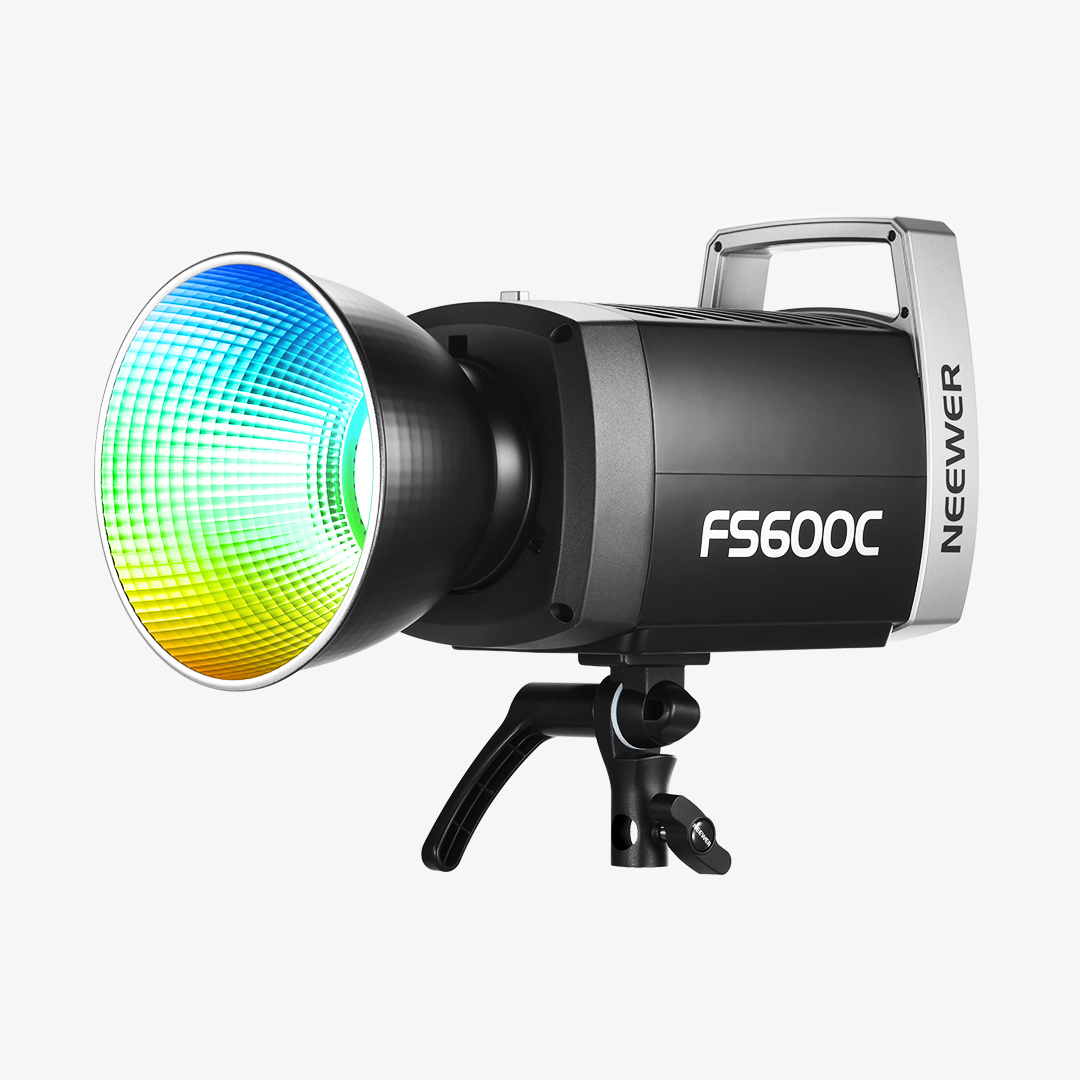
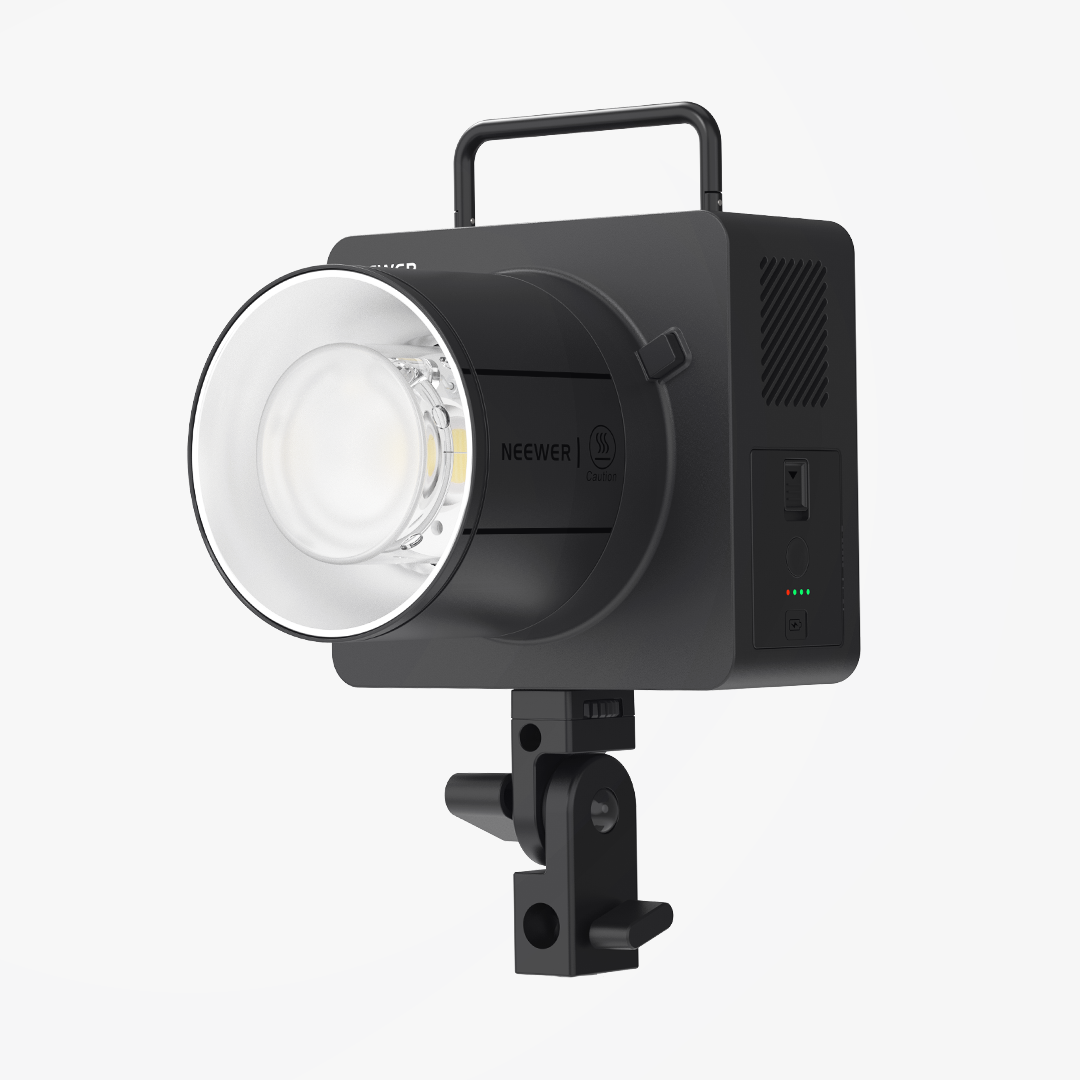
COB lights behave like a traditional hard source - bright, directional, and easy to shape with modifiers. Attach a softbox and shadows go soft; add a Fresnel or optical snoot, and you have a spotlight you can aim with precision. RGBWW COBs like the MS150C switch from neutral white for interviews to full RGB effects without changing fixtures. Check out our COB LED light guide to learn how they work, their uses, and how to choose one.
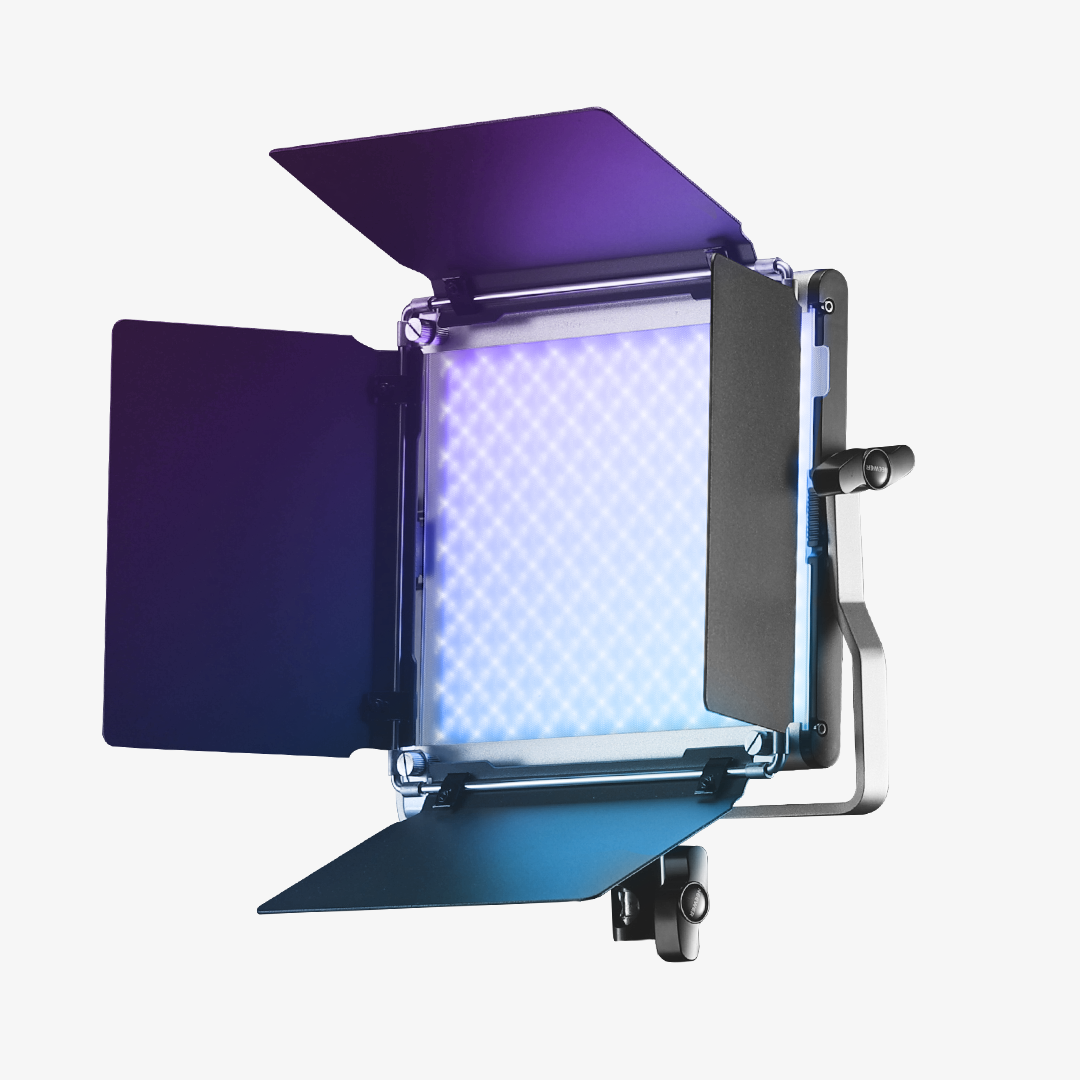
2. LED Panel Lights — Area Source, Instant Even Output
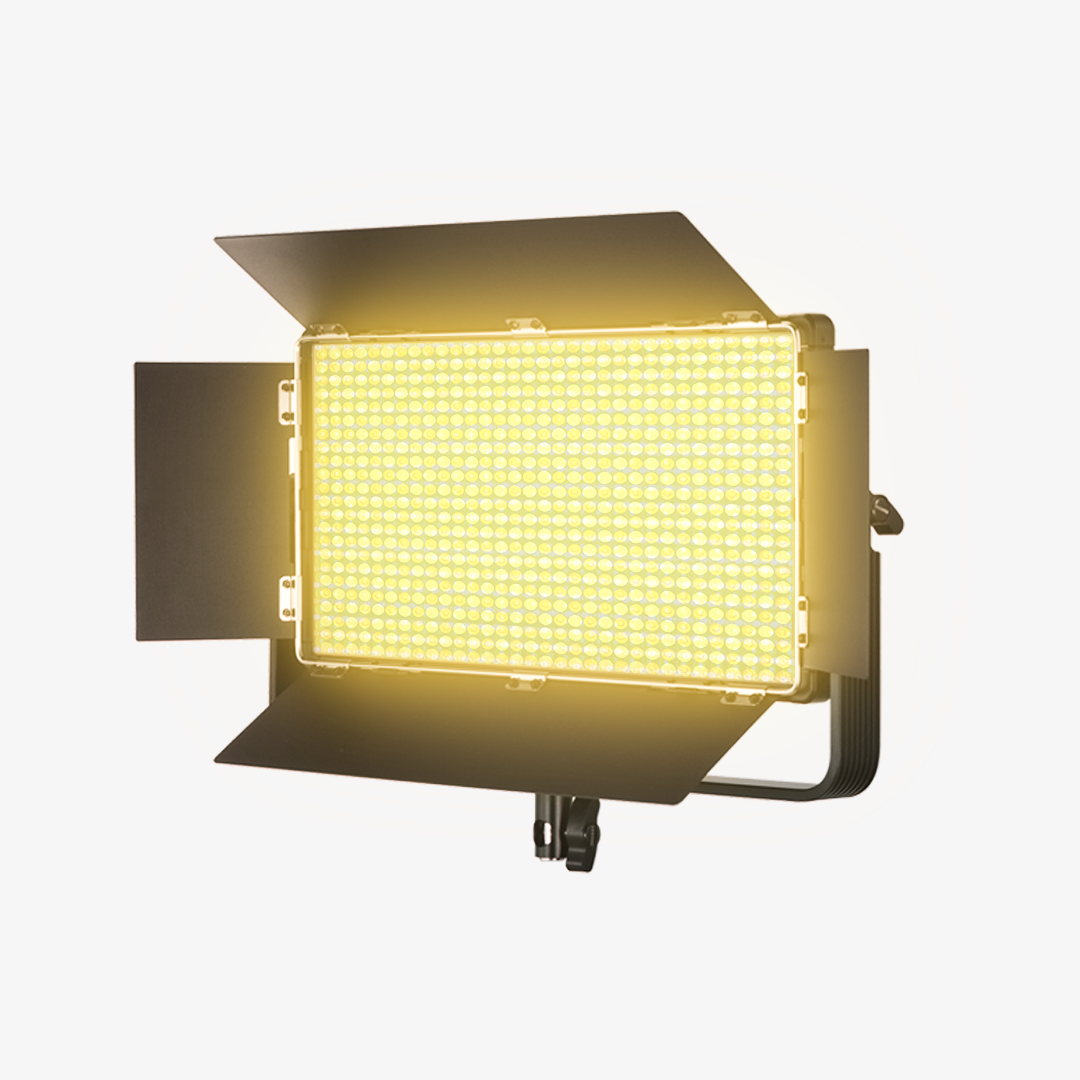
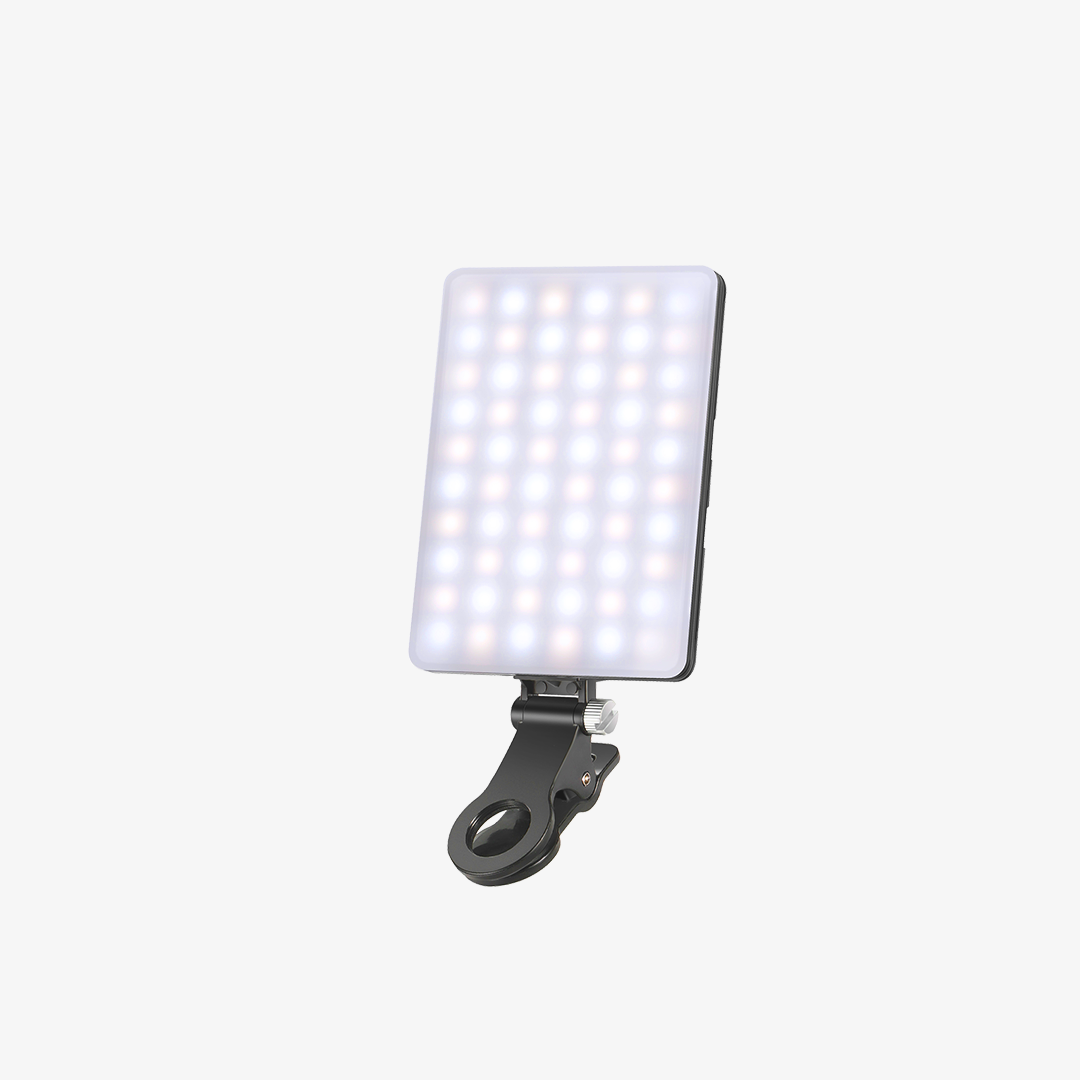
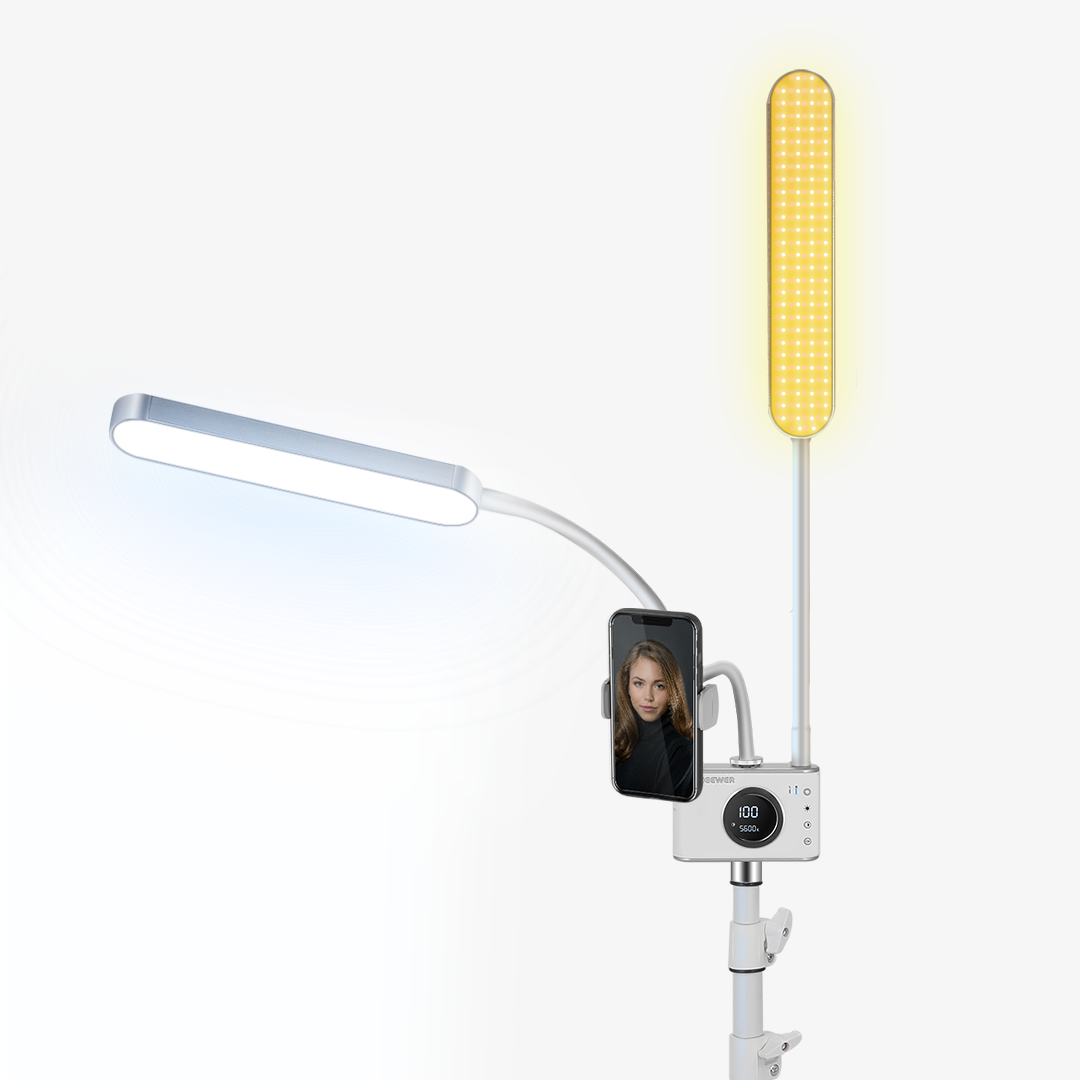
An LED panel spreads many individual diodes across a flat surface, producing a wide, even wash that is soft enough for interviews and fill roles without any additional modifiers. The downside is spill - panels light the whole room unless you flag them carefully. The NEEWER NL660 is a bi-color panel that adds tungsten-to-daylight color matching while keeping the same even-spread, fast-setup advantage.
3. Softboxes — Built-In Diffusion, Portrait-Ready From the Start
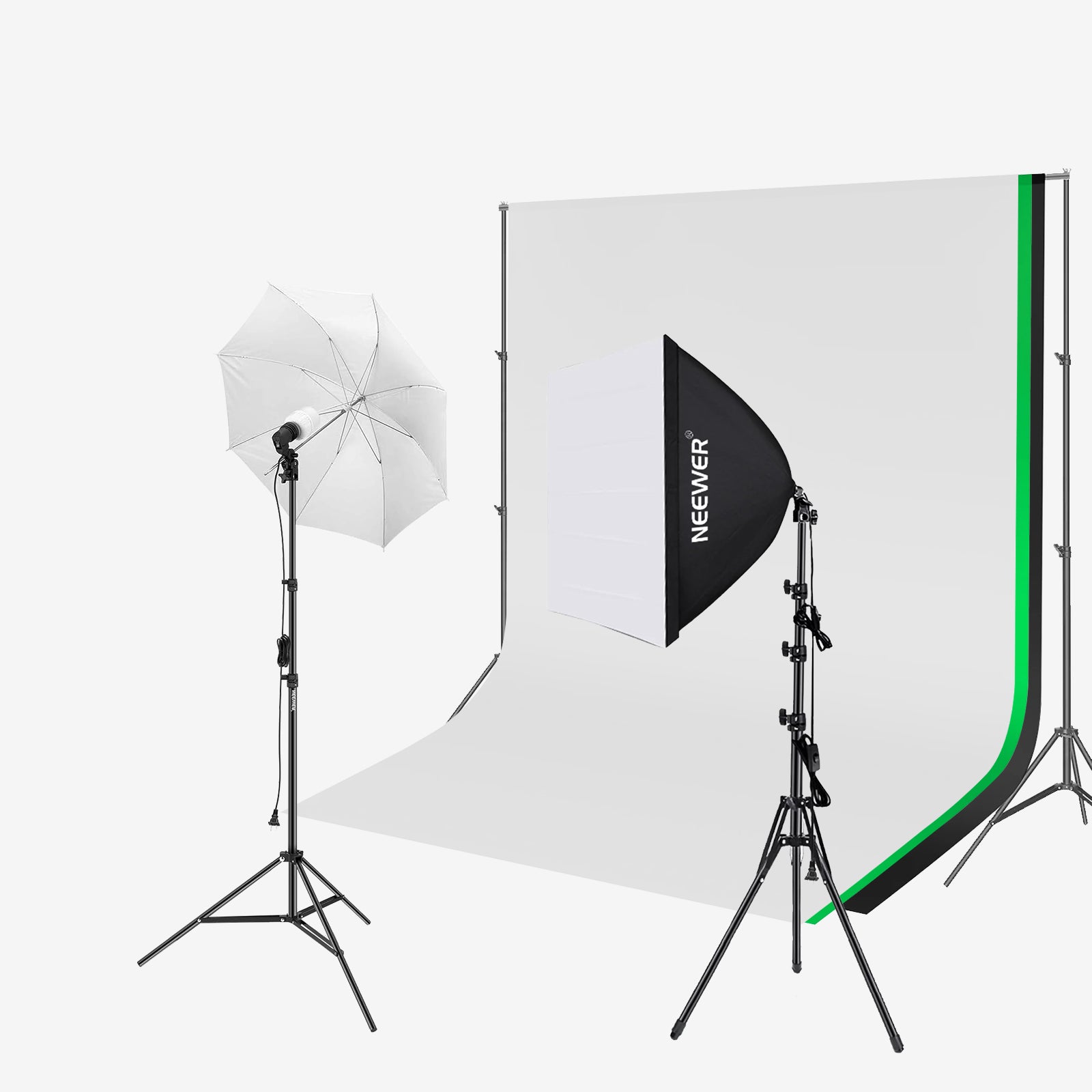
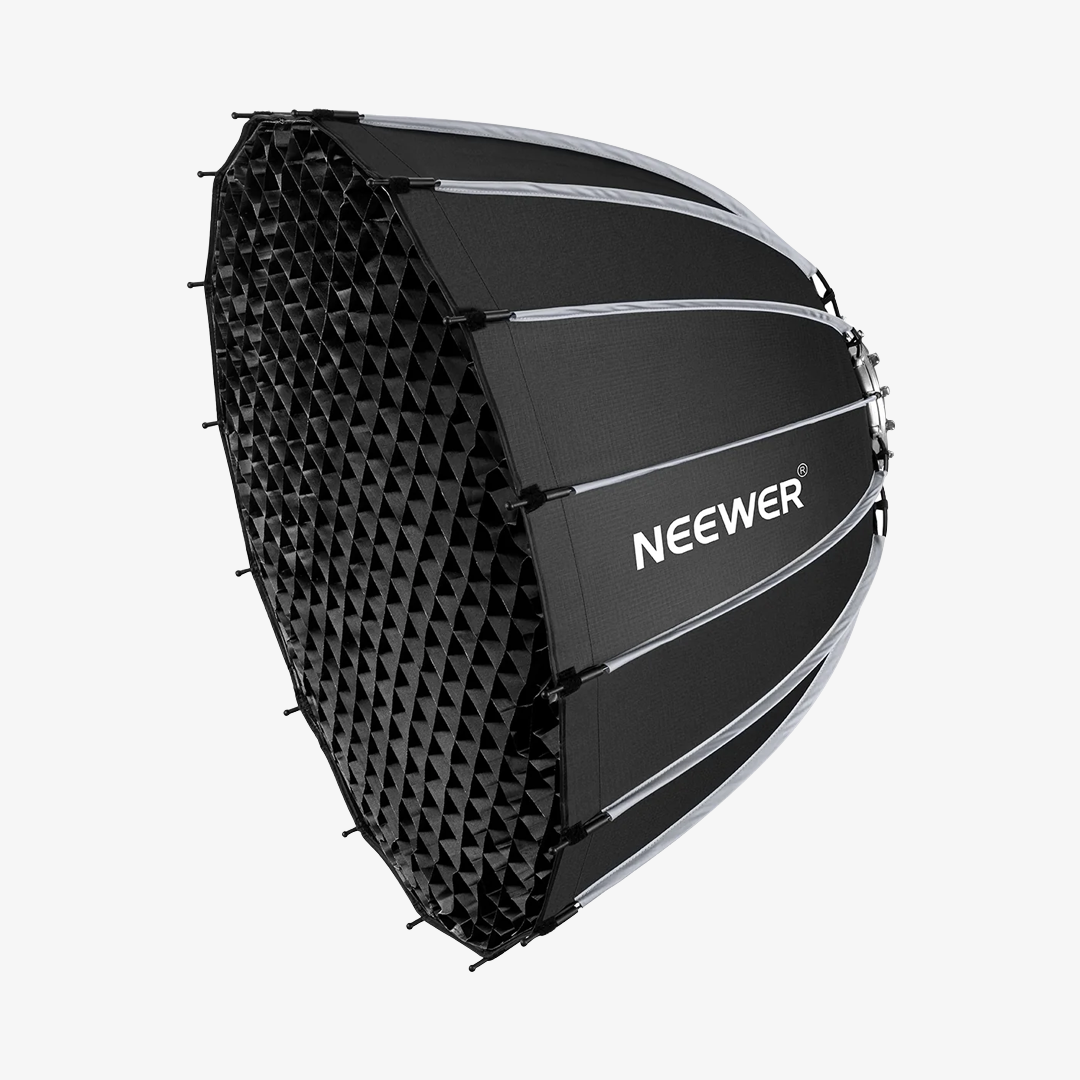
A softbox isn’t a light by itself - it’s a modifier that turns any hard source into a larger, softer one. The large fabric diffusion surface creates a broad apparent source that wraps softly around faces and product surfaces; rectangular shapes give more directional shadow edges, octagonals give the most even wrap. The setup cost is time: building a softbox frame adds minutes that a panel or bare COB skips entirely. For a deeper look at how softboxes compare to umbrellas and bare light, this guide breaks down the differences.
Which Light Form Should You Choose?
Your primary shooting scenario is the fastest guide to the right starting point.
Choose a COB light if you:
- Want one fixture that handles key lighting, RGB creative work, and product photography
- Need to push light through a large softbox at a working distance beyond 1.5 m
- Shoot a mix of narrative video, portrait photography, and talking-head content
- Plan to build out a modifier kit over time (Bowens mount opens the widest options)
Choose an LED panel if you:
- Shoot primarily talking-head, interview, or livestream content on a fixed setup
- Need the fastest possible setup — power on, no modifier, no frame to assemble
- Are building a multi-light background or fill rig on a per-fixture budget
- Want consistent results across many setups with minimal variables
Choose a softbox kit if you:
- Shoot portraits or close-up product photography primarily
- Want the softest possible key light and the fewest separate purchasing decisions
- Are in a small room where the wide panel spread bounces too much off nearby walls
a. NEEWER MS150C: Best RGBWW COB Light for Studio and Talking-Head Setups
The MS150C is a 150W RGBWW COB light for home studio creators who want one fixture to cover interview white, creative RGB lighting, and key-light work without swapping gear.

The Breakdown
At 150W, the COB head pushes through a large softbox and still holds clean exposure at a working distance where most panels fall short. The RGBWW chip switches between accurate interview white and full RGB gel effects in one step - no fixture swap needed. In practice, the biggest advantage isn't just brightness - it’s how well the fixture holds contrast once you push it through a larger modifier. That's where smaller RGB panels start to fall apart.
|
Spec |
Detail |
|
Light type |
COB (RGBWW) |
|
Max power |
150W (95W via V-mount battery) |
|
Max illuminance |
16,600 lux/m; |
|
18,000 lux/m (with reflector) |
|
|
Color temperature |
2700K–6500K |
|
Color modes |
CCT / |
|
CRI / TLCI |
97+ / 98+ |
|
Dimming |
1%–100% |
|
Modifier mount |
Bowens mount |
|
Control |
Physical knob / |
|
Power source |
AC adapter; |
Pros
- 150W output pushes through large softboxes at realistic studio distances
- RGBWW chip covers clean white and full creative color from one fixture
- Bowens mount means no proprietary modifier lock-in
- App, wireless, and manual control on one unit
- V-mount battery compatible for location flexibility
Cons
- Heavier than mini panel lights
- 150W power draw requires AC in most setups
- Higher per-fixture cost than entry-level LED panels
Best For: Creators running a home studio setup who shoot talking-head YouTube content, product photography, and occasional RGB creative work from the same fixture.
If you want the same RGBWW COB color science in a smaller, more portable package, also consider the NEEWER HB80C - an 80W COB with the same Bowens mount that's lighter and easier to position in tighter spaces or on location.
b. NEEWER NL660: Best Bi-Color LED Panel for Interviews and Fill Lighting
The NL660 is a bi-color LED panel for creators who need consistent, even coverage for interviews, livestreams, and fill work - mount it, point it, and shoot.

The Breakdown
The flat panel format is the fastest light to position - no modifier, no frame to build. For creators filming in bedrooms or office corners, that speed matters more than extra stops of output - repositioning for a different camera angle takes seconds without rebuilding any setup. The bi-color range handles any ambient match without gels, and the included barn doors add basic spill control when your space is tight. It also works well as a fill or background panel in a two- or three-light rig alongside a COB key.
|
Spec |
Detail |
|
Light type |
LED panel (bi-color) |
|
LED count |
660 |
|
Max power |
40W |
|
Max illuminance |
3,360 lux/m |
|
Color temperature |
3200K–5600K |
|
CRI |
≥96 |
|
Dimming |
0%–100% |
|
Modifier / accessories |
4 detachable barn doors + |
|
Control |
Physical dials |
|
Power source |
AC adapter (included); |
Pros
- Even, wide-spread output — no modifier needed for most interviews and fill work
- Bi-color range covers tungsten to daylight without gels
- Fast to set up and reposition; flat panel form factor travels well
- Works as a standalone key in compact spaces and as fill in larger rigs
- Limited beam control — spill onto nearby walls is harder to manage than with a COB
- Does not produce RGB color; bi-color only
- Less punch at distance than a COB through a large softbox
Best For: Creators who shoot primarily talking-head, interview, or livestream content and want the fastest, most consistent lighting setup with minimal gear.
For a more compact panel that still covers fill and on-camera lighting roles, also consider the NEEWER NL480 - a smaller bi-color panel suited for desk setups and on-location fill where the full NL660 footprint isn't needed.
Is a 150W RGB Light Overkill for Talking-Head Videos?
150W is not overkill for talking-head videos when you're pushing light through a large softbox - but in a bare or lightly diffused setup in a small room, you’ll typically run the MS150C at 20–40% of its maximum output. That’s still a sensible operating point: the dimming headroom lets you fine-tune exposure without touching the camera, and running at partial power can help extend component life.
Here’s how power plays out across the most common talking-head configurations:
With a large softbox (60 × 90 cm or bigger at 1.5–2 m): A 150W COB pushing through a standard softbox at that distance produces a soft, punchy key that smaller panels can struggle to match - especially once you move the softbox further back for a wider shot. Expect to run at 50–70% power with comfortable headroom to dial down.

With a small diffuser or bare modifier in a tight room: You’ll be running at 15–30% to avoid overexposure at a close working distance. The MS150C handles it cleanly, but 150W is more raw output than a simple talking-head setup in a 2 × 2 m space strictly requires. An 80W COB covers that role with less dimming if the fixture will never leave that setup.
In a key + fill two-light setup (softbox key, panel fill): 150W as the key and an LED panel as fill creates a well-balanced exposure ratio without pushing either fixture to its limit - a setup that translates well to YouTube, Zoom, and short-form video in the same room.
Bottom line: If your goal is a single fixture that covers talking-head today and product or creative RGB work later, 150W is the right call - not overkill. If your setup is permanently a bare-modifier talking head in a small room and nothing else, an 80W unit is sufficient.
Frequently Asked Questions
How big should a softbox be for talking-head videos?
For a single-person setup at 1–1.5 m, a 24 × 36" (60 × 90 cm) softbox is a reliable starting point - large enough to wrap light around the face without needing extreme working distance. Smaller softboxes (under 50 cm) tend to feel harsh at typical sitting distances. Octagonal shapes give more even wrap; rectangular panels give more directional falloff and work better in tight rooms where you need to limit background spill.
Can I use a softbox to make a COB light softer?
Yes - a COB with a softbox is one of the most effective portrait and talking-head setups. The COB’s point-source output drives more light through the softbox fabric at a distance, producing softer, more gradual shadow edges than a panel with a diffusion cloth.
Which light form is best for product photography?
A COB with a modifier gives the most control - switching from a softbox to a Fresnel or beauty dish changes shadow character without replacing the fixture, which matters for reflective surfaces, jewelry, or textured materials. A softbox kit is the simpler starting point for most still-product work; panels are less suited as a product key because the wide spread makes specular highlights harder to control.
Does a COB light work for RGB effects, or do I need a separate RGB panel?
RGBWW COB lights like the MS150C produce full-spectrum color and clean white from the same fixture, so a separate RGB panel isn’t required for most creative work. COB RGB output is directional - ideal for color-washing a background section or adding rim light; RGB panels are better for even color fills across a wider frame.
What should a beginner buy first: a COB, a panel, or a softbox kit?
For portraits and talking-head footage in one purchase, start with a softbox kit - the light head and diffusion come matched. For a mix of content types with room to grow into product work and creative color, a COB like the MS150C paired with a softbox is more versatile long-term. If your content is mostly livestreaming or interviews, an LED panel gets you there faster with no extra gear.
Final Takeaway
If you want maximum flexibility, start with a COB plus a softbox - the MS150C covers interviews, product work, and RGB creative effects from the same head. If your priority is portrait softness from the start, browse our softbox collection for matching light heads and diffusion kits.