

Table of Contents

As necessary photographic equipment for the professional photography and film industry, the C-stand is a handy and versatile tool that provides efficient and flexible shooting support. With its help, you can adjust your light fixtures to the right height and use it to hold other photography accessories, such as softboxes and backdrops.
This article introduces the definition, uses, and types of C-stands and distinguishes the difference between them and light stands and tripods. If you want to learn about this type of photographic equipment, this post will be able to fulfill your needs.
What Is a C-Stand?
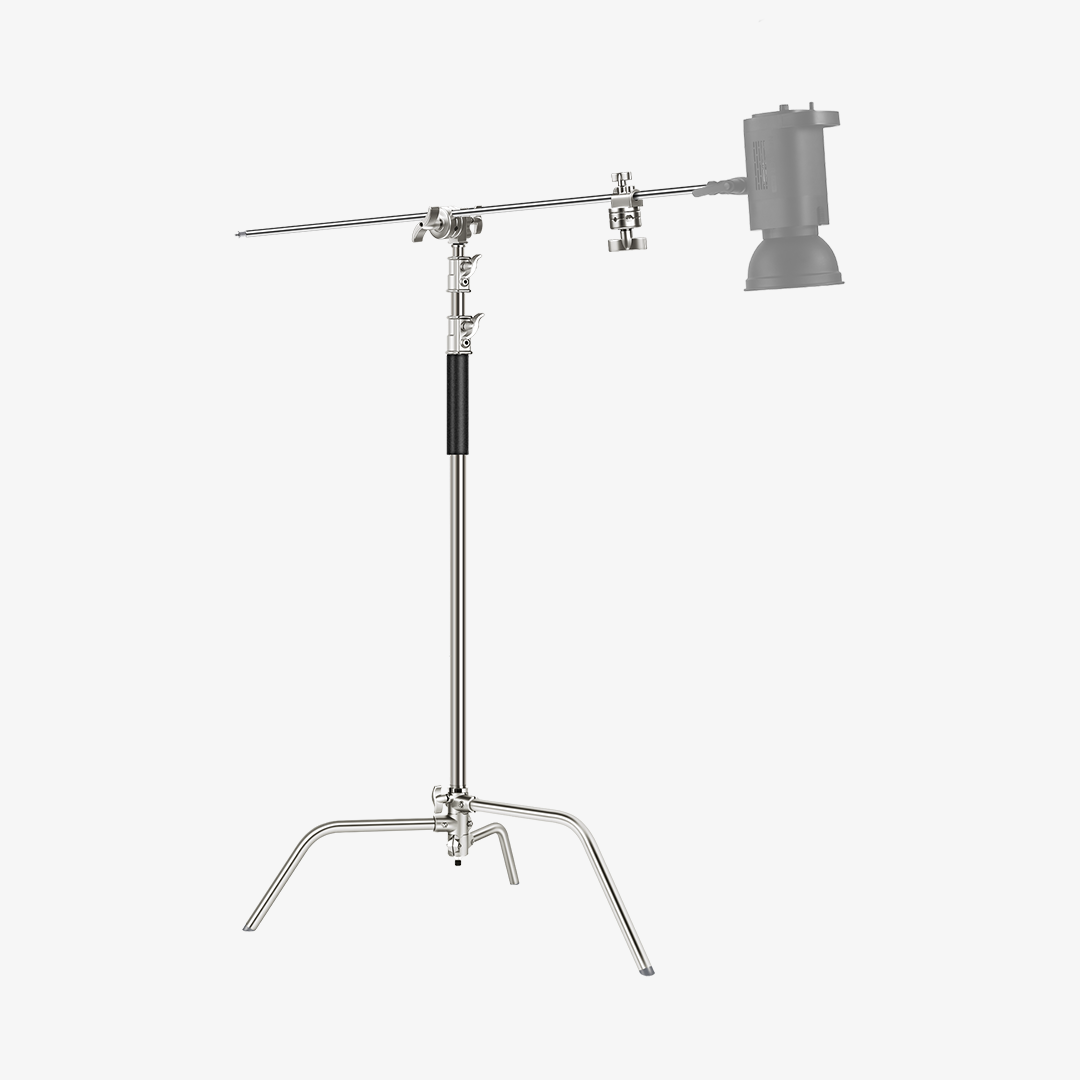
A C-stand is a heavy-duty metal stand primarily designed to support lighting equipment and grip accessories in photography and film production. It is commonly used in professional studios and on-location shoots where stable and flexible equipment positioning is important.
A typical C-stand consists of three main components:
-
Base and Riser: The base provides support, while the vertical riser allows you to adjust the mounting height.
-
Grip Head: A metal clamp with holes designed to hold and secure a grip arm.
-
Grip Arm: An extendable arm that can hold accessories such as reflectors, flags, scrims, and smaller lighting modifiers.
The grip head and arm allow equipment to be positioned at different heights and angles, including overhead or off-center positions that are difficult to achieve with a standard light stand.
C-stands are generally made of steel, making them heavier and more robust than many conventional light stands. However, their stability still depends on proper setup, load distribution, and the use of appropriate counterweights.
What Are the Different Types of C-Stands?
C-stands come in different designs depending on their base construction, leg configuration, and intended use. Some features can overlap, so these categories aren't always mutually exclusive.
|
Types of C-stands |
Features |
Common Uses |
|
Traditional steel construction with a riser, detachable base, grip head, and arm |
General studio lighting and grip setups |
|
|
Sliding Leg C-Stand |
Adjustable leg positioning to accommodate uneven surfaces |
Stairs, slopes, and uneven shooting locations |
|
- Quick setup and breakdown |
Studio setups requiring easier storage or low-profile positioning |
|
|
Detachable C-Stand |
Lightweight and travel-friendly |
Shoots requiring easier transportation and setup |
|
Low-Profile C-Stand |
Compact height for low-angle lighting or equipment setups |
Floor-level lighting and specialized setups |
|
Reinforced build for stability and durability |
Larger modifiers and demanding studio setups |
What Is a C-Stand Used For?
C-stands are widely used in photography, filmmaking, and video production. Their flexible grip system makes them useful for positioning equipment that needs to stay securely in place.
Here are five common applications.
1. Supporting Lights and Softboxes
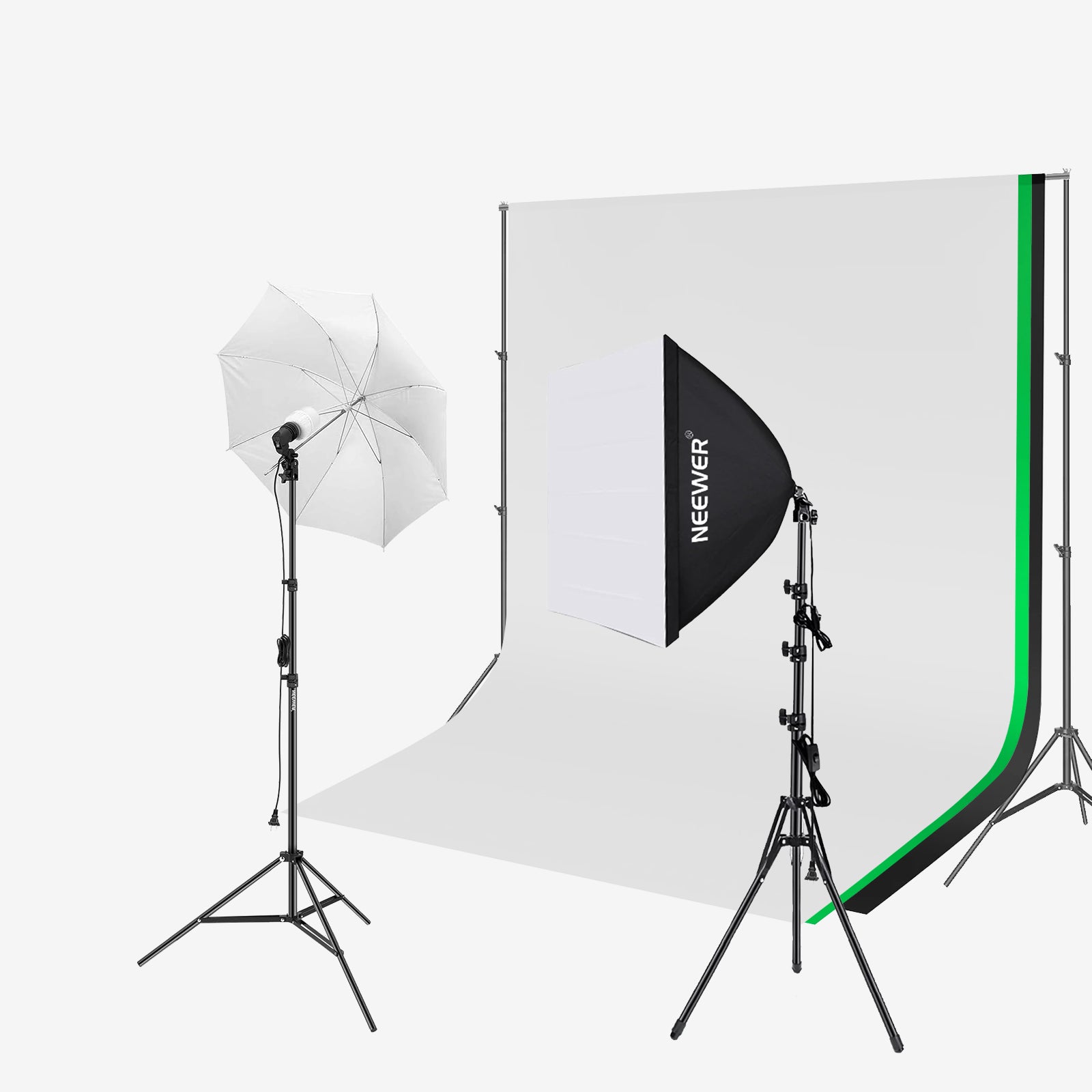
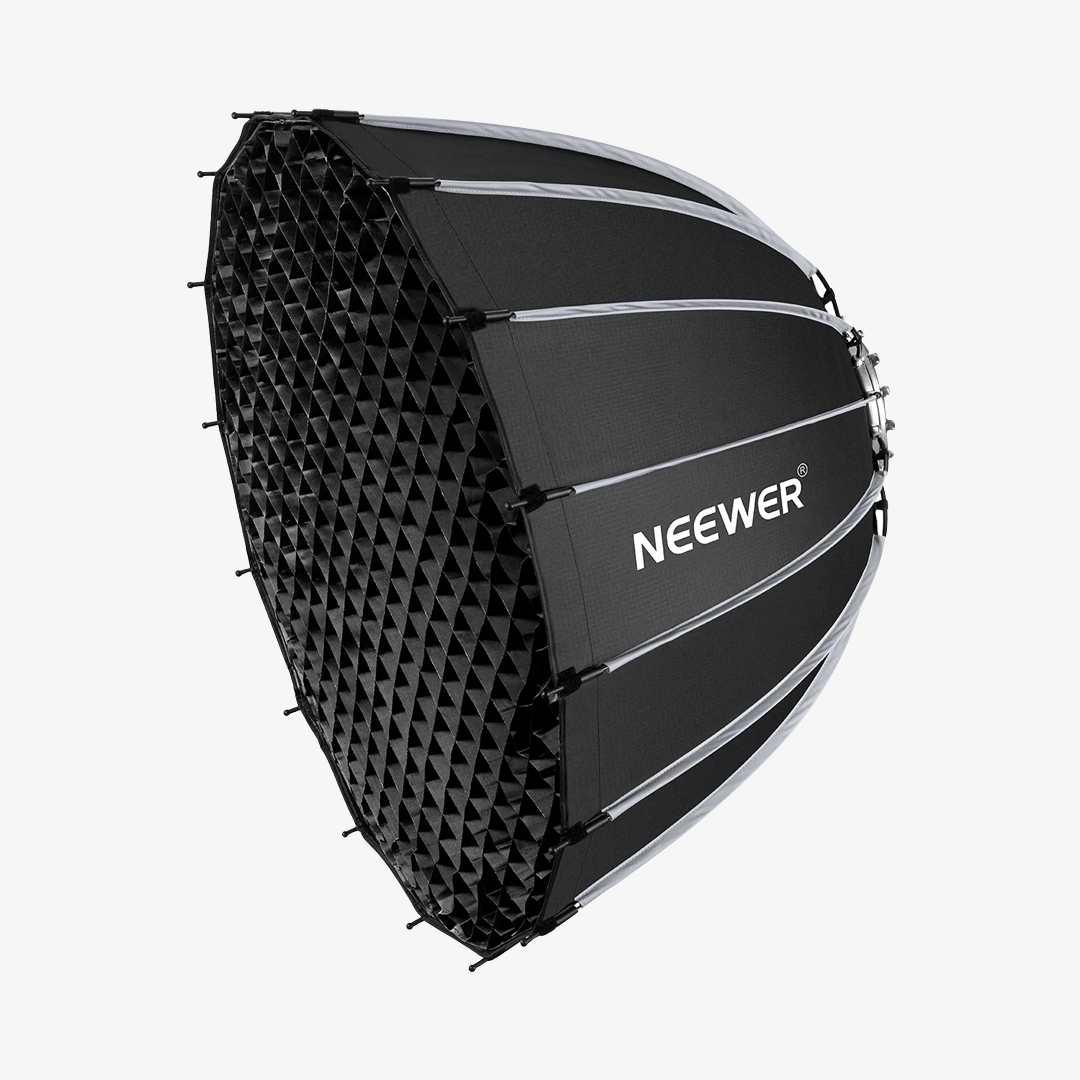
In studio portrait photography, a C-stand can support lighting equipment and modifiers such as softboxes. Its adjustable arm allows you to position the light at different heights and angles, helping create the desired lighting direction and shadow pattern.
For larger modifiers or heavier lighting equipment, always check the stand's rated capacity and use an appropriate setup.
2. Holding Reflectors, Flags, and Scrims
Reflectors, flags, and scrims are commonly used to shape light during photography and film production.
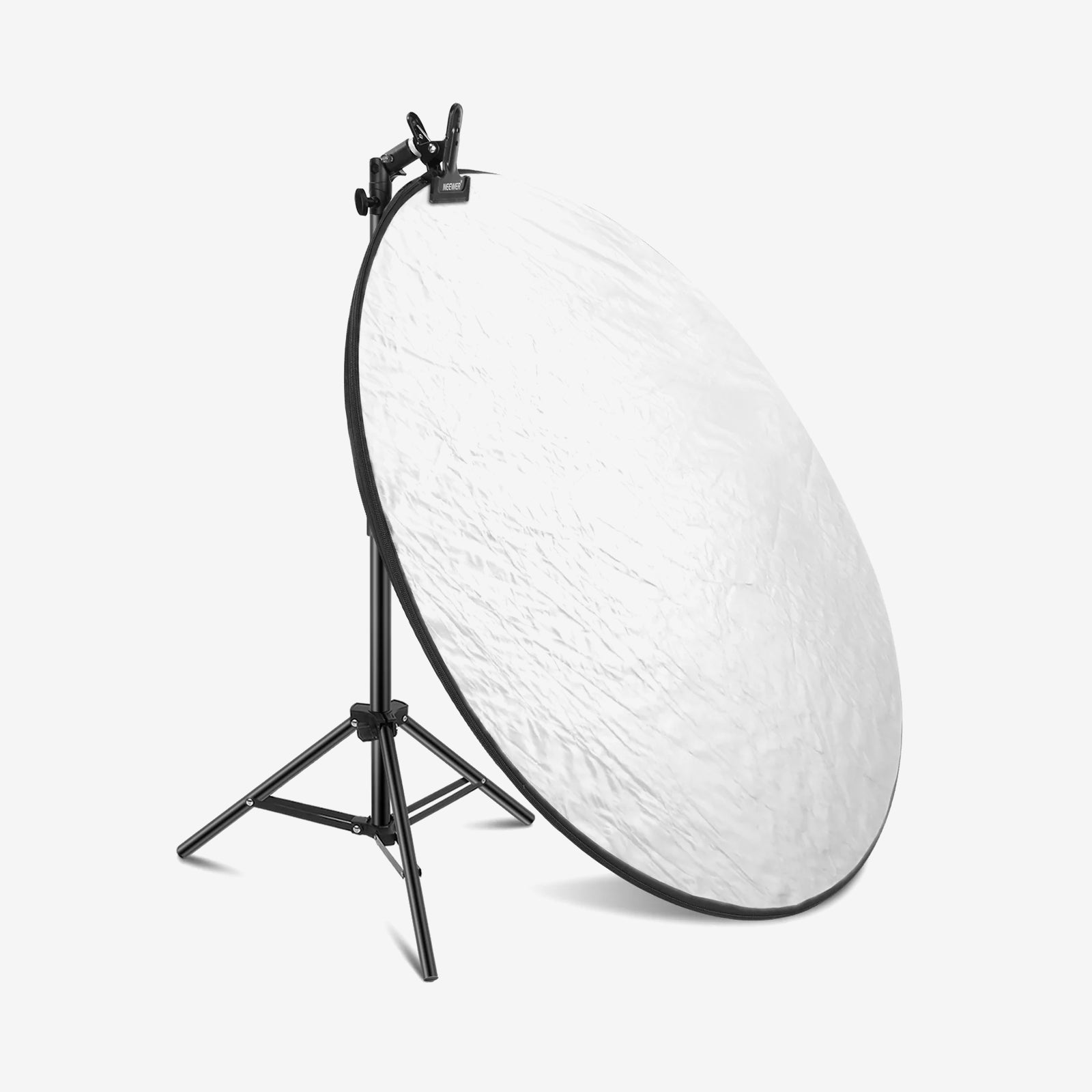
A C-stand can hold these accessories in position, allowing you to bounce light onto a subject, block unwanted illumination, or soften harsh sunlight. This is particularly useful during outdoor fashion shoots and studio portrait sessions.
3. Creating Overhead Lighting for Product Photography
A C-stand with a grip arm is useful for overhead lighting setups, especially when photographing products, food, or flat-lay compositions.
You can extend the arm over the shooting surface and position a light or modifier above the subject. This helps keep the lighting equipment out of the frame while providing more control over the direction of light.
4. Supporting Backdrops
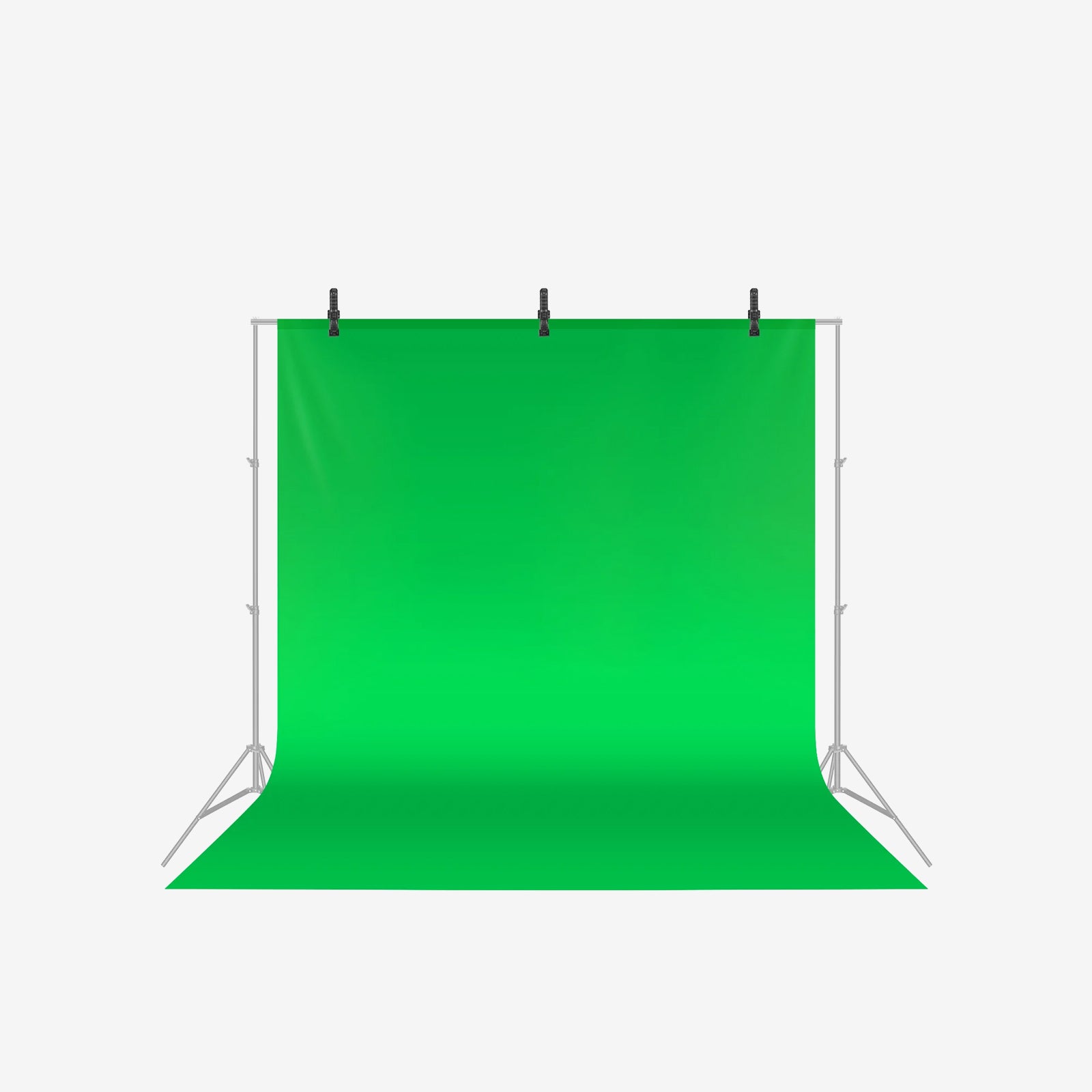
C-stands can also be used to hold lightweight fabric backdrops, background materials, and other studio accessories with suitable clamps and mounting hardware.
For example, during an e-commerce clothing shoot, you can use C-stands to support a backdrop behind the subject and create a clean, consistent background.
For wider or heavier backdrops, make sure the support system is designed for the total load and span required.
5. Supporting Audio and Video Equipment
In video production and interviews, C-stands can be used with compatible mounting accessories to position microphones and other lightweight equipment just outside the camera frame.
This allows the equipment to stay close to the subject without appearing in the shot. Always use suitable mounting hardware, secure the load properly, and follow the equipment manufacturer's safety recommendations.

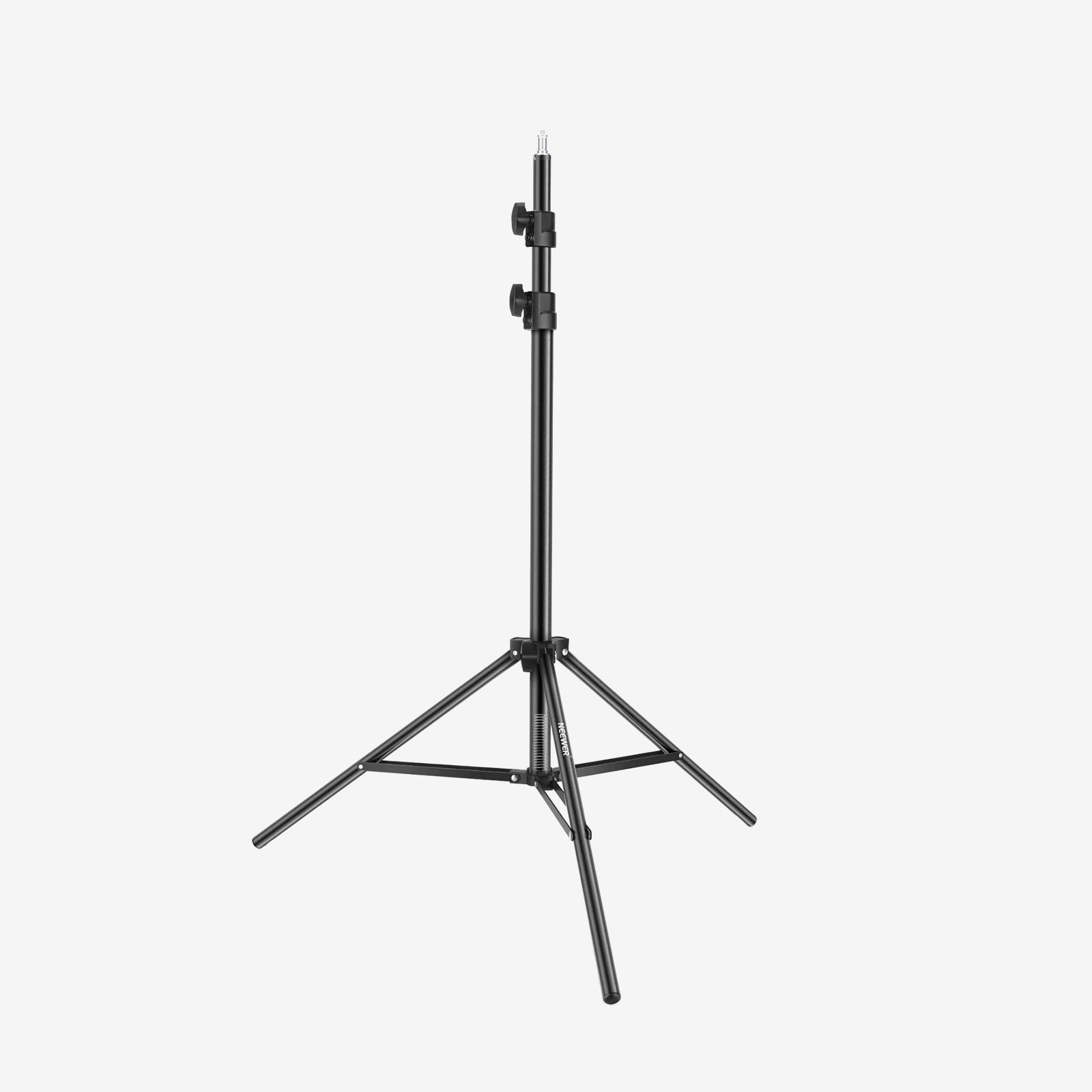
C-Stands vs. Light Stands
|
|
C-Stands |
Light Stands |
|
Construction |
Made of steel, heavy-duty construction |
Made of aluminum or lightweight alloys |
|
Design |
- Features adjustable arms and grip heads |
- Simple tripod structure |
|
Range of Application |
- Ideal for professional studio setups |
- Best for simple lighting setups |
|
Portability |
- Heavier and bulkier, less portable |
- Lightweight and easy to transport |
|
Stability |
- Extremely stable due to weight and design |
- Less stable on uneven surfaces |
|
Load Capacity |
Supports heavy loads (large modifiers, multiple lights) |
Limited load capacity, designed for smaller lights and accessories |
A C-stand is a better choice when you need flexible positioning for lights, modifiers, or grip accessories in a studio setup. A traditional light stand is often more convenient for simpler lighting arrangements, especially when portability and quick setup are priorities.
If you're working with heavier equipment or extended boom arms, always check the manufacturer's load ratings rather than assuming that one type of stand can support any particular weight.
C-Stands vs. Tripods

|
|
C-Stands |
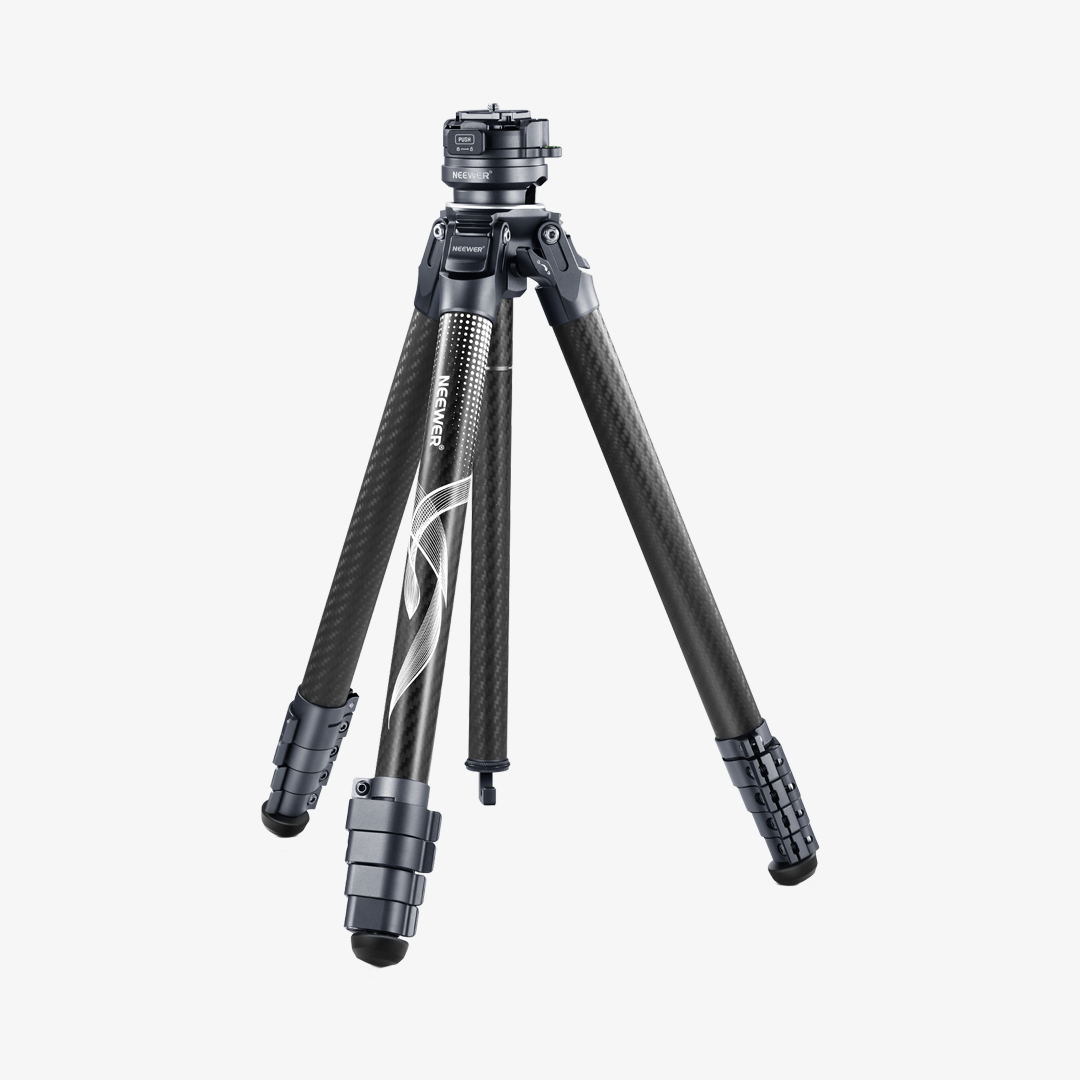
Tripod |
|
Primary Use |
Designed primarily for supporting lighting equipment, modifiers, and rigging setups |
Designed for stabilizing cameras or video recording equipment |
|
Structural Design |
-heavy-duty steel construction |
- Lightweight (aluminum, carbon fiber) |
|
Portability |
Heavier and bulkier; less portable, best for stationary setups |
Lightweight and portable, ideal for location shoots |
|
Height Adjustment |
Tall height range, often extending higher than most tripods |
Moderate height range, adjustable for cameras at different shooting angles |
|
Stability |
Extremely stable due to weight and wide leg design |
Stable for cameras but can tip under heavy or unbalanced loads |
|
Load Capacity |
Supports heavy loads, including large lights, scrims, and backdrops |
Limited to supporting cameras, small lights, or microphones |
|
Range of Application |
Professional studio setups and rigging heavy modifiers |
Photography and videography with cameras in outdoor and studio environments |
If your main goal is to position lights, reflectors, or other grip accessories, a C-stand offers greater flexibility. If you need to keep a camera stable while shooting, a tripod is the more appropriate choice.
C-Stand Safety Tips
C-stands are designed to support professional photography and film equipment, but incorrect setup can create safety risks. Follow these basic precautions when using one:
-
Position the legs correctly: Arrange the stand so the load is supported over the legs rather than creating an unbalanced setup.
-
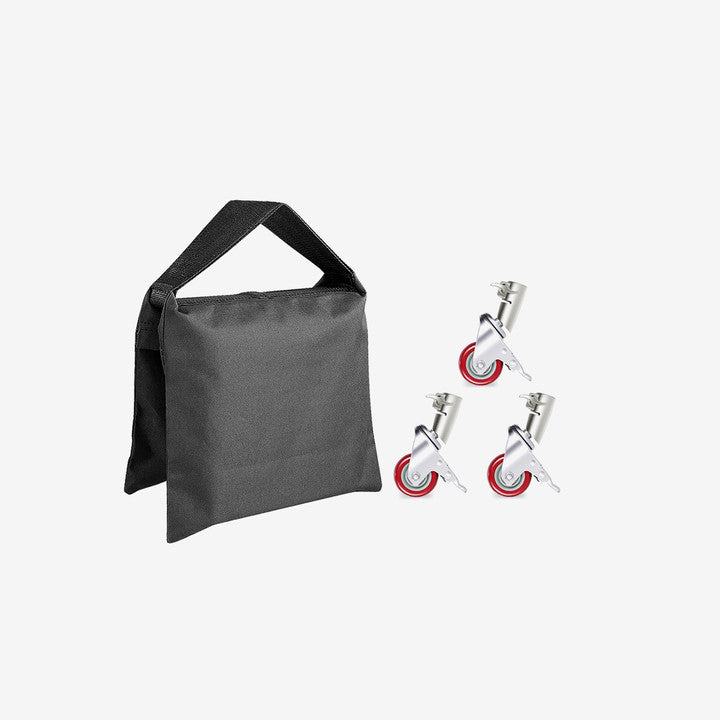
Use sandbags: Add suitable counterweights when supporting equipment on an extended arm, especially when the load is off-center.
-
Secure all connections: Tighten the grip head, arm, clamps, and mounting accessories before use.
-
Manage the load: Keep equipment within the manufacturer's rated capacity and avoid overloading the arm.
-
Watch for wind: Outdoor use requires extra caution because softboxes, reflectors, and scrims can catch the wind. Avoid using large modifiers in unsafe wind conditions.
-
Keep walkways clear: Position the stand where people won't accidentally trip over its legs or cables.
Always follow the manufacturer's setup and safety instructions, and never leave an unstable or unattended rig in a public or busy shooting area.
FAQs
Why Is It Called a C-Stand?
C-Stand is short for Century Stand, a type of support stand widely used in film and photography production. The name is commonly associated with the equipment's long history in the film industry.
What Is the Difference Between a C-Stand and a Light Stand?
A C-stand is a heavier grip-style support designed for positioning lights, flags, reflectors, and other accessories using a grip head and arm. A traditional light stand usually has a simpler tripod-style structure and is primarily designed to support lighting fixtures and modifiers.
Do I Need a Sandbag for a C-Stand?
A sandbag is recommended when using a C-stand with an extended arm or an off-center load. It helps counterbalance the weight and reduce the risk of tipping. Position the sandbag appropriately according to the stand's setup instructions, and make sure the load remains within the rated capacity.
Can I Use a C-Stand Outdoors?
Yes. C-stands are commonly used for outdoor photography and film production to support reflectors, flags, lights, and other accessories. However, wind can make outdoor setups particularly risky, especially when using large modifiers that catch the wind. Use appropriate counterweights, secure the equipment, and avoid unsafe weather conditions.