

Table of Contents
Softboxes are photographic equipment used to soften light and direct illumination more directionally. They can effectively gather light, allowing photographic subjects to be evenly illuminated.
In this article, we explore how to choose softboxes for photography and present five of the best softboxes, detailing their advantages, prices, and more. Read on if you plan to purchase one!
What Is a Softbox and How Does It Work?
A softbox is a lighting modifier that fits over a light source, using a reflective interior and diffusion panels to spread and soften the light.
Instead of producing harsh, direct illumination, it creates a larger, more diffused light source. This helps reduce hard shadows and produces smoother transitions between highlights and shadows.
Softboxes come in different shapes and sizes, each suited to different lighting needs. Some provide broad, even illumination for portraits and video, while others offer more directional control for product photography.
The 5 Best Softboxes for Photography in 2026
|
Model |
Size |
Shape |
Weight |
Material |
|
NEEWER SF120Q |
120cm |
Hexadecagon |
5.7lb / 2.58kg (Softbox only) |
Oxford cloth, aluminum alloy |
|
NEEWER NS65L |
50cm |
Lantern |
2.5lb / 1.14kg(Net Weight) |
/ |
|
NEEWER SF-RP26 |
65cm |
Octagonal |
1.4lbs/ 0.64kg |
Plastic, Metal, and Nylon |
|
NEEWER NS17S |
30x120cm(Dimensions) |
Rectangular |
1.09kg |
Nylon Alloy, Aluminum Alloy |
|
NEEWER NS90P |
90cm |
Parabolic |
3.57lb/1.62kg |
Nylon, Nylon Alloy, Aluminum Alloy |
1. NEEWER SF120Q Parabolic Softbox
Best for: Large lighting setups and group portraits
The NEEWER SF120Q Parabolic Softbox is a hexagonal softbox with a diameter of 120 cm. If you are shooting a large number of subjects, such as more than three people, it can be very useful to ensure that the light is evenly distributed. It has a smooth and even silver inner coating that expands and diffuses the output, which frankly does help a lot to improve the shot.

The NEEWER SF120Q Parabolic Softbox has impressed many photographers with its quick-release and folding construction, receiving many good reviews. You can easily open it in less than 15 seconds without the use of any tools, which can enhance your shooting efficiency. Also, if you want to make the light shape more restricted and directional, you can use it together with the honeycomb grill for more expressive lighting effects.
Reasons to buy:
- A Smooth, Even Silver Internal Coating
- Quick Release & Quick Fold Structure
- Customizable Honeycomb Grid & Diffusers
2. NEEWER NS65L Lantern Softbox
Best for: Video recording, interviews, and livestreaming
The NEEWER NS65L Lantern Softbox is a good choice if you're looking for softboxes suitable for video recording, live streaming, and interviews. Because of its shaped design, it provides wide, balanced, and shadow-free 360° light coverage for your light needs. And, you can choose the number of sections to which the fasteners are attached to flexibly control the shape and direction of the light.

NEEWER NS65L Lantern Softbox is designed with 12 flexible ribs and one-piece construction. It will be more convenient and time-saving to open and close than traditional softboxes, and moreover, the 12 high elastic ribs can ensure their usage time, are able to withstand tens of thousands of presses, and won't be easily deformed, which can help you save money.
Reasons to buy:
- 360° Omnidirectional Balanced Light
- Quick Release Installation & Disassembly
- 12 Resilient Ribs & Superior Diffusers
3. NEEWER SF-RP26 Quick Release Octagonal Softbox
Best for: Portable portrait and event photography
Whether you are a novice photographer or a professional, the NEEWER SF-RP26 Quick Release Octagonal Softbox will be the right product for you. It's made of a collapsible nylon lid and a lightweight, durable plastic handle that's highly reflective, so it delivers soft but clear light for portraits and events like weddings and live concerts. Especially for portraits, this softbox can help create a natural and charming eyelight for your characters.

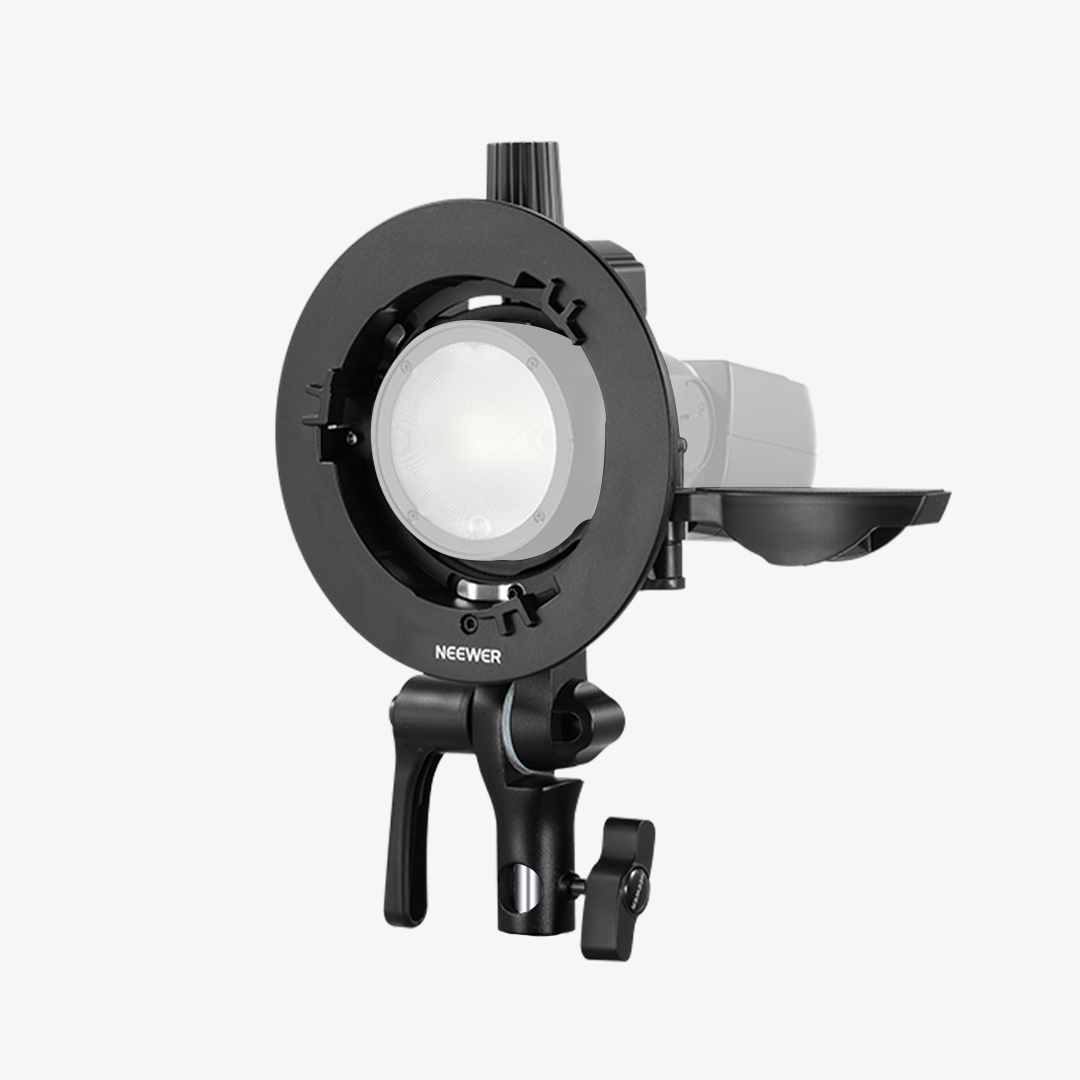
With the NEEWER SF-RP26 Quick Release Octagonal Softbox, you can easily attach it to most light stands for use in addition to handheld use. It has an S-bracket design, so it can be used flexibly with many devices. Many photographers have commented that the experience of using it is great, and it doesn't cost much.
Reasons to buy:
- S-type Bracket Mount Design
- High Reflective
- Quick Opening And Folding
4. NEEWER NS17S Nylon Rectangular Softbox
Best for: Product and fashion photography
The NEEWER NS17S Rectangular Softbox is ideal for portrait, product, and fashion photography. Its silver interior helps distribute light evenly while maintaining natural color rendering, and the included diffusers soften glare and reduce harsh shadows. The honeycomb grid further directs the light for more controlled, defined lighting.

The softbox features a quick-release folding design with four durable ribs for easy setup and storage. Its standard Bowens mount is compatible with a wide range of studio strobes and continuous LED lights. When folded, it fits into the included carrying bag, making it convenient for outdoor shoots and on-location photography.
Reasons to buy:
- Achieve Soft Lighting
- Effortless Assembly
- Convenient Portability
5. NEEWER NS90P Parabolic Softbox
Best for: Portrait, beauty, and product photography
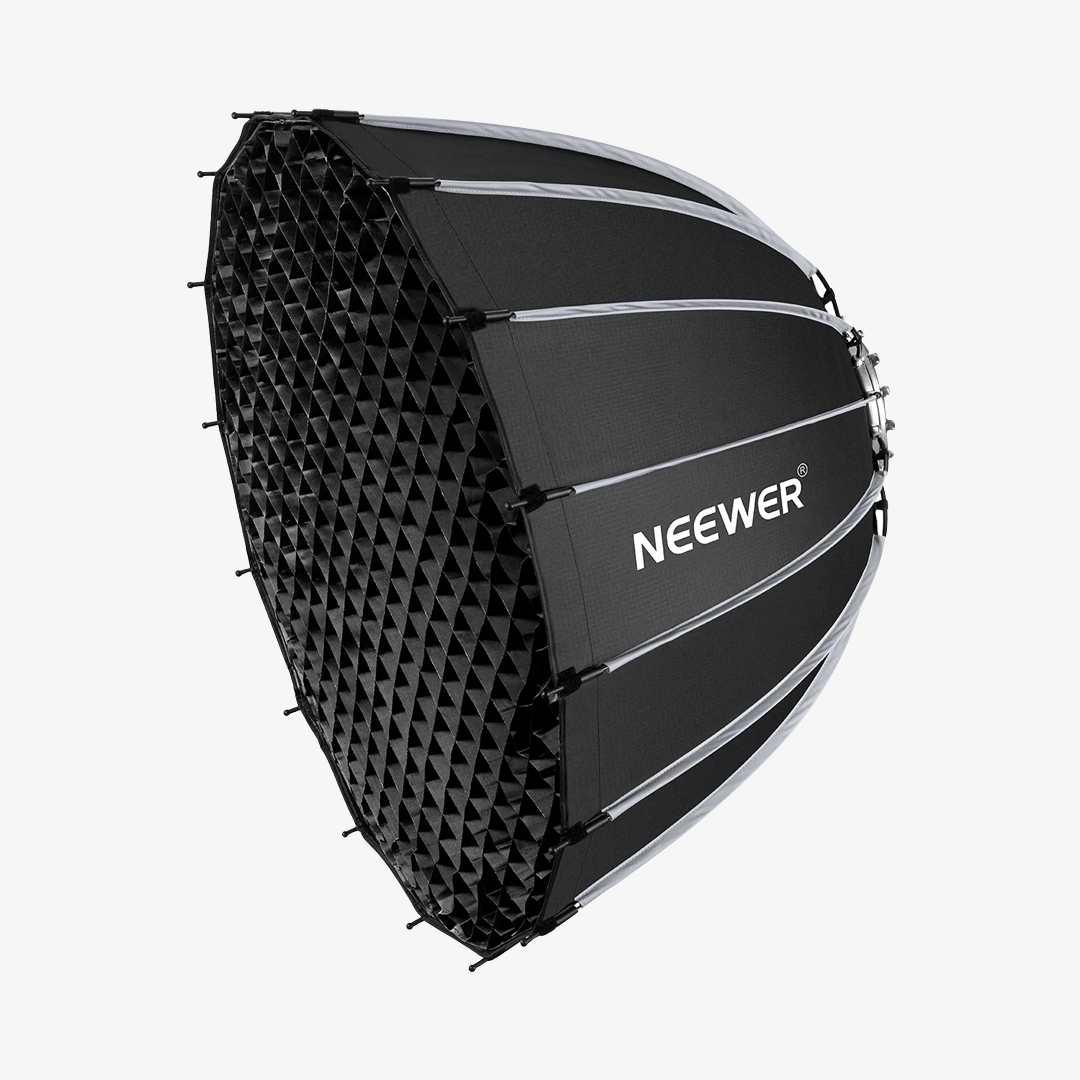
The NEEWER NS90P Parabolic Softbox is designed for portrait, product, beauty, and fashion photography. Its silver interior helps distribute light evenly while maintaining natural color rendition. The included inner and outer diffusers soften the light, while the 45° honeycomb grid helps control light spill and create more directional lighting.

Featuring a quick-folding design with 16 durable ribs and a standard Bowens mount, this softbox is compatible with a wide range of studio strobes and continuous LED lights. It folds down for convenient storage in the included carrying bag, making it suitable for both studio and on-location shoots.
Reasons to buy:
-
Portable with Included Carrying Bag
-
45° Honeycomb Grid for Directional Lighting
-
Soft, Even Lighting with Dual Diffusers
How to Choose Softboxes for Photography?
1. Choose the Right Softbox Size
Softbox size affects light coverage and how soft the light appears on your subject.
-
Large softboxes: Provide broader coverage and can create softer-looking light when positioned at an appropriate distance. They're useful for full-body portraits, group shots, and larger subjects.
-
Medium softboxes: Offer a good balance between coverage and flexibility, making them suitable for individual portraits and small product setups.
-
Small softboxes: Are easier to position in tight spaces and work well when you need to illuminate a specific area.
Keep in mind that the distance between the softbox and your subject also matters. Moving a softbox closer makes it appear larger relative to the subject, generally producing softer light.
2. Consider the Softbox Shape
Different shapes affect how light is distributed and controlled.
|
Softbox Shape |
Features |
Creative Purpose |
|
Rectangular |
Mimics natural window light |
Ideal for portraits and product shots. |
|
Square |
Compact and symmetrical light |
Suitable for headshots or balanced compositions. |
|
Octagonal |
Wide, even light with round edges |
Creates natural catchlights; great for portraits and group shots. |
|
Strip |
Narrow, focused light |
Perfect for rim or edge lighting; emphasizes contours. |
|
Parabolic |
Highly focused, directional light |
Ideal for dramatic, high-contrast beauty or editorial photography. |
There's no universally best shape. Rectangular softboxes are often useful for controlled product lighting, while octagonal and parabolic designs are common choices for portraits.
3. Check the Diffusion and Light-Control Options
Additional accessories can make a softbox more versatile and help you fine-tune your lighting.
-
Diffusion panels: Inner and outer diffusion layers help soften light and create more even illumination.
-
Honeycomb grids: Narrow the spread of light and reduce spill onto the background or surrounding areas.
-
Reflective interior: Directs light toward the diffusion surface, helping determine how efficiently light is distributed.
If you shoot portraits or products in a controlled studio, a softbox with removable diffusion panels and a grid gives you more flexibility.
4. Make Sure the Mount Is Compatible
Before buying a softbox, check its mounting system and make sure it's compatible with your lighting equipment.
Bowens mount is widely used for studio lighting accessories, but not all softboxes use the same mounting system. Some compact models use dedicated brackets or other mounting designs.
Also consider the softbox's size and weight. Larger models may require a sturdier light stand, particularly when used with a boom arm or outdoors.
FAQs
What Size Softbox Is Best for Portrait Photography?
For individual portraits, a medium-sized softbox is a versatile starting point. Larger softboxes can provide broader, softer-looking illumination, especially for full-body portraits or group shots. The best size also depends on your available space and how close you can position the light.
Is a Softbox Good for Product Photography?
Yes. A softbox helps create controlled, diffused lighting that can reduce harsh shadows and unwanted reflections. Rectangular softboxes are particularly useful for creating long highlights on reflective products, while larger softboxes can provide more even illumination across bigger objects.
What Is the Difference Between a Softbox and an Umbrella?
Both are used to modify light, but they distribute it differently. A softbox typically offers more controlled light direction, especially when paired with a honeycomb grid. An umbrella generally spreads light more widely and is often quicker to set up, though it can produce more light spill.
Which Softbox Shape Is Best for Portraits?
Octagonal softboxes are popular for portrait photography because they create rounded catchlights and provide broad illumination. Parabolic softboxes are another option, depending on the lighting style you want and the design of the modifier.
Do I Need a Grid for My Softbox?
Not necessarily. A honeycomb grid is useful when you want to limit light spill and keep illumination focused on your subject. Without a grid, light spreads more widely, which can be helpful when you want broader coverage. It mainly depends on how much control your lighting setup requires.