

Table of Contents
You’ve got your light head on the stand — now what goes in front of it? That choice is where most portrait and product setups get made or broken.
A softbox gives you the softest, most controlled output from the start: use one as your key light when shadow quality and catchlight shape matter most. An umbrella spreads light faster and wider - the right call for events and quick on-location portraits where setup time is the constraint. A reflector bounces existing light back as fill without adding another power source, which makes it practical for outdoor work or window-light setups where running another cord isn’t an option.
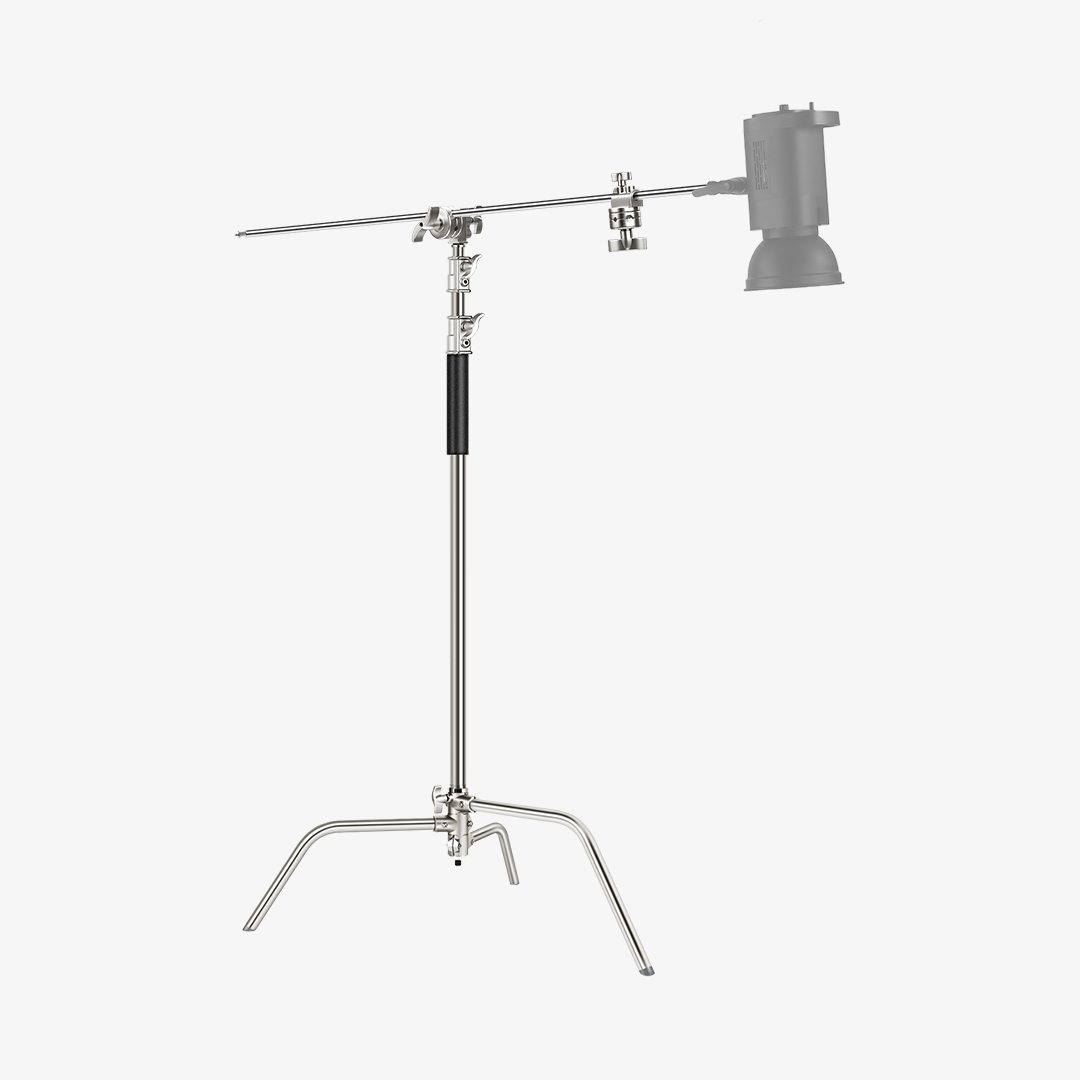
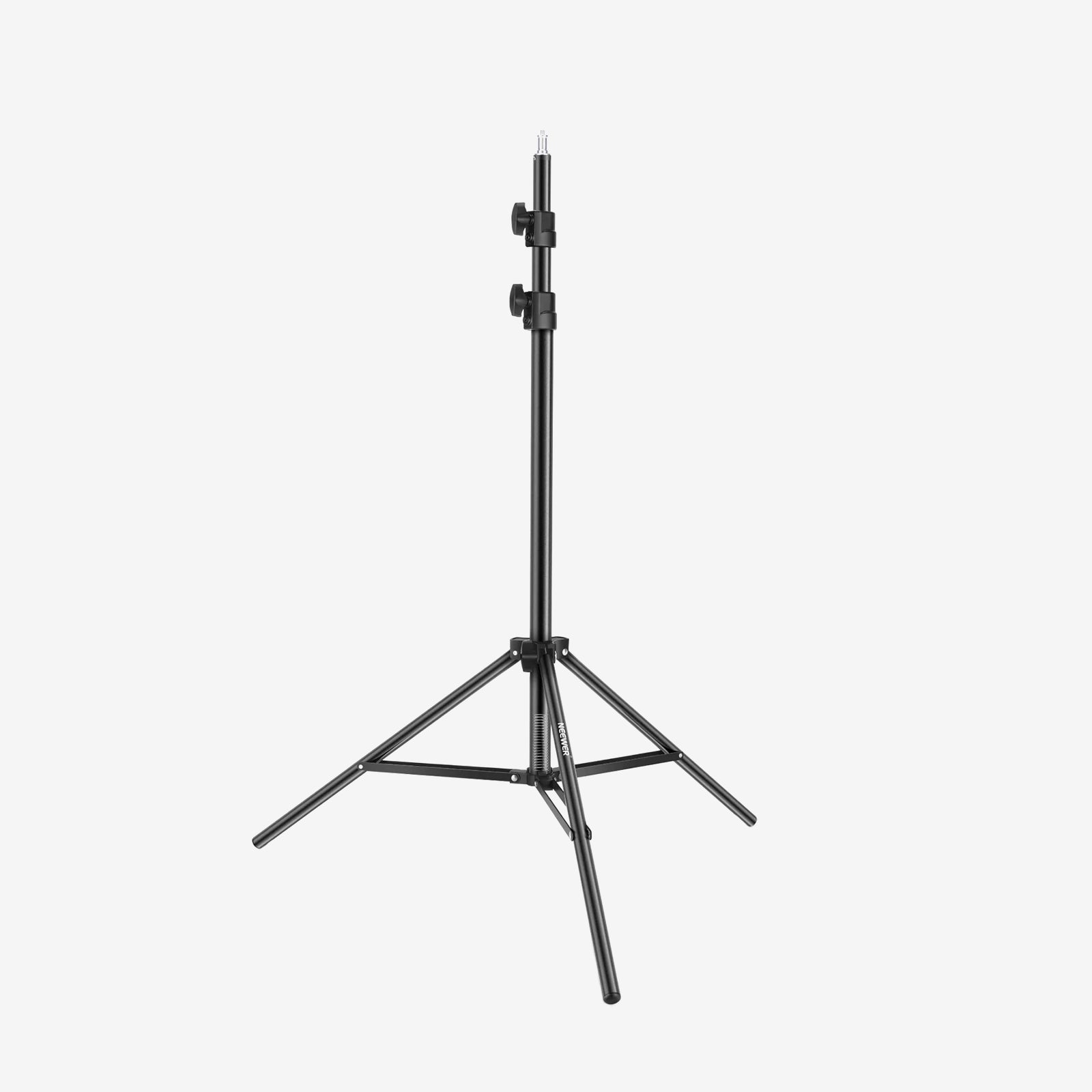
A stand is part of the setup, but not the modifier itself: it holds the light and modifier in position while the softbox, umbrella, reflector, or beam-shaping tool changes the light.
Light Stand vs Softbox vs Reflector Roles
Understanding what each piece does in the light path helps you avoid undersized stands, wrong modifier shapes, and light quality that doesn’t fit the scene.
|
Modifier Type |
Role |
Light Quality |
Best Scenario |
|
Light stand |
Supports and positions |
None — |
Every setup; |
|
Softbox kit |
Diffuses source; |
Soft, |
Portrait key, |
|
Parabolic softbox |
Diffuses source; |
Broad soft wrap, |
Headshot, beauty, close-up product |
|
Umbrella |
Diffuses light through translucent canopy |
Soft, wide spread; |
Quick portrait, |
|
Umbrella (reflective) |
Bounces light back toward subject |
Brighter and |
Events, |
|
Reflector |
Redirects ambient or existing light as fill |
Fill without |
Outdoor portrait, window-light fill |
|
Beauty dish |
Focused diffusion with defined contrast |
Sharper than softbox, softer than bare bulb |
Beauty, |
|
Spotlight / |
Concentrates and |
Hard, |
Dramatic portrait, |
Load note: A softbox and head assembled typically weighs 5 – 9 lb (2.3 – 4 kg). Apply a 1.5× safety buffer to that weight to get your minimum stand rating. See the NEEWER light stands guide for a full load table.

NEEWER Modifier Picks by Lighting Role
Start with one of the three core paths below: SF85Q if you already own a compatible light and want a higher-control softbox, NK103 if you need a complete two-light softbox kit, and the 7-in-1 reflector if you need fill without power. The remaining modifiers are companion tools for more specific looks — beauty contrast, event coverage, hard beams, Fresnel control, or handheld video.
1. Core Modifier Paths
a. NEEWER SF85Q: Best Parabolic Softbox for Portrait and Studio Work
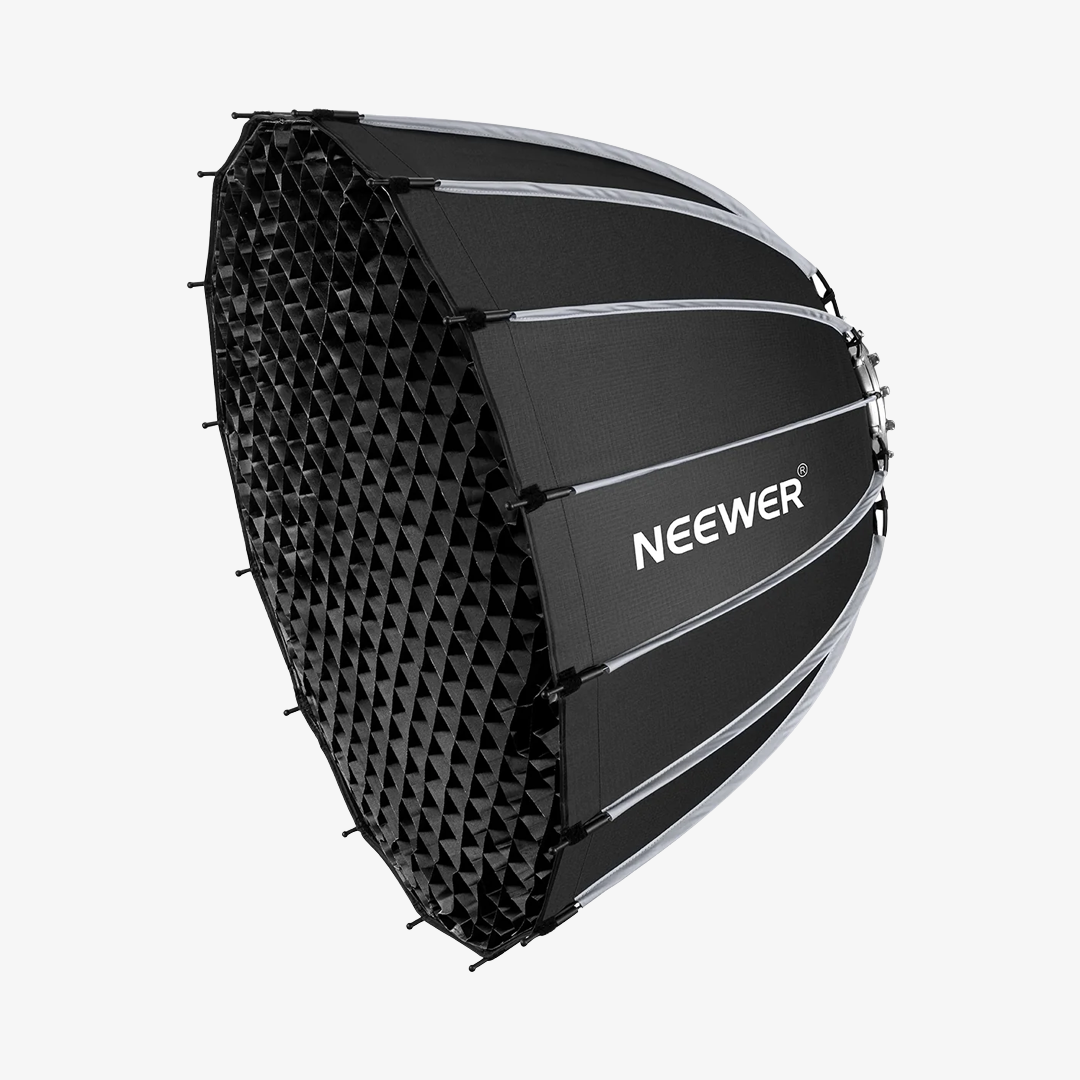
The SF85Q is NEEWER’s 33.5 in / 85 cm hexadecagon parabolic softbox — built for photographers who need soft, precisely controlled output as a primary key light for portraits, headshots, and close-up product work.

The Breakdown
The SF85Q is the standalone modifier to choose when you already own a compatible light and want more control than a simple umbrella gives you. Its parabolic shape, two-layer diffusion, and optional grid let you move between soft portrait wrap and tighter directional control without changing modifiers. That makes it especially useful in small studios where spill control matters as much as softness.
|
Spec |
Detail |
|
Shape |
Hexadecagon parabolic |
|
Diameter |
33.5 in / 85 cm |
|
Weight (softbox only) |
3.3 lb / 1.5 kg |
|
Package weight |
4.6 lb / 2.1 kg |
|
Storage size |
29.13 × 7.87 × 7.87 in / 74 × 20 × 20 cm |
|
Inner lining |
Silver reflective |
|
Mount |
Bowens |
|
Ribs |
16 |
|
Setup |
Quick-release, ≤15 seconds |
|
Accessories |
1× honeycomb grid + 2× white diffusers + carrying bag |
|
Compatibility |
Bowens-mount NEEWER studio lights and compatible |
Pros
- Hexadecagon parabolic profile creates a broad, gradual soft wrap at portrait distances
- Silver inner coating diffuses without shifting color temperature — important for skin tones and product color matching
- 16-rib quick-release structure sets up in under 15 seconds and folds flat for transport
- Two-layer diffuser system and removable grid cover the full range from maximum softness to controlled beam
- At 33.5 in / 85 cm, the open profile requires more stand clearance and room space than compact rectangular softboxes
- Grid concentrates the beam to 45° — suitable for accent work, but will reduce overall output compared to bare diffusion
Best for: Portrait photographers and headshot studios who need even facial wrap, clean two-layer diffusion, and the option to tighten the beam when the room is small. Also practical for tabletop product work where gradual, controlled shadow gradients define surface texture without harsh edges.
b. NEEWER NK103: Best Softbox Kit for Portrait and Product Starters
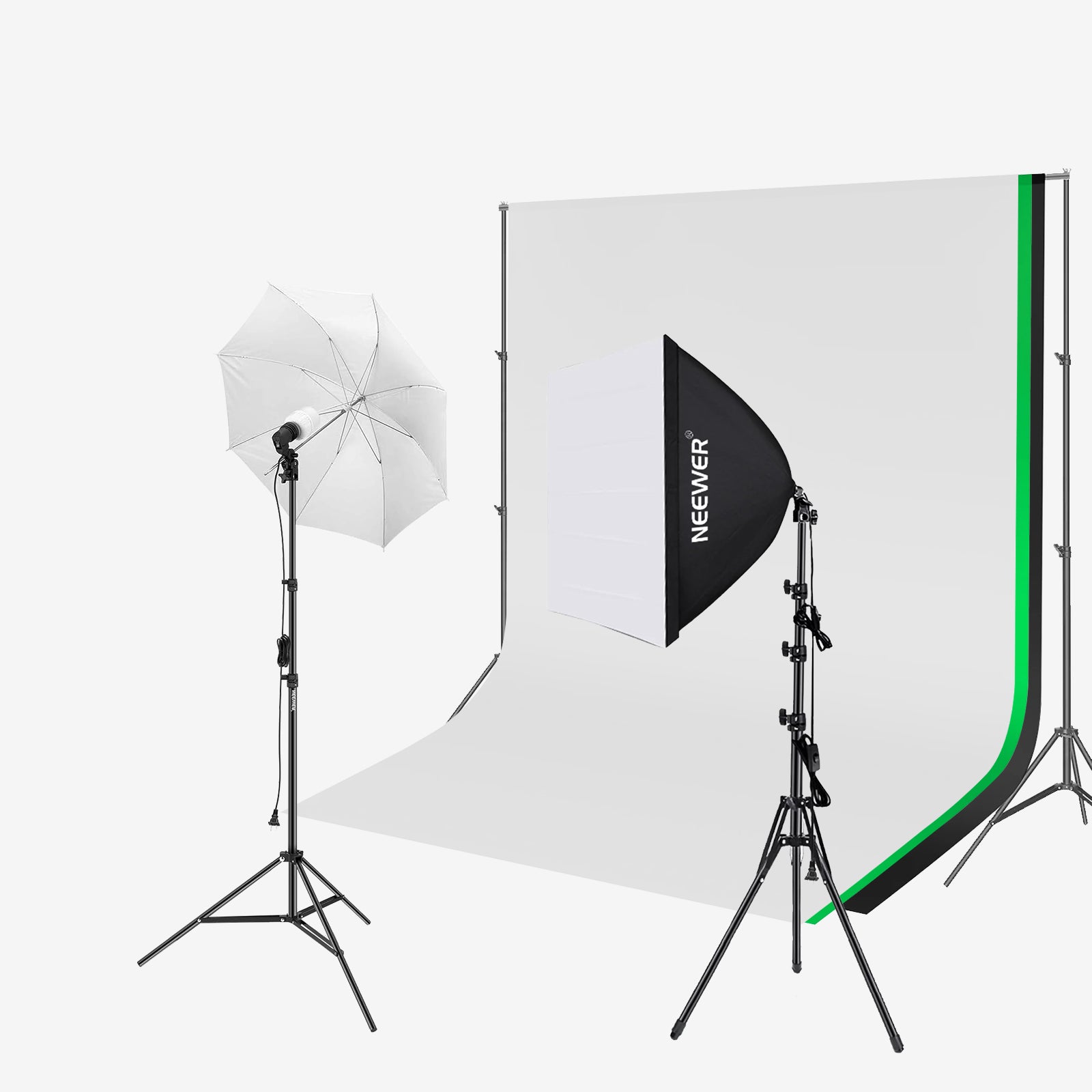
The NK103 is the better starting point if you need a complete two-light softbox setup instead of a standalone modifier.
The Breakdown
Use NK103 when you need lights, stands, and softboxes together. It is less modular than a Bowens light plus SF85Q, but easier to buy and set up from zero.
|
Spec |
Detail |
|
Kit option |
2 Pack (NK103) |
|
Softbox size |
24" × 24" / 60 × 60 cm |
|
Light source |
45W bi-color LED bulb |
|
LED count |
88 LEDs (44 warm + 44 cool) |
|
Color temperature |
2900K–7000K |
|
CRI |
95 |
|
Max illuminance |
1400 lux/m at 4400K |
|
Lamp socket |
E26 |
|
Remote control |
2.4G remote, up to 65.6 ft / 20 m |
|
Stand max height |
83 in / 210 cm |
|
Package contents |
2× softbox, 2× light stand, 2× E26 LED bulb, 1× 2.4G remote, 1× carrying bag |
Pros
- Complete two-light setup removes the need to buy bulbs, stands, and softboxes separately
- 24" × 24" (60 × 60 cm) softboxes fit small home studios and tabletop product spaces
- 2900K–7000K bi-color range handles warm interiors, daylight, and mixed ambient light
- 2.4G remote control makes two-light adjustments easier during video or portrait sessions
- The E26 bulb-based kit is less modular than a Bowens-mount COB plus a standalone softbox setup
- 24" × 24" (60 × 60 cm) softboxes are practical for single-person portraits and products, but not as broad as larger parabolic modifiers
Best for: New portrait, livestream, and product creators who want a matched two-light softbox setup from one purchase. Use one softbox as your key and the second as fill for headshots, interviews, and tabletop product scenes.
Companion product: NEEWER NK200 24"×24" Softbox Kit - a fixed-5700K softbox kit option for users who want a brighter studio-style kit after NK103.
Companion product: NEEWER Quick Release Octagonal Softbox - a fast-setup octagonal softbox option for users comparing softbox vs umbrella setups.
c. NEEWER 7-in-1 Pop-Up Reflector: Best Multi-Surface Reflector for Outdoor and Location Fill
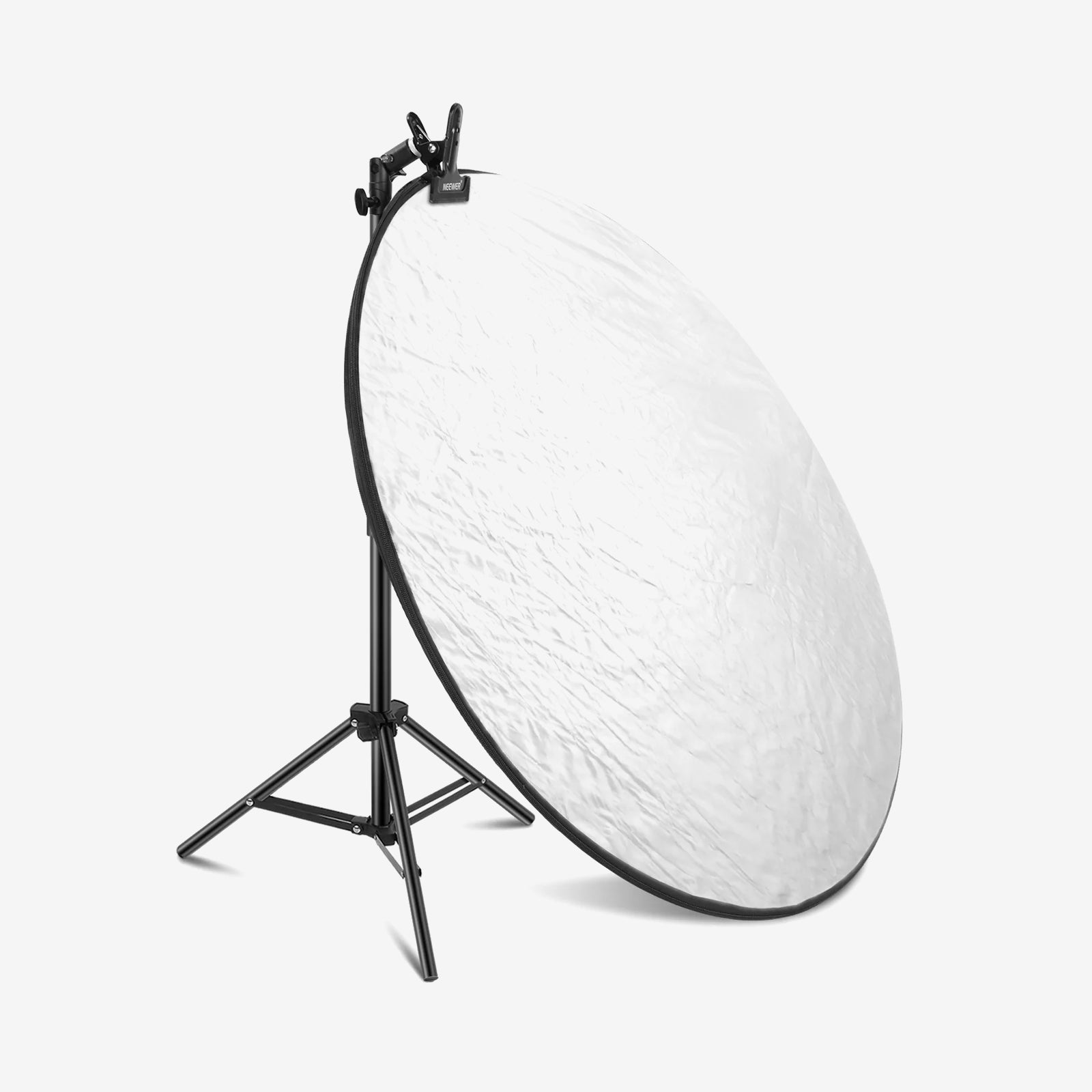
The NEEWER 7-in-1 Pop-Up Reflector (RF-80III / RF-110III) is the flexible no-power fill option in this lineup — seven surface options in one collapsible disc let you match fill character to the ambient light without adding a second powered source.
The Breakdown
The 7-in-1 reflector is a no-power solution for shaping light: it does not create light, but it redirects the light already in the scene. Use it when a second powered source would slow you down, especially for outdoor portraits, window-light work, and small product setups. The color surfaces add flexibility, but the real value is speed: open it, bounce or diffuse, and keep shooting.
|
Spec |
Detail |
|
Models |
RF-80III (32 in / 80 cm) / RF-110III (43 in / 110 cm) |
|
Surfaces |
7 total: translucent + gold + silver + soft gold + silvery-white + blue + green |
|
Thread |
3/8 in |
|
Mounting |
Dual-handle grips + 3/8 in threaded mount on one handle |
|
Frame |
Spring-steel collapsible |
|
Storage |
Zipper carrying bag included |
Pros
- Seven surfaces cover portrait fill, warm fill, diffusion, and chroma key in one unit
- Dual grips plus 3/8 in threaded point work both handheld and stand-mounted
- Steel frame holds shape through repeated open-close cycles
- Two sizes available (80 cm and 110 cm) to match the subject scale and working distance
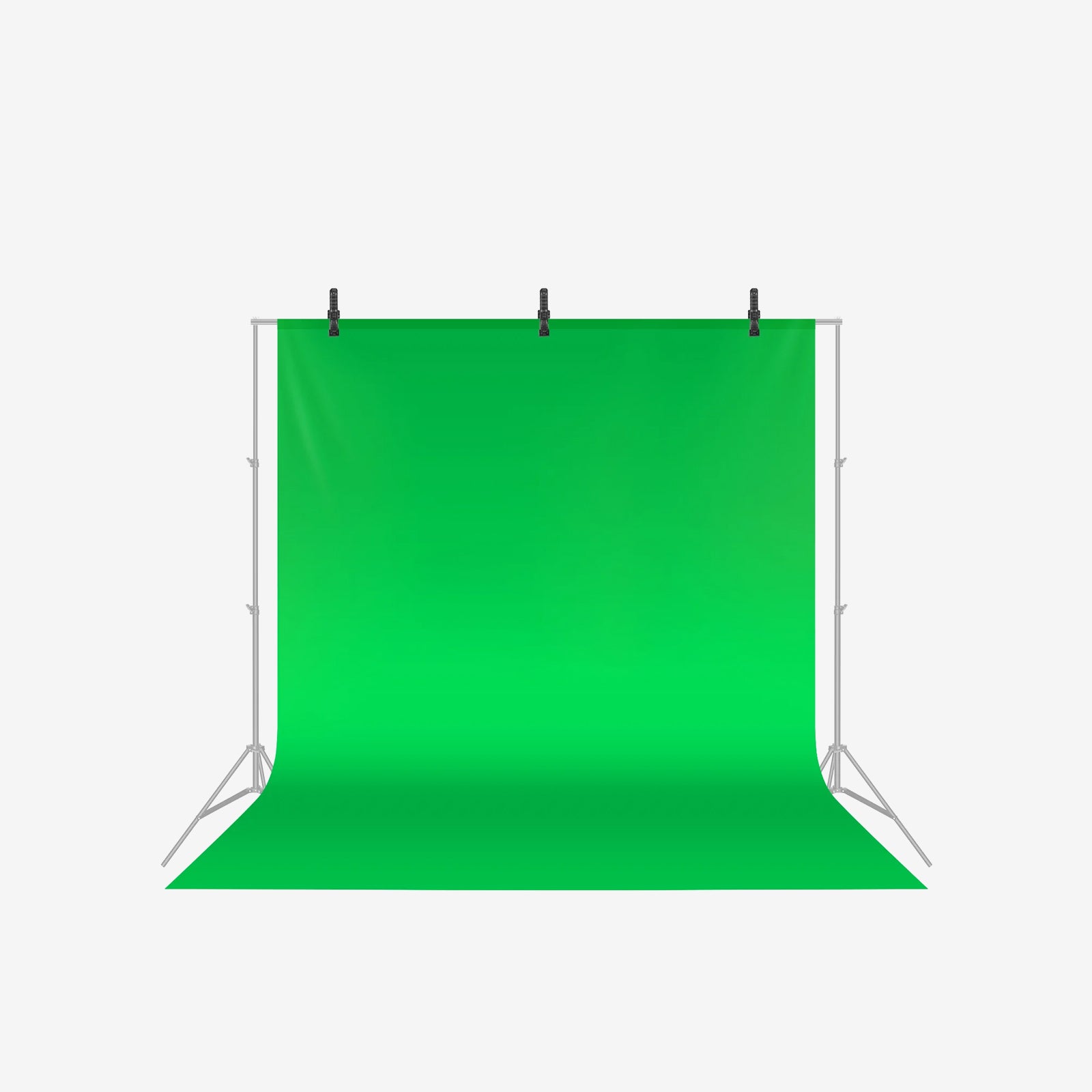
- Blue and green surfaces add compact chroma key capability without extra gear
Cons
- Requires a second person or reflector arm in most setups — a free hand or assistant is the limiting factor
- Fill quality depends on the strength and direction of existing ambient light; it won't compensate for very low-light conditions
Best for: Location portrait photographers and lifestyle shooters working with natural or window light who need fill without a second powered source. The blue and green surfaces make it useful beyond fill work for video creators who need a quick chroma key surface on location.
2. Companion Modifiers for Specific Looks
These companion modifiers stay in the article as quick scenario paths, not full product recommendations. Use them to help readers understand when to move beyond the three core choices above.
|
Companion Modifier |
Use It When |
Why It Helps |
|
You want more definition for beauty or fashion portraits |
Adds firmer contrast and a more sculpted catchlight than a softbox |
|
|
You need fast, wide coverage for events or groups |
Opens quickly and spreads light broadly, |
|
|
You want dramatic hard beams or gobo projection |
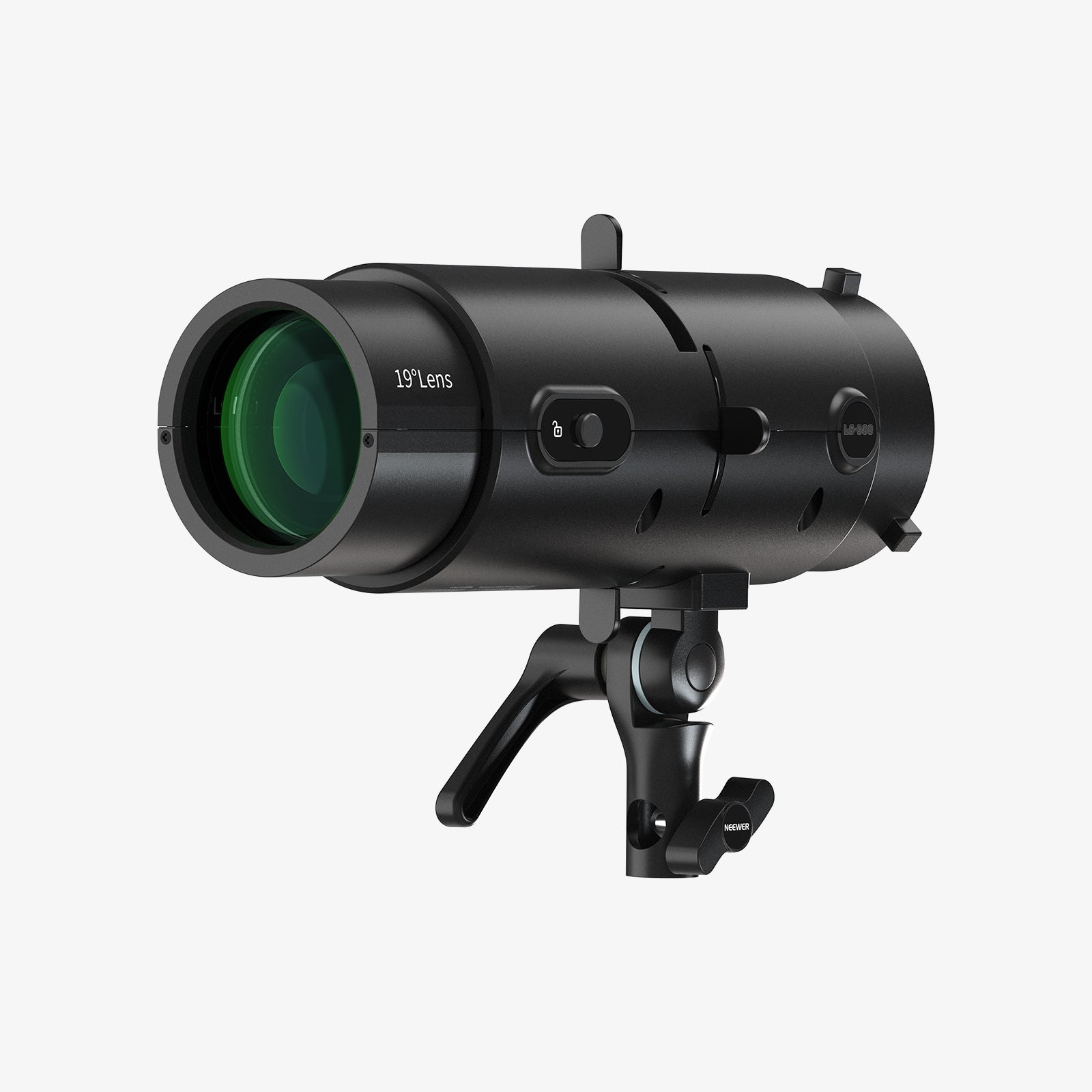
Creates a precise 20° spotlight for background patterns, rim light, or high-contrast portraits |
|
|
You use COB lights and |
Shifts a compatible COB from broad flood to tight spot without changing fixtures |
|
Softbox vs Umbrella vs Bare Light: Which Creates Softer Output?
The softest output comes from the modifier with the largest apparent source size relative to the subject, and a well-sized softbox wins that comparison in most studio setups.
|
|
Softbox |
Shoot-Through Umbrella |
Reflective Umbrella |
Bare Light |
|
Shadow hardness |
Softest |
Soft |
Soft–medium |
Hard |
|
Spill control |
Best — contained diffusion panel |
Low — wide spread |
Medium |
None — all output forward |
|
Setup speed |
Slowest |
Fast |
Fast |
Instant |
|
Catchlight shape |
Rectangular or octagonal |
Circular, irregular |
Circular, irregular |
Small, sharp point |
|
Best portrait scenario |
Key light, |
Quick portrait, event |
Event, group |
Dramatic, high-contrast |
|
Best product scenario |
Controlled edge, even surface |
Broad fill |
Bright specular highlights |
Hard edge on textured 3D |
Use a softbox when flattering shadows, consistent catchlights, and wall-spill control all matter in the same setup — portraits, interviews, and close-up beauty work. The SF85Q’s parabolic shape produces more gradual shadow wrap than a flat-face softbox at the same diameter; the LD55 beauty dish gives a firmer, more contrasty look when the scene calls for definition.
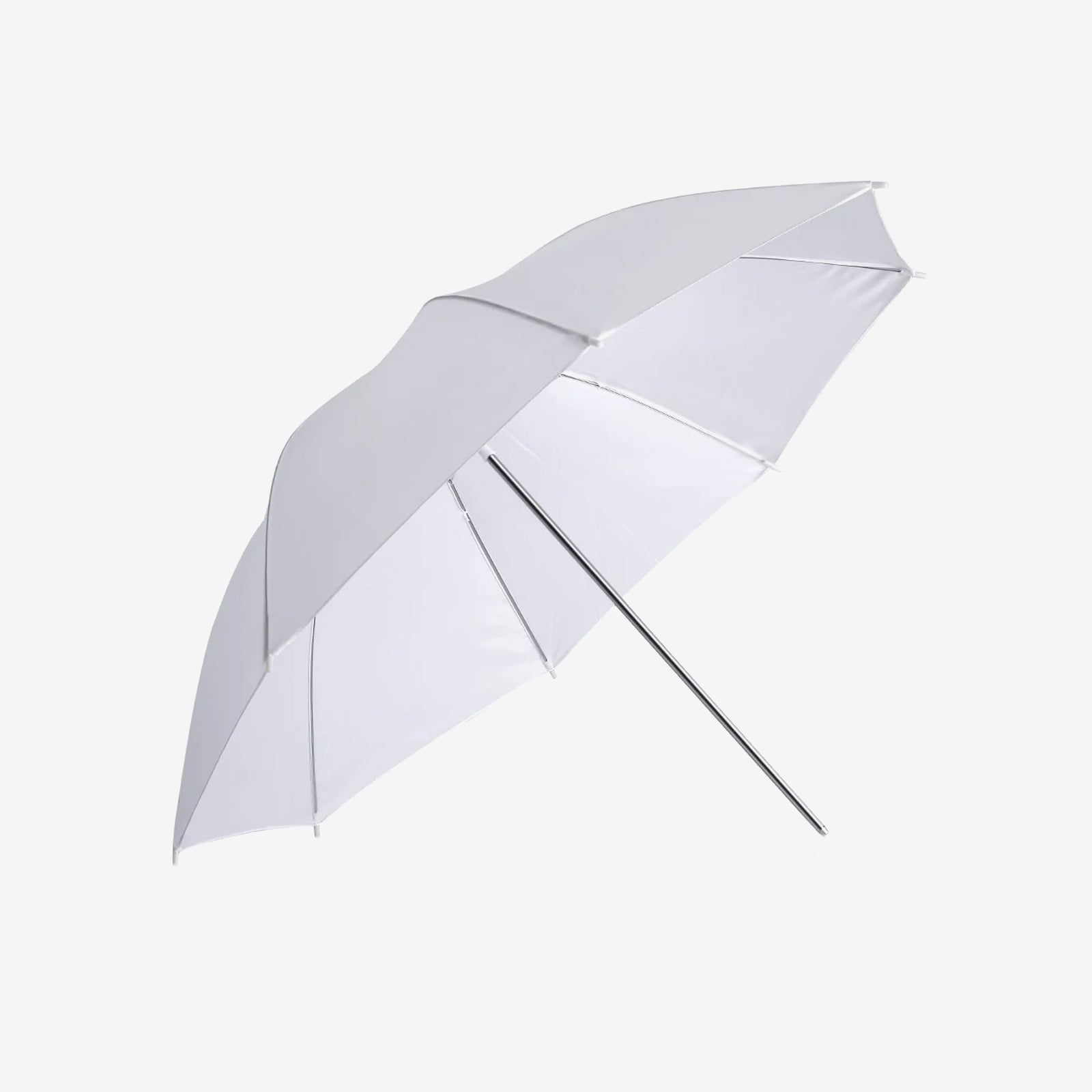
Use a shoot-through umbrella when setup speed or portability outweighs precision — events, quick on-location portraits, or as a second light where building a full softbox frame isn’t practical. Spill management is limited in tight rooms; factor that in for home studio use.
Use bare light when hard shadow contrast is intentional — dramatic portraits, product work where you need defined 3D texture, or cinematic setups. The LS-39 snoot and CSF10 Fresnel take that idea further with shaped beam control that a bare source alone can’t deliver.

Which Setup Should You Start With?
Your primary shooting scenario is the fastest guide to the right first purchase.
Portrait and headshot photography: Choose the SF85Q if you already own a Bowens-mount light and want a larger, more controlled key modifier. Choose the NEEWER NK103 softbox kit if you want a complete two-softbox starter setup with lights and stands included.
Beauty and close-up fashion: Start with the LD55 beauty dish as your key. The defined contrast and three-dimensional catchlight quality it produces are difficult to replicate with a softbox alone. Pair it with a reflector or second softbox for fill.
Events and group photography: The NS1U umbrella’s parabolic spread and fast setup outperform a softbox when you're moving between setups quickly. Position it high and slightly to the side as an all-in-one key-fill for groups.
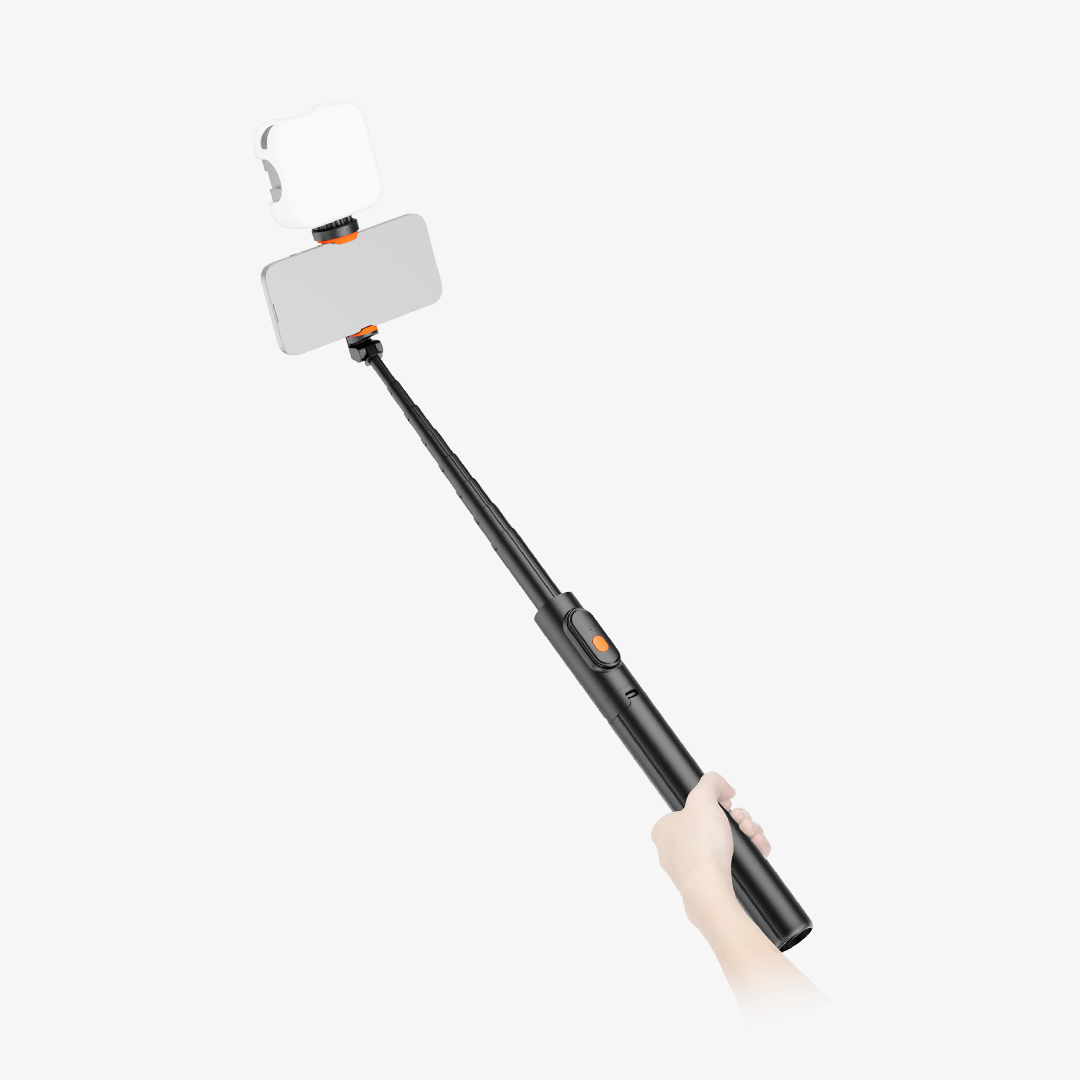
Handheld video and outdoor location: The NS7L on the HS60B removes the stand requirement entirely. Add the 7-in-1 reflector for fill, and you have a complete two-modifier location kit with no secondary power source needed.
Dramatic and cinematic work: Pair a softbox key with either the LS-39 snoot or the CSF10 Fresnel as your accent or rim. The contrast between a soft key and a hard accent beam is one of the most effective two-modifier setups for editorial and video.
FAQs
What is a light modifier in photography?
A modifier is any attachment that changes the quality, direction, or spread of your light — softboxes, umbrellas, reflectors, beauty dishes, Fresnel lenses, and snoots all qualify. A light stand positions the head but doesn't modify the output itself.
Do I need a stand to use a softbox?
Yes — softbox and light head mount together, then attach to the stand. The stand's load rating must cover the combined head-plus-softbox weight with a 1.5× safety buffer. See the NEEWER light stands collection for load-matched options.
Softbox vs umbrella: which is better for portraits?
A softbox gives more controlled shadow edges and less wall spill than an umbrella — better for headshots and close-up portrait work. A shoot-through umbrella is faster to set up, but harder to control in a small room. For a fixed portrait setup, a softbox kit is the more versatile long-term choice; for events and location work, an umbrella is the practical alternative.
Can a softbox replace a reflector?
No — a softbox adds powered light while a reflector redirects existing light without a power source. In a studio, use both: softbox as key, reflector as fill. On location without power, a reflector is the simplest way to add fill without a second light and a stand.
What size softbox works best for single-person portraits?
A parabolic or octagonal modifier around 33–36 in (85–90 cm) across covers most single-person setups at 3–5 ft (90–150 cm) working distance. Anything smaller than 20 in (50 cm) reads noticeably harder at typical sitting distances.
Do softboxes work with all light heads?
No - softboxes are mount-specific. Bowens is the most widely supported standard and covers most NEEWER studio heads. Confirm your light head's mount type before purchasing; some proprietary mounts need an adapter to accept Bowens modifiers.
Can I use a softbox outdoors?
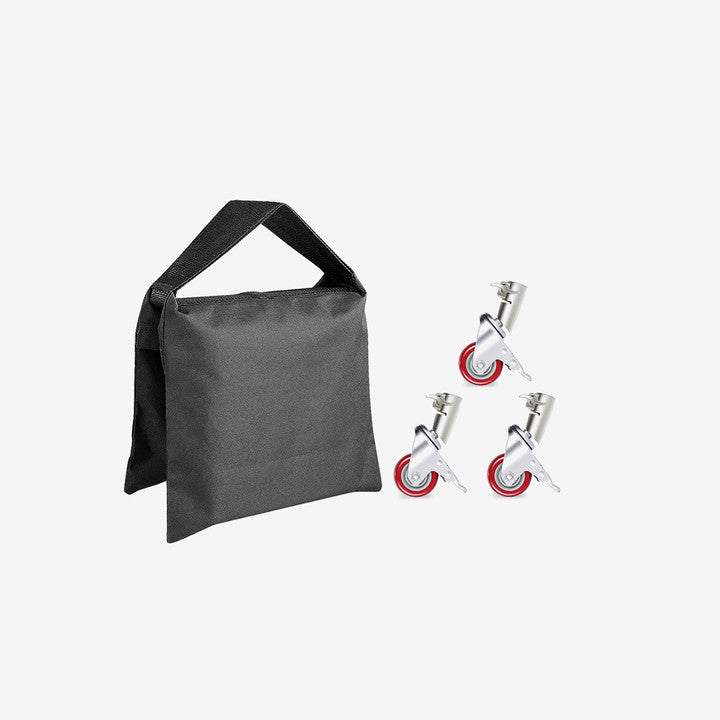
Yes, but softboxes catch wind easily - always sandbag the stand base and point the widest leg spread into the wind direction. For variable outdoor conditions, a reflector or compact umbrella is typically more practical than a full-frame softbox.
Final Takeaway
The right modifier matches what your setup is actually trying to do: the SF85Q for controlled portrait and beauty keys, the 7-in-1 Pop-Up Reflector when you need fill without power, a beauty dish when definition matters more than softness, an umbrella when setup speed is the priority, and a Fresnel or snoot when the scene calls for a hard beam. If you’re starting a portrait or interview studio from scratch, the NEEWER NK103 softbox kit gives you a matched two-light configuration without buying lights, stands, and softboxes separately.