






Battery







FAQ
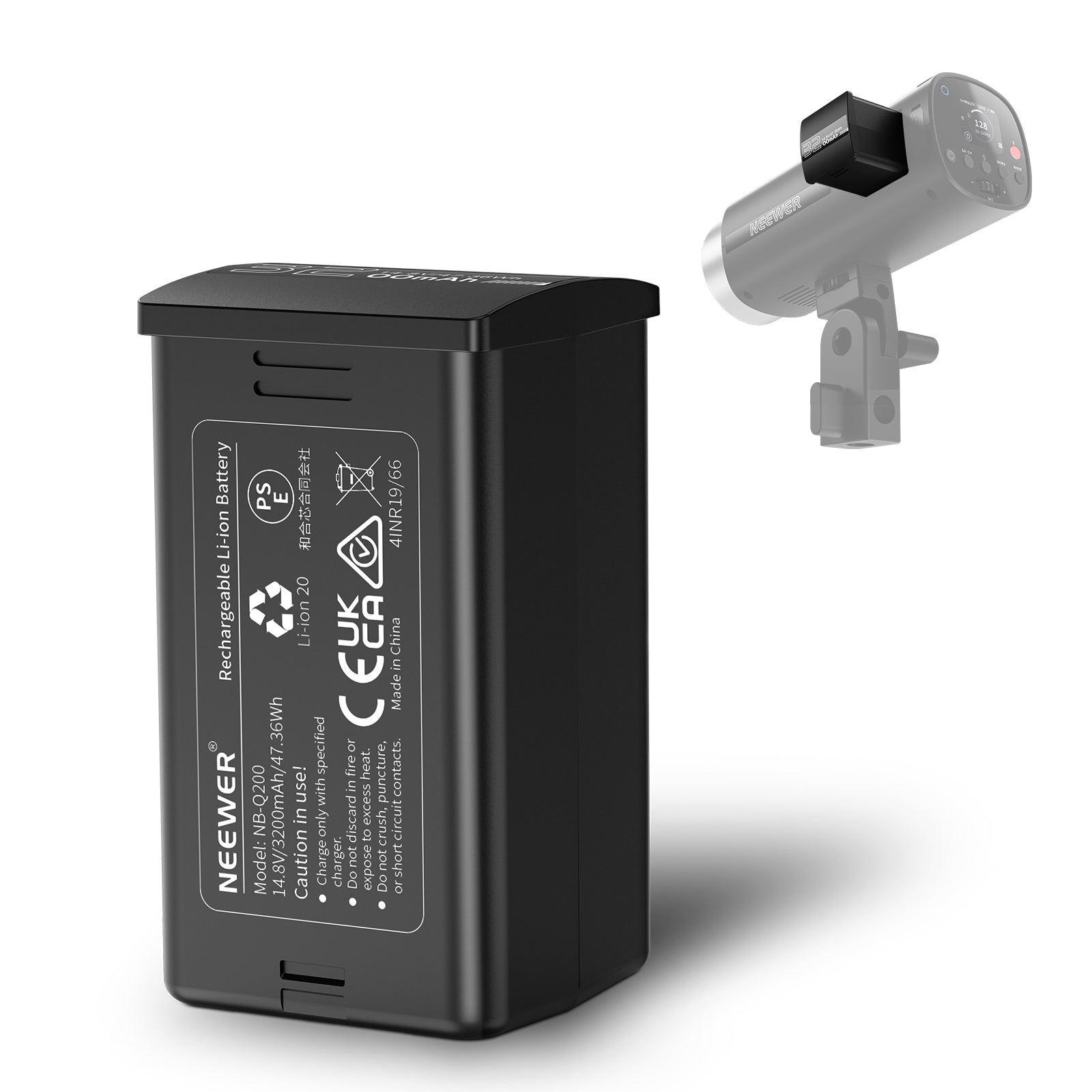
Are Third-Party Replacement Batteries Safe for Cameras?
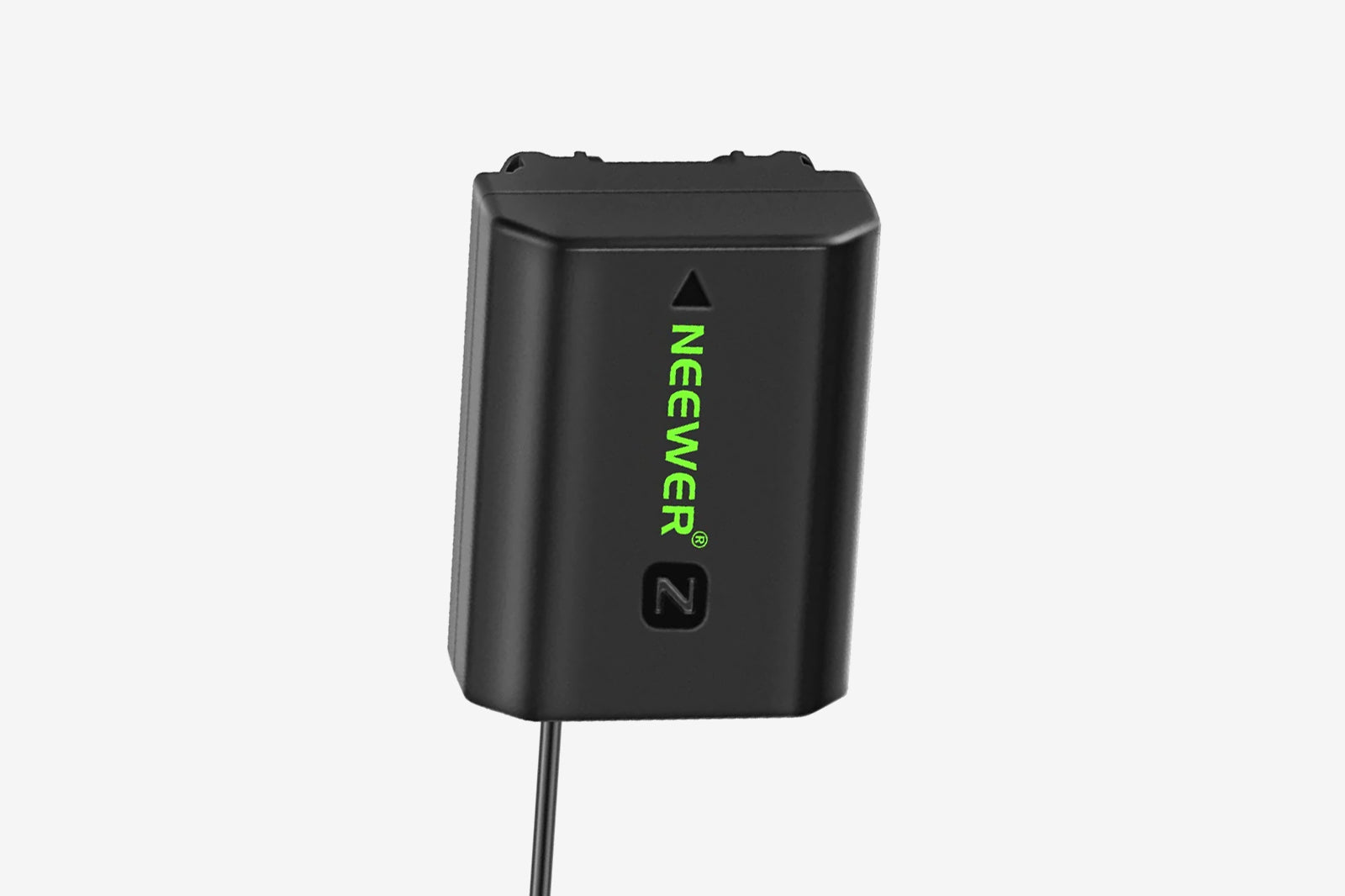
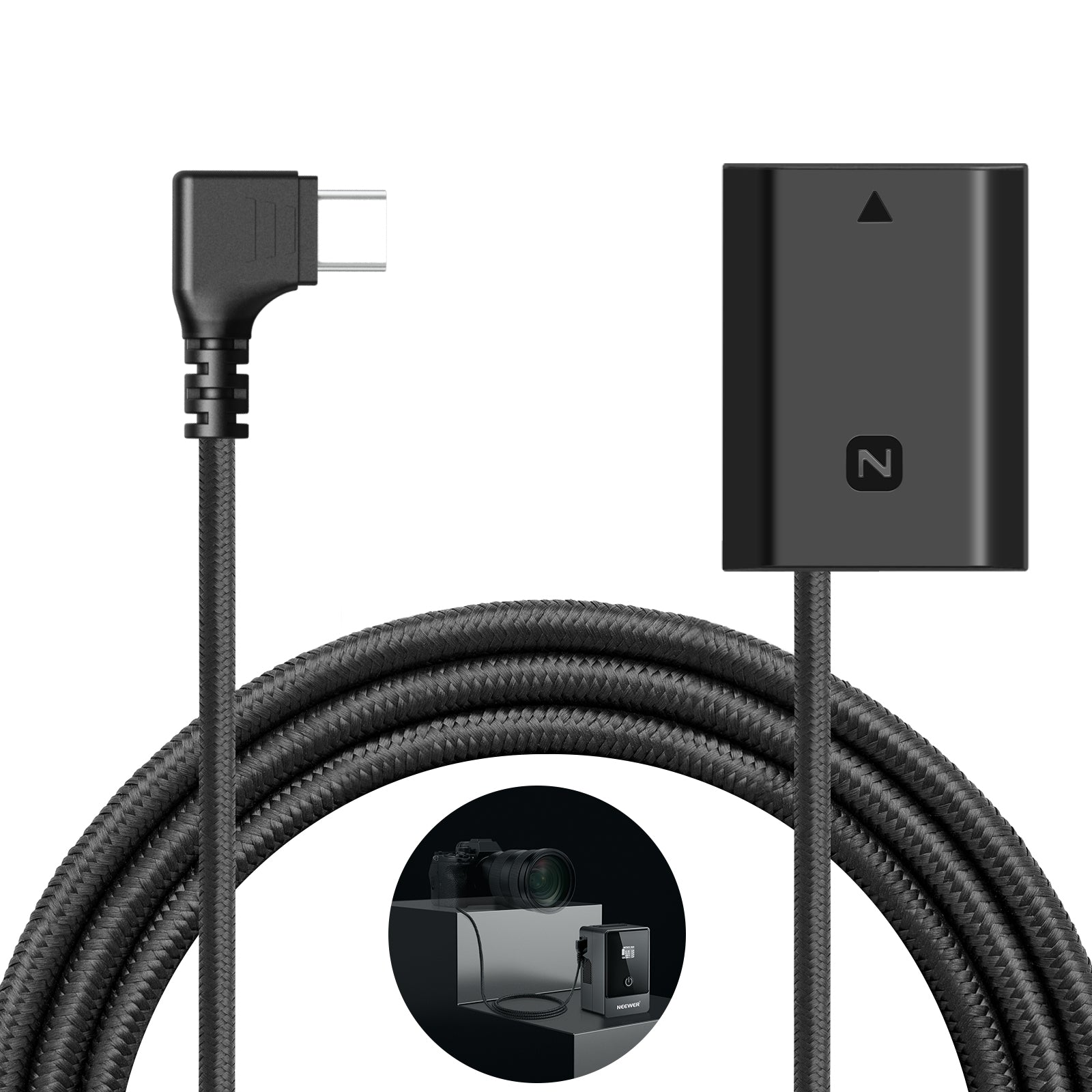
Yes, provided they are built with multi-circuit protection (over-charge, over-current, and short-circuit protection). High-quality replacement batteries match OEM voltage standards to power your camera safely without damaging internal electronics or causing camera errors.
What Is a Fully Decoded Replacement Battery?
A fully decoded battery contains a smart chip that communicates seamlessly with your camera. It allows the camera to display the exact remaining battery percentage on screen without popping up "non-genuine battery" warning messages during operation.
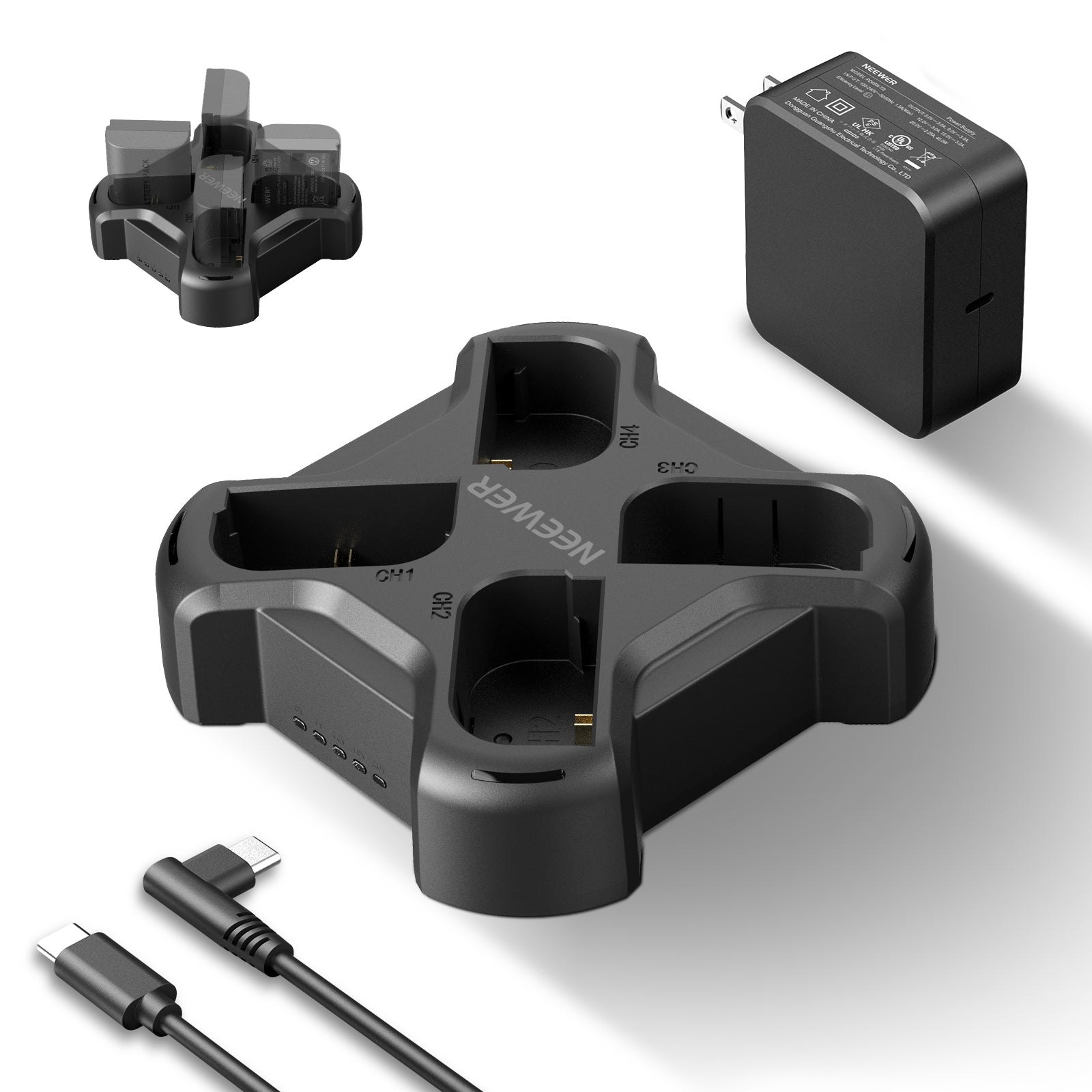
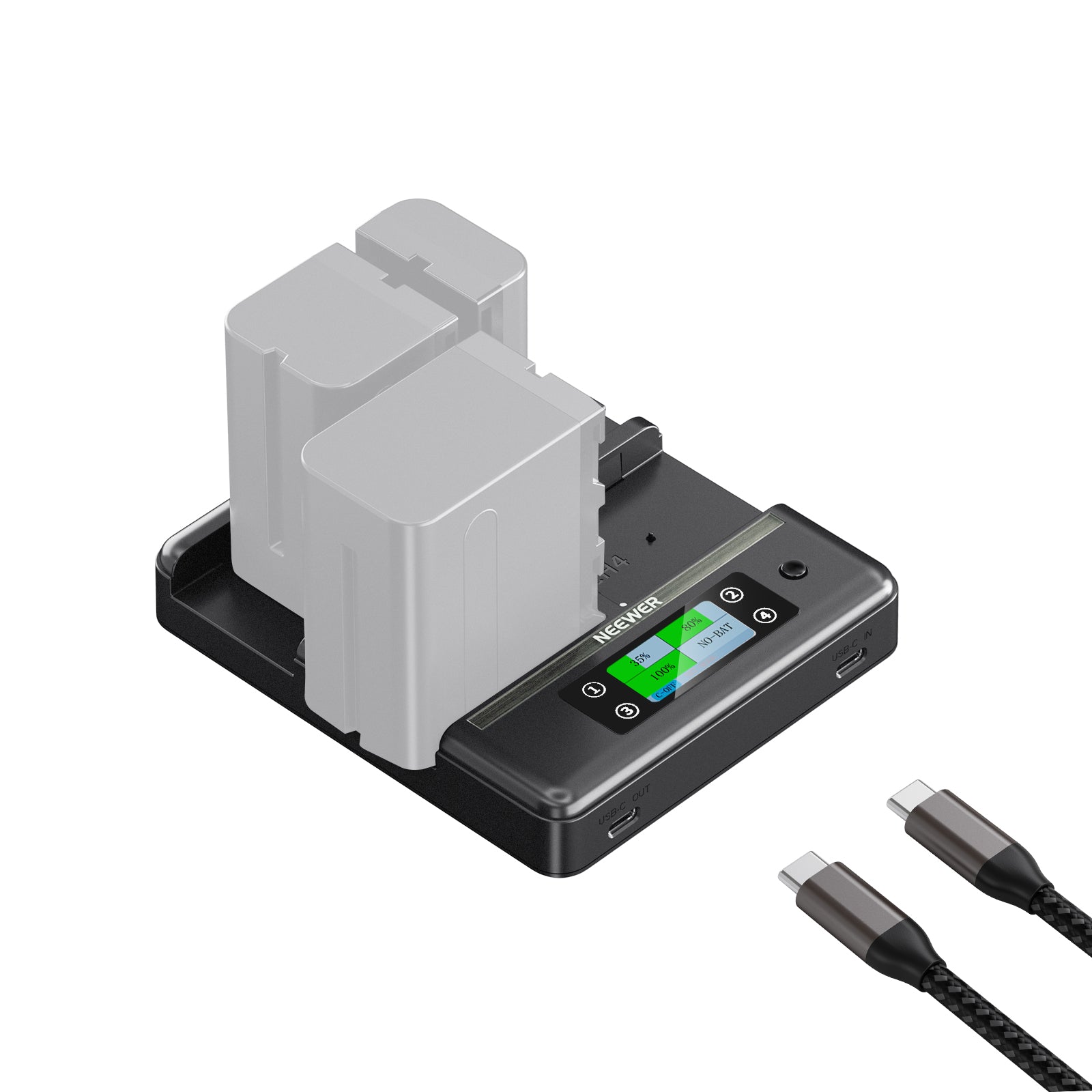
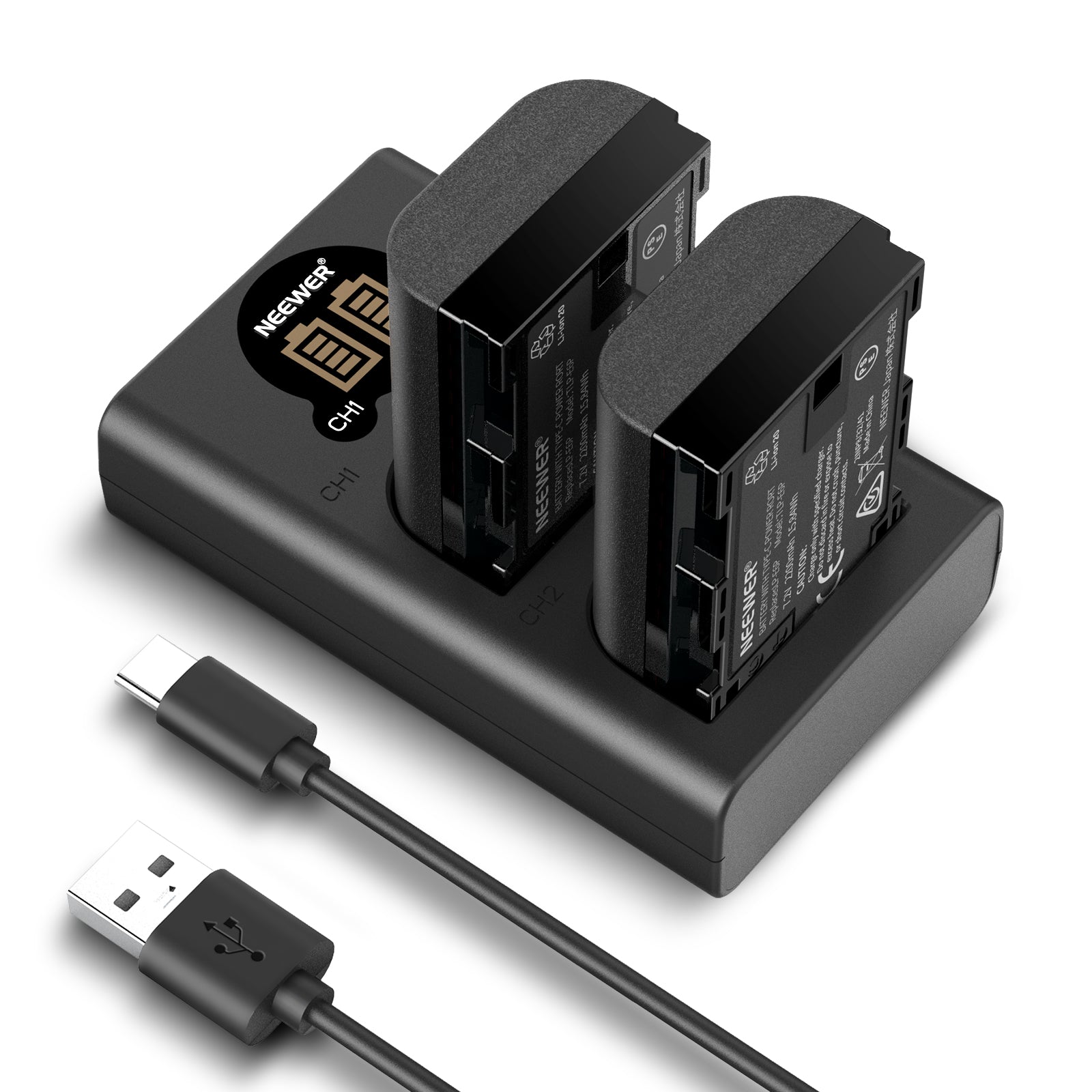
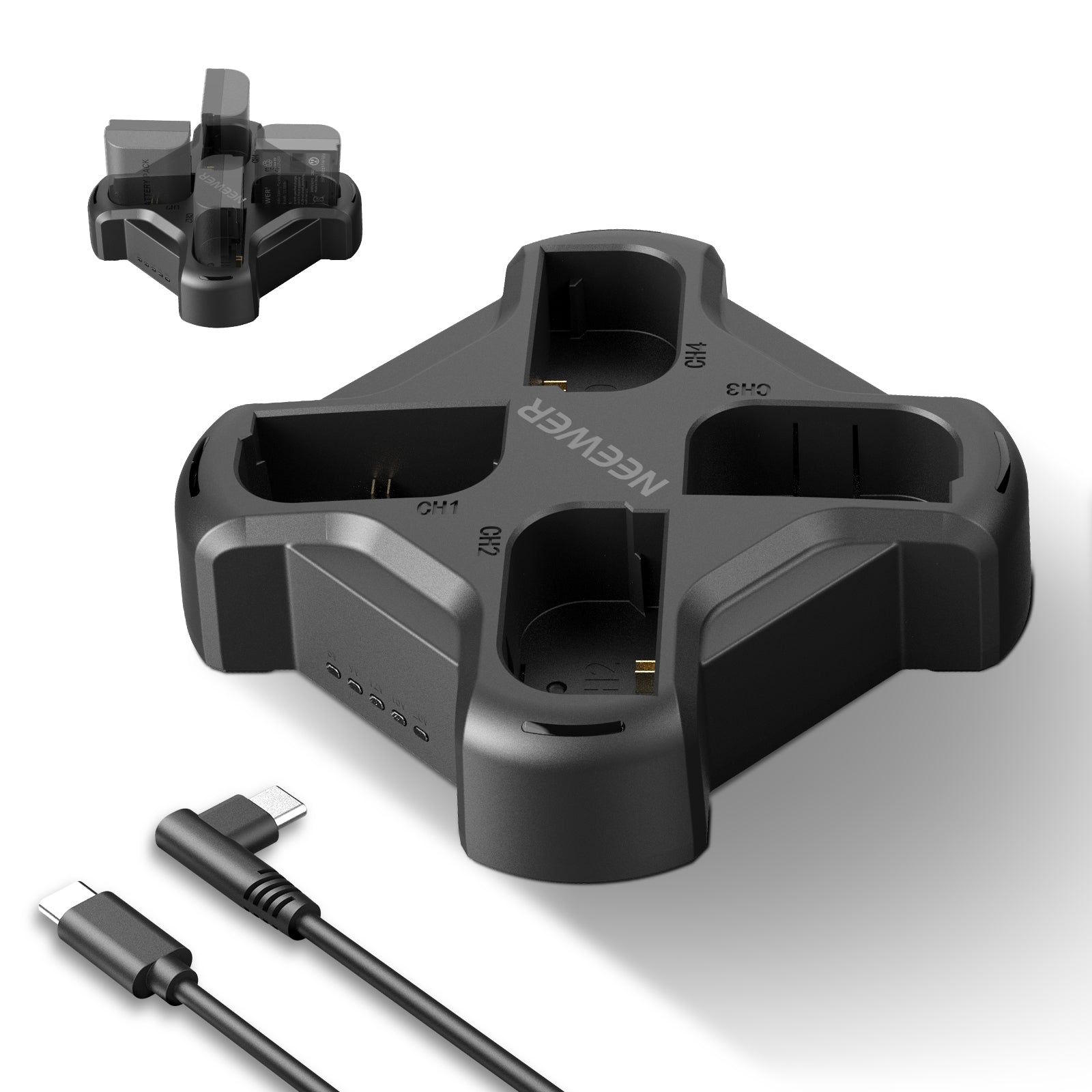
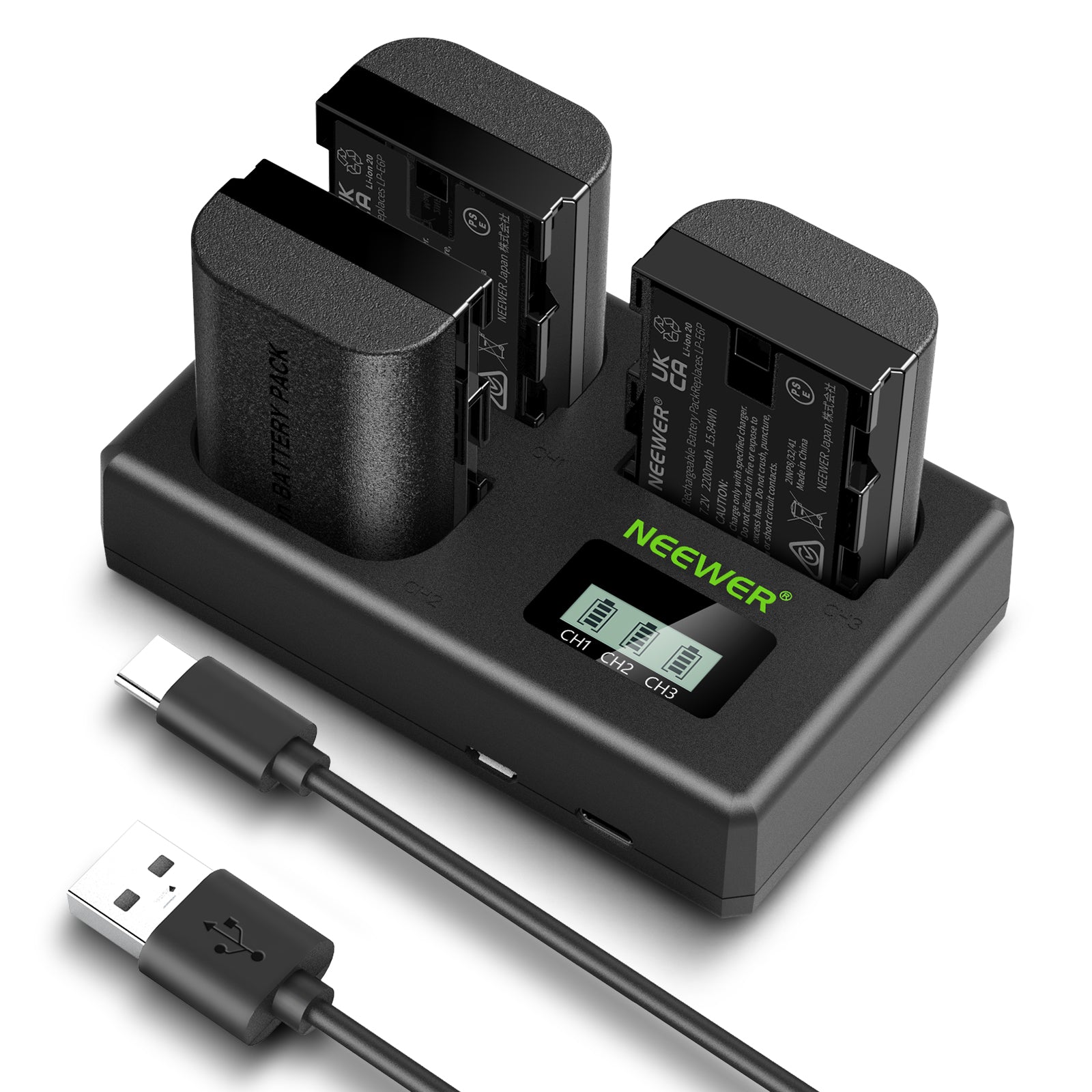
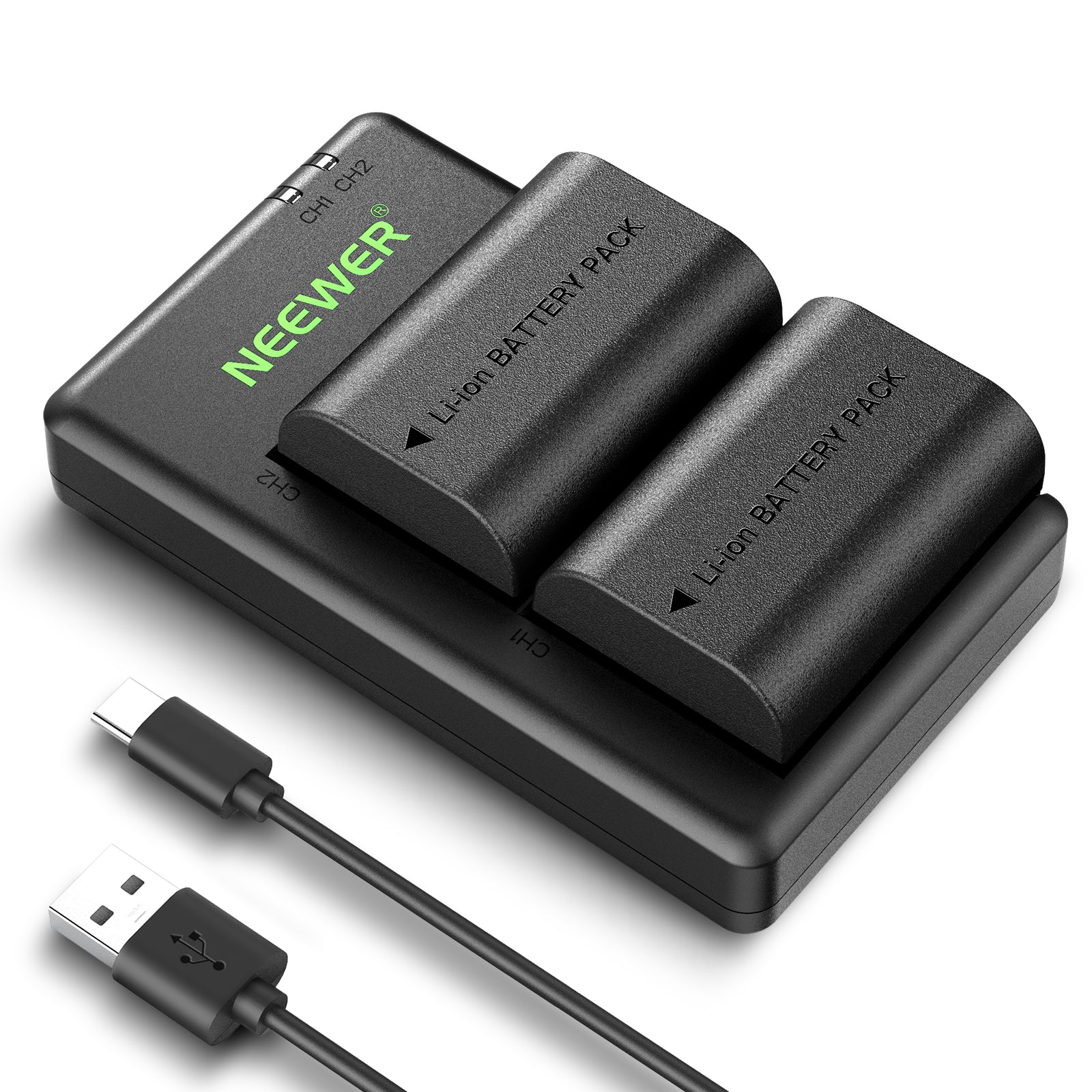
What Are the Benefits of a Dual USB Charger Set?
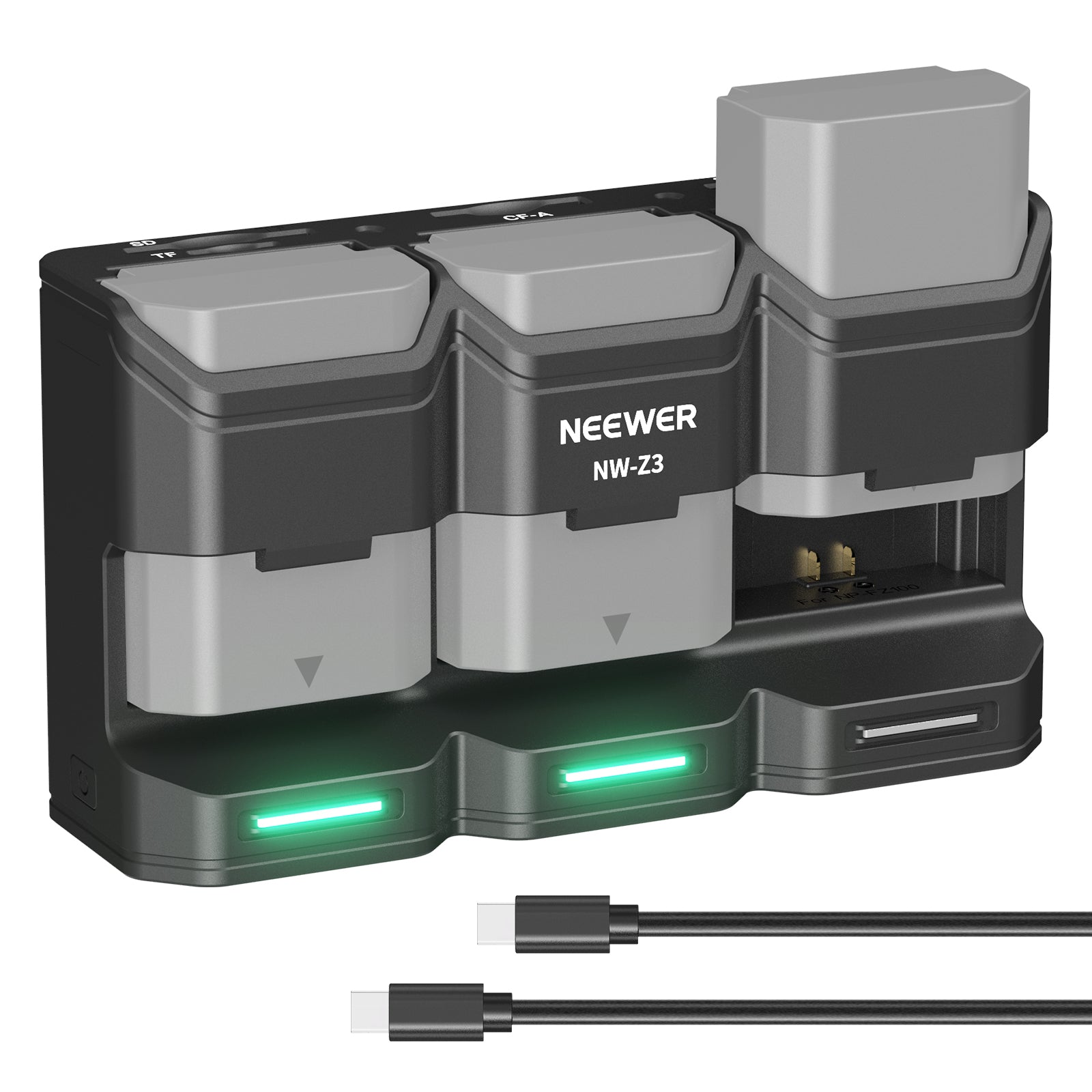
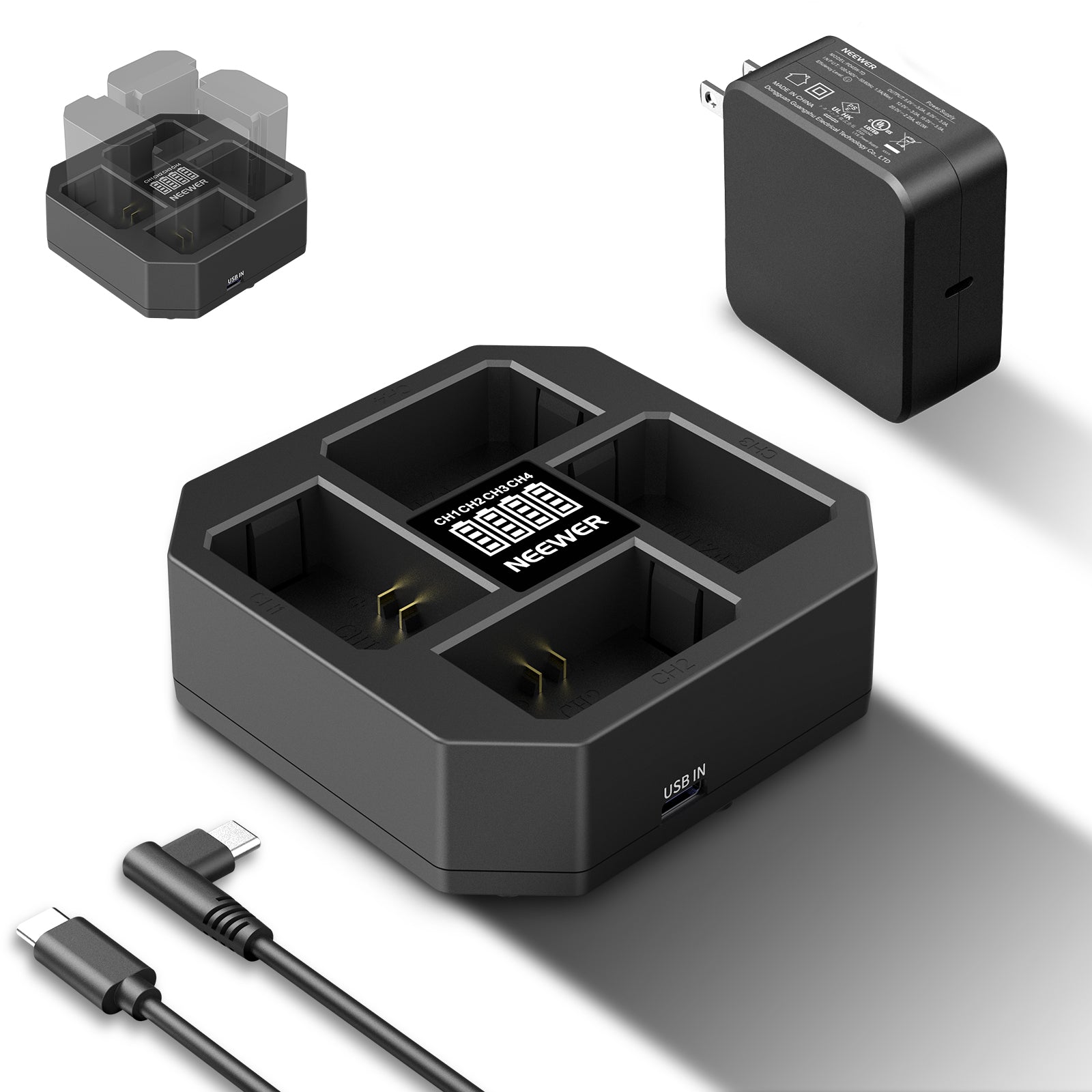
A dual USB charger set lets you charge two camera batteries simultaneously from a single wall adapter, car charger, power bank, or laptop. The built-in LCD screen or LED indicators show real-time charging status and battery capacity levels for both slots.
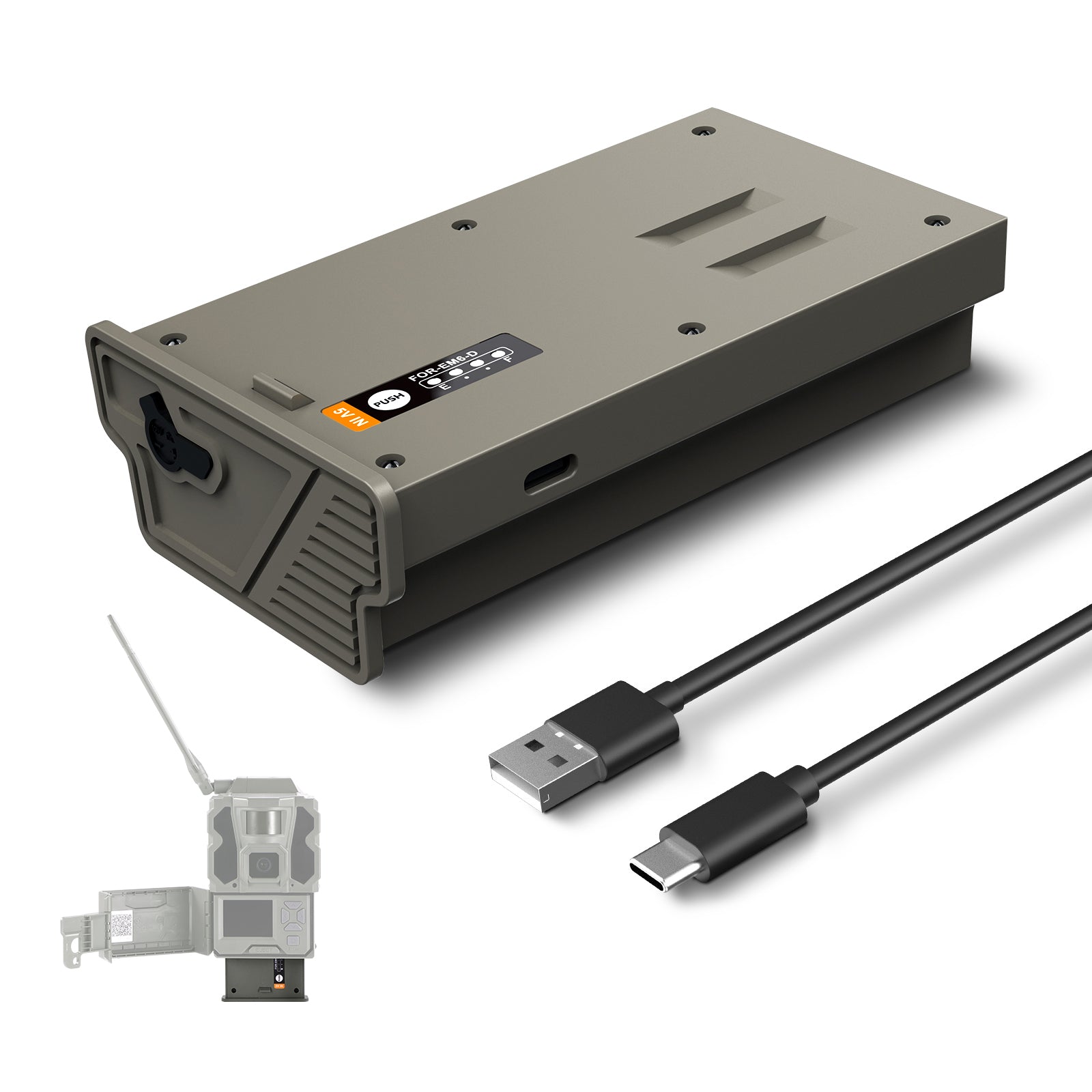
What Is a USB-C Direct-Charge Camera Battery?
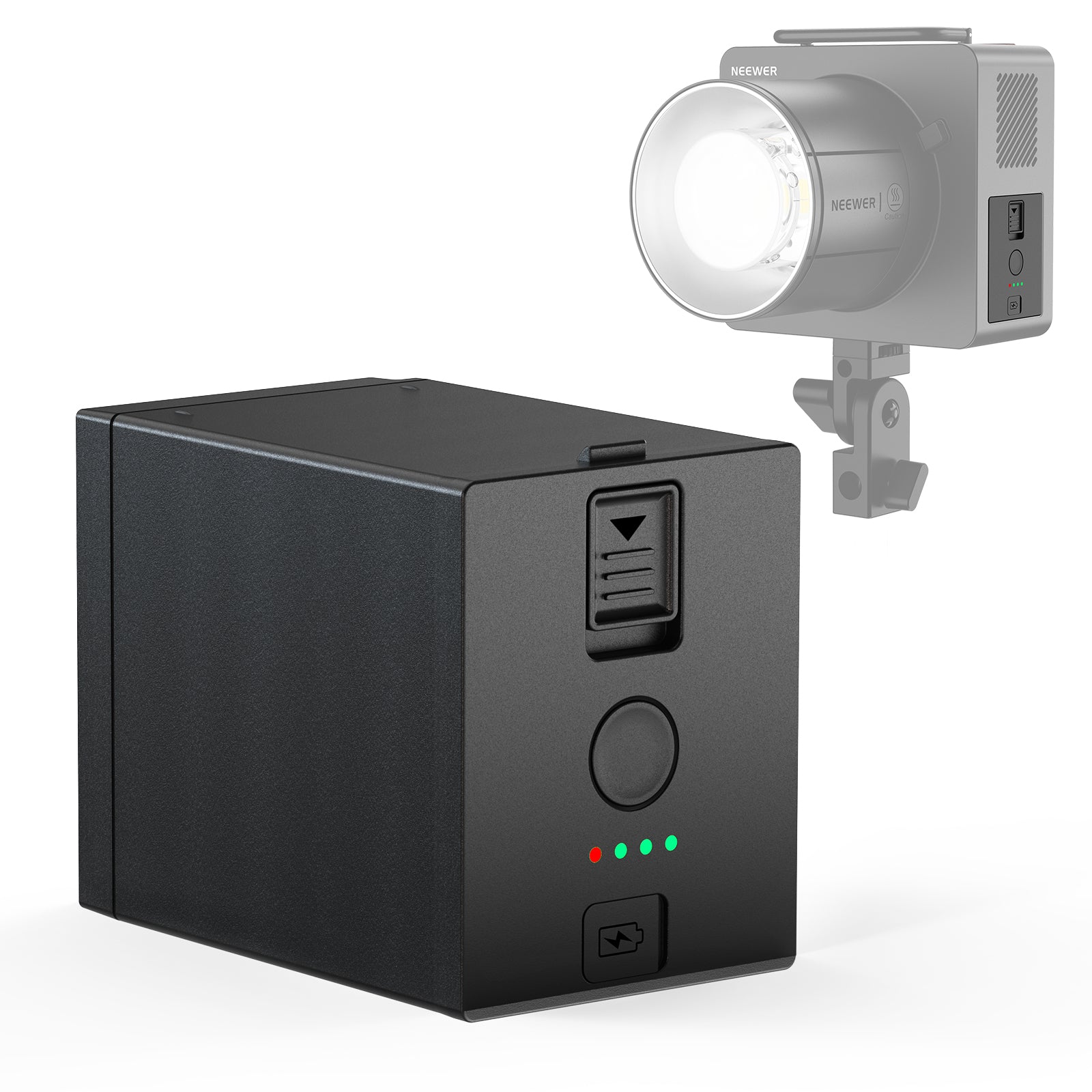
A USB-C direct-charge battery features a built-in Type-C charging port directly on the battery body. It allows you to plug a standard USB-C phone cable directly into the battery to recharge anywhere without carrying a separate battery charger dock.
Can You Charge Replacement Batteries in OEM Chargers?
Yes. Fully decoded replacement batteries share identical dimensions and charging pin configurations with original brand batteries (such as Sony, Canon, or Nikon). You can charge them using your camera’s original wall charger or third-party dual chargers interchangeably.
How Do You Extend Camera Battery Life?
Follow these key maintenance practices:
-Avoid leaving batteries completely drained for extended periods; store them with roughly 50% charge when not in use.
-Keep batteries in cool, dry environments, as extreme heat or cold rapidly degrades lithium-ion capacity.
-Turn off Wi-Fi/Bluetooth and lower screen brightness on your camera during long outdoor shoots to conserve power.