

Table of Contents
A 60W COB light can handle talking-head videos, desk setups, tabletop product shots, and close-range interview lighting when you can control the room. It is also useful as a fill, rim, or background light in a larger kit. The main limitation appears when you move the light farther away, add a large modifier, or try to balance strong daylight.
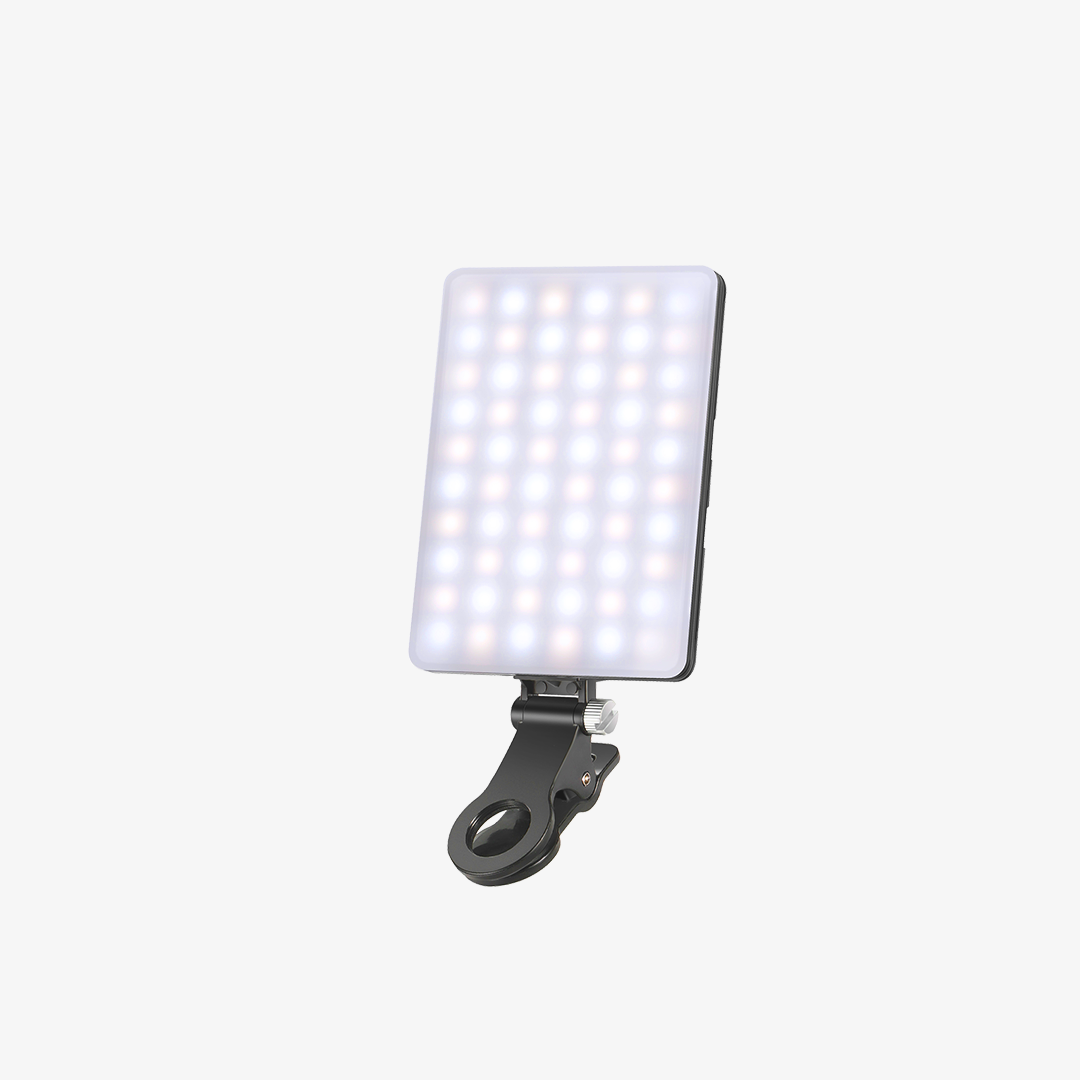
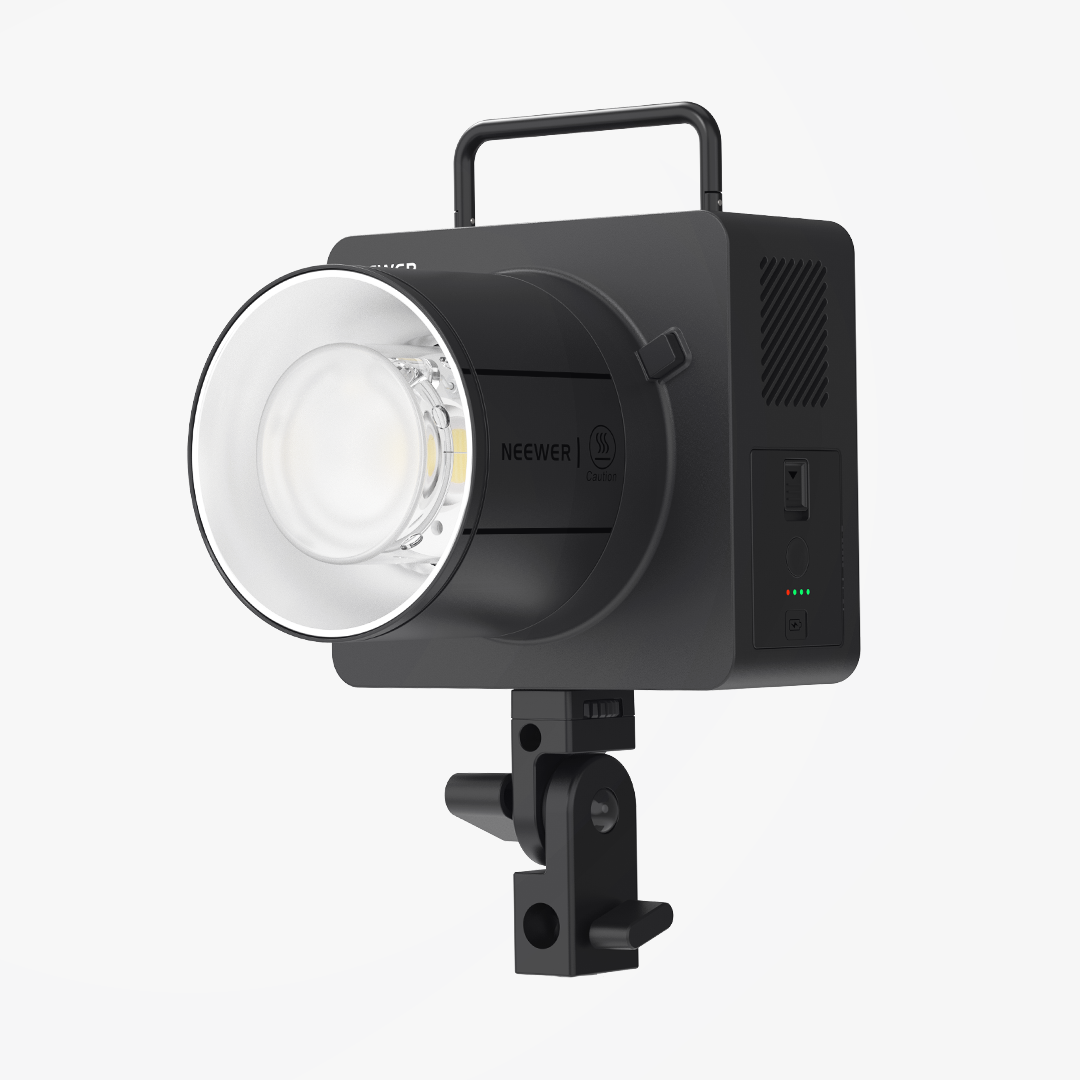
The NEEWER FS60B is designed around this close-range role. It delivers 60W of bi-color output from a body measuring 5.9 x 3.5 x 1.3 inches and weighing 0.66 lb. That size is easy to pack and place in a small room, but choosing it still requires an honest look at working distance, ambient light, modifiers, and power.
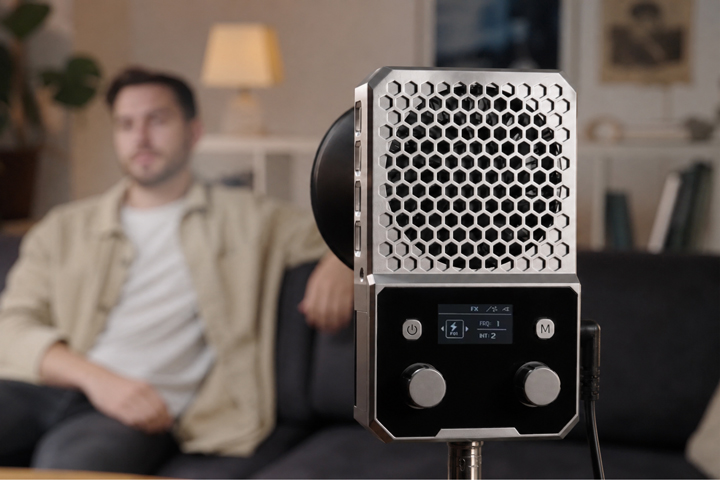
What a 60W COB Light Can Do Well
A 60W COB light works best as a close key light in a controlled room or as a secondary light on a larger set. It offers less headroom for bright windows, long working distances, and large softboxes that absorb more output.
For a seated presenter, livestream host, or product demonstrator, the light can sit close enough to produce a useful exposure without taking over the room. Add a compact softbox or diffuser, position it slightly above eye level, and use the remaining output to balance the face against the background.
Small products are another sensible match. A tabletop scene usually allows short working distances, precise flagging, and tighter framing. The FS60B can act as a key, edge, or background source without requiring a heavy stand or much floor space.
The same 60W becomes less effective in a wide interview frame or a room with strong window light. Moving the fixture back reduces intensity at the subject, while a deep or oversized modifier takes away more output. In those conditions, a higher-power key light gives you more freedom to shape the light and control the background.
Specifications and Shooting Implications
The maximum illuminance figure is measured at 6500K with the included reflector. Treat it as a reference for focused output, not as the brightness you will get through every modifier or at every color temperature.
| Parameter | Specification | Practical implication |
|---|---|---|
| Power | 60W | Best at close range or in a secondary lighting role |
| Maximum illuminance | 34,300 lux at 1m, 6500K, with reflector | Distance and diffusion will reduce usable intensity |
| Color temperature | 2700K-6500K | Can match warm interiors, neutral light, or daylight-balanced scenes |
| Color rendering | CRI 96+ / TLCI 98+ | Suited to skin tones, products, and other color-sensitive subjects |
| Brightness | 0-100% | Allows small adjustments when the fixture is close to the subject |
| Lighting modes | CCT, SOURCE, and FX | Covers adjustable white light, 11 source presets, and 12 effects |
| Dimming response | Exponential, logarithmic, S, and linear curves | Lets you choose how quickly output changes across the control range |
| Dimensions | 5.9 x 3.5 x 1.3 in / 15 x 8.9 x 3.3 cm | Fits small bags and tight mounting positions |
| Weight | 0.66 lb / 298 g | Places less demand on a compact stand or grip setup |
| Control | Onboard panel and NEEWER App | Supports local adjustment and remote group control |
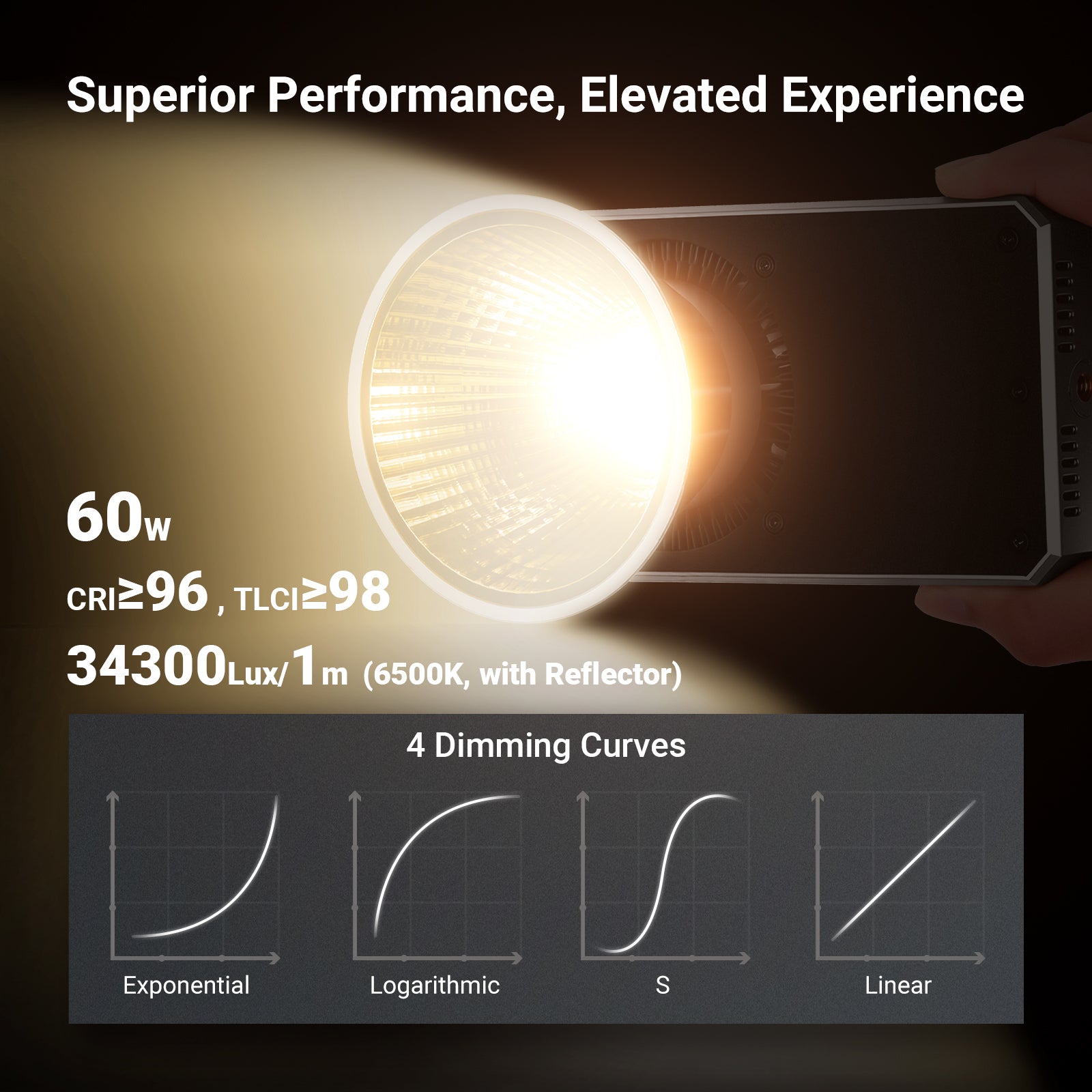
When Bi-Color Control Is More Useful Than RGB
The FS60B adjusts from 2700K to 6500K. In a room lit by warm practical lamps, lowering the color temperature helps the key light sit naturally in the scene. Near a window, moving toward daylight can reduce the mismatch between the subject and the ambient light.
This makes the FS60B a practical choice when accurate adjustable white light matters more than saturated color. RGB remains more useful for colored backgrounds and effects, but it is not essential for every interview, livestream, or product setup. If most of your work needs clean white light, bi-color control keeps the workflow direct.
Power Choices for a Desk or Location Kit
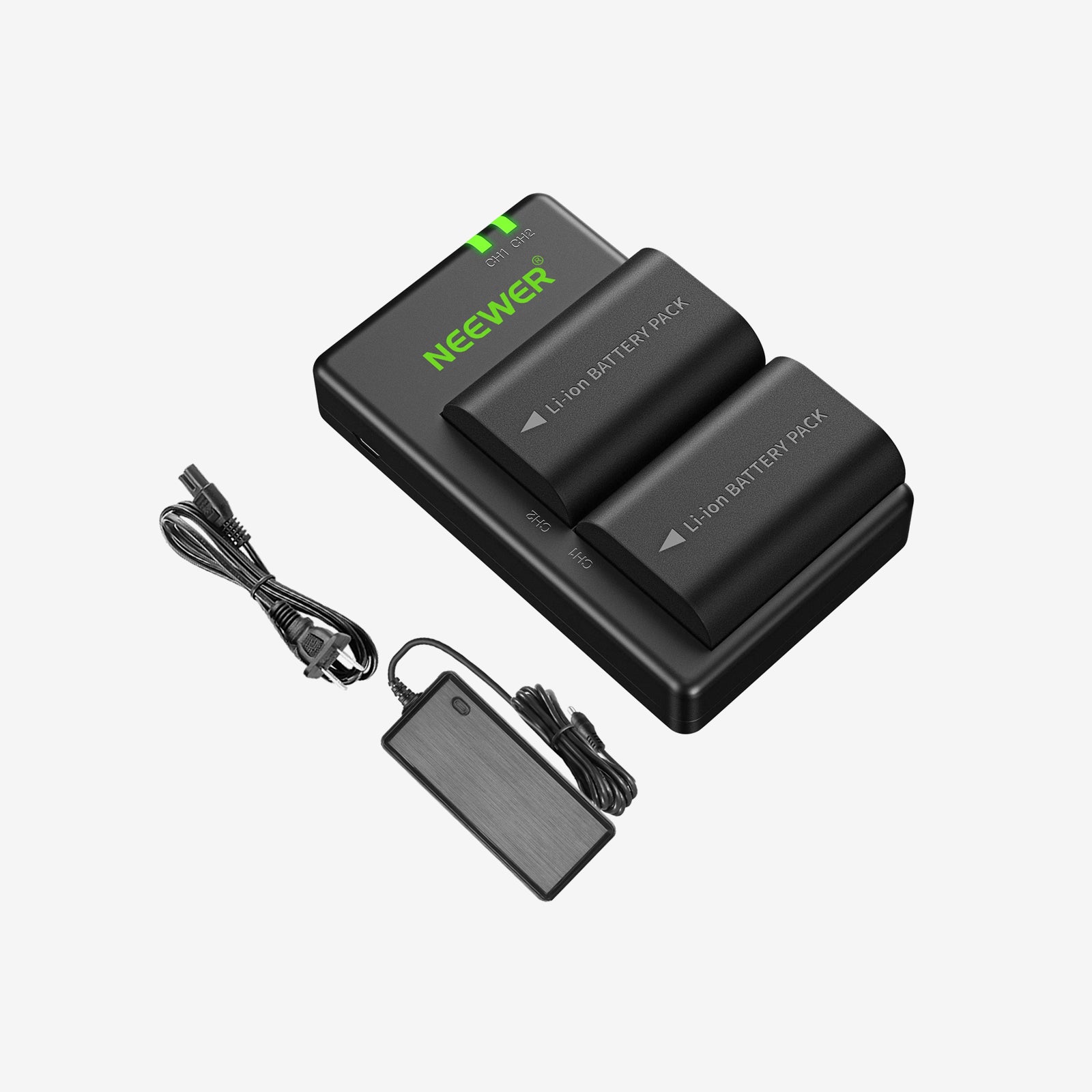
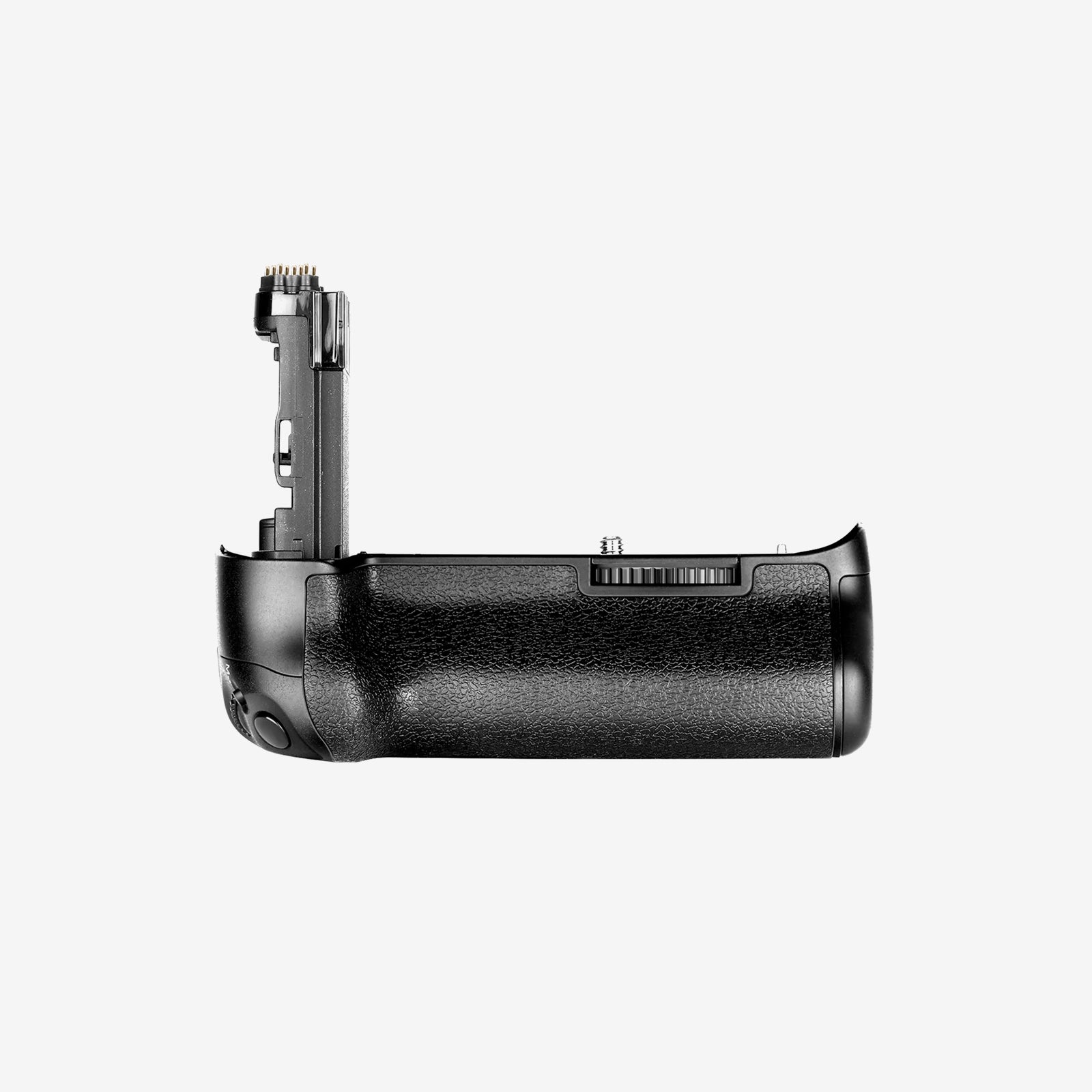
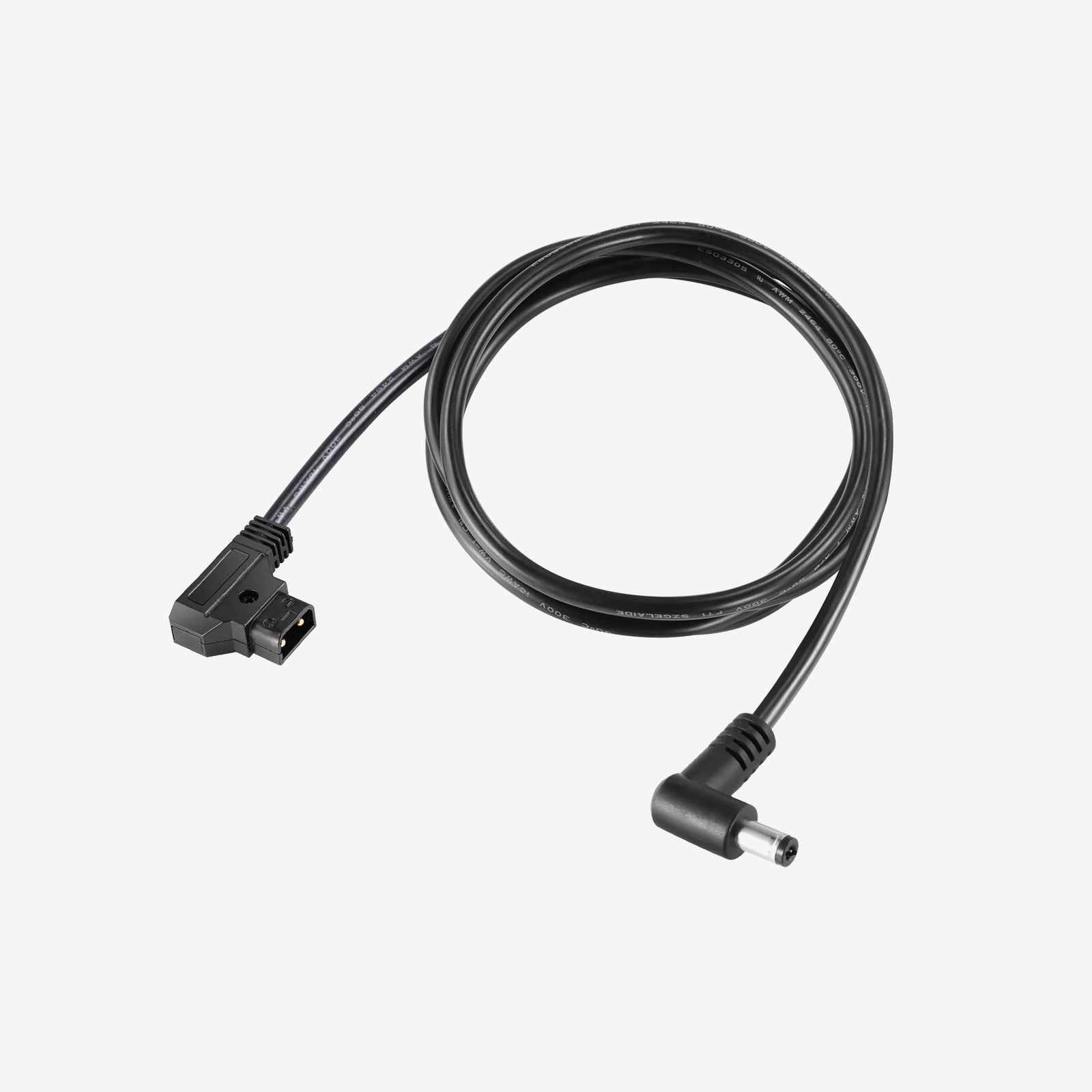
The included DC adapter and cable are the simplest choice for a fixed desk, studio corner, or long recording session. For mobile work, the FS60B accepts USB-C PD input at 9V/2A, 12V/2A, 15V/3A, or 20V/5A. Optional NEEWER PH99E and PH74E battery grips provide another portable power arrangement.
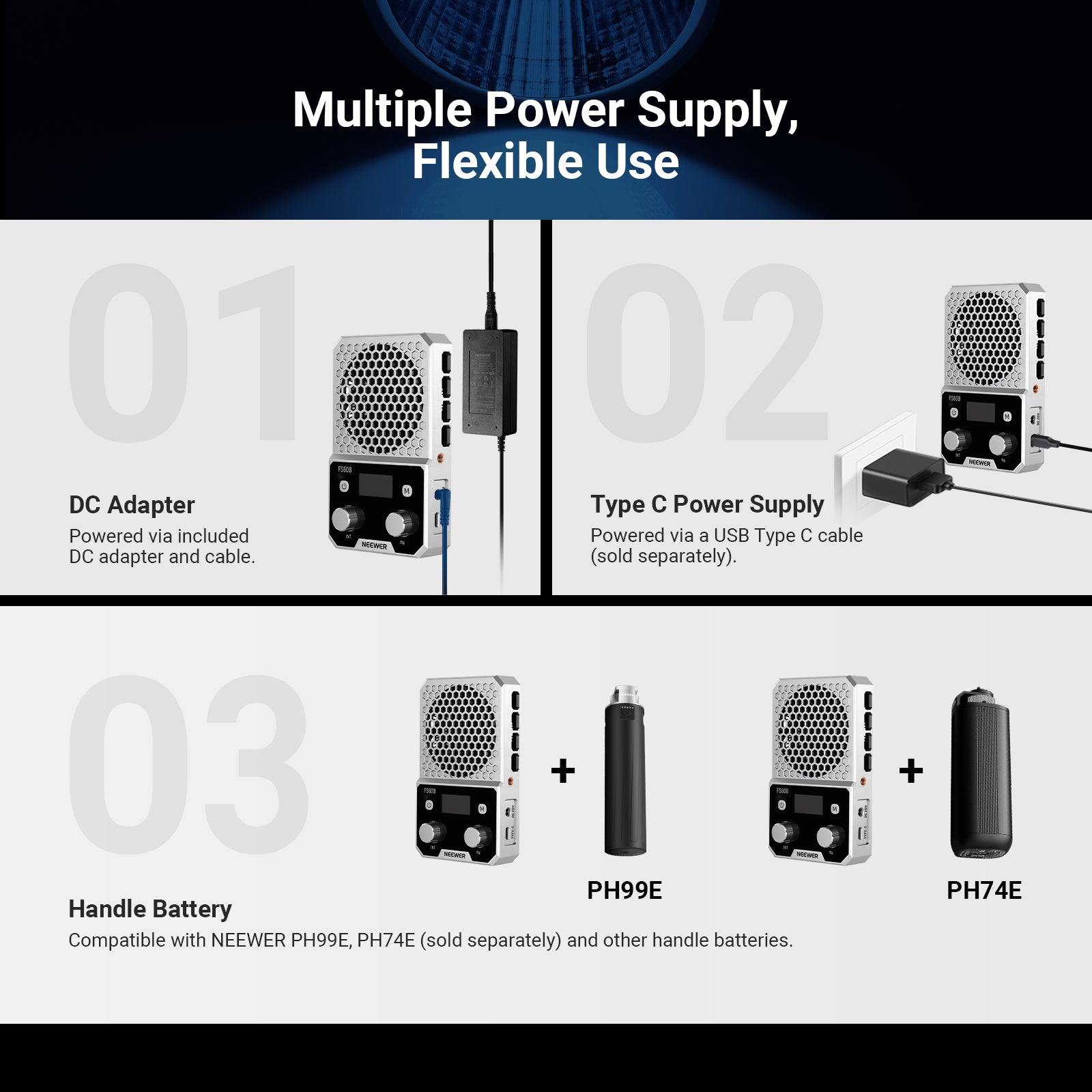
Check the complete power chain before a location shoot. A USB-C connector does not guarantee full output: the charger or power bank and the cable must support the required PD profile. Test the light at the brightness you expect to use rather than confirming only that it turns on.
Choose a Modifier That Matches the Light
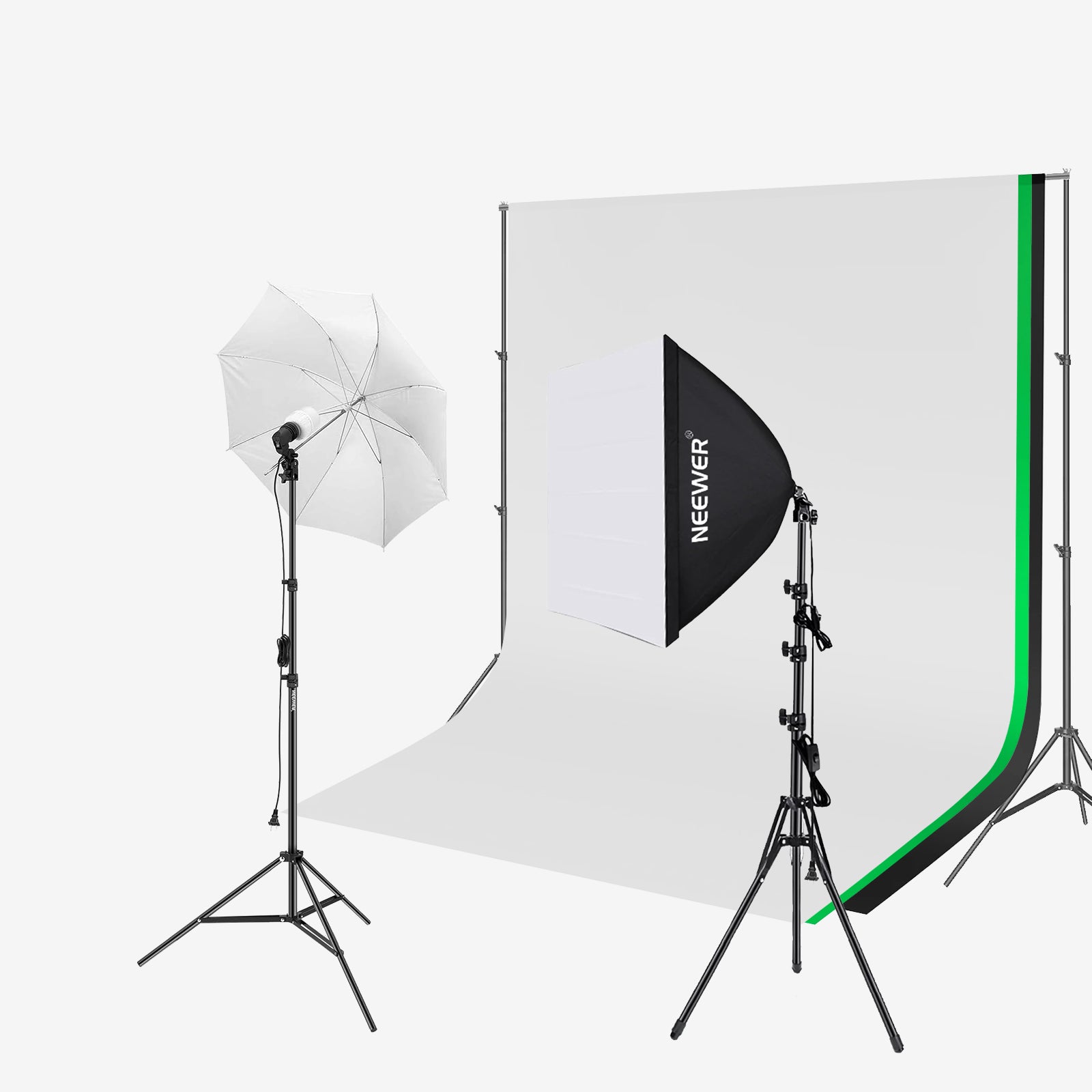
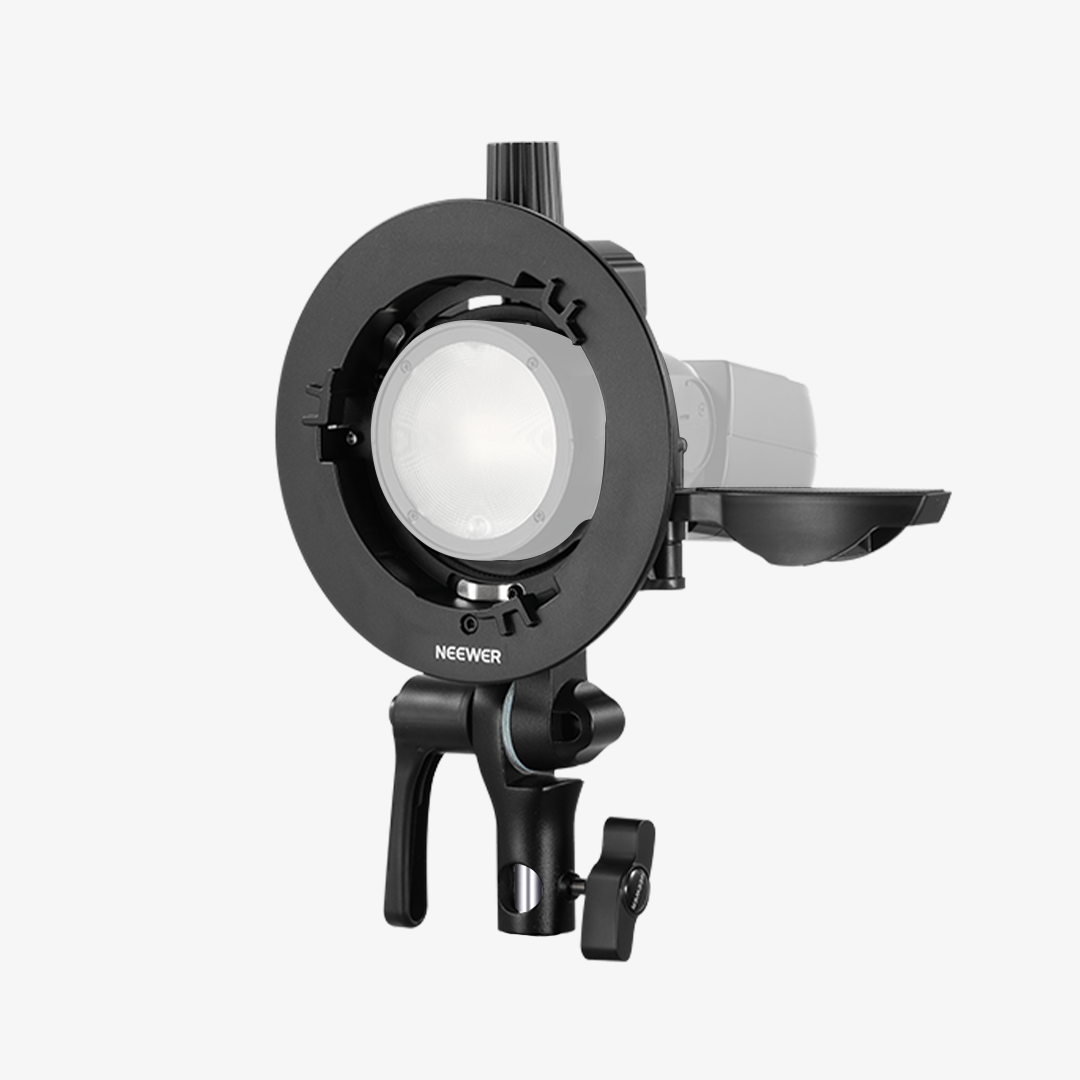
The built-in NEEWER Mini Mount accepts the included reflector and compatible compact modifiers. The separately sold CHB1 bracket adds a light-stand connection and compatibility with Bowens mount accessories.
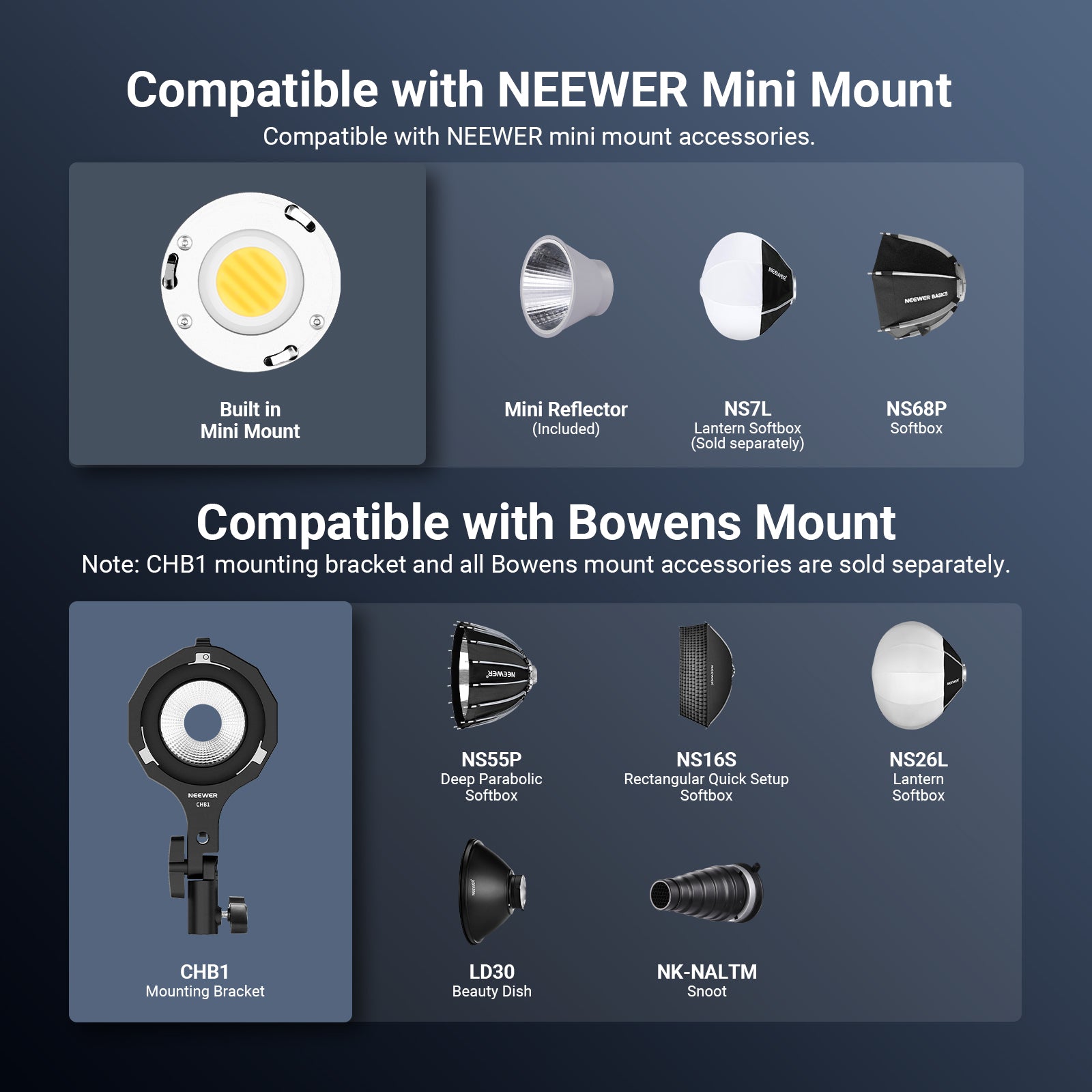
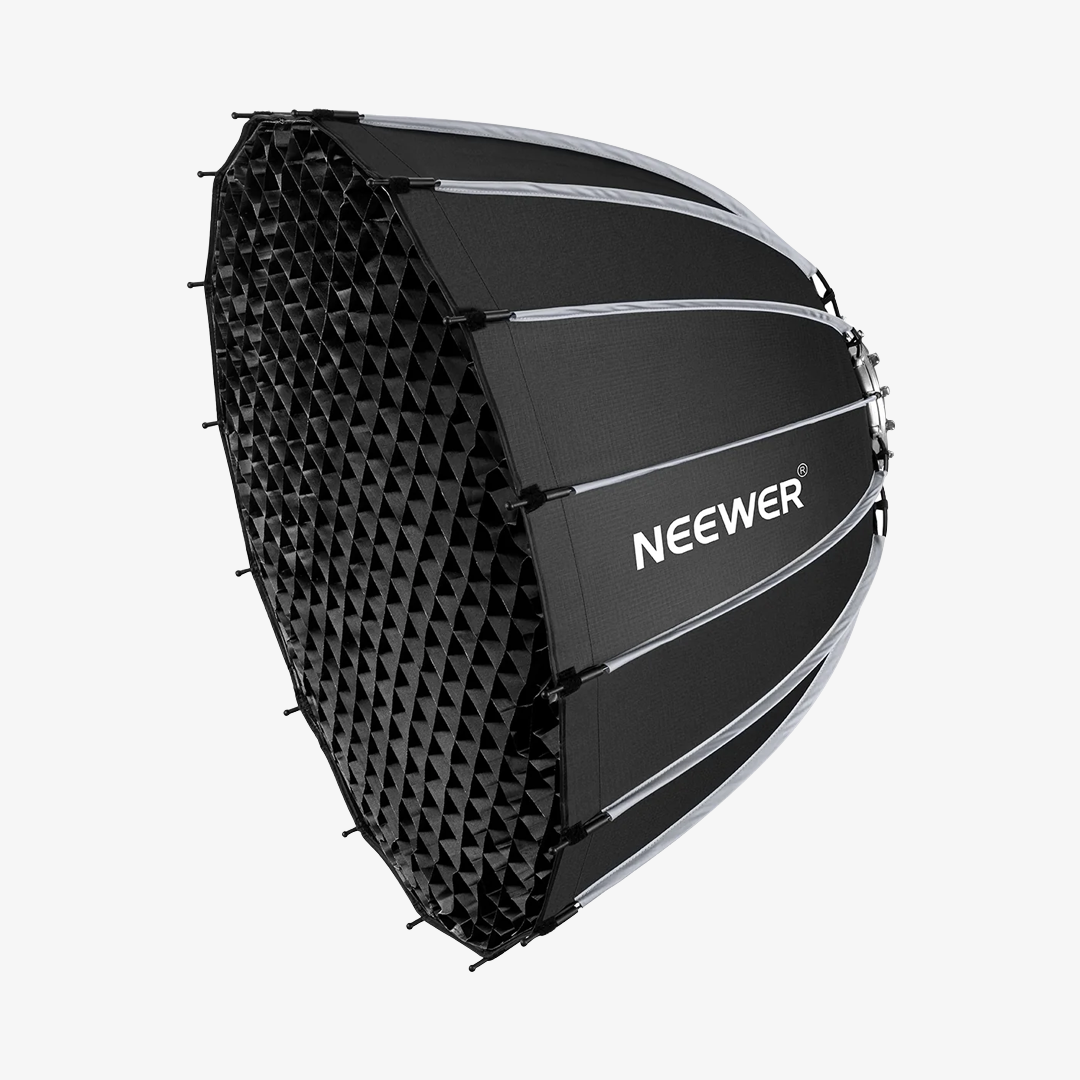
A small softbox usually makes more sense than the largest modifier you can attach. It keeps the setup balanced, preserves more output, and is easier to place close to the subject. A large softbox may produce softer light, but it also increases leverage on the bracket and asks more from a 60W fixture.
Common Mistake: Buying by Wattage Alone
Wattage describes power consumption, not the final exposure on your subject. Reflector design, beam angle, distance, diffusion, color temperature, and camera settings all affect the result. Compare official illuminance measurements only when the test distance and modifier are clearly stated.
Start with the shot you need. A close desk setup may use a 60W light efficiently, while a wide interview beside a bright window may need considerably more power. Buying the largest number is not automatically better, but buying without enough headroom can limit where you place and shape the light.
A Practical FS60B Setup Checklist
-
Decide whether the FS60B will be the key, fill, rim, or background light.
-
Measure the available working distance before choosing a modifier.
-
Match the color temperature to the room or create a deliberate warm-cool contrast.
-
Attach the stand, bracket, and modifier securely, then check the balance.
-
Test the intended USB-C power source and cable at working brightness.
-
Select auto or silent fan mode and record a short audio check near microphones.
-
Judge exposure with the final diffuser or softbox attached.
What Comes in the Box?
The standard package includes the FS60B LED video light, reflector, diffuser, power adapter, power cable, and user manual. USB-C cables, PH99E and PH74E battery grips, the CHB1 bracket, and additional Mini or Bowens mount modifiers are separate purchases.
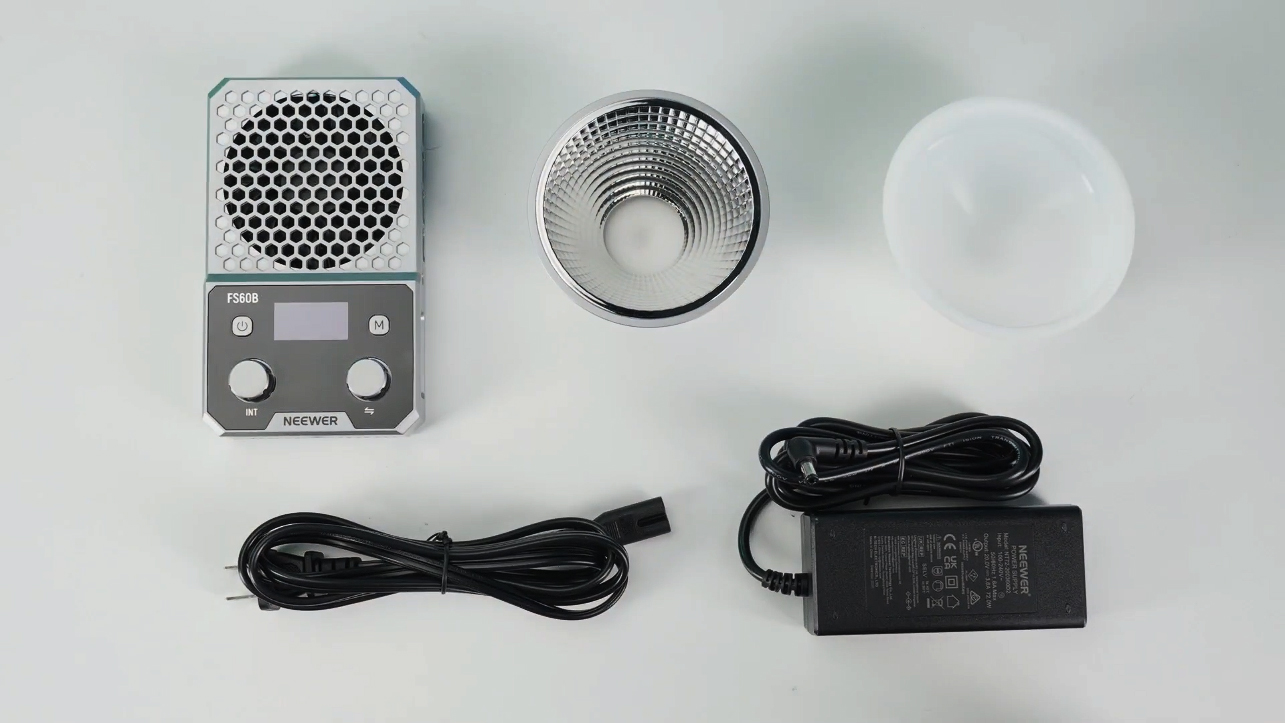
This distinction matters when planning a complete kit. A buyer who wants a soft key light on a conventional stand should budget for the appropriate bracket and modifier rather than assuming they are included with the light.
FAQ
Is a 60W COB light bright enough for YouTube videos?
Yes, for a close talking-head or desk setup with controlled ambient light. Use a compact modifier and keep the light near the subject. Strong windows, wide shots, or greater working distances may require more power.
Can the FS60B be used as a key light?
Yes. It is a sensible key light for close indoor interviews, livestreams, and desk videos. It is less suitable as the only key when you need to overpower daylight or push light through a large modifier.
Does the FS60B have a Bowens mount?
The light has a NEEWER Mini Mount. The optional CHB1 bracket adds Bowens mount compatibility and a connection for a conventional light stand.
Can the FS60B run from a power bank?
Yes, when the power bank and USB-C cable support a compatible PD voltage and current. Check both components before relying on the setup for a shoot.
Is a bi-color light better than an RGB light for interviews?
Bi-color is often the simpler choice when adjustable white light is the priority. RGB is more useful when you also need saturated colors for backgrounds, accents, or effects.
Should I use a large softbox with the FS60B?
Use a modifier sized for the subject, working distance, bracket, and stand. A compact softbox usually keeps the rig easier to balance and uses the available output more efficiently.
Final Takeaway
Choose the NEEWER FS60B 60W Compact Pocket Bi-Color LED Light for close, controlled setups where portability and flexible placement matter; choose a higher-power key when distance, daylight, or large modifiers define the job.
Product details in this guide are based on official NEEWER specifications and product images. This article does not claim independent lab testing.