

Tripods & Monopods
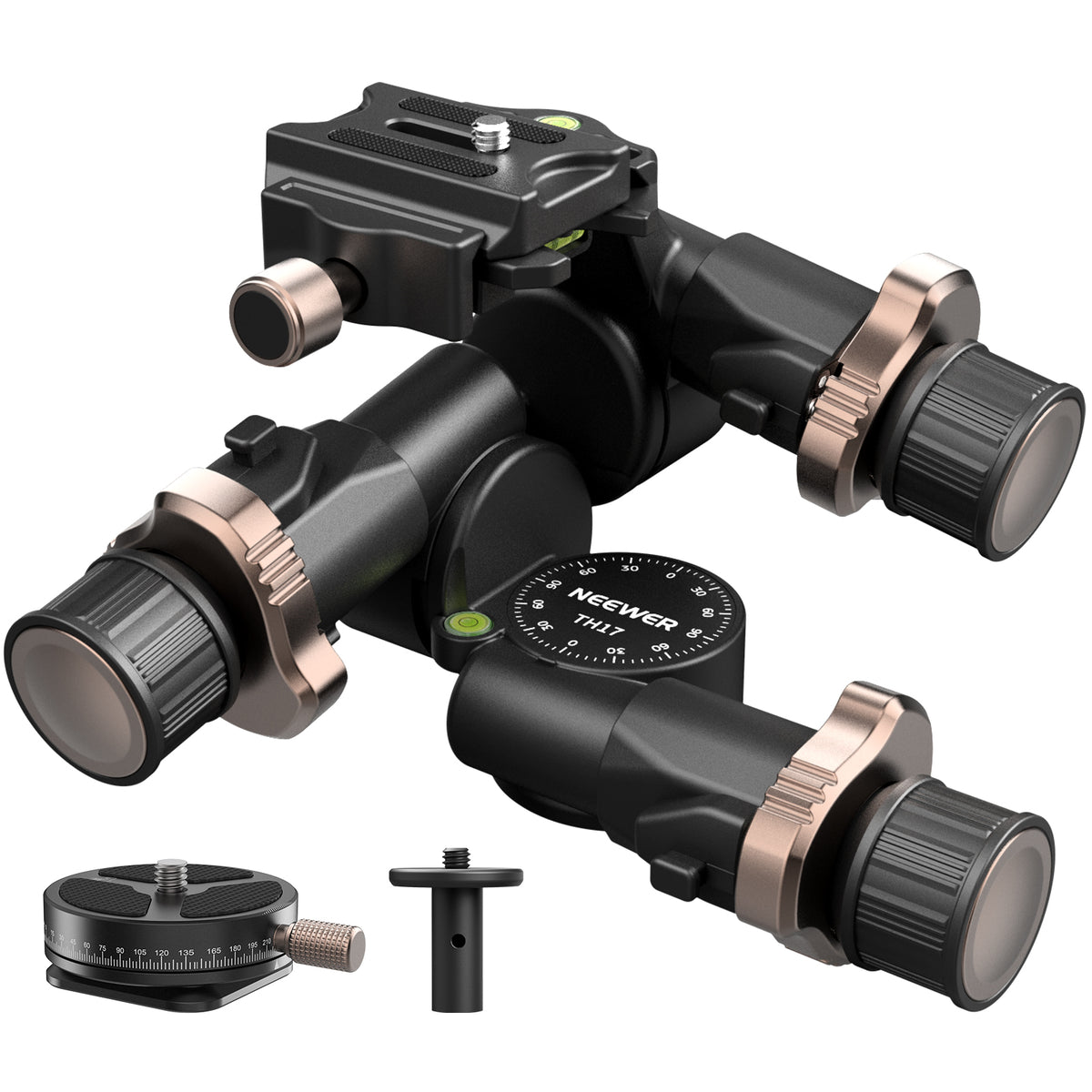
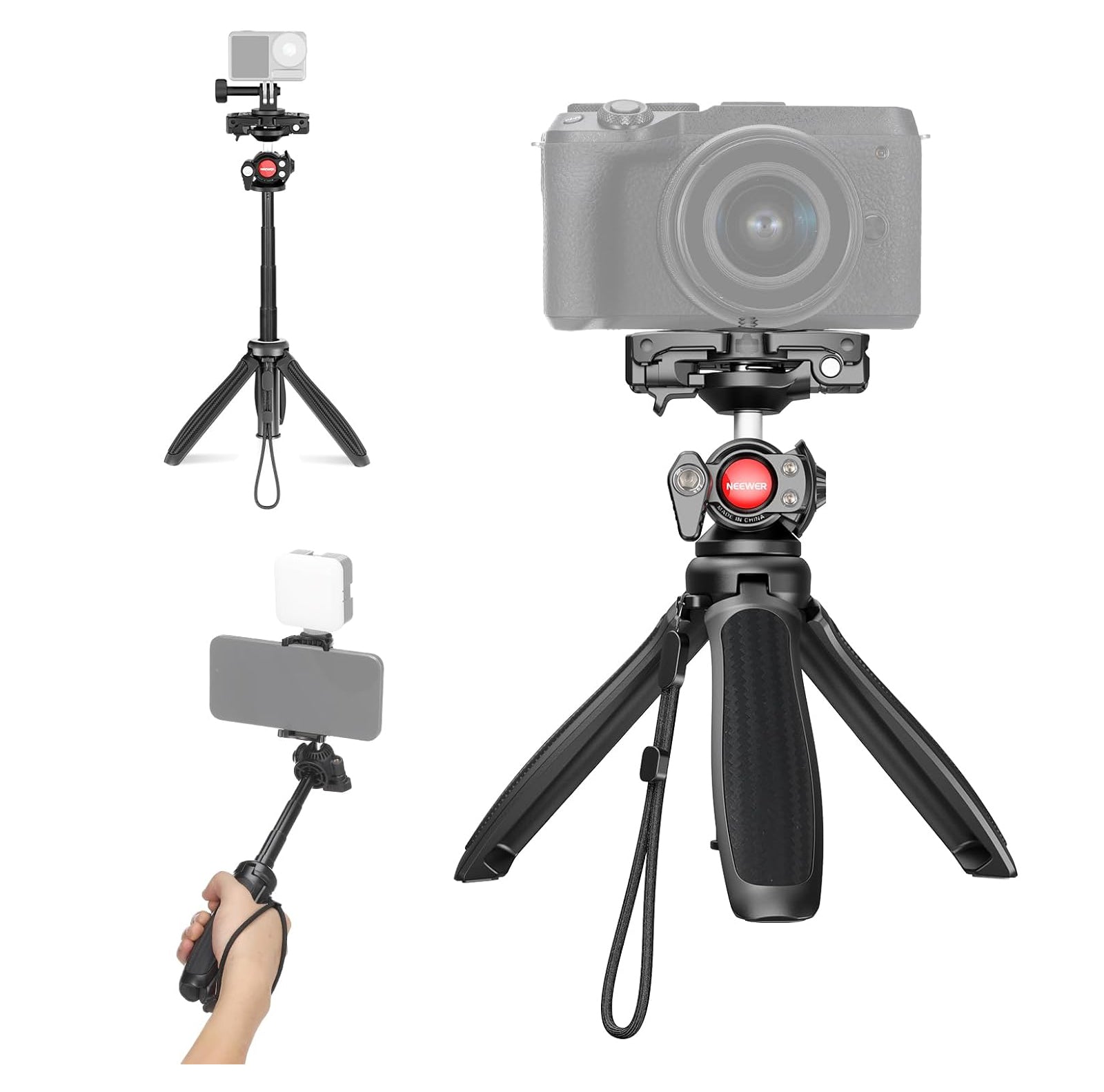
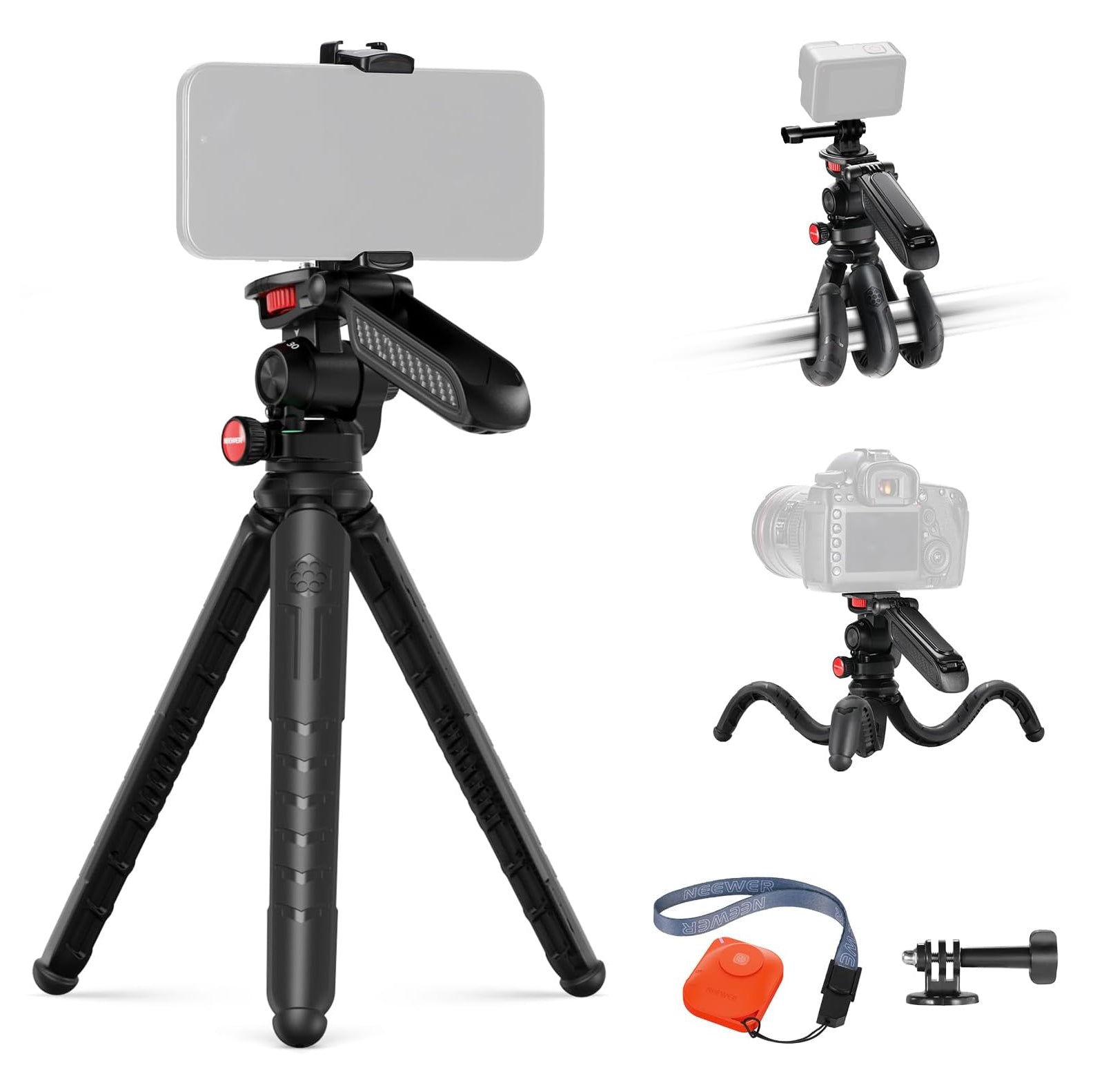
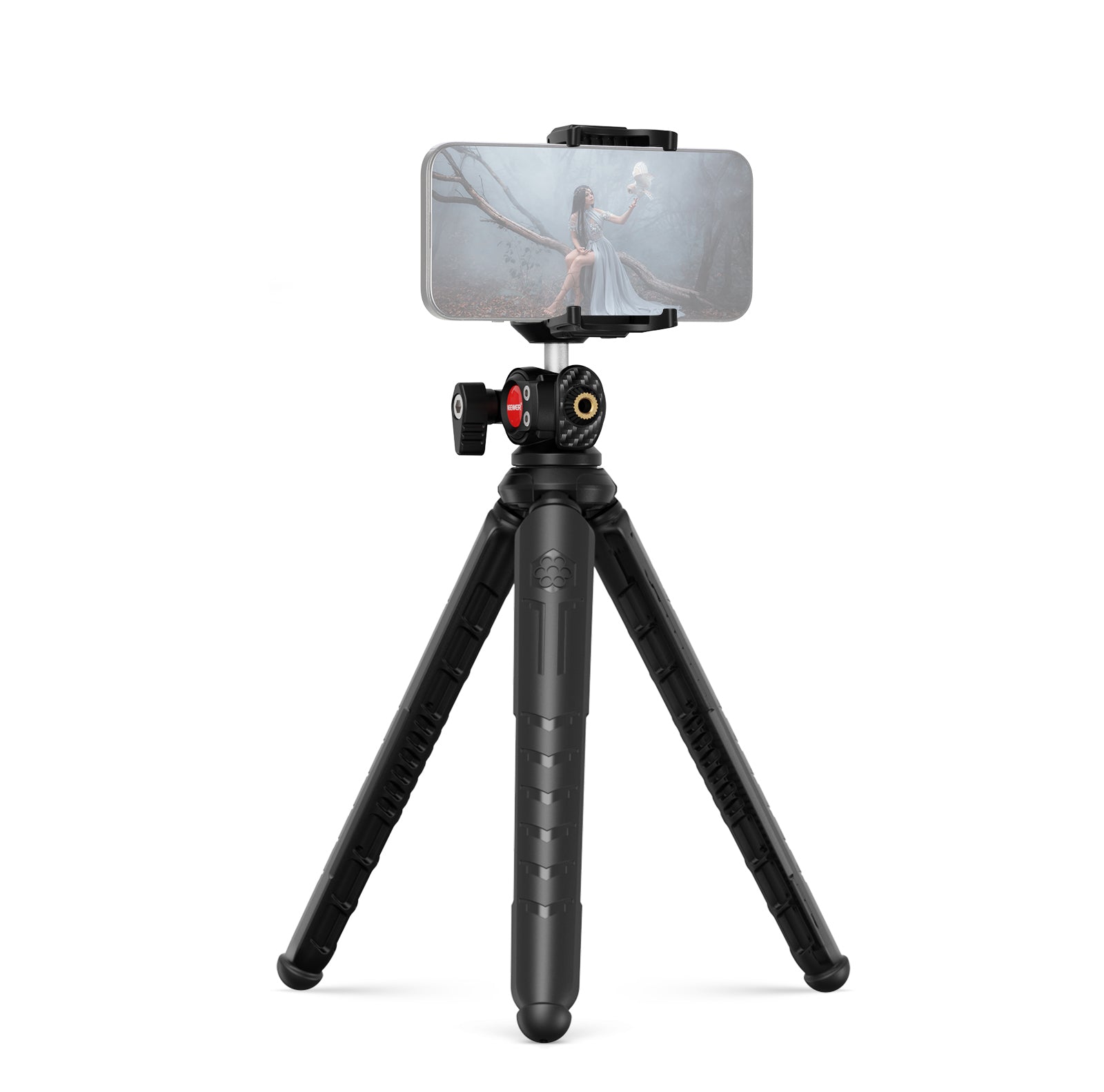
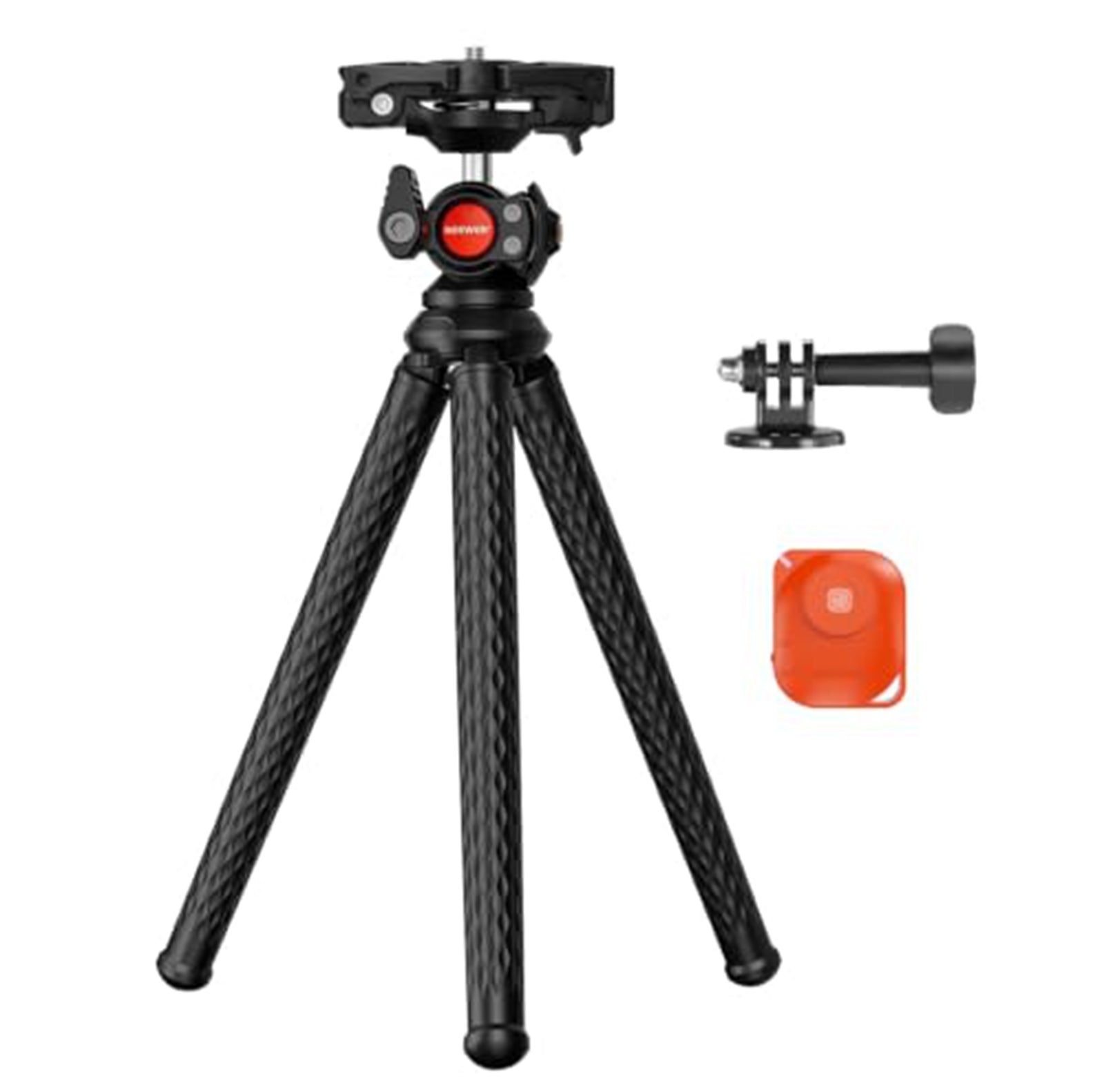
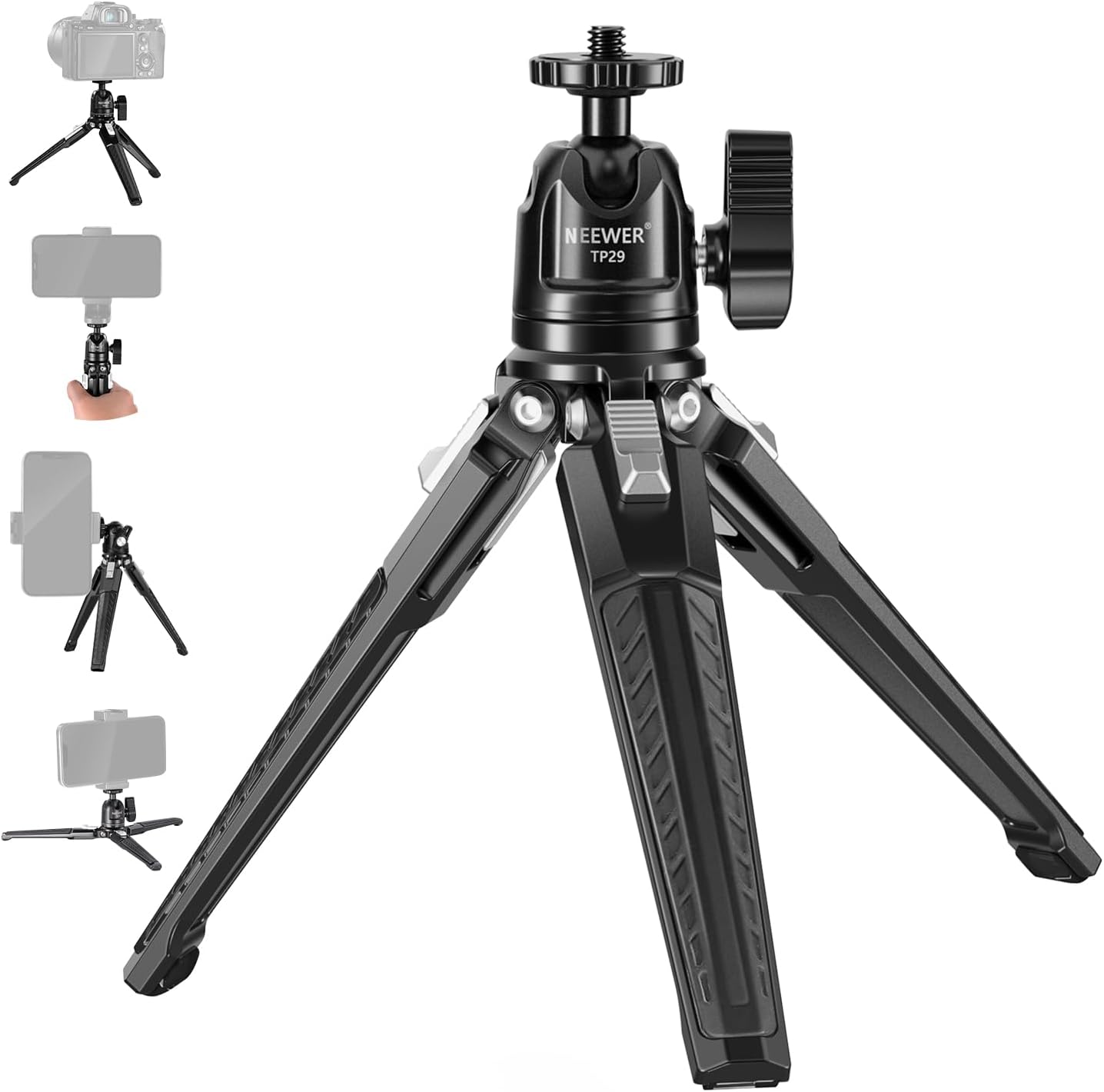
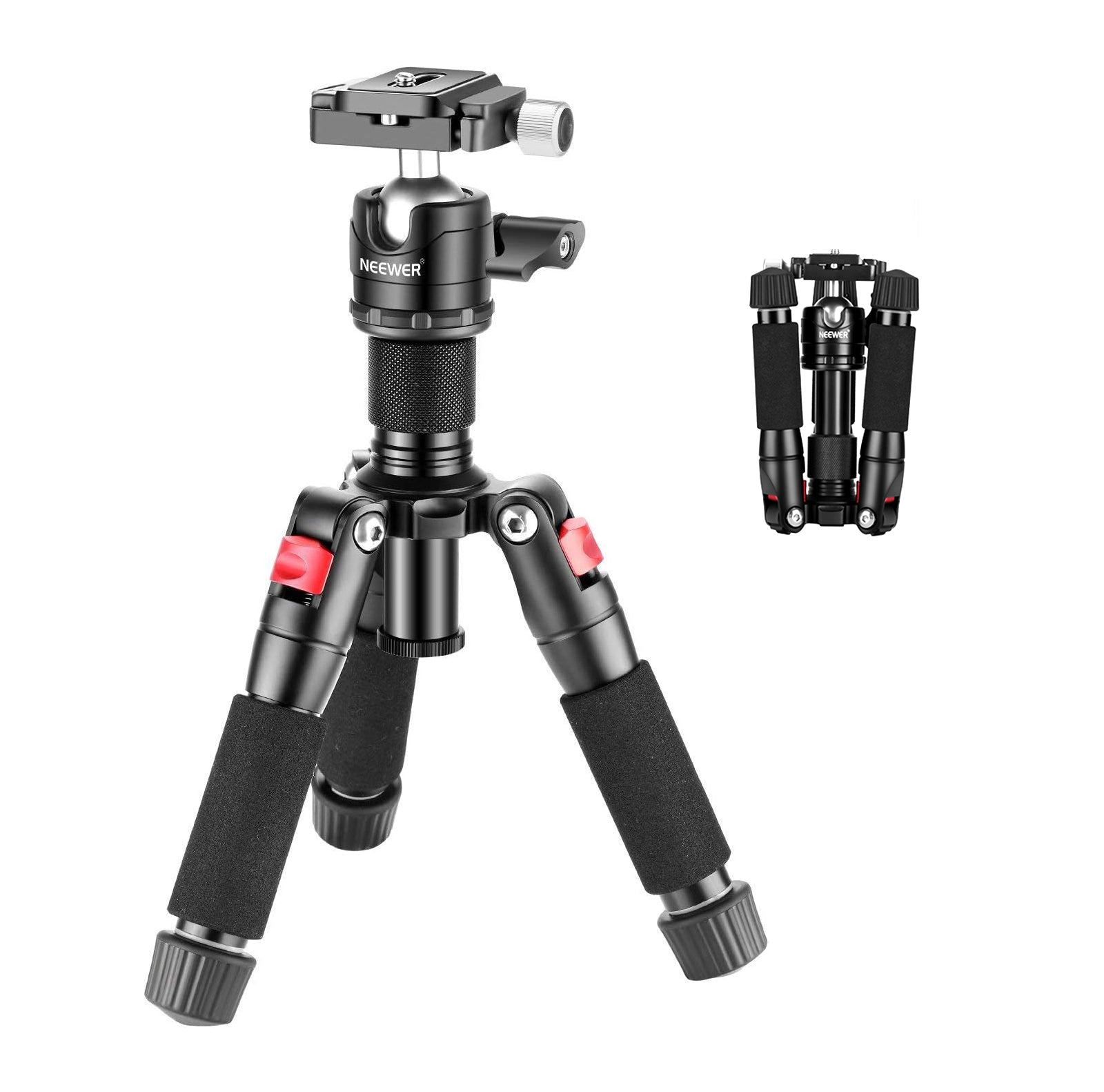
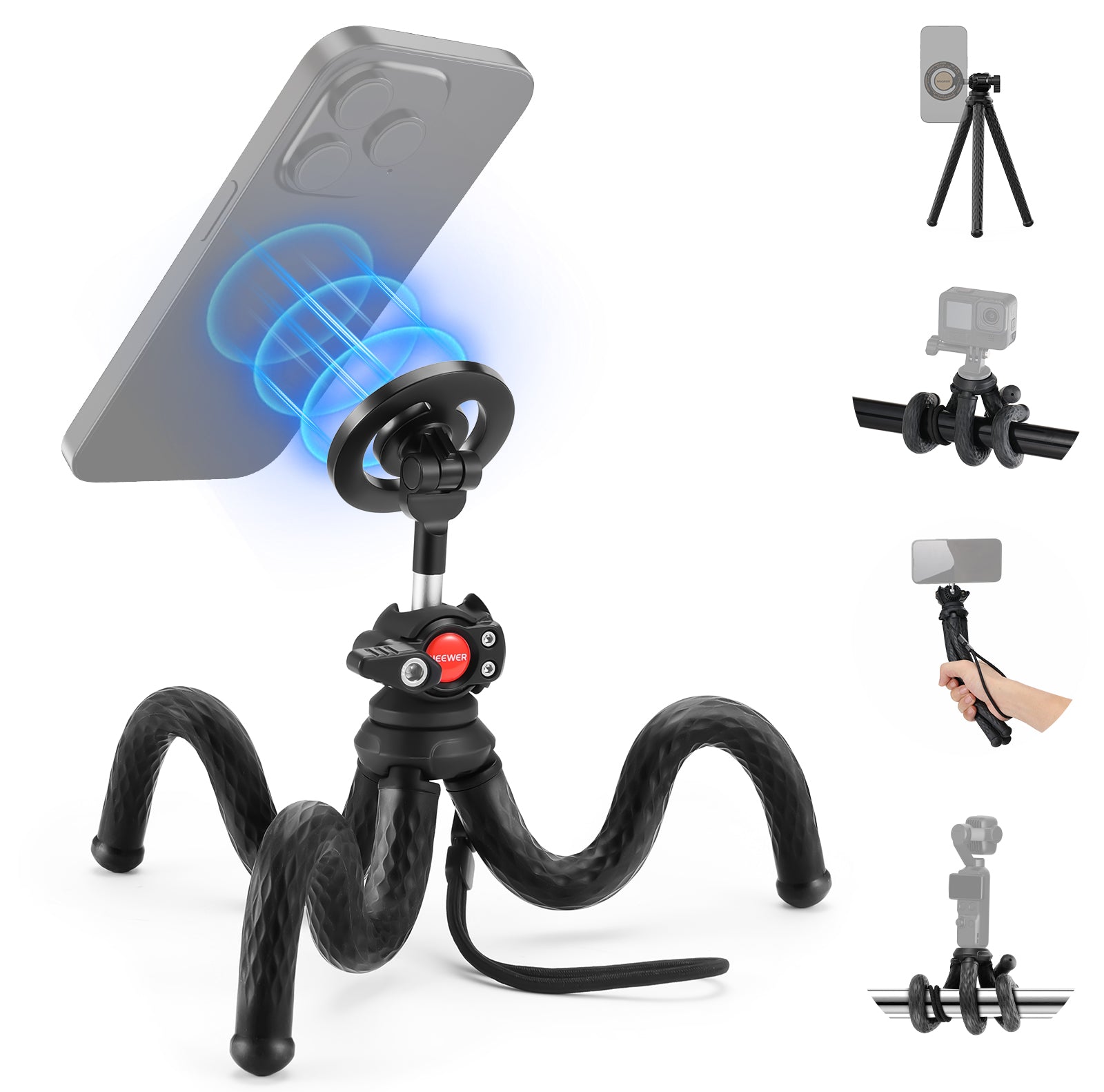
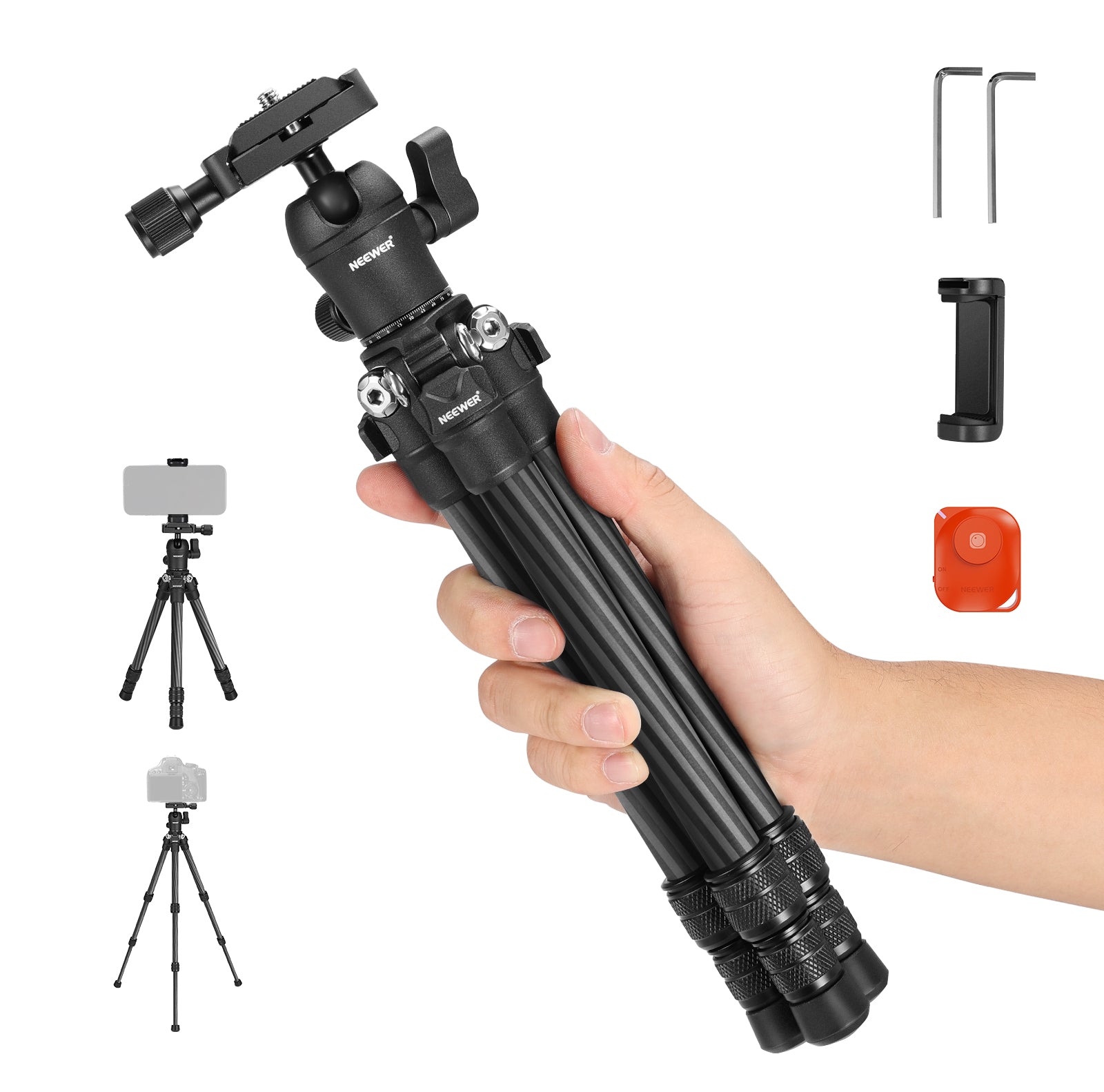
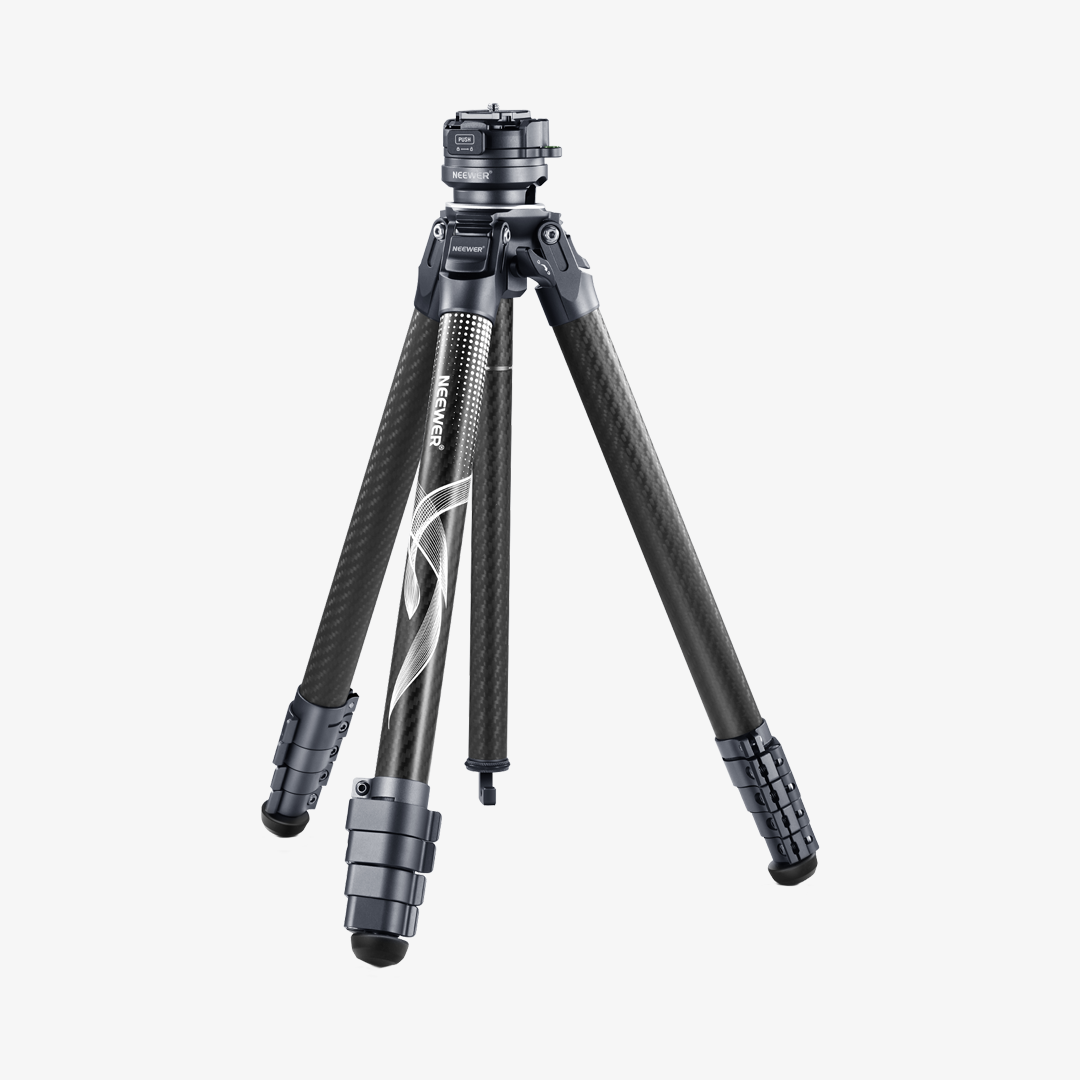
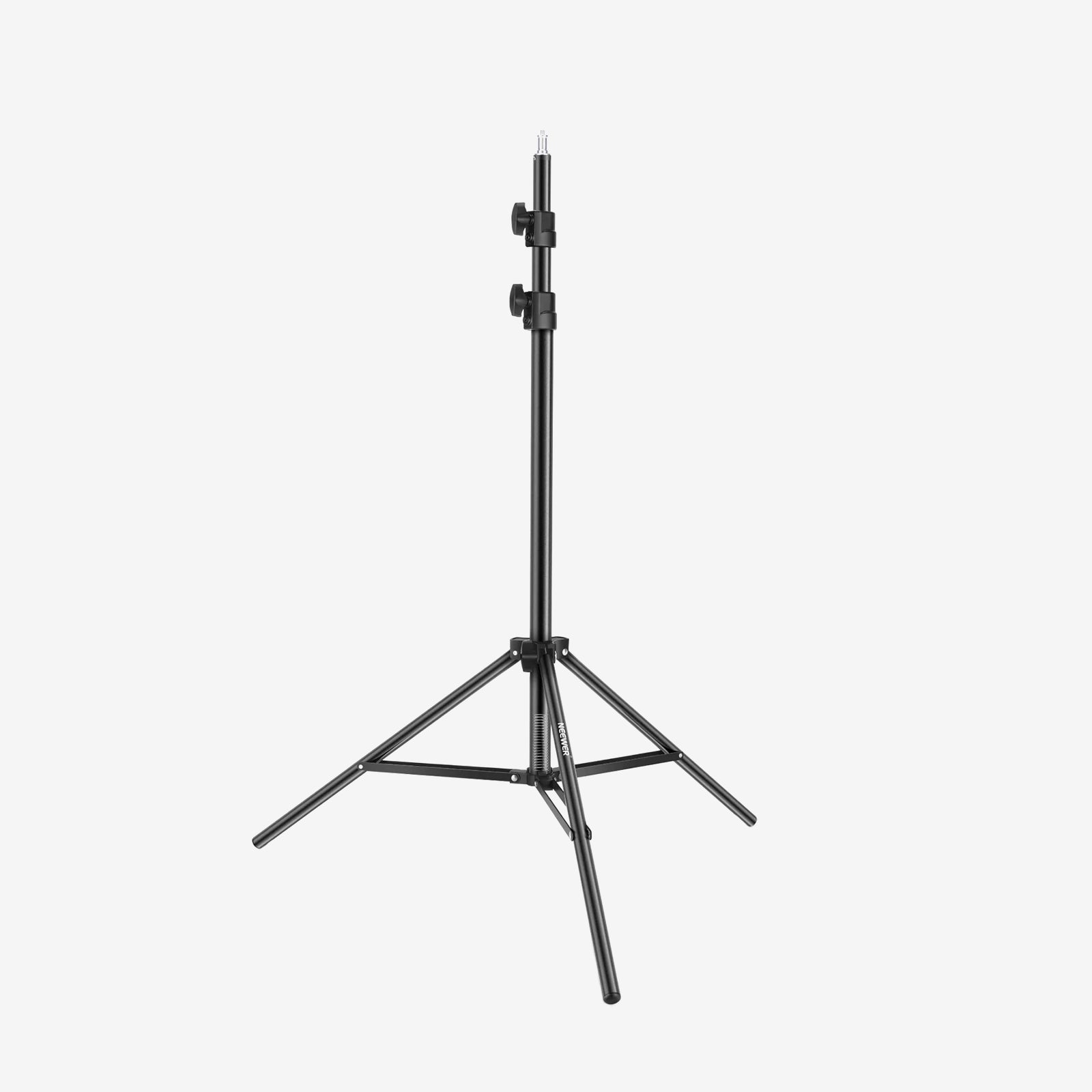
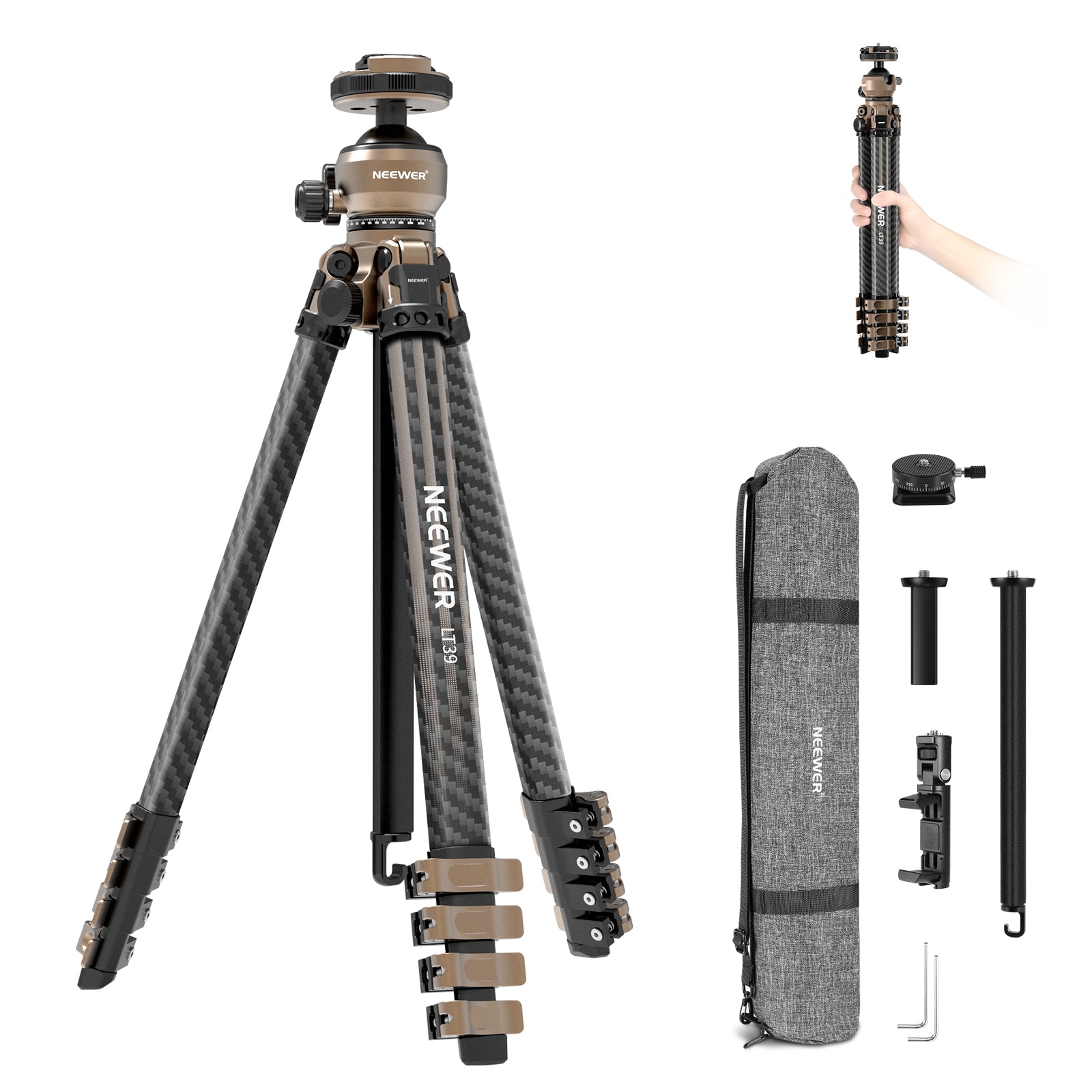
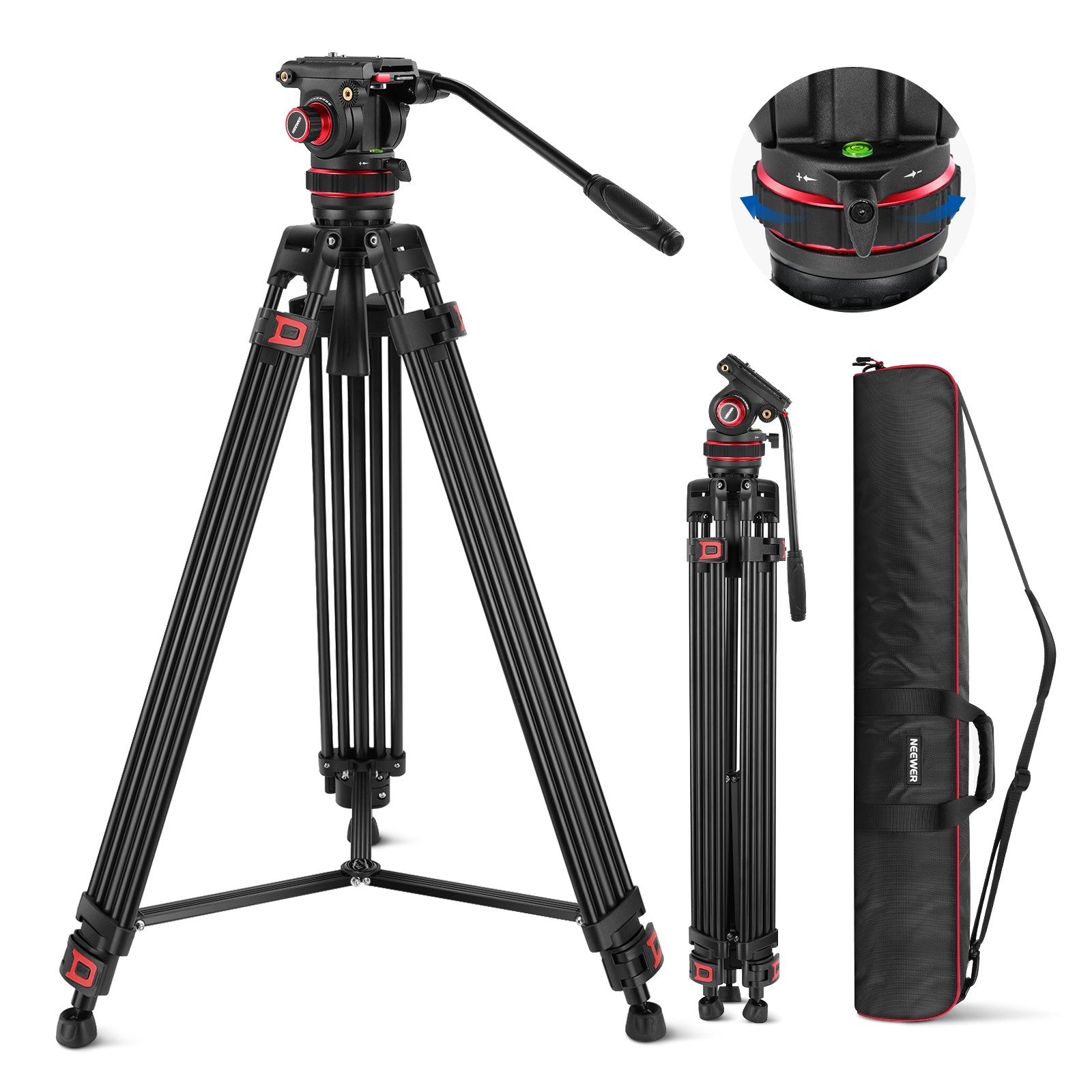
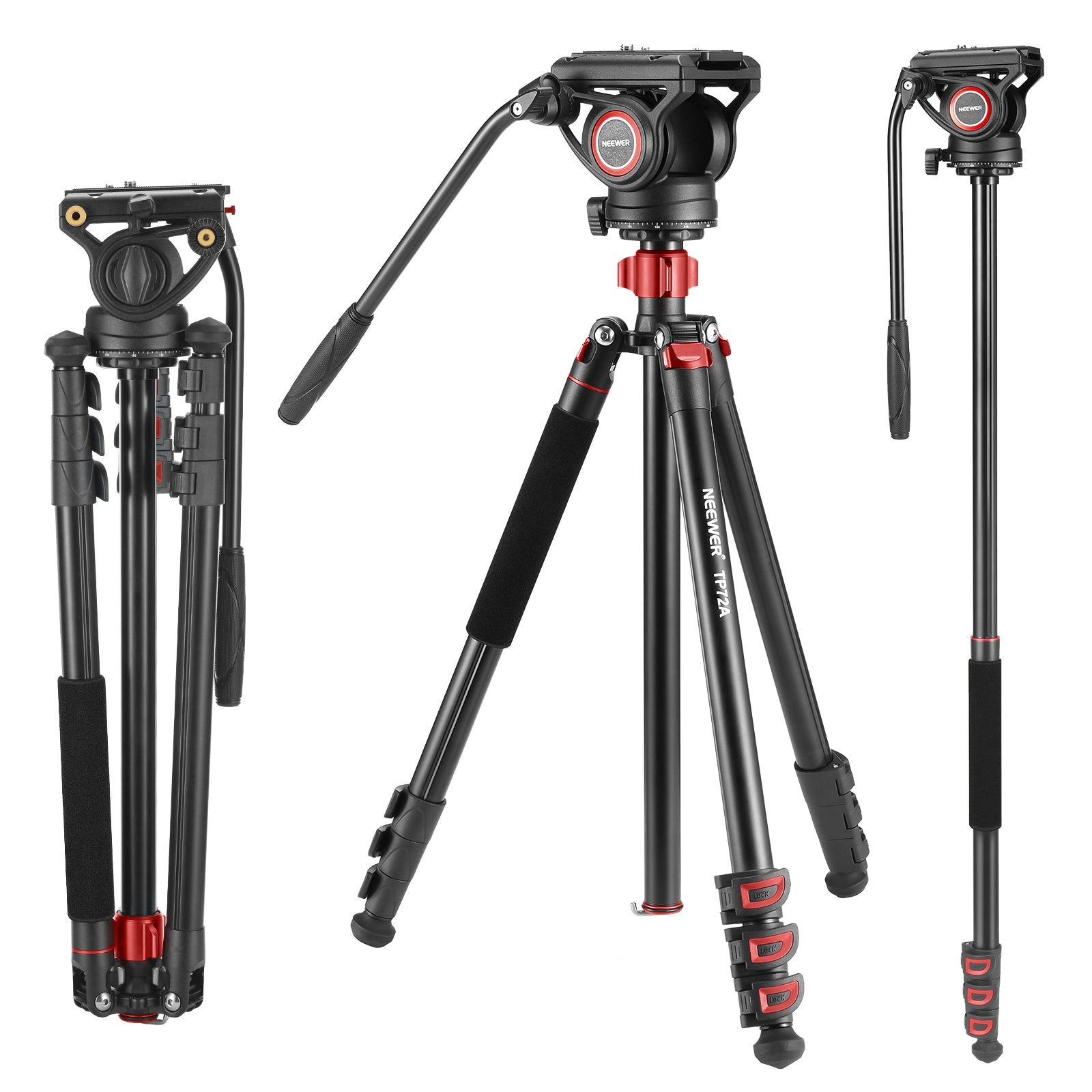
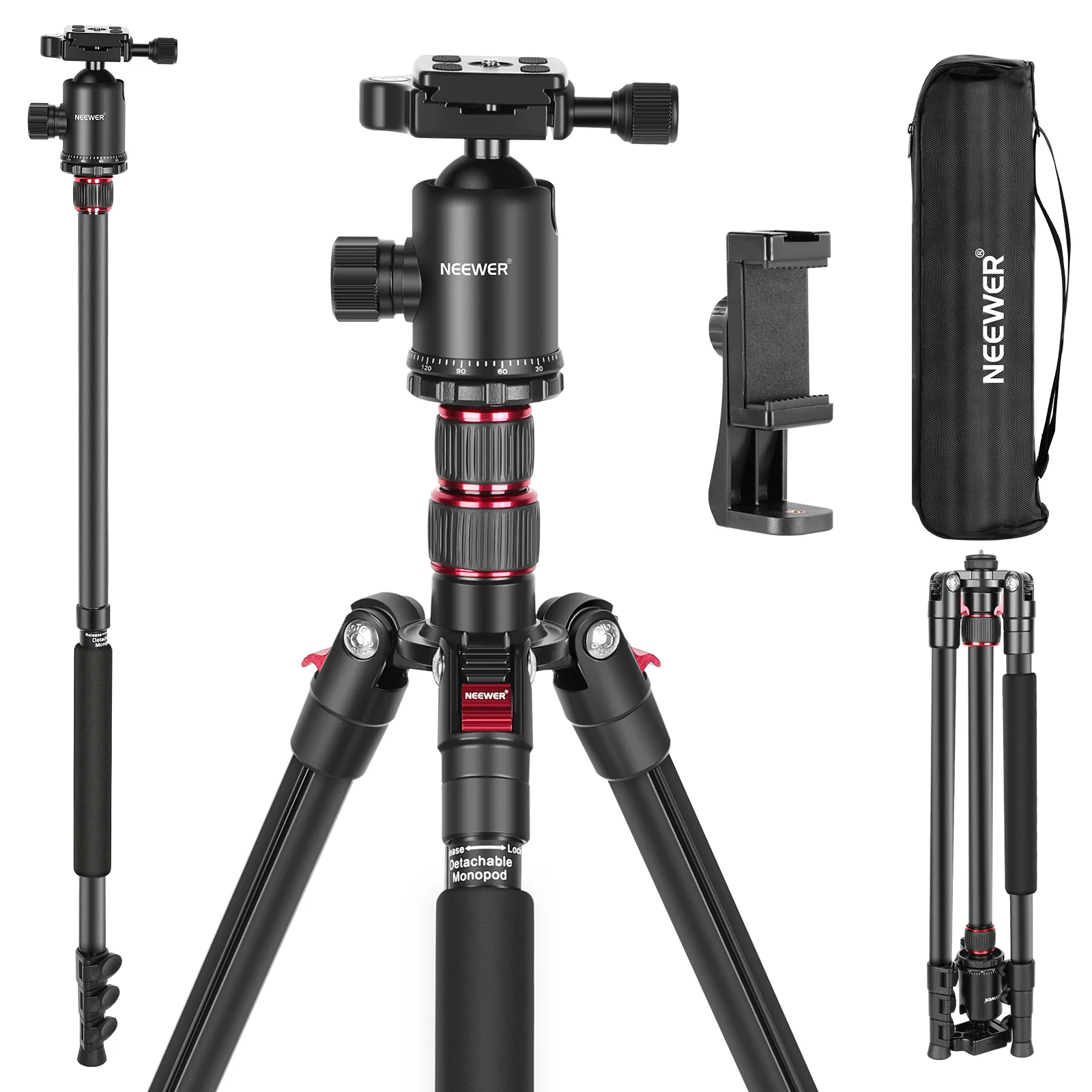
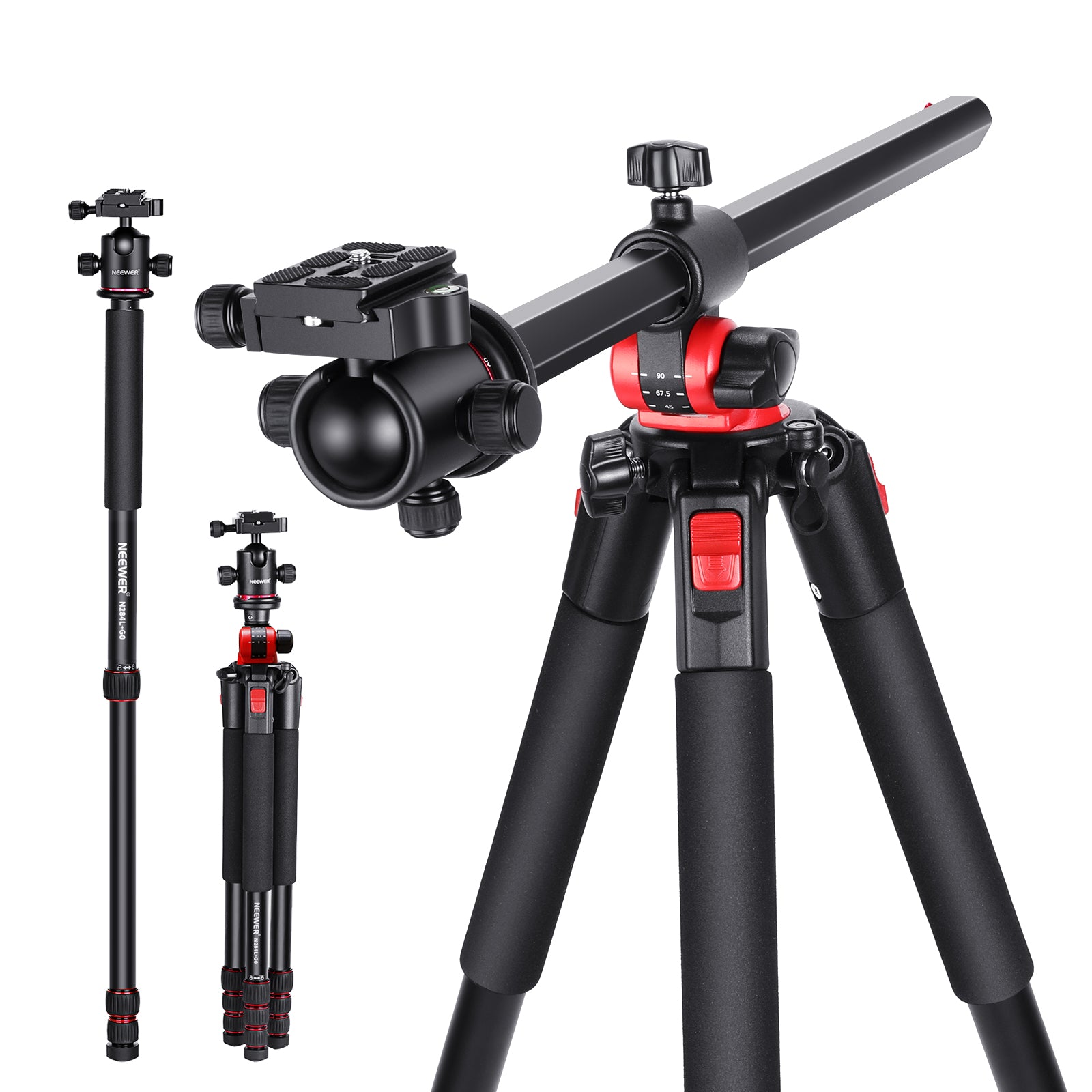
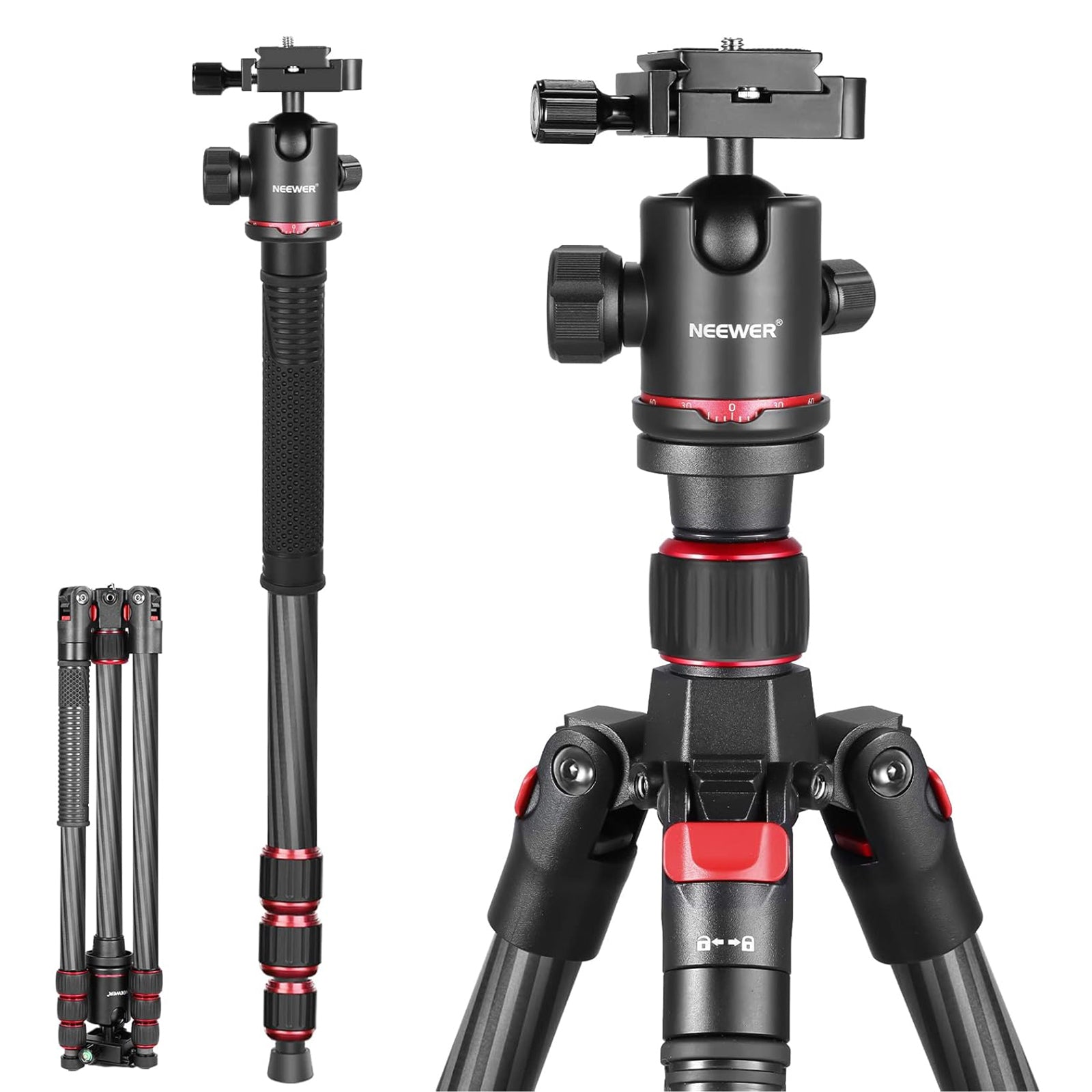
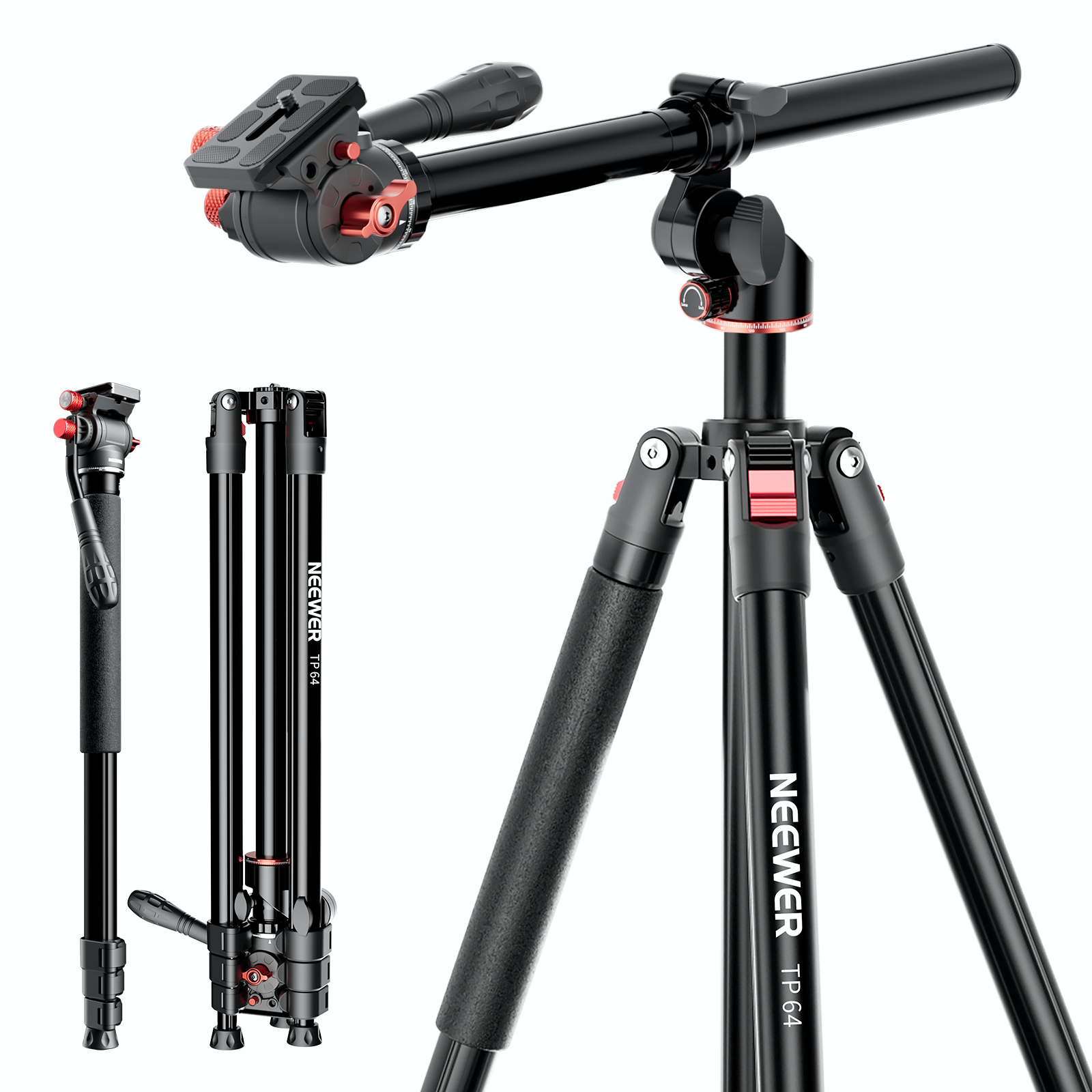
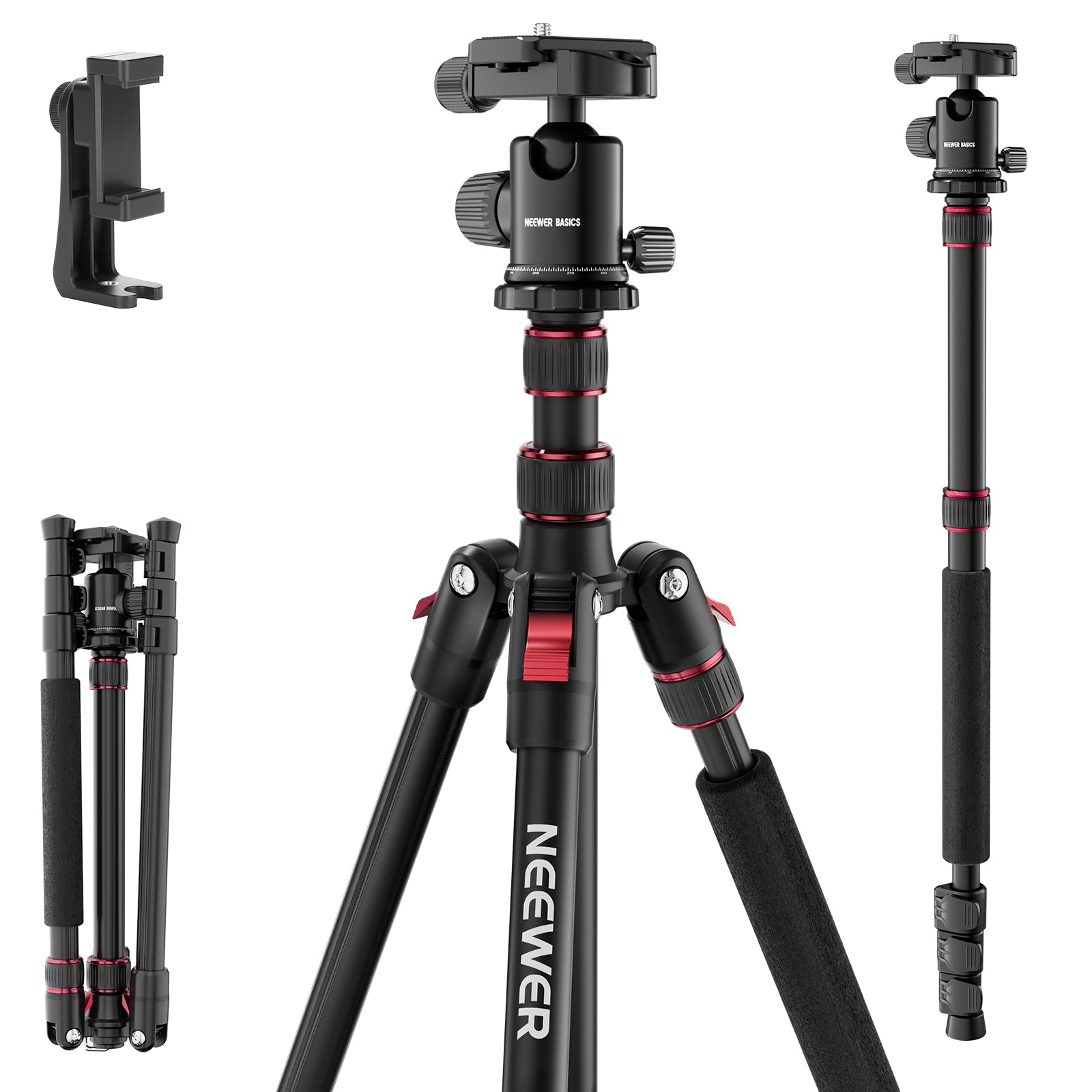
NEEWER offers a range of tripods for cameras, phones, telescopes, and more. These lightweight yet durable tripods provide exceptional stability and are built to withstand rigorous use. Perfect for professional photography, selfies, filming, video recording, and more, choose a high-quality camera tripod to enhance your photography and videography.












FAQ
What Is a 2-in-1 Travel Tripod and How Does It Work?
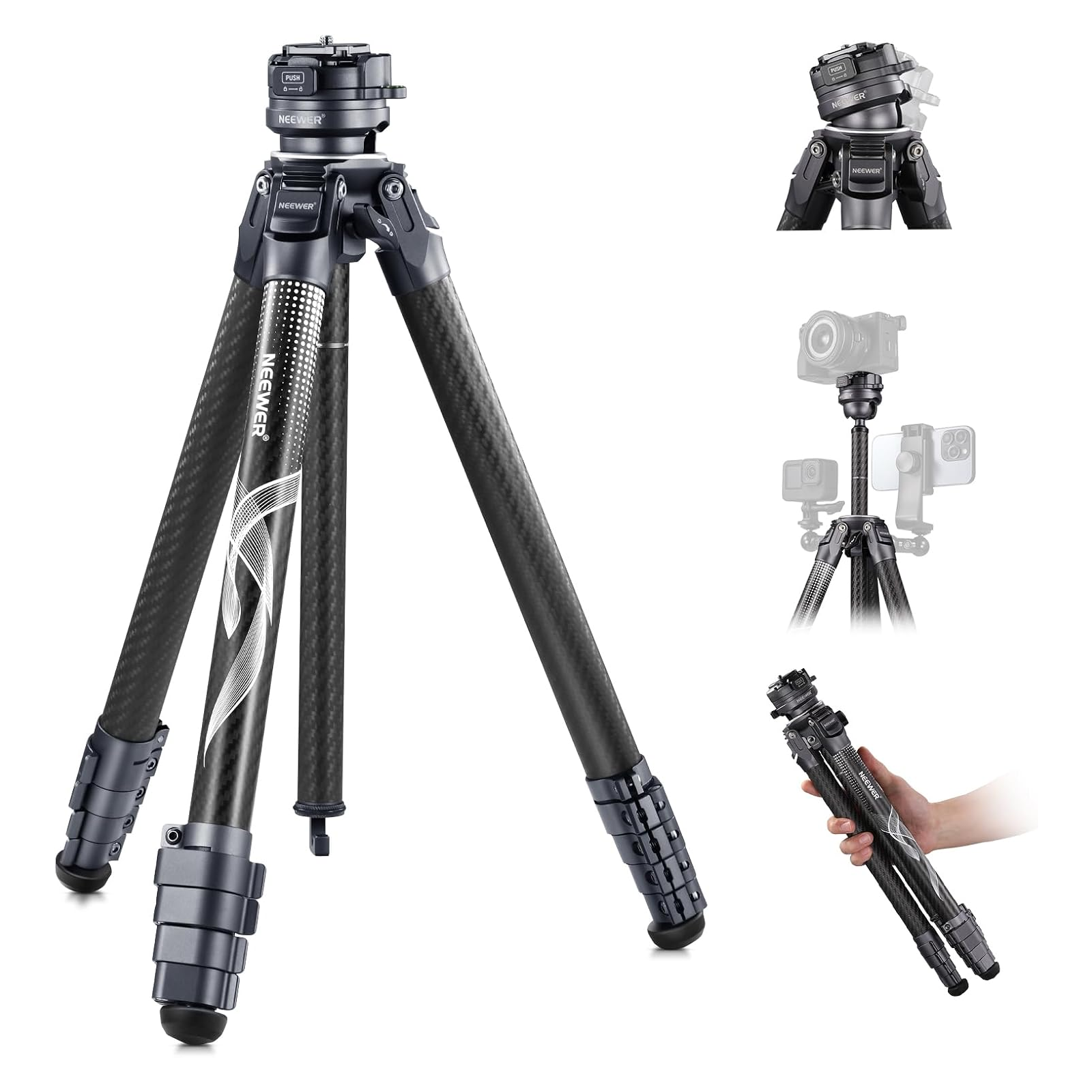
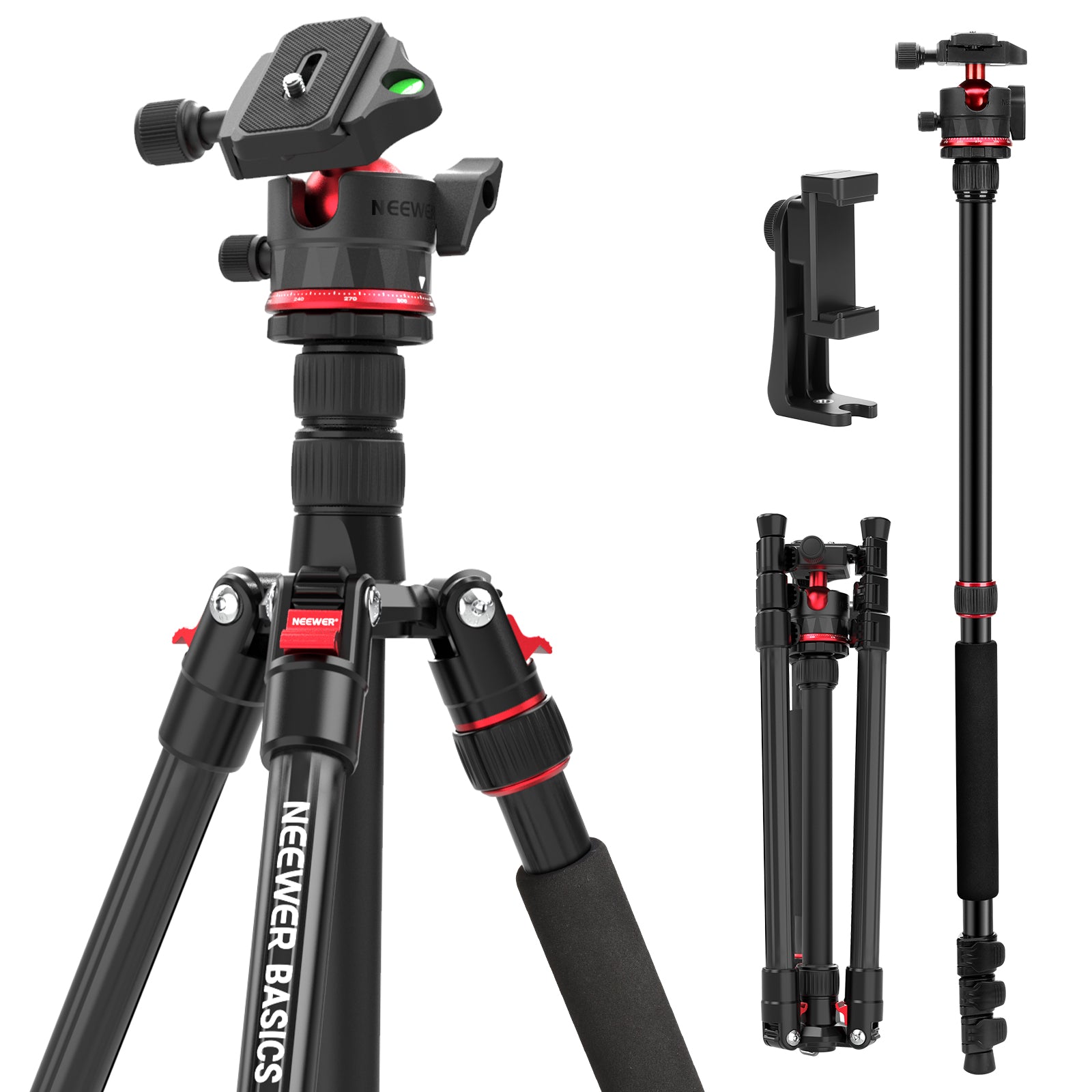
A 2-in-1 travel tripod features one detachable leg that unscrews from the tripod chassis and attaches directly to the removable center column. Within seconds, it converts into a fully functional monopod, giving you both maximum hands-free stability and high-mobility options in a single travel kit.
Carbon Fiber vs. Aluminum Tripods: Which Material Should You Choose?
Carbon Fiber: Ultra-lightweight, dampens subtle micro-vibrations for sharper long exposures, and won't freeze your hands in icy weather. Best for hiking, landscape photography, and frequent air travel.
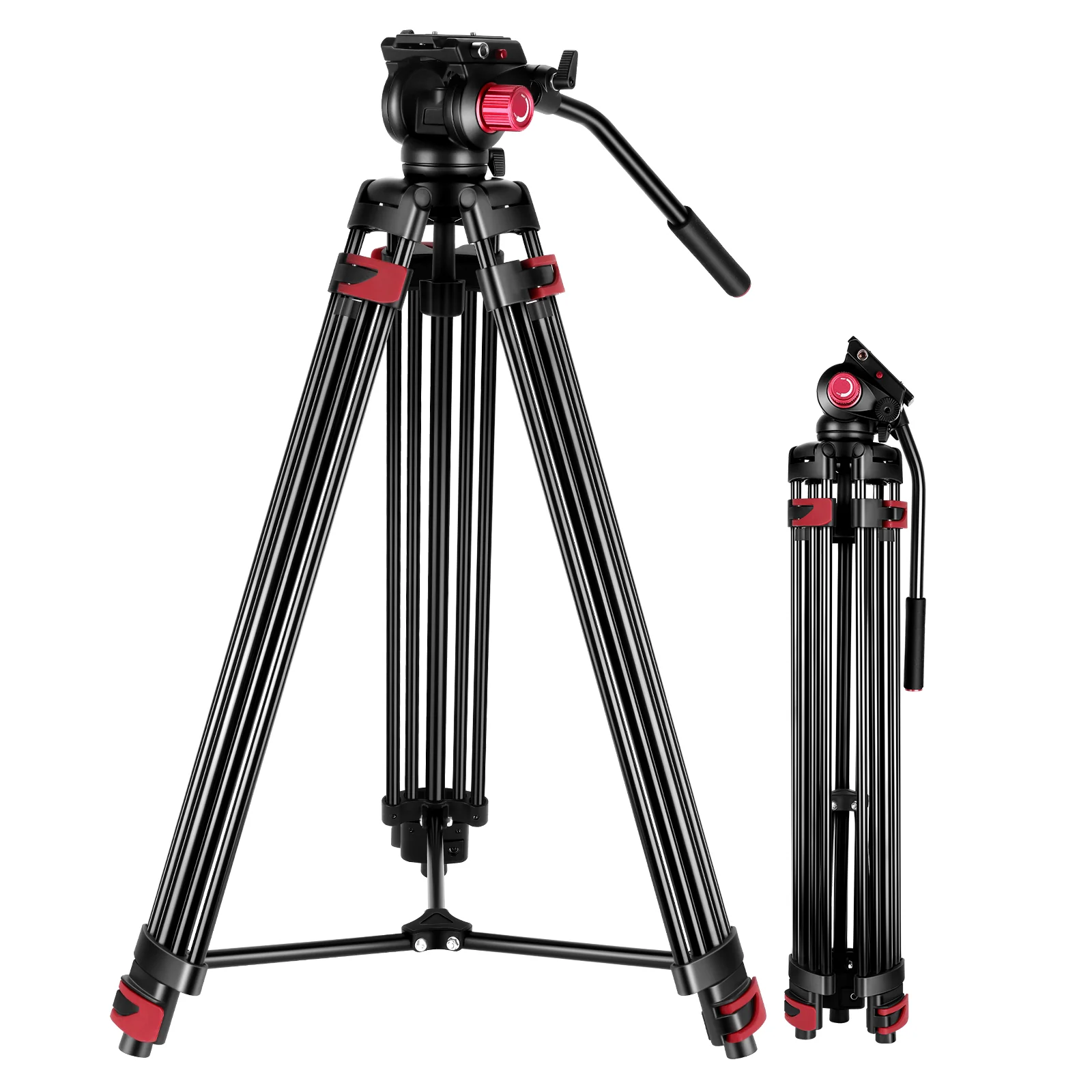
Aluminum: Bends under severe impact rather than cracking, highly durable, and cost-effective. Ideal for studio environments, heavy-duty video rigs, and budget-conscious creators.
What Is the Difference Between a Tripod and a Monopod?
Tripods (3-Legs): Provide hands-free stability and locked compositions. Essential for long exposure night shots, studio portraits, video recording, and macro photography.
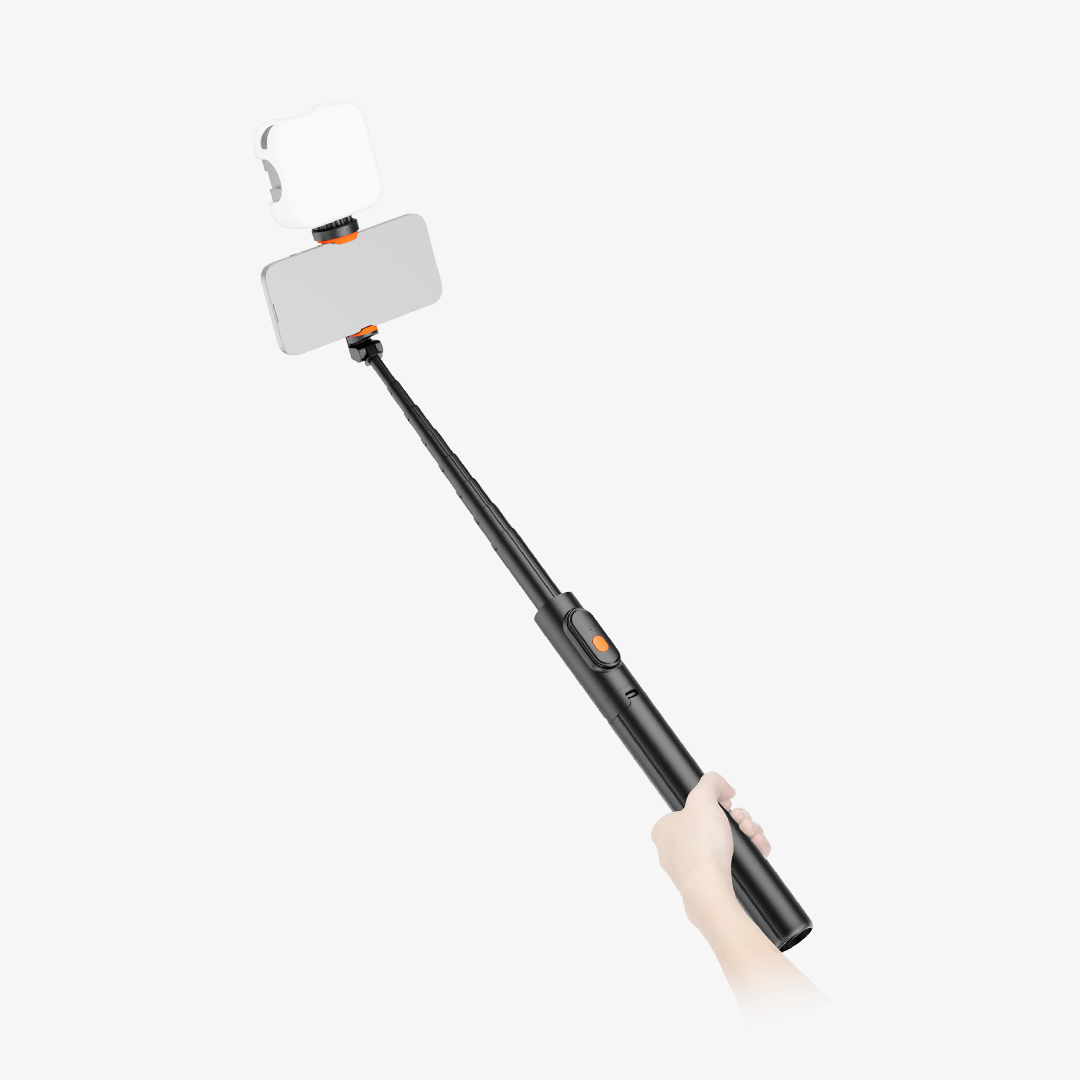
Monopods (1-Leg): Offer high mobility, speed, and a minimal footprint. They support heavy telephoto lenses while allowing instant movement, making them ideal for sports, wildlife, event videography, and crowded places where tripods are restricted.
Full-Sized Tripod vs. Mini / Tabletop Tripod: How Do You Choose?
Full-Sized Tripod: Extends to eye level (55"–75"+) with multi-angle legs for standing shoots and uneven outdoor ground.
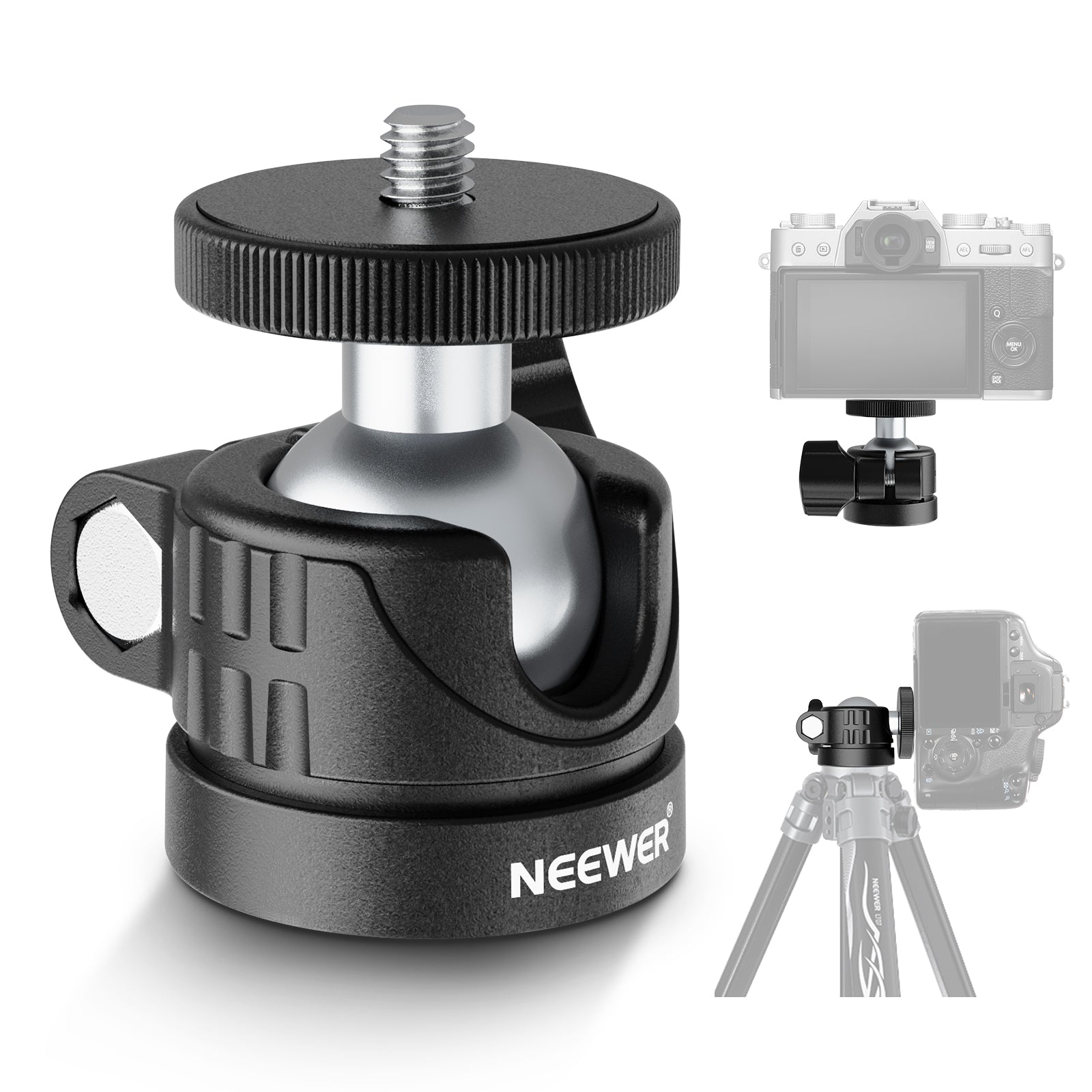
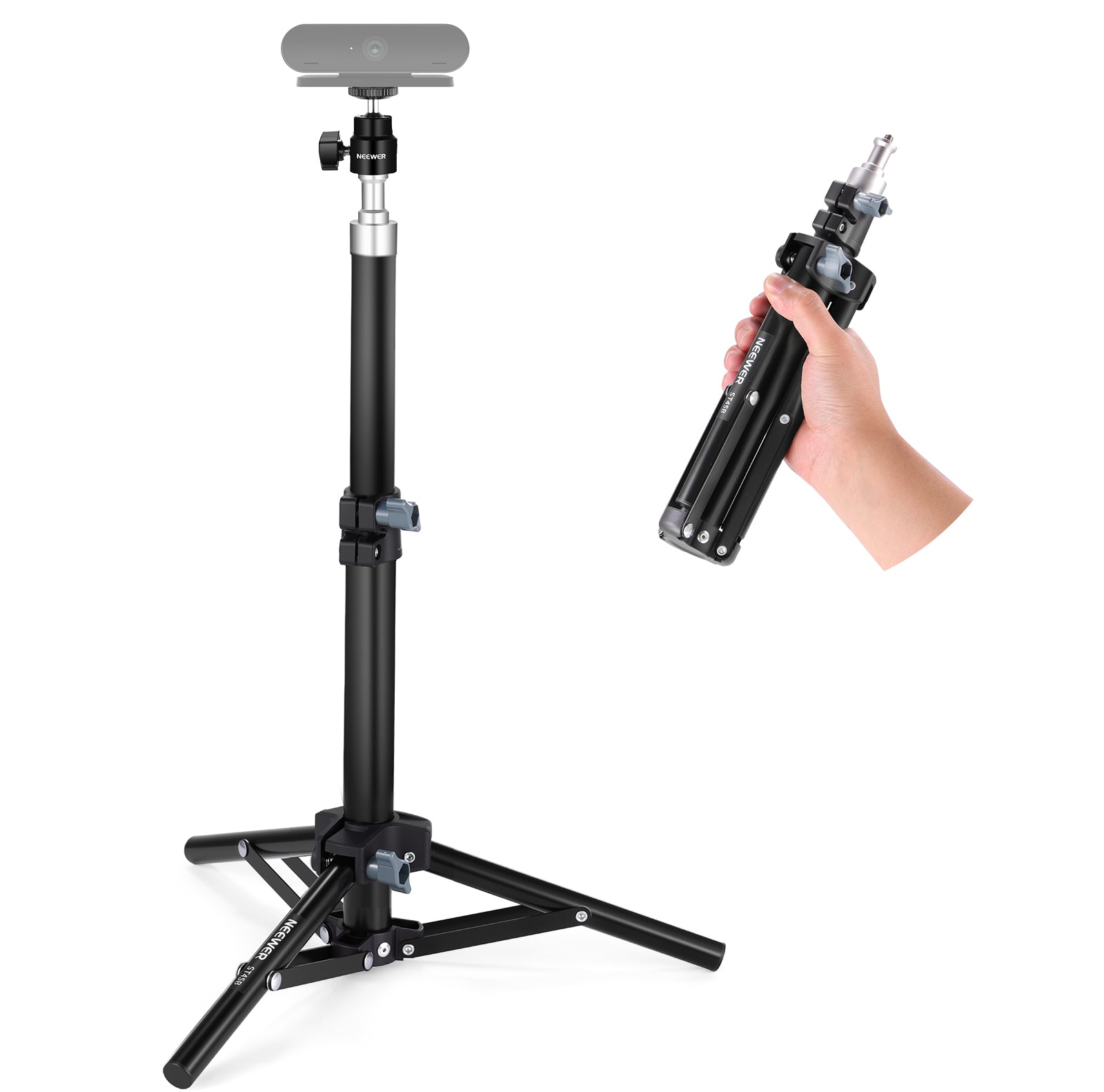
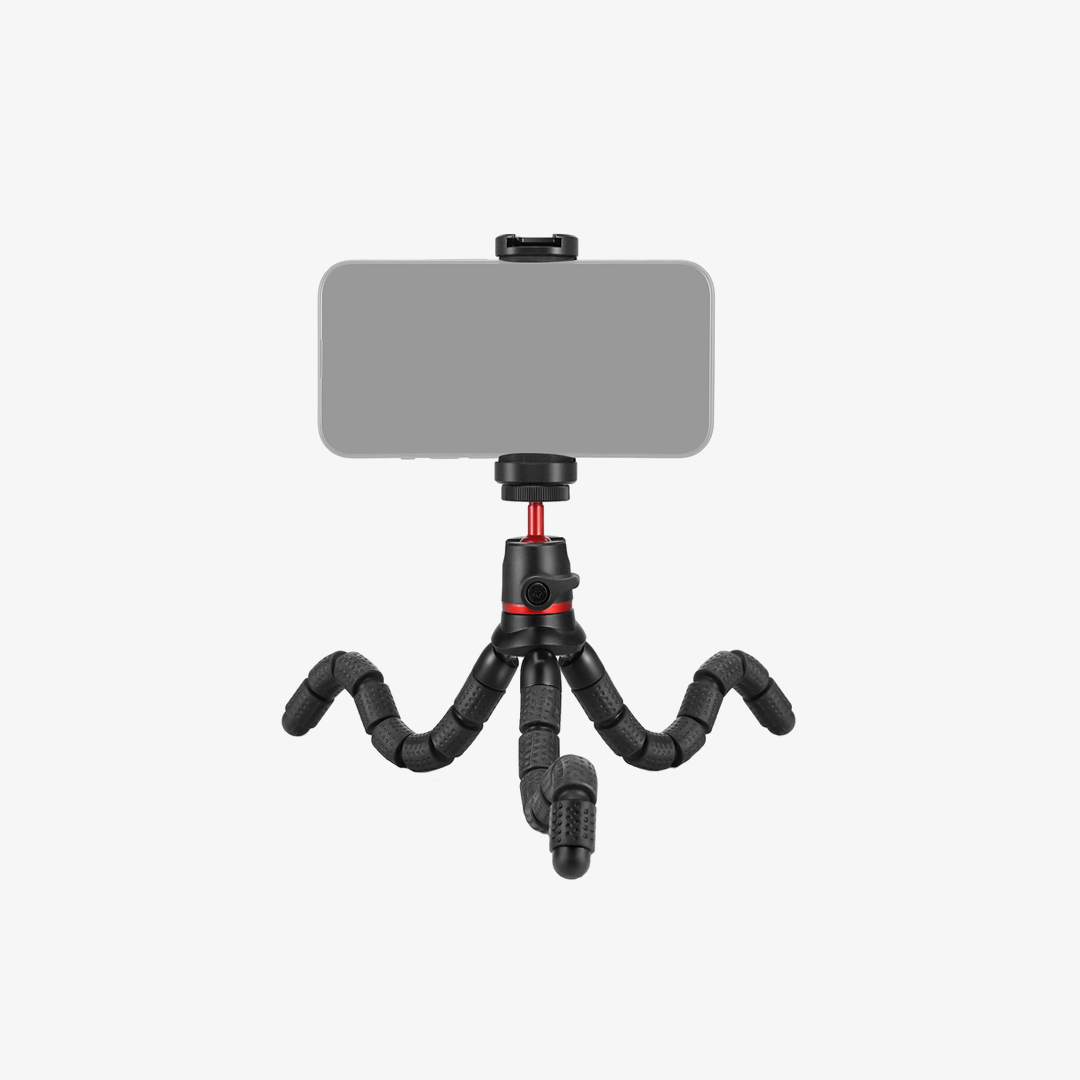
Mini / Tabletop Tripod: Compact and low-profile, designed for flat desks, tabletop product shoots, vlogging handgrips, or mounting webcams and small LED lights.
Ball Head vs. Fluid Drag Head: Which Tripod Head Do You Need?
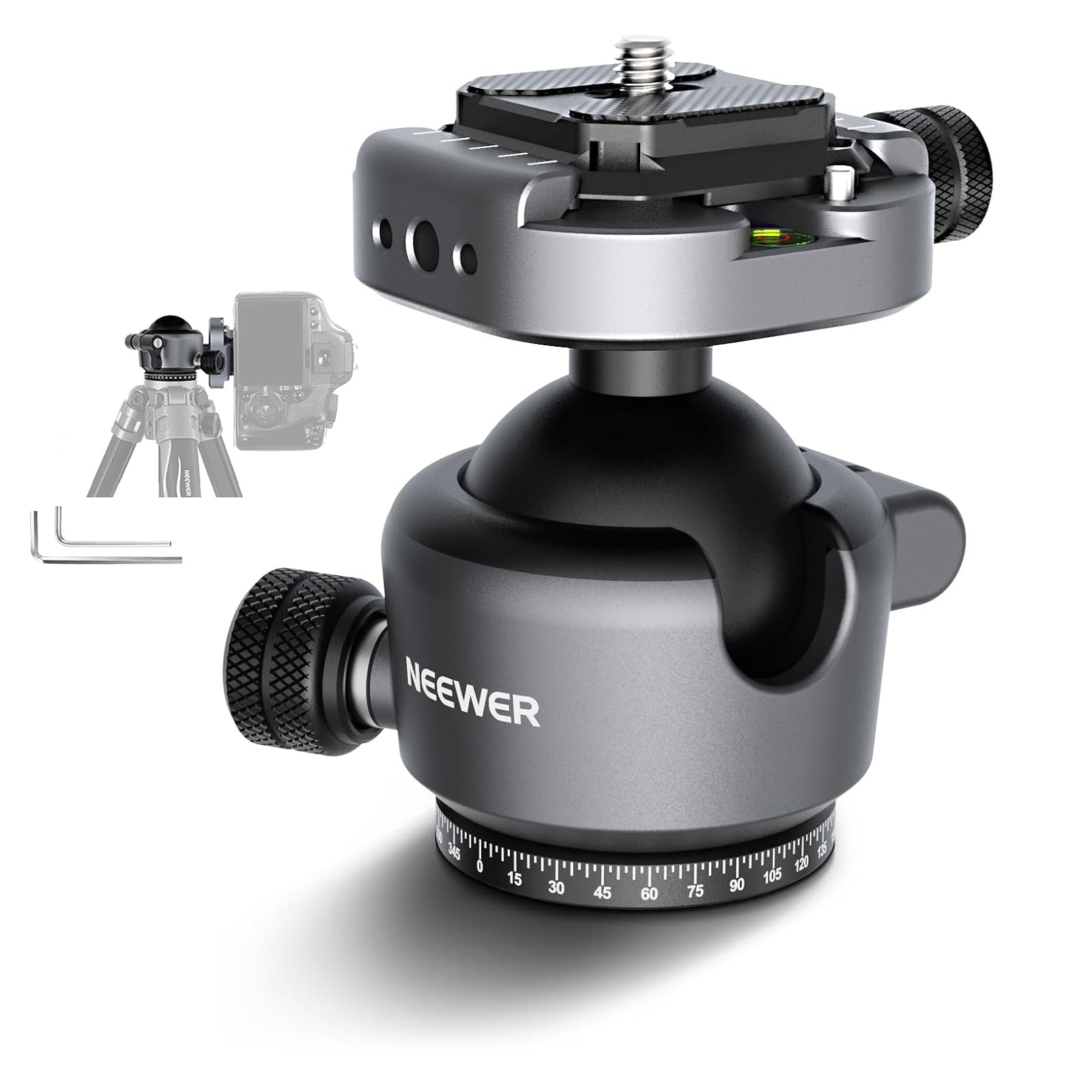
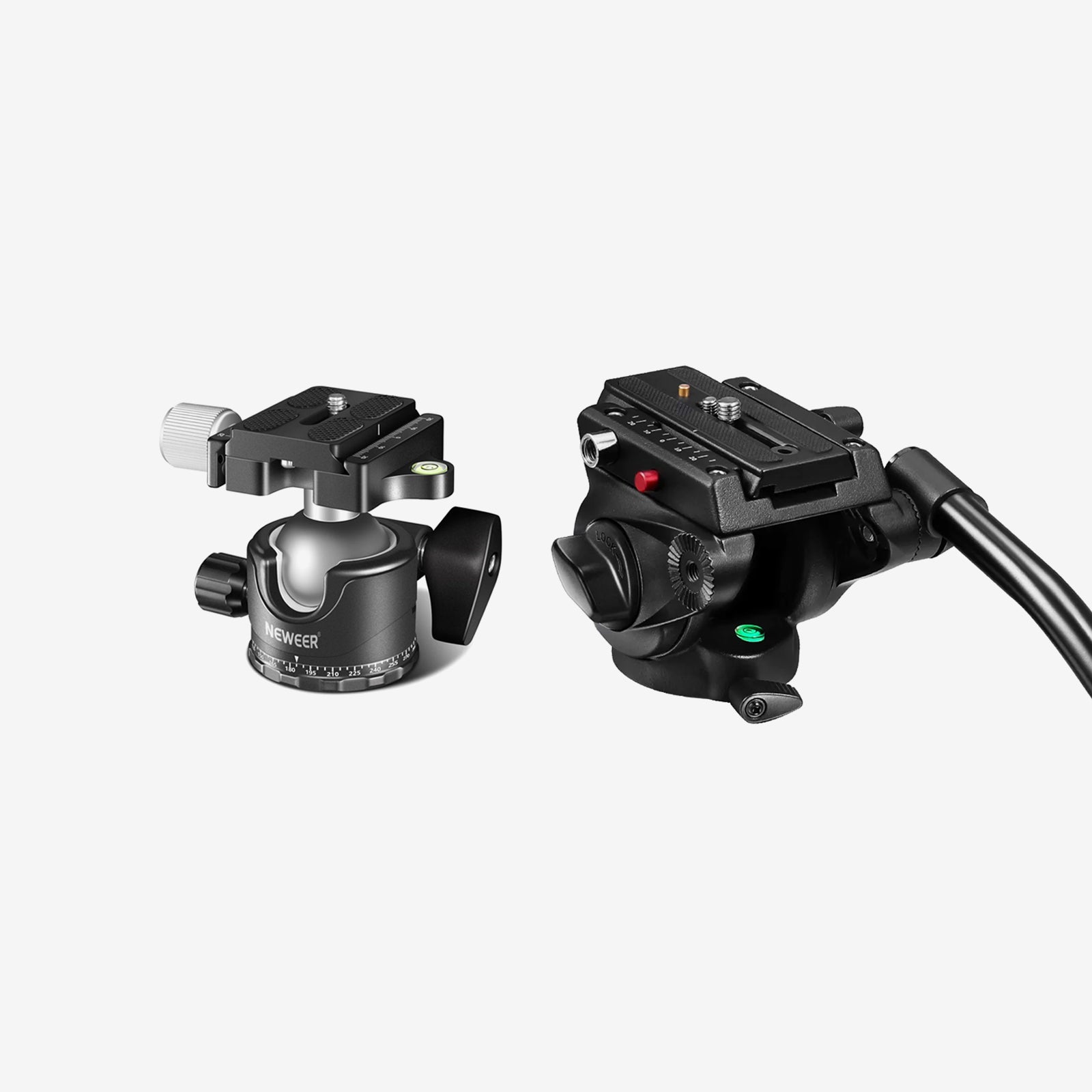
Ball Head (Best for Photography): Uses a single spherical joint for rapid, multi-angle positioning and instant switching between horizontal and vertical (portrait) framing.
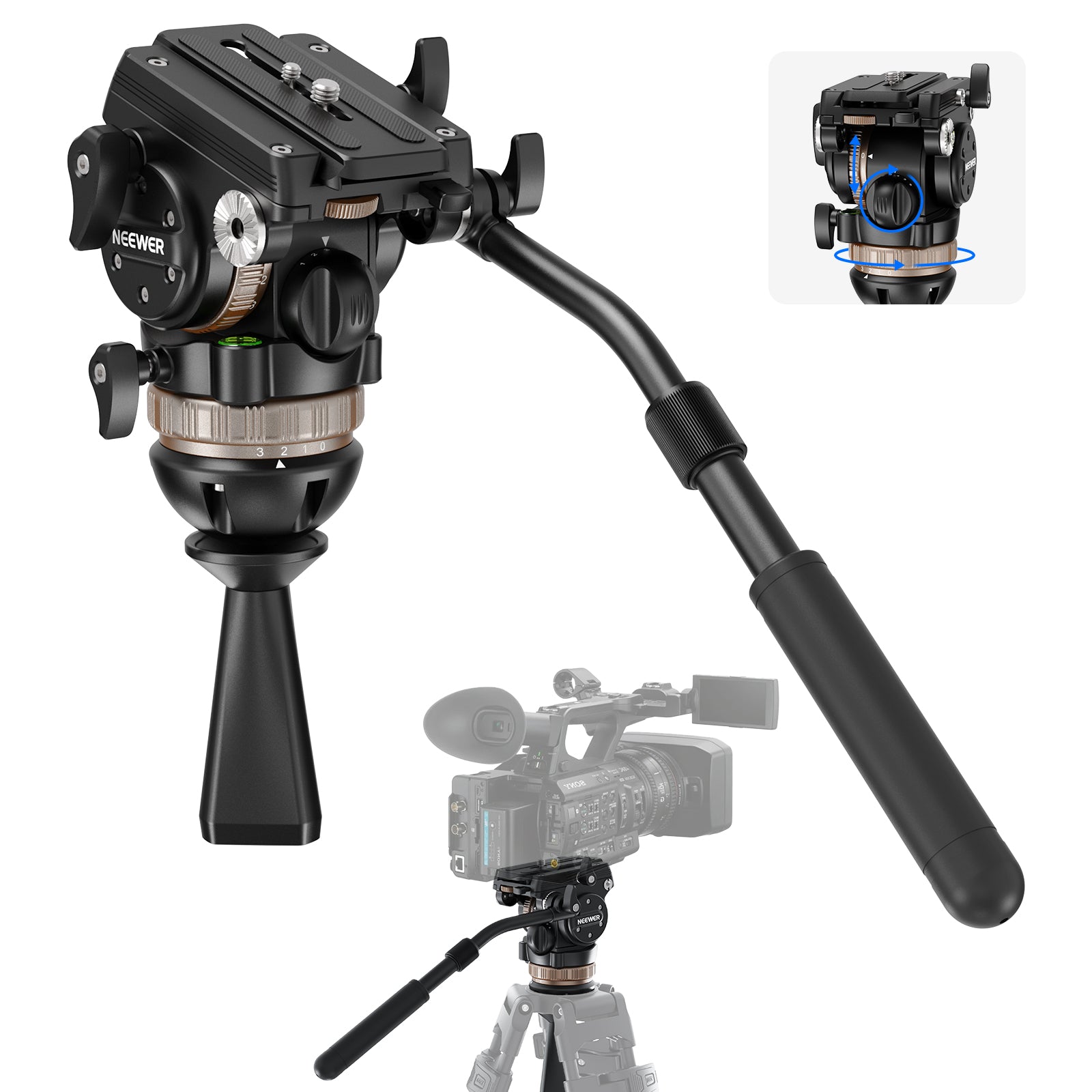
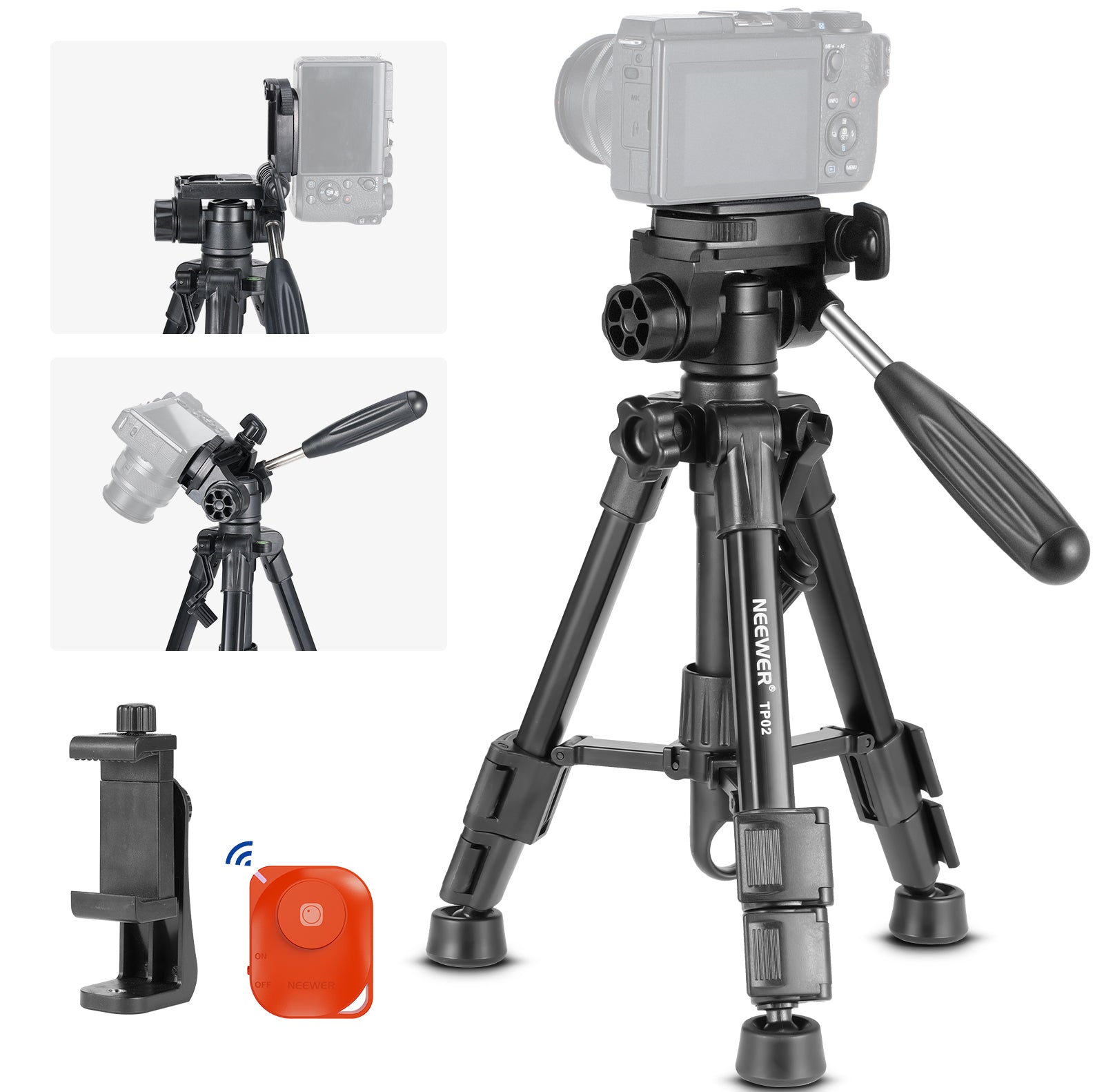
Fluid Drag Head (Best for Videography): Utilizes internal fluid cartridges to provide controlled, friction-damped horizontal panning and vertical tilting, producing smooth cinematic video movements without jerkiness.
Can You Bring a Tripod or Monopod on an Airplane?
Yes, TSA and most international airlines allow tripods and monopods in both carry-on and checked luggage. To bring it in carry-on, ensure the tripod folds down small enough (typically under 20–22 inches / 50–55 cm) to fit inside overhead bins or under-seat limits. Reverse-folding travel tripods are ideal for this.
What Is the Center Column and How Do I Adjust It?
The center column is the middle vertical pole that moves up and down to give you extra height without adjusting the legs. Simply loosen the main locking knob on the side, raise or lower the column to your desired height, and tighten the knob securely back in place.
How Do I Fold and Compact a Travel Tripod?
Most travel tripods feature 180° reverse-folding legs. To pack it down, extend the center column, release the leg angle locks at the top, and fold all three legs upward around the center column and head. This reduces the total storage length significantly.
How Do I Switch My Camera Between Horizontal (Landscape) and Vertical (Portrait) Shots?
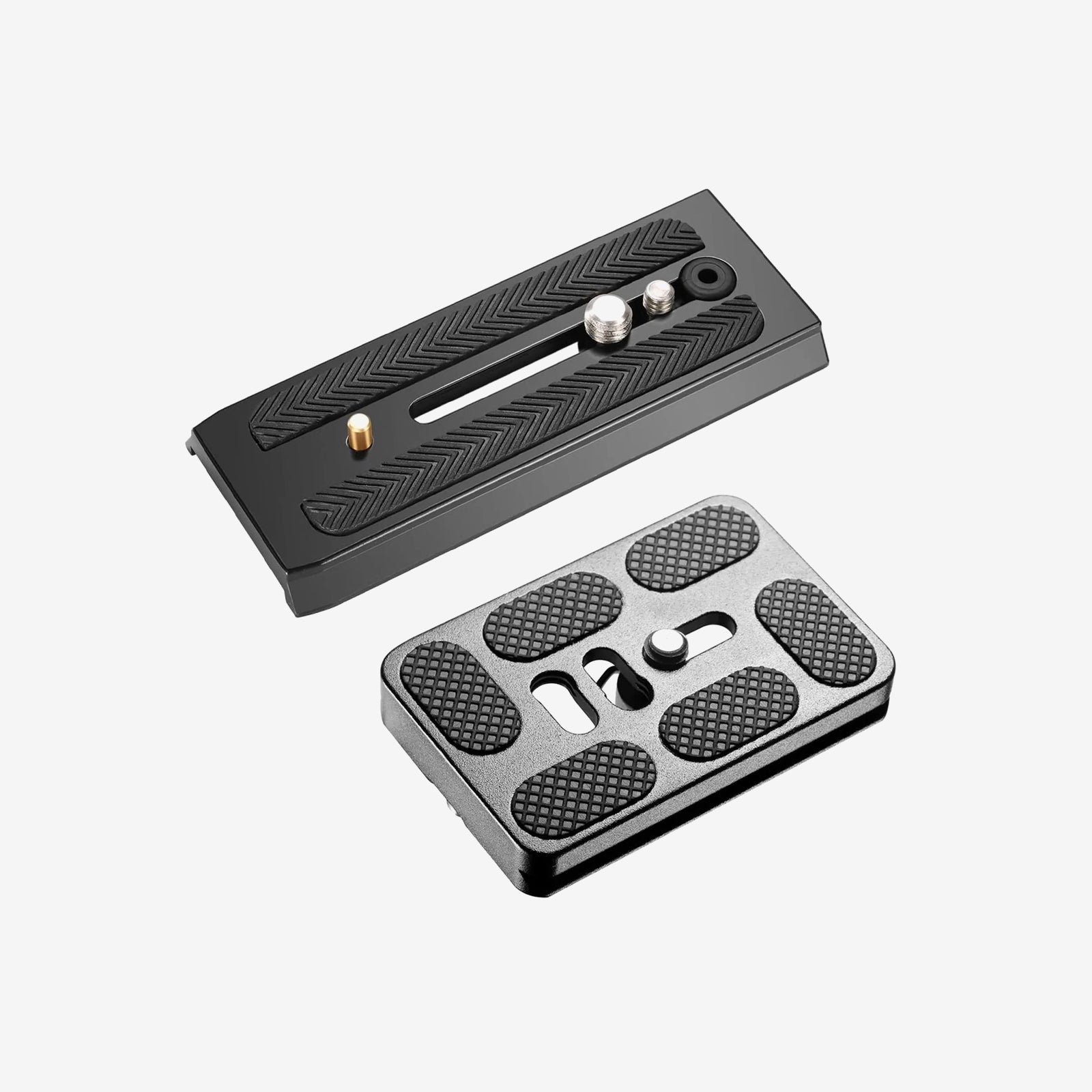
If your tripod uses a Ball Head, loosen the main locking knob, tilt the ball into the side notch (drop notch), and lock it. If using an Arca-Swiss plate or L-bracket, you can unclamping the camera, turn it 90 degrees, and clamp it back into place without altering your tripod's center balance.
Rubber Feet vs. Metal Spikes: When Should I Use Which?
Rubber Feet: Perfect for flat, slippery, or delicate surfaces like indoor studio floors, wooden decking, tiles, and smooth pavement.
Metal Spikes: Ideal for soft or uneven outdoor ground like grass, dirt, mud, ice, and gravel, digging into the earth to prevent slipping.
Elevate Your Gear