

C Stands


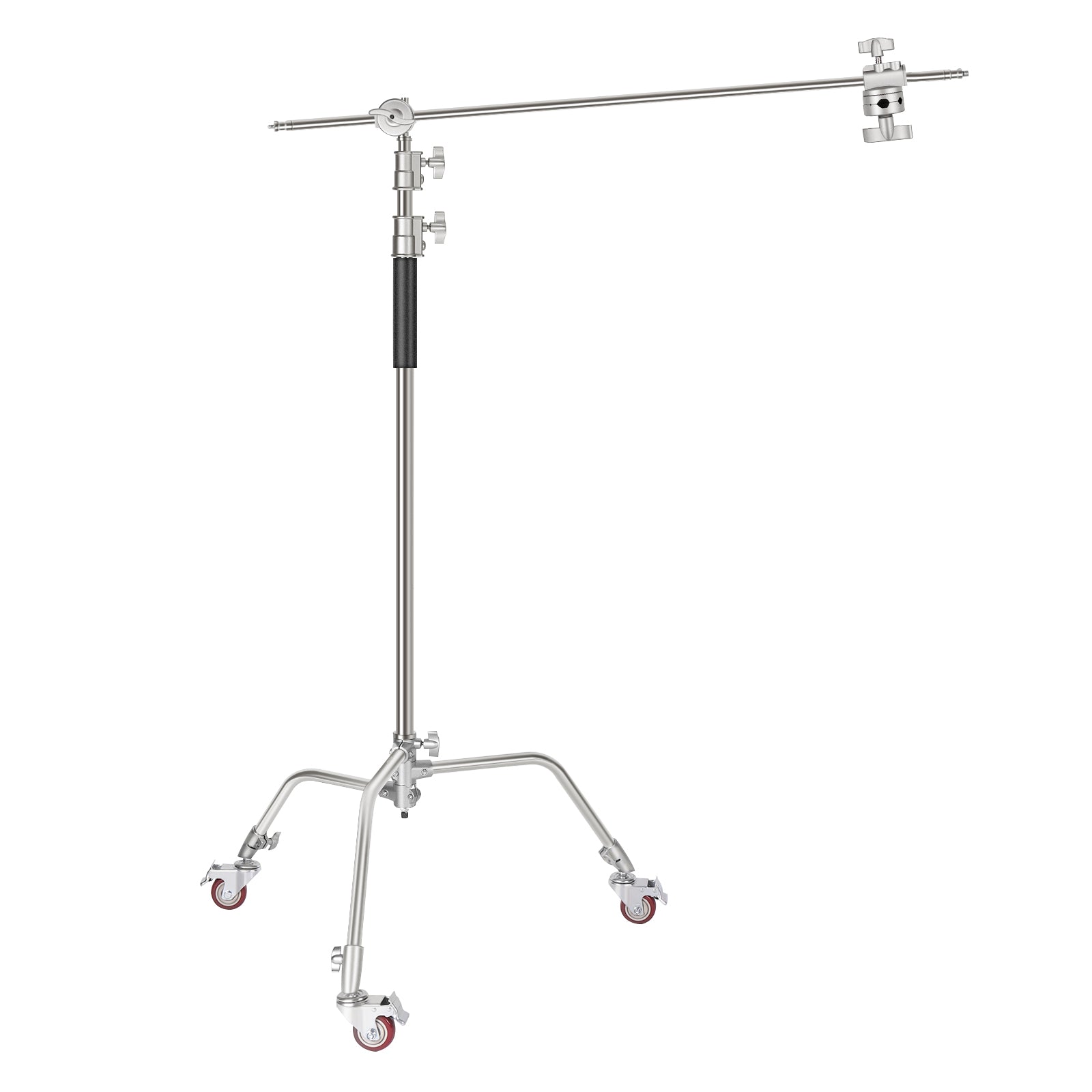


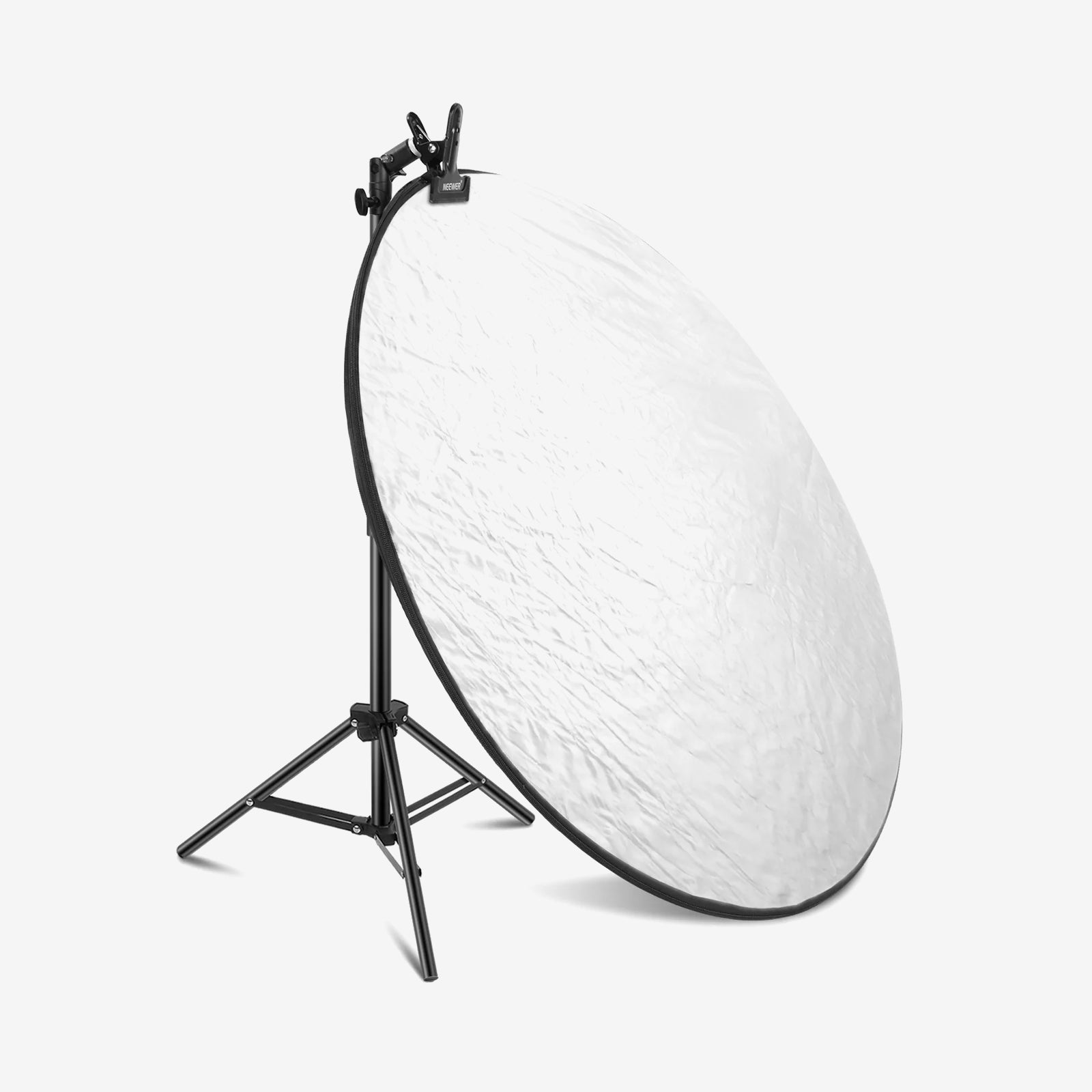
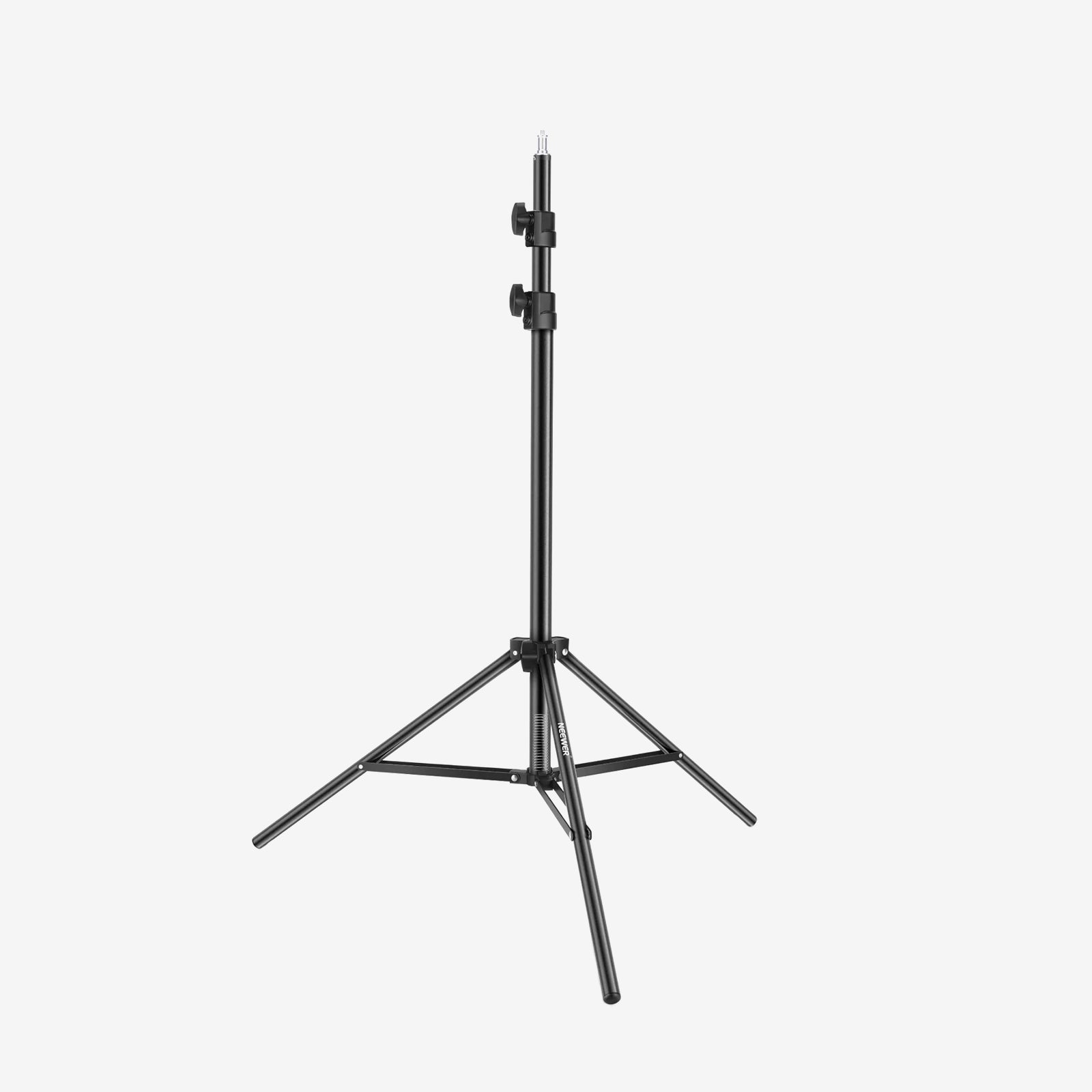
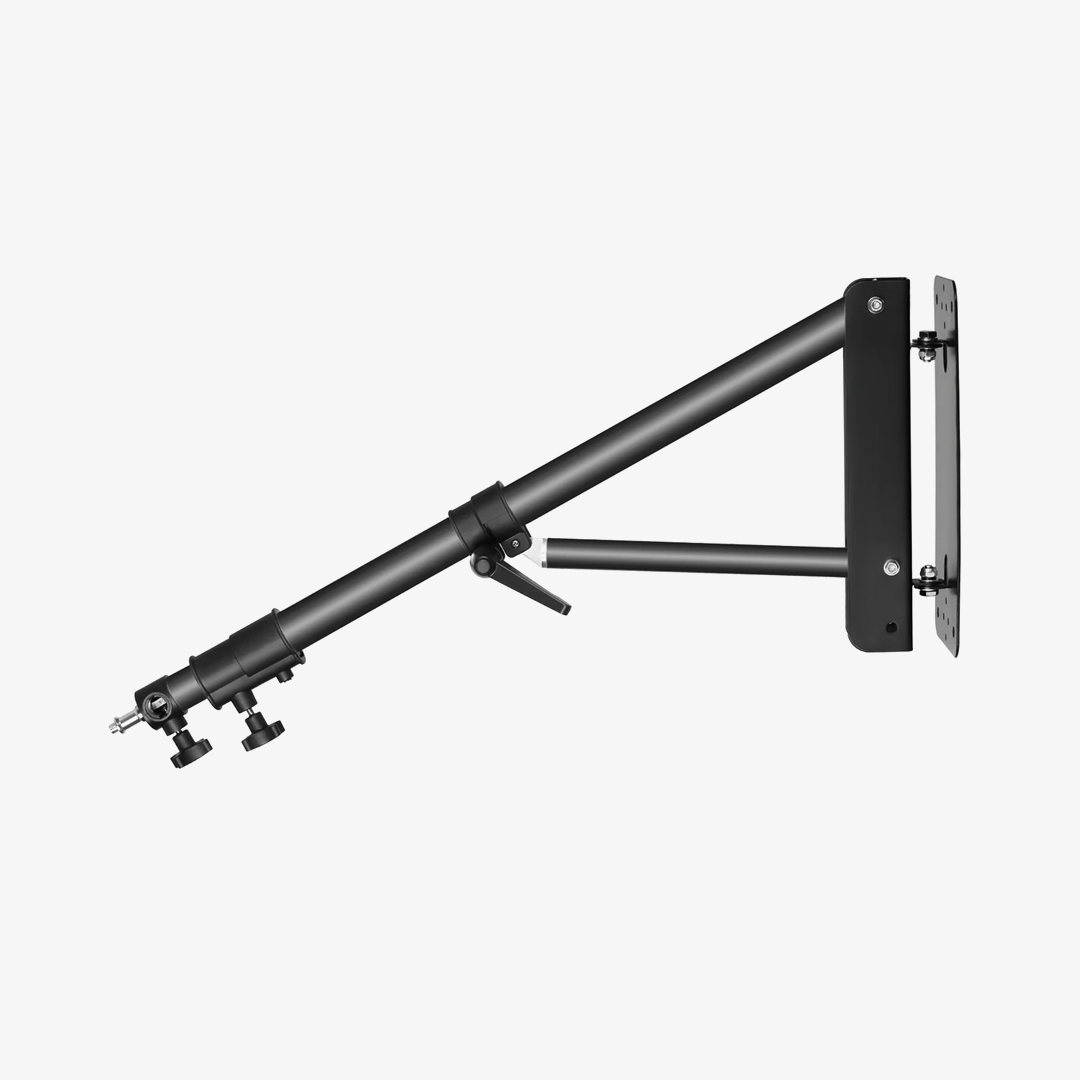
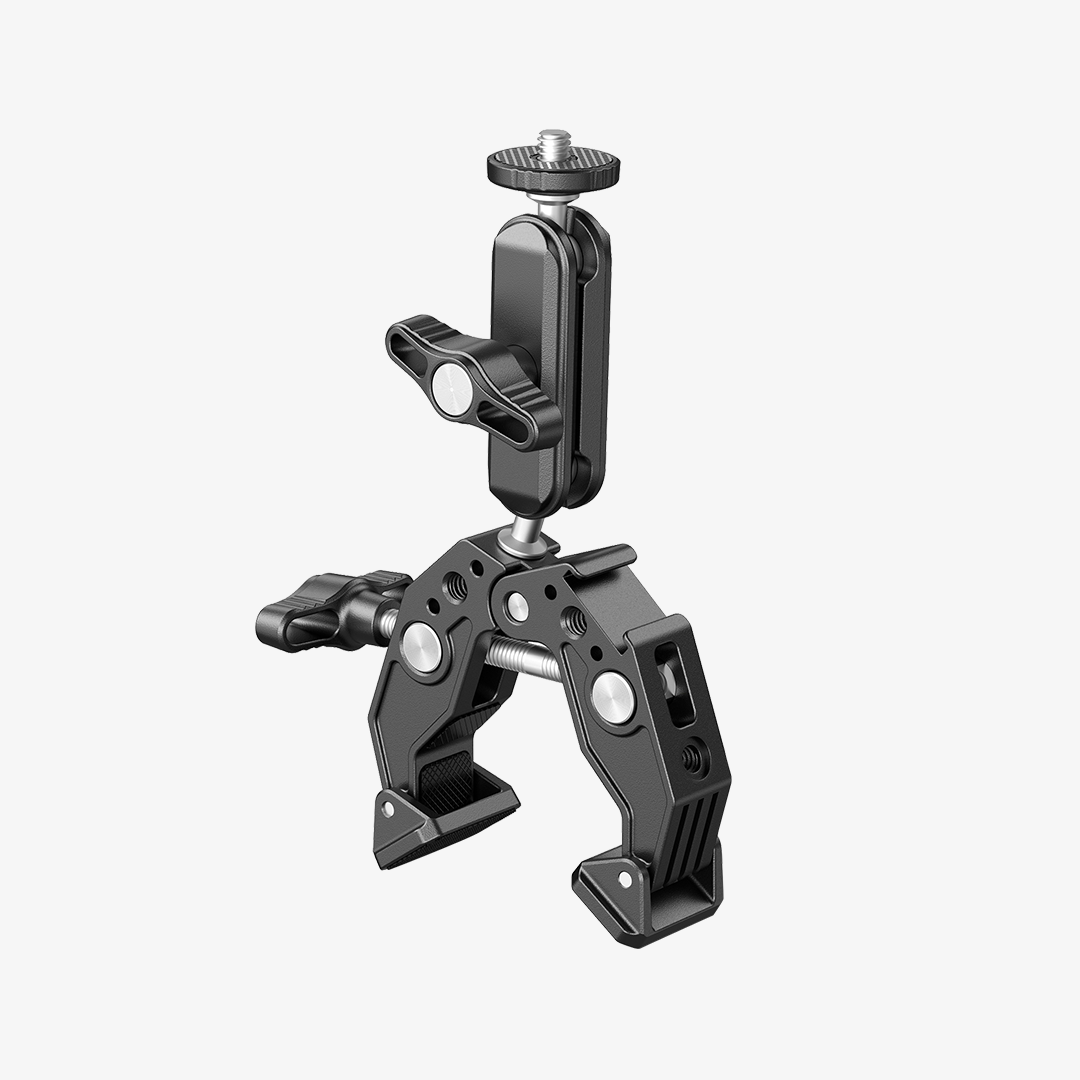
NEEWER offers a wide selection of C stands designed to mount and stabilize strobes, monolights, softboxes, and other photography equipment. Built to withstand corrosion and humidity, these century stands provide lasting durability for both studio and outdoor shoots. Choose a professional C stand to take your photography to the next level.
FAQ
What Is a C-Stand (Century Stand) and Why Is It so Popular?
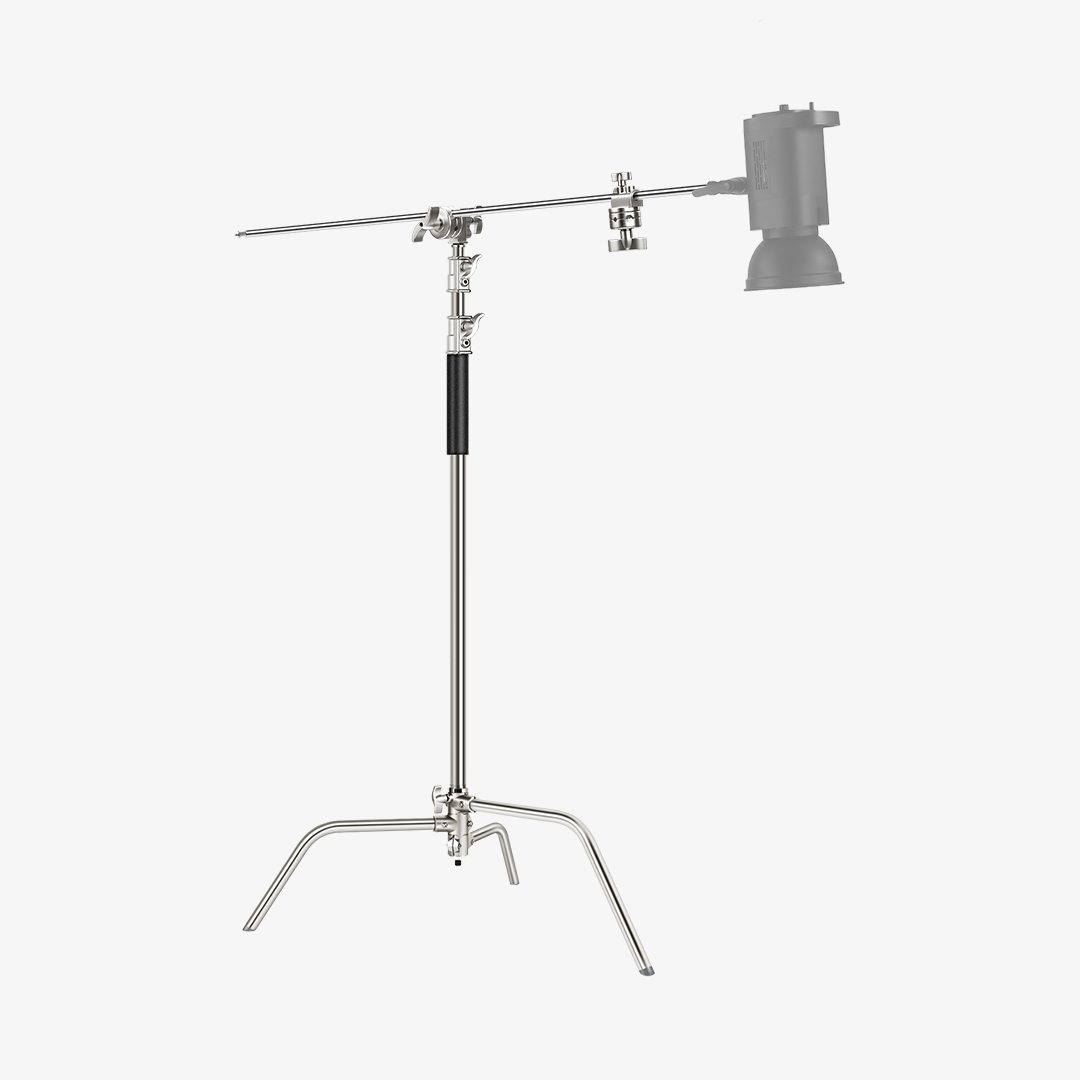
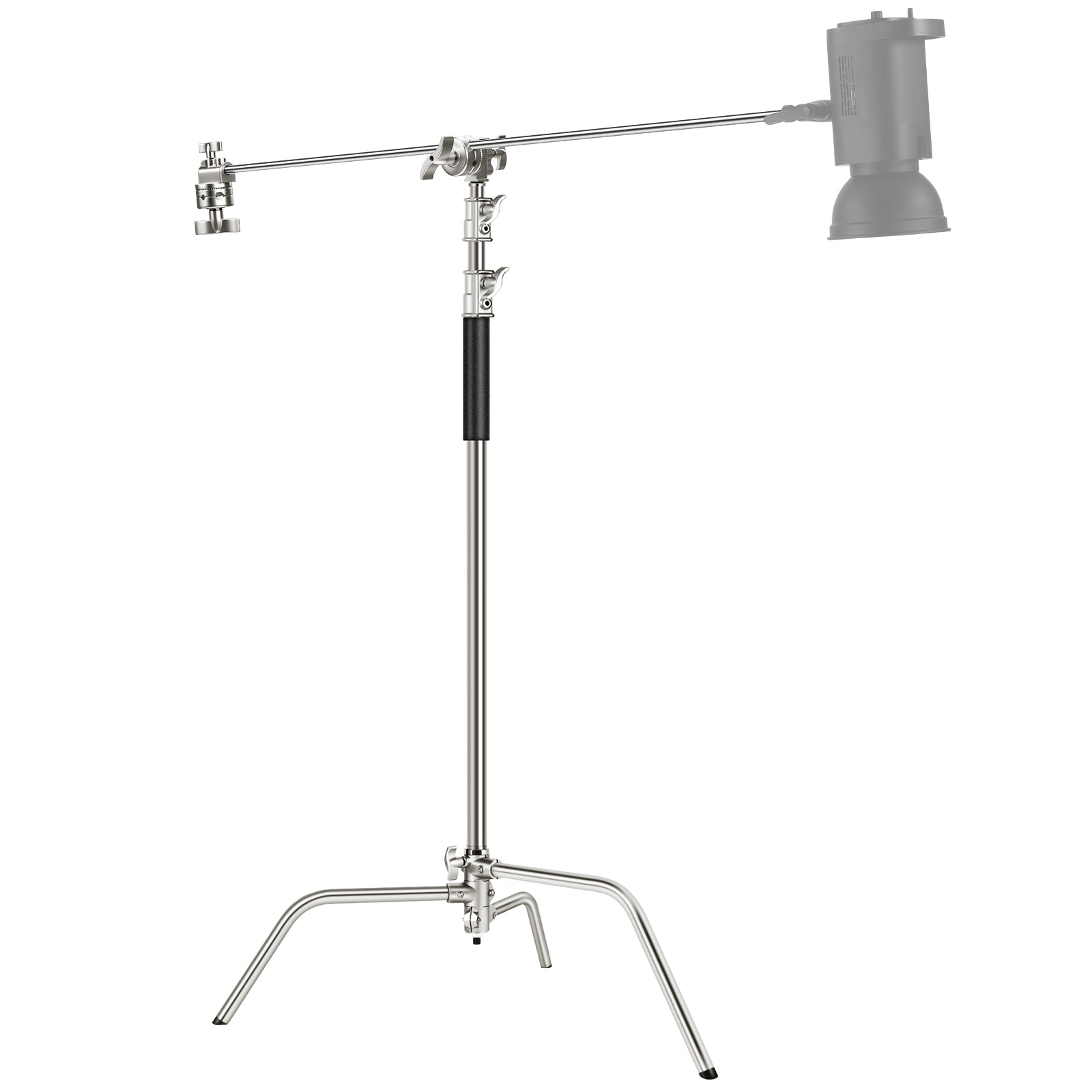
A C-Stand (short for Century Stand) is a heavy-duty, stainless steel lighting support engineered for the demanding environments of professional photo studios and film sets.
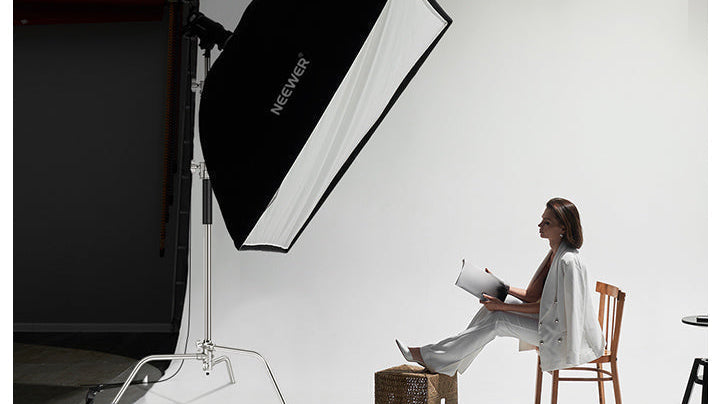
Unlike standard aluminum light stands, C-Stands feature a low center of gravity with staggered nesting legs, offering unparalleled stability and high payload capacity for mounting heavy studio strobes, COB video lights, large softboxes, and overhead flag diffusers.
What Are C-Stands Used For in Photography and Filmmaking?
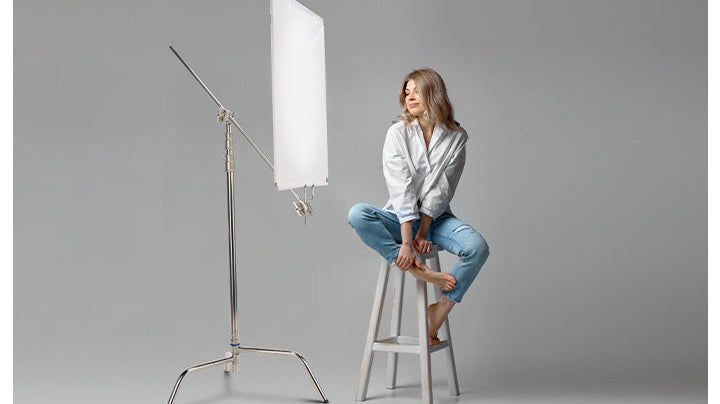
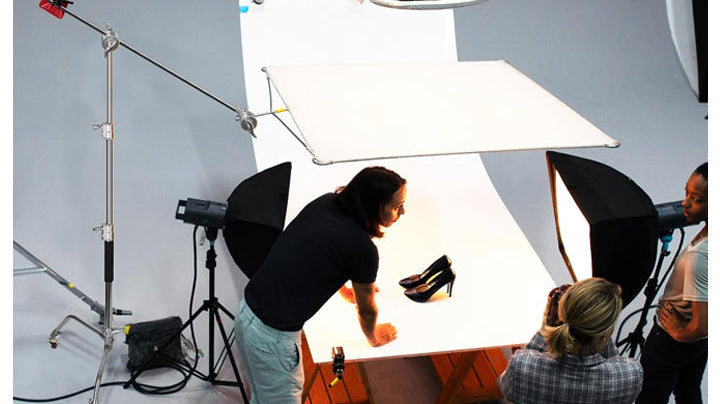
C-Stands are essential tools in studio portraits, commercial advertising, cinematic video production, and food/product photography. Beyond holding heavy lights, their extension arms (grip arms) allow creators to position lights and modifiers directly overhead, suspend flags to block unwanted light spill, mount boom mics, or hold reflectors at precise, hard-to-reach angles.
C-Stand vs. Standard Light Stand: Which Should You Choose?
Choose a C-Stand if you work with heavy camera gear or large lighting modifiers, need overhead boom positioning, shoot outdoors in windy conditions, or require maximum studio stability and longevity.
Choose a Light Stand if portability, quick travel setup, compact storage, and lightweight gear (like speedlites or small LED panels) are your primary priorities.
What Is a Turtle Base C-Stand and What Are Its Advantages?
A Turtle Base C-Stand features a quick release mechanism that lets you detach the main riser column from the 3-leg base in seconds. This allows you to use the low-profile base on its own as a ultra-low floor light mount or stack multiple folded bases tightly together in your studio or equipment truck to save valuable floor space.
What Is the "Right-Hand Rule" for Safely Setting Up a C-Stand?
When extending heavy equipment on a C-Stand’s grip arm, always position the weight to the right of the grip head tightening knob. Gravity will naturally pull the load downward in a clockwise direction, which automatically tightens the grip handle rather than loosening it. This simple "Right-Hand Rule" prevents overhead equipment from slipping down accidentally.
Do You Still Need Sandbags with a C-Stand?
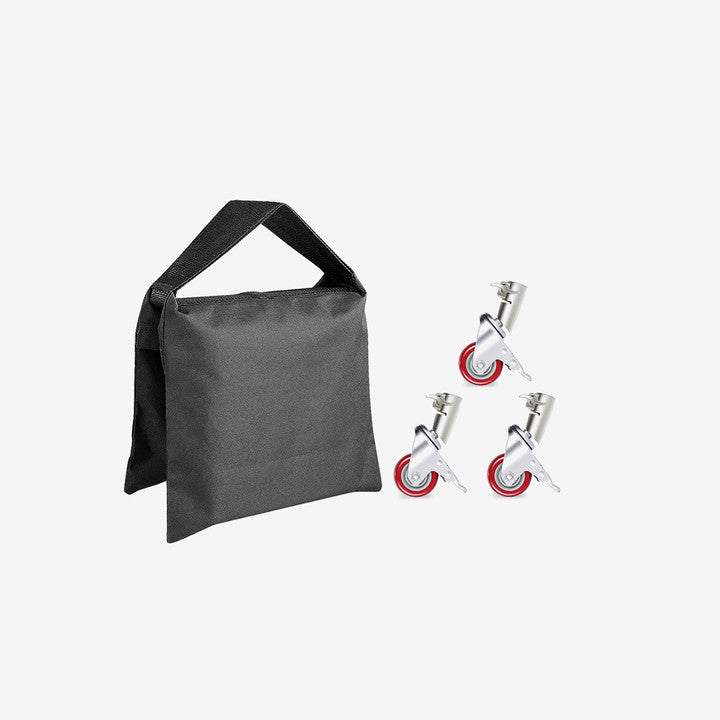
Yes, absolutely. While C-Stands are extremely sturdy, placing a heavy sandbag over the highest leg of the base is an essential safety practice on professional sets. It acts as an anchor against top-heavy equipment, accidental bumps, or outdoor wind gusts, protecting both your expensive lighting gear and your crew.
What Size/Height C-Stand Do You Need? (Standard vs. Mini C-Stand)
Standard 10.5 ft (3.2 m) C-Stand: The industry staple for most studio photography and video sets. It raises high enough to throw overhead hair lights or place softboxes above standing subjects, folding down to around 4.8 ft for transport.
Short / Mini 5 ft (1.5 m) C-Stand: Designed for tight rooms, low-ceiling studios, sitting podcast setups, tabletop product photography, or placing lights at waist/floor height without hitting the ceiling.
How Heavy Is a C-Stand and Can You Travel with It?
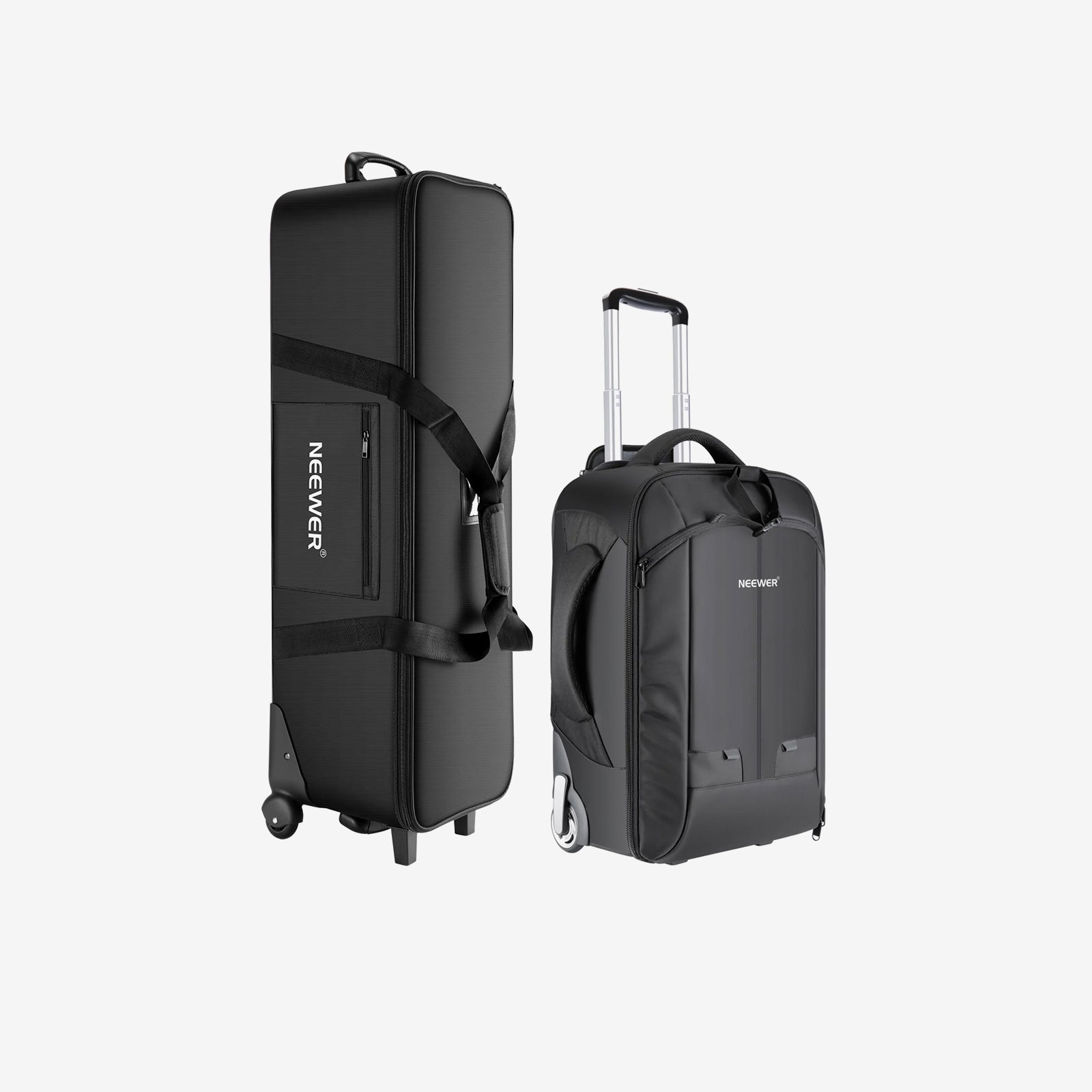
A complete C-Stand kit (base, riser column, grip head, and arm) typically weighs between 15 to 22 lbs (7 to 10 kg) due to its solid steel construction. While highly durable, they are relatively heavy for solo travel. For location shoots, using a dedicated C-Stand roller bag or opting for a Turtle Base (detachable) model makes packing and vehicle storage significantly easier.
Can You Use C-Stands Outdoors in Rain, Saltwater, or Freezing Weather?
Yes, stainless steel C-Stands are highly weather-resistant. However, if used near salt air, beach water, or wet mud, always wipe the telescoping chrome poles clean and apply a thin layer of silicone lubricant after use. This prevents salt corrosion, sand grit from scratching the sliding poles, or section knobs from seizing up.
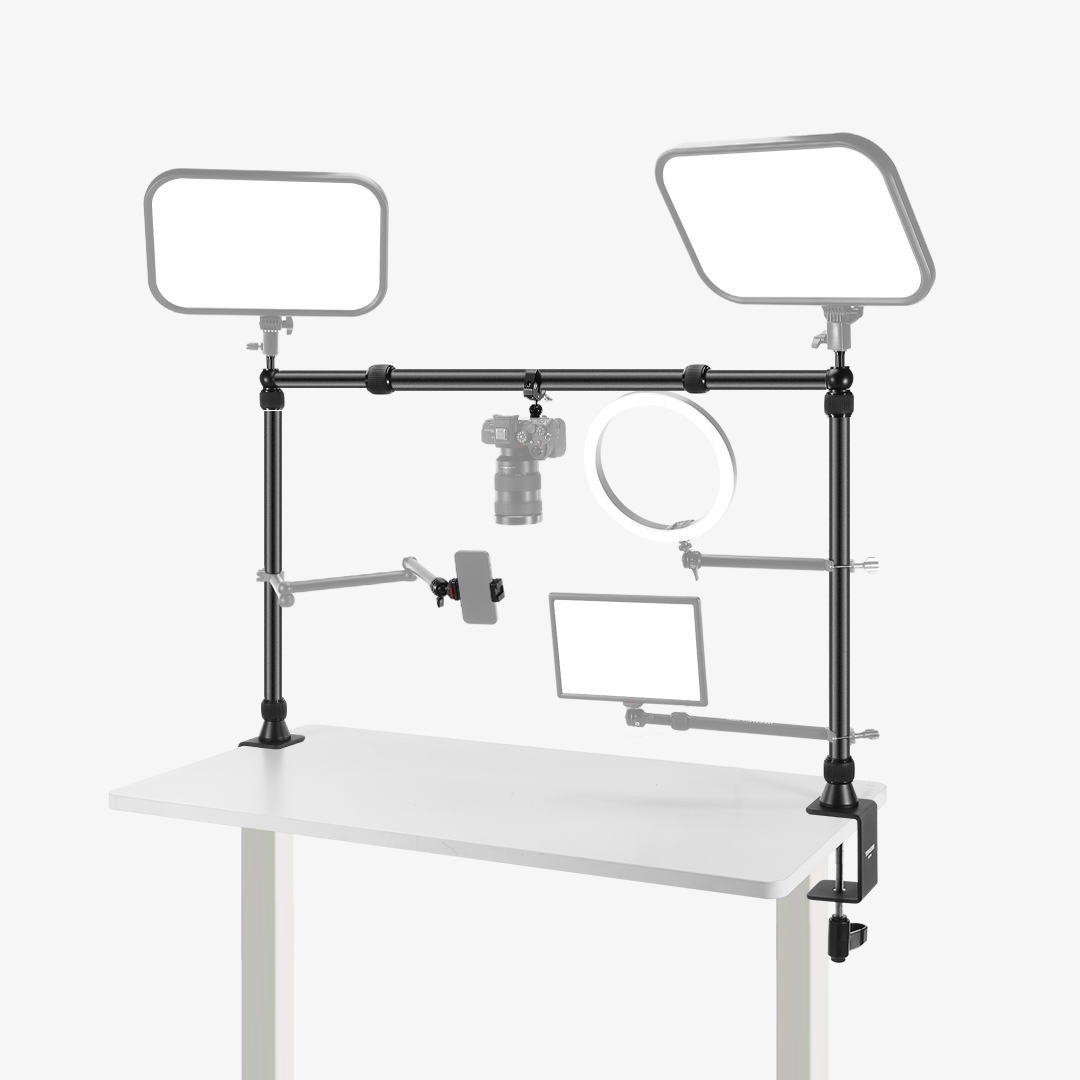
Can You Use a C-Stand for Overhead (Top-Down) Camera Rigs?
Yes! Attaching a ball head or camera adapter to a C-Stand grip arm is one of the most reliable ways to build a rock-solid top-down overhead camera setup for product unboxing, cooking tutorials, and flat-lay photography without camera shake.