

Table of Contents
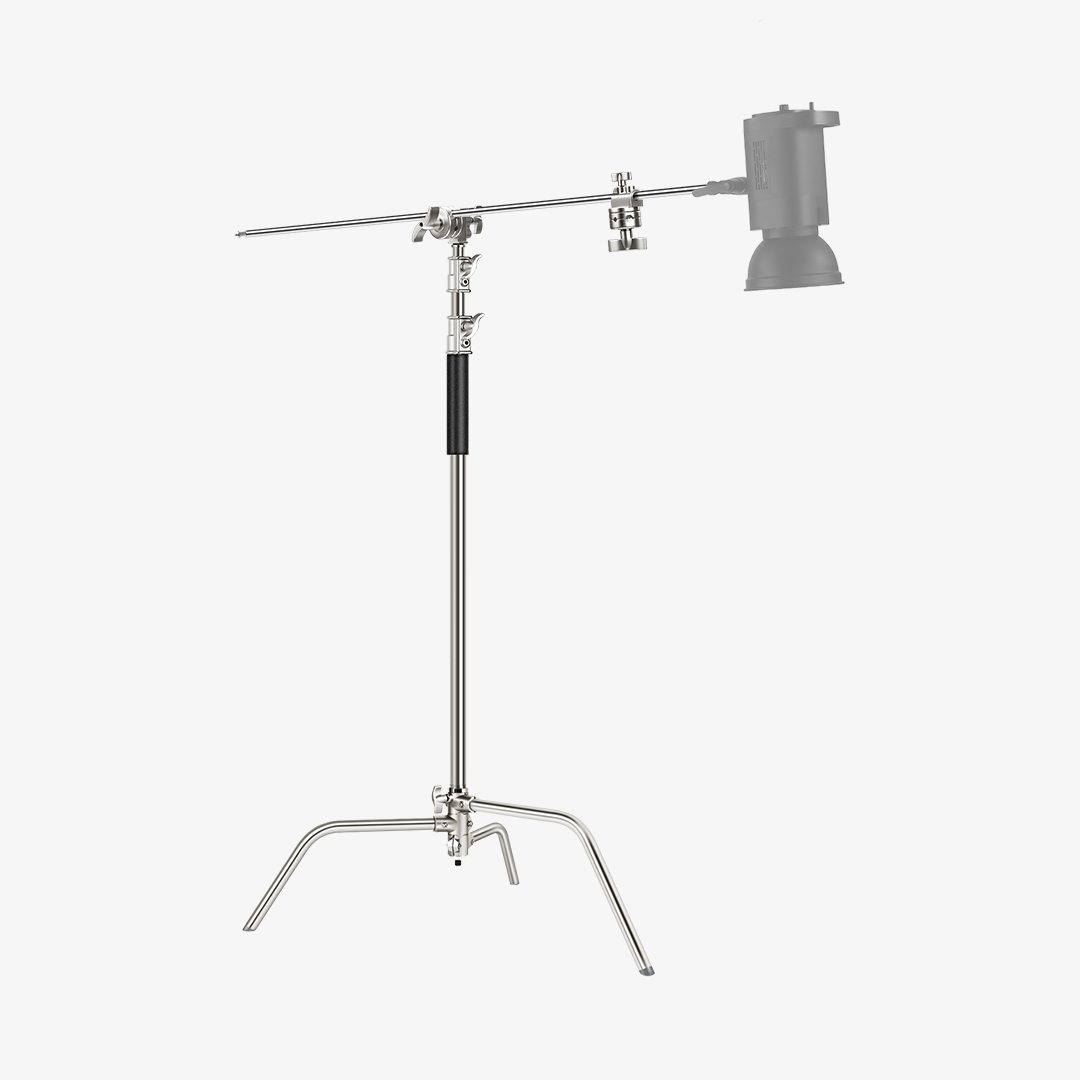
C-Stands are a common part of studio and video lighting setups, but they are also heavier and often more expensive than regular light stands. For beginners, the question is simple: Is a C-Stand really necessary?
The answer depends on the equipment, shooting setup, and level of stability and flexibility required. A C-Stand can be useful for supporting lights, flags, reflectors, negative fill, and other grip accessories, but not every setup requires one.
This guide covers when a C-Stand makes sense, how it compares with a regular light stand, and what to consider when choosing one.

Do You Really Need a C-Stand?
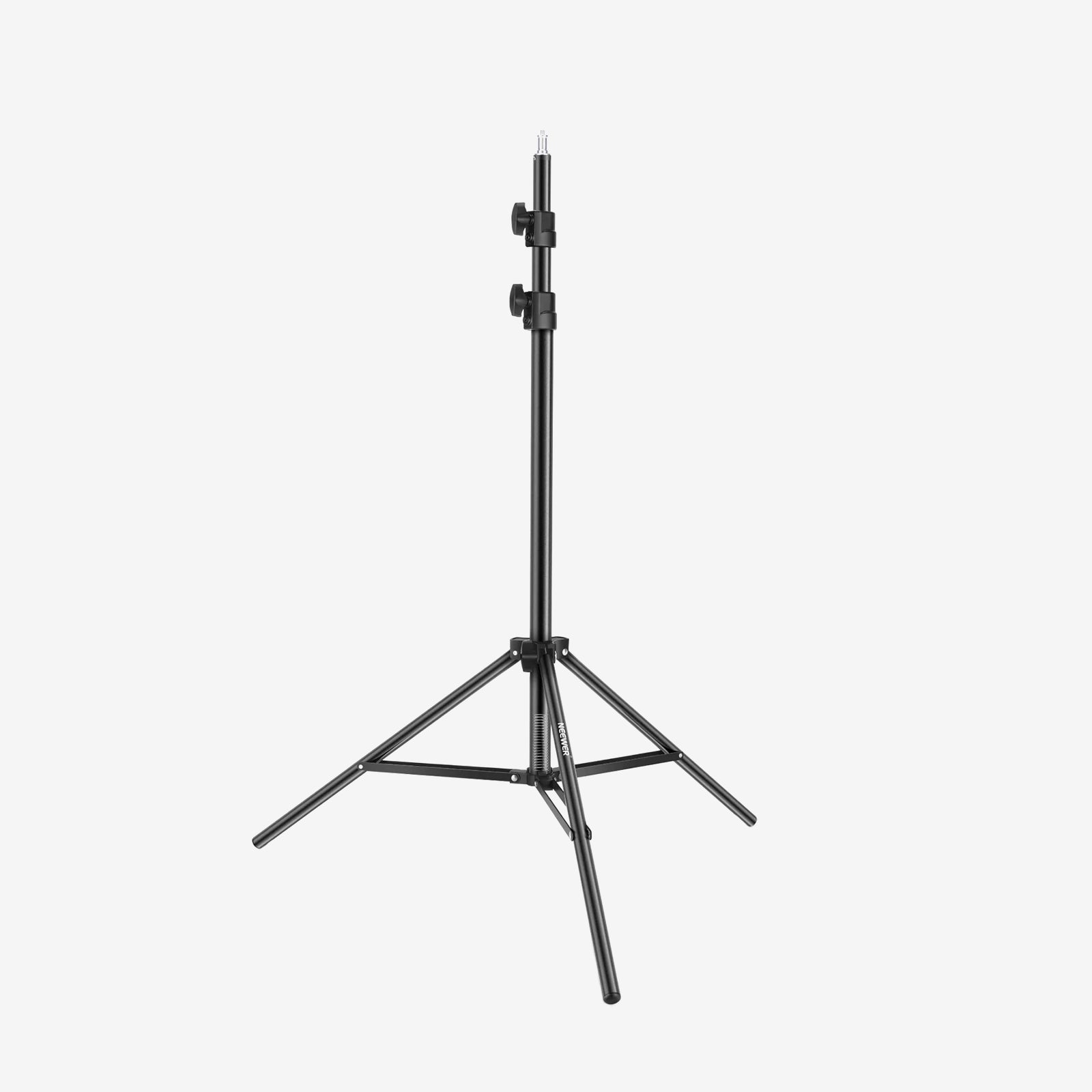
A C-Stand is not necessary for every lighting setup. For simple shoots with lightweight equipment, a regular light stand may be enough.
A C-Stand becomes more useful when a setup requires more stability, flexible positioning, or additional grip accessories.
A C-Stand may be a good choice for:
· Flags and negative fill — Useful for shaping and controlling light.
· Reflectors and diffusion — Provides stable support for modifiers.
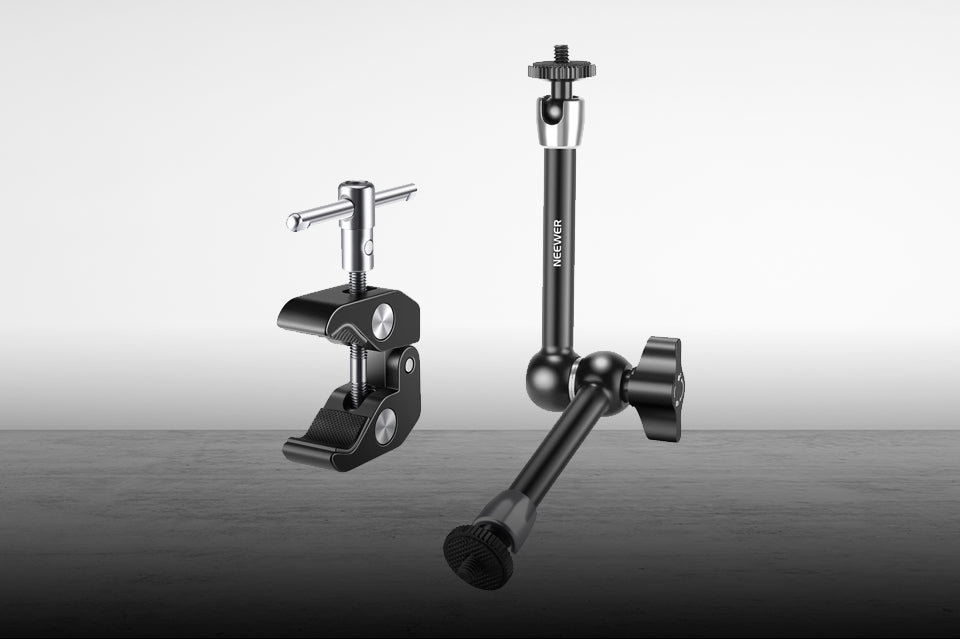
· Grip arms — Allows lights, flags, and other accessories to be positioned away from the stand.
· Heavier lighting setups — Provides support for larger lights and modifiers.
· Studio and video work — Useful when equipment needs to stay securely positioned during a shoot.
A regular light stand may be enough for:
· Lightweight LED lights or flashes
· Simple portrait or product setups
· Basic home studio lighting
· Shoots where portability is a priority
· Setups that do not require grip arms or other accessories
A C-Stand is less about having a “better” stand and more about having the right stand for the job.
C-Stand vs. Light Stand: Which One Makes Sense?
Both C-Stands and light stands can support lighting equipment, but they are designed with different priorities.
|
|
C-Stand |
Light Stand |
|
Stability |
Well suited to stable, demanding setups |
Suitable for a wide range of lighting setups |
|
Grip accessories |
Works well with grip arms and other accessories |
Typically focused on mounting lights |
|
Weight |
Typically heavier |
Usually lighter |
|
Portability |
Better suited to controlled studio setups |
Easier to transport and set up |
|
Flexibility |
Useful for flags, reflectors, arms, and other grip work |
Well suited to straightforward light placement |
|
Best for |
Studio, video, grip work, and complex setups |
Portraits, events, home studios, and simple lighting |
Choose Based on the Setup, Not Just the Price
A C-Stand is not automatically the better choice, just as a light stand is not automatically the better choice.
For a lightweight light in a simple setup, a regular light stand may provide a practical solution without adding unnecessary weight.
For setups involving flags, negative fill, grip arms, heavier modifiers, or more precise positioning, a C-Stand may offer greater stability and flexibility.
Are More Expensive C-Stands Worth It?
A higher price does not always mean a better fit. The difference often comes down to construction, stability, and additional features.
More advanced C-Stands may offer:
· Reinforced tube construction
· Larger tube diameters
· Air cushioning
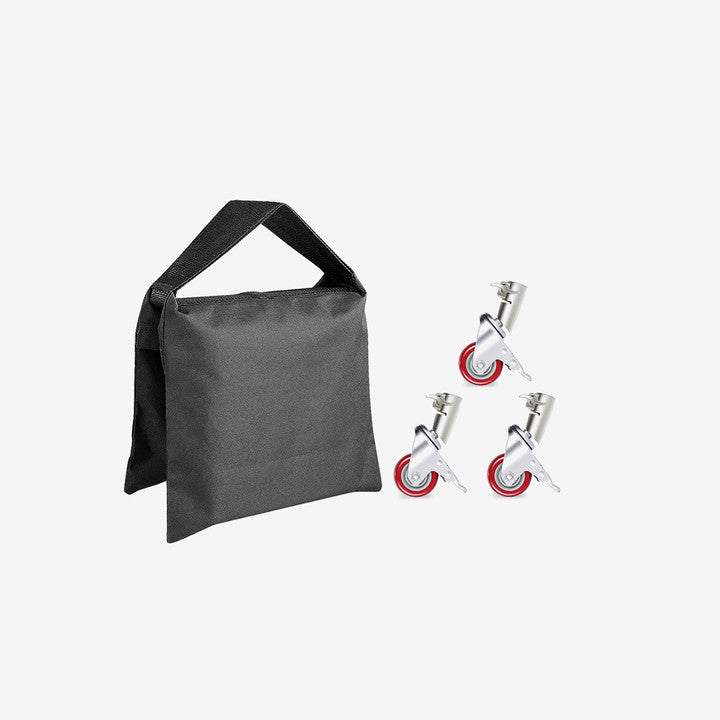
· Wheels
· Quick-release base designs
These features can be useful for heavier equipment, frequent shooting, or more demanding setups. For occasional or simple shoots, a basic model may be enough.
The best C-Stand is not necessarily the most expensive one. It is the one that provides the features and stability needed for the setup.

What Should You Look for When Choosing a C-Stand?
Once a C-Stand fits the needs of a shooting setup, several features are worth considering.
1. Tube Diameter and Thickness
Tube diameter and wall thickness can affect the overall structure and stability of a C-Stand.
For heavier or more demanding setups, consider the construction of the stand rather than looking at height or price alone.
2. Load Capacity
Consider the total weight of the equipment being supported, including the light, modifier, grip arm, and other accessories.
Always check the manufacturer’s recommended load capacity before use.
3. Base Design
The base affects stability, setup, storage, and positioning.
Consider how the C-Stand will be used and how much space is available around the setup.
4. Grip Arm Compatibility
A grip arm can extend the range of a C-Stand beyond simply supporting a light.
It can be useful for positioning:
· Flags
· Reflectors
· Negative fill
· Diffusion
· Overhead lighting
If these accessories are part of the setup, grip arm compatibility can be an important factor.
5. Air Cushioning
Air cushioning can help control the movement of the center column when adjusting the height of a loaded stand.
It can be especially useful when working with heavier equipment.
6. Wheels
Wheels can make a C-Stand easier to move around a studio.
They can be useful for setups that need to be repositioned frequently, but they are not necessary for every shooting environment.
7. Portability
A heavier C-Stand may provide a more robust setup, but it can also be harder to transport.
For location shoots, consider the balance between stability and portability.
Instead of choosing a C-Stand based on price alone, compare the features that matter most for the way the stand will be used.

Which NEEWER C-Stand Fits Your Setup?
NEEWER offers several C-Stand options designed for different shooting needs. The main differences come down to construction, mobility, height adjustment, and setup convenience.
|
Shooting Needs |
Model |
Key Feature |
|
Regular professional setups |
SC320 |
Reinforced tube construction |
|
Easier studio mobility |
SC330W |
Swivel caster wheels |
|
Smoother height adjustment |
SC320AC |
Reinforced construction + air cushioning |
|
More advanced setups |
SC320Q |
Larger tube diameter + quick-release base |
SC320 — For Professional Everyday Use
The SC320 features reinforced tube construction for added durability and stability. Its 3-section center column adjusts from 4.8 ft to 10.5 ft (146–320 cm), while the extension arm provides flexible positioning for lights and accessories.
Its foldable turtle base also allows sandbags to be added for extra stability when needed.
SC330W — For Easier Studio Mobility
The SC330W adds three swivel caster wheels to the C-Stand design, making it easier to reposition equipment around a studio.
The wheels feature a step-lock system to help keep the stand securely in place when shooting.
SC320AC — For Smoother Height Adjustment
The SC320AC combines reinforced tube construction with an air-cushioning system. The internal air cushion and spring design help control the center column when adjusting height, making it a practical choice for setups that use heavier equipment.
SC320Q — For Advanced Setups
The SC320Q features a larger-diameter reinforced center column and an upgraded quick-release turtle base. Its spring-ring locking mechanism allows the legs to be deployed quickly, while the reinforced construction supports demanding lighting setups.

How Many C-Stands Do You Need?
The number of C-Stands you need depends on the complexity of your setup.
· 1 C-Stand: Simple setups with a light, reflector, flag, or negative fill
· 2 C-Stands: Key + fill, light + flag, or other setups requiring multiple support points
· 3+ C-Stands: More complex studio or video setups with multiple lights, flags, backdrops, or accessories
For beginners, starting with one or two C-Stands and adding more as needed can be a practical approach.
FAQs
1. Do I really need a C-Stand?
Not every lighting setup requires a C-Stand. A regular light stand may be sufficient for lightweight equipment and simple setups. C-Stands become more useful when stability, grip accessories, or flexible positioning are important.
2. Are expensive C-Stands worth it?
Not necessarily. A more expensive model may offer features such as reinforced construction, air cushioning, larger tube diameters, or improved mobility. Choose based on the features and level of performance required for the setup.
3. Can a C-Stand replace a regular light stand?
A C-Stand can support many of the same types of lighting equipment, but the two are designed with different priorities. C-Stands are particularly useful for grip work and more demanding setups, while regular light stands are often lighter and easier to transport.
4. What should I look for when buying a C-Stand?
Consider tube construction, load capacity, base design, grip arm compatibility, air cushioning, mobility, and portability. The right combination depends on the equipment and shooting environment.