

Table of Contents
Smartphone telephoto cameras have made it easier to capture distant subjects, but what if you want to get even closer without relying on digital zoom? That's where an external teleconverter comes in.
NEEWER offers two options for compatible smartphones: the LS-79 2X Teleconverter and the LS-89 3X Teleconverter. Both are designed to extend the reach of your phone's built-in 5X optical telephoto camera, but they deliver different levels of magnification and offer different shooting experiences.
So, should you choose the more manageable 2X LS-79 or the higher-magnification 3X LS-89? Let's take a closer look at how they compare, and which one fits your photography needs.
What Is a Teleconverter?
A teleconverter is an optical accessory that increases a camera lens's effective focal length, allowing you to photograph distant subjects with greater magnification.
Traditional camera teleconverters are typically mounted between the camera body and a compatible lens. Smartphone teleconverters work differently: they attach in front of the phone's built-in telephoto camera to extend its optical reach.

What Does a Teleconverter Do?
A smartphone teleconverter can make a noticeable difference when photographing subjects that are too far away to capture clearly with your phone's native zoom.
Get Closer to Distant Subjects
By increasing the effective focal length, a teleconverter makes distant subjects appear larger in the frame. This is useful for wildlife, sports, concerts, and other situations where moving closer isn't practical.
Extend Optical Reach
Digital zoom enlarges an image by cropping and processing the captured frame. An external teleconverter adds optical magnification to the phone's telephoto camera instead of relying entirely on digital enlargement. This can help retain more detail when photographing distant subjects, although final image quality still depends on the phone camera, lighting, and shooting conditions.
Create a More Pronounced Telephoto Look
Higher magnification can produce a tighter composition and a more pronounced telephoto perspective. Depending on the shooting distance and the distance between your subject and the background, it may also help create more noticeable background separation.
The amount of magnification you need depends on what you photograph. That's one of the main differences between the LS-79 and LS-89.
NEEWER LS-79 vs LS-89: Key Differences
Both teleconverters are designed for smartphones with a built-in 5X optical telephoto camera, but their magnification, optical construction, and accessory compatibility differ.
|
Specification |
NEEWER LS-79 |
NEEWER LS-89 |
|
Magnification |
2X |
3X |
|
Compatible Native Camera |
5X telephoto |
5X telephoto |
|
Extended Equivalent Focal Length |
240mm |
360mm |
|
Optical Construction |
7 elements in 5 groups |
12 elements in 6 groups |
|
Lens Mount |
17mm |
17mm |
|
Handheld Use |
More manageable |
More sensitive to camera shake |
|
Tripod Use |
Helpful in certain situations |
Strongly recommended |
|
Macro Lens Compatibility |
Compatible with optional 200mm / 300mm macro lenses |
/ |
The equivalent focal lengths are based on a 5X native telephoto camera with an approximately 120mm equivalent focal length. Actual zoom behavior and compatibility may vary by smartphone model.
The biggest difference is straightforward: the LS-79 offers 2X magnification for more flexible handheld shooting, while the LS-89 offers 3X magnification for greater reach.
NEEWER LS-79: A More Flexible 2X Teleconverter

The NEEWER LS-79 2X Teleconverter doubles the reach of a compatible phone's 5X optical telephoto camera, extending it from approximately 120mm to 240mm equivalent focal length.
It's a practical option for photographers who want more reach without making their smartphone setup too difficult to handle.
More Reach for Everyday Photography
With 2X magnification, the LS-79 helps bring distant subjects closer while keeping the setup relatively manageable.
It's useful for:
- Travel photography: Capture architectural details, landmarks, and distant scenery without needing to move closer.
- Street photography: Frame candid moments and interesting details from a comfortable distance.
- Portrait photography: Get tighter compositions with a more pronounced telephoto perspective.
Compared with a 3X teleconverter, the LS-79 is less sensitive to camera shake. While a tripod can still help in low-light conditions or when precise framing is important, handheld shooting is possible in some situations.

Expand Your Options with Telephoto Macro Photography
One additional feature of the LS-79 is its compatibility with NEEWER 200mm and 300mm Macro Lenses.
These macro lenses can be attached in front of the converter to create a telephoto macro setup. This lets you photograph small subjects from a closer focusing distance while maintaining a longer working distance than a typical close-up setup.
It's a useful option for capturing flowers, insects, and other small details without having to get extremely close to your subject.
Optical Design and Compatibility
The LS-79 features 7 optical elements in 5 groups, made with HD optical glass and multi-nanocoatings. The coatings help reduce glare and distortion while resisting water, fingerprints, and scratches.
It uses a 17mm thread mount, making it compatible with phone cages, cases, and lens clips that feature a matching 17mm threaded mount.
NEEWER LS-89: More Reach with 3X Magnification

If getting as close as possible to distant subjects is your priority, the NEEWER LS-89 3X Teleconverter offers even greater magnification.
It extends a compatible 5X optical telephoto camera from approximately 120mm to 360mm equivalent focal length, giving you a tighter field of view and more reach for subjects that are far away.
Capture Distant Subjects with Greater Magnification
The LS-89 is particularly useful when you can't physically get closer to what you're photographing.
Consider using it for:
- Wildlife photography: Capture birds and animals from a distance without disturbing them.
- Sports photography: Get tighter shots of athletes and action on the field or court.
- Concert photography: Bring performers closer when you're shooting from farther back in the audience.
- Distant details: Isolate architectural features and other subjects that would otherwise occupy only a small part of the frame.
Its 3X magnification also creates a stronger telephoto look than the LS-79, with more pronounced subject magnification and potentially greater background separation depending on the shooting conditions.

Why a Tripod Matters More with the LS-89
There's a tradeoff with higher magnification: camera shake becomes much more noticeable.
Even small hand movements can shift the composition or cause blur when shooting at a longer equivalent focal length. While handheld shooting may be possible in certain conditions, a tripod is strongly recommended for more consistent results.
If you frequently photograph distant subjects or want to get the most out of the LS-89's 360mm equivalent focal length, a stable setup is especially important.
37mm Filter Thread and Optical Construction
The LS-89 features 12 optical elements in 6 groups, with HD optical glass and multilayer coatings designed to reduce glare and distortion while maintaining image clarity.
It also comes with a 37mm front filter thread, allowing you to attach compatible filters such as ND and CPL filters.
Like the LS-79, it uses a 17mm mount and can be paired with compatible NEEWER phone cages and cases for a more secure attachment.
LS-79 vs LS-89: Which One Should You Choose?
Neither teleconverter is universally better. The right choice depends on how much magnification you need and how you prefer to shoot.
Choose the NEEWER LS-79 if:
- You want a balance between extra magnification and handheld flexibility.
- You mainly shoot travel, street scenes, portraits, or everyday subjects.
- You prefer a lighter, easier-to-manage shooting setup.
- You want the option to add compatible 200mm or 300mm macro lenses for telephoto macro photography.
Choose the NEEWER LS-89 if:
- You frequently photograph wildlife, sports, concerts, or other distant subjects.
- You want more magnification and a tighter field of view.
- You prefer a stronger telephoto look.
- You're comfortable using a tripod to keep your shots stable.
- You want to use compatible 37mm filters with your telephoto setup.
In short, the LS-79 is the more flexible choice for everyday shooting, while the LS-89 is better suited to situations where maximum reach matters more than handheld convenience.

What to Know Before Using a Smartphone Teleconverter
Before choosing either model, there are a few compatibility and setup details worth checking.
Check Your Phone's Telephoto Camera
Both the LS-79 and LS-89 are designed for smartphones with a built-in 5X optical telephoto camera. They must be attached in front of the telephoto camera, not the main or ultra-wide camera.
Compatible examples include:
- iPhone 16 Pro / Pro Max
- iPhone 17 Pro / Pro Max
- iPhone 18 Pro / Pro Max
- Samsung Galaxy S25 Ultra
- Samsung Galaxy S26 Ultra
- Xiaomi 15 Ultra
- vivo X200 Ultra
Compatibility can vary by phone model and camera design, so check the product compatibility information before purchasing. For phones with less than 5X optical zoom, the LS-79 product instructions specify switching to 5X magnification before use; don't assume the same setup behavior applies to every phone.
Use a Compatible 17mm Mount
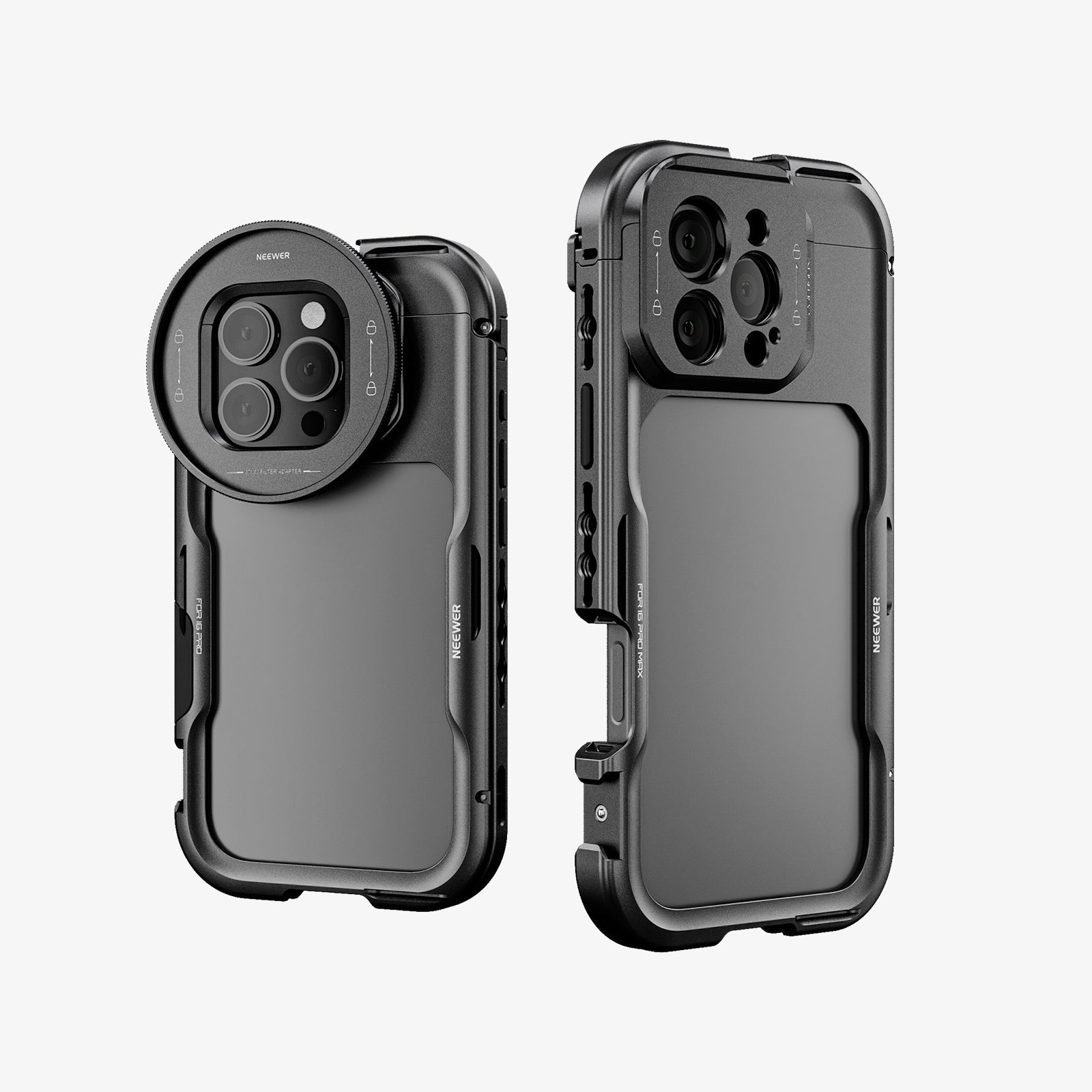
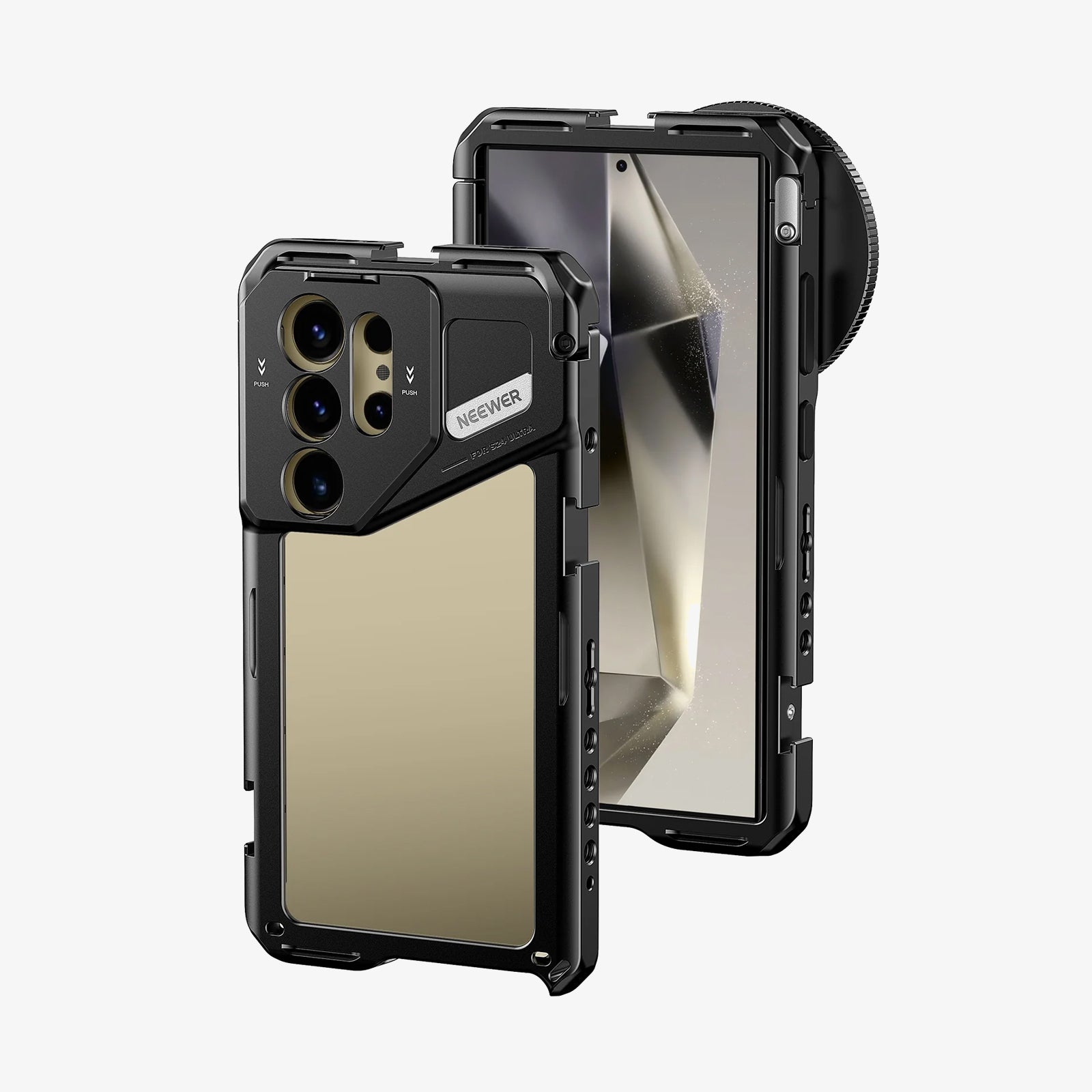
Both models use a 17mm threaded mount. You'll need a compatible phone cage, case, or lens clip with a matching 17mm mount to attach the teleconverter securely.
For a more stable setup, especially with the LS-89, pairing the lens with a compatible phone cage and tripod is a good idea.
Prevent Automatic Camera Switching on iPhone
Some iPhones may automatically switch between camera lenses during shooting, which can interfere with the teleconverter setup.
For the LS-79 and LS-89, use the included stickers to cover the other phone lenses as instructed. For the LS-89, also disable Macro Control when following the recommended iPhone setup instructions. This helps keep the phone using the intended telephoto camera.
Keep Your Setup Stable
The higher the magnification, the more noticeable camera shake becomes.
The LS-79 is more manageable for handheld use, but a tripod can still improve consistency. For the LS-89, using a tripod is strongly recommended, particularly when shooting at its full magnification or in low-light conditions.
FAQs
Can I Use a Teleconverter with Any Smartphone?
No. The NEEWER LS-79 and LS-89 are designed for smartphones with a built-in 5X optical telephoto camera. They also require a compatible 17mm mounting system. Always check the supported phone models and setup requirements before purchasing.
What's the Difference Between a 2X and 3X Teleconverter?
A 2X teleconverter doubles the effective focal length of the original telephoto camera, while a 3X teleconverter triples it.
With a compatible 5X (approximately 120mm equivalent) phone camera, the LS-79 extends the focal length to approximately 240mm, while the LS-89 extends it to approximately 360mm. The LS-79 is generally easier to handle handheld, while the LS-89 provides more reach but is more sensitive to camera shake.
Do I Need a Tripod for the LS-79 or LS-89?
A tripod isn't always necessary for the LS-79, although it can help in low light or when you need precise framing.
For the LS-89, a tripod is strongly recommended because its higher magnification makes even small movements more noticeable.
Can I Use Filters with the LS-79 and LS-89?
The LS-89 features a 37mm front filter thread, allowing you to attach compatible 37mm ND, CPL, and other filters.
The LS-79's product specifications do not list a front filter thread, so check its accessory compatibility before purchasing filters.
Can I Use a Smartphone Teleconverter for Macro Photography?
The LS-79 supports NEEWER's optional 200mm and 300mm Macro Lenses, which can be attached in front of the converter for telephoto macro photography.
This combination is useful for capturing small subjects such as flowers and insects while maintaining a longer working distance. For the LS-89, macro lens compatibility has not been specified.