

Bi-Color Panel Lights


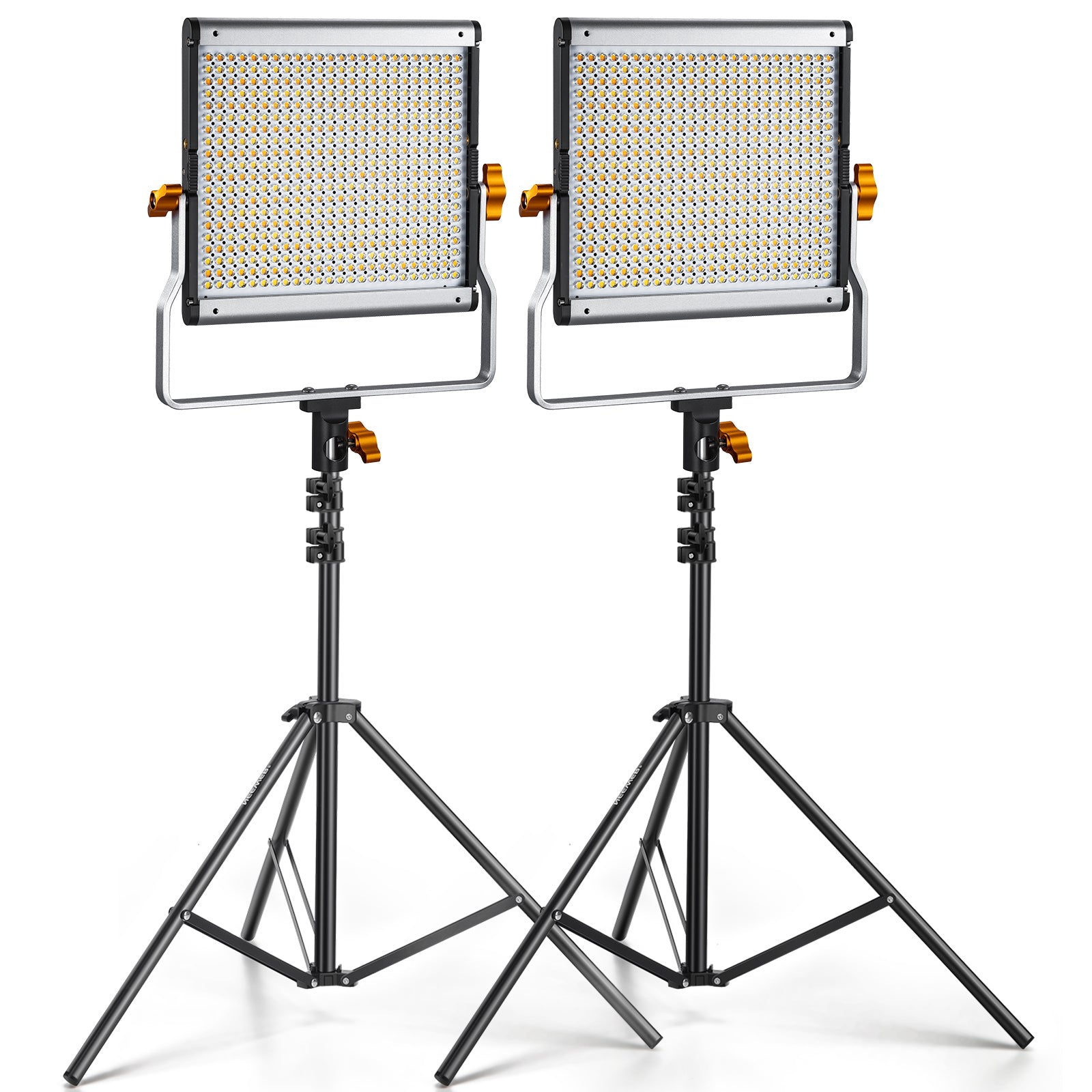


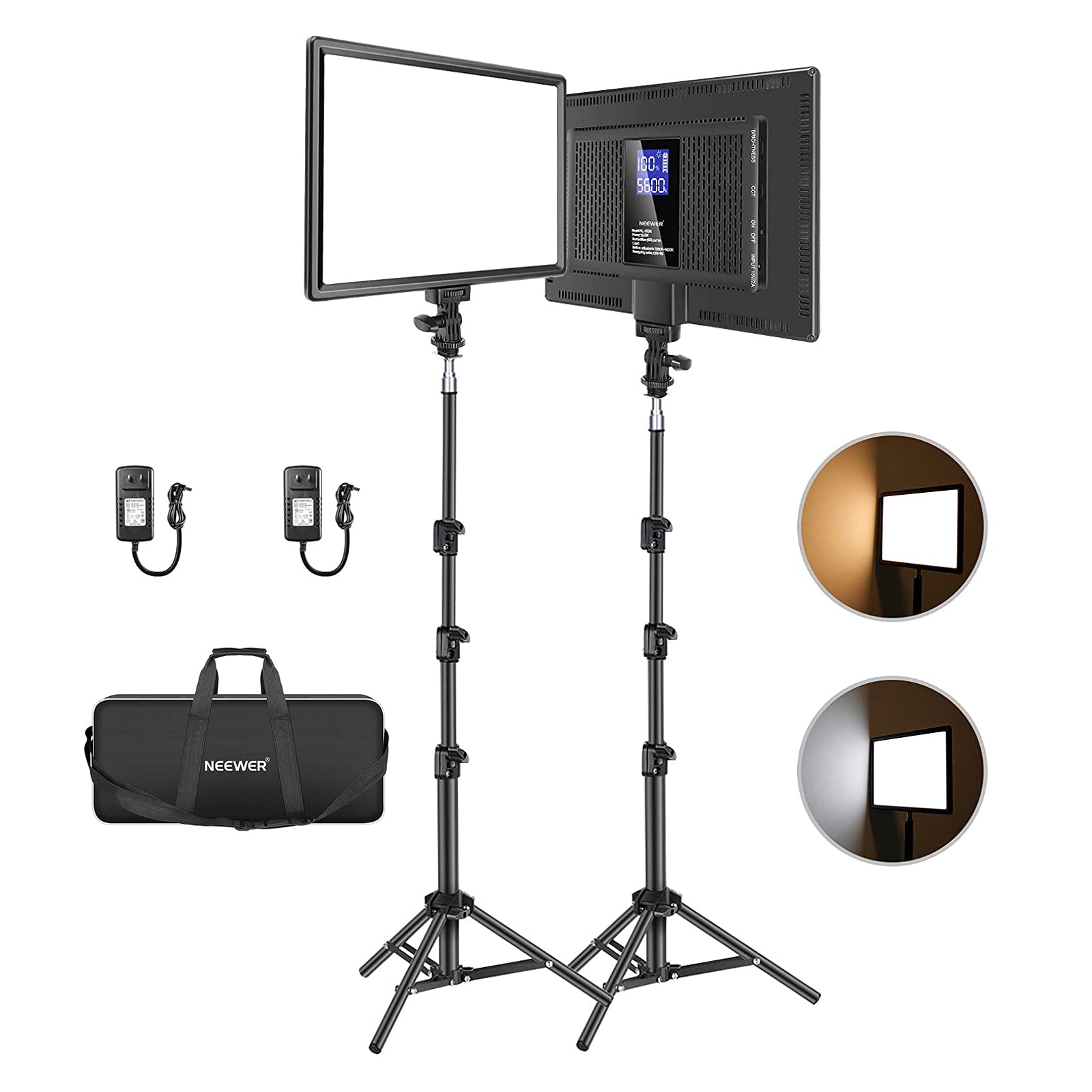

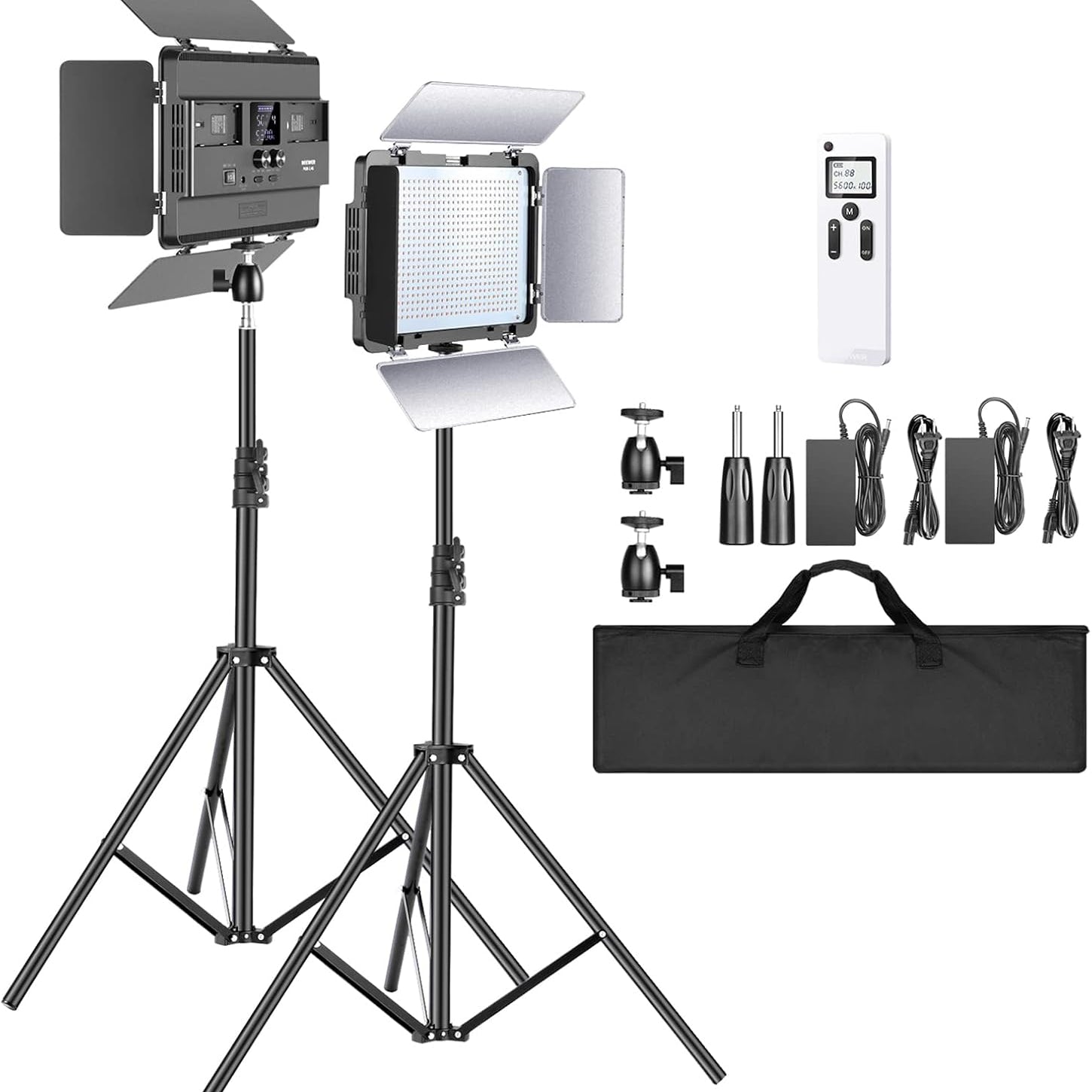

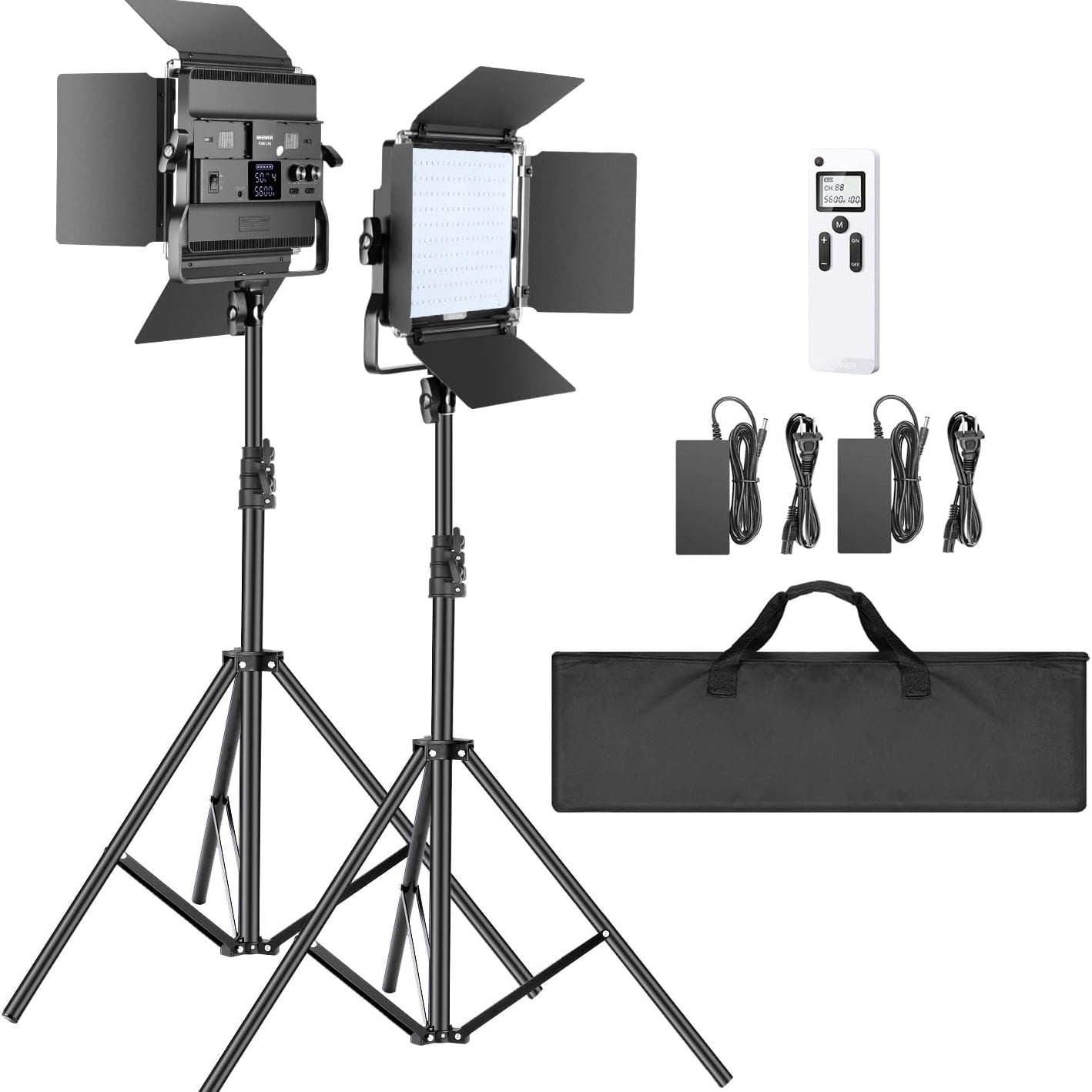

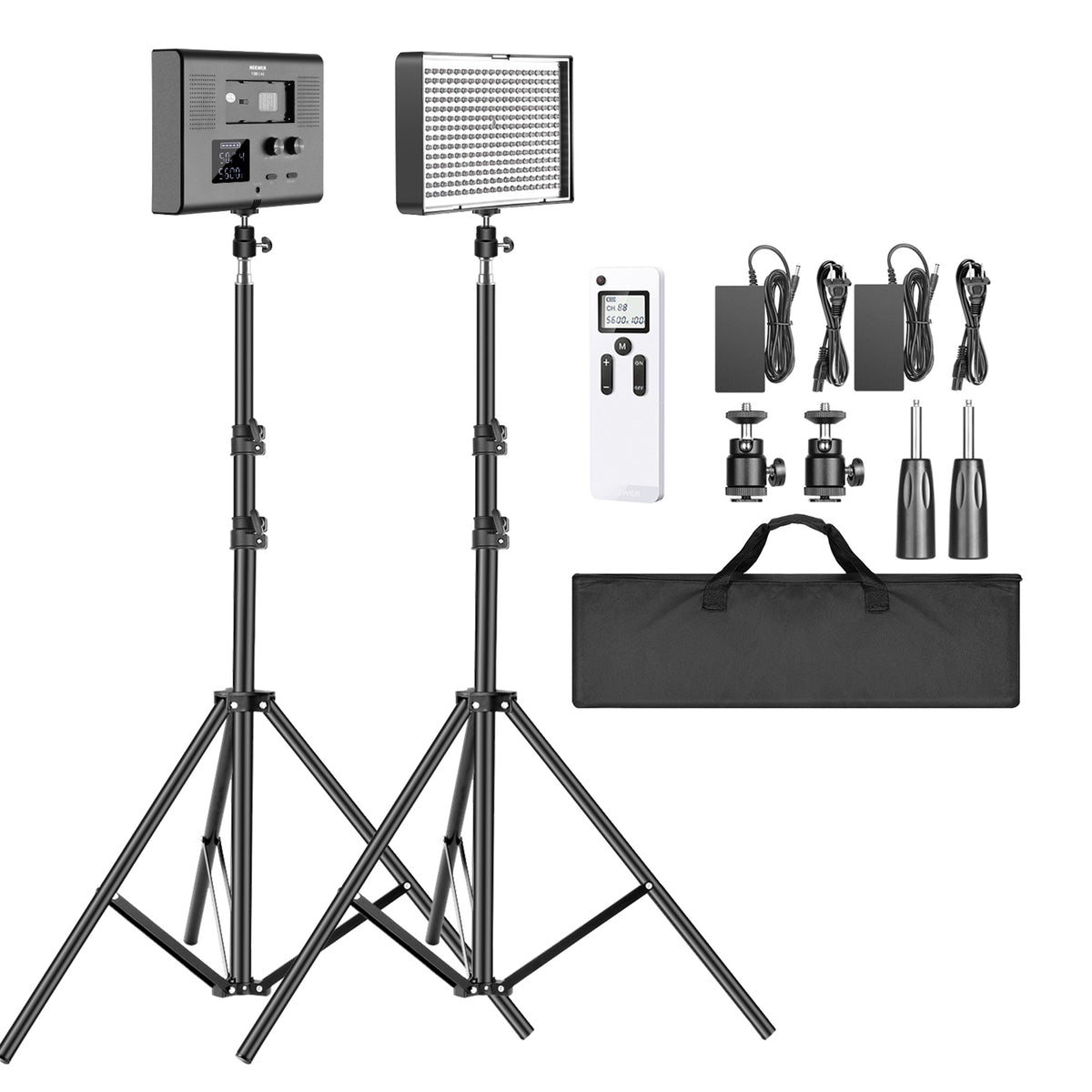
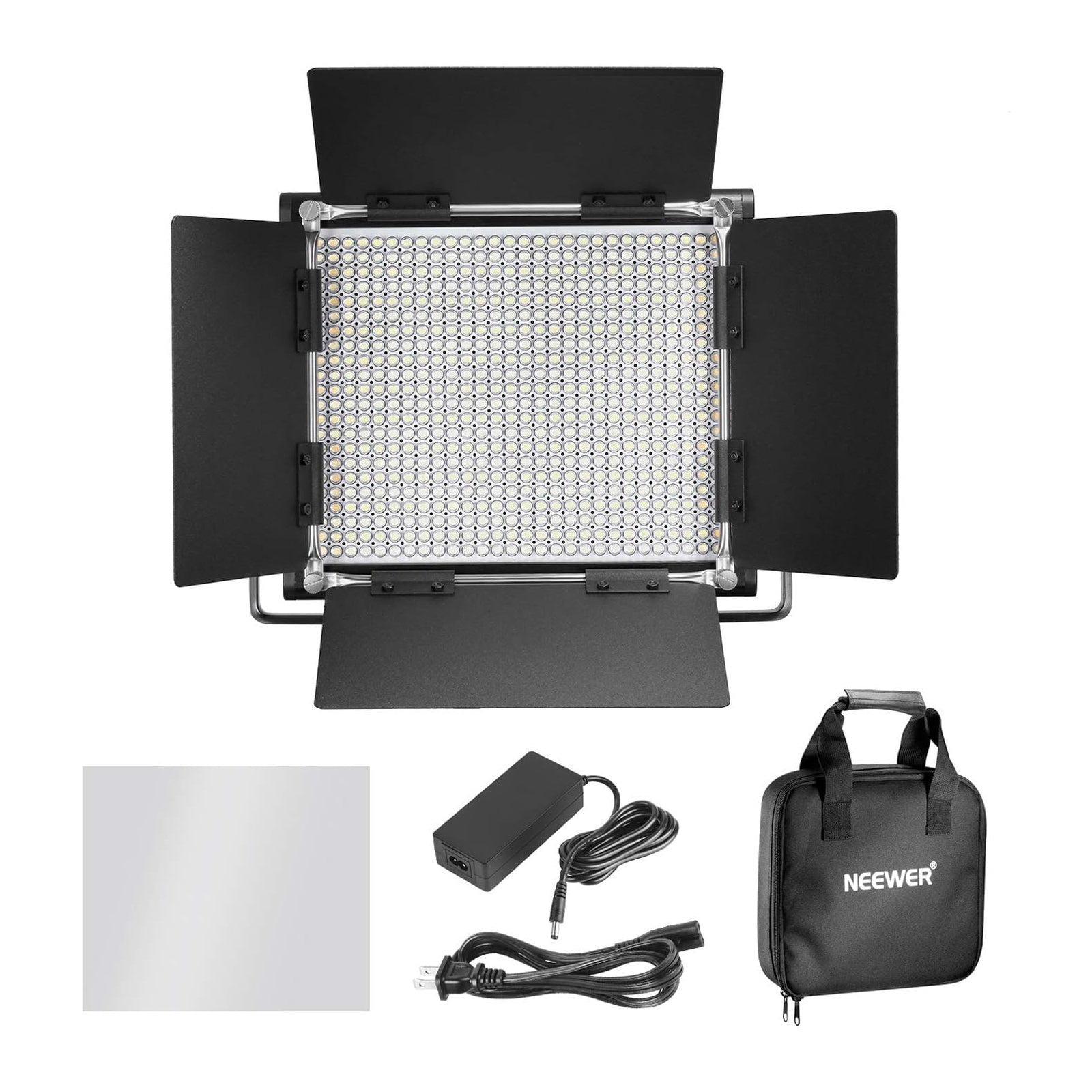
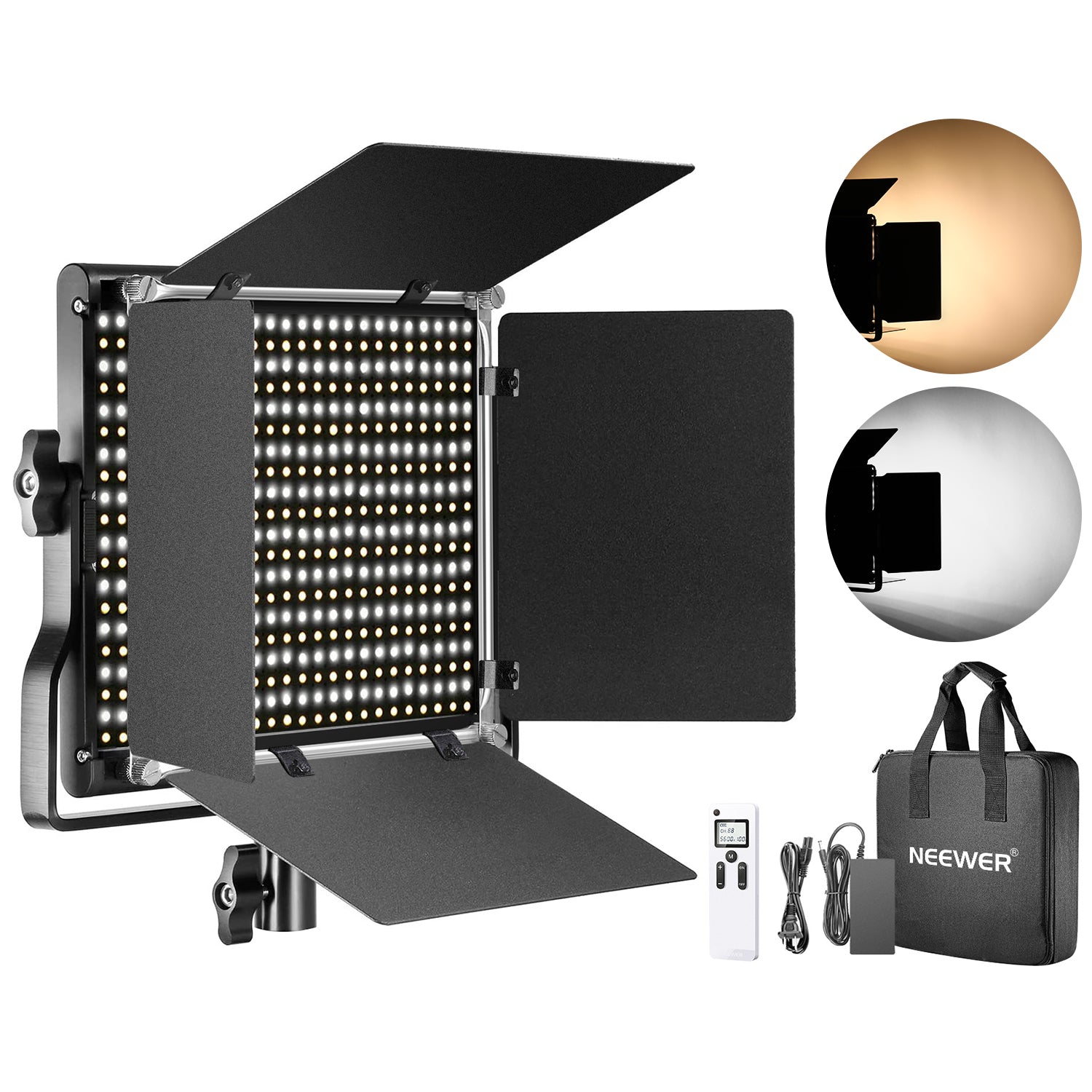
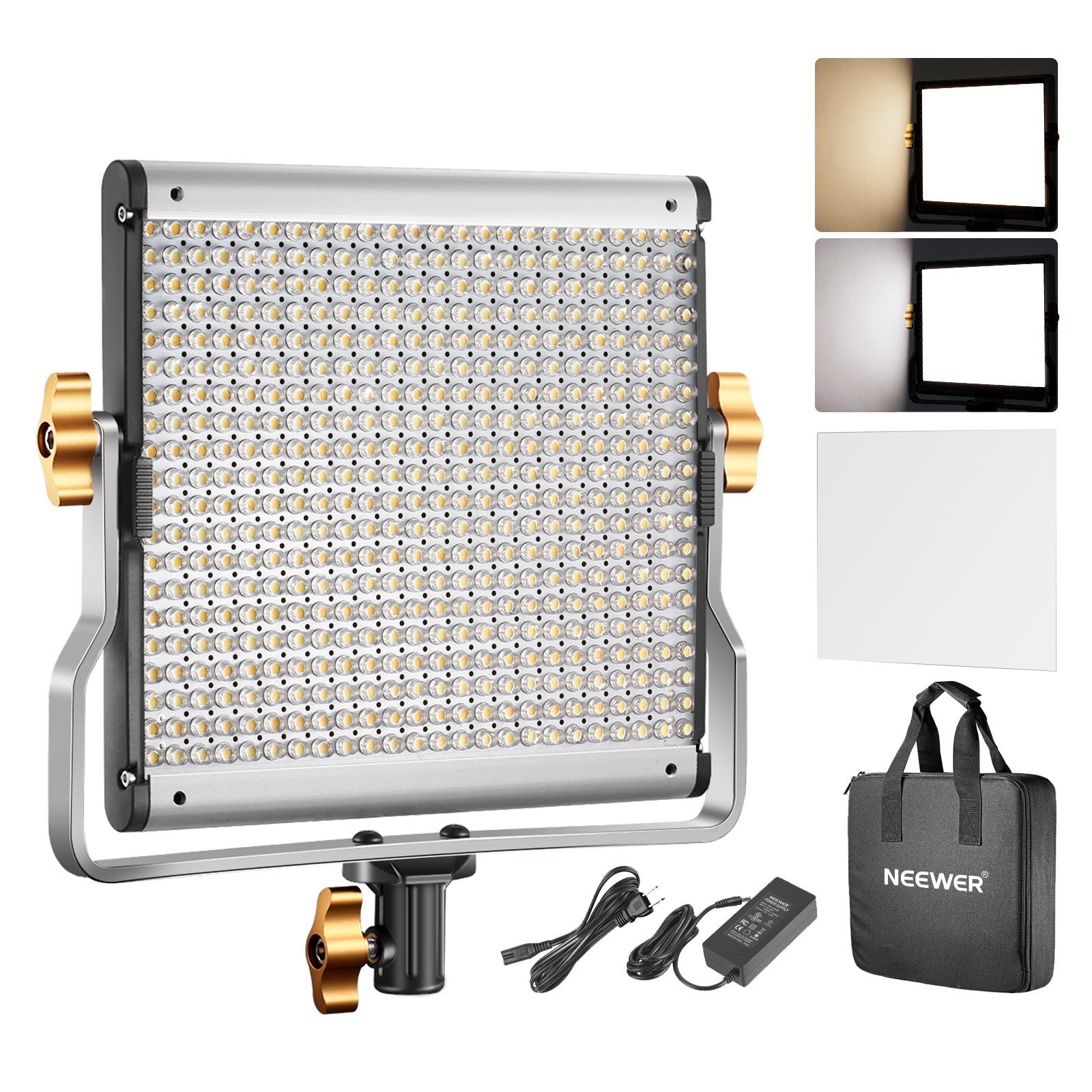
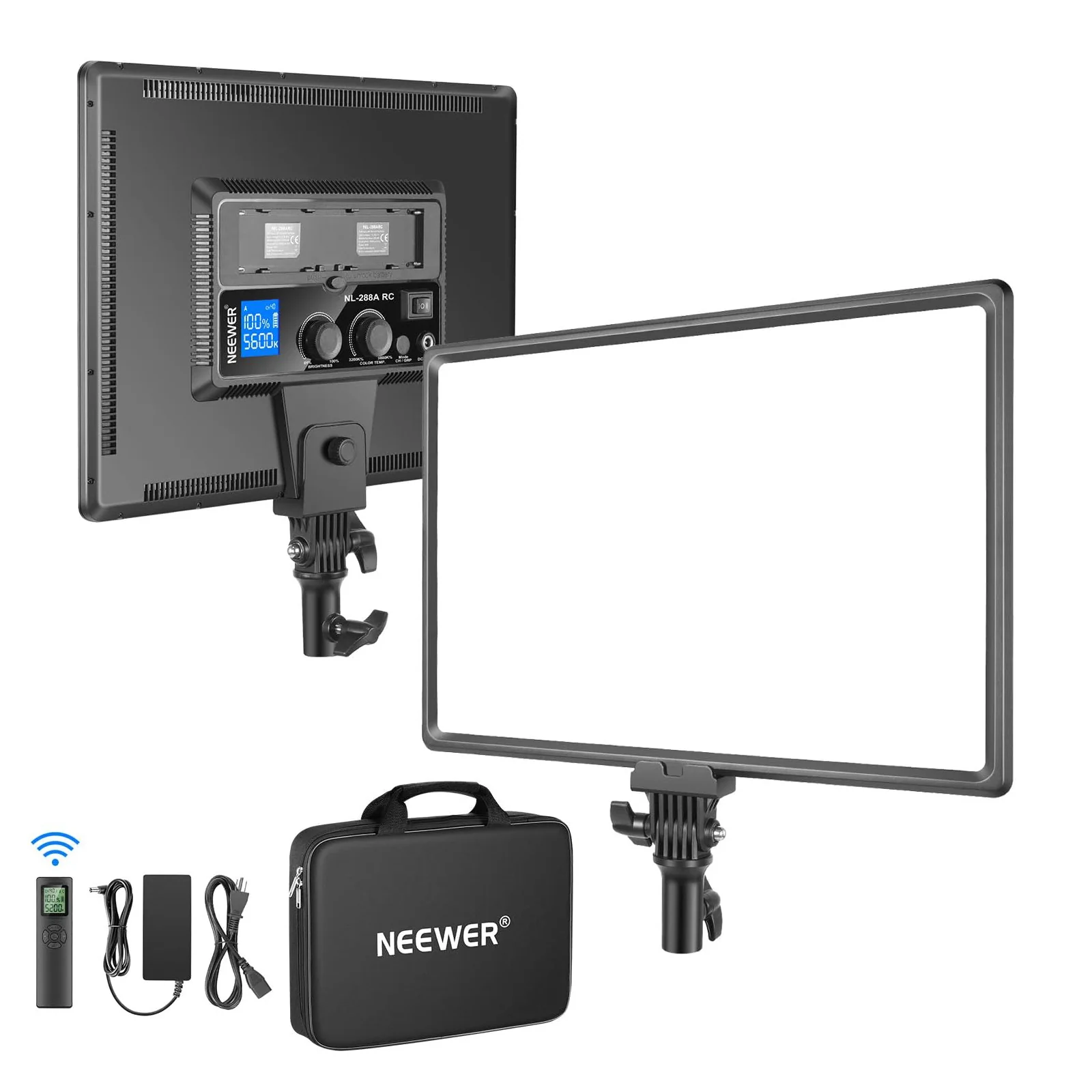
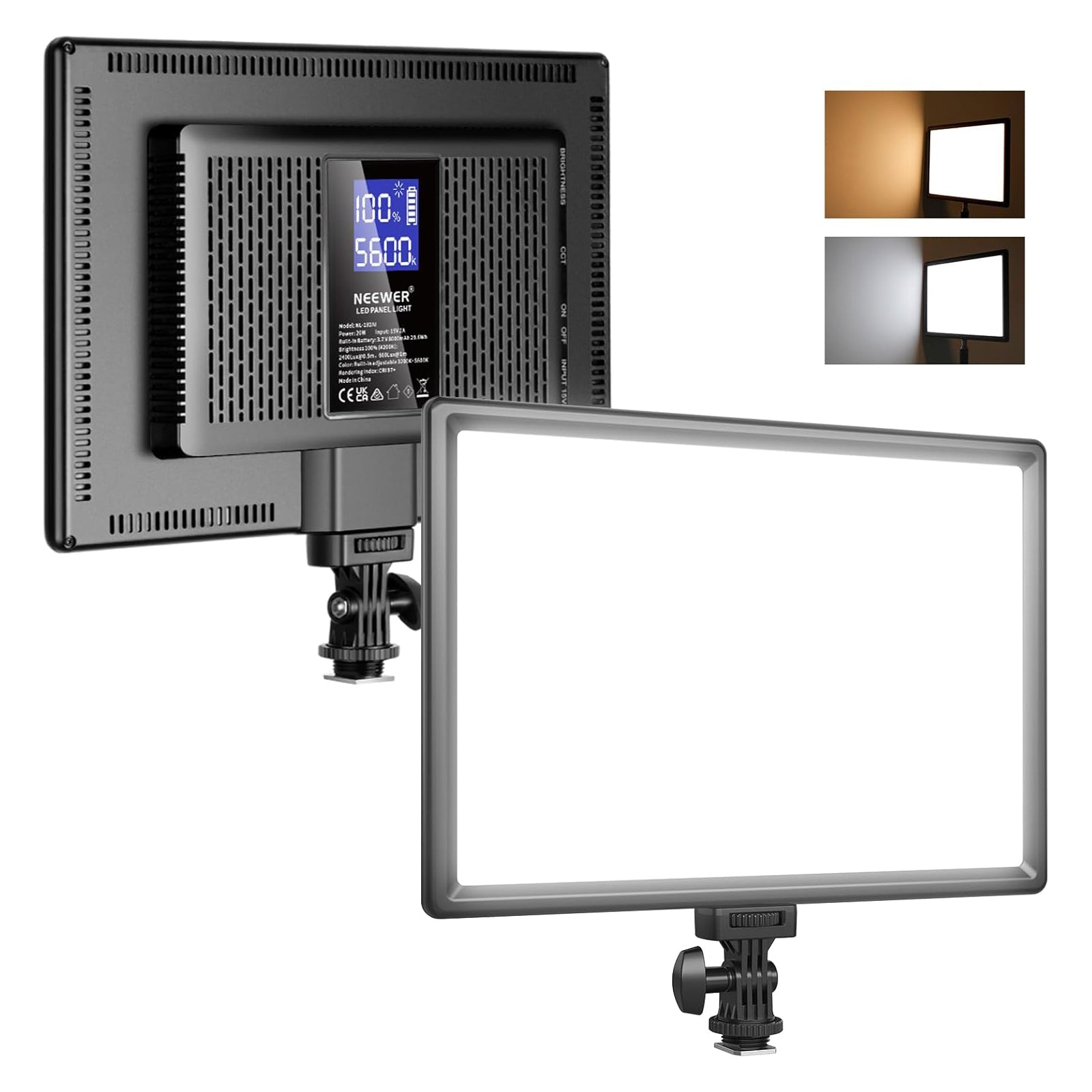
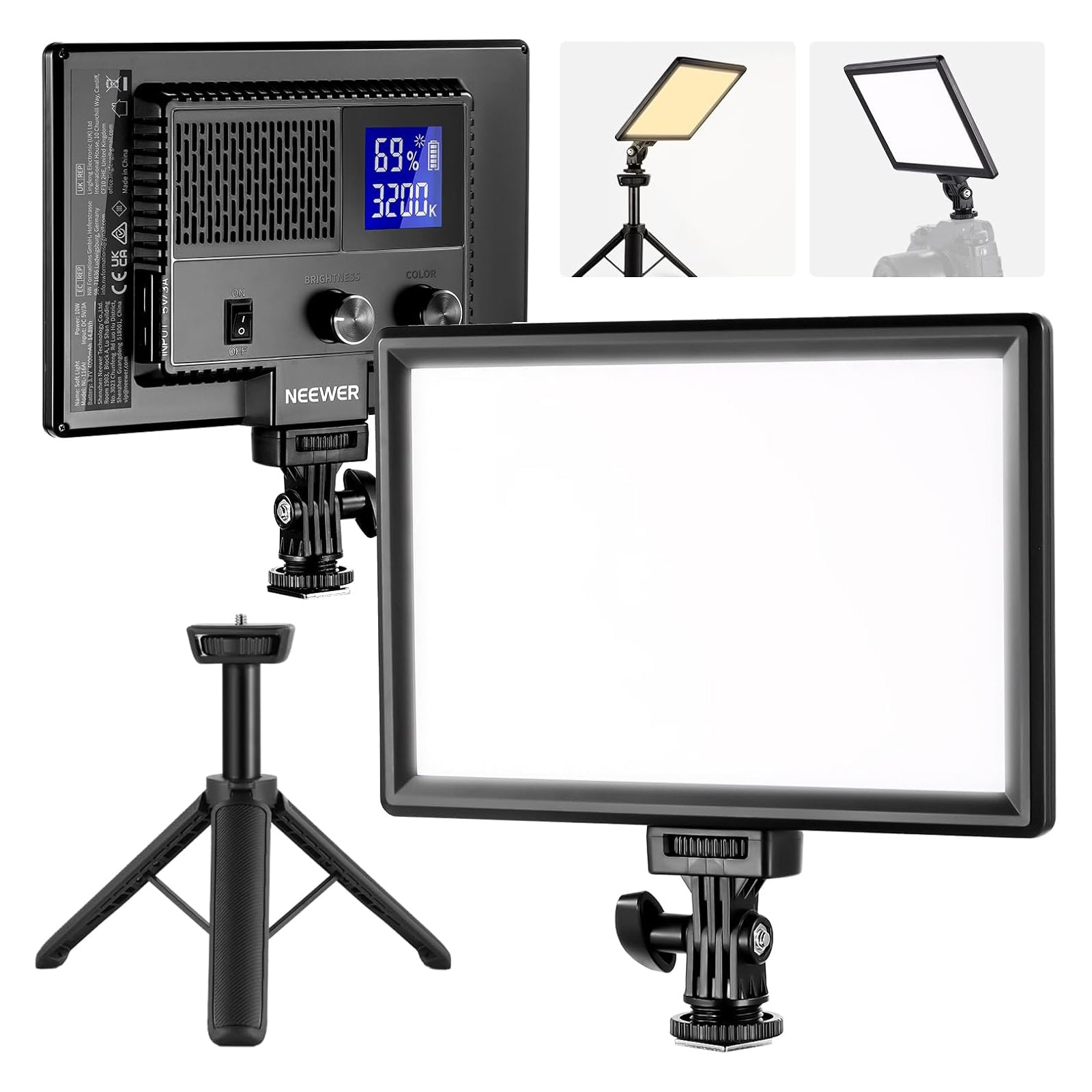


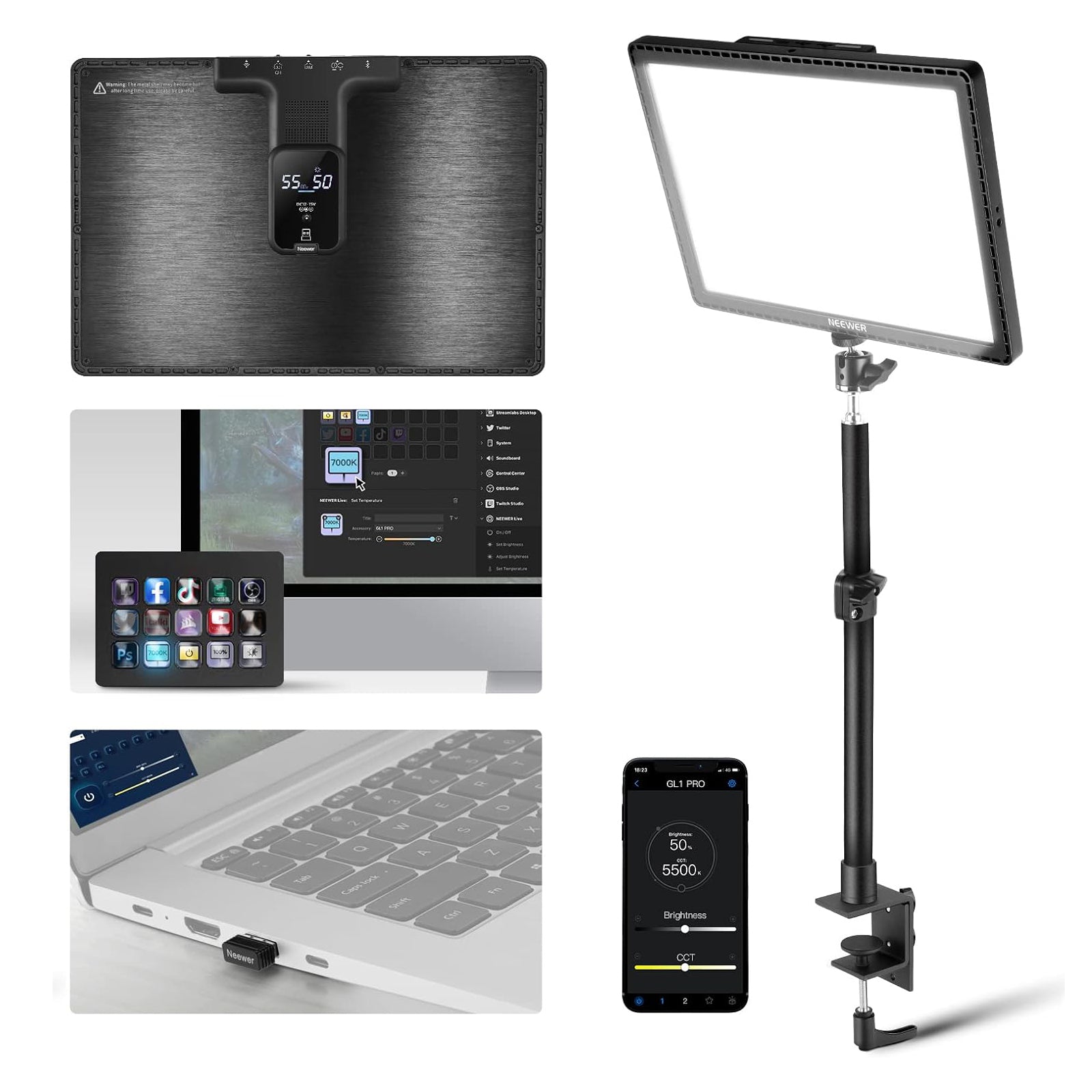
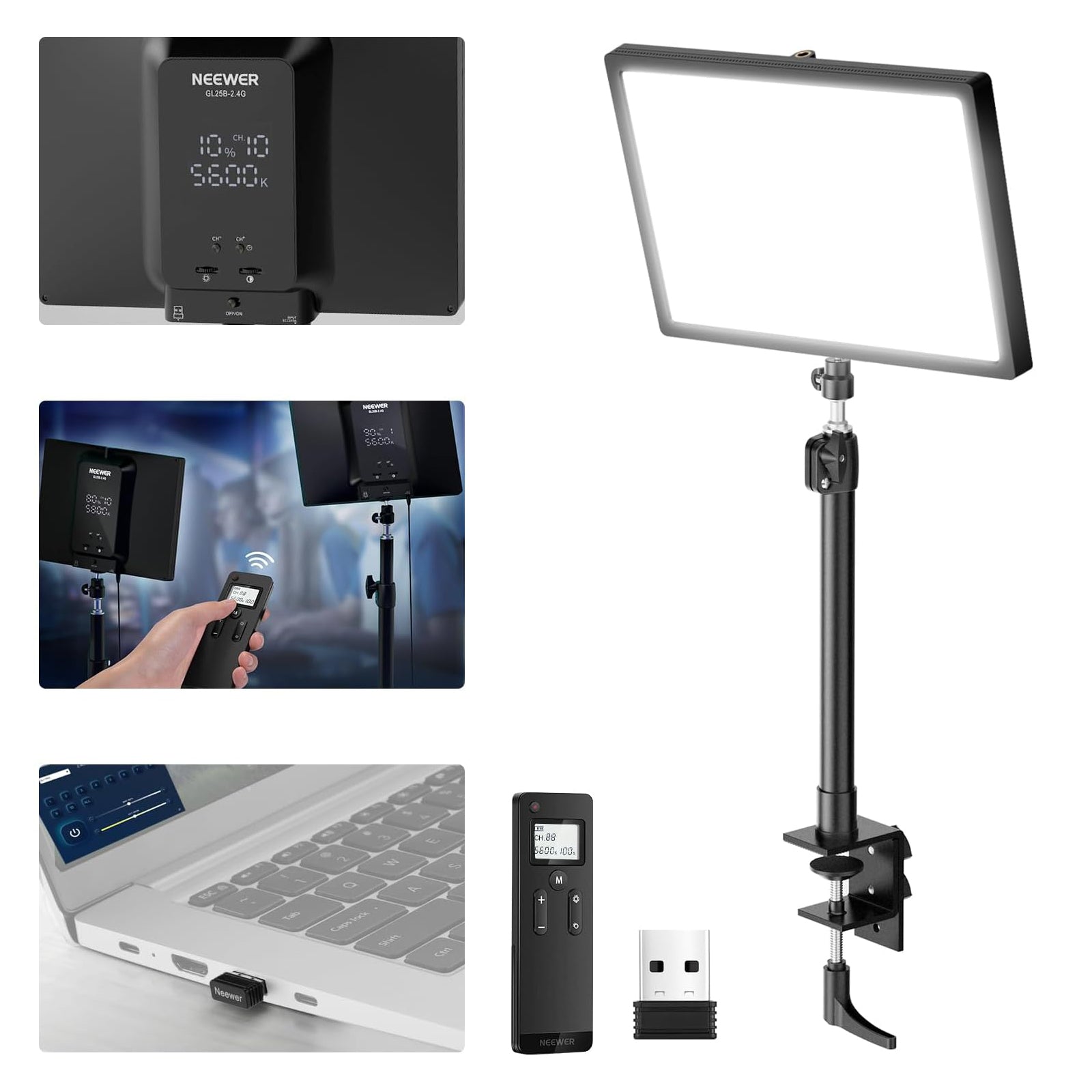


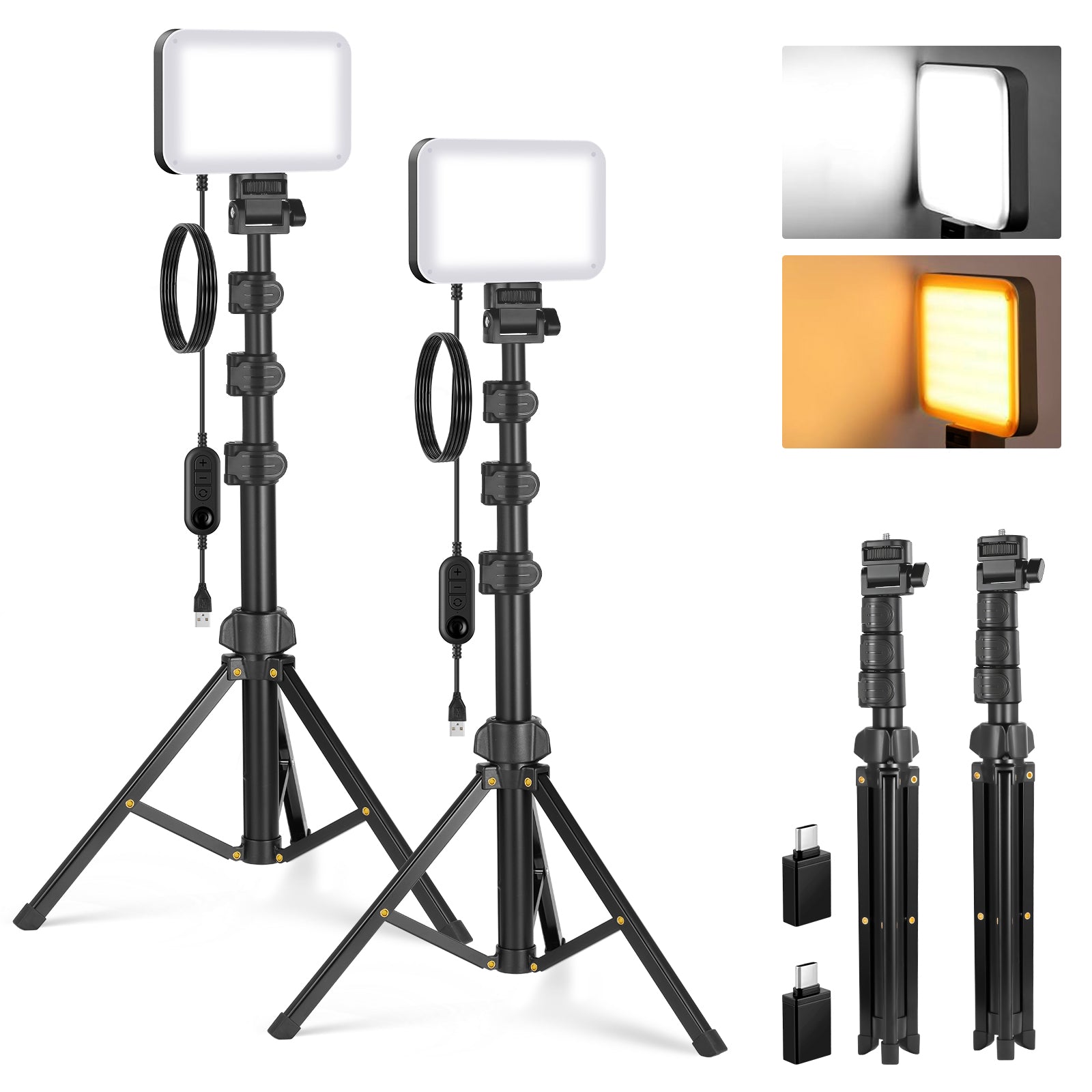


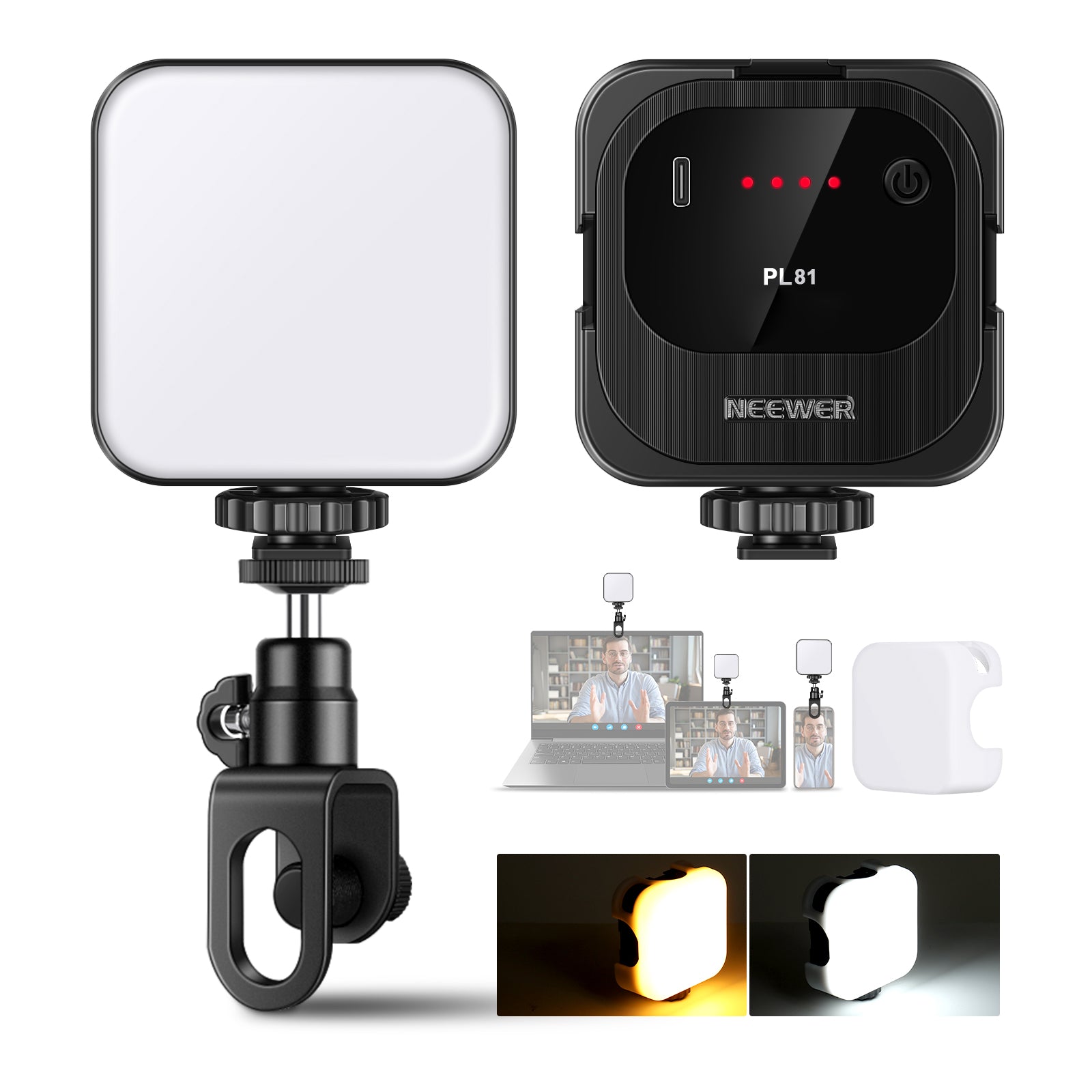
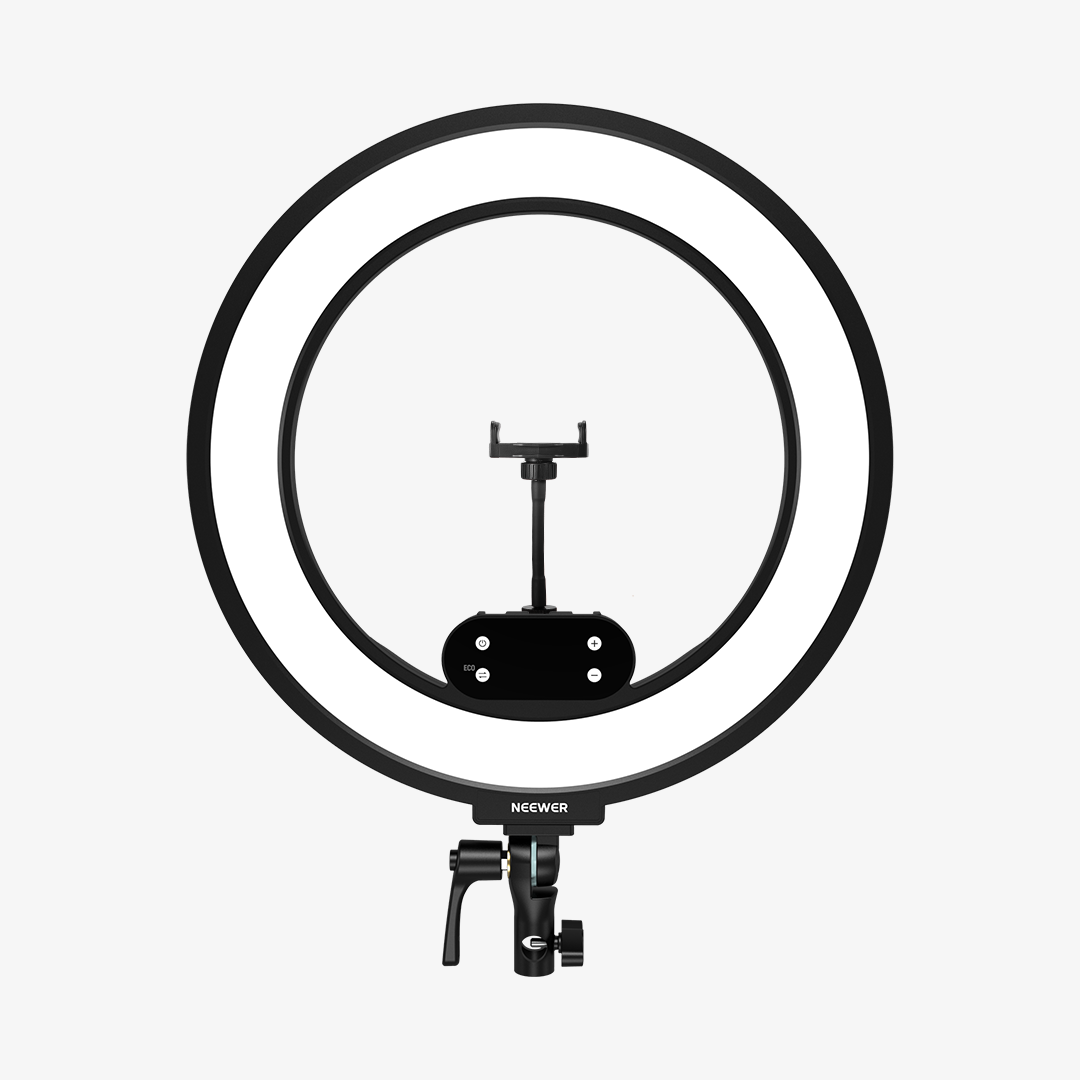
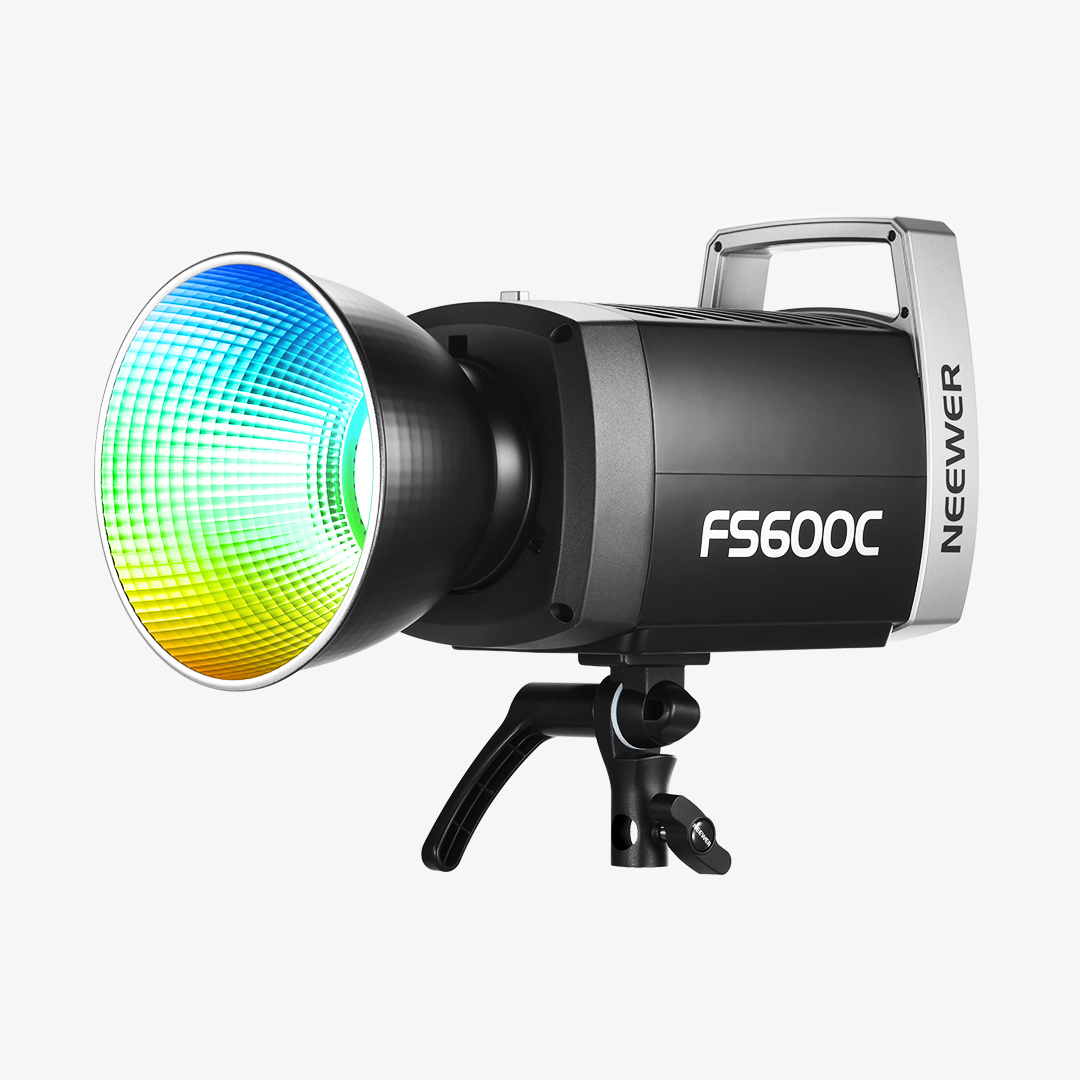
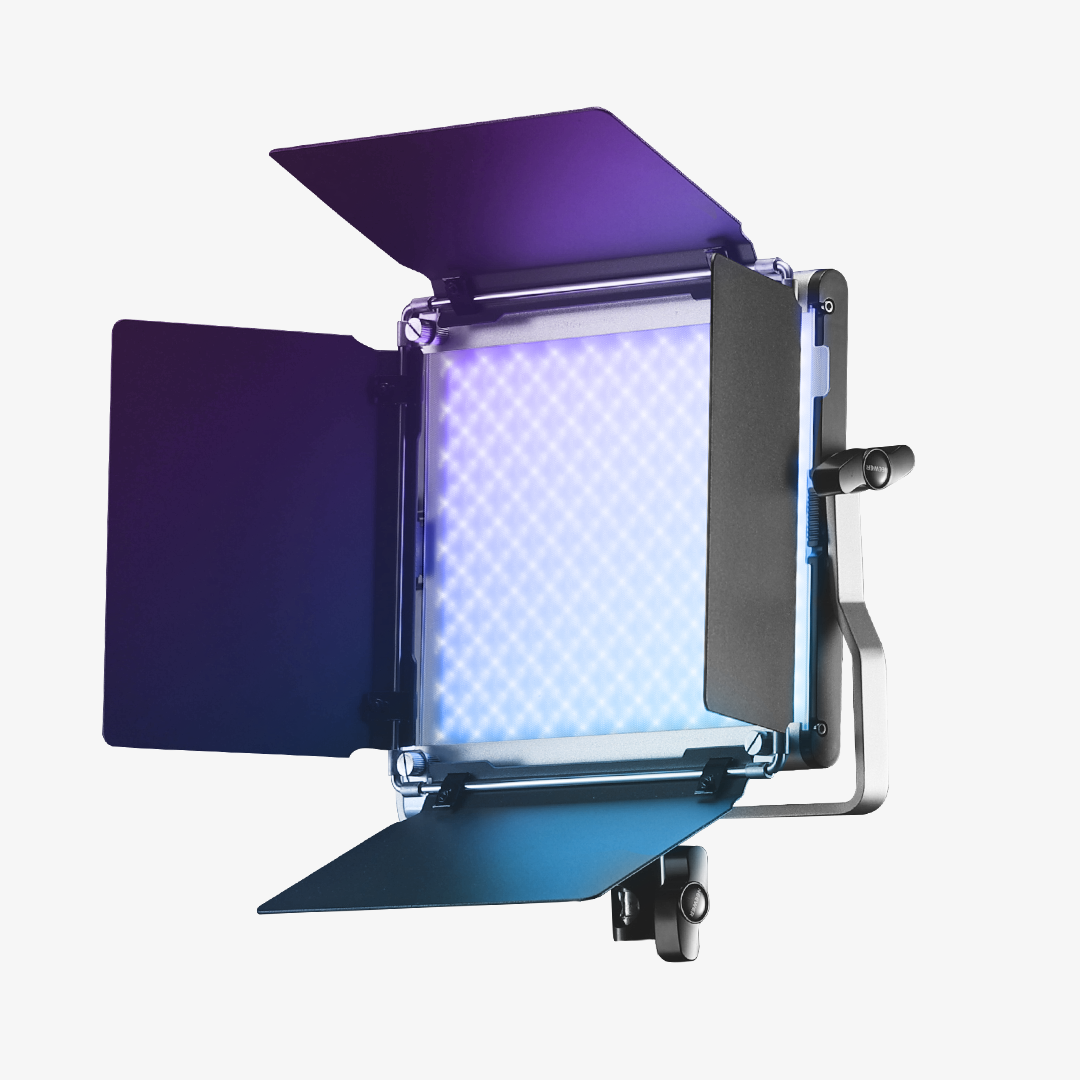
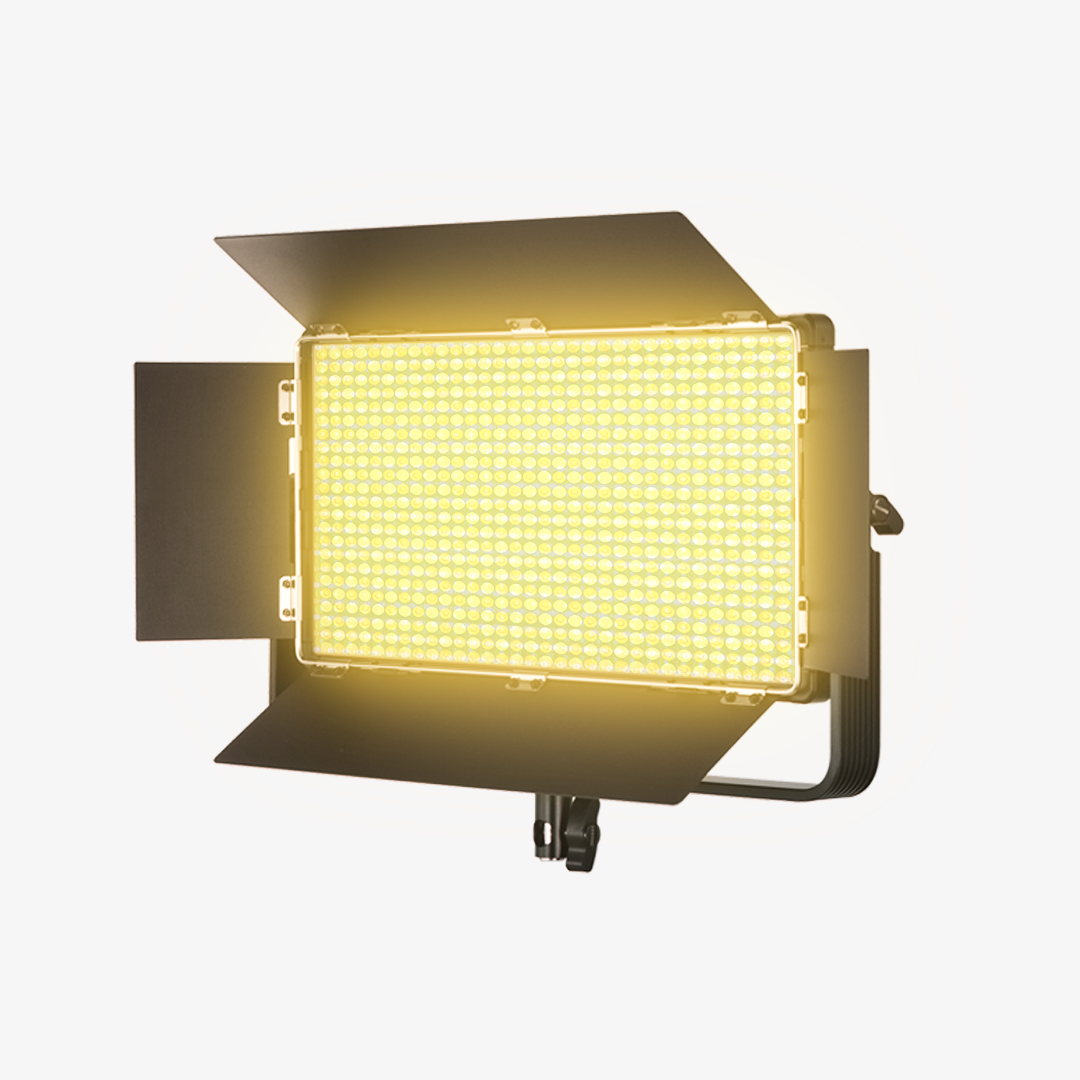
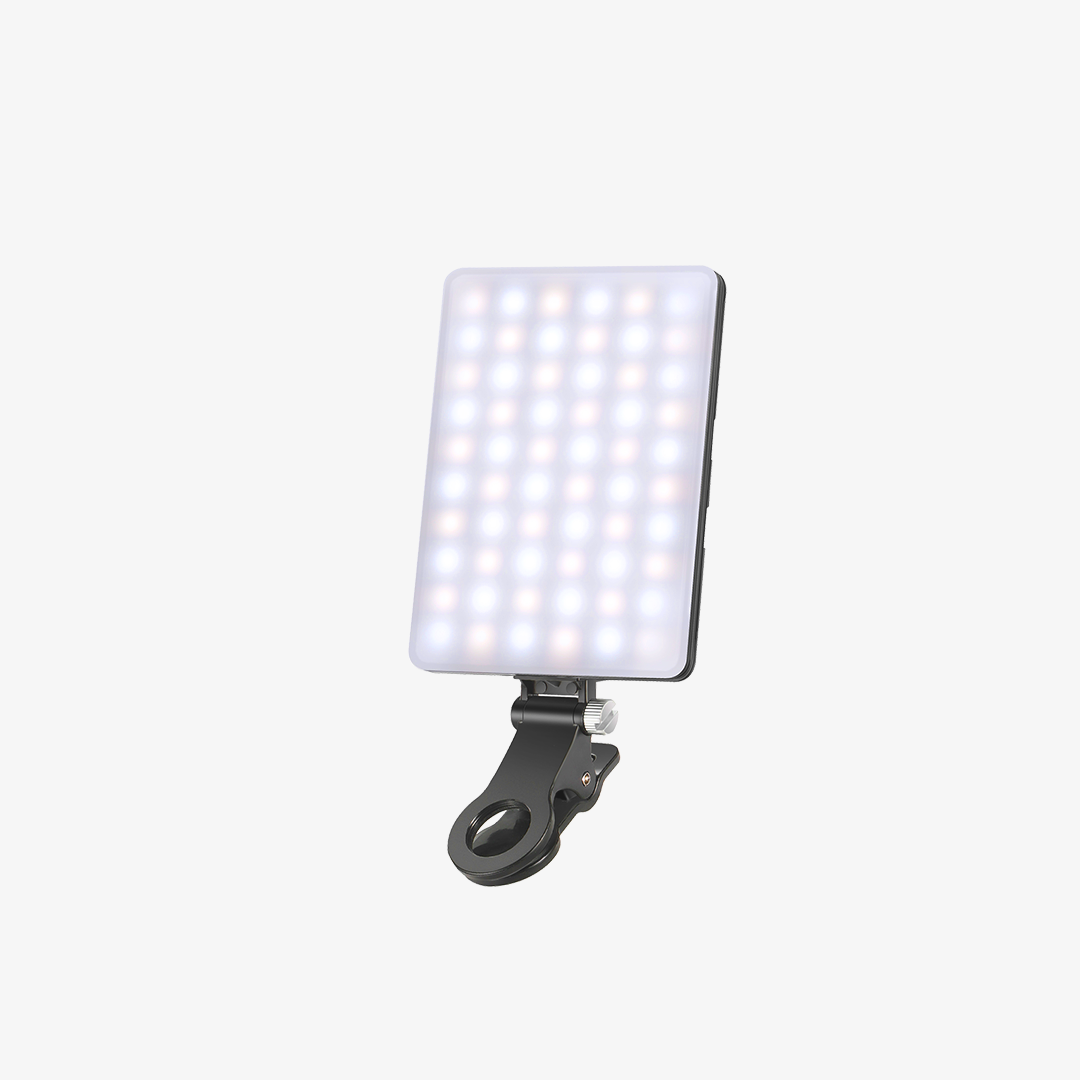
NEEWER LED Panel Lights provide bright, continuous, and bi-color illumination, making them perfect for portraits, product photography, YouTube vlogs, video gaming, and online meetings. Our collection features a variety of LED panel lights, including camera lights, video lights, and more. These professional LED panel lights are designed to elevate your photography and deliver outstanding results.
FAQ
What Are Bi-Color LED Lights?
Bi-Color LED lights are professional lighting tools that allow photographers and videographers to adjust the color temperature of the light between two preset ranges—typically from 3200K (tungsten, warm) to 5600K (daylight, cool). They allow you to blend them for precise control over the warmth or coolness of the light. This feature is handy when shooting in mixed-lighting environments or when you want to create a specific mood or match ambient light. Bi-Color LEDs eliminate the need for external gels and make on-the-fly adjustments simple and efficient, making them a versatile and time-saving option for studio and location work.
Bi-Color vs. Daylight LED: Which Is Better?
If you need flexibility and often shoot in different lighting conditions (for example, switching between indoor tungsten lights and outdoor daylight), then Bi-Color LEDs are better. They let you quickly adjust the color temperature without using gels, which saves time and gives you more creative control.
However, if you're working in a controlled studio environment where lighting stays the same, or if you need the maximum light output, then Daylight LEDs are better. They're usually brighter at the same power rating, simpler to operate, and often more affordable.
Do You Really Need a Bi-Color LED Light?
Bi-Color LED Lights are not essential. Their value depends entirely on your shooting style, environment, and workflow. Bi-color LED lights may prove particularly helpful if your work frequently shifts between various lighting conditions or on-location shooting with no control of ambient light, giving quick control over color temperature that saves both filming time and post-processing work for more natural-looking results.
Do You Always Need to Use a Diffuser With Your Bi-Color LED Light?
A diffuser is not always necessary when using Bi-Color LED Lights. Its usage will depend on your desired effect and shooting environment. Bi-color LED lights usually emit very strong, direct lighting with strong shadows and high contrast. Using a diffuser softens this harsh shadowing and creates more even lighting, especially good for portraits or interviews. On the other hand, using no diffuser may give clear, dramatic lighting with well-defined shadows for art or product photography, there are advantages to not using one! Sometimes harder light can add texture and depth to a subject.
Can You Power Your Bi-Color LED Light With Batteries?
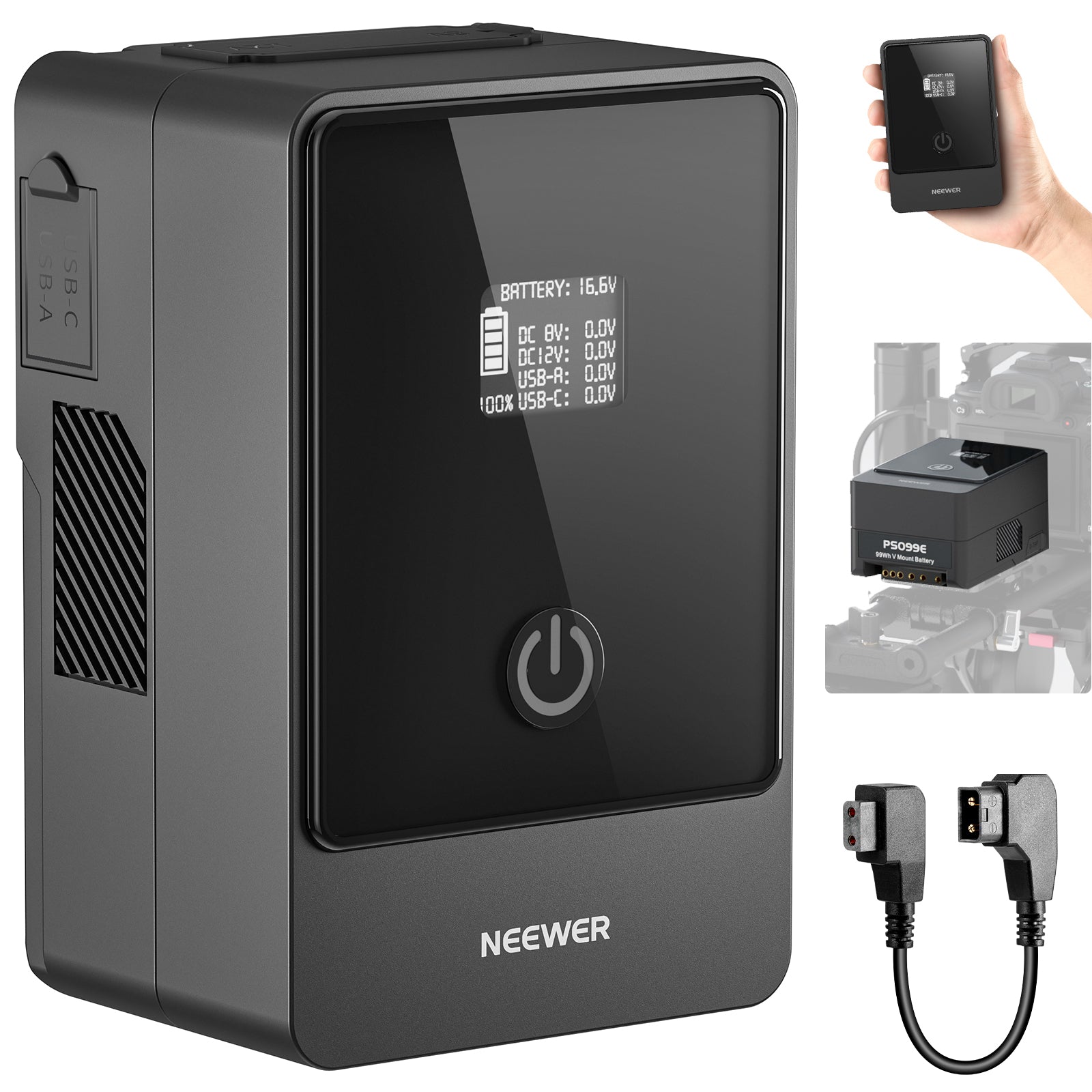
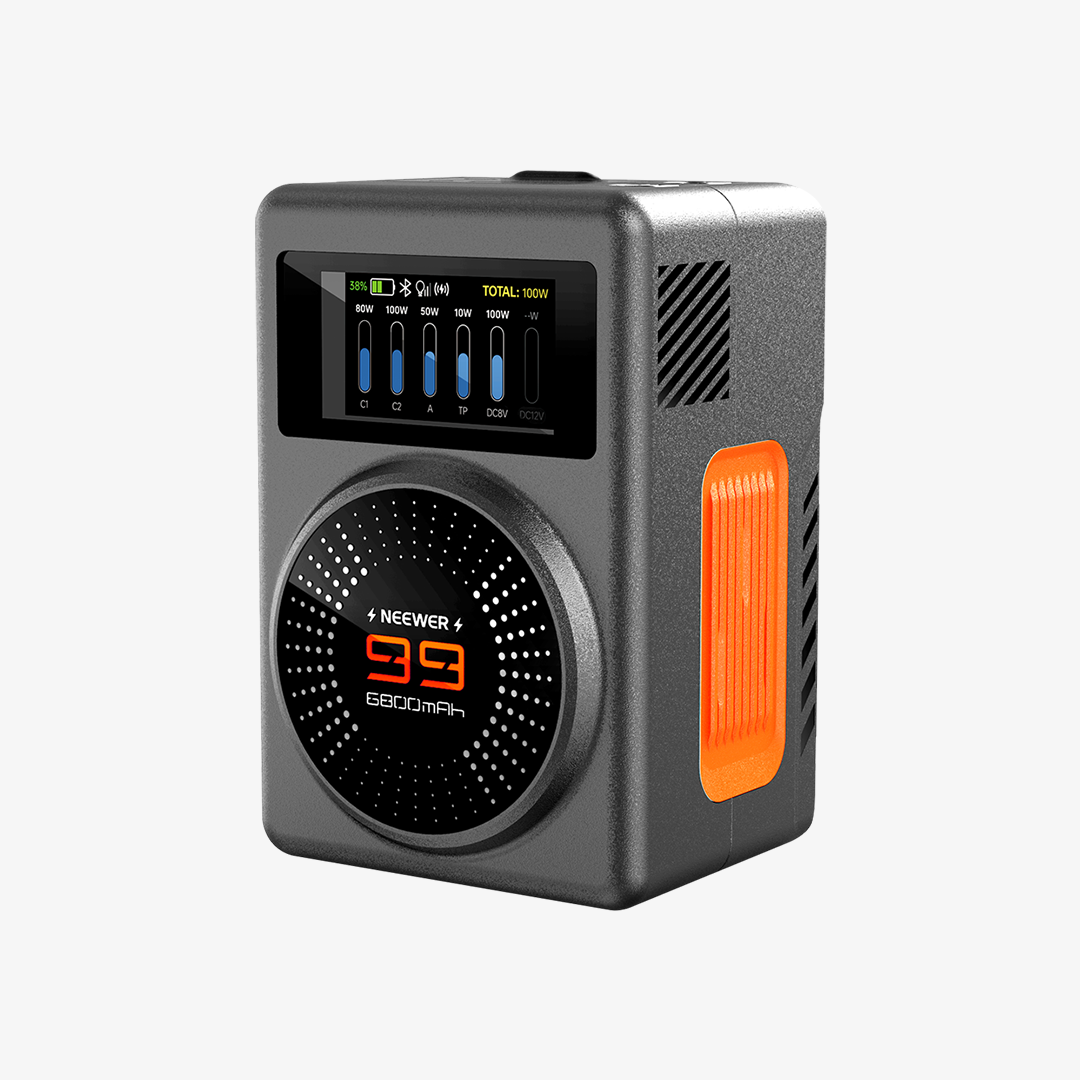
Yes, bi-color LED lights can often be battery-powered for maximum portability when shooting on location or in other situations where AC power may not be readily accessible. Battery-powered bi-color LEDs typically use V-mount or Gold-mount batteries, which offer long-lasting power that can quickly be swapped out on the fly, whereas smaller or economy models may use proprietary or built-in rechargeable options. When purchasing such lights, it may be wise to review product specs closely to identify whether battery support exists before making your investment decision.
Bi-Color vs. RGB Panel Light: Which Is Better for Video and Portraits?
Choose a Bi-Color panel light if you primarily shoot interviews, product photography, or corporate video, where accurate skin tones, high white-light brightness, and natural color balance are critical.
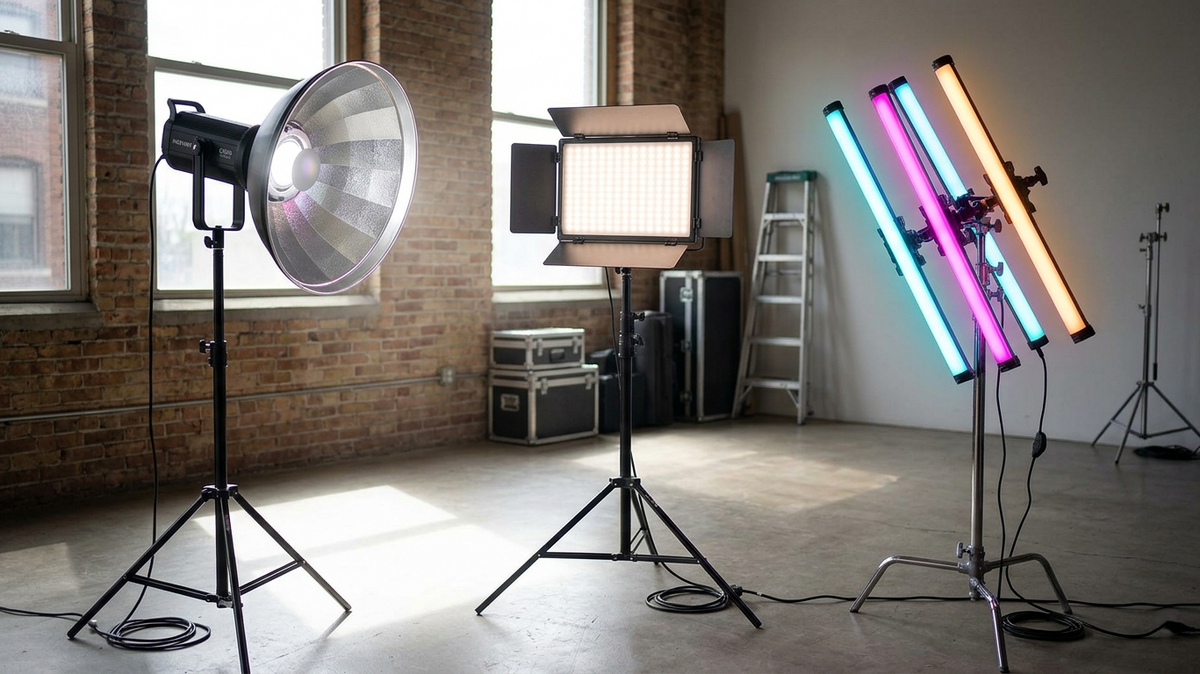
Choose an RGB panel light if you need full creative color control, background mood effects, or dynamic film FX for music videos and gaming setups. Many creators use Bi-Color panels as primary key lights and RGB lights for background accents.
Bi-Color Panel Light vs. Bi-Color COB Light: Which Should You Choose?
Bi-Color panel lights feature built-in diffusers that cast broad, flat, and ultra-soft illumination with a slim profile—making them easy to set up in compact home studios, office desks, or small spaces.
Bi-Color COB lights act as concentrated single-point sources that require external softboxes, making them better suited for deep directional shadow sculpting, high-ceiling studio setups, and longer throw distances.
How Do Bi-Color Panel Lights Help Solve Mixed Ambient Lighting Problems?
When shooting in a room with both natural daylight from windows and warm indoor lightbulbs, fixed daylight lights can cause unnatural color casts. A Bi-Color panel light lets you smoothly adjust the Kelvin dial (e.g., setting it to 4500K) to perfectly blend warm and cool light sources, making your subject's lighting match the scene background naturally.
What Color Temperature Setting Should You Use for Interviews and Livestreams?
The ideal setting depends on your ambient room lighting:
5600K (Daylight): Best when filming near natural window light or cool fluorescent office lighting to keep subject lighting crisp and seamless.
3200K–4500K (Warm/Tungsten): Best for indoor shooting under standard household lamps or cozy warm tungsten room lights.
4800K–5200K: A popular choice for a neutral, healthy, and flattering skin tone look in indoor talking-head videos.
Why Is a High CRI Rating Essential for a Bi-Color LED Panel?
CRI (Color Rendering Index) measures how accurately a light source reproduces true colors compared to natural sunlight. A Bi-Color LED panel with high CRI (95+) and TLCI (97+) ensures that skin tones look natural and lively across the entire color temperature spectrum (3200K to 5600K), preventing muddy skin tones and saving time in post-production color grading.