

Table of Contents
Long exposure photography lets you turn moving water into a soft blur, stretch clouds across the sky, or capture ribbons of light from passing cars. But when your shutter stays open for seconds—or even minutes—small movements can show up as blur. A stable tripod helps keep your camera in place so the movement in the scene, rather than camera shake, becomes the focus.
The best tripod for long exposure photography is not necessarily the heaviest or most expensive one. It should support your camera setup securely, stay steady on the surfaces where you shoot, and be practical enough to bring along. Here is what to look for, plus three NEEWER tripods to consider for different setups.
What Makes a Tripod Good for Long Exposure Photography?
During a long exposure, the camera records light over a longer period instead of freezing a moment instantly. If the camera shifts while the shutter is open, even slightly, stationary details such as rocks, buildings, or tree branches can look soft. A tripod reduces that movement and lets you use slower shutter speeds without holding the camera by hand.
Stability comes from the whole setup, not just the legs. The tripod needs to support the combined weight of your camera, lens, and accessories; the head and quick-release plate need to lock securely; and the feet should sit firmly on the ground. A high stated load capacity does not automatically make a tripod the most stable choice in every situation, so construction, setup, and shooting conditions matter too.
Wind, loose gravel, sand, and a fully raised center column can all make a setup more vulnerable to movement. Choosing a suitable tripod is a good starting point, but careful placement and secure locks are just as important.

What to Look for in a Tripod for Long Exposure Photography
Stability and Load Capacity
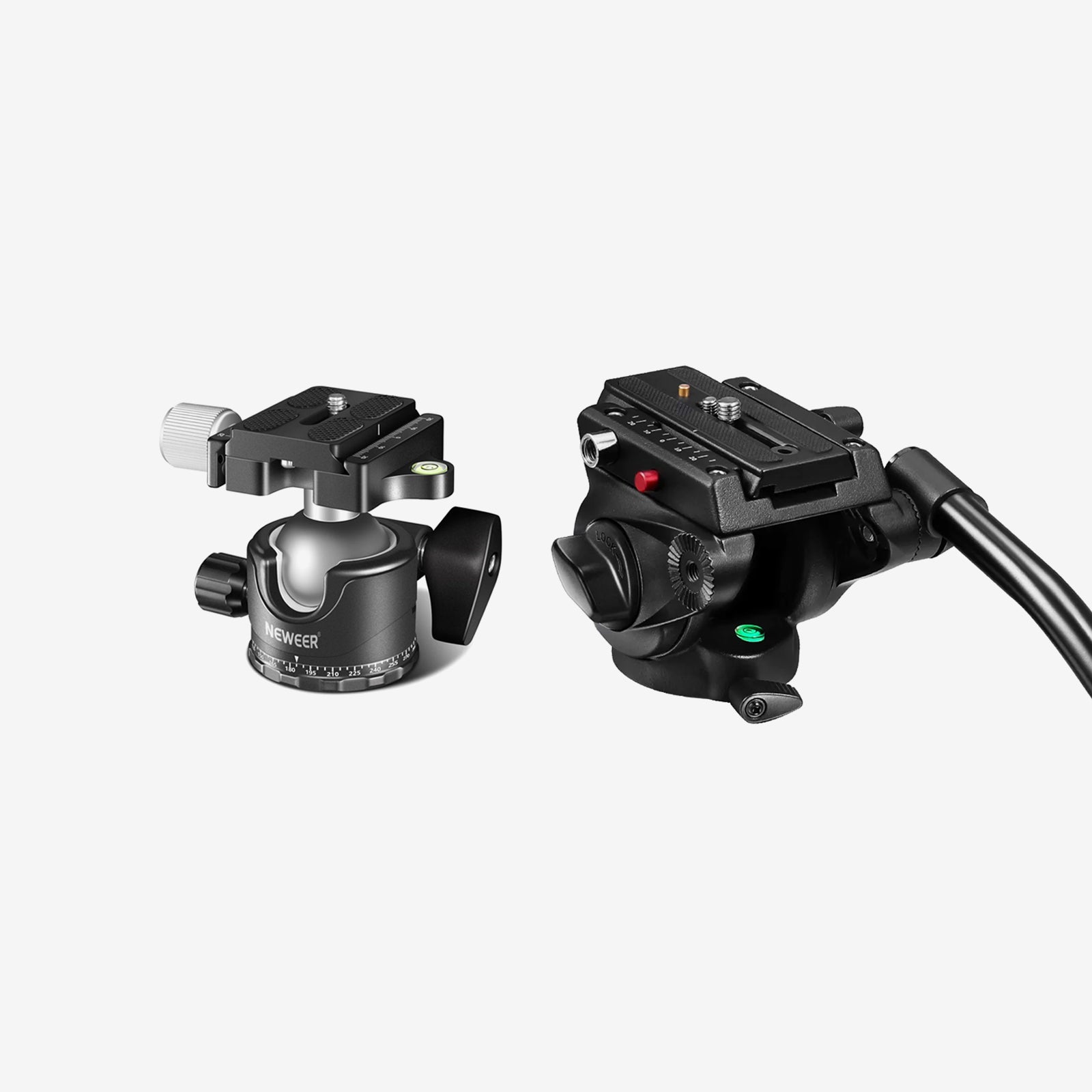
Start with the weight of your complete camera setup, including the heaviest lens you plan to use. The tripod’s rated load capacity should comfortably exceed that total, rather than only matching the weight of the camera body. Also check that the head and quick-release system can support the setup securely. With long or heavy lenses, a compatible tripod collar can help balance the weight.
Tripod Material: Carbon Fiber vs. Aluminum
Carbon fiber is popular with landscape photographers who carry gear over long distances. It generally offers a useful balance of low weight and rigidity, although performance depends on the tripod’s overall design. Aluminum tripods are often more budget-friendly and can be a practical choice for everyday use. Neither material guarantees sharp photos on its own: leg diameter, joints, the tripod head, and setup all affect stability.
Leg Locks, Feet, and Center Column
Leg locks should close securely and be easy to check before a shot. Rubber feet can help the tripod grip hard or smooth surfaces, while terrain-specific feet may be useful in some outdoor locations. Pay attention to the center column, too. Raising it increases height but can make the setup less stable than keeping it low. When possible, adjust the leg sections to get the framing you need before extending the center column.
Weight and Portability
A tripod that stays at home because it is too heavy will not help on a remote shoreline or mountain trail. For travel and hiking, consider the tripod’s weight, folded length, and setup time. If you mostly shoot near your car or in a studio, you may prefer a sturdier design over the lightest option. The right balance depends on where you shoot and how much gear you carry.
Best NEEWER Tripods for Long Exposure Photography
These three NEEWER tripods offer different combinations of material, load capacity, and portability. Use the quick comparison below as a starting point, then consider which features best match your camera setup and shooting habits.
|
Tripod |
Best For |
Key Features |
|
NEEWER TP08 |
Everyday photography and long exposures |
Aluminum alloy; 13 lb / 6 kg load capacity; nonslip rubber feet and a weight hook |
|
NEEWER LT38 |
Travel and outdoor landscapes |
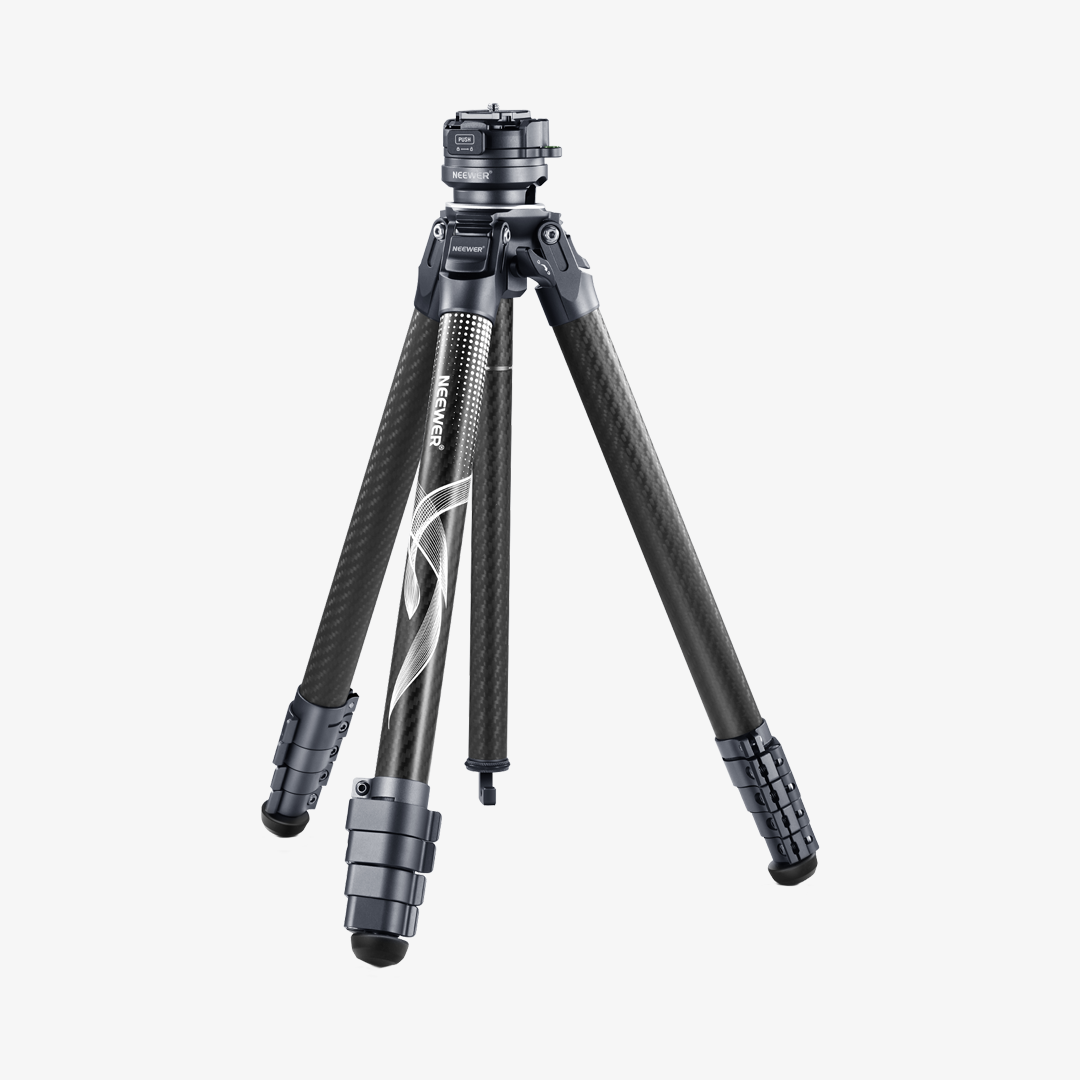
Carbon fiber; 22 lb / 10 kg load capacity; 3.15 lb / 1.43 kg tripod weight |
|
NEEWER N55C |
Outdoor setups and flexible shooting angles |
Carbon fiber; 26.5 lb / 12 kg load capacity; converts to a monopod and supports low-angle shooting |
Note: “Best For” labels are editorial suggestions based on the listed features, not official product rankings. Check current product specifications and availability before publishing.
NEEWER TP08: A Versatile Option for Everyday Long Exposures

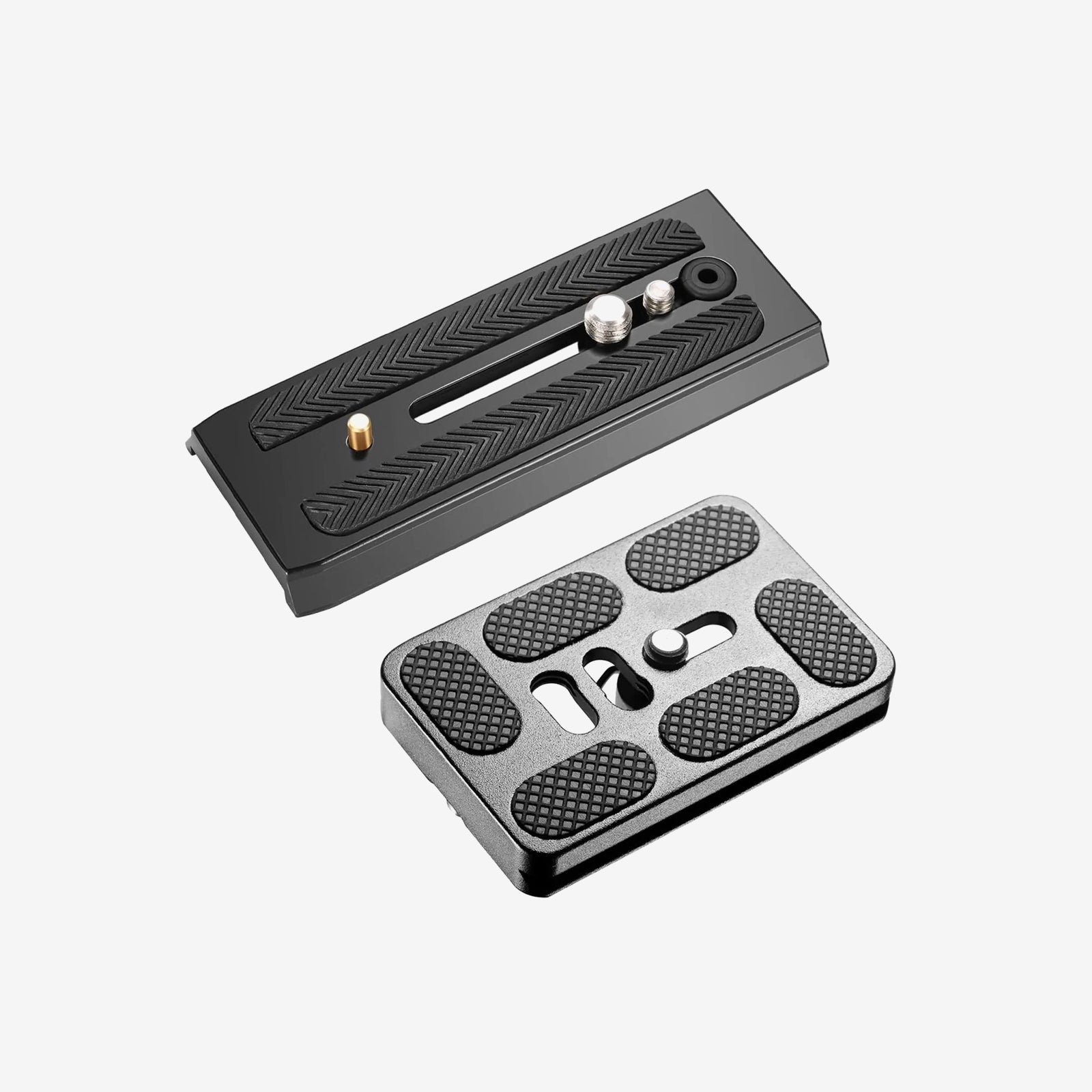
The TP08 is worth considering if you want one tripod for everyday photography and occasional long exposures. Its aluminum alloy construction supports up to 13 lb / 6 kg, while nonslip rubber feet and a weight hook provide additional ways to help steady the setup. It includes a 360° ball head and an Arca-type quick-release plate for adjusting framing and mounting compatible cameras. The 2-in-1 design also converts to a monopod when you need to move quickly between locations. For long exposures, use it in tripod mode and make sure the camera is securely locked.
NEEWER LT38: For Travel and Outdoor Landscapes

For photographers who hike to a viewpoint or carry gear between locations, the LT38 combines a carbon fiber build with a compact folded size. It weighs 3.15 lb / 1.43 kg and supports up to 22 lb / 10 kg, giving it room for many mirrorless or DSLR setups. Its center column includes a hook for hanging additional weight when appropriate, and the legs offer multiple angle settings for different shooting positions. These features make it a practical option for outdoor landscapes where portability matters alongside a secure camera platform.
NEEWER N55C: For Higher Load Capacity and Flexible Positioning

The N55C is a carbon fiber tripod with a listed load capacity of 26.5 lb / 12 kg, the highest among these three models based on published specifications. Its four-section legs use twist locks, and the center column can be inverted for low-angle compositions. One leg can also be detached to convert the tripod into a monopod, adding flexibility for other types of photography. NEEWER also showcases the N55C in a long exposure photography scene, making it a relevant model to consider for outdoor shooting. As with any tripod, keep your complete camera setup within the rated capacity and check every lock before exposing.
Choosing a Tripod for Different Long Exposure Scenarios
Waterfalls and Rivers
For flowing water, you may keep the shutter open long enough to soften the movement while preserving detail in rocks and the surrounding landscape. Look for secure feet and a setup that can stand firmly on damp or uneven ground. Avoid placing tripod legs on loose stones that may shift during the exposure, and take extra care near fast-moving water.
Seascapes and Coastal Photography
Coastal shoots can combine wind, sand, and wet surfaces, all of which can affect tripod stability. Spread the legs securely, keep the center column low when possible, and check that the camera head is locked before starting a long exposure. If the tripod gets splashed with salt water or sand, clean and dry it according to the manufacturer’s guidance.
Night Photography and Light Trails
For city light trails or night landscapes, a secure camera mount helps keep buildings and other stationary details sharp while moving lights form streaks. Use a remote shutter release or your camera’s timer to reduce movement caused by pressing the shutter button. On a windy night, try a more sheltered position and avoid hanging a bag from the tripod if it swings in the wind.
Travel and Hiking
When a long exposure is part of a longer hike, weight and folded size become more important. A compact carbon fiber tripod such as the LT38 may appeal to photographers who want to keep their pack lighter, while another model may make more sense if you prioritize load capacity or versatility. Choose based on the camera and lens you carry, the terrain you expect, and how much weight you are comfortable bringing along.
FAQs
1. What is the best tripod for long exposure photography?
The best choice depends on your camera setup, shooting locations, and budget. Prioritize secure leg locks, a reliable head and quick-release plate, suitable load capacity, and a design you can carry comfortably. The TP08 offers an aluminum 2-in-1 design, the LT38 emphasizes lightweight carbon fiber portability, and the N55C offers a higher listed load capacity among these three models.
2. How much weight capacity do you need for long exposure photography?
Add the weight of your camera, lens, and any accessories mounted on the tripod, then choose a tripod with a load rating that comfortably exceeds that total. Do not assess capacity by camera body weight alone. A secure head and balanced setup also matter, especially when using a long or heavy lens.
3. Is carbon fiber better than aluminum for long exposure photography?
Not in every situation. Carbon fiber can reduce the weight you carry and is popular for outdoor photography, while aluminum is often a more affordable option. Stability depends on the full tripod design and how it is used, so compare construction, leg dimensions, the head, and load rating rather than choosing by material alone.
4. Can you use a travel tripod for long exposure photography?
Yes, if it can safely support your camera setup and remains stable in the conditions where you shoot. Set it up on firm ground, keep the center column low when possible, lock all joints, and avoid using a compact tripod in conditions that exceed its practical stability.
5. How do you stabilize a tripod in windy conditions?
Choose a sheltered position if possible, spread the legs securely, keep the center column low, and check every lock before shooting. A tripod with a weight hook can offer another option, but any suspended bag or weight should hang still and should not swing in gusts. Use a timer or remote release to reduce movement when triggering the exposure.