

Table of Contents
A 35mm perspective has long been a popular choice in photography, offering a natural balance between the subject and its surroundings. It's wide enough to include environmental details without making the scene feel too distant, yet tighter than a typical wide-angle view.
But what does 35mm equivalent actually mean, especially when you're shooting with a smartphone? And how can you get this classic perspective on your phone?
In this guide, we'll explain the concept of 35mm equivalent, explore when this focal length works well, and look at how an external phone lens like the NEEWER × Michael Freeman LS-53 can bring a 35mm perspective to smartphone photography.
What Does 35mm Equivalent Mean?
When you see a camera lens described as 35mm, the number refers to its focal length. However, the same focal length can produce different fields of view depending on the size of the camera's sensor.
That's where 35mm equivalent comes in. It helps you understand how wide or tight a camera's view is compared with a full-frame 35mm camera.
Here are three key terms to know:
|
Term |
What It Means |
|
Actual Focal Length |
The physical focal length of a lens, measured in millimeters. |
|
Equivalent Focal Length |
The focal length that provides the same field of view on a full-frame 35mm camera. |
|
Field of View (FOV) |
How much of a scene the camera captures. |
Actual Focal Length vs. Equivalent Focal Length
Actual focal length is a physical property of a lens. Equivalent focal length, on the other hand, describes the field of view in relation to a full-frame 35mm camera.
For example, a smartphone's main camera might offer an approximately 24mm equivalent view, which captures a relatively wide scene. A 35mm equivalent view is narrower, showing less of the surroundings and bringing more attention to the subject.
It's important to note that 35mm equivalent doesn't mean the smartphone's physical lens has changed to 35mm. It simply describes the resulting field of view.

Why Is 35mm Used as a Reference?
The 35mm film format became a widely used standard in photography. Today, photographers often use a full-frame digital sensor as the reference when discussing equivalent focal lengths.
This makes it easier to understand how different lenses frame a scene. A 24mm equivalent view is wider than a 35mm equivalent view, while a 50mm equivalent view is tighter.
Sensor size plays a key role in this comparison. A smaller sensor captures a narrower portion of the image projected by a lens, so it requires a shorter actual focal length to achieve a similar field of view to a larger sensor.
For smartphone photography, equivalent focal length is particularly useful because it helps you understand the perspective of different camera modules without needing to know their physical focal lengths.

Why Shoot with a 35mm Equivalent View?
A 35mm equivalent view offers a useful middle ground between wide-angle and tighter perspectives. It keeps enough of the surroundings in the frame to tell a story while making the main subject more prominent.
Here are a few situations where this perspective can work especially well.
Portrait Photography
For environmental portraits, 35mm gives you room to include details that help tell the subject's story, such as their surroundings, workspace, or the atmosphere of a location.
Compared with a wider view, it can make the subject feel more prominent without completely removing the background. It's a good option when you want more than a close-up portrait.
Street Photography
Street photography often involves capturing both people and the environment around them. A 35mm perspective offers a practical balance, allowing you to photograph a subject while keeping nearby buildings, signs, and street details in the composition.
It's also useful for capturing everyday moments without making the frame feel as expansive as a wider-angle shot.
Fashion Photography
For street fashion and outfit photography, a 35mm view can capture a person's overall look while retaining some context from the location.
You can use it for full-body portraits, outfit details, or candid moments in urban settings. The perspective helps keep the subject and environment connected, making it useful for lifestyle and fashion content.
Architecture Photography
A 35mm equivalent view works well for photographing architectural details, building facades, and street-level scenes where you want to include both the structure and its surroundings.
However, it may not be wide enough for very large buildings or tight indoor spaces. In those situations, a wider focal length may be more practical.
How to Get a 35mm Equivalent View on Your Smartphone
Most smartphone main cameras offer a relatively wide field of view, often around 24mm equivalent. While you can use the built-in zoom to get a tighter composition, there are different ways to achieve a 35mm equivalent perspective.
Using Native Camera Zoom
Many smartphones offer a 1.5× or 2× zoom option. On some models, this may use a separate telephoto camera, while others rely on cropping or computational processing.
Zooming in can give you a tighter composition, but the results depend on the phone's camera hardware and image processing. Digital cropping uses a smaller portion of the sensor's image, which can reduce the amount of captured detail.
Using an External Phone Conversion Lens
An external conversion lens attaches in front of your smartphone's camera to change the field of view optically.
For example, a 35mm conversion lens can narrow the view of a smartphone main camera from approximately 24mm equivalent to 35mm equivalent, providing a tighter perspective without relying solely on digital cropping.
This gives mobile photographers another way to control their framing while keeping the convenience of shooting with a phone.
NEEWER 35mm Prime Lens for Smartphone Photography
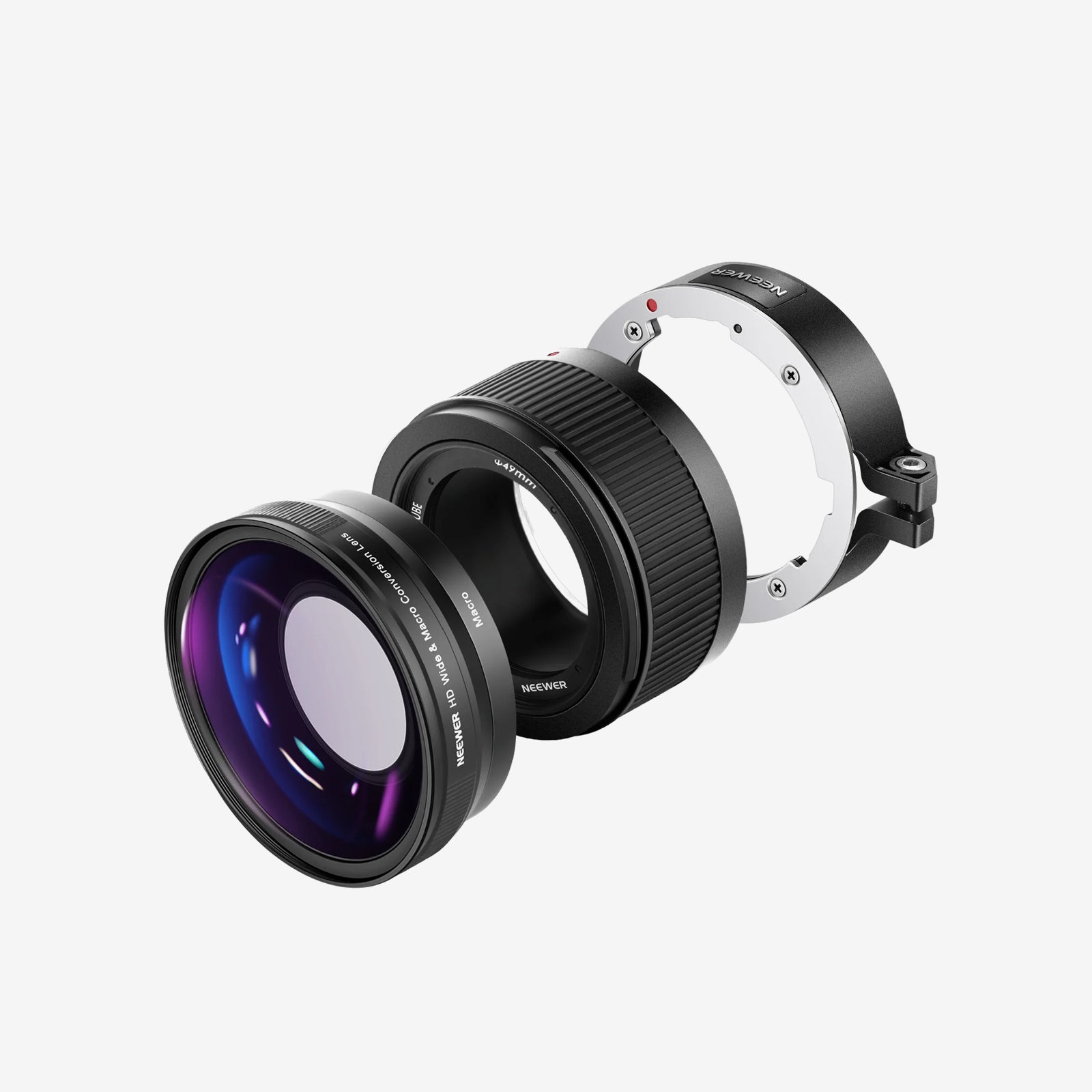
The NEEWER × Michael Freeman LS-53 brings a classic 35mm perspective to smartphone photography. Developed in collaboration with renowned photographer and author of The Photographer's Eye, Michael Freeman, this lens combines his photographic experience with NEEWER's work in photography accessories.
Built on years of real-world experience with NEEWER gear, the collaboration reflects a shared interest in thoughtful design and practical photography.

A Classic 35mm Equivalent Perspective
The LS-53 converts the approximately 24mm equivalent view of a compatible smartphone's main camera to a 35mm equivalent perspective, offering a narrower field of view for portraits, street photography, fashion, and architecture.
With a 1.5× conversion factor, it provides an alternative to using the phone's native zoom when you want a more focused composition.
Premium Optical Construction
The LS-53 features multi-coated HD optical glass designed to maintain image clarity and sharpness. Its coatings also help resist glare, water, dust, and fingerprints, making the lens more convenient for everyday shooting.
Weighing approximately 128g (4.5 oz), it's also compact enough to carry when you're shooting on the go.
17mm Threaded Attachment
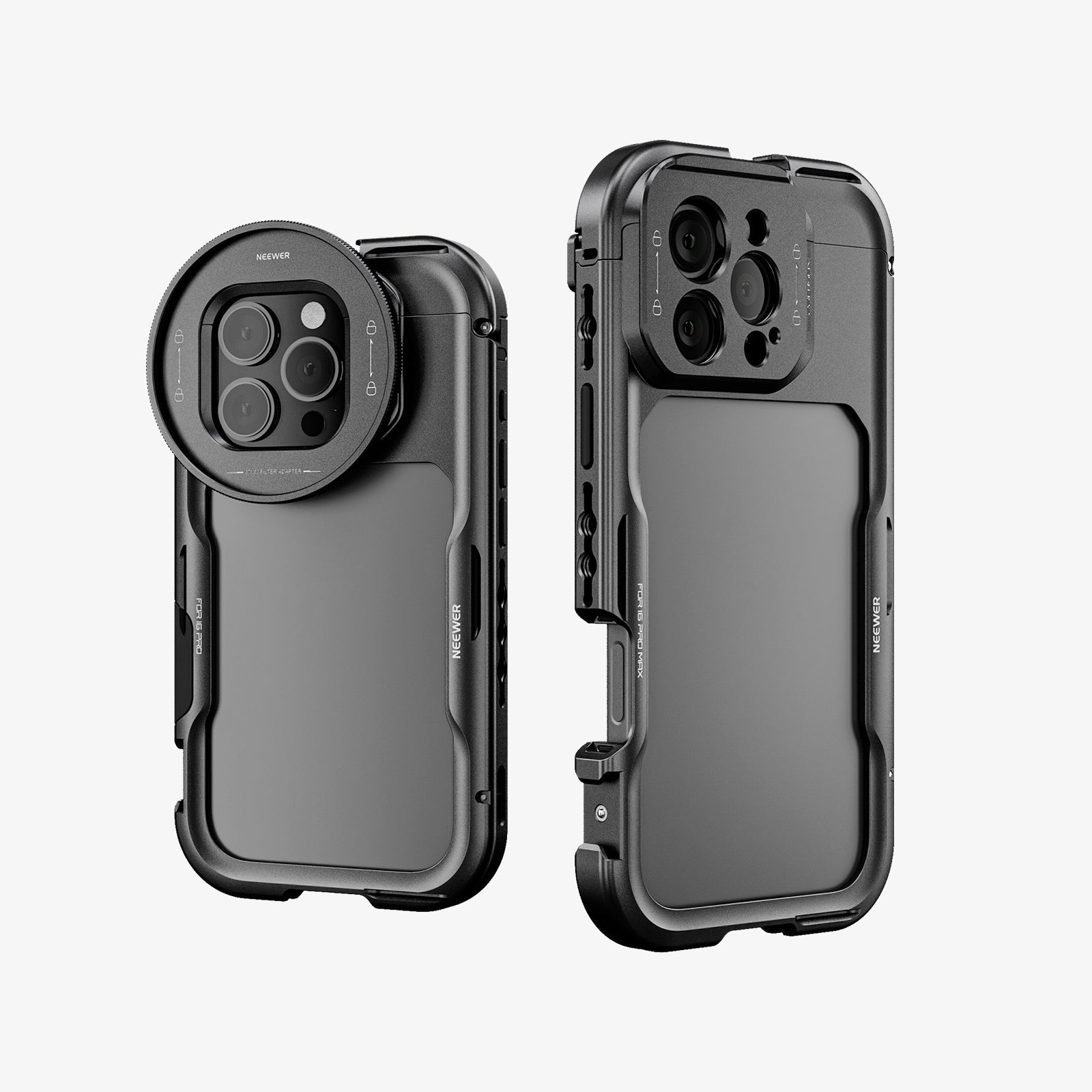
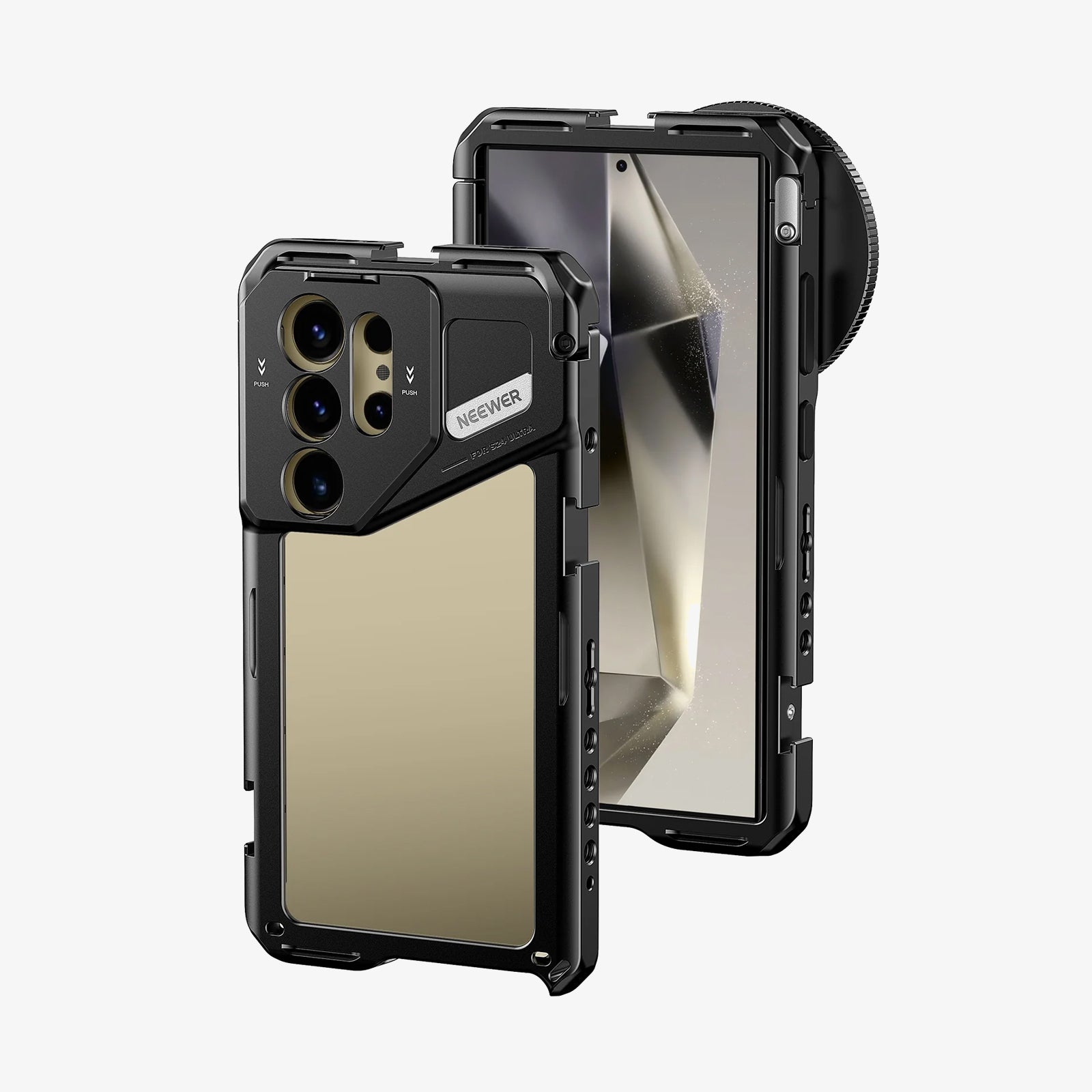
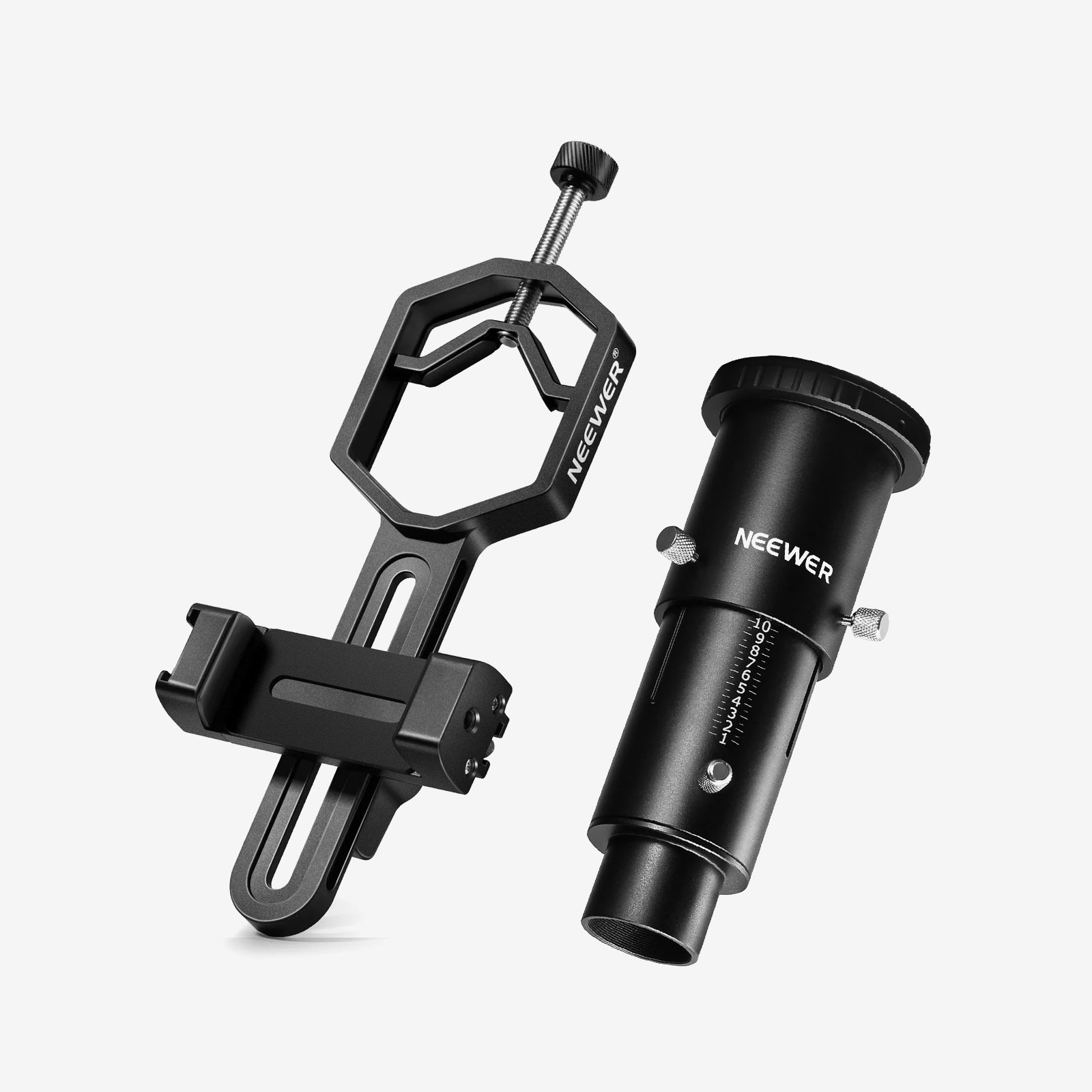
The LS-53 features a 17mm threaded mount, compatible with phone cages and cases equipped with a matching 17mm lens mount. It works with selected NEEWER accessories, including the PA192, PA182, PA194, and PA204, designed for compatible phone models such as iPhone 18 Pro/Pro Max, iPhone 17, 16, 15, and Samsung Galaxy S26 Ultra.
For the best results, align the lens with your phone's main camera and turn off Macro Control before shooting.
55mm Front Filter Threads
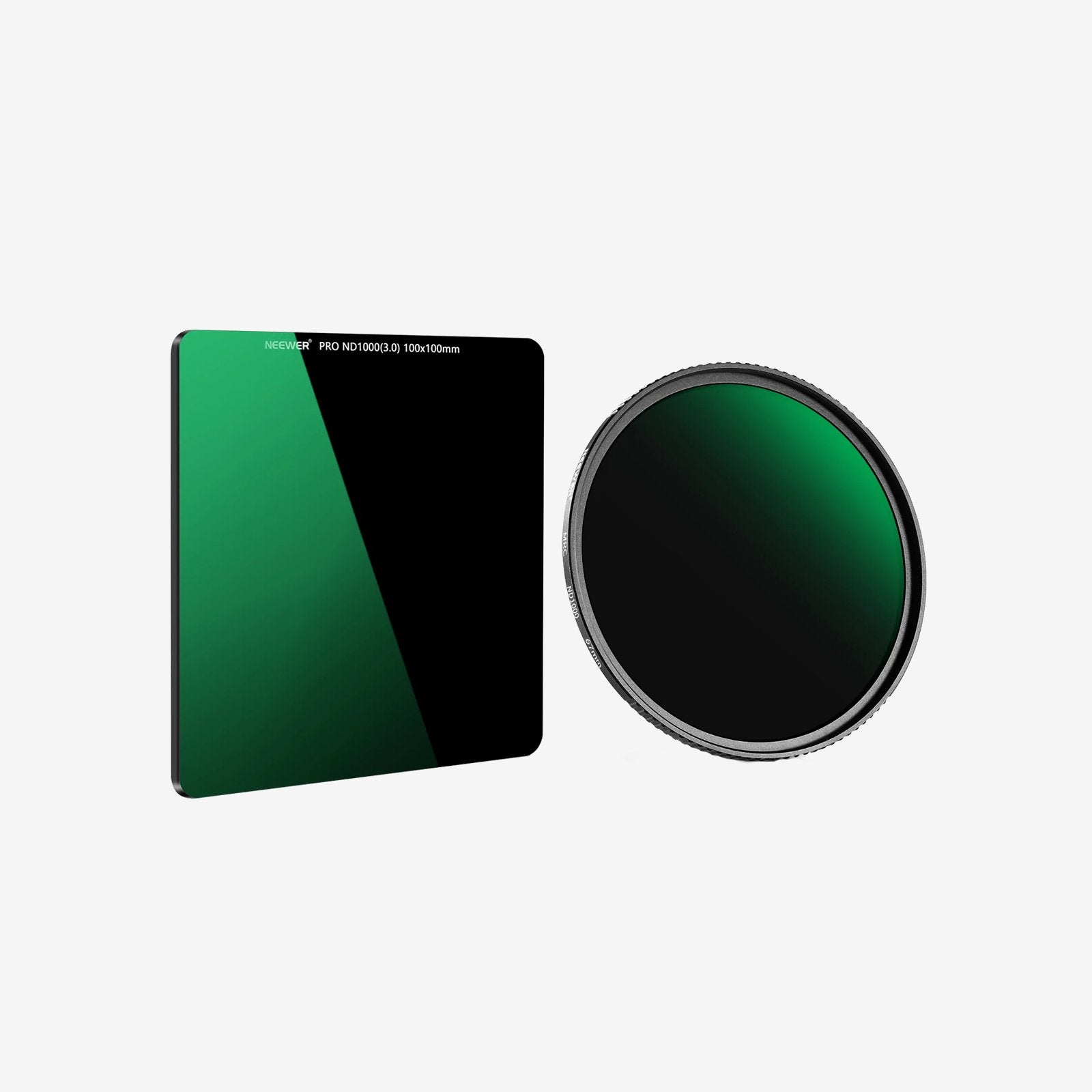
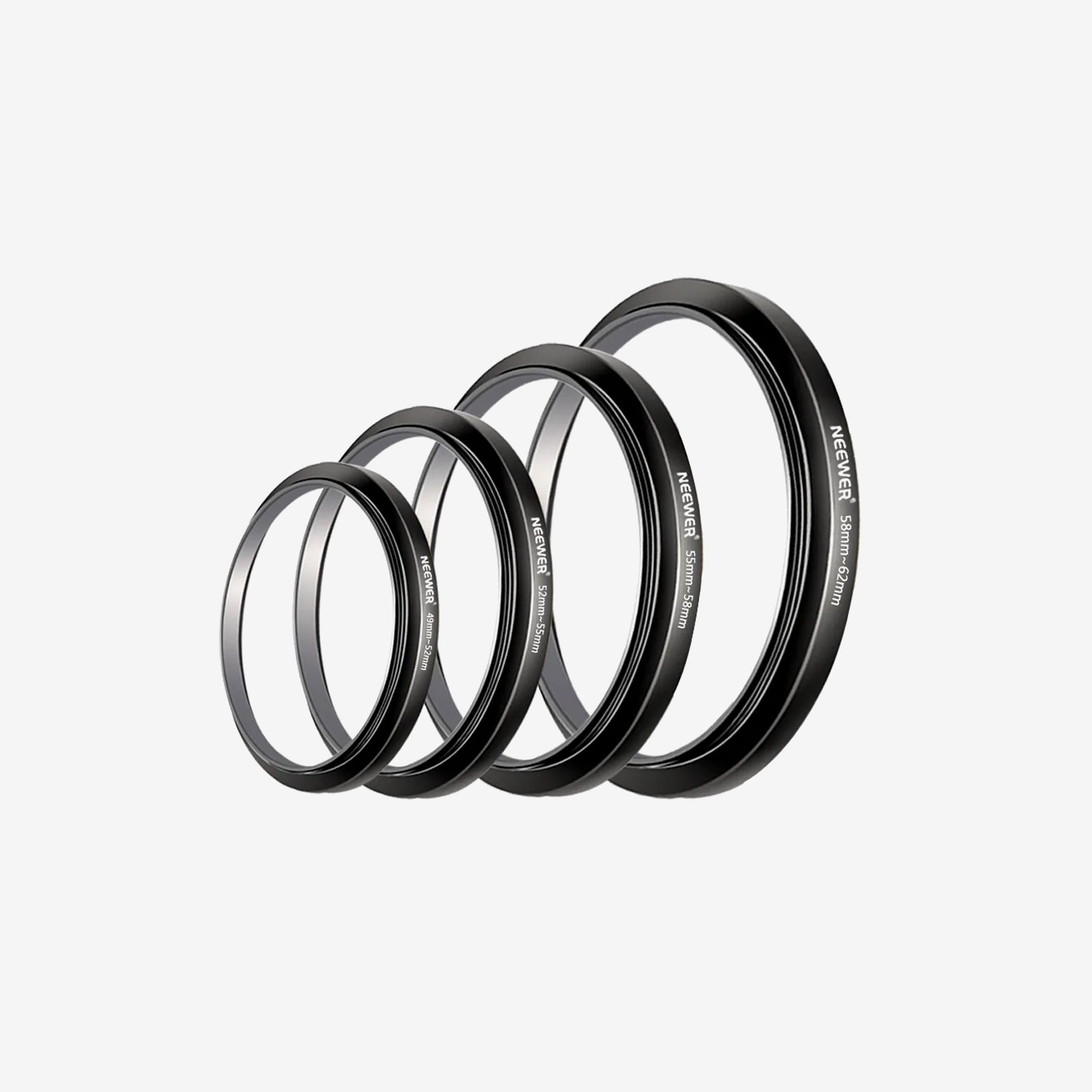
The LS-53 features a 55mm front filter thread, allowing you to attach compatible filters such as ND, CPL, LPR, Black Diffusion, and Starlight Effect filters for added creative flexibility.

Tips for Using a 35mm Phone Conversion Lens
An external lens can give you more control over your smartphone's framing, but a few simple practices will help you get better results.
1. Use the Main Camera
Make sure the conversion lens is aligned with your phone's main camera. Switching to another camera module, such as the ultrawide or telephoto camera, may affect the intended optical effect.
2. Keep a Suitable Shooting Distance
For the LS-53, a recommended shooting distance is approximately 3.9 ft (1.2m). This provides a useful starting point for getting the intended results. You can adjust your position depending on the subject and composition.
3. Turn Off Macro Control
Some smartphones automatically switch camera modes when you move close to a subject. Turn off Macro Control when using the LS-53 to help keep the phone on the intended main camera.
4. Choose Filters Based on the Scene
ND filters are useful in bright outdoor conditions, while CPL filters can help manage reflections. Black diffusion filters can add a softer look to portraits and video. Choose one based on the lighting and style you're going for.
5. Check the Lens Connection
Before shooting, make sure the lens is securely attached to a compatible cage, case, or lens clamp. Proper alignment helps ensure the lens sits correctly in front of the main camera.
FAQs
What does 35mm equivalent mean?
35mm equivalent describes the field of view a lens provides compared with a lens on a full-frame 35mm camera. It makes it easier to compare the framing of cameras with different sensor sizes.
Is a 35mm lens good for street photography?
Yes. A 35mm equivalent view offers a balance between the subject and the surrounding environment, making it a popular choice for capturing people, street scenes, and everyday moments.
What's the difference between a 24mm and 35mm equivalent view?
A 24mm equivalent view is wider and captures more of the surroundings. A 35mm equivalent view is narrower, bringing more attention to the subject while still retaining environmental context.
Can I use a 35mm conversion lens on a smartphone?
Yes. A compatible external conversion lens can attach in front of a smartphone's main camera to change its field of view. Make sure your phone cage, case, or lens clamp supports the lens's mounting system.
Can I attach filters to the NEEWER LS-53?
Yes. The LS-53 has a 55mm front filter thread, allowing you to attach compatible 55mm filters, including ND, CPL, LPR, and black diffusion filters. Filters are sold separately.