

Table of Contents
Camera lens is one of the most important parts of your photography gear, so protecting it from scratches, dust, and accidental damage is essential. But are camera lens protectors worth it, and which types should you use? From UV filters and lens hoods to lens caps and protective cases, different accessories offer different levels of protection. In this guide, we'll explore their uses and benefits, along with practical tips to keep your camera lens in good condition.
What Is a Camera Lens Protector?

A camera lens protector is an accessory designed to safeguard lens elements from scratches, impacts, dust, or water stains. Common types include UV filters, clear protective filters, lens caps, and lens hoods.
Camera lens protectors prevent lens elements from being scratched, bumped, or shattered, especially during outdoor photography, travel, or frequent lens changes, thereby avoiding accidental impacts or friction damage to expensive coatings.
Additionally, a camera lens protector can block dust, water droplets, fingerprints, and oil stains from adhering to the lens, reducing the frequency of cleaning and minimizing wear caused by wiping. If you are shooting in harsh environments, they can also effectively isolate moisture and sand, preventing corrosion of the lens coating or internal mechanical components.
Are Camera Lens Protectors Worth It?
If you ask whether a camera lens protector is good or bad and worth it, the answer is yes. For photographers who use expensive professional lenses or frequently shoot outdoors in harsh environments, a high-quality camera lens protector is definitely worth the investment. It effectively prevents scratches and collisions, reducing repair costs and making it a very cost-effective investment.
Are Lens Protectors Necessary?
Yes, lens protectors are necessary, especially if you want to protect your camera lens from damage. You can choose the right lens protector based on your usage habits and the value of your lens. If you mainly use entry-level lenses or shoot in controlled environments such as indoors, you can choose lens caps, lens hoods, and more to ensure basic protection during daily use.
If you use expensive lenses or need to shoot outdoors or in harsh environments frequently, you can choose UV filters or transparent protective filters, which can help extend the life of your lenses.
Types of Lens Protectors
|
Type |
Description |
Key Features |
|
UV Filter |
Blocks ultraviolet light while protecting the front lens element. |
Multi-coated glass, high light transmission, reduces haze. |
|
Clear Protection Filter |
Pure optical glass with no UV/color effects, only physical protection. |
No color shift, anti-reflective coatings, and high-end options available. |
|
Lens Hood |
Attaches to the lens to block stray light and shield the front element. |
Petal-shaped (zooms) or round (primes), plastic/metal construction. |
|
Lens Cap |
Basic cover for front/rear lens protection when not in use. |
Snap-on or pinch-style, often includes a retention strap. |
|
Lens Pouch/Case |
Dedicated padded bag for carrying and storing lenses. |
Foam padding, water-resistant fabrics, and modular designs. |
1. UV Filter (Ultraviolet Filter)
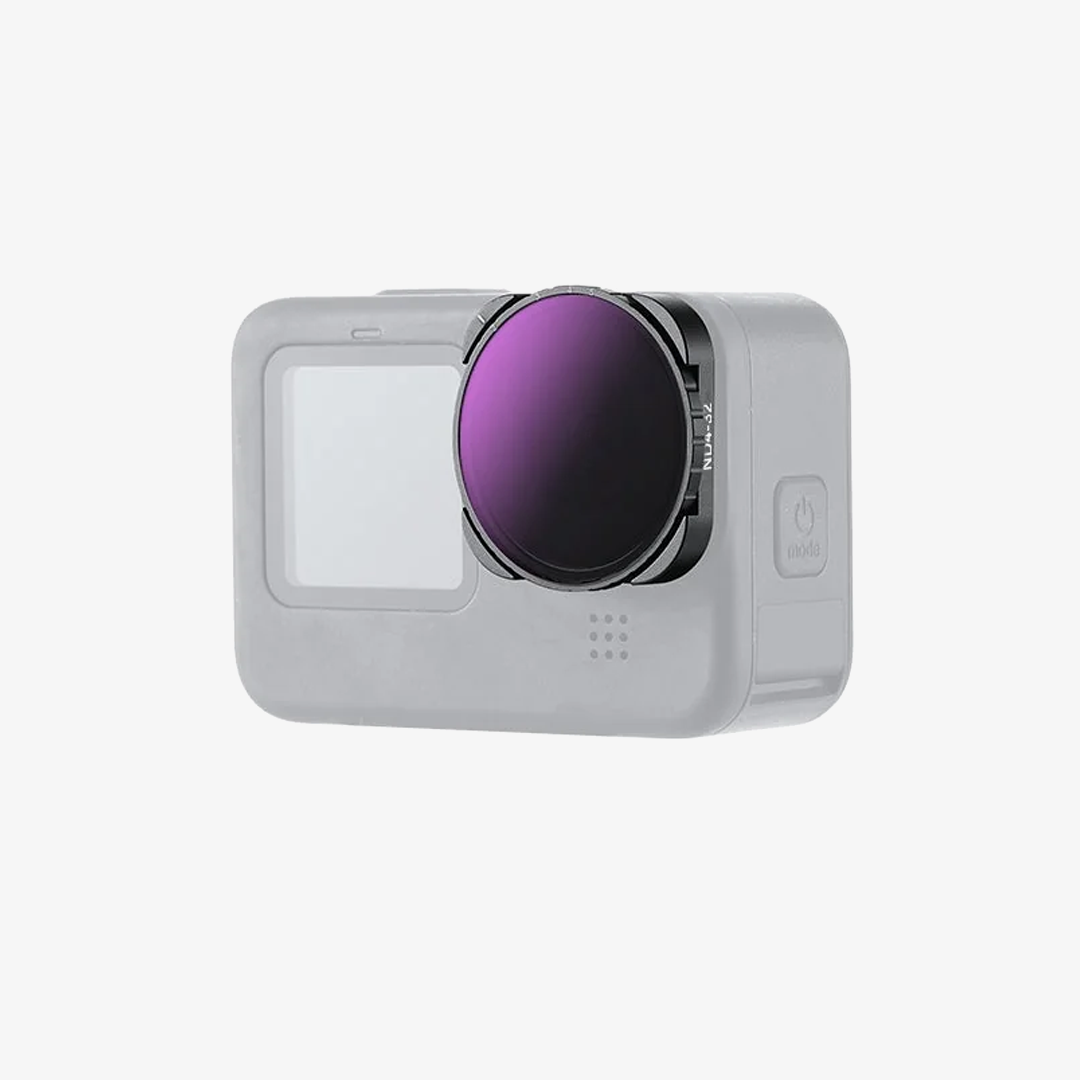
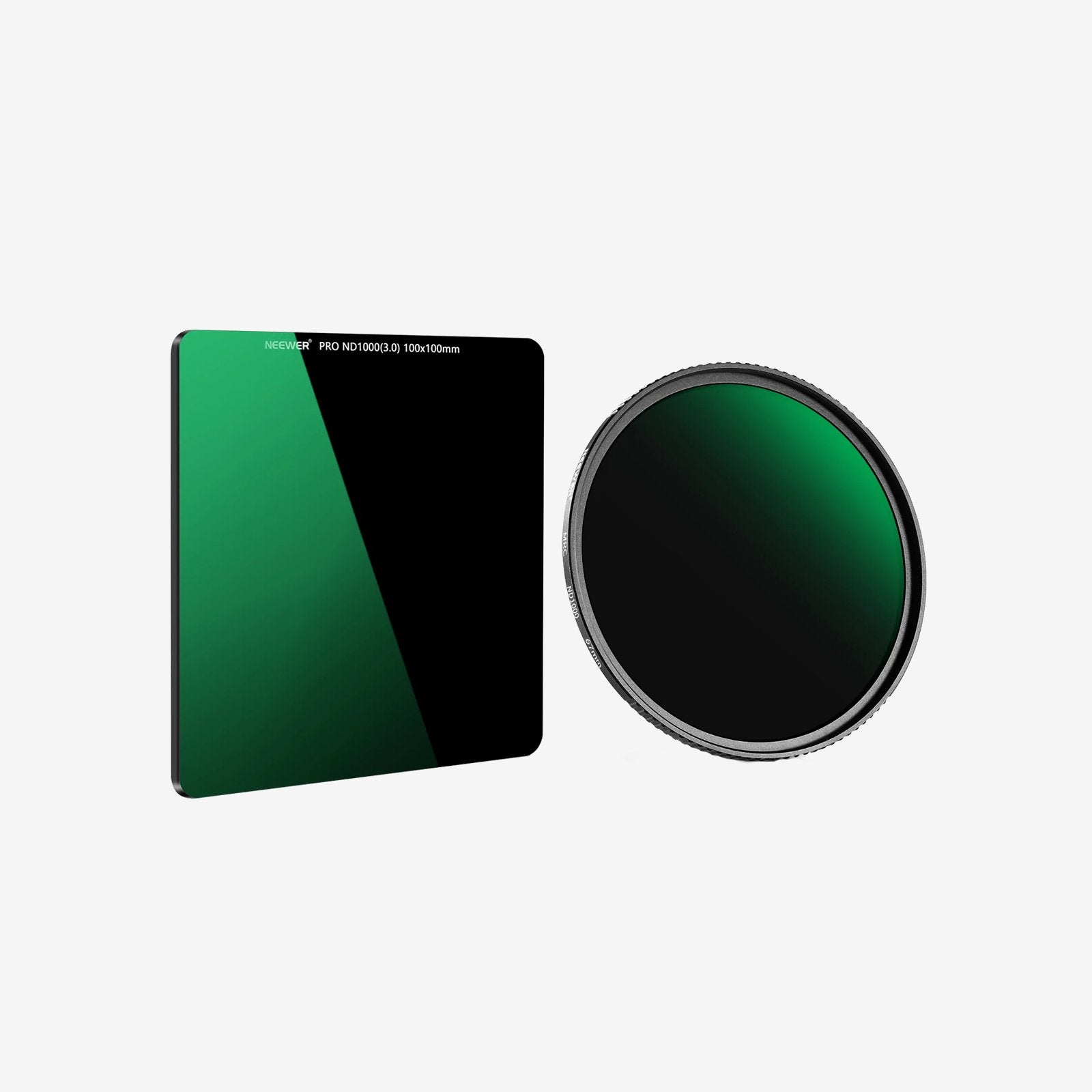
The UV filter is one of the most common lens protectors, primarily designed to filter out ultraviolet light and reduce the blue-purple haze effect during long-distance photography, particularly noticeable in high-altitude regions or coastal areas with intense UV exposure. Its primary function is to protect the front lens elements from scratches or impacts, preventing direct contact with dust, fingerprints, and rainwater. High-quality UV filters utilize multi-layer coating technology, achieving light transmission rates of over 99%, with minimal impact on image quality. They provide lens protection without compromising image clarity.
2. Clear Filter
Clear filters look similar to UV filters, but they do not filter out ultraviolet rays and are used solely for physical protection. They are made of high-precision optical glass, which avoids the color distortion issues that can occur with low-quality UV filters. They are suitable for users with high image quality requirements, such as commercial photographers and landscape photographers.
3. Lens Hood

Lens hoods are typically made of plastic or rubber, which are lightweight and durable. Their main function is to block stray light, reduce glare, and enhance image contrast. They also act as a buffer layer when the lens is bumped, making them particularly suitable for crowded places or outdoor shooting.
4. Lens Cap

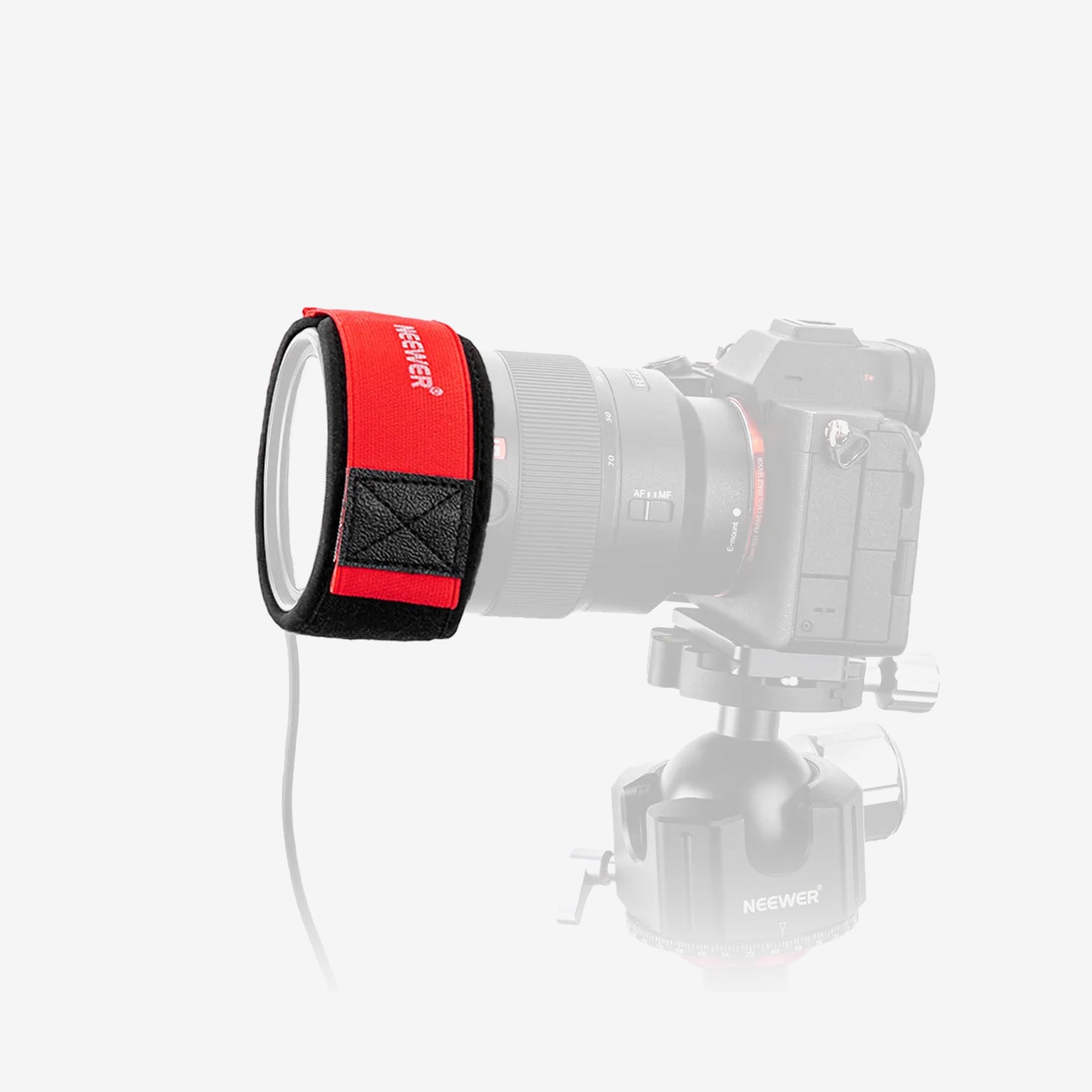
The lens cap is the most basic protective accessory, divided into front and rear caps: the front cap protects the front lens elements from dust and scratches, while the rear cap protects the lens mount from dust and mechanical damage. High-quality lens caps are lined with soft velvet to prevent scratches on the lens elements and feature anti-loss designs (such as lanyard loops). Although simple, they are indispensable when carrying or storing lenses, especially expensive ones.
5. Lens Case

Although lens cases are not directly attached to lenses, they are a crucial part of the overall protective chain. They are portable protective equipment designed specifically for SLR/mirrorless lenses, typically made of thickened sponge, shock-absorbing foam, or waterproof nylon, providing 360° cushioning protection. Compared to ordinary camera bags, the independent compartment design of lens cases prevents multiple lenses from colliding with each other, making them particularly suitable for carrying expensive lenses when traveling or shooting outdoors.
How to Protect Your Camera Lens from Scratches
Using the right accessories is only part of lens protection. Your everyday handling habits also make a difference. Here are some practical ways to reduce the risk of scratching your camera lens.
1. Keep a Lens Cap On When Not Shooting
Always put the front lens cap back on when you finish shooting or temporarily put your camera away. This simple habit helps prevent the front element from coming into contact with dust, keys, camera accessories, and other objects in your bag.
If you remove a lens from your camera, attach the rear lens cap as well to protect the rear element and mount.
2. Use a Lens Hood During Shooting
A lens hood provides an extra layer of protection while you're taking photos. It helps keep your fingers, nearby objects, and other potential sources of accidental contact away from the front element.
It also blocks unwanted stray light, making it useful for both image quality and everyday lens protection.
3. Consider a Protective Filter
If you often shoot outdoors, travel frequently, or work in dusty environments, consider using a high-quality UV or clear protection filter.
The filter acts as a replaceable barrier in front of the lens. If it gets scratched or dirty, you can clean or replace the filter instead of exposing the front lens element directly.
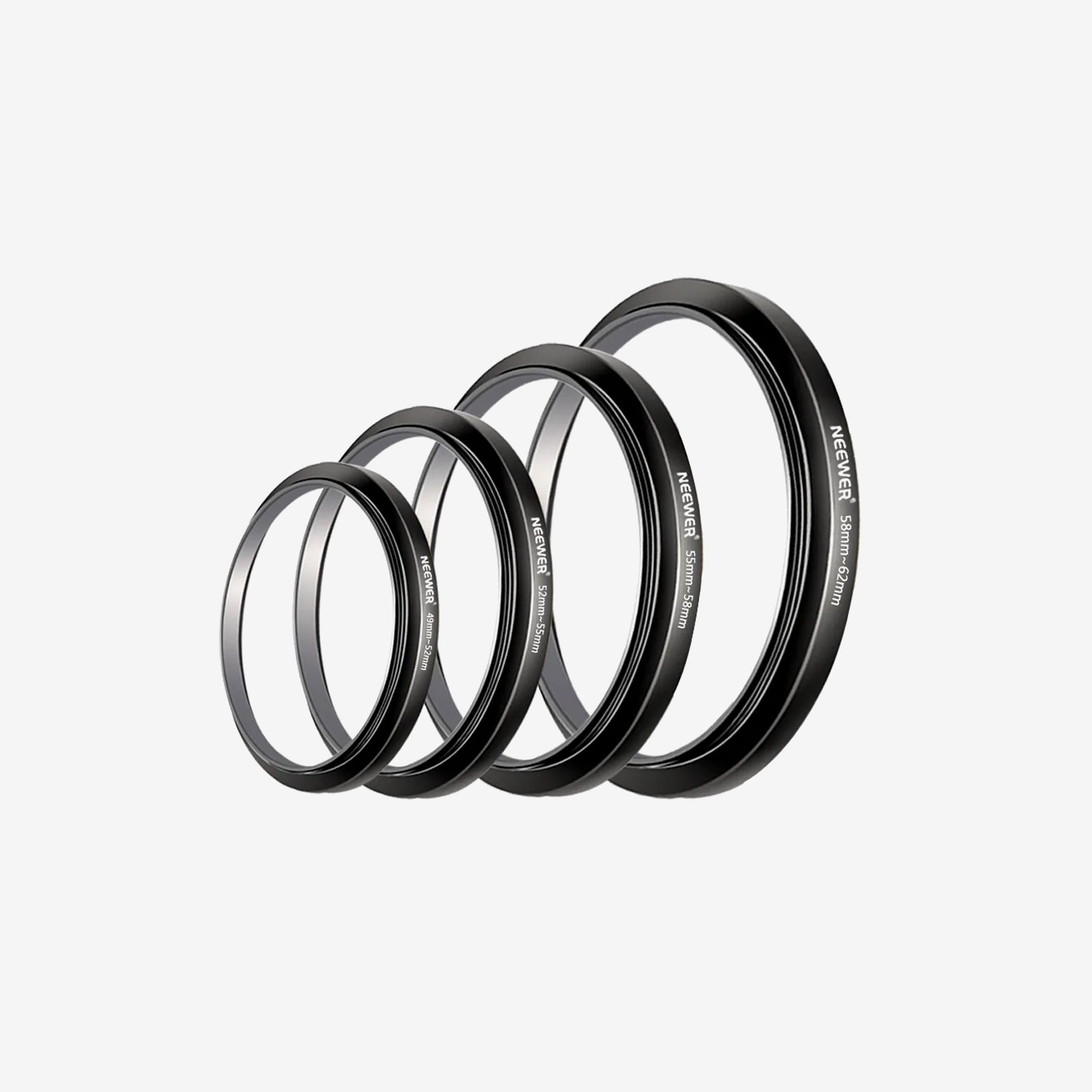
Choose a filter that matches your lens's filter thread size and look for good optical glass and anti-reflective coatings.
4. Store Your Lens in a Padded Case
Avoid placing unprotected lenses directly into a backpack or camera bag where they can rub against other equipment.
Use a padded lens pouch or a dedicated camera bag compartment to keep each lens separated. This helps prevent scratches caused by contact with other accessories and provides additional cushioning during transportation.
5. Handle Your Lens Carefully When Changing Lenses
Lens changes expose both the front and rear elements to dust and accidental contact. When switching lenses, avoid placing them on dirty or rough surfaces.
Hold the lens by its barrel rather than touching the glass, and attach the rear cap as soon as the lens is removed from the camera. If possible, change lenses in a relatively clean environment and keep the camera mount facing downward to reduce dust entering the camera body.
FAQs
Can a Camera Lens Protector Affect Image Quality?
Yes, a protective filter can potentially affect image quality by introducing reflections, flare, or reduced contrast, particularly when shooting toward bright light sources. Choosing a high-quality filter with good optical glass and anti-reflective coatings can help minimize these effects.
Is a UV Filter or Clear Filter Better for Lens Protection?
Both can provide an additional protective barrier for the front lens element. A UV filter also filters ultraviolet light, while a clear filter is designed primarily for physical protection. For modern digital photography, the difference in UV filtering is generally less important, so the choice often comes down to optical quality, coatings, and personal preference.
Can a Lens Hood Protect Against Scratches?
A lens hood can help prevent accidental contact with the front element and reduce the risk of minor bumps and scratches. However, it cannot guarantee protection against significant impacts or direct damage to the glass.
Should I Leave a Protective Filter on My Lens All the Time?
You can leave a high-quality protective filter attached during everyday use, especially when shooting in dusty or challenging environments. However, you may prefer to remove it when shooting into strong light if it causes unwanted reflections or flare.
How Often Should I Clean My Camera Lens?
Clean your lens whenever you notice dust, fingerprints, or smudges that may affect your images. Avoid cleaning it unnecessarily, as frequent wiping can introduce wear or scratches if the glass surface isn't properly cleared of loose particles first.