

Table of Contents
A direct flash can be useful when you need extra light, but it can also create harsh shadows, strong reflections, and overly bright highlights. This is especially noticeable when photographing people or reflective subjects.
A flash diffuser helps spread the light from your flash, making it less concentrated and helping create a more balanced lighting effect. Whether you're shooting portraits, events, products, or close-up subjects, the right diffuser can make flash photography easier to control.
In this guide, we'll explain what a flash diffuser is, how it works, the different types available, and how to choose one for your photography needs.
What Is a Flash Diffuser?
A flash diffuser is an accessory designed to spread or scatter light from a camera flash. Instead of sending a concentrated burst of light directly toward your subject, it helps distribute the light more broadly.
The main purpose of a flash diffuser is to make flash lighting look more natural and less harsh. Depending on its design and size, it can help reduce strong highlights, soften the appearance of shadows, and create more even illumination.
It's worth distinguishing a diffuser from a few other lighting techniques:
- Diffusion: A translucent material scatters light as it passes through, helping distribute it more evenly.
- Bounce flash: The flash is aimed at a nearby surface, such as a ceiling or wall, which reflects the light back toward the subject.
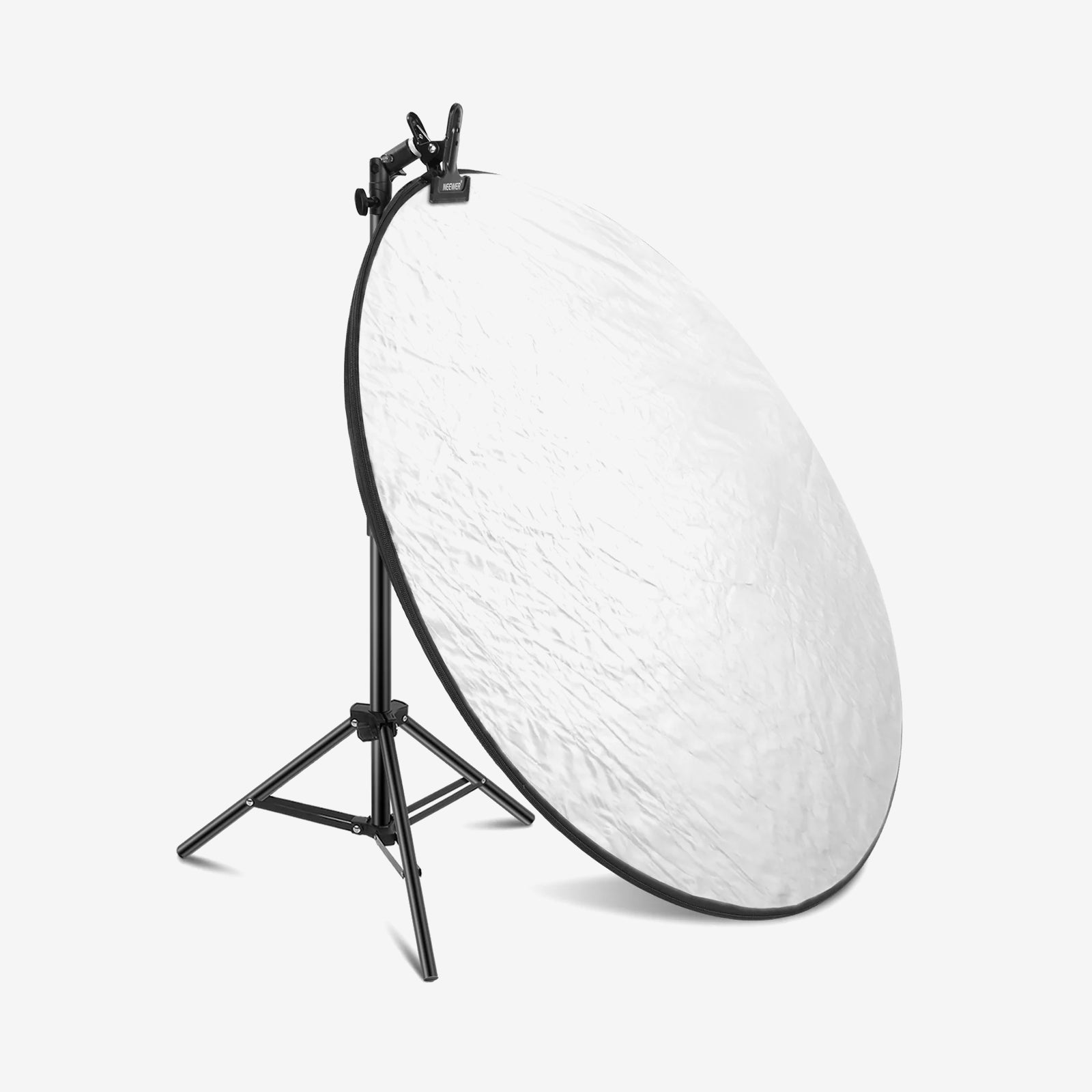
- Reflector: A reflective surface redirects existing light toward a subject, rather than scattering light through a translucent material.
These techniques can also be combined. For example, you can use a diffuser while bouncing your flash to further control how light reaches your subject.

How Does a Flash Diffuser Work?
A flash diffuser changes how light travels from your flash to the subject. Rather than allowing all the light to travel in one concentrated direction, it spreads the output over a wider area.
Spreading and Softening Light
When light passes through a translucent diffuser, it scatters in different directions. This helps reduce the concentration of light coming directly from the flash.
However, diffusion alone doesn't always guarantee softer light. The size of the light source relative to the subject is also important. A larger apparent light source generally creates softer shadows and smoother transitions between light and dark areas.
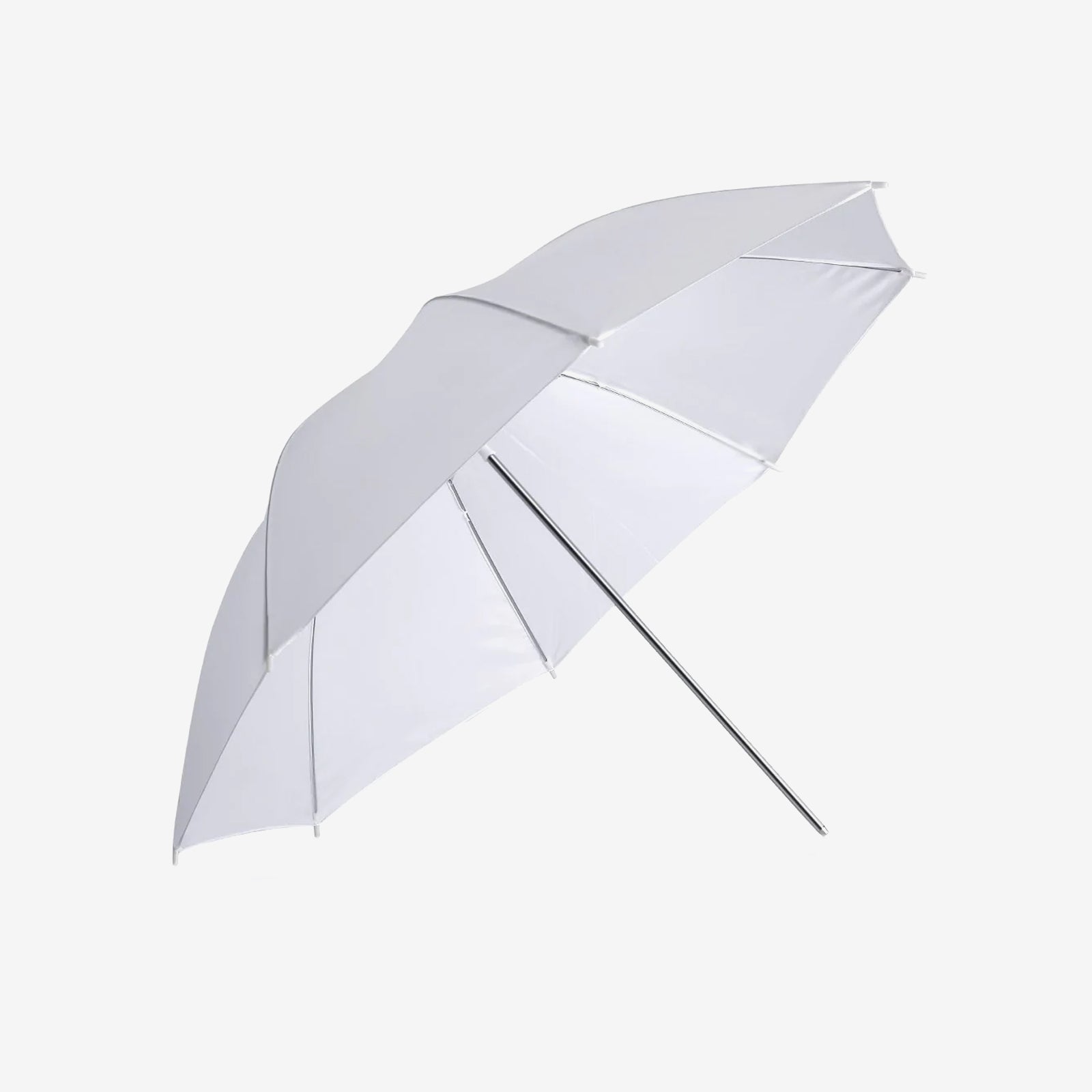
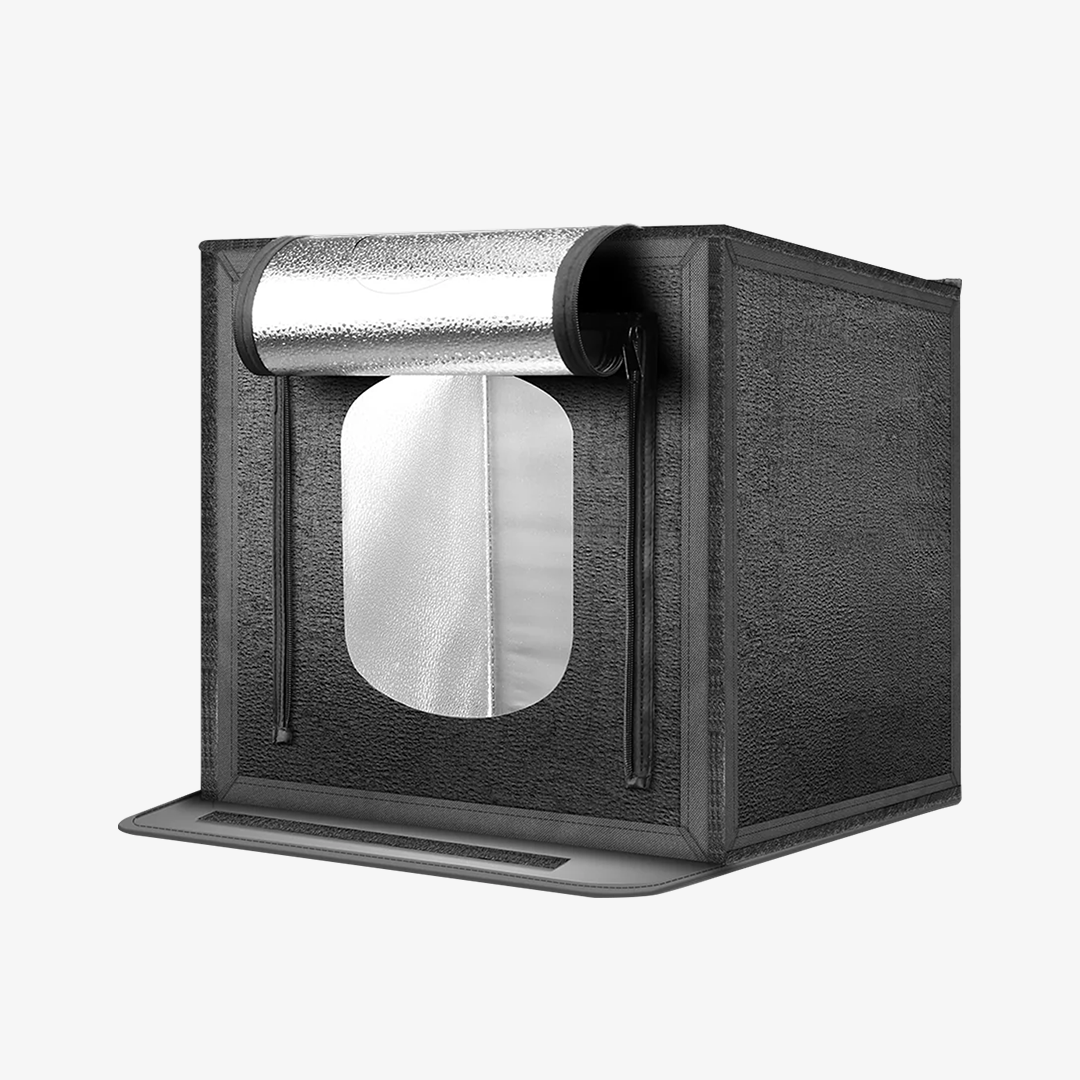
That's why larger diffusion surfaces, such as softboxes, can produce a more noticeable soft-light effect than small flash caps.
Reducing Harsh Shadows and Highlights
Direct flash can create sharp shadows behind a subject and bright specular highlights on shiny surfaces. A diffuser helps distribute the light more broadly, which can make these effects less pronounced.
This is particularly useful for portrait photography, where harsh light can emphasize skin texture, and product photography, where strong reflections may hide important details.
The results depend on the diffuser's size, position, and shooting environment. A small diffuser attached to a speedlight may offer limited improvement when used outdoors in a large, open space.
Why Diffuser Size and Distance Matter
Two factors have a major influence on how soft your flash lighting looks: the apparent size of the light source and its distance from the subject.
A larger light source relative to your subject generally produces softer shadows. Moving the light closer can also make it appear larger from the subject's perspective.
This explains why a small diffuser attached directly to a speedlight may not dramatically soften light on its own. For a more noticeable effect, you may need a larger diffusion surface or a closer flash position.

Common Types of Flash Diffusers
Flash diffusers come in different shapes and sizes, each suited to particular lighting needs. Here are four common types you'll encounter.
|
Type |
How It Works |
Best For |
|
A translucent dome spreads flash output in multiple directions, helping distribute light more broadly. |
General Photography, Indoor Portraits |
|
|
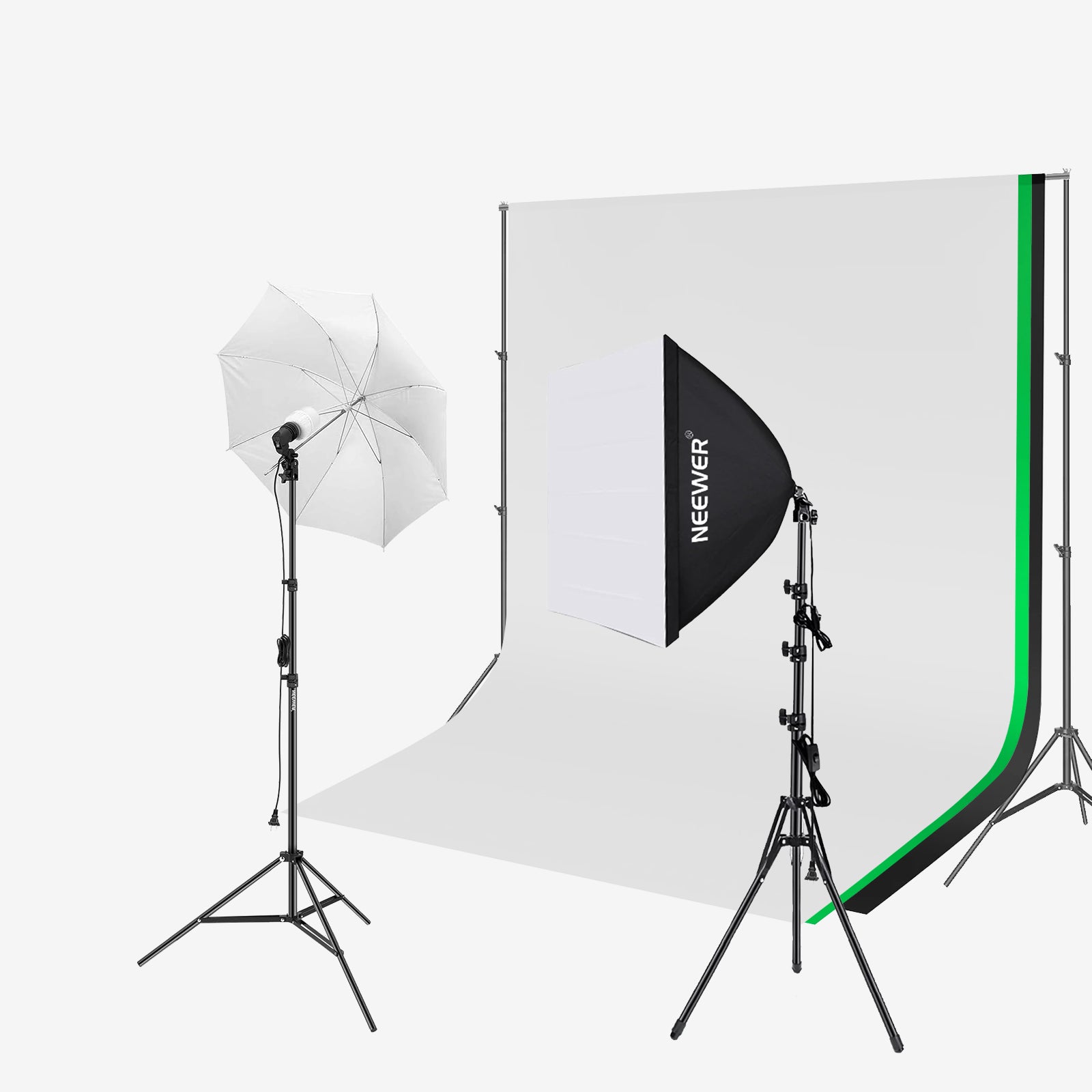
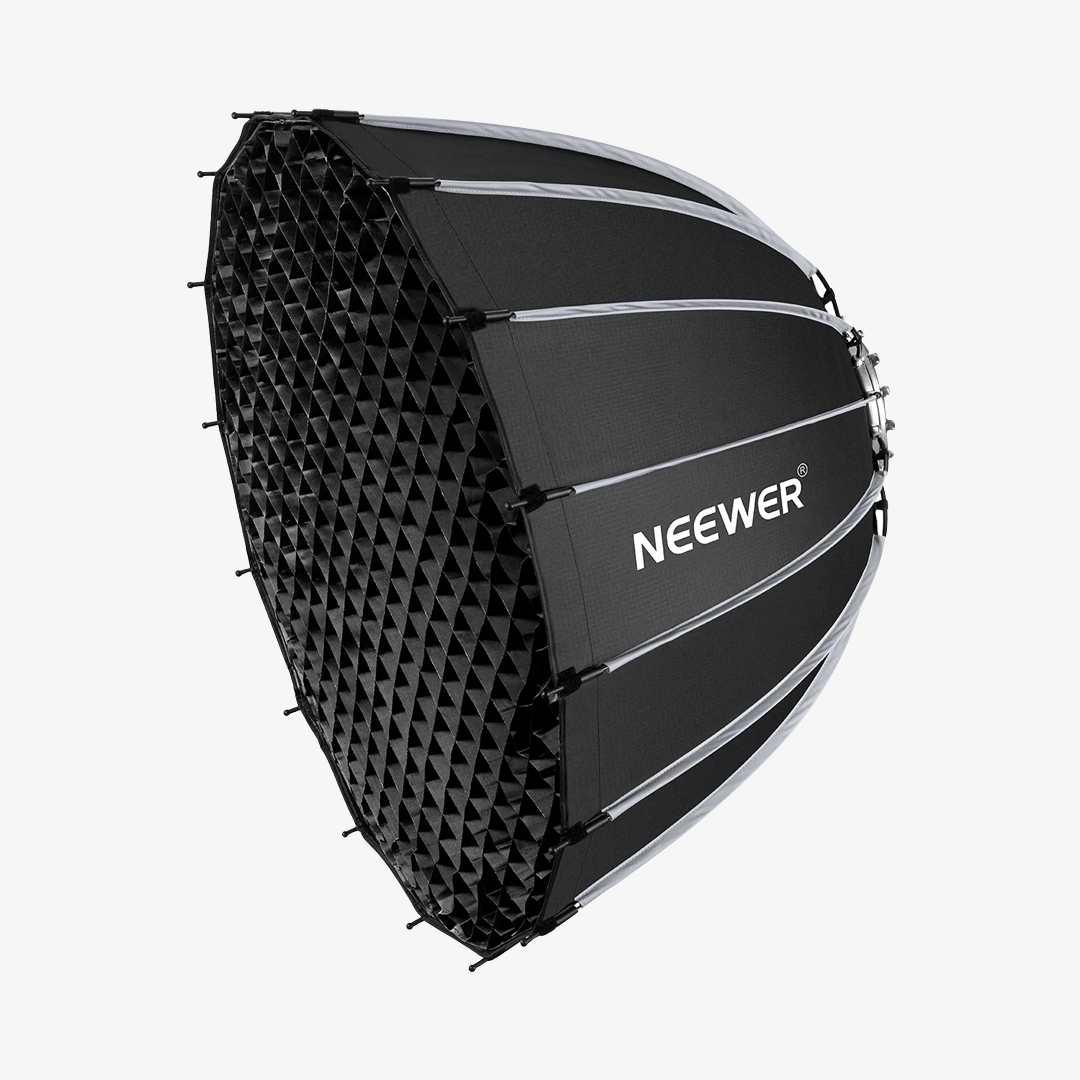
A larger diffusion surface spreads light more evenly and creates softer shadows. |
Portrait Photography, Product Photography |
|
|
Help redirect or spread flash output toward nearby surfaces or the subject for a less direct lighting effect. |
Event Photography, Indoor Photography |
|
|
Macro Flash Diffusers |
Diffuse light close to the subject, helping reduce harsh highlights and shadows in close-up shots. |
Macro Photography, Close-Up Photography |
Each type serves a different purpose. Dome diffusers are compact and easy to use, while softboxes provide a larger diffusion surface for more controlled lighting. Bounce-style accessories are useful when working with reflective surfaces, and macro diffusers are designed for the close working distances common in close-up photography.
Keep in mind that the results also depend on your environment. For example, bounce-style accessories are generally more effective when there are nearby surfaces that can reflect light.
When Should You Use a Flash Diffuser?
A flash diffuser can be useful in many situations, but its benefits vary depending on your subject and shooting environment.
Macro Photography
When shooting small subjects at close distances, flash lighting can easily produce strong highlights and deep shadows. This is especially common when photographing insects, flowers, and other detailed subjects.
A macro flash diffuser helps spread light close to the subject, making it easier to illuminate small details without relying on a concentrated burst of direct flash.
Because macro subjects are often very close to the flash, even relatively small changes in diffuser size and position can make a noticeable difference.
Portrait Photography
For portraits, a diffuser can help reduce the harsh appearance of direct flash and create more balanced lighting on the face. It can also help control bright highlights on the forehead, nose, and cheeks.
If you want softer shadows, consider using a larger diffuser or positioning your flash closer to the subject. For indoor portraits, combining diffusion with bounce flash can also produce a more natural-looking result.
Product Photography
Product photography often involves reflective surfaces, including glass, metal, plastic, and glossy packaging. Direct flash can create distracting hotspots that make it difficult to show the product clearly.
A flash diffuser helps spread the light and can make reflections easier to manage. For more control, a larger softbox is often a better option because it creates a larger light source and produces more gradual transitions across the product's surface.
Event and Indoor Photography
At events, you often have to work quickly and adapt to changing lighting conditions. A compact flash diffuser can help make direct flash less harsh, especially when you can't control the ambient lighting.
It's also useful in venues where bouncing flash isn't practical, such as rooms with high ceilings or dark-colored walls. Just remember that diffusion accessories can reduce the amount of light reaching your subject, so you may need to adjust your flash power or camera settings.

How to Choose the Right Flash Diffuser
The best flash diffuser depends on your equipment, photography style, and shooting environment. Here are three things to consider before choosing one.
1. Match the Diffuser to Your Flash
Not every diffuser fits every flash. Check the shape and dimensions of your flash head, as well as the accessory's mounting method.
Some diffusers are designed for rectangular speedlight heads, while others use specific mounts or brackets. Make sure the accessory is compatible with your flash model before purchasing.
2. Consider Your Photography Style
Think about the subjects you photograph most often:
- Portraits: A softbox or larger diffusion surface can help create softer, more flattering light.
- Events: A compact dome diffuser or bounce-style accessory is convenient when you need to move quickly.
- Product photography: A softbox offers more control over highlights and reflections.
- Macro photography: A dedicated macro diffuser can help distribute light at close working distances.
Choosing a diffuser based on your typical shooting conditions will usually be more useful than simply picking the largest or most versatile option.
3. Portability and Ease of Use
If you shoot on location, portability matters. A compact diffuser is easy to carry and quick to attach, while larger softboxes may require additional setup and support.
Also consider how easily you can adjust the diffuser during a shoot. For fast-paced event photography, a simple setup may be more practical than a larger lighting modifier that takes time to position.
FAQs
Does a flash diffuser really make a difference?
Yes, a flash diffuser can help spread light and reduce the concentrated look of direct flash. However, the effect depends on its size, design, and distance from the subject. A small diffuser may offer only a subtle change, while a larger diffusion surface can produce more noticeable results.
Does a flash diffuser reduce light output?
Yes. Some of the flash's light is scattered, absorbed, or redirected by the diffuser, so less light may reach your subject directly. You may need to increase your flash power or adjust your exposure to compensate.
Is a flash diffuser better than bouncing flash?
Neither is always better. A diffuser spreads light through a diffusion material, while bounce flash uses a nearby surface to reflect light toward the subject. Bounce flash can create soft, natural-looking illumination when suitable walls or ceilings are available. A diffuser is more useful when you need to modify direct flash or when bouncing isn't possible.
Can I use a flash diffuser for macro photography?
Absolutely. Macro flash diffusers are designed to distribute light close to small subjects, helping reduce harsh highlights and shadows. They are particularly useful when photographing insects, flowers, and other subjects at close range.
Do all flash diffusers fit every speedlight?
No. Compatibility depends on the flash head's shape and dimensions, as well as the diffuser's mounting system. Always check the supported flash models or measurements before buying a diffuser.