

ND Filters
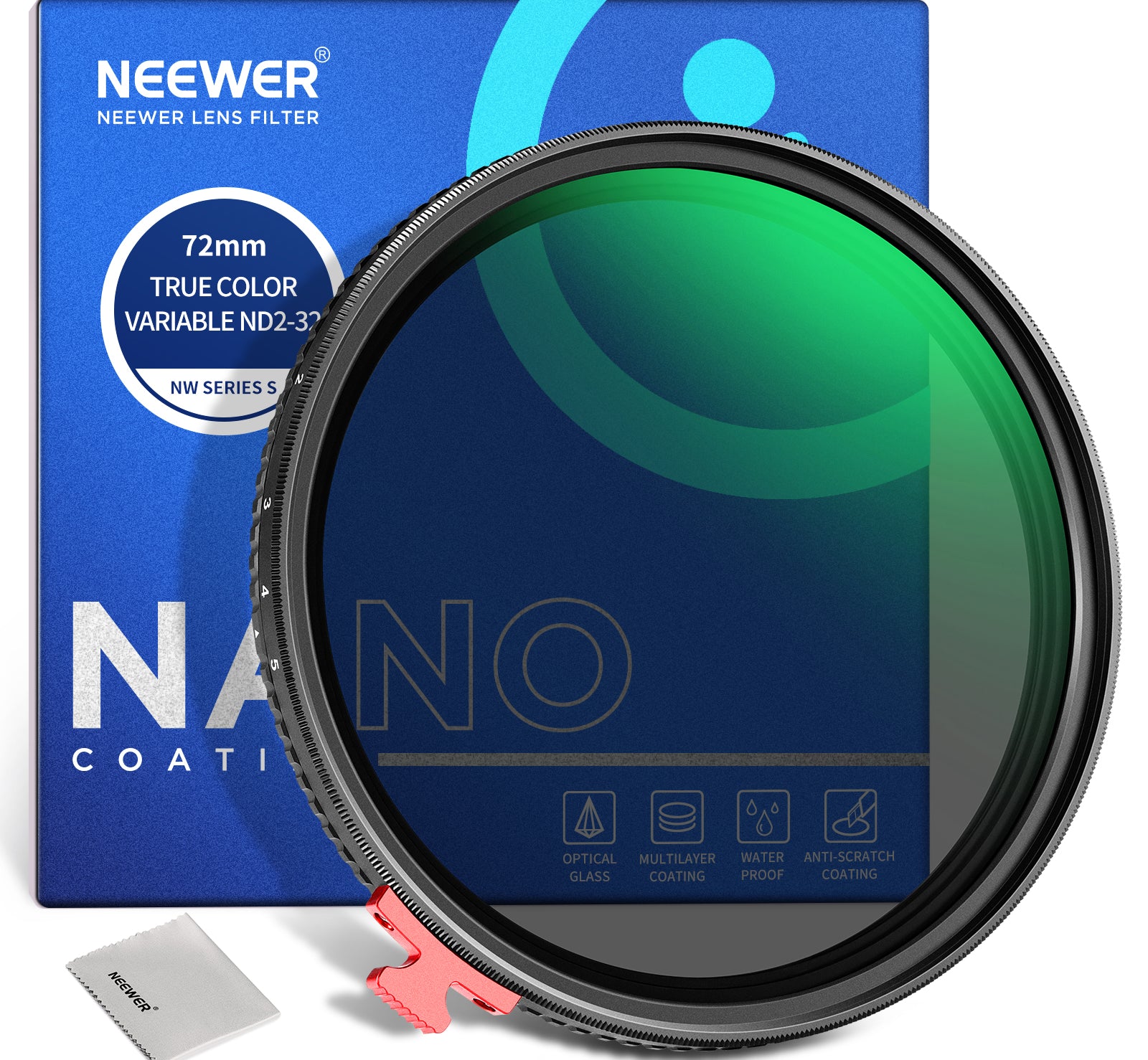

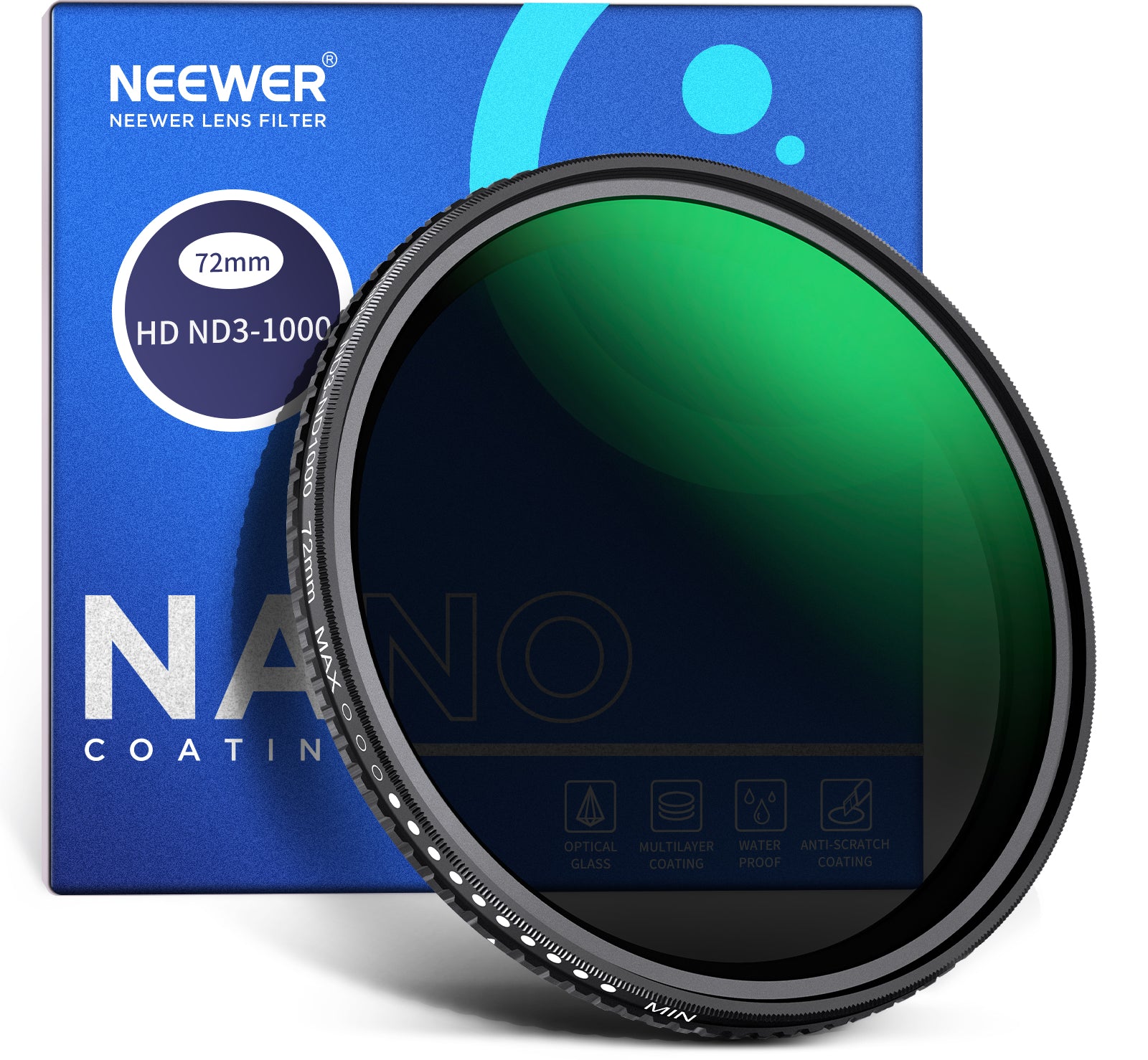
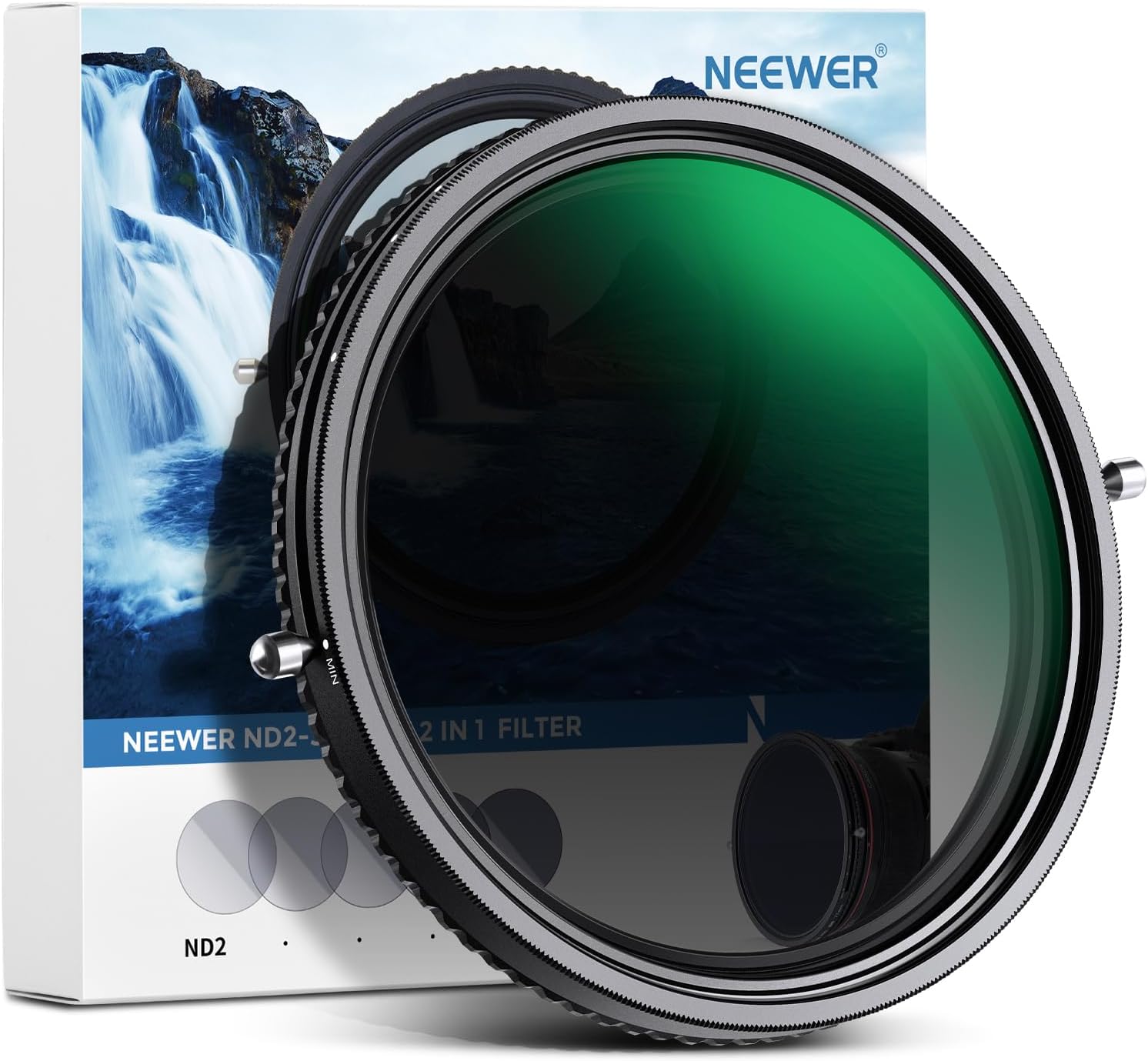
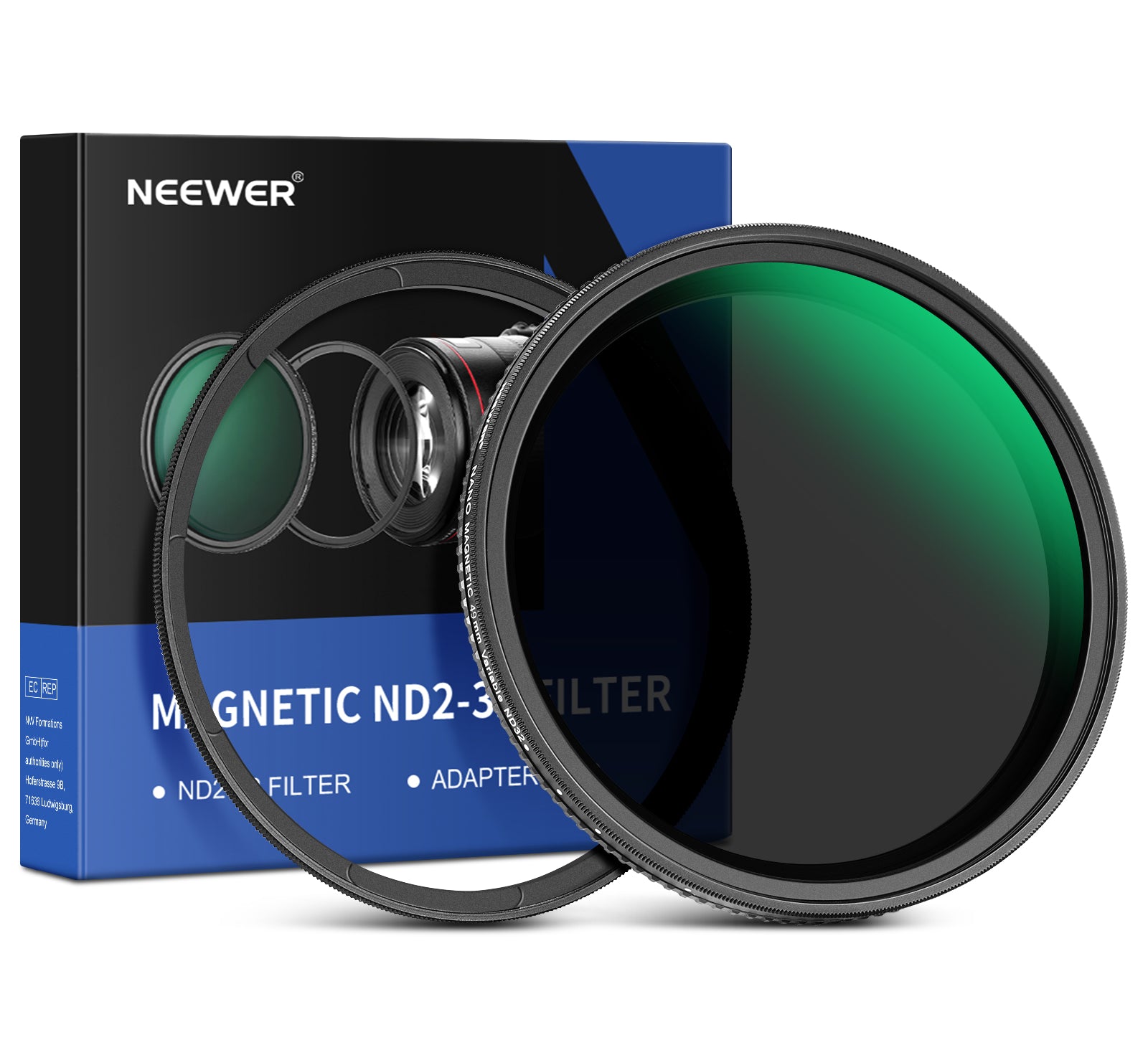
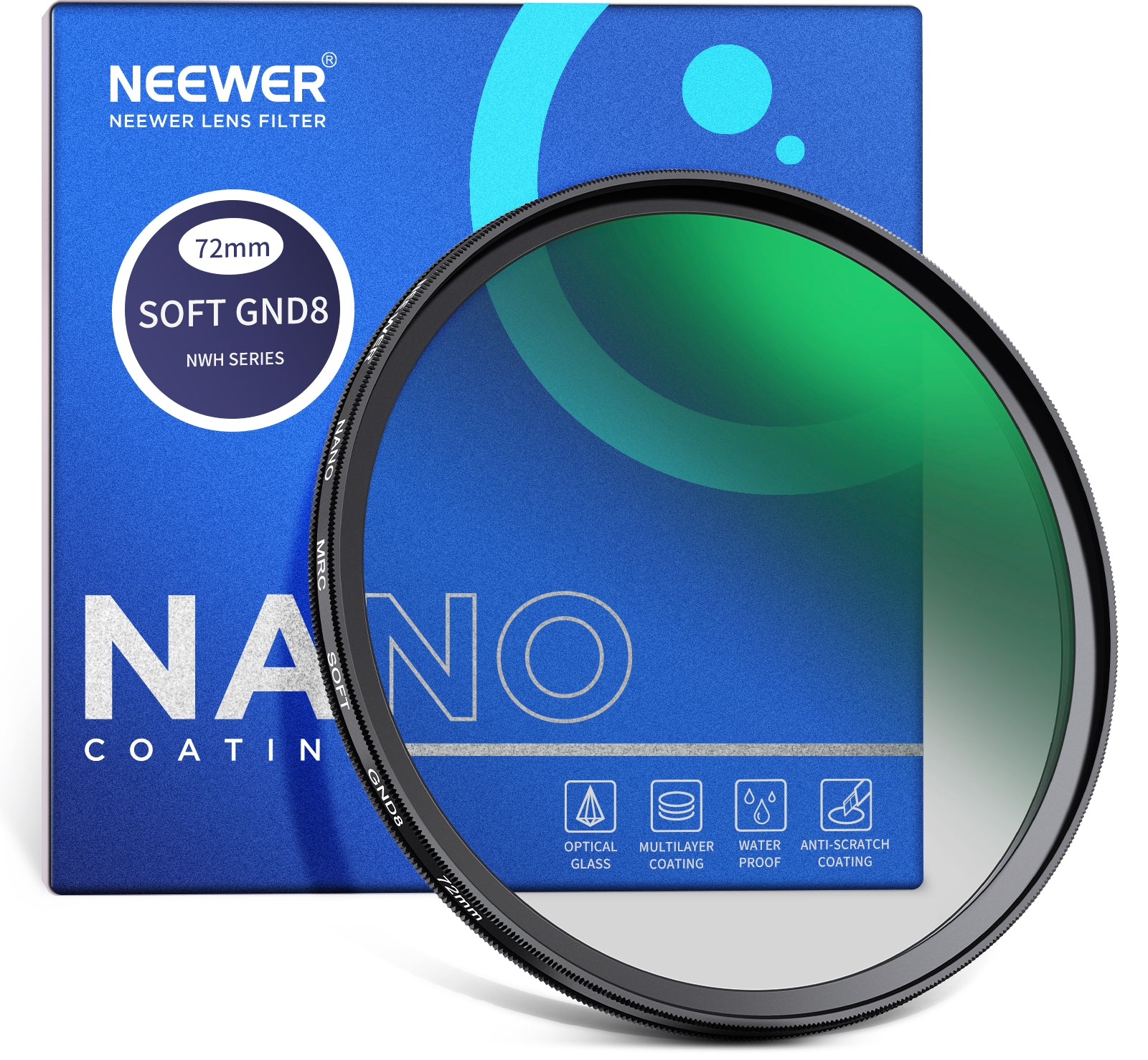
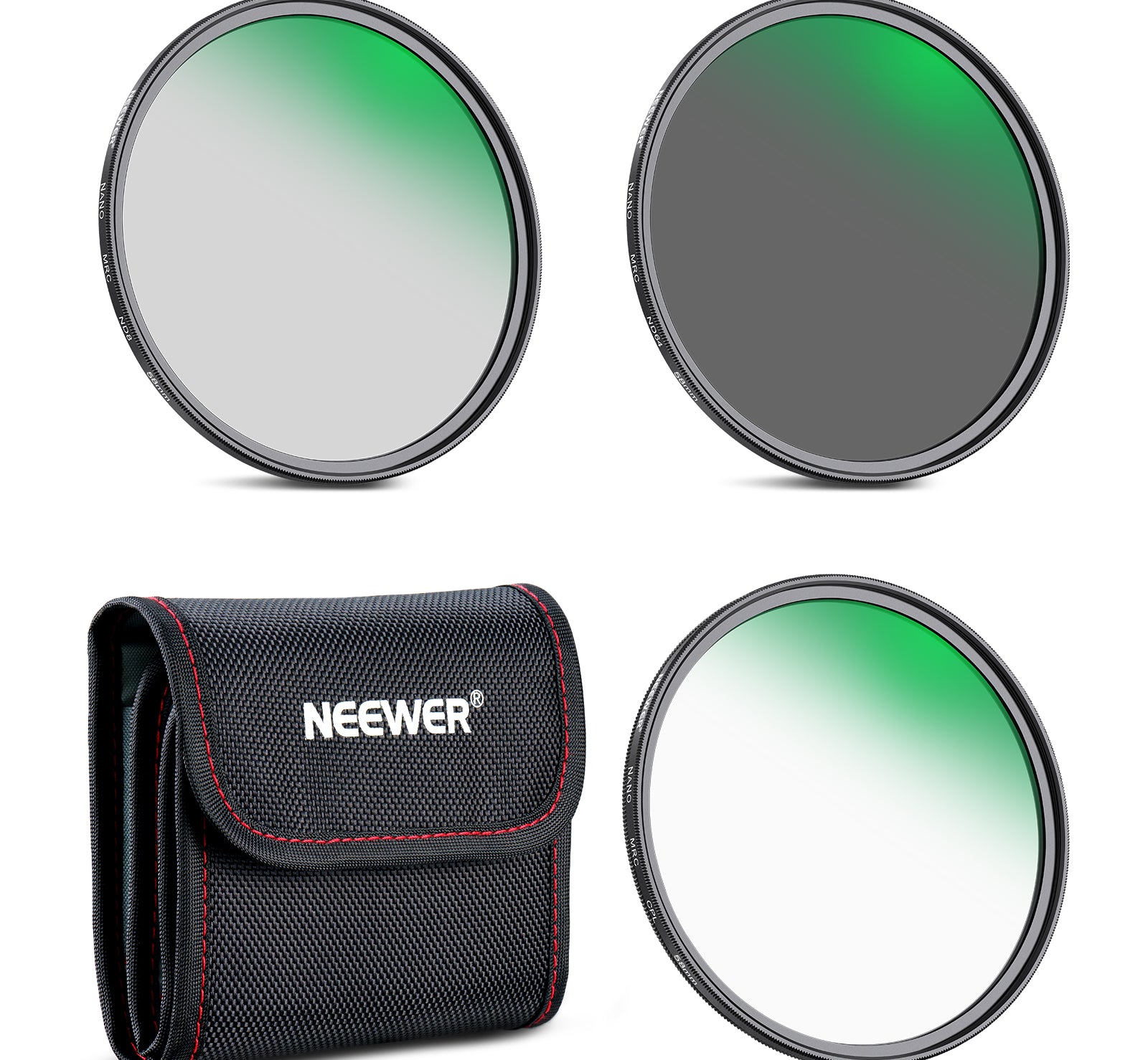
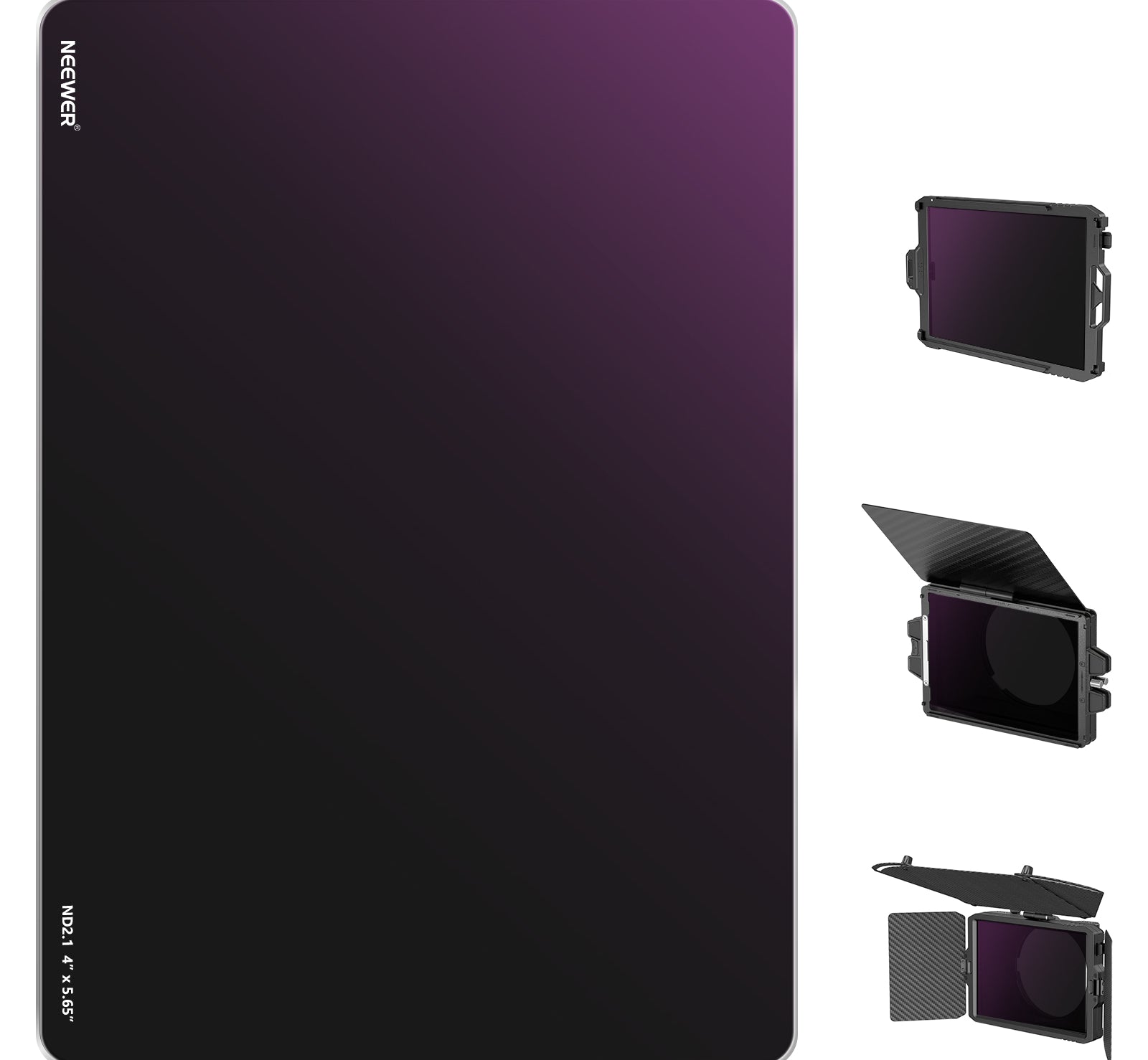
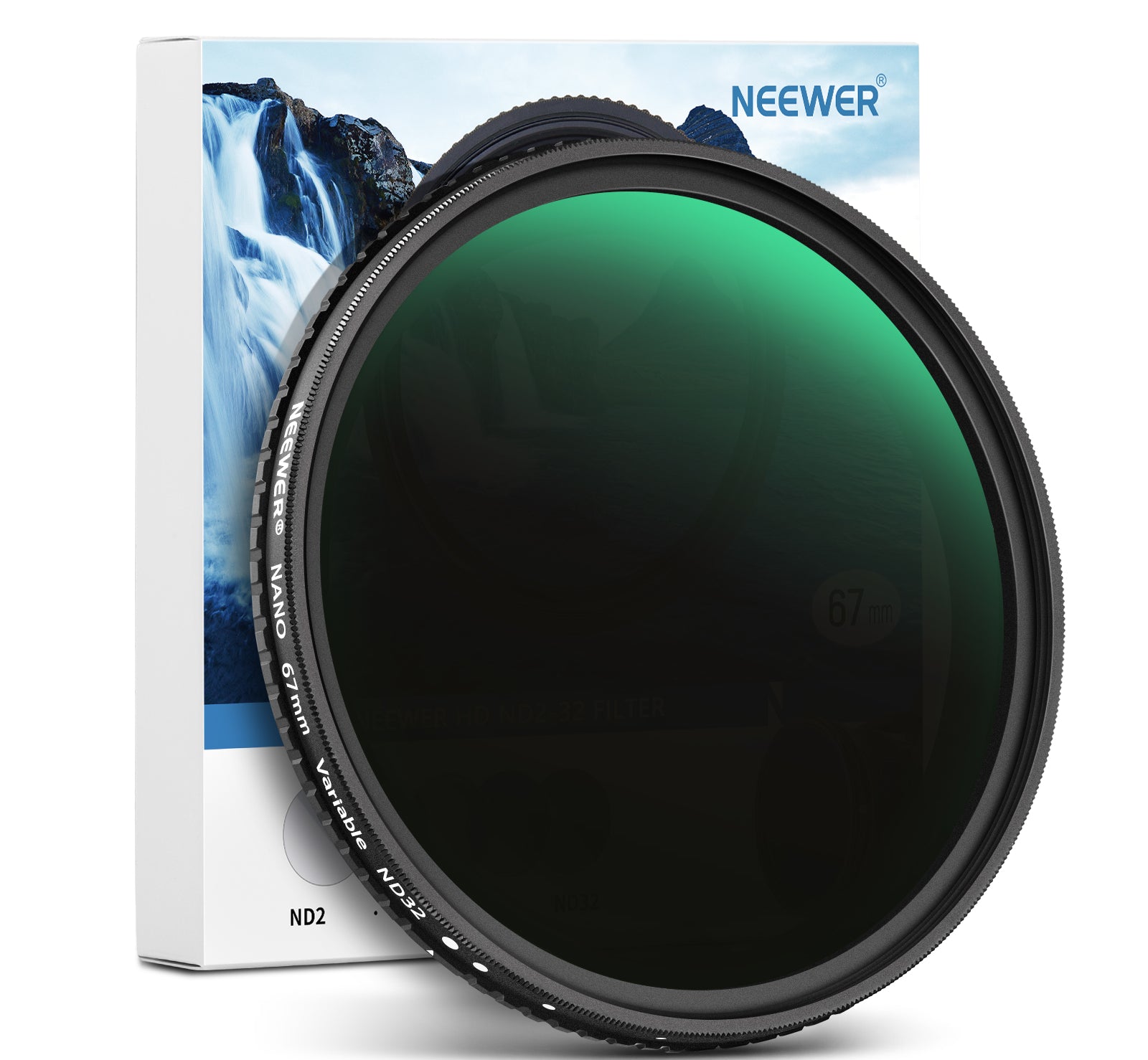
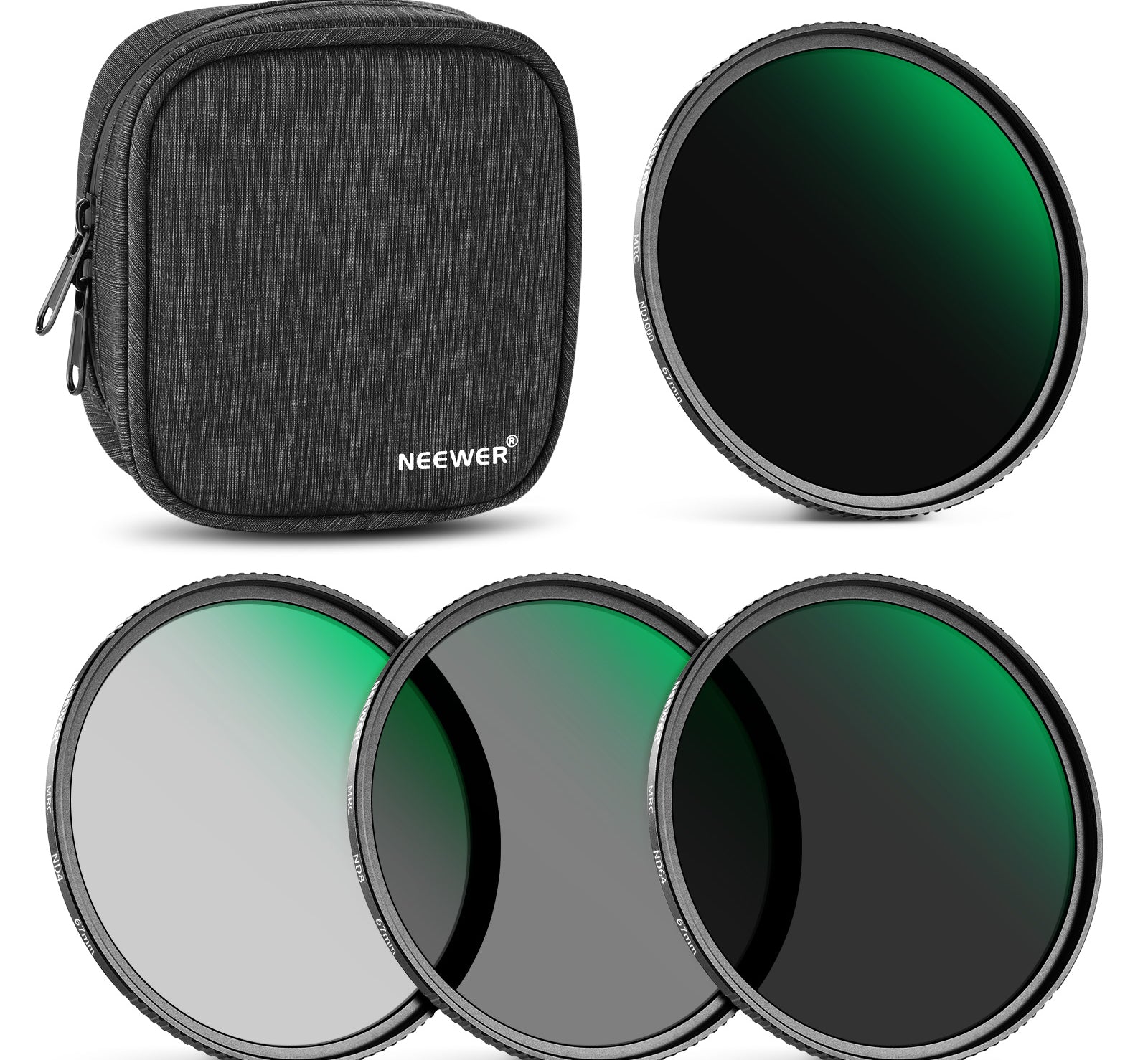
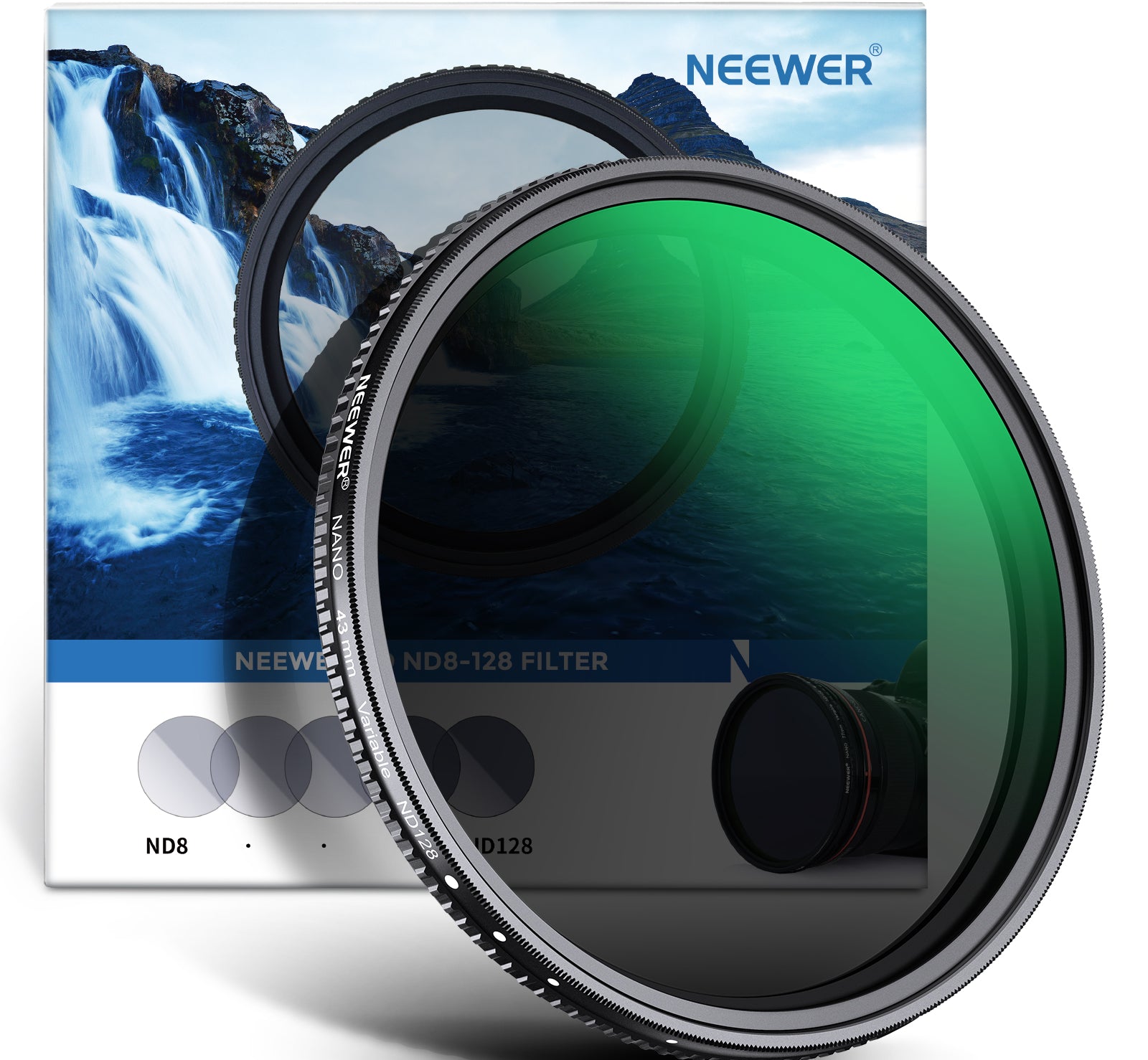
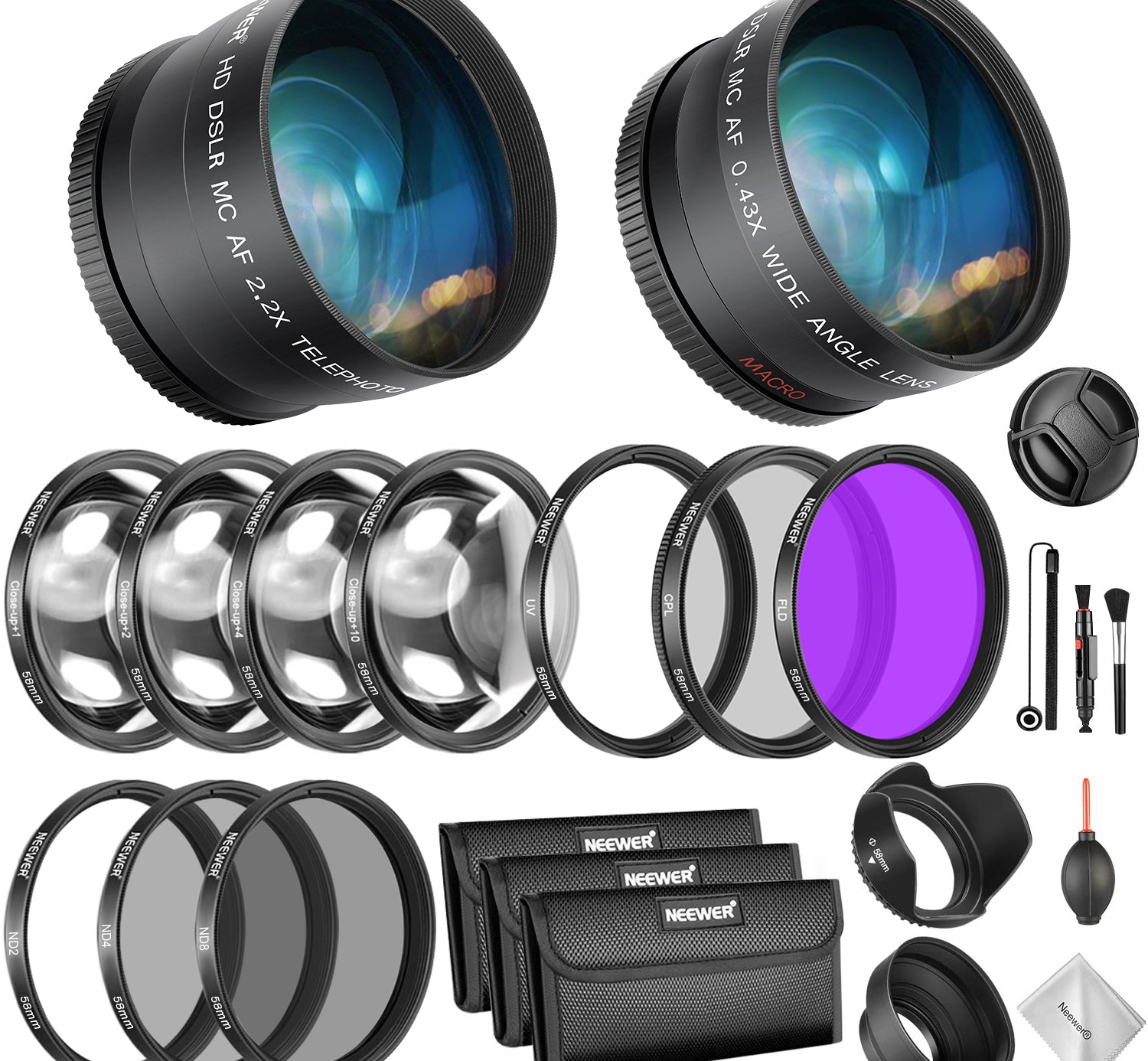
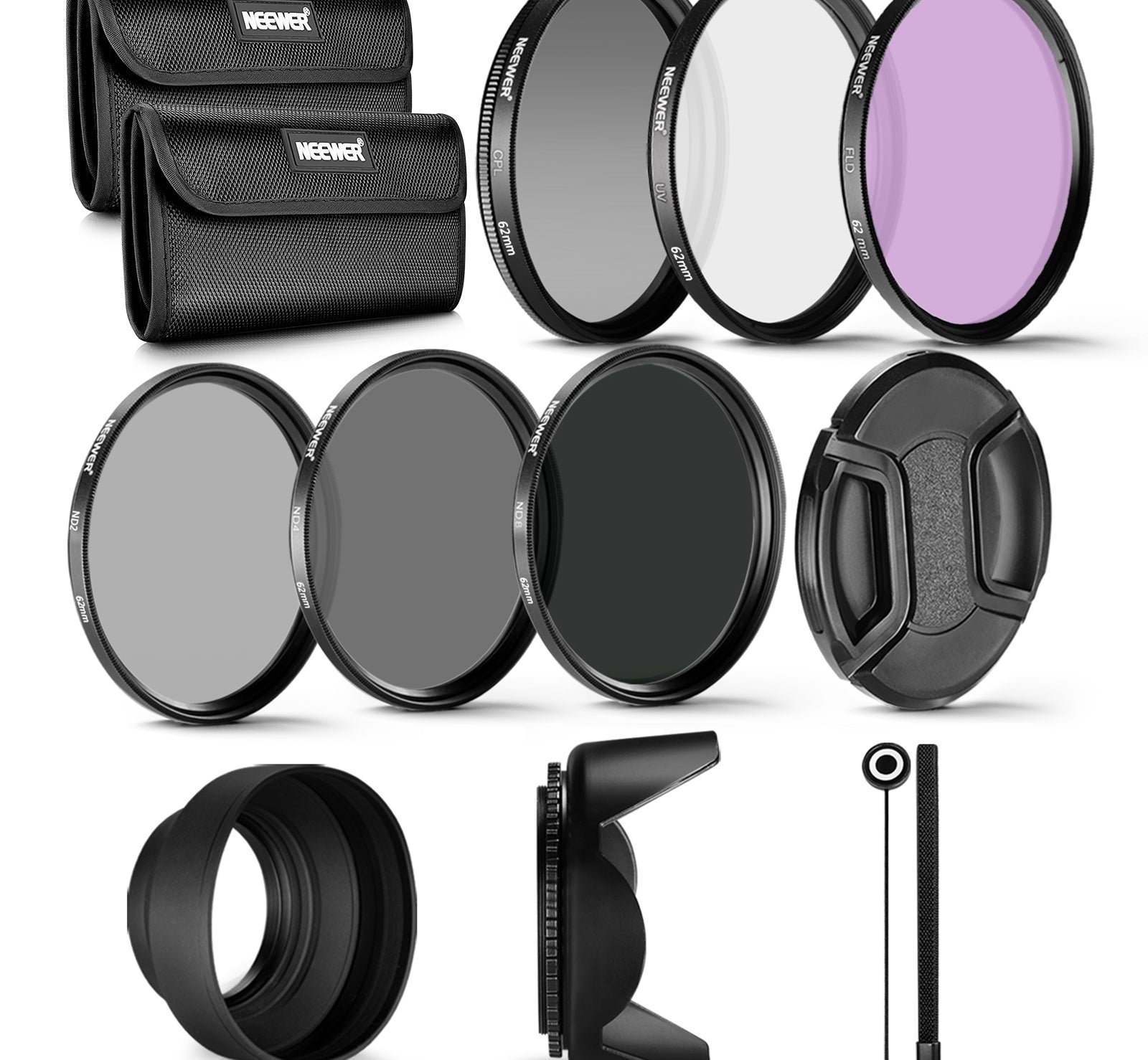
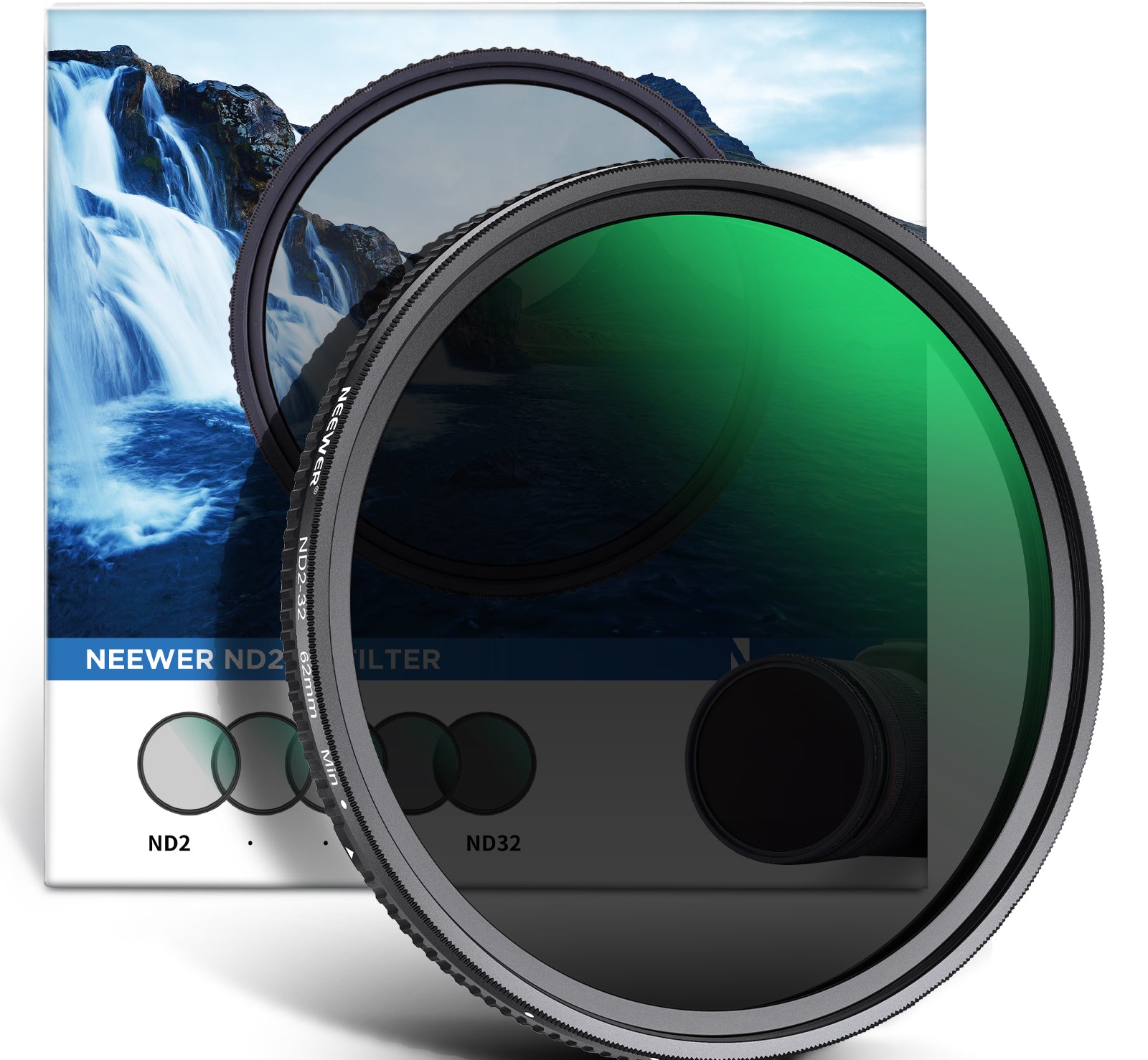
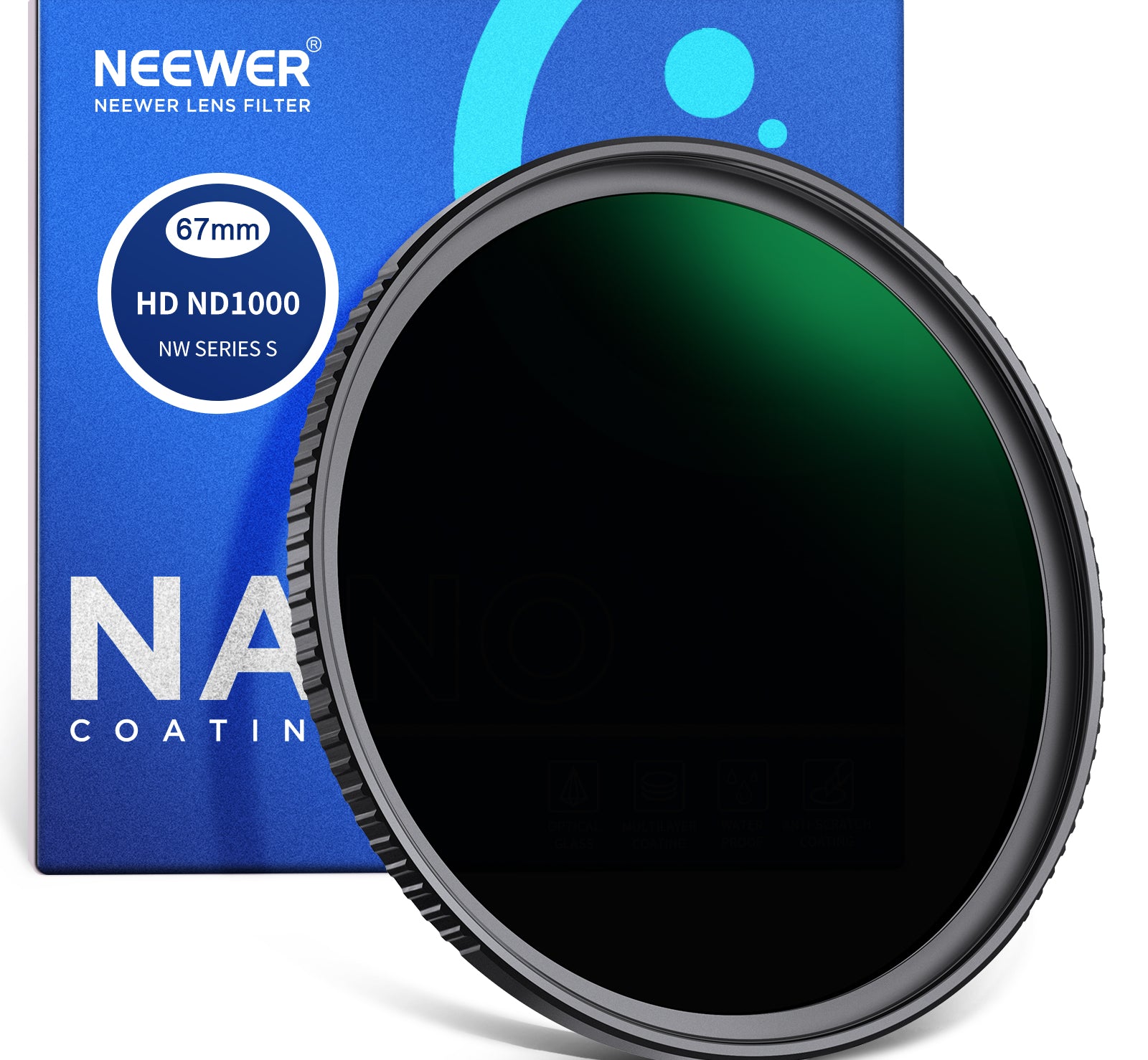
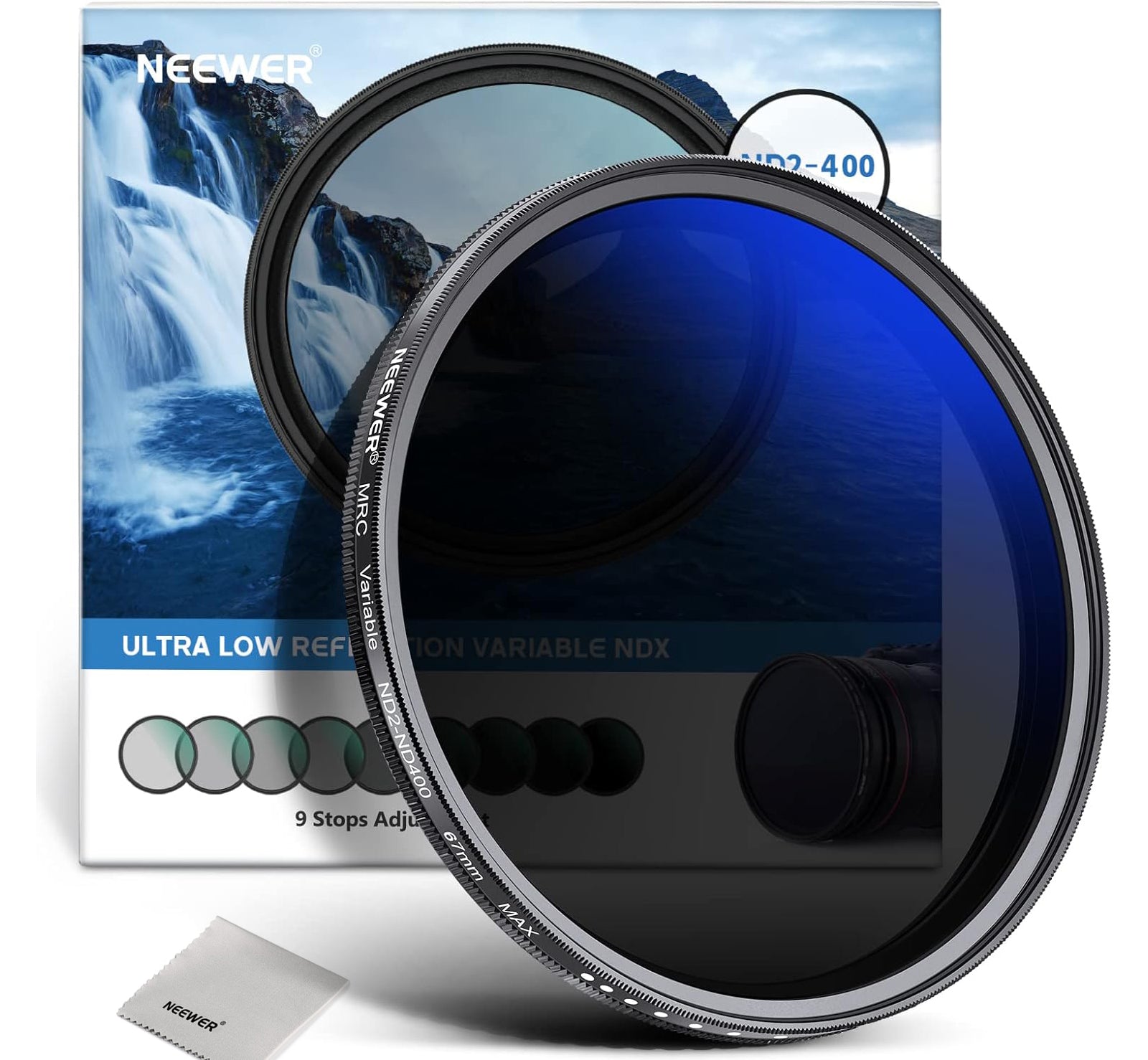
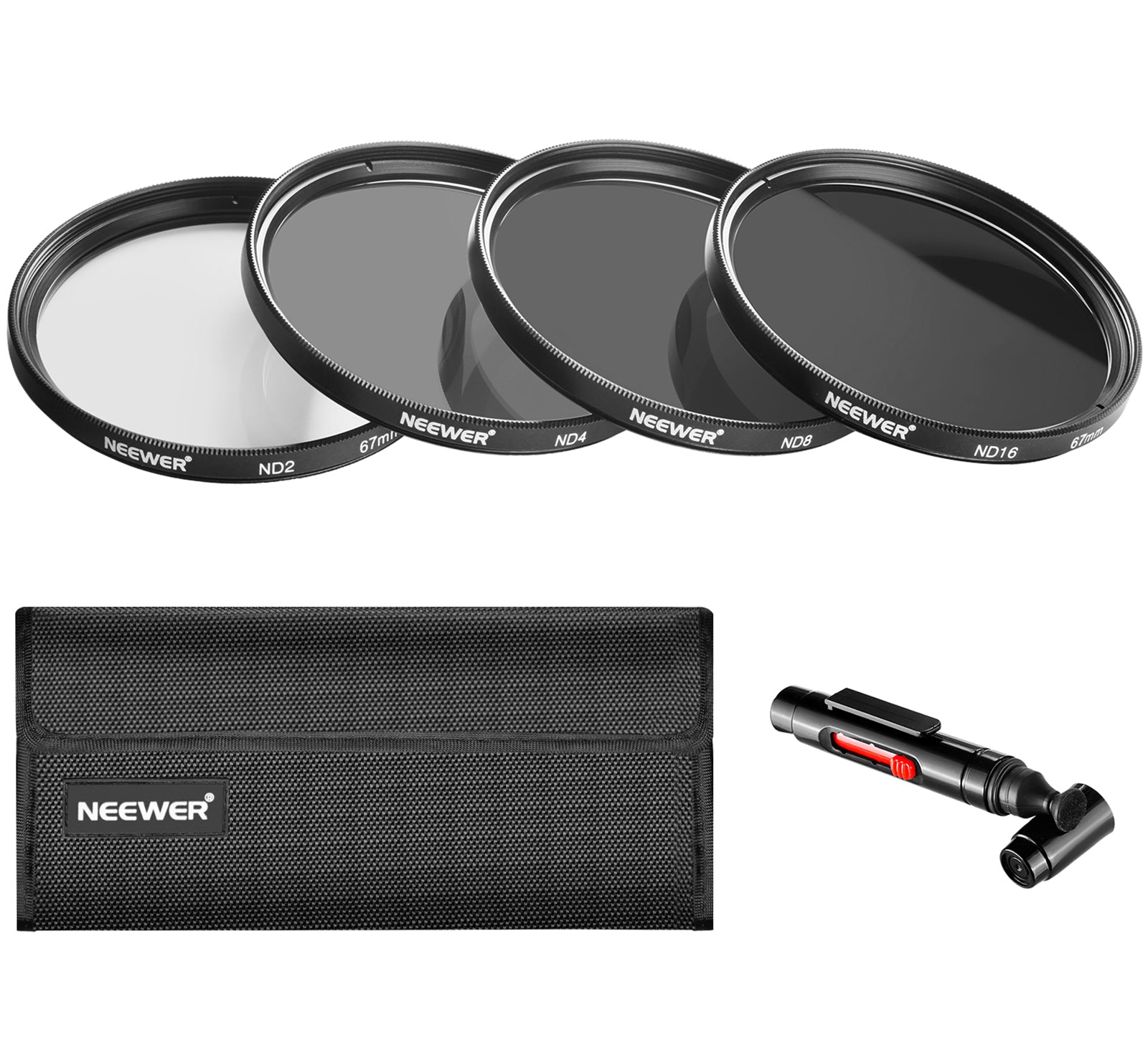
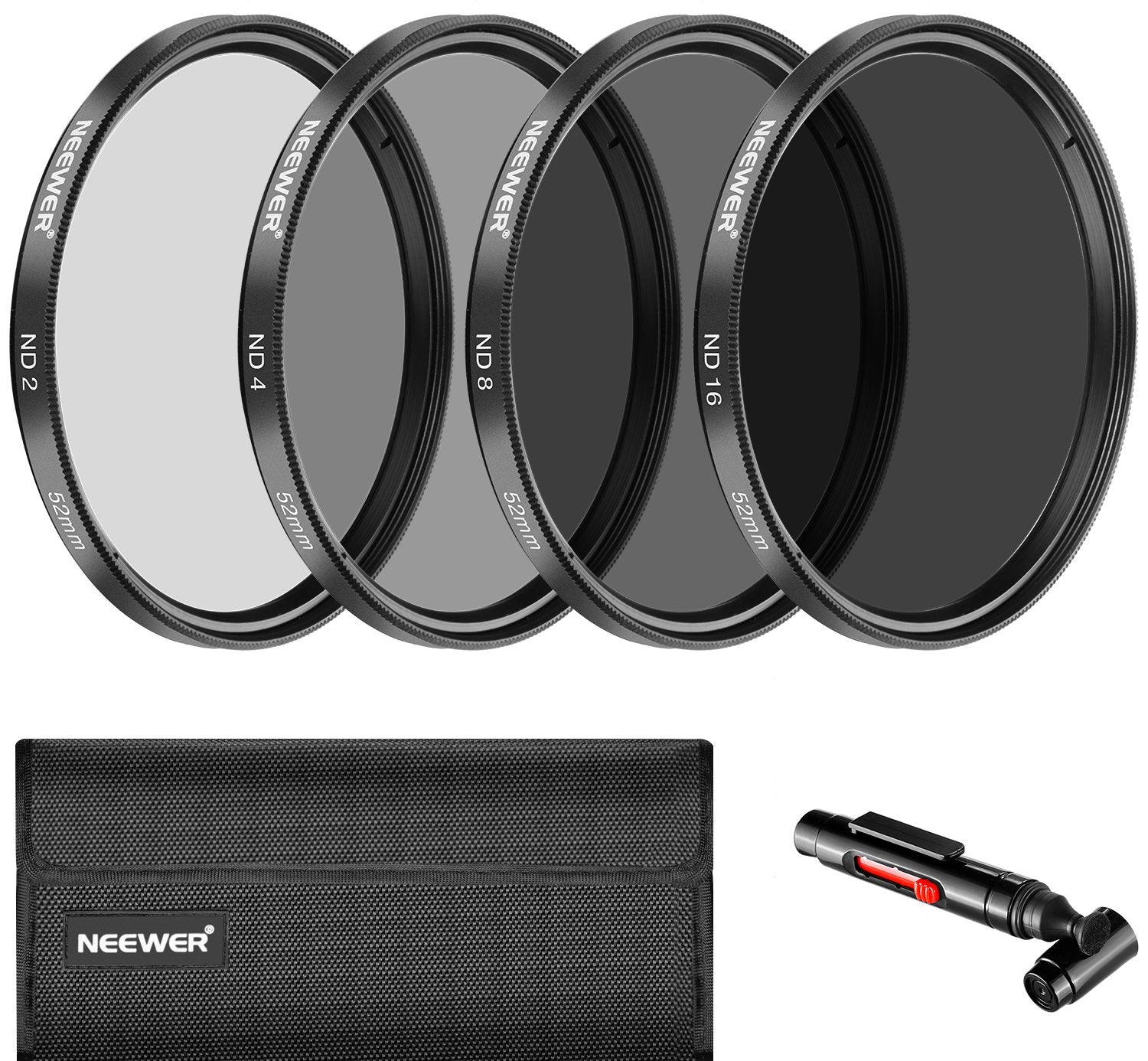
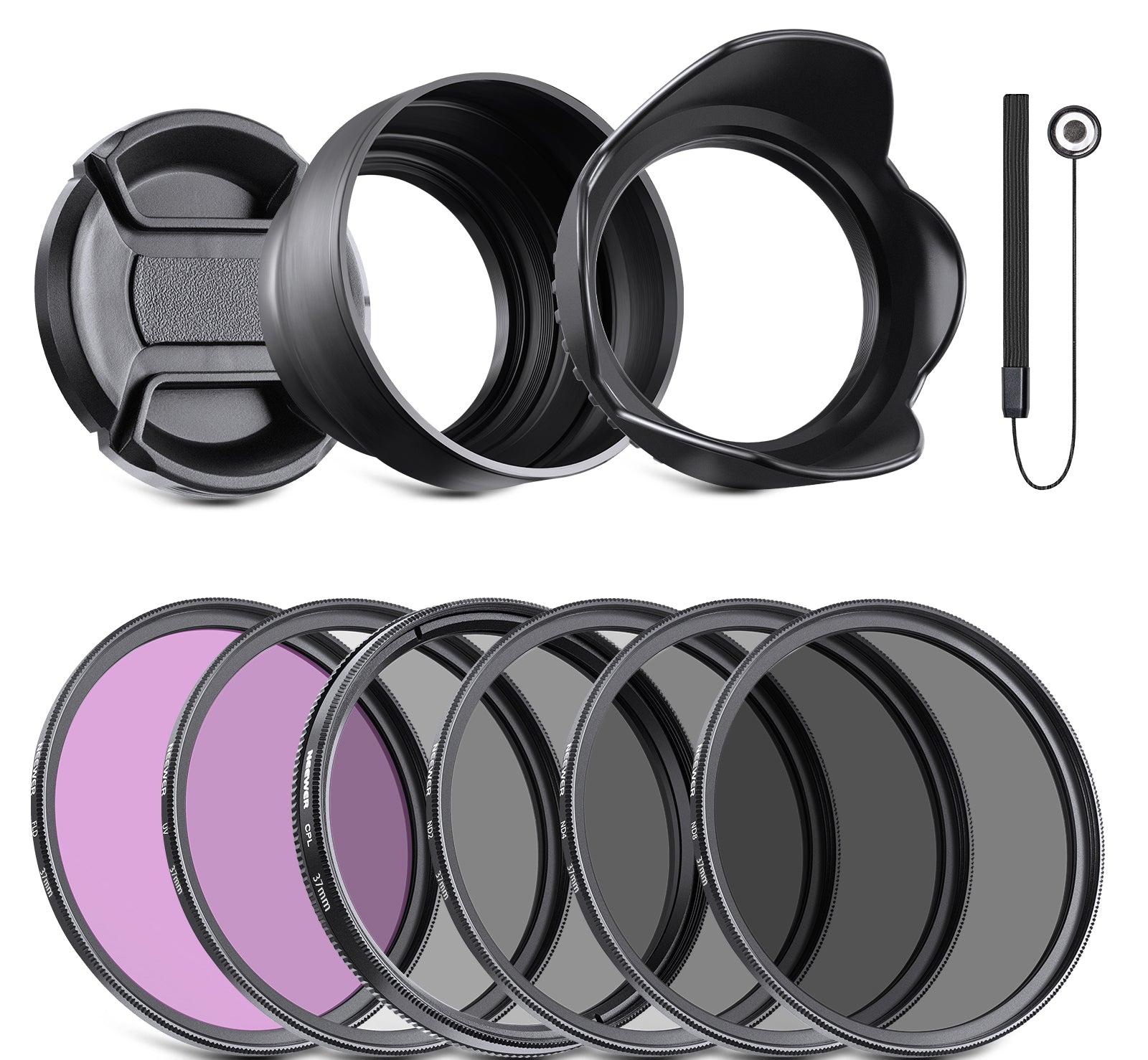
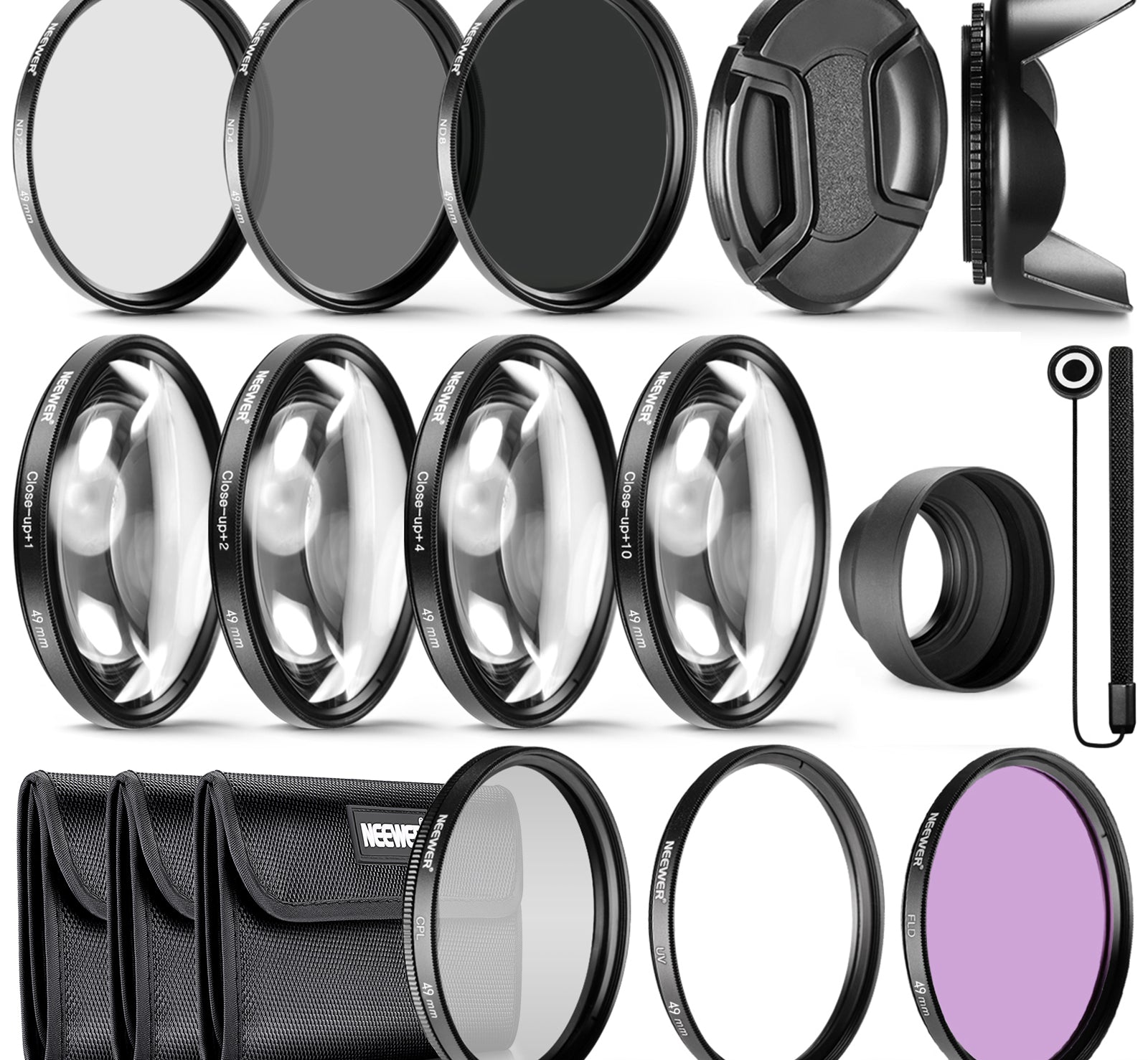
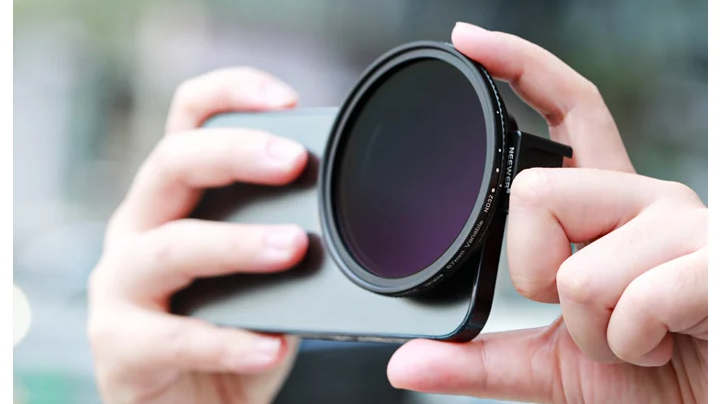
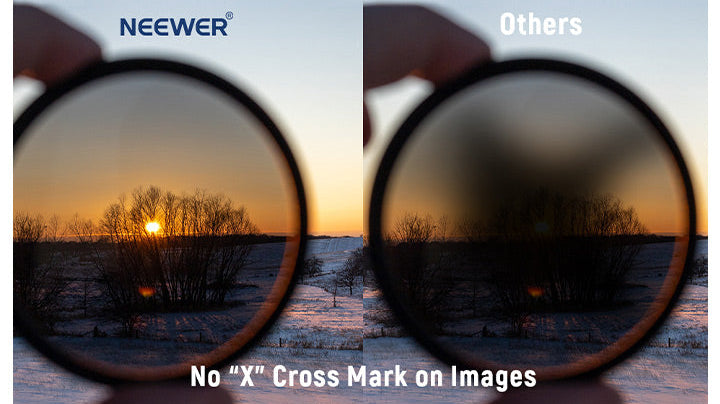
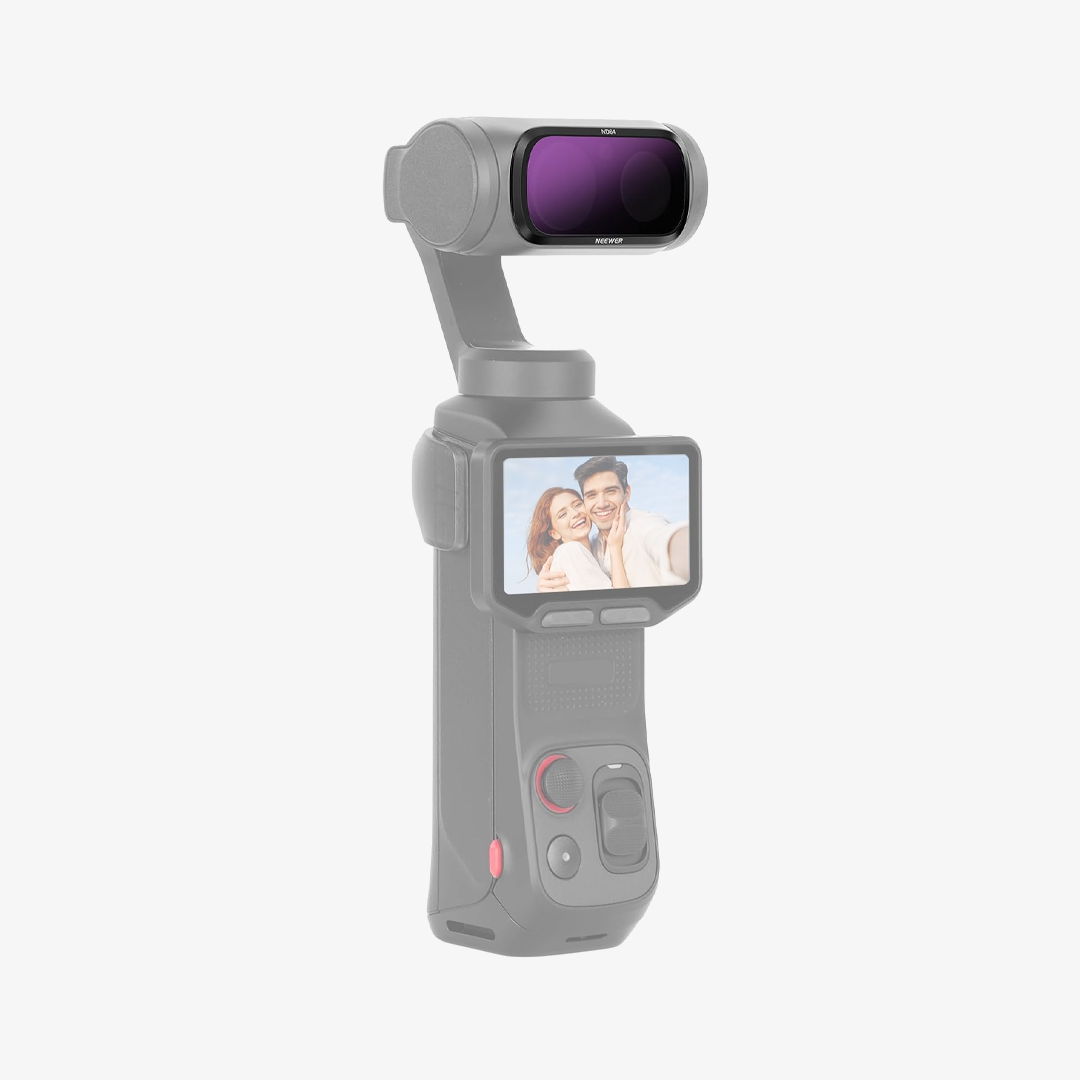
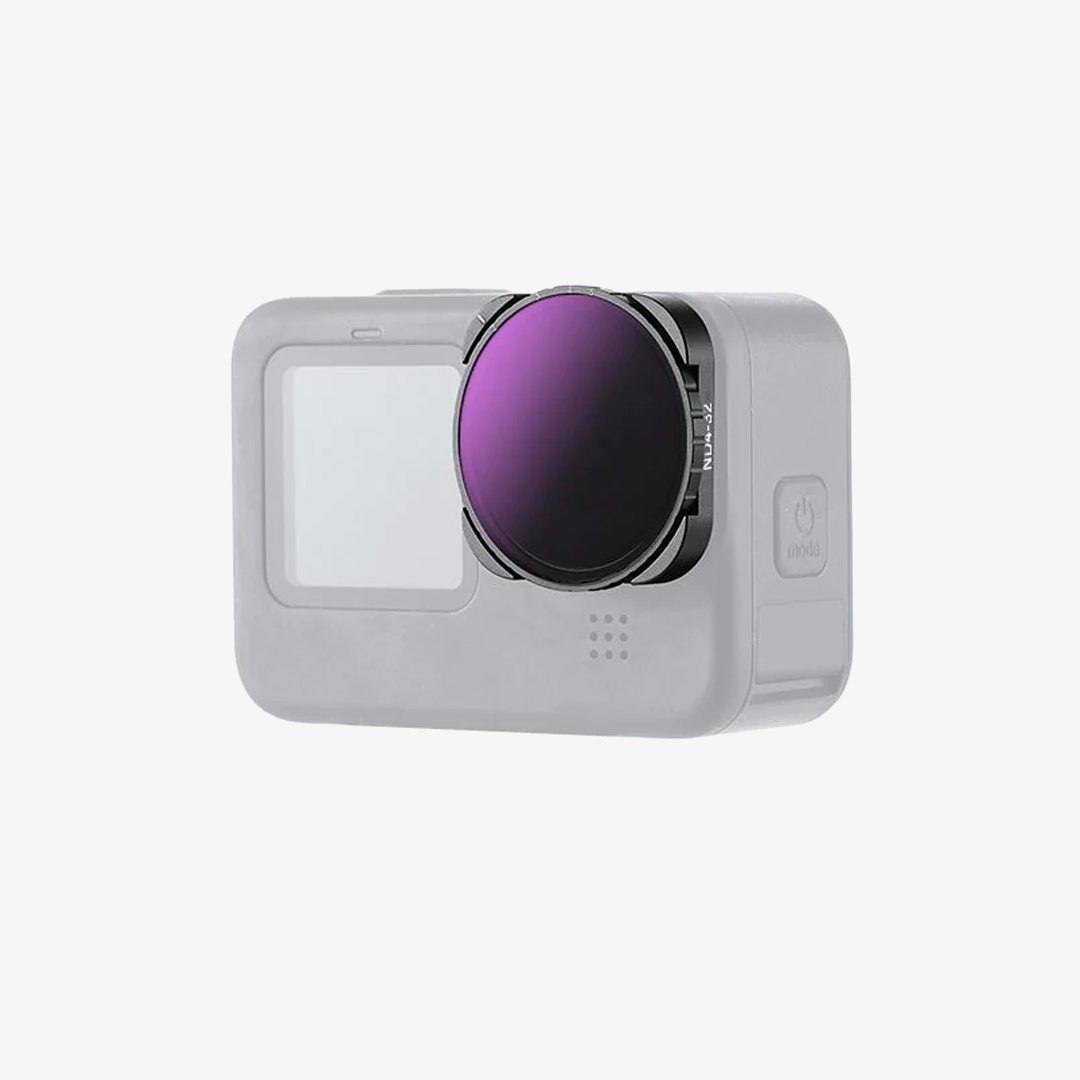
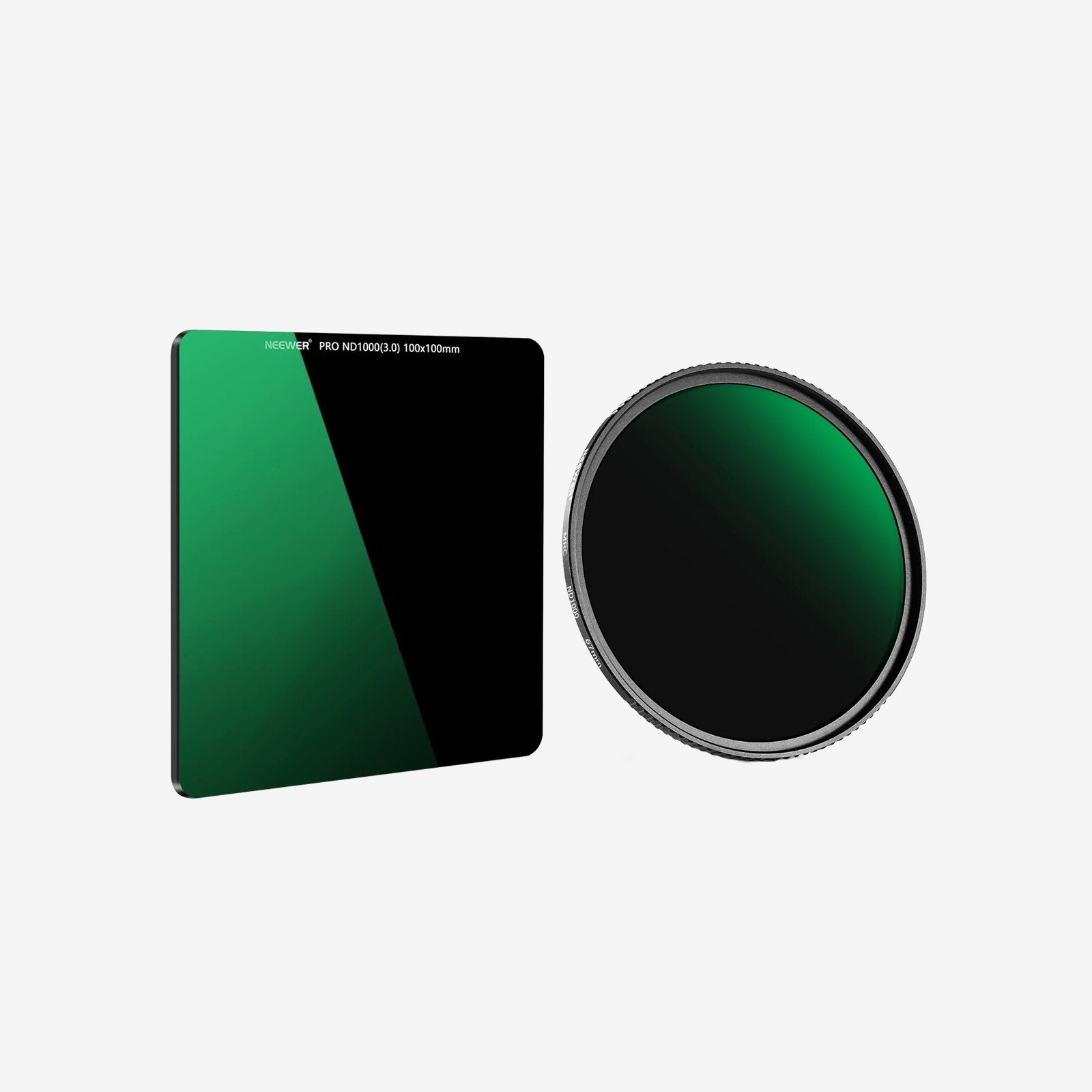
NEEWER ND lens filters give photographers precise control over the amount of light entering the lens, enabling creative exposure adjustments even in bright conditions. These filters allow for slower shutter speeds, wider apertures, and longer exposure times, making them ideal for capturing motion blur, silky water effects, or dramatic skies. Variable ND filters offer exceptional flexibility, allowing photographers to adjust the density on the fly without changing filters.
FAQ
What Is an ND Filter?
An ND filter (Neutral Density filter) is a darkened piece of optical glass that attaches to the front of your lens to reduce the amount of light entering the camera. It does not change color, contrast, or sharpness — it simply cuts light evenly across the frame. Think of it as sunglasses for your camera. When you’re shooting in bright conditions, and your image is overexposed, an ND filter lets you control exposure without changing your creative settings.
What Do the Numbers on ND Filters Mean?
The numbers on ND filters tell you how much light they block—and that directly controls how slow you can make your shutter speed.
Is an ND Filter the Same as a Polarizer?
No, an ND filter and a polarizer are not the same — they serve very different purposes, even though both attach to your lens.
An ND filter simply reduces the amount of light entering your camera without changing color, contrast, or reflections. It’s all about controlling exposure, letting you shoot wide apertures in bright light, slow shutter speeds for motion blur, or proper video shutter speeds in daylight.
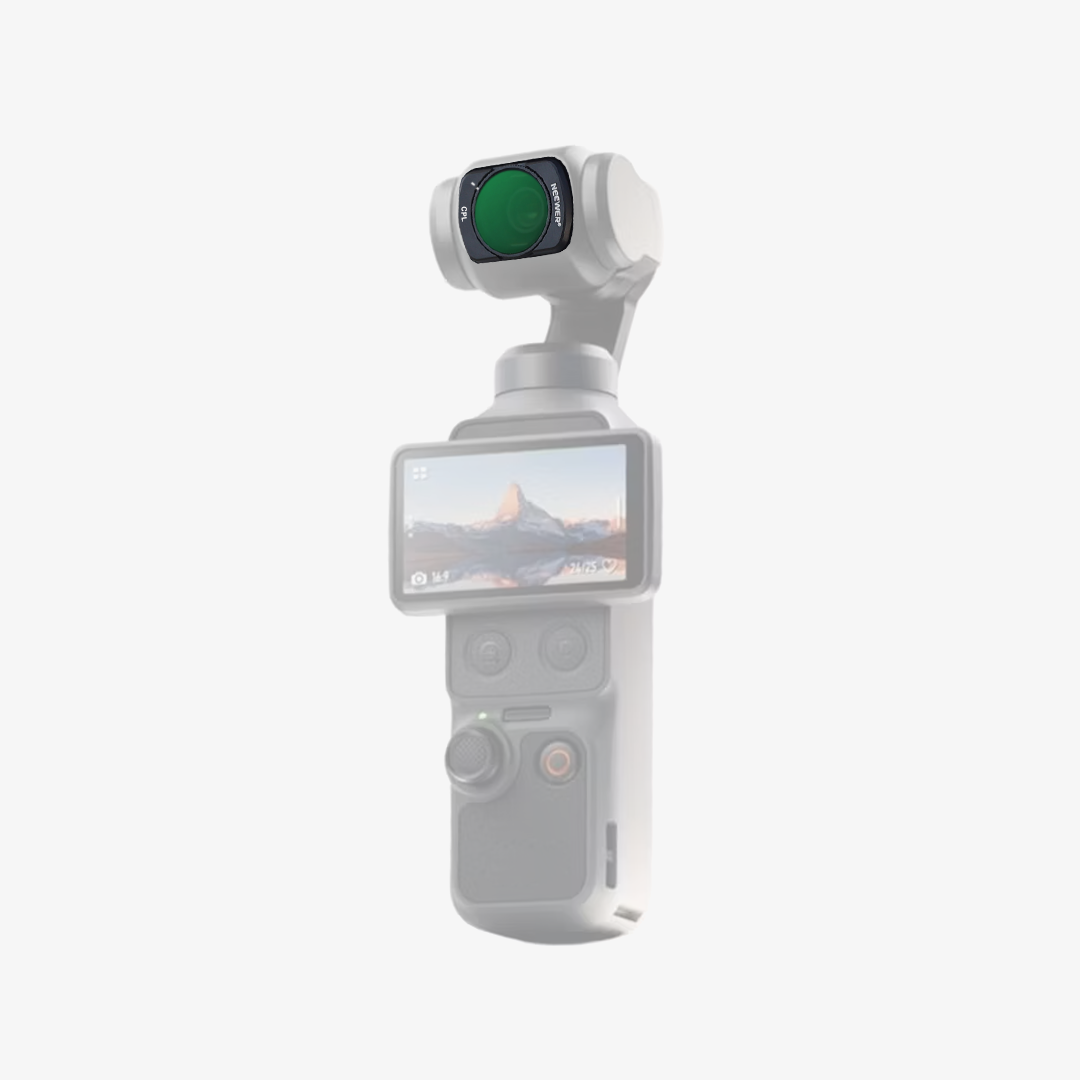
A CPL filter, on the other hand, selectively reduces glare and reflections from non-metallic surfaces like water, glass, or leaves. It can also deepen blue skies and increase overall color saturation.
Should You Get a CPL or an ND Filter?
If your goal is controlling exposure, keeping a wide aperture in bright sunlight, or shooting smooth motion in video, go with an ND filter. It doesn’t change color or reflections — it just cuts light evenly so you can stick to your creative settings.
If your goal is to reduce glare, reflections, or boost colors, get a CPL (circular polarizer). It’s perfect for outdoor photography where water, glass, or shiny leaves are causing distracting reflections, or when you want a deeper blue sky and richer colors.